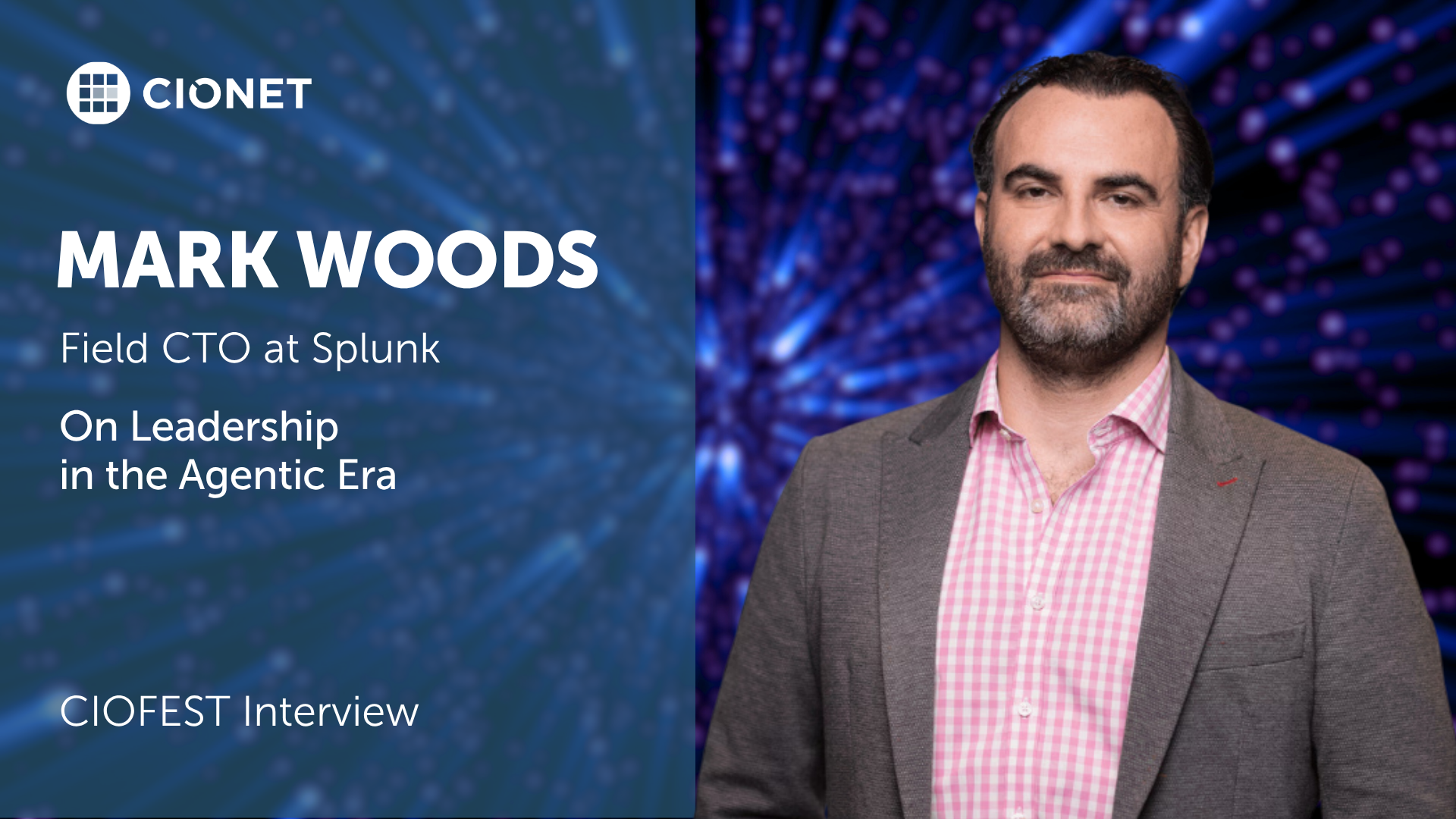

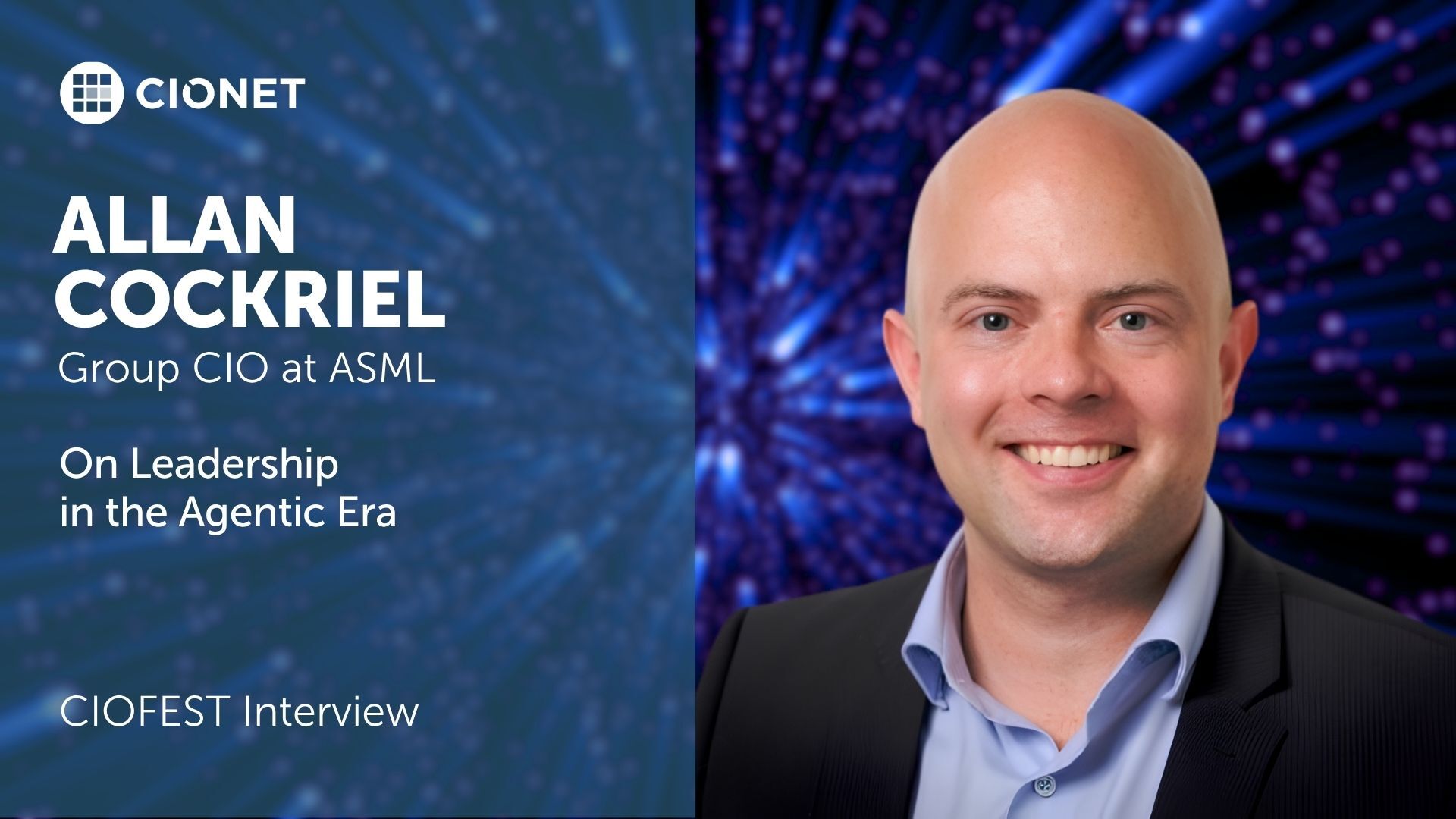
Leadership Deep Dive with Esmeralda Waterreus - CIO at Pharming & former VP, Global Head of Enterprise Portfolio Group at Philips

Find out more:
Poland 9-4-26 Invitation Only Physical Polish
AI trafia dziś do organizacji szybciej, niż powstają zasady jej kontroli. Modele działają, dane krążą, interfejsy są wystawione – a odpowiedzi na pytania „kto za to odpowiada?”, „co realnie widzimy?” i „kiedy reagujemy?” często pojawiają się dopiero po problemie. W praktyce oznacza to, że AI zaczyna funkcjonować poza klasycznymi ramami bezpieczeństwa aplikacji i danych. Tradycyjne podejścia nie dają dziś wystarczającej widoczności ani kontroli nad tym, co dzieje się na styku użytkownika, modelu i danych w czasie rzeczywistym. W trakcie CIONET Executive Roundtable przygotowanego wspólnie z F5 zastanowimy się, jak projektować architekturę i bezpieczeństwo AI w sposób, który nadąża za realnym ryzykiem, a nie tylko za planem wdrożenia. Skupimy się na decyzjach, które pozwalają wykrywać i ograniczać błędy oraz nadużycia AI w momencie ich wystąpienia, a nie po fakcie. Wątki do dyskusji Gdzie w architekturze AI występuje dziś realna widoczność, a gdzie zaczyna się „czarna skrzynka” – na poziomie interakcji, modeli i danych? W którym momencie organizacja orientuje się, że AI stała się problemem biznesowym: przy skardze użytkownika, audycie, incydencie czy dopiero po eskalacji? Które mechanizmy bezpieczeństwa w środowiskach AI działają operacyjnie, a które pozostają wyłącznie deklaracją projektową? Jak sprawdzić, że AI popełniła błąd, naruszyła politykę lub wygenerowała nieakceptowalne ryzyko – i jak szybko można zareagować?
Read More
Brazil 9-4-26 AB Members Physical portuguese
Sessão exclusiva para membros do Technology Advisory Board CIONET Brasil. Ambiente reservado, com acesso exclusivamente via convite pessoal.
Read More
Poland 10-4-26 Invitation Only Polish
Tribes Leadership Circle to cykliczne, wysokopoziomowe spotkania wyłącznie dla dyrektorów obszarowych, posiadających dostęp w ramach wykupionego członkostwa.
Read More
Poland 14-4-26 Invitation Only Polish
Ceny infrastruktury IT wystrzeliły, a dostępność sprzętu mocno się kurczy. Pamięć, kluczowy komponent serwerów, od początku roku zdrożała o ok. 100%, a globalna podaż nie nadąża za popytem napędzanym przez inwestycje w AI. Dostawcy mówią wprost: sprzętu brakuje i będzie tylko droższy. CIO i zespoły infrastruktury muszą na tę sytuację zareagować.
Read More
Brazil 15-4-26 Invitation Only Physical portuguese
No cenário atual de transformação digital acelerada, a automação deixou de ser apenas um instrumento de eficiência operacional para se tornar um dos principais vetores de competitividade corporativa. À medida que iniciativas de automação evoluem em maturidade e impacto, cresce também a expectativa dos Conselhos e da alta liderança sobre o papel estratégico da tecnologia na geração de valor para o negócio. O CIO Vision propõe um ambiente exclusivo de troca entre líderes de tecnologia para discutir como a automação está sendo incorporada à agenda estratégica das organizações e quais são as novas demandas que emergem do Board em relação a resultados, governança, escalabilidade e influência corporativa.
Read More
Poland 16-4-26 Invitation Only Polish
Tribes Leadership Circle to cykliczne, wysokopoziomowe spotkania wyłącznie dla dyrektorów obszarowych, posiadających dostęp w ramach wykupionego członkostwa.
Read More
Poland Apr 9, 2026 Invitation Only Physical Polish
AI trafia dziś do organizacji szybciej, niż powstają zasady jej kontroli. Modele działają, dane krążą, interfejsy są wystawione – a odpowiedzi na pytania „kto za to odpowiada?”, „co realnie widzimy?” i „kiedy reagujemy?” często pojawiają się dopiero po problemie. W praktyce oznacza to, że AI zaczyna funkcjonować poza klasycznymi ramami bezpieczeństwa aplikacji i danych. Tradycyjne podejścia nie dają dziś wystarczającej widoczności ani kontroli nad tym, co dzieje się na styku użytkownika, modelu i danych w czasie rzeczywistym. W trakcie CIONET Executive Roundtable przygotowanego wspólnie z F5 zastanowimy się, jak projektować architekturę i bezpieczeństwo AI w sposób, który nadąża za realnym ryzykiem, a nie tylko za planem wdrożenia. Skupimy się na decyzjach, które pozwalają wykrywać i ograniczać błędy oraz nadużycia AI w momencie ich wystąpienia, a nie po fakcie. Wątki do dyskusji Gdzie w architekturze AI występuje dziś realna widoczność, a gdzie zaczyna się „czarna skrzynka” – na poziomie interakcji, modeli i danych? W którym momencie organizacja orientuje się, że AI stała się problemem biznesowym: przy skardze użytkownika, audycie, incydencie czy dopiero po eskalacji? Które mechanizmy bezpieczeństwa w środowiskach AI działają operacyjnie, a które pozostają wyłącznie deklaracją projektową? Jak sprawdzić, że AI popełniła błąd, naruszyła politykę lub wygenerowała nieakceptowalne ryzyko – i jak szybko można zareagować?
Read More
Belgium Apr 21, 2026 Invitation Only Physical english
In an era where every outage, audit, and cyberattack is a test of organisational survival, resilience has become the new currency of trust. While traditional perimeter security with: firewalls, intrusion detection, and scanners, remains essential, it is no longer a sufficient guarantee against modern threats that bypass these layers to penetrate your core systems. Today, enterprises require security and continuity that are built-in, not bolted-on. This CIONET roundtable focuses on the shift from reactive disaster recovery to proactive Business Continuity. Together with experts from HPE Zerto, we will explore how organisations can transform their recovery strategies into seamless continuity models.
Read More
Belgium Apr 23, 2026 Country Members Physical & Virtual english
AI is no longer confined to supporting human tasks. We are entering the agentic era, where autonomous systems act on behalf of people and organisations. These agents can gather information, make decisions, negotiate terms, and even complete transactions. The implications extend well beyond technology; they touch the very foundations of business models, governance, and leadership. For CIOs and their peers, the rise of “machine customers” and autonomous partners poses new questions: Market impact: How do you compete and create value when some customers and suppliers are machines? Governance: What trust, compliance, and accountability structures are needed when AI acts independently in financial, procurement, or customer-facing processes? Leadership: How should CIOs guide their organisations in redefining roles, responsibilities, and decision-making when agents take over parts of the value chain?Business strategy: What opportunities emerge for new revenue models, platforms, and ecosystems shaped by autonomous interaction? This session shifts the focus from the mechanics of AI agents to the decisions that will shape leadership in the next decade. It is a call for CIOs to prepare for a future where relationships, markets, and strategies are no longer limited to human-to-human interactions, but also extend to human-to-machine and machine-to-machine interactions.
Read More
International Apr 23, 2026 All Members Physical & Virtual english
AI is no longer confined to supporting human tasks. We are entering the agentic era, where autonomous systems act on behalf of people and organisations. These agents can gather information, make decisions, negotiate terms, and even complete transactions. The implications extend well beyond technology; they touch the very foundations of business models, governance, and leadership. For CIOs and their peers, the rise of “machine customers” and autonomous partners poses new questions: Market impact: How do you compete and create value when some customers and suppliers are machines? Governance: What trust, compliance, and accountability structures are needed when AI acts independently in financial, procurement, or customer-facing processes? Leadership: How should CIOs guide their organisations in redefining roles, responsibilities, and decision-making when agents take over parts of the value chain?Business strategy: What opportunities emerge for new revenue models, platforms, and ecosystems shaped by autonomous interaction? This session shifts the focus from the mechanics of AI agents to the decisions that will shape leadership in the next decade. It is a call for CIOs to prepare for a future where relationships, markets, and strategies are no longer limited to human-to-human interactions, but also extend to human-to-machine and machine-to-machine interactions.
Read More
Netherlands Apr 23, 2026 All Members Physical english
AI is no longer confined to supporting human tasks. We are entering the agentic era, where autonomous systems act on behalf of people and organisations. These agents can gather information, make decisions, negotiate terms, and even complete transactions. The implications extend well beyond technology; they touch the very foundations of business models, governance, and leadership.
Read More
Poland Apr 23, 2026 Country Members Physical Polish
Sztuczna inteligencja nie ogranicza się już wyłącznie do wspierania zadań wykonywanych przez ludzi. Wkraczamy w erę agentów, w której autonomiczne systemy działają w imieniu ludzi i organizacji. Agenci mogą gromadzić informacje, podejmować decyzje, negocjować warunki, a nawet finalizować transakcje. Konsekwencje wykraczają daleko poza technologię, dotykają samych podstaw modeli biznesowych, zarządzania i przywództwa. Podczas międzynarodowego spotkania CIOFEST poruszymy kwestię jak zachować konkurencyjność i tworzyć realną wartość dla odbiorców, jeśli część z nich to maszyny? Dodatkowo, w polskim spotkaniu uzupełnimy temat o kompetencje niezbędne w świecie AI. Jakie umiejętności powinien posiadać leader oraz jakie kwalifikacje powinien tworzyć w zespole? Jak zaprojektować strategię reskillingu, która wspiera transformację na wszystkich szczeblach organizacji?
Read More
Poland Apr 9, 2026 Invitation Only Physical Polish
AI trafia dziś do organizacji szybciej, niż powstają zasady jej kontroli. Modele działają, dane krążą, interfejsy są wystawione – a odpowiedzi na pytania „kto za to odpowiada?”, „co realnie widzimy?” i „kiedy reagujemy?” często pojawiają się dopiero po problemie. W praktyce oznacza to, że AI zaczyna funkcjonować poza klasycznymi ramami bezpieczeństwa aplikacji i danych. Tradycyjne podejścia nie dają dziś wystarczającej widoczności ani kontroli nad tym, co dzieje się na styku użytkownika, modelu i danych w czasie rzeczywistym. W trakcie CIONET Executive Roundtable przygotowanego wspólnie z F5 zastanowimy się, jak projektować architekturę i bezpieczeństwo AI w sposób, który nadąża za realnym ryzykiem, a nie tylko za planem wdrożenia. Skupimy się na decyzjach, które pozwalają wykrywać i ograniczać błędy oraz nadużycia AI w momencie ich wystąpienia, a nie po fakcie. Wątki do dyskusji Gdzie w architekturze AI występuje dziś realna widoczność, a gdzie zaczyna się „czarna skrzynka” – na poziomie interakcji, modeli i danych? W którym momencie organizacja orientuje się, że AI stała się problemem biznesowym: przy skardze użytkownika, audycie, incydencie czy dopiero po eskalacji? Które mechanizmy bezpieczeństwa w środowiskach AI działają operacyjnie, a które pozostają wyłącznie deklaracją projektową? Jak sprawdzić, że AI popełniła błąd, naruszyła politykę lub wygenerowała nieakceptowalne ryzyko – i jak szybko można zareagować?
Read More
Belgium Apr 21, 2026 Invitation Only Physical english
In an era where every outage, audit, and cyberattack is a test of organisational survival, resilience has become the new currency of trust. While traditional perimeter security with: firewalls, intrusion detection, and scanners, remains essential, it is no longer a sufficient guarantee against modern threats that bypass these layers to penetrate your core systems. Today, enterprises require security and continuity that are built-in, not bolted-on. This CIONET roundtable focuses on the shift from reactive disaster recovery to proactive Business Continuity. Together with experts from HPE Zerto, we will explore how organisations can transform their recovery strategies into seamless continuity models.
Read More
Belgium Apr 23, 2026 Country Members Physical & Virtual english
AI is no longer confined to supporting human tasks. We are entering the agentic era, where autonomous systems act on behalf of people and organisations. These agents can gather information, make decisions, negotiate terms, and even complete transactions. The implications extend well beyond technology; they touch the very foundations of business models, governance, and leadership. For CIOs and their peers, the rise of “machine customers” and autonomous partners poses new questions: Market impact: How do you compete and create value when some customers and suppliers are machines? Governance: What trust, compliance, and accountability structures are needed when AI acts independently in financial, procurement, or customer-facing processes? Leadership: How should CIOs guide their organisations in redefining roles, responsibilities, and decision-making when agents take over parts of the value chain?Business strategy: What opportunities emerge for new revenue models, platforms, and ecosystems shaped by autonomous interaction? This session shifts the focus from the mechanics of AI agents to the decisions that will shape leadership in the next decade. It is a call for CIOs to prepare for a future where relationships, markets, and strategies are no longer limited to human-to-human interactions, but also extend to human-to-machine and machine-to-machine interactions.
Read More
International Apr 23, 2026 All Members Physical & Virtual english
AI is no longer confined to supporting human tasks. We are entering the agentic era, where autonomous systems act on behalf of people and organisations. These agents can gather information, make decisions, negotiate terms, and even complete transactions. The implications extend well beyond technology; they touch the very foundations of business models, governance, and leadership. For CIOs and their peers, the rise of “machine customers” and autonomous partners poses new questions: Market impact: How do you compete and create value when some customers and suppliers are machines? Governance: What trust, compliance, and accountability structures are needed when AI acts independently in financial, procurement, or customer-facing processes? Leadership: How should CIOs guide their organisations in redefining roles, responsibilities, and decision-making when agents take over parts of the value chain?Business strategy: What opportunities emerge for new revenue models, platforms, and ecosystems shaped by autonomous interaction? This session shifts the focus from the mechanics of AI agents to the decisions that will shape leadership in the next decade. It is a call for CIOs to prepare for a future where relationships, markets, and strategies are no longer limited to human-to-human interactions, but also extend to human-to-machine and machine-to-machine interactions.
Read More
Netherlands Apr 23, 2026 All Members Physical english
AI is no longer confined to supporting human tasks. We are entering the agentic era, where autonomous systems act on behalf of people and organisations. These agents can gather information, make decisions, negotiate terms, and even complete transactions. The implications extend well beyond technology; they touch the very foundations of business models, governance, and leadership.
Read More
Poland Apr 23, 2026 Country Members Physical Polish
Sztuczna inteligencja nie ogranicza się już wyłącznie do wspierania zadań wykonywanych przez ludzi. Wkraczamy w erę agentów, w której autonomiczne systemy działają w imieniu ludzi i organizacji. Agenci mogą gromadzić informacje, podejmować decyzje, negocjować warunki, a nawet finalizować transakcje. Konsekwencje wykraczają daleko poza technologię, dotykają samych podstaw modeli biznesowych, zarządzania i przywództwa. Podczas międzynarodowego spotkania CIOFEST poruszymy kwestię jak zachować konkurencyjność i tworzyć realną wartość dla odbiorców, jeśli część z nich to maszyny? Dodatkowo, w polskim spotkaniu uzupełnimy temat o kompetencje niezbędne w świecie AI. Jakie umiejętności powinien posiadać leader oraz jakie kwalifikacje powinien tworzyć w zespole? Jak zaprojektować strategię reskillingu, która wspiera transformację na wszystkich szczeblach organizacji?
Read More
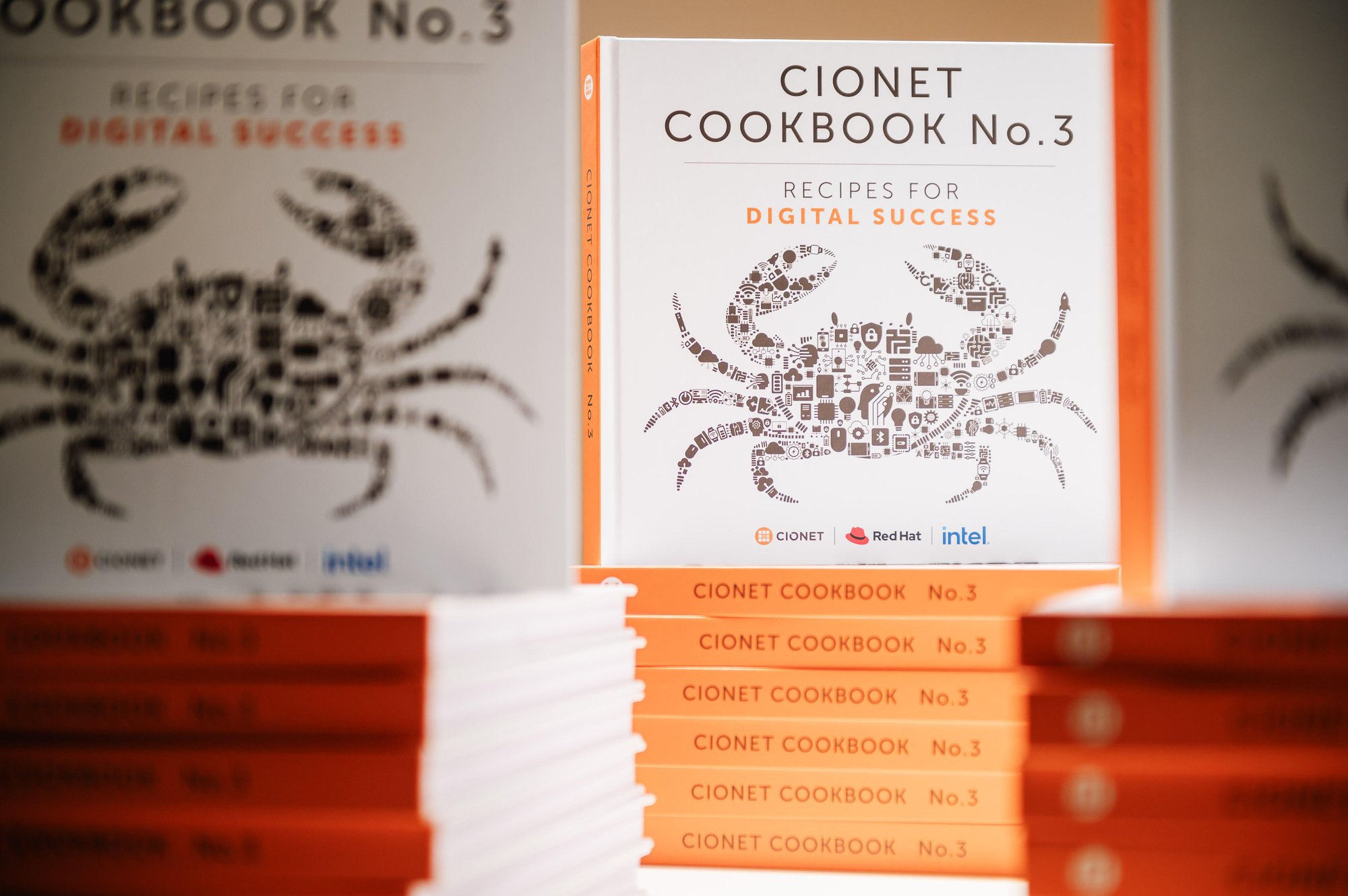
Embark on a culinary journey through the ever-evolving world of digital leadership with our third edition of the CIONET Cookbook: Recipes for Digital Success. Unveiling the intricate trilemma faced by today’s Master Chefs, our trailblazing European CIOs address a challenge at the nexus of customer interests, digital transformation strategies, and IT modernisation. Their secret? Synchronising the gearing between customer, business, and technology to create a frictionless movement through the digital landscape.
The CIONET Cookbook uses the analogy of a five-star restaurant to explain the importance of optimally integrated technology, with the CIO as Master Chef. In order to provide the best service to its customers, a top restaurant must have the right atmosphere, an inviting menu, a well-equipped kitchen, talented and committed front-of-house and kitchen staff and smooth-running processes that ensure an enjoyable experience for diners.
In today’s increasingly digital and interconnected world, cyber security has become a critical business imperative. Organisations face a growing array of cyber threats that can disrupt operations, damage reputations, and result in significant financial losses. As cyber risk continues to evolve in complexity and scale, effectively communicating the business value of cyber security to executive leadership is essential—especially in an environment of challenging budgets and competing priorities. The purpose of this study was to assess how cyber security leadership is articulating the business value of cyber security to senior decision-makers. Through interviews with a diverse group of organisations, the report explores how cyber risk is assessed, how budgets are allocated, and how cyber maturity is developed and communicated within the business context. It also examines the emerging impact of artificial intelligence on cyber risk and investment decisions. By analysing current practices and future expectations, this report provides a comprehensive overview of how cyber security leaders are navigating the complexities of demonstrating value, securing resources, and advancing capabilities. The findings highlight the need for pragmatic, flexible approaches that balance ambition with feasibility, enabling organisations to build resilience and protect business value in an increasingly complex cyber landscape.
On 18 November 2025, the Telenet Business Leadership Circle, organised and moderated by CIONET and Hendrik Deckers at the invitation of Telenet Business, took an in-depth look at the challenges and opportunities presented by the transformation of IT operating models.
This is not a neutral investment note, nor is it an exercise in short-term market forecasting. It is a personal reflection, shaped by more than five decades spent living through successive waves of technological optimism, excess, disappointment, and renewal – from the early digital era of the seventies and eighties, through dot-com euphoria of the nineties, to today’s AI-fuelled moment
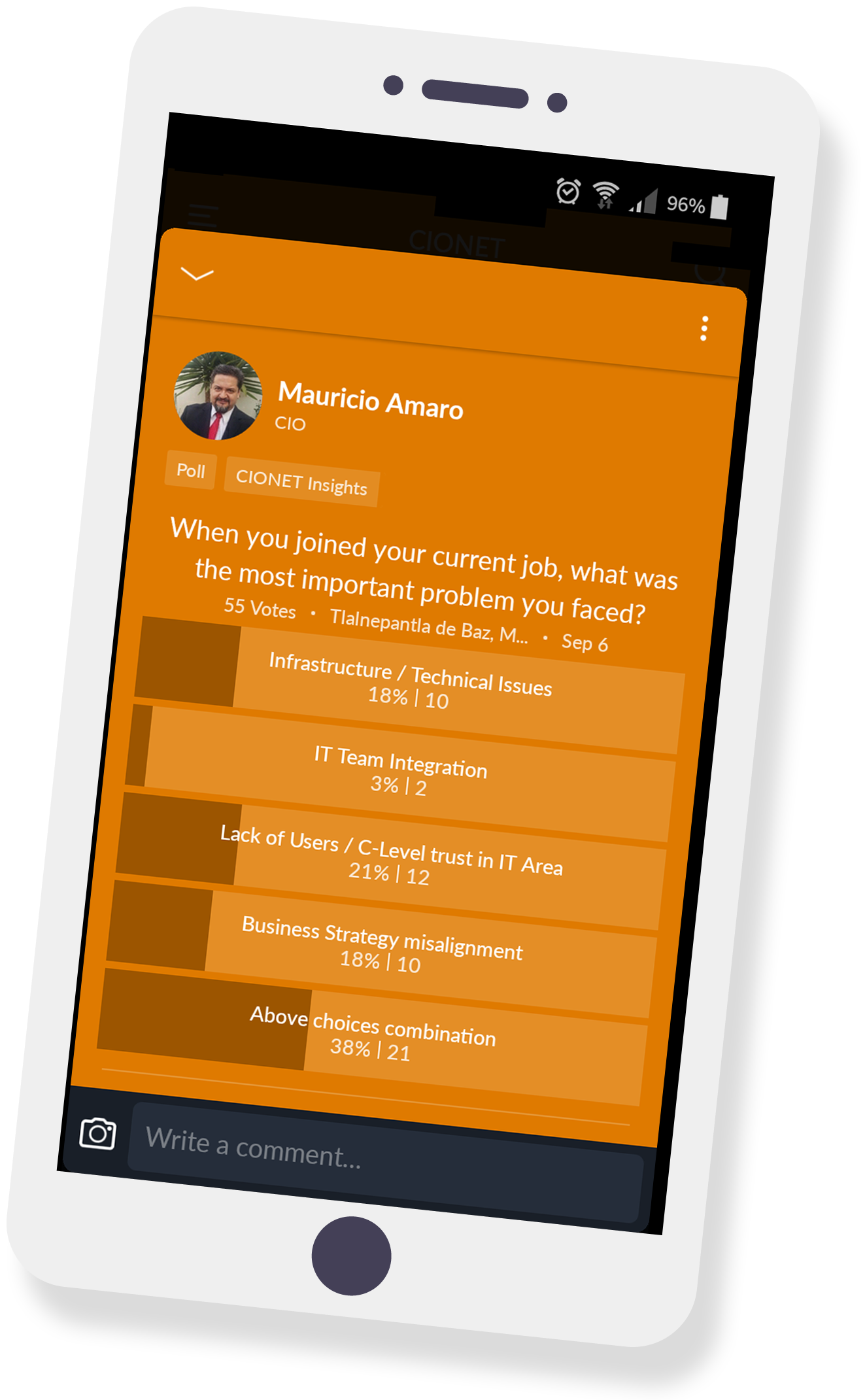
In our new app, our members connect with other digital leaders from around the world to find better solutions to their challenges.
Connect with digital leaders like you
Share ideas, best practices, and new resources
Experience inspiring and thought-provoking content and conversations you can’t find anywhere else
Make better, more well-informed decisions about the topics that are most important to you
Head of IT Germany and Regional Office Lead Munich, Microsoft
IT Director, IT Thinker
Vice president IT & Compliance, VisionaryRCM (A Carlyle Grp Company)
CIONET’s mission is to help IT executives become more at ease and above all more successful in their jobs. So they can do more than just keep up with change but ultimately define it. CIONET opens up a whole new universe of opportunities in IT management.
With the largest membership of corporate digital leaders across Europe, Latin America, US and Australia, CIONET has the expertise and pioneering vision to solve or address any IT management challenge.
From our local and global events, from our publications and research to our executive education programmes, everything we do is aimed at making sure digital leaders maximise their potential.
with digital leaders who share your interests, who face the same challenges, who care about the same topics.
stories, experiences, and ideas around our shared mission.
from our exclusive events, publications and research.
inspiration, thought-provoking conversations, expert perspectives and exclusive first-hand content each and every day
and make better, more well-informed decisions on how to lead your digital business.
your potential. Realise your ambitions.
You can either send us a registered handwritten letter explaining why you'd like to become a member or you can simply talk to us right here!
Would you like to know more about CIONET, membership or partnership opportunities? Do you have feedback or any other question? Send us a message!