
.png)
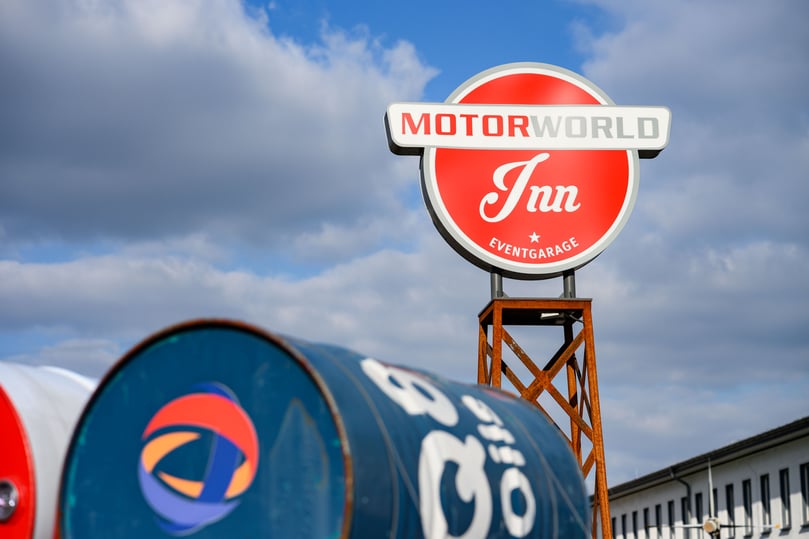
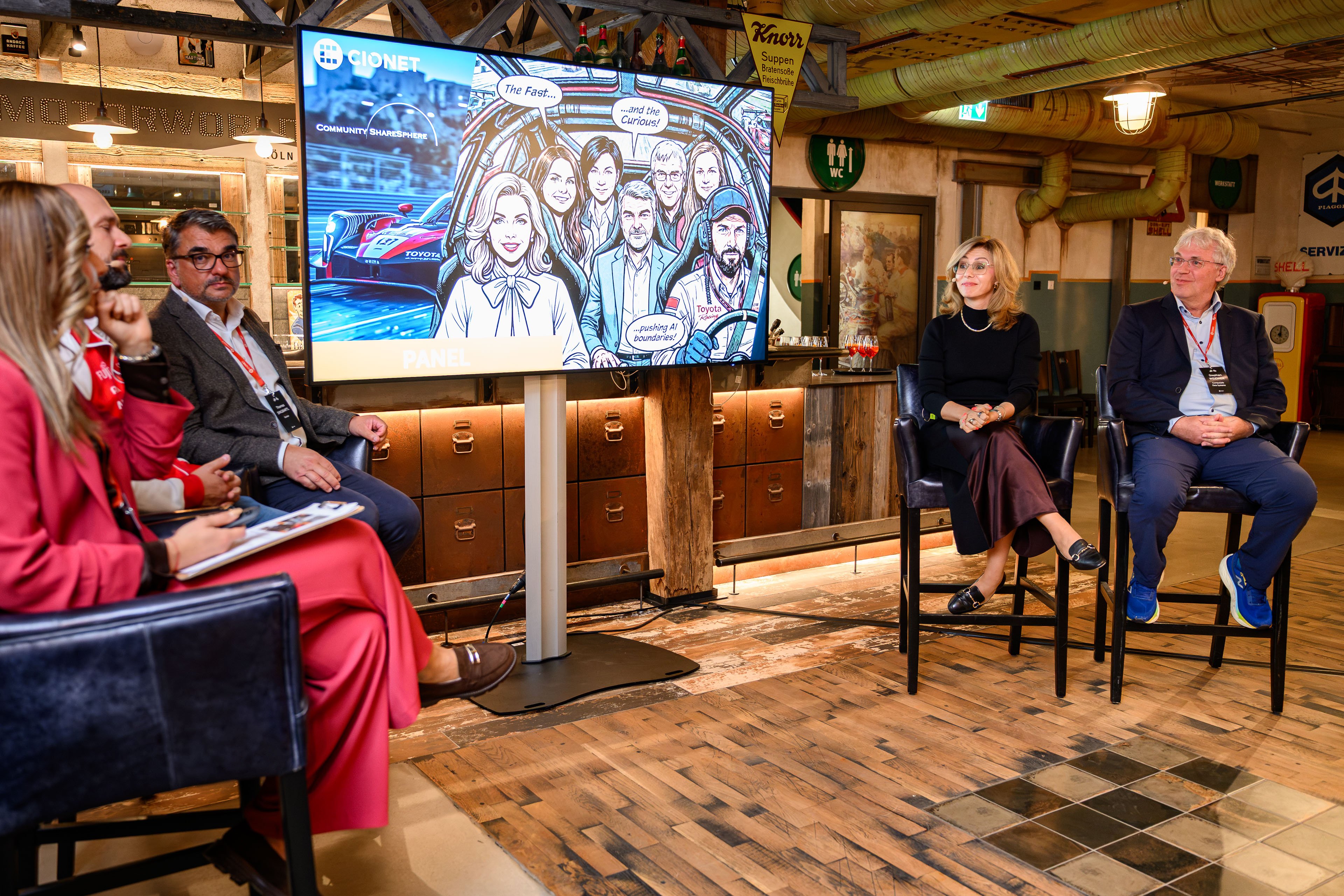
On September 22, 2026, the CIONET Community gathered at an extraordinary venue—Motorworld Köln—for our ShareSphere event centered on a defining topic of our time: "The Fast & the Curious: Pushing the Boundaries of AI".
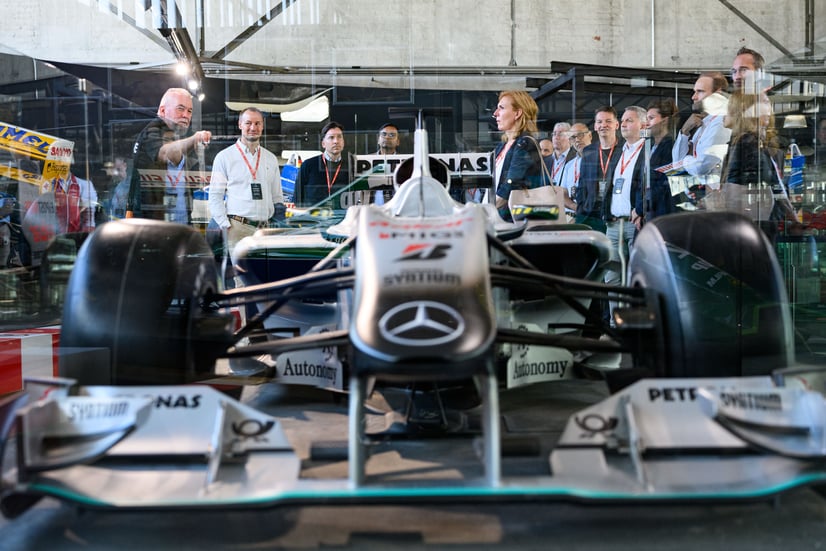
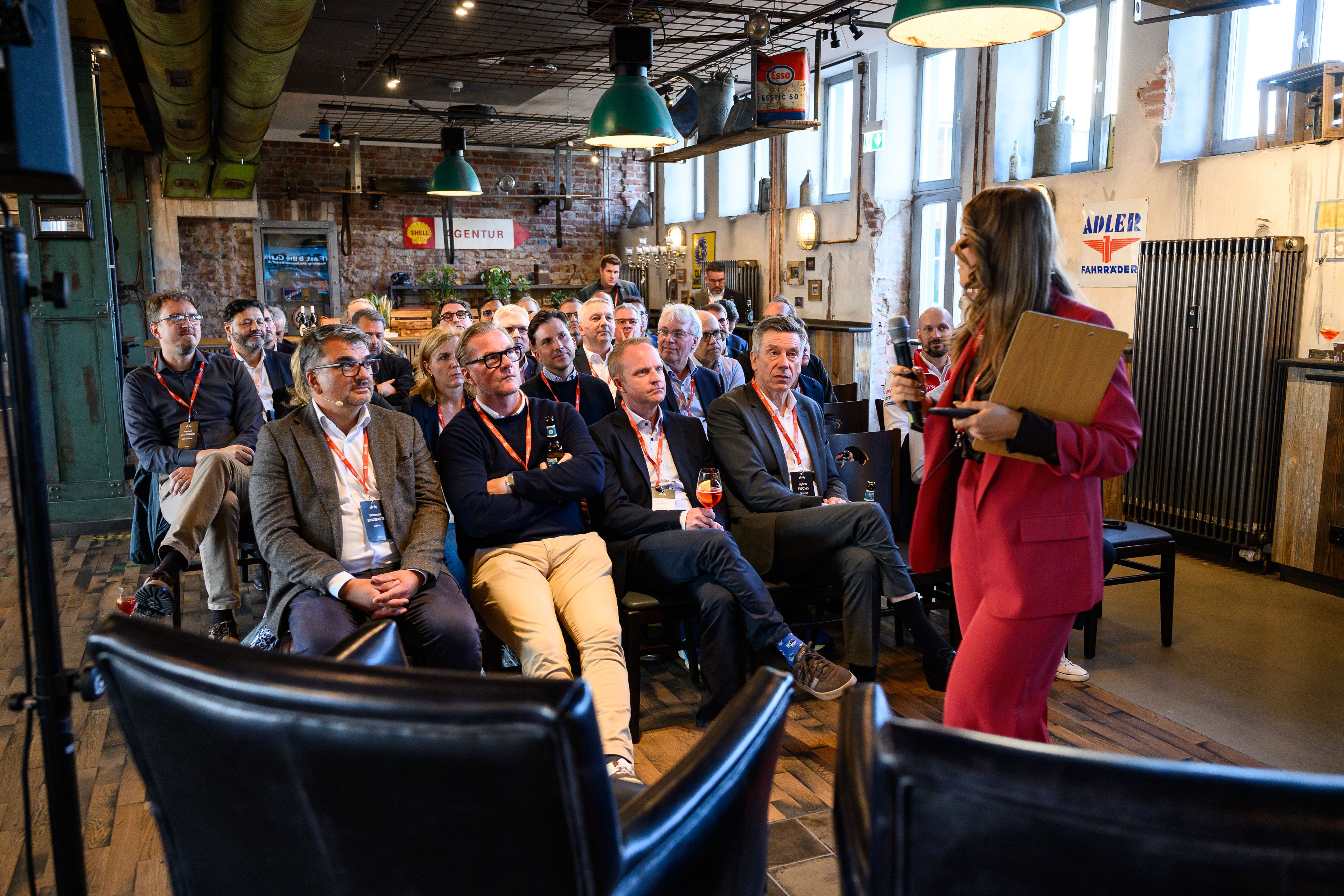
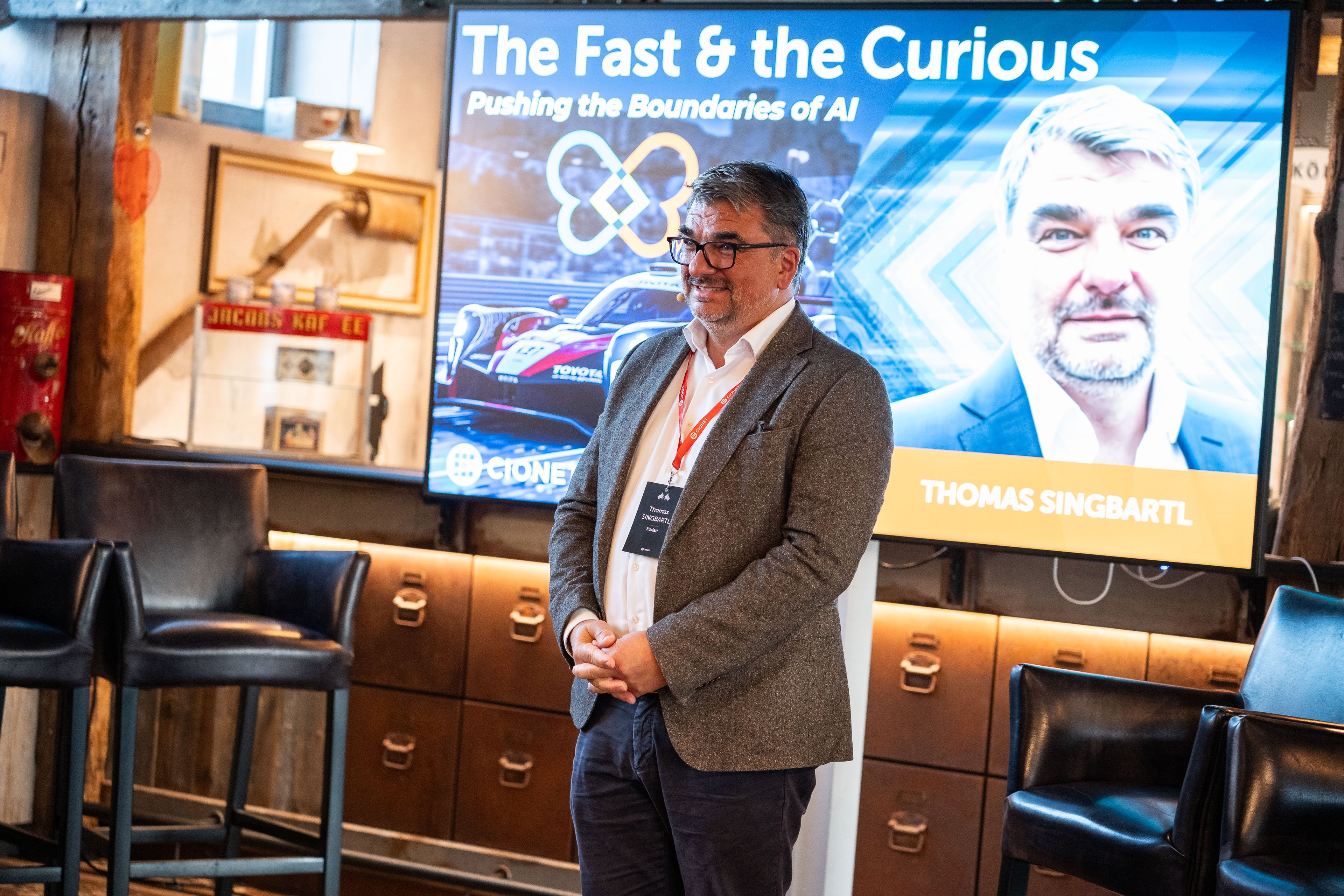
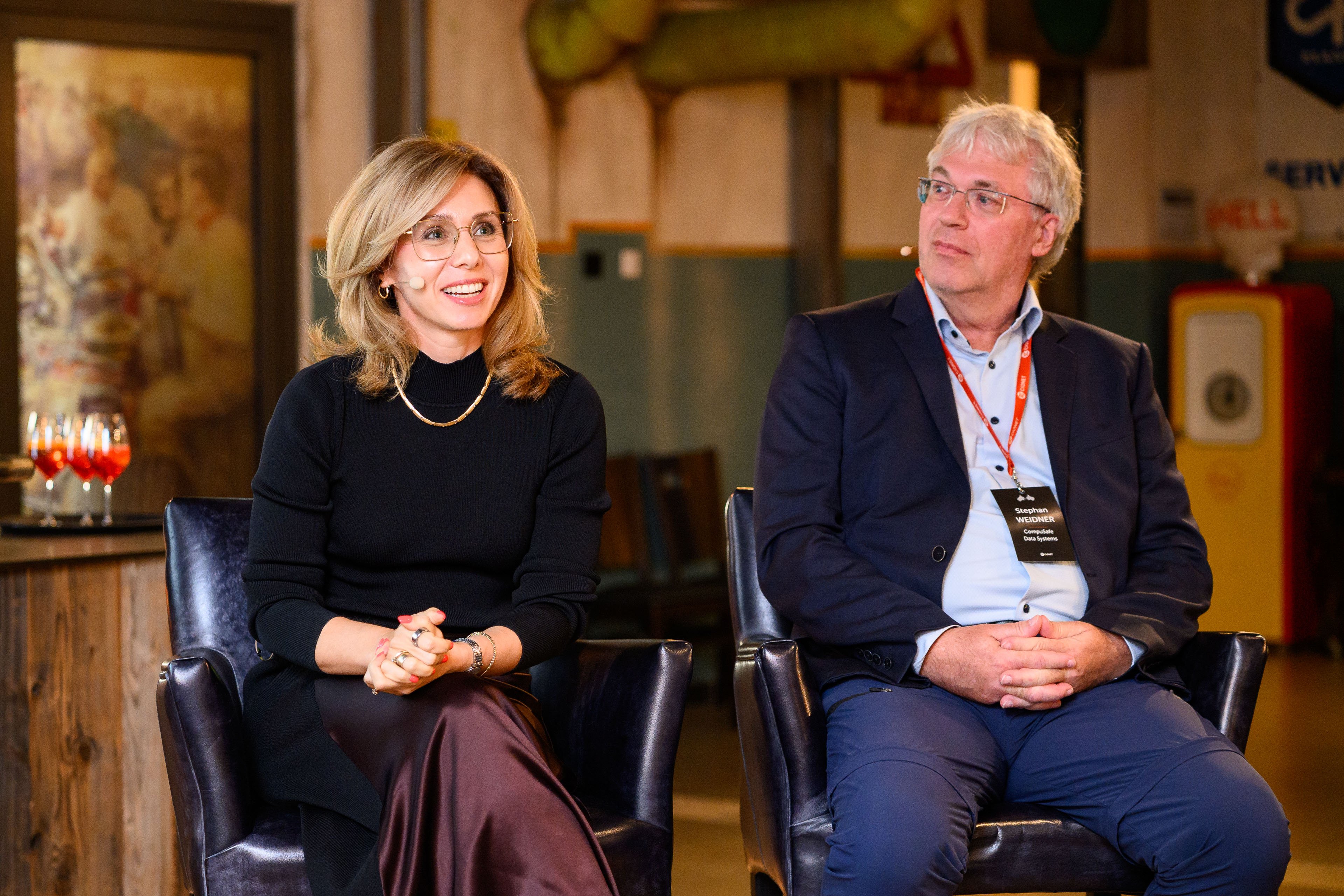
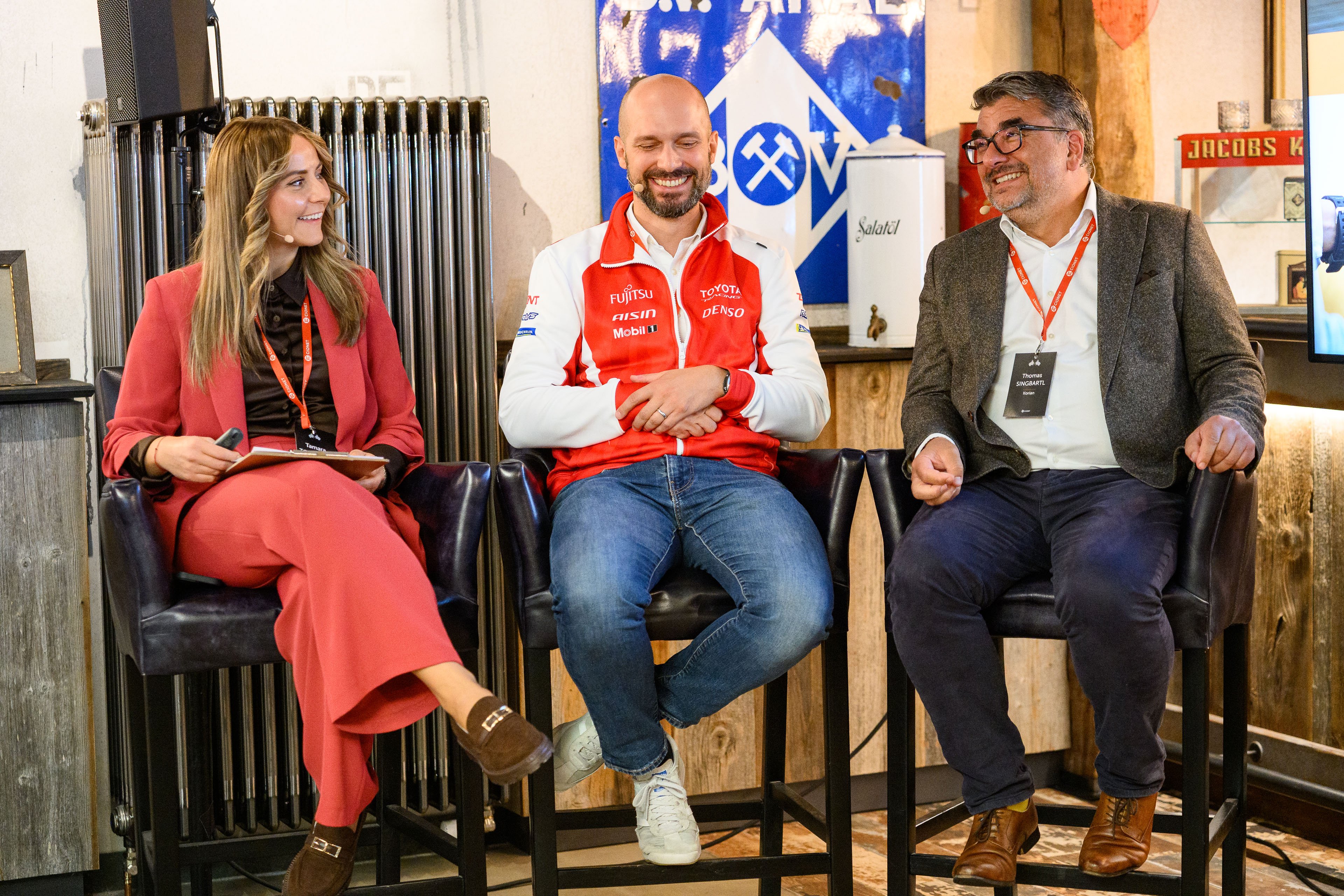
Set against a backdrop dedicated to speed, precision, and engineering excellence, digital leaders from vastly different sectors came together to share their real-world insights. Our diverse panel brought unique cross-industry viewpoints to the stage: Marc Hilbert, Ph.D. (TOYOTA GAZOO Racing Europe) shared high-octane perspectives from motorsport telemetry and human-machine performance; Marina Sverdel (RWE Offshore Wind) provided crucial energy sector insights; Thomas Singbartl (Korian Holding) brought a deeply human-centric lens from healthcare and elderly care; and Dr. Stephan Weidner (CompuSafe Data Systems AG) anchored the dialogue around modern digital architecture and IT leadership.
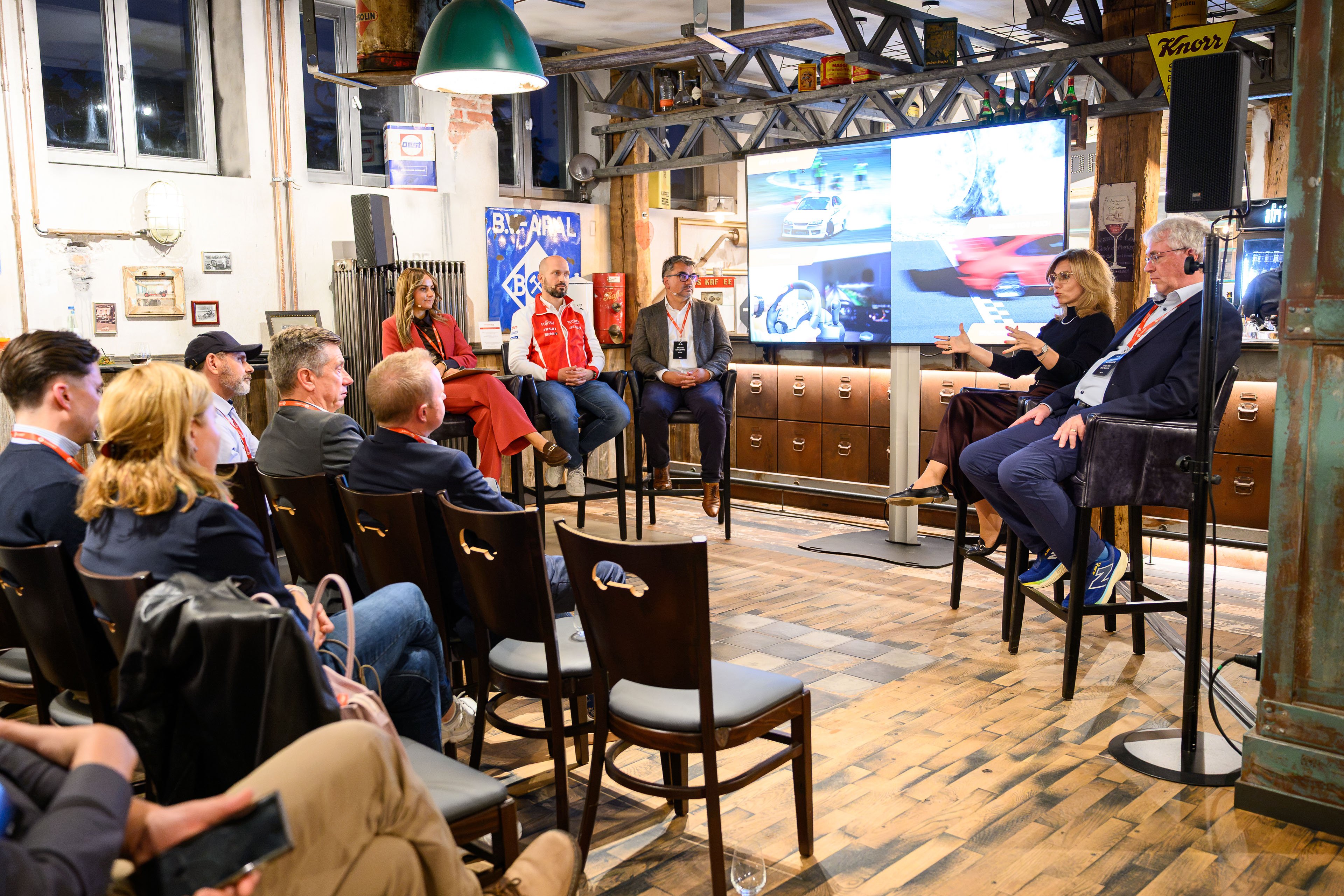
A key takeaway emerged from our discussion last night: AI is not a race with a static, clearly defined finish line. The relentless pace of technological development makes traditional long-term planning almost impossible. The core leadership question is no longer “How do we win the race?” but rather “How do we navigate it responsibly?”
Across industries, the debate is shifting from pure technological capability to the balance between innovation, control, and human judgment.
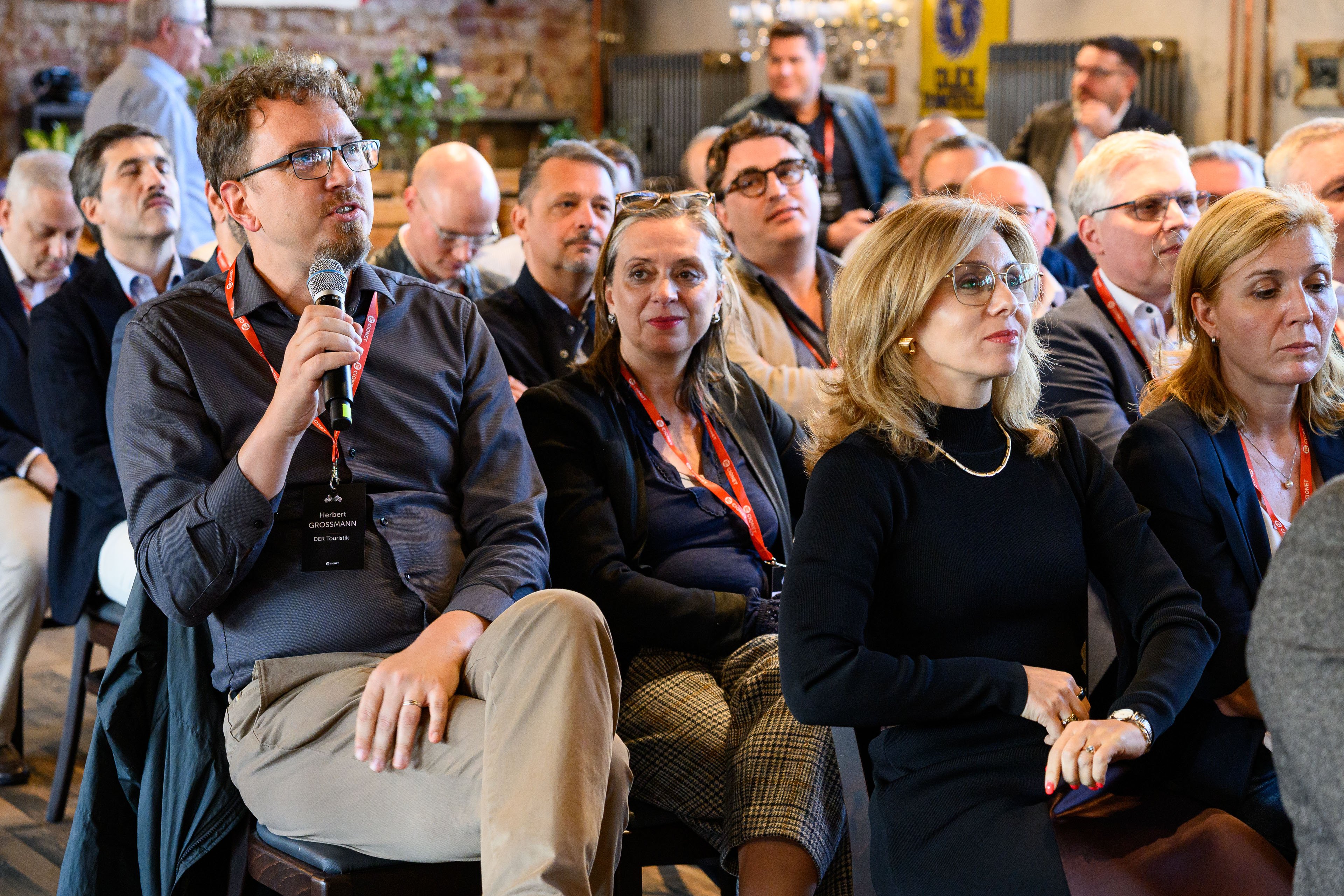
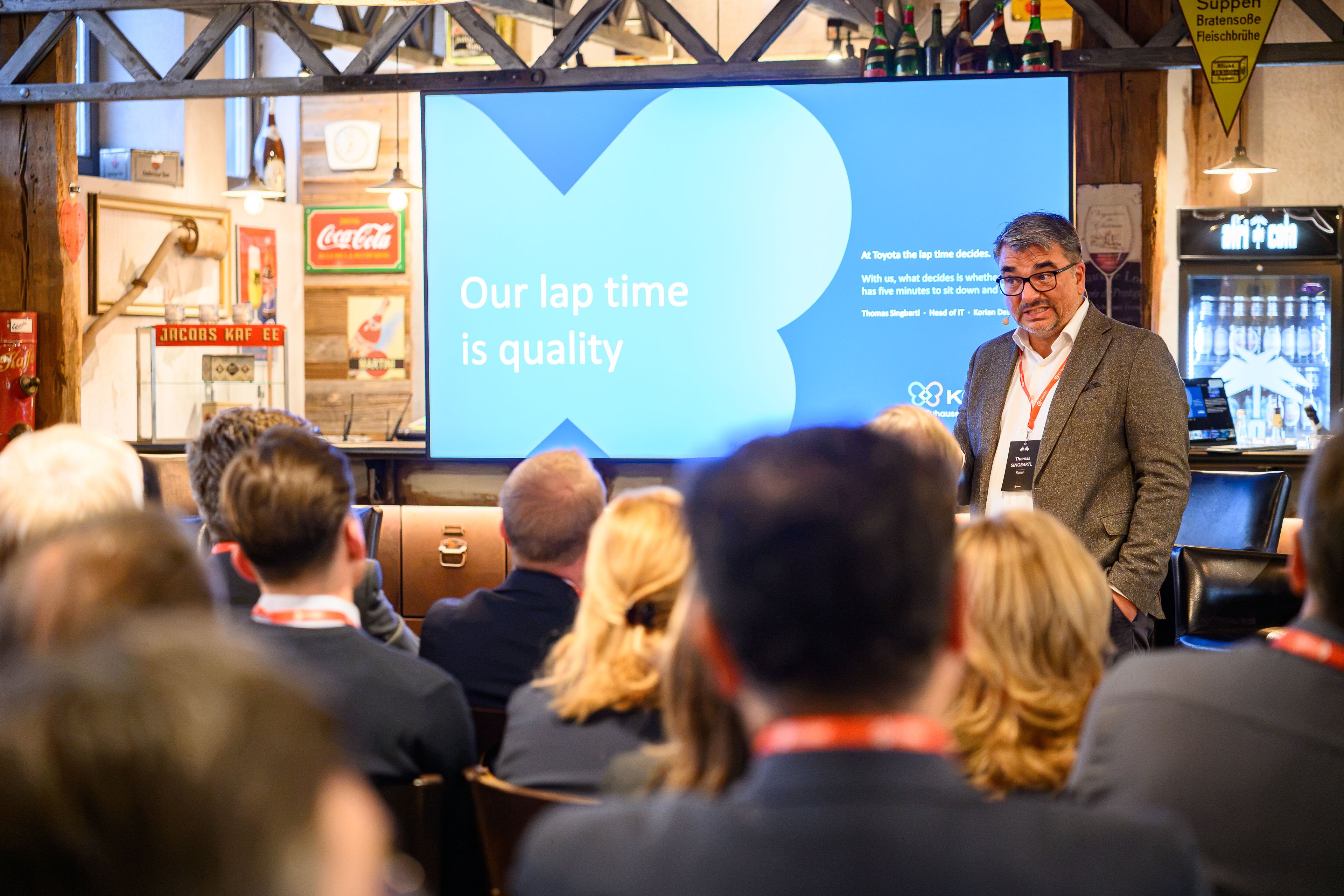
AI can accelerate analysis, spot patterns, and support complex decision-making, but human context, ethics, and intuition remain irreplaceable. As Mark Hilbert from Toyota Racing highlighted during our panel, even in high-performance racing environments, a driver relies on precise human signals during critical moments. AI can optimize performance, but it cannot simply replace human judgment when split-second decisions matter most.
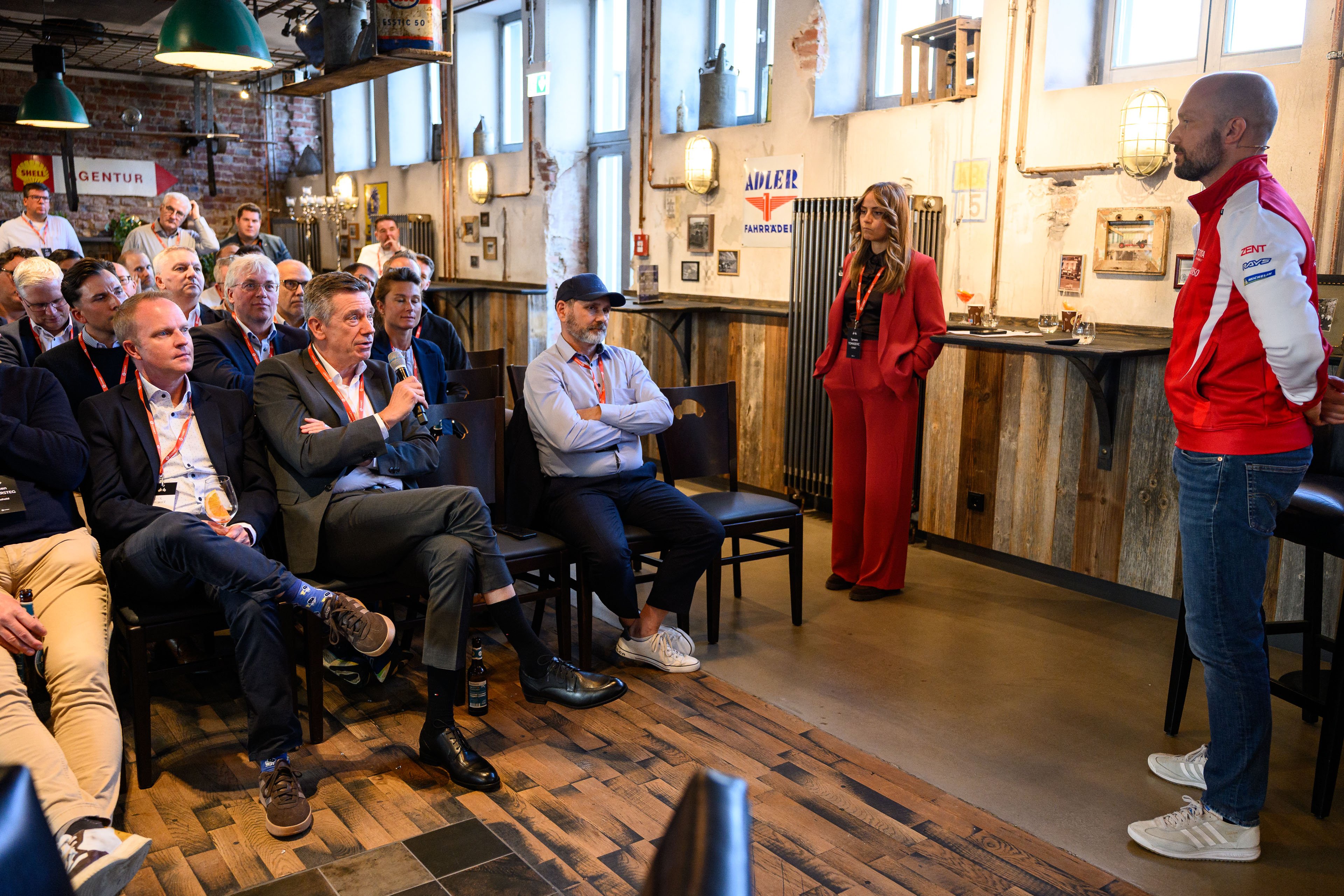
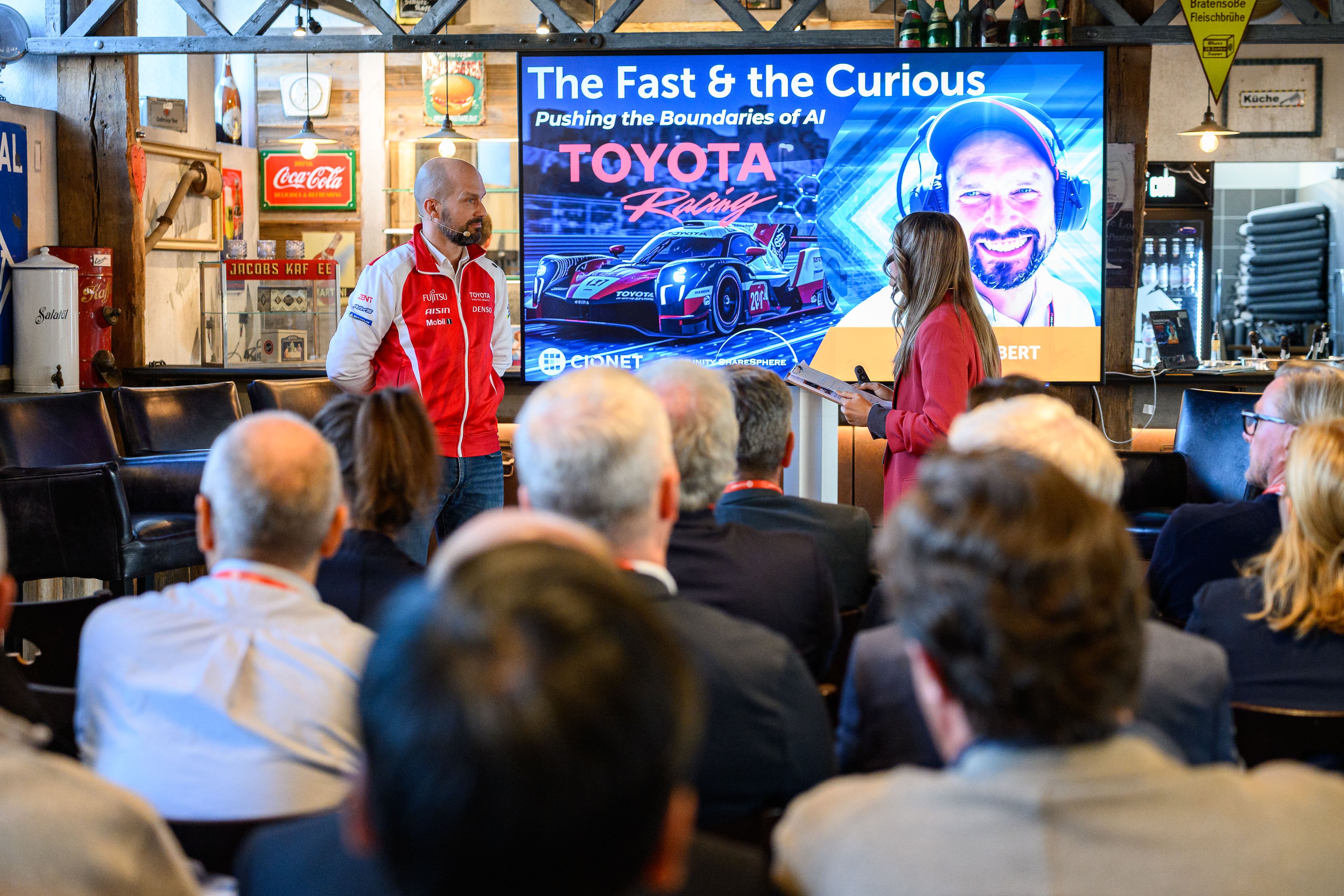
The velocity of AI progress is breathtaking, yet it comes with a challenge: we don't always have a complete, real-time overview of everything happening under the hood. As we push the boundaries of innovation, observation, governance, and control become just as vital as speed. Curiosity drives adoption, but a critical eye ensures resilience.
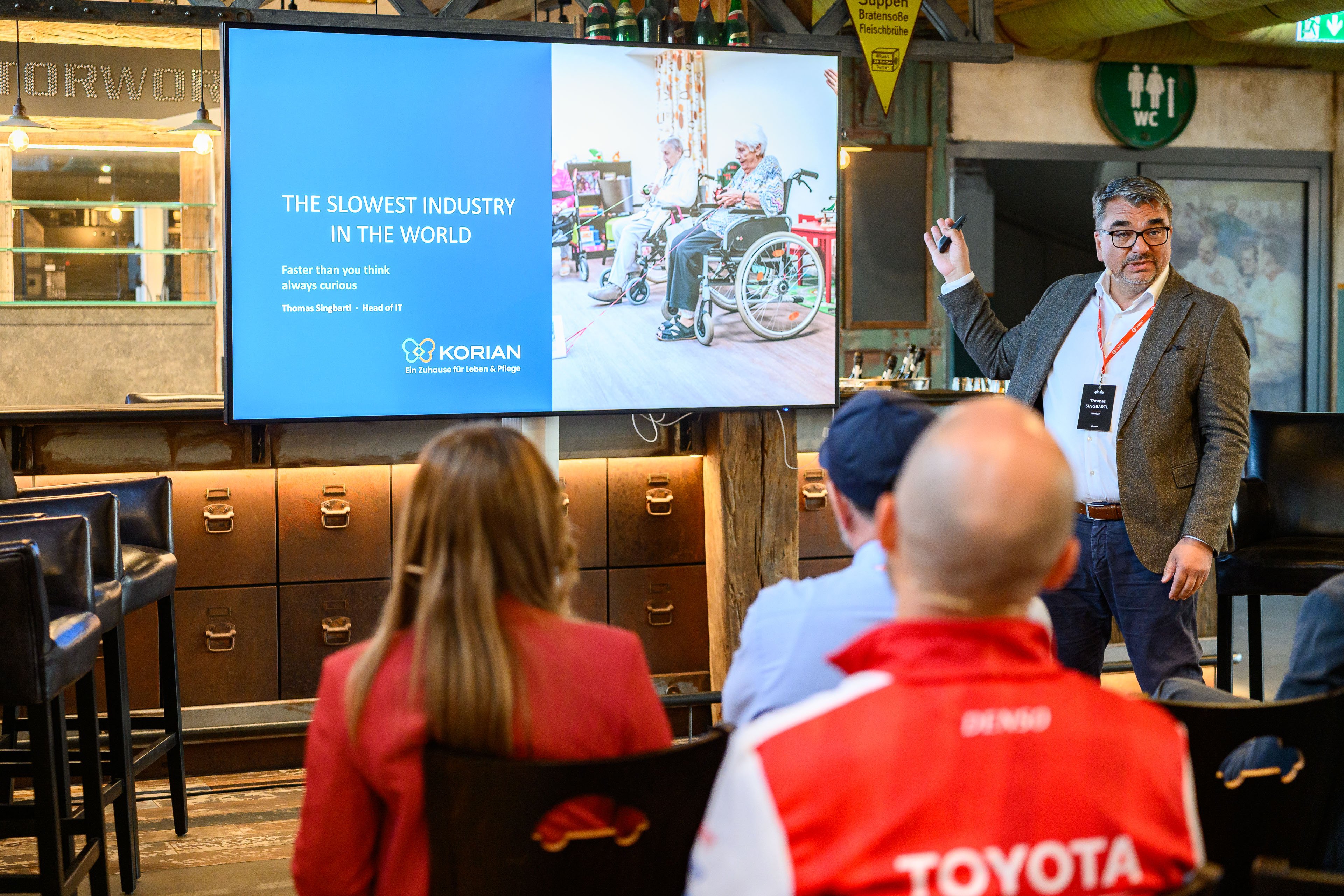
AI's greatest value often lies in restoring focus to human-centric tasks. A compelling example from Korian’s elderly care context illustrated this clearly: when smart systems absorb administrative overhead and routine documentation, caregivers reclaim precious time for what truly matters—direct, compassionate human interaction. Technology serves us best when it gives us back our humanity.
Across every perspective shared, one principle held true: advancing AI does not mean removing humans from the equation. True progress lies in striking the right equilibrium—balancing experimentation and speed with oversight, empathy, and accountability.
Instead of waiting for a magical moment when "AI implementation is finished," leaders must build organizational adaptability. AI is a continuously moving target. Winning isn't about reaching an imaginary end point; it is about developing the muscle to continuously learn, adapt, and navigate an evolving landscape.
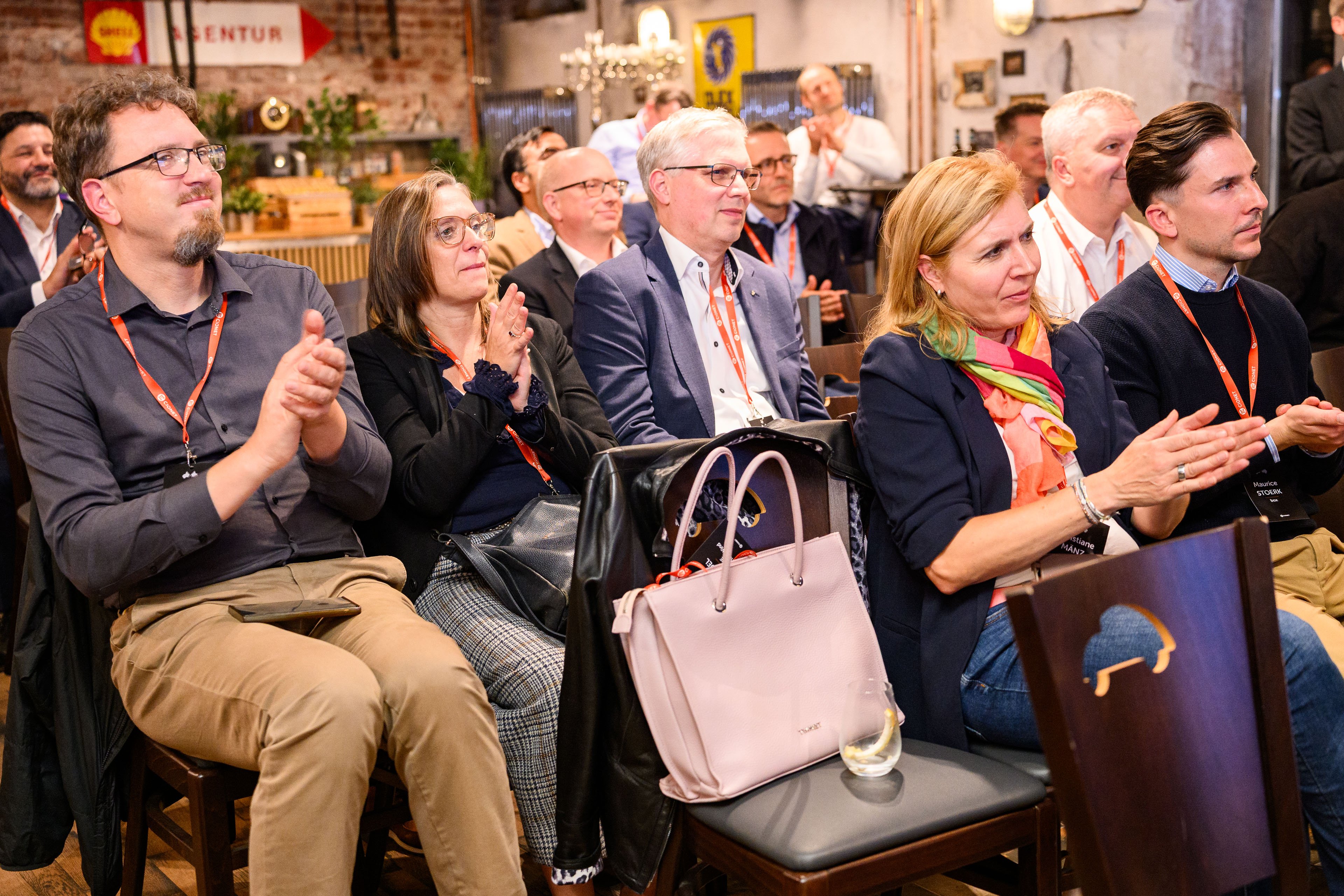
We can embrace the immense potential of AI with optimism and curiosity, while keeping a steady hand on the wheel. The technology may supply the horsepower, but humans must always steer the destination.
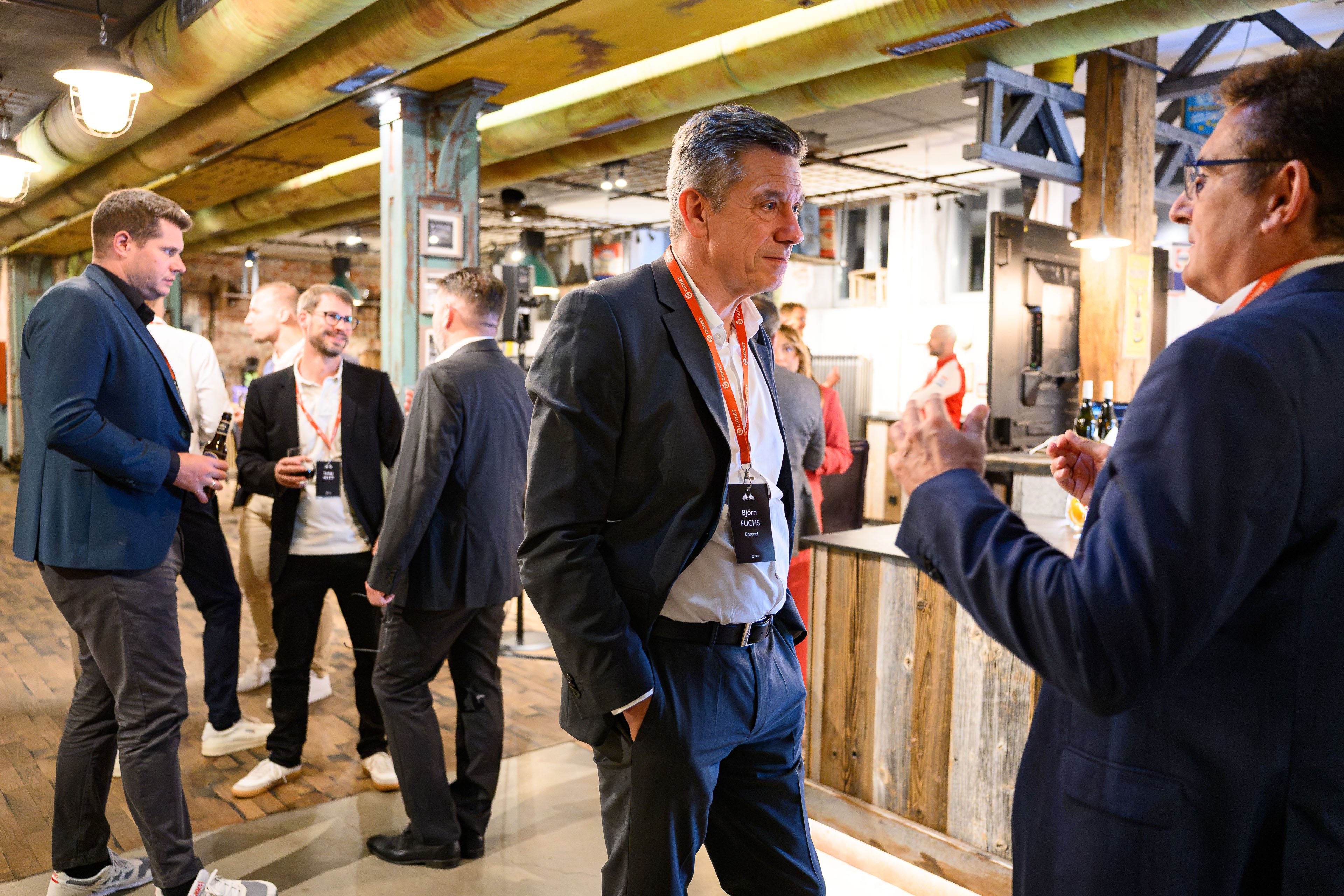
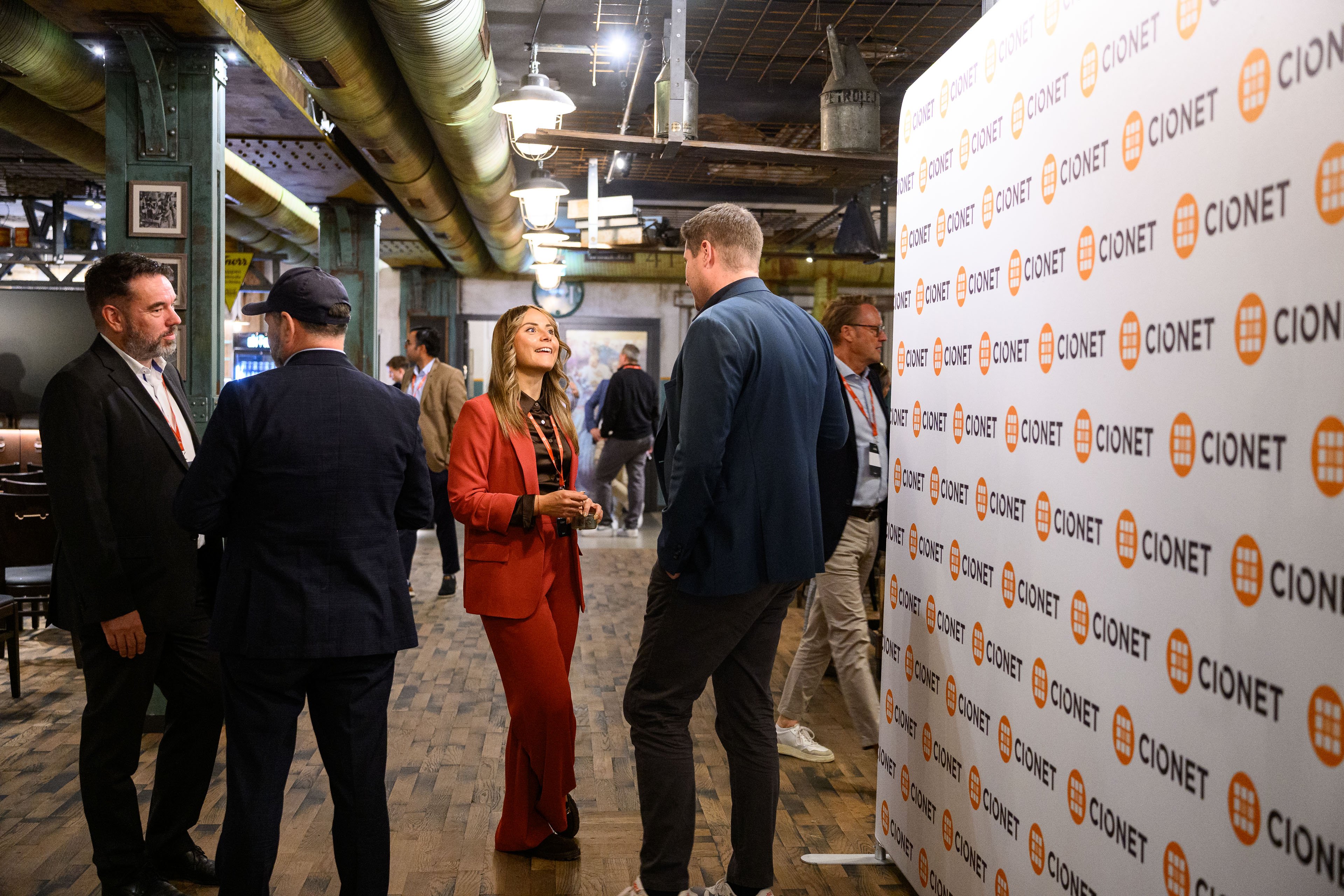

A heartfelt thank you to all participants in Cologne for this inspiring exchange!
If you want to explore the next discussion on AI - come and visit our AI Horizons in Frankfurt on 26th of november!
.png)
.png)
-2.png)