

.png)
Belgium 13-10-2026 Squad Only Virtual English
AI use cases scale through architecture. The challenge is creating the architecture that allows several use cases to run, connect, be monitored, and be governed as adoption grows. Three pressure points usually appear. - Integration becomes critical when AI needs to connect with existing systems, applications, data flows, and business processes. - Control and monitoring are needed once use cases affect decisions, users, or operations. - Reuse becomes important because shared patterns help teams deliver faster and support more use cases with less friction. The working question is simple: what architecture needs to be in place before AI use cases multiply across teams, systems, and processes? If you are designing for AI beyond isolated use cases, let’s compare approaches with others facing similar architecture questions.
Read More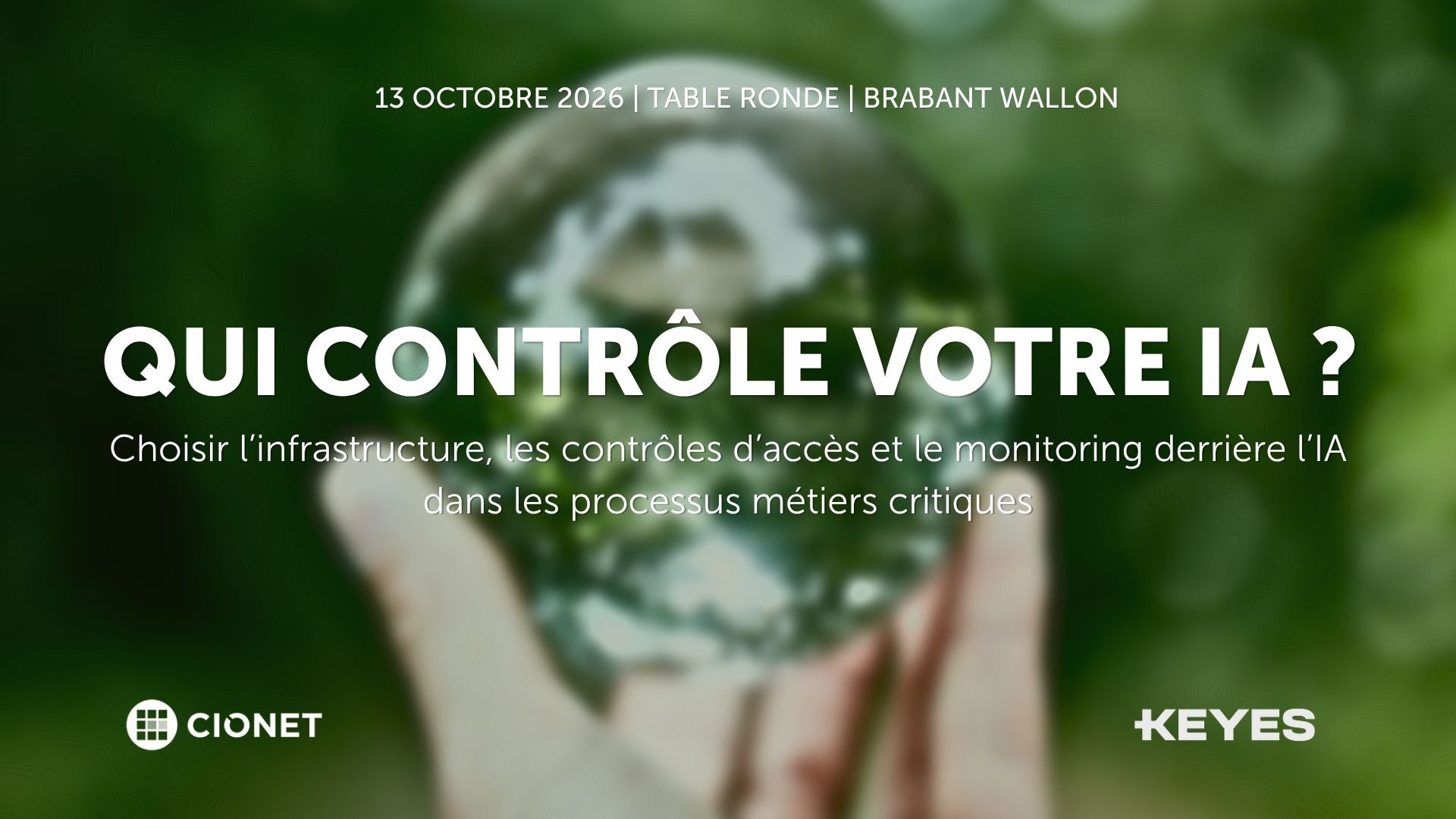
Belgium 13-10-2026 All Members Physical French
L’IA entre dans la souscription, la gestion des sinistres, le service client, l’analyse financière, la maintenance industrielle et les opérations payroll. À mesure que les modèles s’intègrent aux processus critiques, leur environnement de déploiement devient une décision métier, car l’emplacement du modèle, de ses données et de ses capacités de monitoring influence directement la performance, la traçabilité, la sécurité et la confiance réglementaire. Chaque workload d’IA a donc besoin d’un environnement opérationnel adapté à la sensibilité de ses données, à ses exigences de performance et à son impact métier. Certains workloads bénéficient de la capacité d’échelle du cloud public, d’autres exigent une infrastructure privée ou souveraine, et beaucoup fonctionneront sur une combinaison d’environnements. Un modèle opérationnel d’IA est donc nécessaire pour définir clairement qui opère le runtime, qui peut y accéder, où les données sont traitées, comment chaque interaction est monitorée, et comment la visibilité, la gouvernance et le contrôle opérationnel sont maintenus tout au long du cycle de vie de l’IA. Ces décisions d’architecture déterminent la capacité à déployer l’IA à l’échelle de l’entreprise avec confiance. Elles influencent la sécurité, la résilience, la conformité réglementaire et le niveau de confiance nécessaire pour introduire l’IA dans des processus métier de plus en plus critiques. Elles établissent également les fondations opérationnelles de l’IA agentique, où des systèmes autonomes fonctionnent dans des cadres clairement définis de gouvernance, de responsabilité et de monitoring.
Read More
Belgium 15-10-2026 All Members Physical English
In an era where digital borders are as critical as physical ones, cybersecurity is no longer just a tech issue it’s a strategic imperative. CYBERfest 2026 explores the intersection of geopolitics and cyber threats, bringing together global leaders, experts, and innovators to discuss how nations, organisations, and individuals can navigate an increasingly complex and contested digital landscape. Join us for insightful debates, real-world case studies, and actionable strategies to stay resilient in a world where cyber and geopolitics collide.
Read More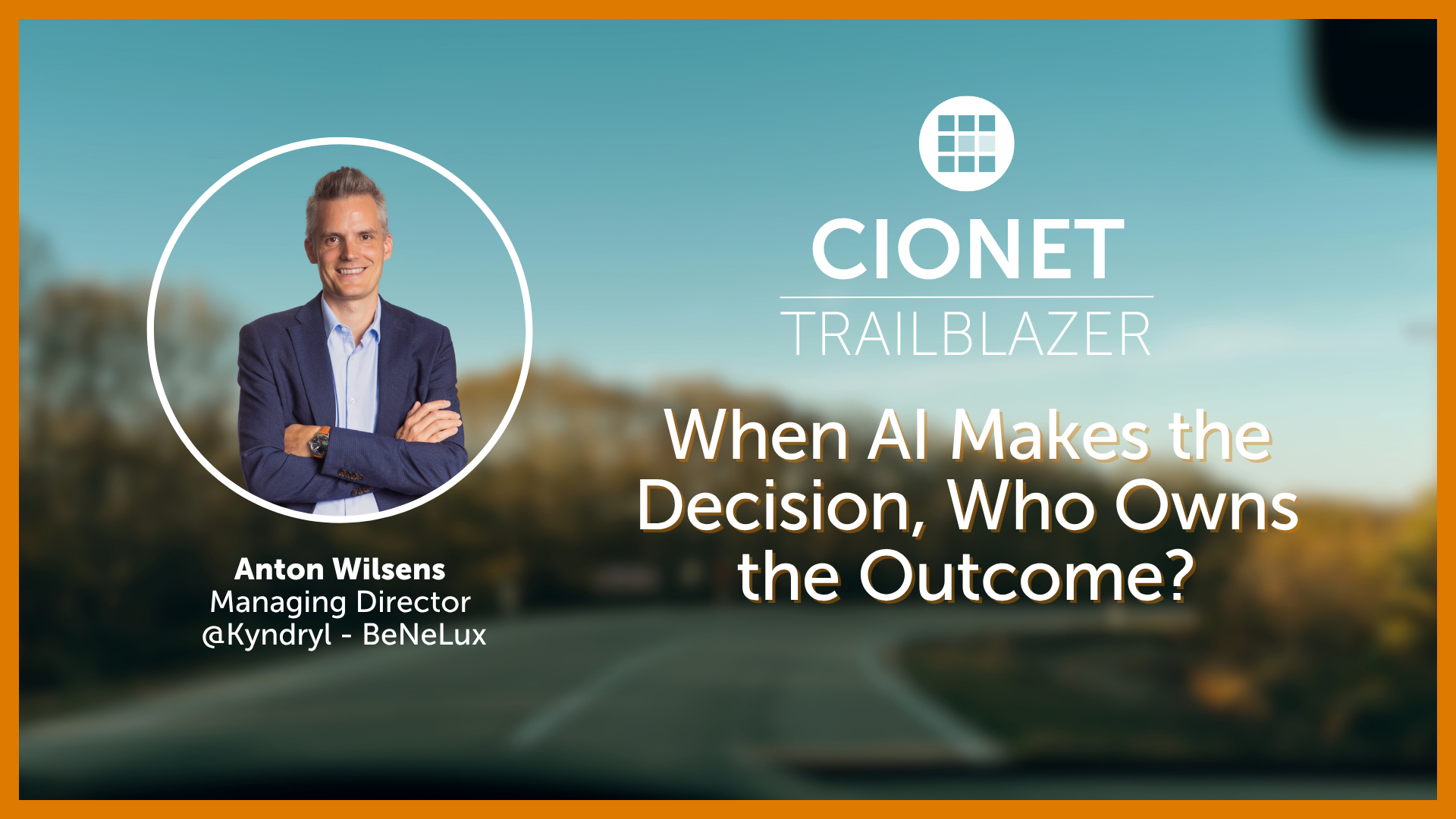
Published on: September 30, 2026 @ 1:17 PM
Published on: August 26, 2026 @ 9:13 AM
Published on: July 29, 2026 @ 10:08 AM
Published on: June 24, 2026 @ 5:00 PM
Published on: May 27, 2026 @ 9:21 AM
Published on: May 07, 2026 @ 4:02 PM
.png)
Published on: April 29, 2026 @ 9:11 AM
Published on: March 26, 2026 @ 3:37 PM
-2.png)
Published on: March 25, 2026 @ 9:58 AM
Published on: March 13, 2026 @ 3:43 PM
-Feb-25-2026-10-01-07-2508-AM.png)
Published on: February 25, 2026 @ 11:01 AM
.png)
Published on: February 25, 2026 @ 9:00 AM
Published on: February 24, 2026 @ 5:00 PM
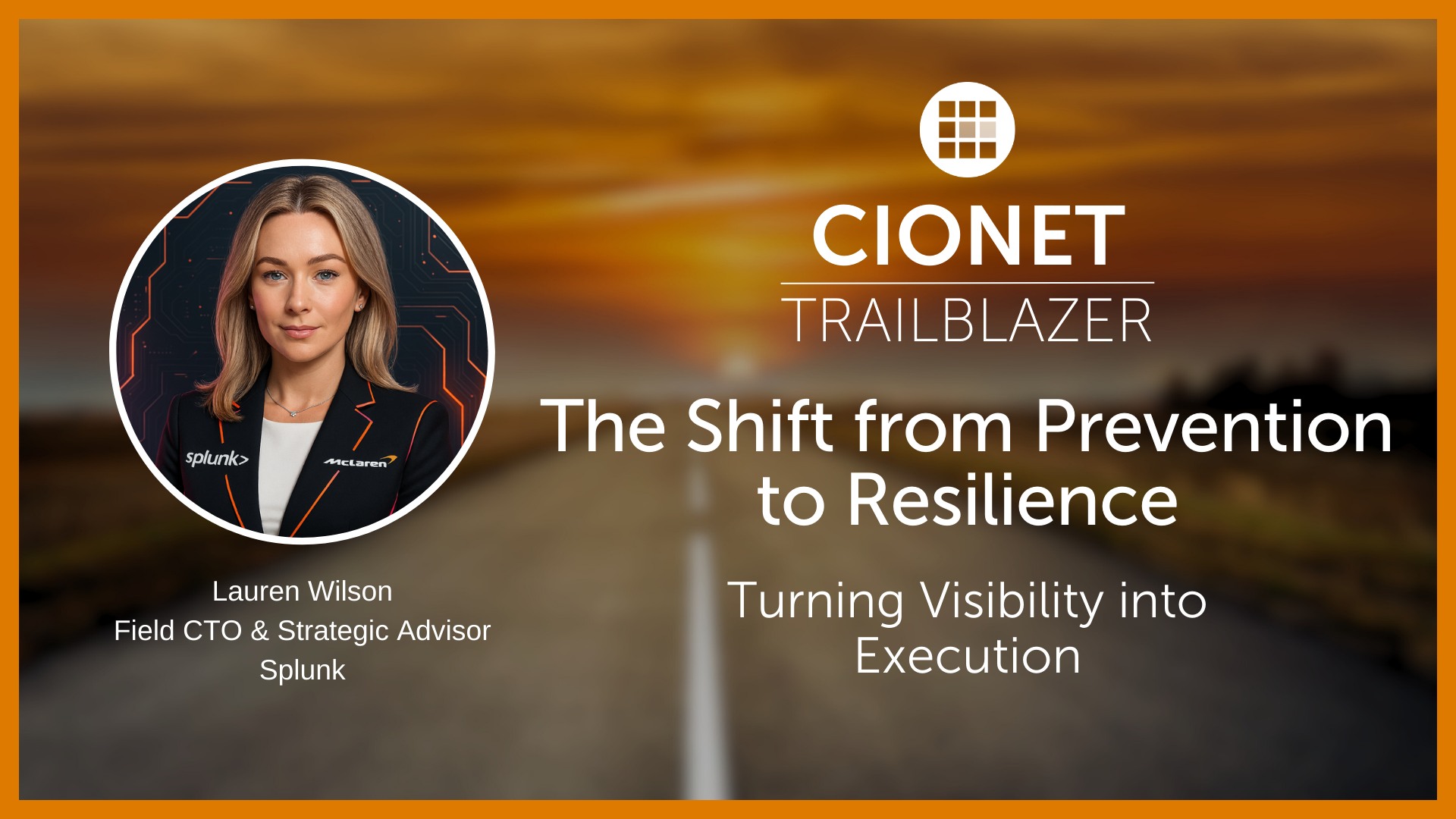
CIONET Trailblazer: CISO: The Shift from Prevention to Resilience: Turning Visibility into Execution
Published on: January 28, 2026 @ 9:48 AM
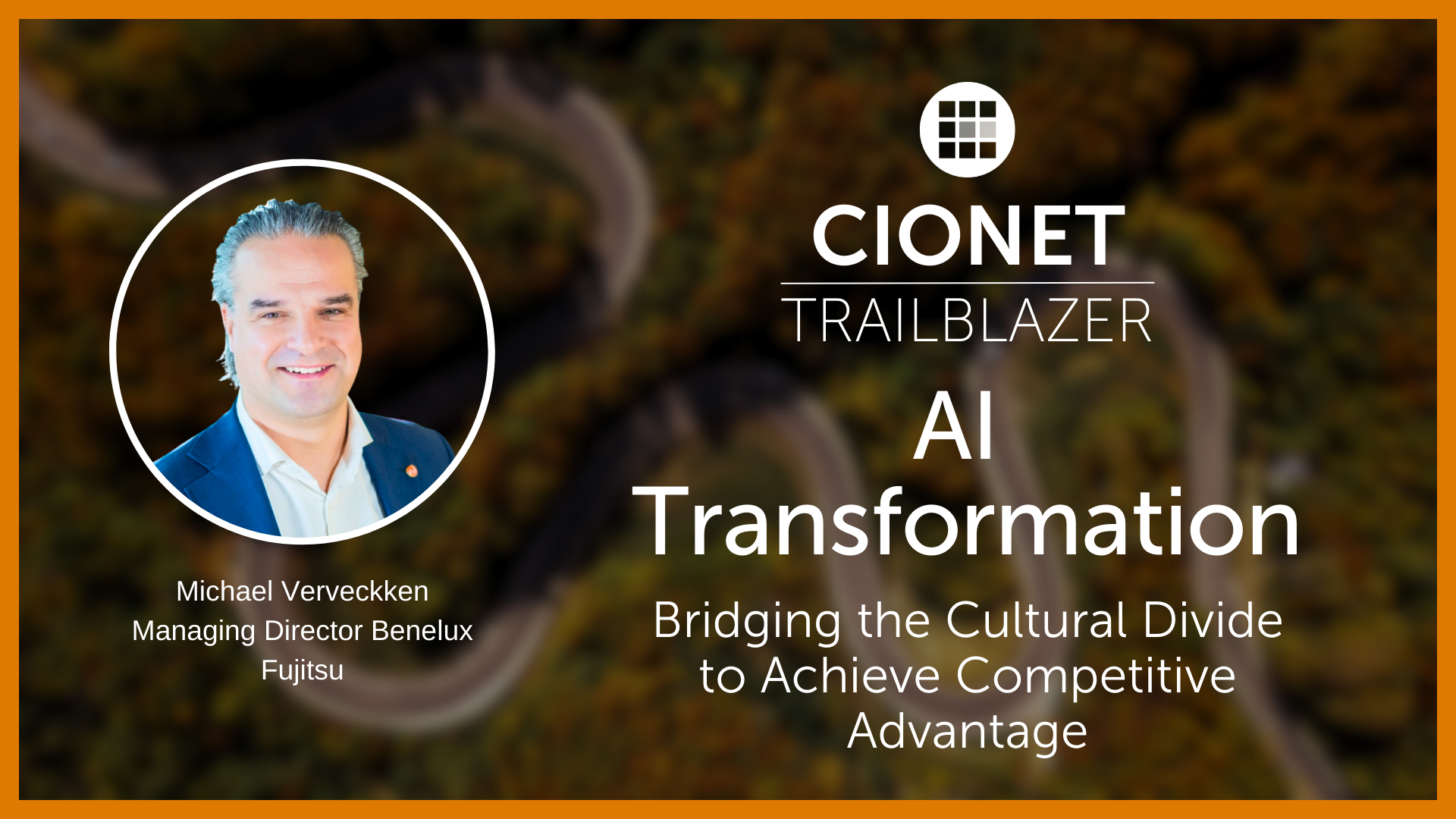
CIONET Trailblazer: AI Transformation: Bridging the Cultural Divide to Achieve Competitive Advantage
Published on: December 17, 2025 @ 9:16 AM
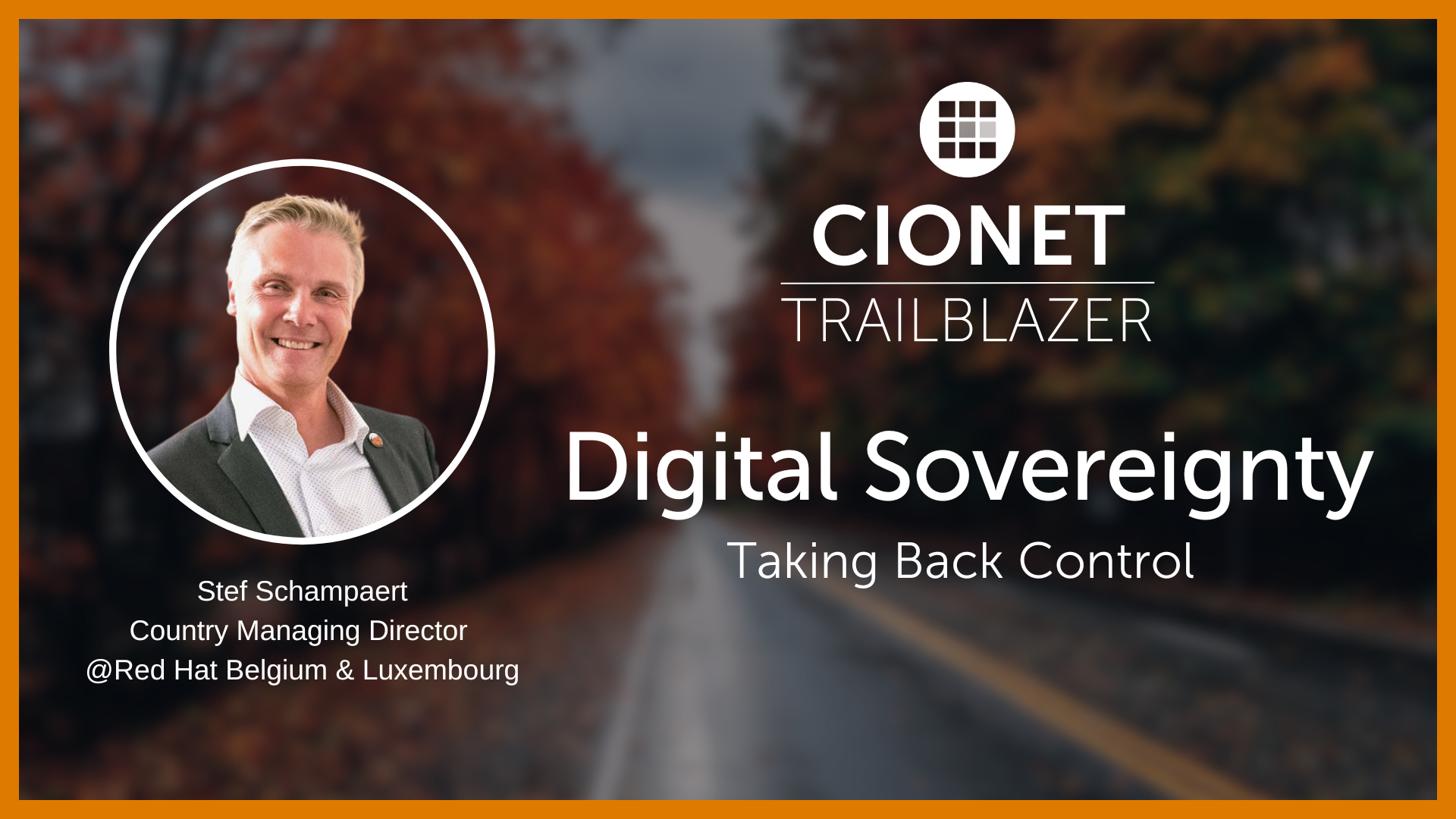
Published on: October 29, 2025 @ 11:31 AM
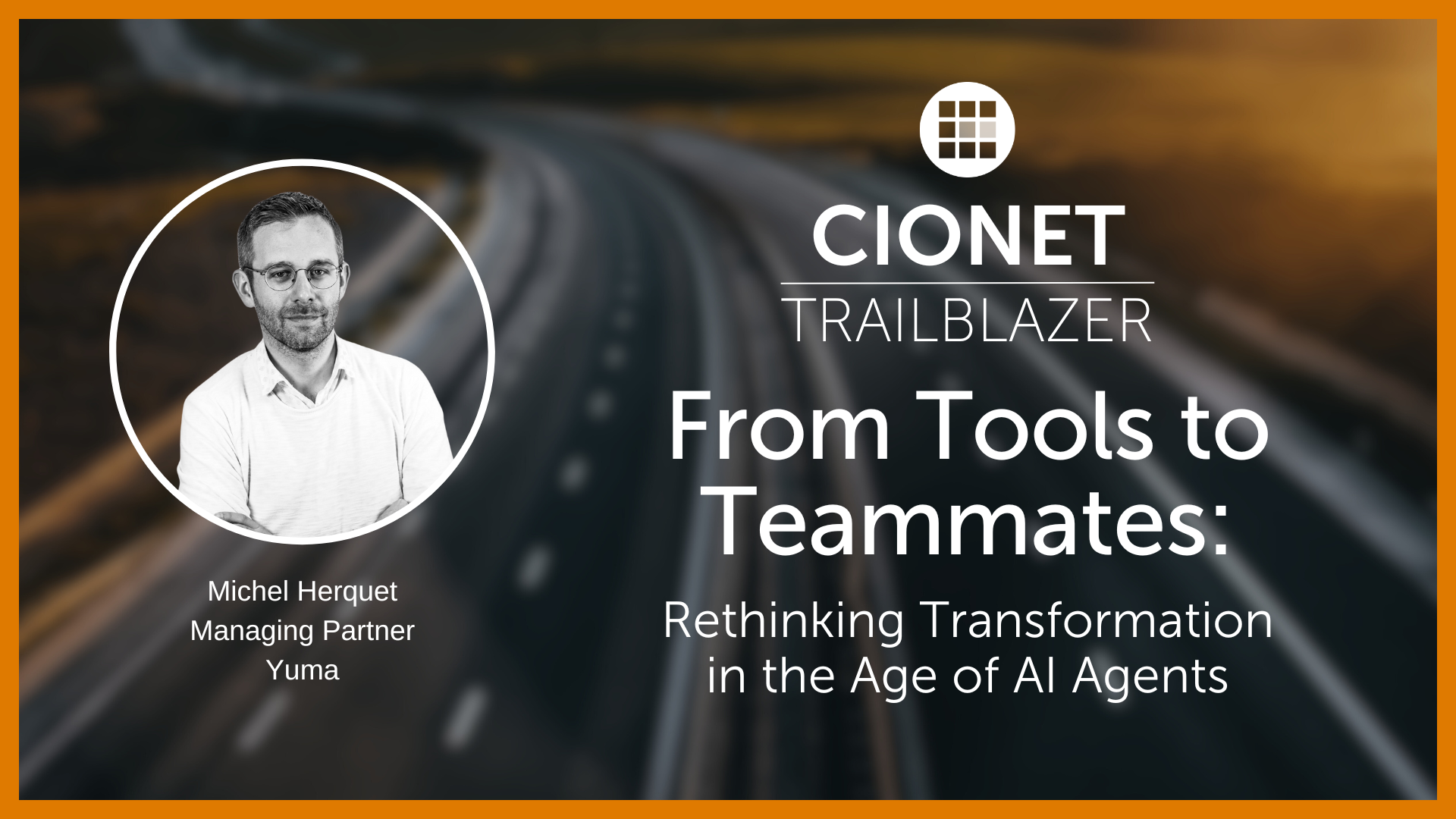
Published on: July 30, 2025 @ 9:19 AM
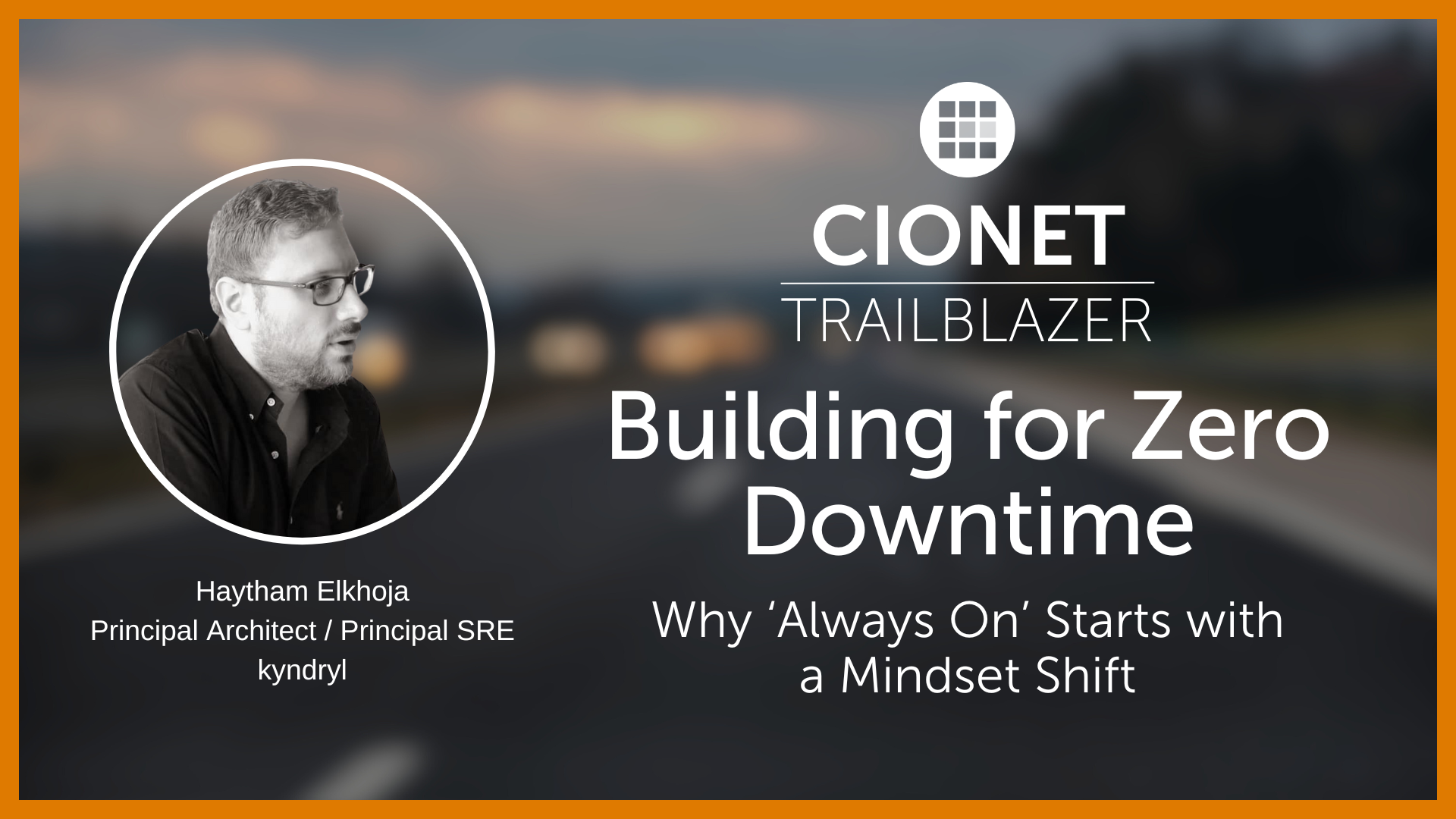
Published on: June 25, 2025 @ 9:14 AM
.png)
Published on: April 30, 2025 @ 9:04 AM
-1.png)
Published on: March 26, 2025 @ 9:59 AM
-1.png)
Published on: March 04, 2025 @ 5:07 PM
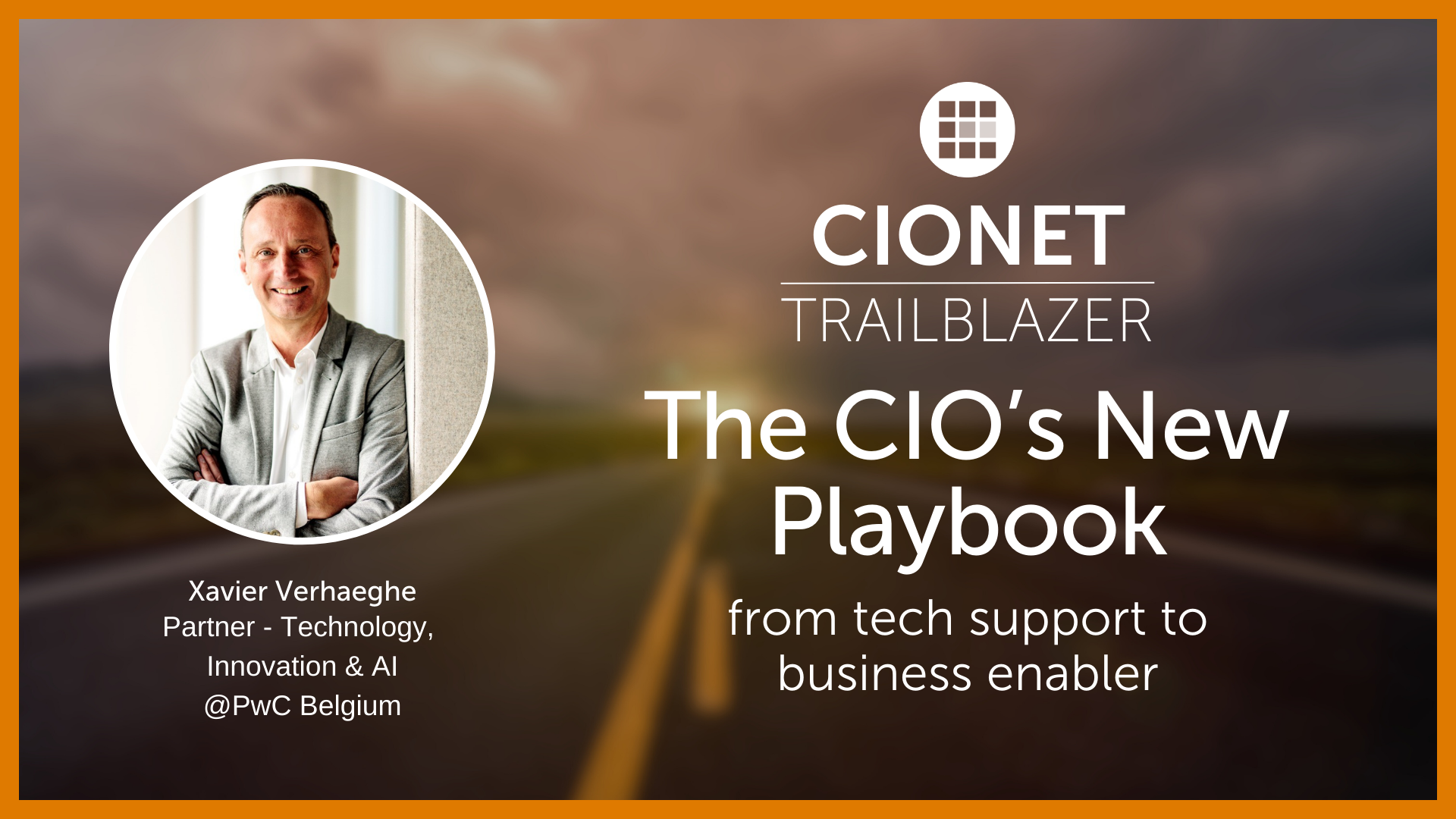
Published on: February 26, 2025 @ 10:51 AM
Published on: February 25, 2025 @ 4:14 PM
-4.png)
Published on: February 25, 2025 @ 10:33 AM
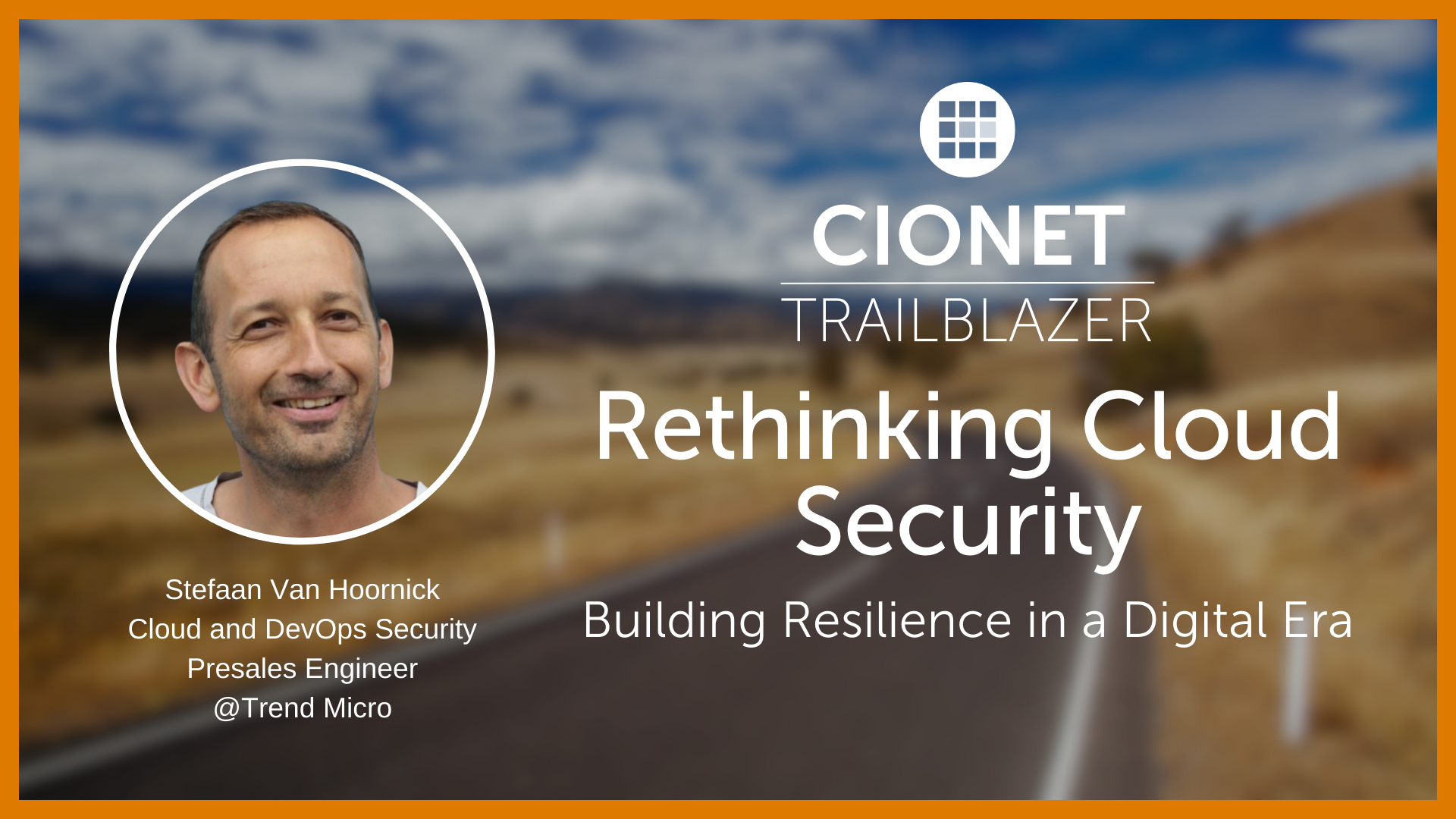
Published on: January 29, 2025 @ 9:58 AM
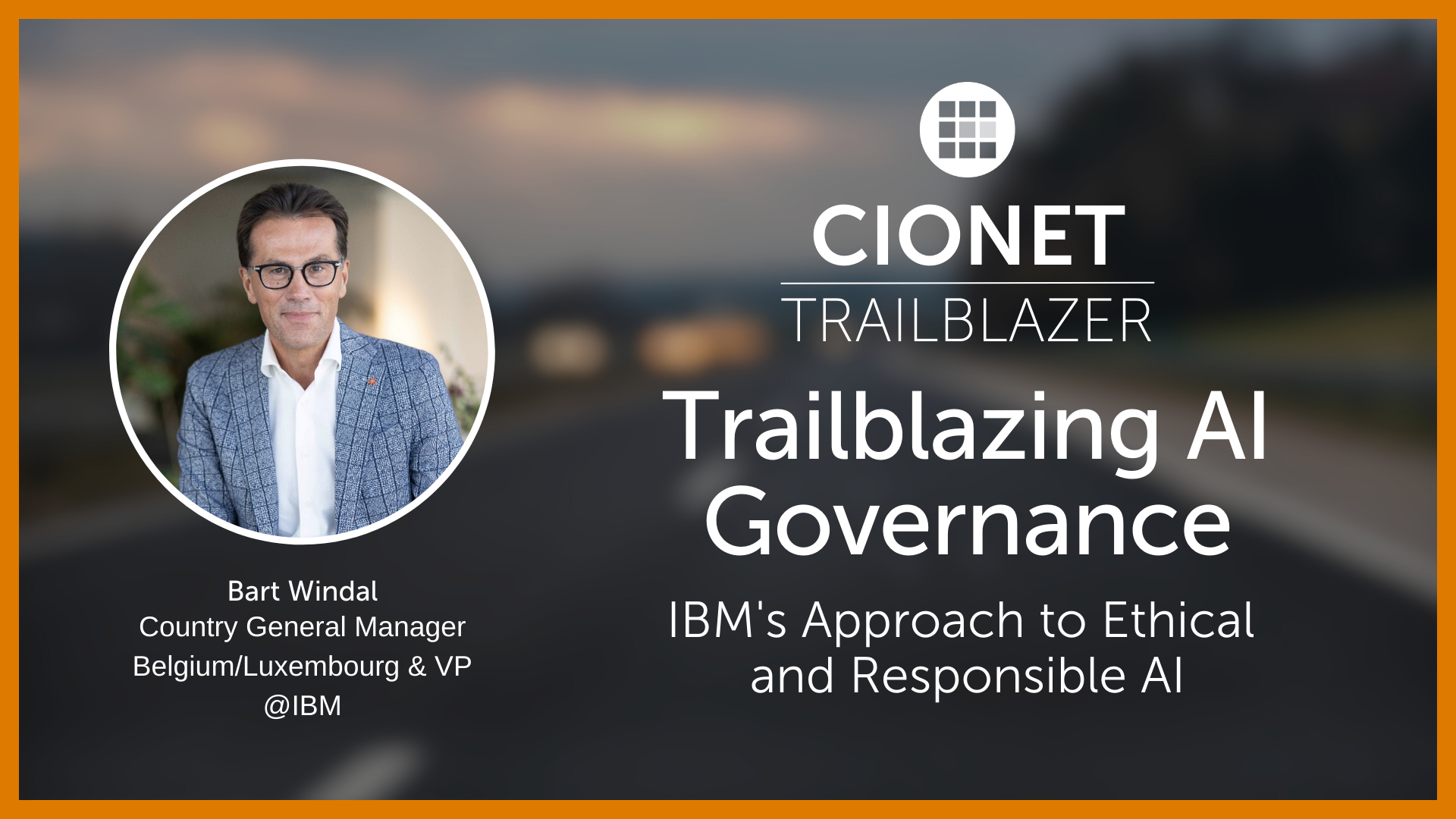
Published on: December 18, 2024 @ 9:07 AM
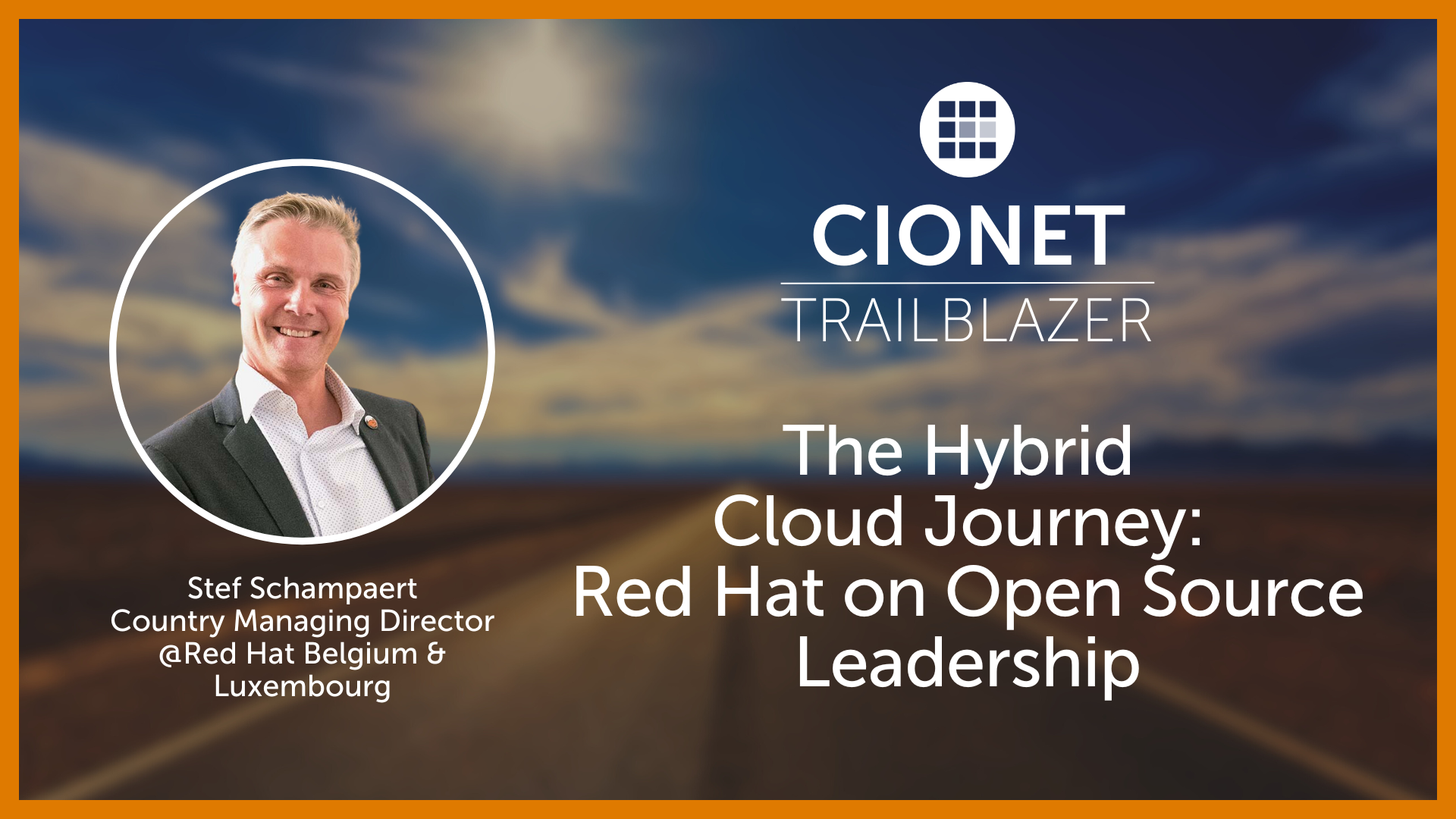
Published on: October 30, 2024 @ 9:34 AM
.png)
Published on: October 29, 2024 @ 11:37 AM
.png)
Published on: September 27, 2024 @ 10:41 AM
Published on: September 25, 2024 @ 8:59 AM
Published on: September 18, 2024 @ 3:44 PM
Published on: August 28, 2024 @ 10:10 AM

Eli Group takes Layered Security Approach with Trend Micro
Takes Layered Security Approach with Trend Micro
OVERVIEW
Eli Global is a globally diversified information and financial services group with 40 business units across three continents. Founded in 1991, the group is based in Durham, North Carolina and has offices in the United States, Canada, India, Ireland, and in the Philippines. Eli Group, based in India, is a subsidiary of Eli Global, and has 5000+ employees.
CHALLENGES
Eli Group faced increasing cyber-attacks that placed critical assets, network performance, and business operations at risk. Without visibility across their threat landscape, the company had no way to identify and stop threats before they entered the network or were already resident. Despite several solutions from Original Equipment Manufacturers (OEMs), Eli Group was unable to correlate and consolidate various attack patterns, leaving them vulnerable to threats. In addition, the organization’s existing solutions from multiple OEMs were operating in silos, which led to inefficient network performance and limited visibility.
Eli Global felt it was critical that Eli Group data and application servers were protected against advanced threats. They wanted to understand how targeted attacks infiltrate an organization and how to detect, analyze, adapt, and respond to them across the threat lifecycle—and they needed consistent patching and shielding against vulnerabilities.
"Trend Micro helped us build a robust defense system that not only helped us identify and shield against vulnerabilities, but also fully secured our network."
Upendra Singh - Director, Global IT, Eli Group
WHY TREND
The powerful combination of Trend Micro solutions and domain expertise made the choice easy for the Eli Group. Trend Micro worked with the company to identify and contain cyberattacks and safeguard their network from advanced malware and network exploits, as well as potential operating system and application vulnerabilities. The Trend Micro solutions also offered visibility across the threat landscape, protection against the complete lifecycle of targeted attacks, and initiated proactive responses to contain these threats before they affected the network.
SOLUTION
Eli Group implemented the Trend Micro™ Connected Threat Defense strategy to gain a 360-degree view of networks, endpoints, and data centers. Trend Micro™ Deep Discovery™ and Trend Micro™ Deep Security™, which form a critical part of Connected Threat Defense, provide a layered approach to prevent, detect, and respond to cyber threats. A combination of anti-APT (Advanced Persistent Threat) and Deep Security™ was also deployed to provide complete visibility, scanning, and disinfection of incoming malware and associated threats.
With a wide range of capabilities optimized across environments, managed from a single dashboard, Deep Security was implemented enterprise-wide to protect multiple operating systems, including Microsoft® Windows®, Linux®, and Unix® across physical, virtual, and cloud platforms. anti-APT allowed Eli Group to monitor all inbound, outbound, and internal network traffic, regardless of the ports or protocols involved.
RESULTS
With Trend Micro’s Connected Threat Defense strategy, Eli Group can build comprehensive security systems and protocols to protect critical business applications, networks, and endpoints. The centrally managed platform of Trend Micro™ Deep Security™ helps Eli Group simplify security operations and reduce costs across multiple environments.
Deep Security™ protects the company’s enterprise applications, and data from breaches, including newer attacks using ransomware, without requiring emergency patching. With consistent shielding against vulnerabilities, Eli Group now secures its critical data while seamless integration facilitates effective communication with internal systems to enhance network security and performance. The solution also helps protect businesscritical servers from advanced threats targeting operating system and application vulnerabilities.
With anti-APT, the company rapidly identifies issues at the early stages of targeted attacks and investigates suspicious files through comprehensive analysis of payloads to detect advanced malware, including previously unknown “zero-day” attacks.
Trend Micro™ Deep Discovery™ provides Eli Group with a complete view of their network, including visibility into all aspects of targeted attacks and advanced threats. Through the use of extensive detection techniques, monitoring of all network traffic, custom sandbox analysis, and correlated threat intelligence, Deep Discovery™ detects and analyzes advanced attacks, command-and-control (C&C) communications, and evasive attacker activities that are invisible to standard security defenses. “Trend Micro helped us build a robust defense system that not only helped us identify and shield against vulnerabilities, but also fully secured our network,” said Upendra Singh, Director, Global IT, Eli Group.
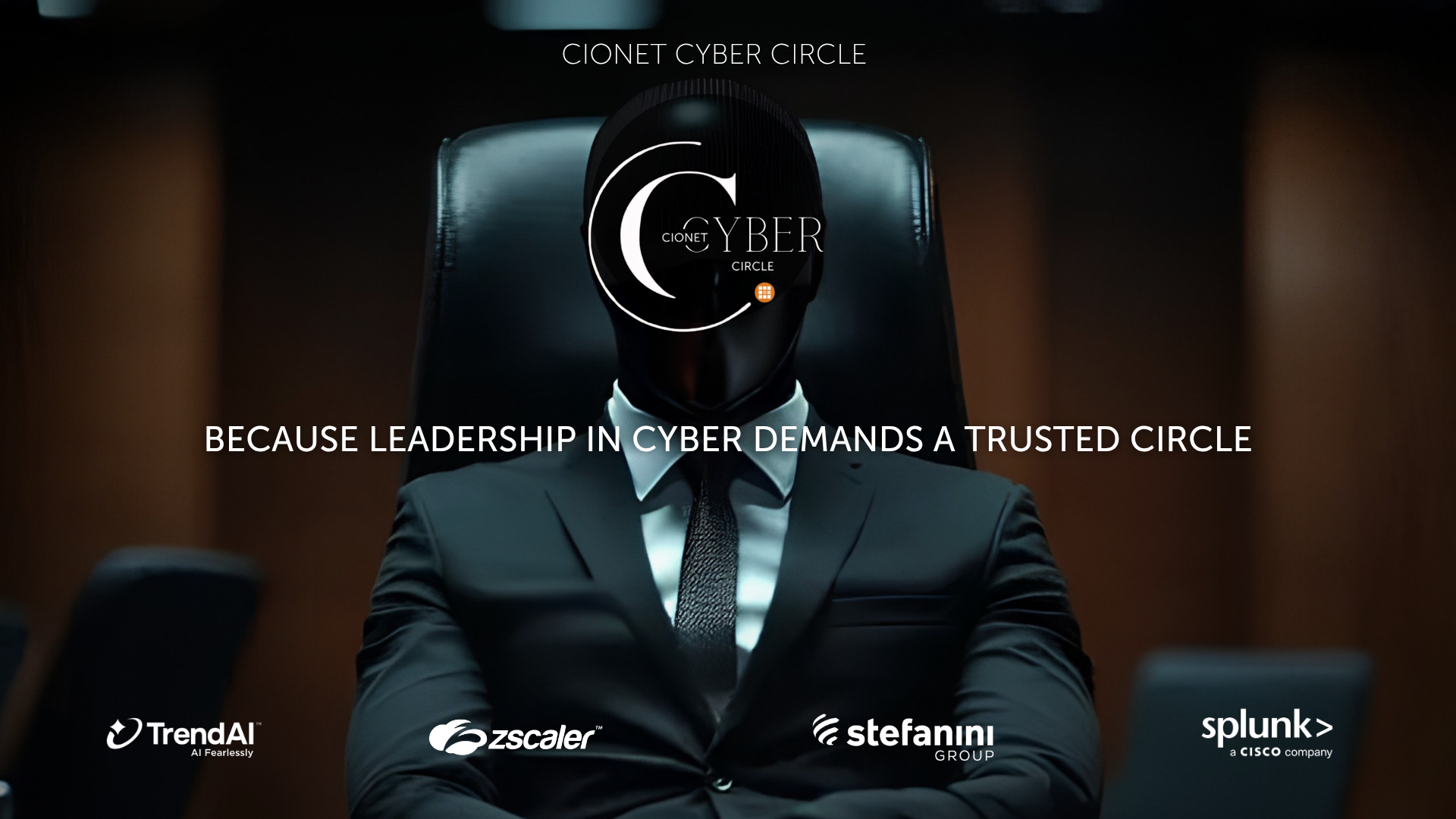
CIONET’s Cyber Circle: a new three-event programme exclusively focusing on the most urgent, complex, and high-impact challenges in cybersecurity today. Launched in 2026, this initiative brings together CISOs, CIOs, and senior IT executives with a strong interest in cybersecurity for three curated gatherings each year. As part of CIONET’s trusted executive community, the Cyber Circle provides a confidential, peer-driven environment to exchange insights, share real-world experiences, and address evolving cyber threats. Each session is designed to foster strategic dialogue, strengthen resilience, and elevate cybersecurity as a core driver of business value.
Read More.png)
The Telenet Business Leadership Circle powered by CIONET, offers a platform where IT executives and thought leaders can meet to inspire each other and share best practices. We want to be a facilitator who helps you optimise the performance of your IT function and your business by embracing the endless opportunities that digital change brings.
Read More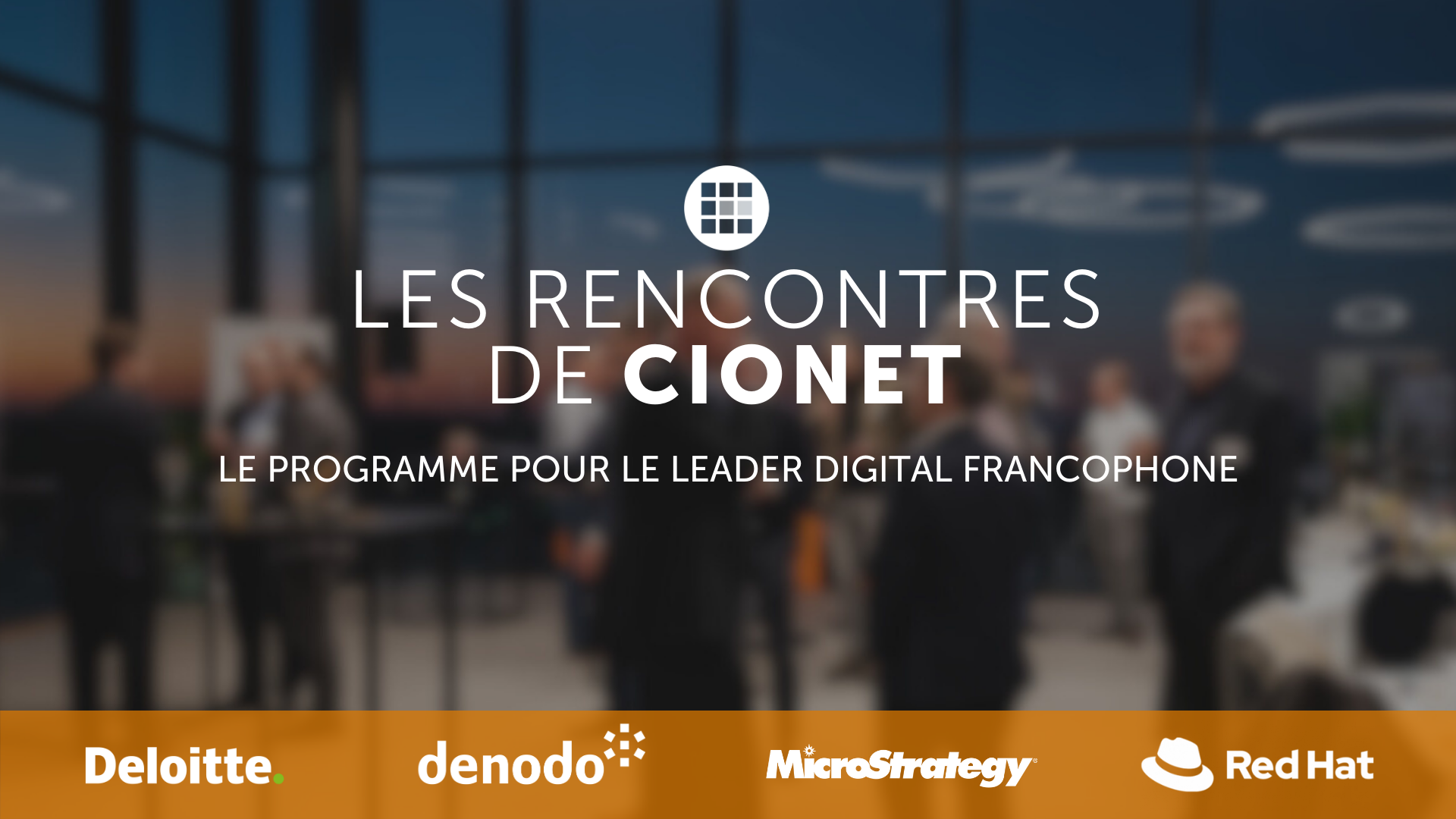
Découvrez la dynamique du leadership numérique aux Rencontres de CIONET, le programme francophone exclusif de CIONET pour les leaders numériques en Belgique, rendu possible grâce au soutien et à l'engagement de nos partenaires de programme : Deloitte, Denodo et Red Hat. Rejoignez trois événements inspirants par an à Liège, Namur et en Brabant Wallon, où des CIOs et des experts numériques francophones de premier plan partagent leurs perspectives et expériences sur des thèmes d'affaires et de IT actuels. Laissez-vous inspirer et apprenez des meilleurs du secteur lors de sessions captivantes conçues spécialement pour soutenir et enrichir votre rôle en tant que CIO pair. Ne manquez pas cette opportunité de faire partie d'un réseau exceptionnel d'innovateurs numériques !
Read More.jpg)
CIONET is committed to highlighting and celebrating female role models in IT, Tech & Digital, creating a leadership programme that empowers and elevates women within the tech industry. This initiative is dedicated to showcasing the achievements and successes of leading women, fostering an environment where female role models are recognised, and their contributions can ignite progress and inspire the next generation of women in IT. Our mission is to shine the spotlight a little brighter on female role models in IT, Tech & Digital, and to empower each other through this inner network community.
Read More


-Apr-01-2022-10-58-34-57-AM.png)








-Dec-13-2023-10-53-15-5032-AM.png)



-Jun-12-2023-01-23-11-7540-PM.png)




-Apr-01-2022-10-58-34-68-AM.png)






.png)




%20(003).png)




.png)




.png)











-Sep-01-2022-02-47-55-60-PM.png)
-Nov-22-2023-08-56-42-6802-AM.png)
.png)


.png "be-page-banner (1)")
.png)
.png)
.png)
.png)