

.png)
Belgium 20-10-2026 Squad Only Virtual English
Cloud decisions are becoming more selective. The challenge is deciding where each workload should run based on cost, performance, control, resilience, sovereignty, and business need. Three pressure points usually drive the decision. - Cost visibility becomes harder when usage grows across cloud services, data platforms, and AI workloads. - Performance and latency matter more when systems need fast access to data or support operational processes. - Sovereignty and resilience become critical when data location, continuity, vendor dependency, and exit options enter the discussion. The working question is simple: how do we place workloads where they create the most value while keeping the hybrid landscape manageable? If these trade-offs are on your agenda, let’s compare how others are handling similar choices.
Read More.png)
Belgium 10-11-2026 Squad Only Virtual English
Data platforms are meant to simplify access and support better use of data. The challenge is choosing and governing the platform landscape in a way that creates consistency, reuse, and long-term value. Three pressure points usually appear. - Platform choice becomes difficult when teams have different needs for speed, flexibility, cost, and control. - Business meaning needs protection: customer, revenue, product, risk, and FTE need shared definitions across tools. - Ownership and governance need to be clear, so platforms grow with accountability and discipline. The working question is simple: how do we give teams the data capabilities they need while keeping the platform landscape understandable, governed, and reusable? If these questions are familiar, let’s compare approaches with others facing the same data landscape.
Read More.png)
Belgium 13-11-2026 Squad Only Physical English
Many IT capabilities are essential and difficult to fund through a simple project ROI. The challenge is showing why architecture, governance, resilience, cybersecurity maturity, data foundations, and AI readiness deserve investment before the gap becomes expensive. Three pressure points make the case harder. - Shared value means the benefit often sits across several teams, while the budget sits in one place. - Timing creates friction because the cost is immediate while the value appears over time. - Risk translation is needed so business and finance leaders understand the consequence of delaying the investment. The working question is simple: how do we turn foundational IT capabilities into credible investment cases that link cost, risk, business value, and future flexibility? If you are building these cases internally, let’s compare how others are positioning value, risk, and timing.
Read More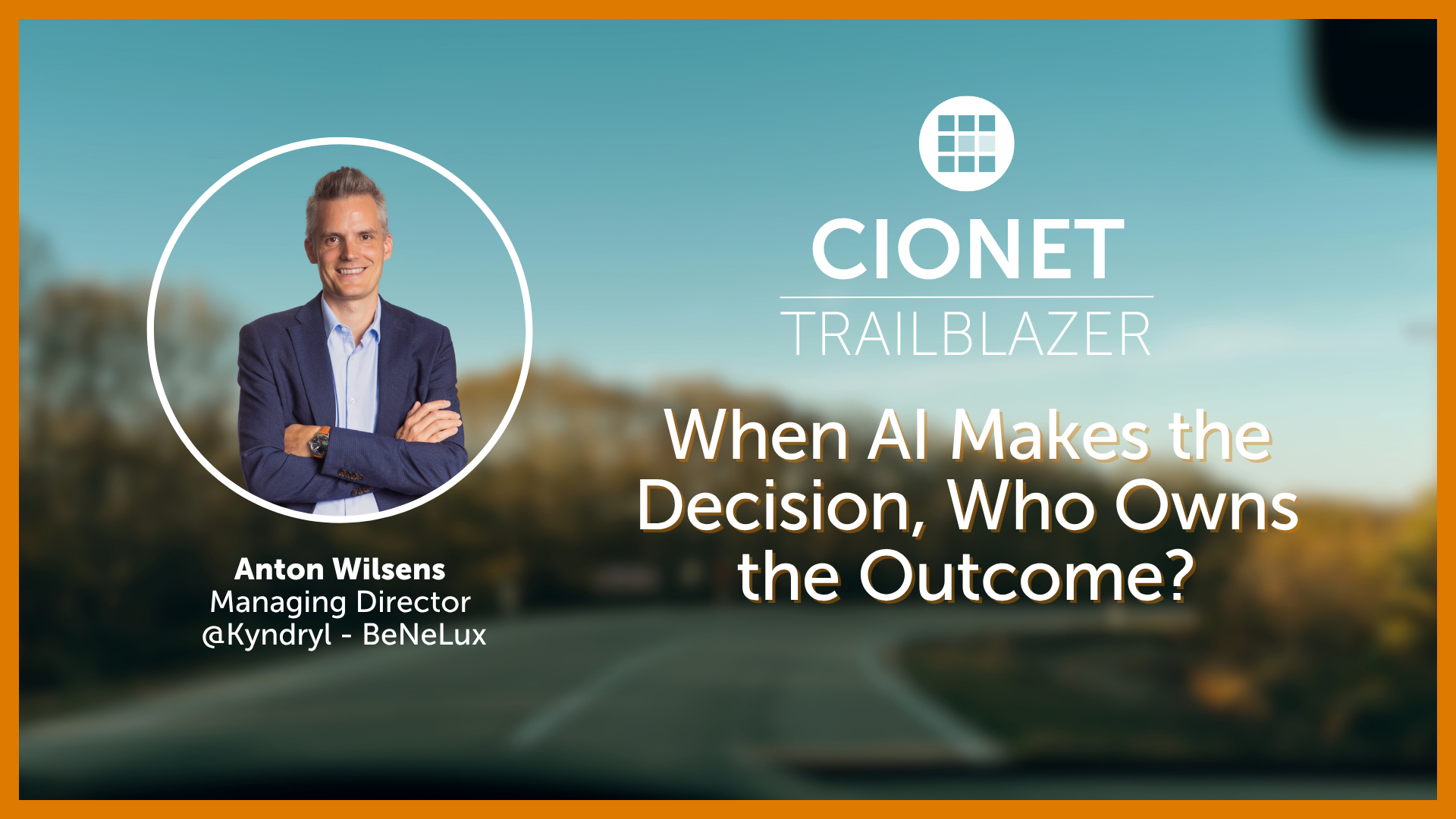
Published on: September 30, 2026 @ 1:17 PM
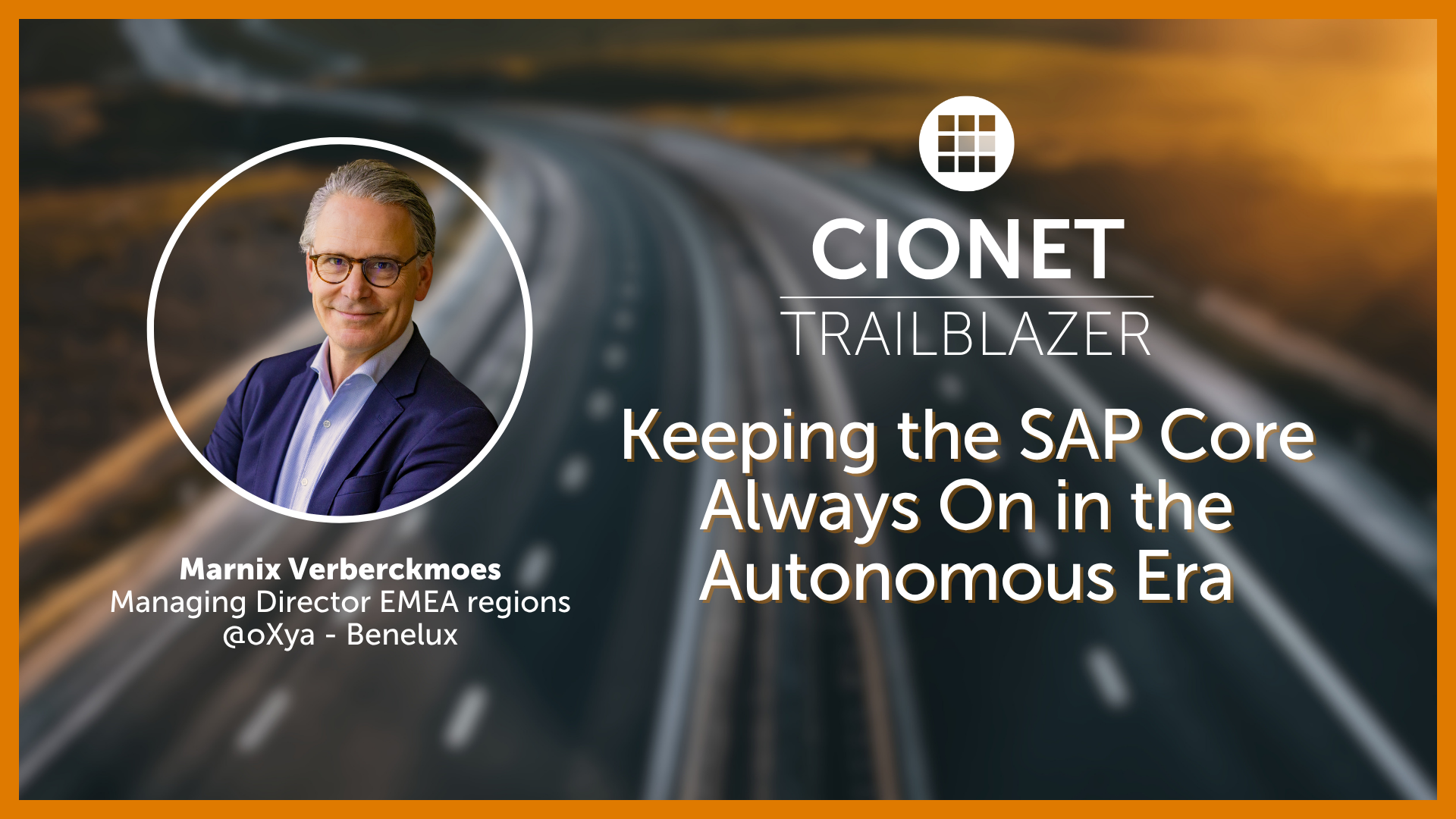
Published on: August 26, 2026 @ 9:13 AM
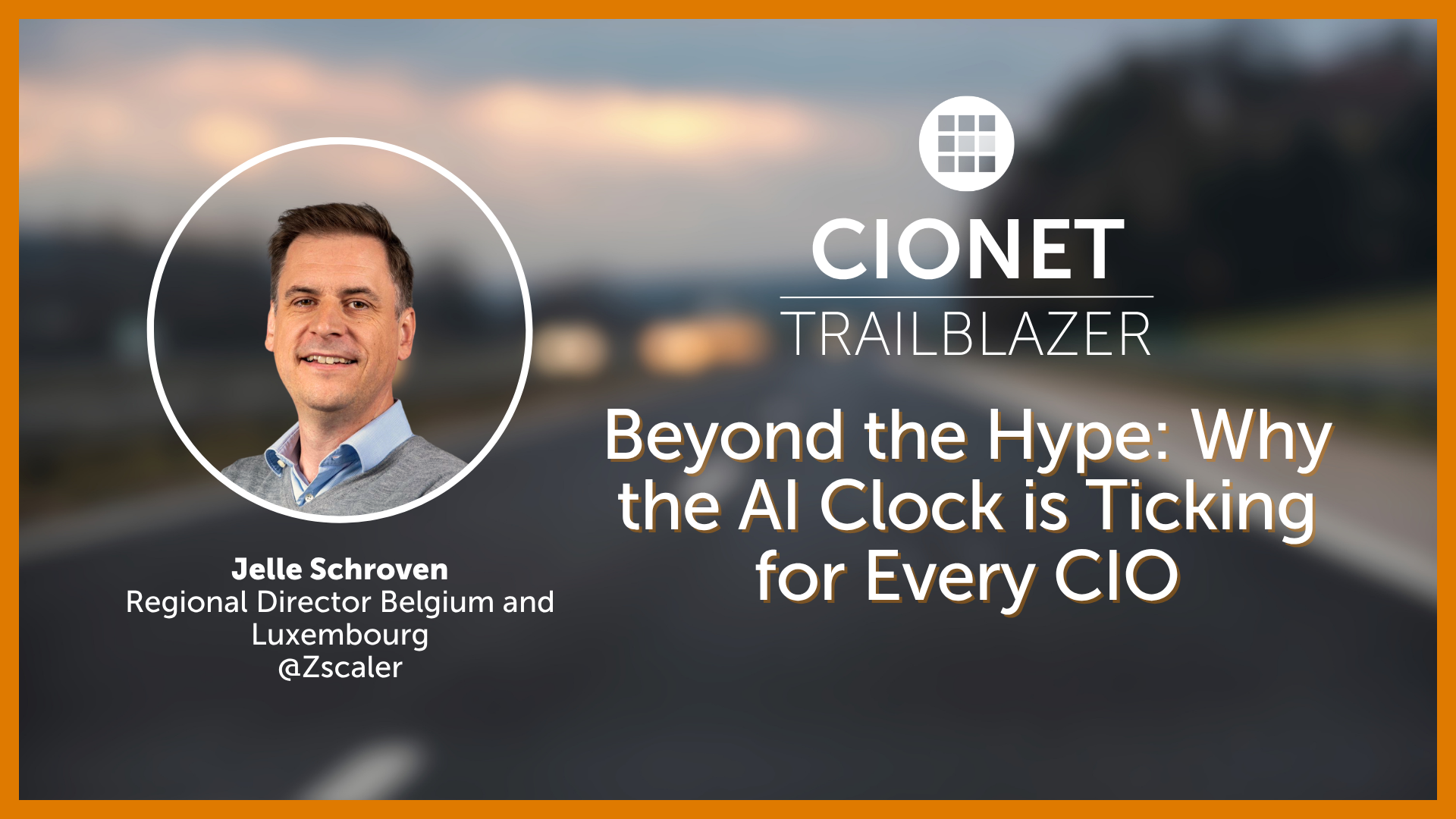
Published on: July 29, 2026 @ 10:08 AM
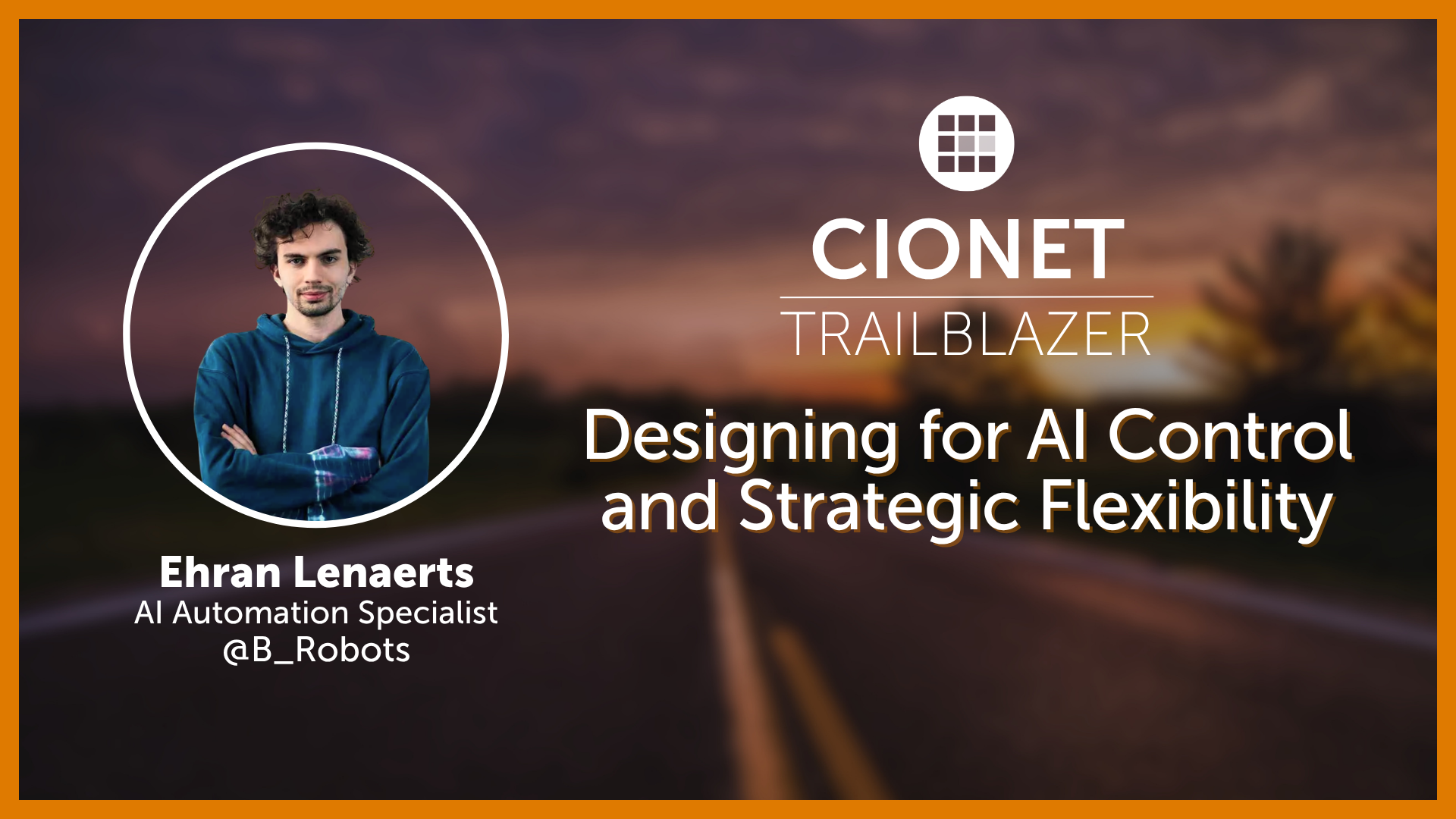
Published on: June 24, 2026 @ 5:00 PM
Published on: May 27, 2026 @ 9:21 AM
Published on: May 07, 2026 @ 4:02 PM
.png)
Published on: April 29, 2026 @ 9:11 AM
Published on: March 26, 2026 @ 3:37 PM
-2.png)
Published on: March 25, 2026 @ 9:58 AM
Published on: March 13, 2026 @ 3:43 PM
-Feb-25-2026-10-01-07-2508-AM.png)
Published on: February 25, 2026 @ 11:01 AM
.png)
Published on: February 25, 2026 @ 9:00 AM

Published on: February 24, 2026 @ 5:00 PM
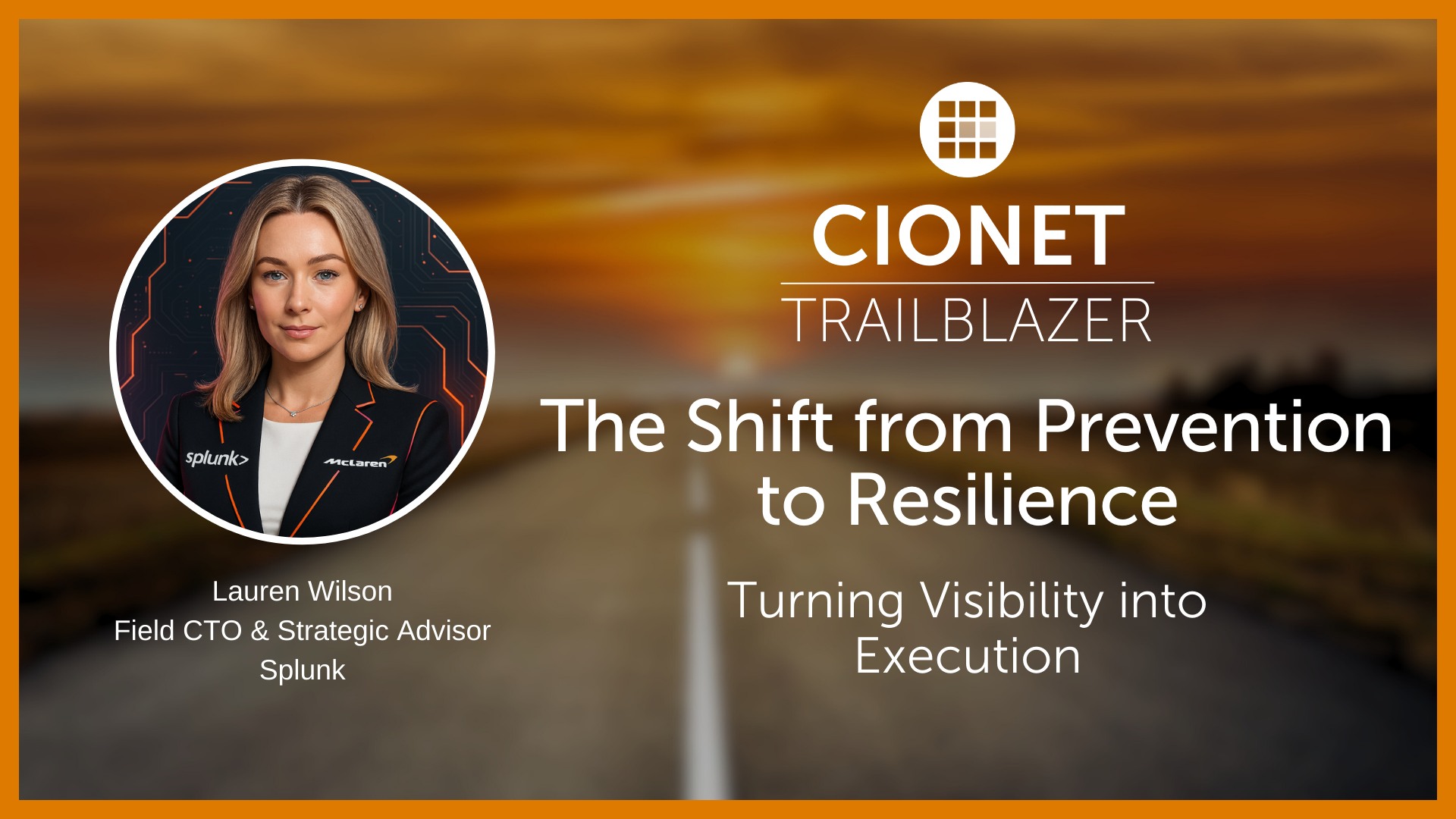
CIONET Trailblazer: CISO: The Shift from Prevention to Resilience: Turning Visibility into Execution
Published on: January 28, 2026 @ 9:48 AM
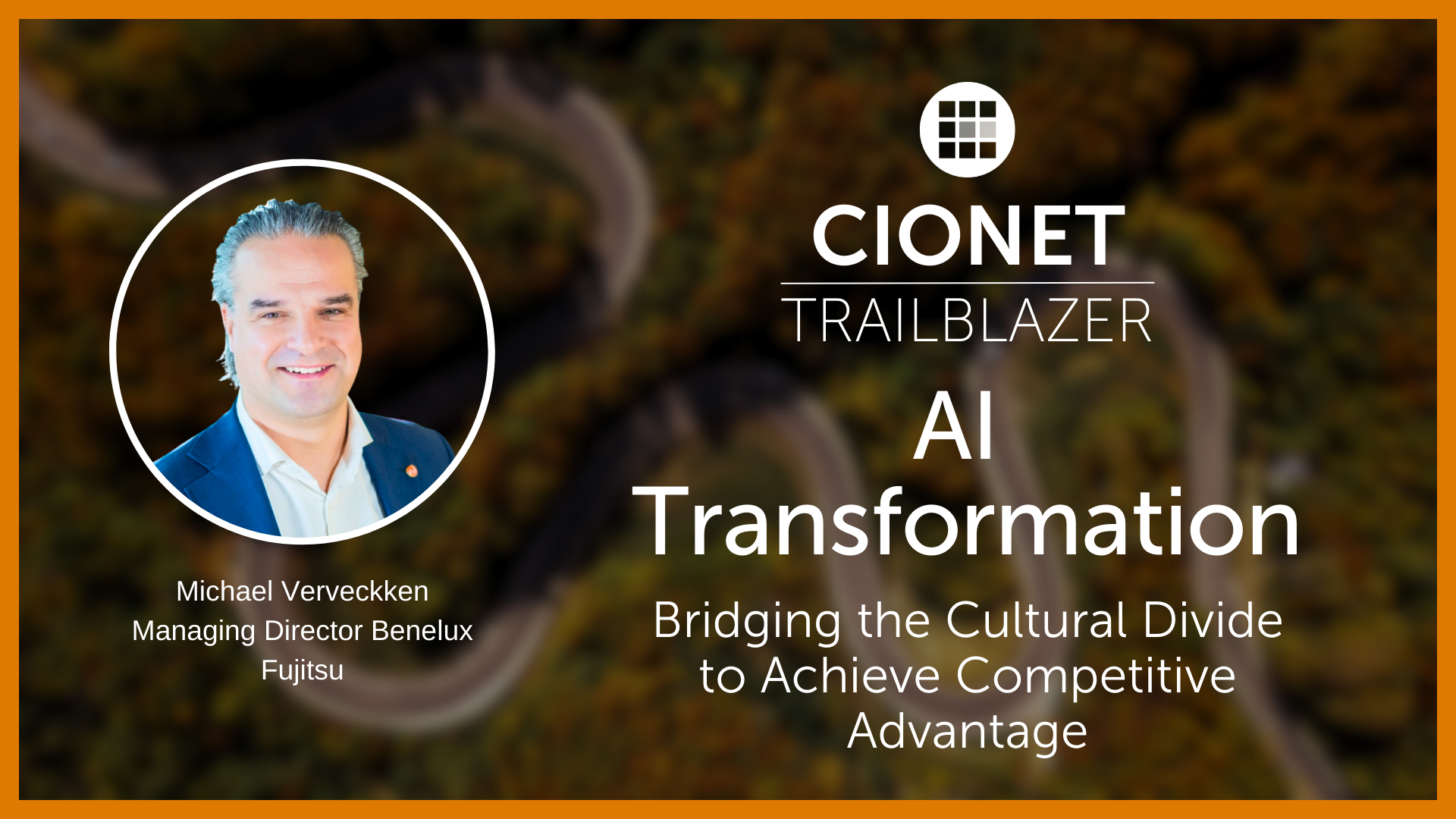
CIONET Trailblazer: AI Transformation: Bridging the Cultural Divide to Achieve Competitive Advantage
Published on: December 17, 2025 @ 9:16 AM
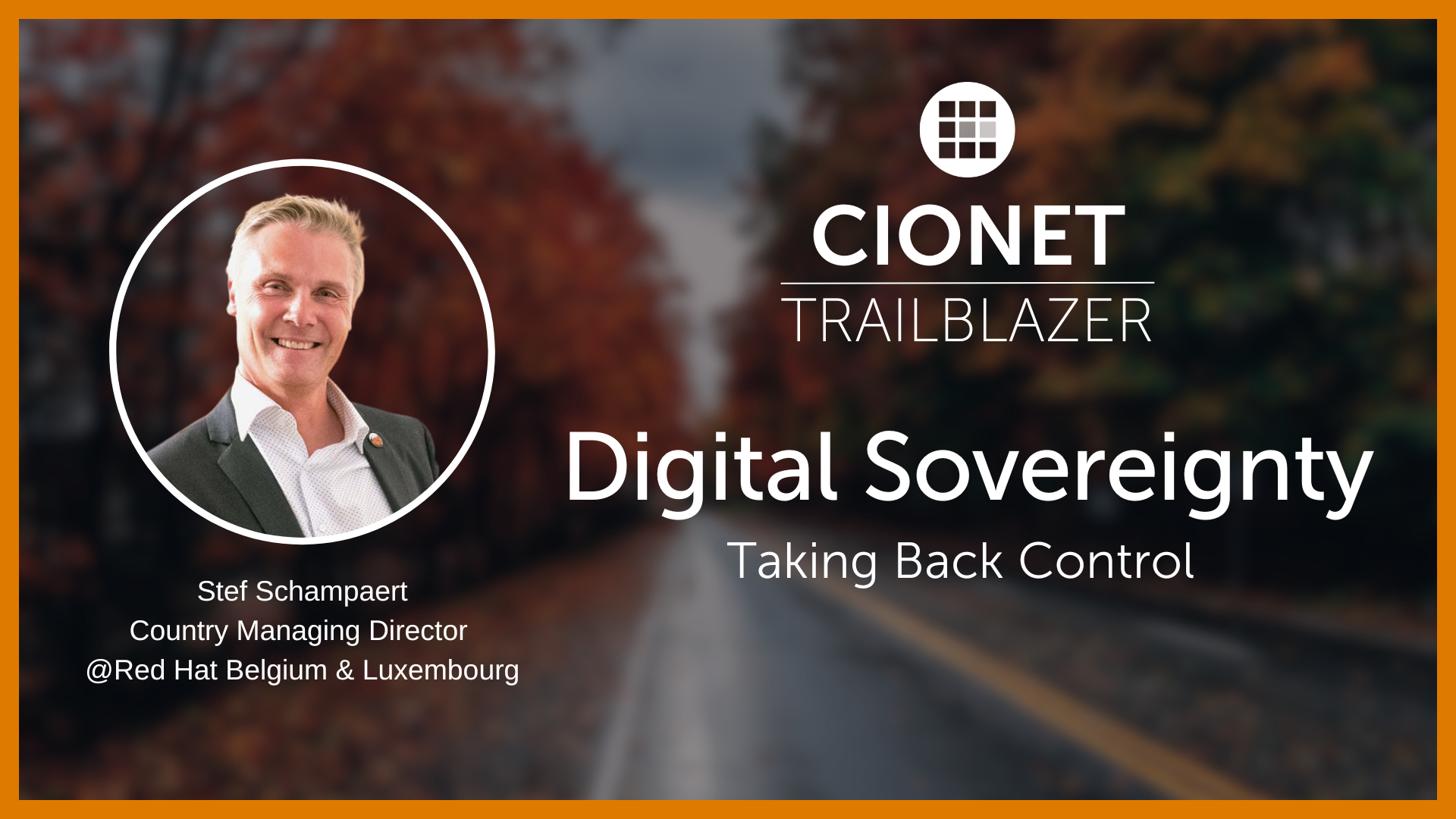
Published on: October 29, 2025 @ 11:31 AM
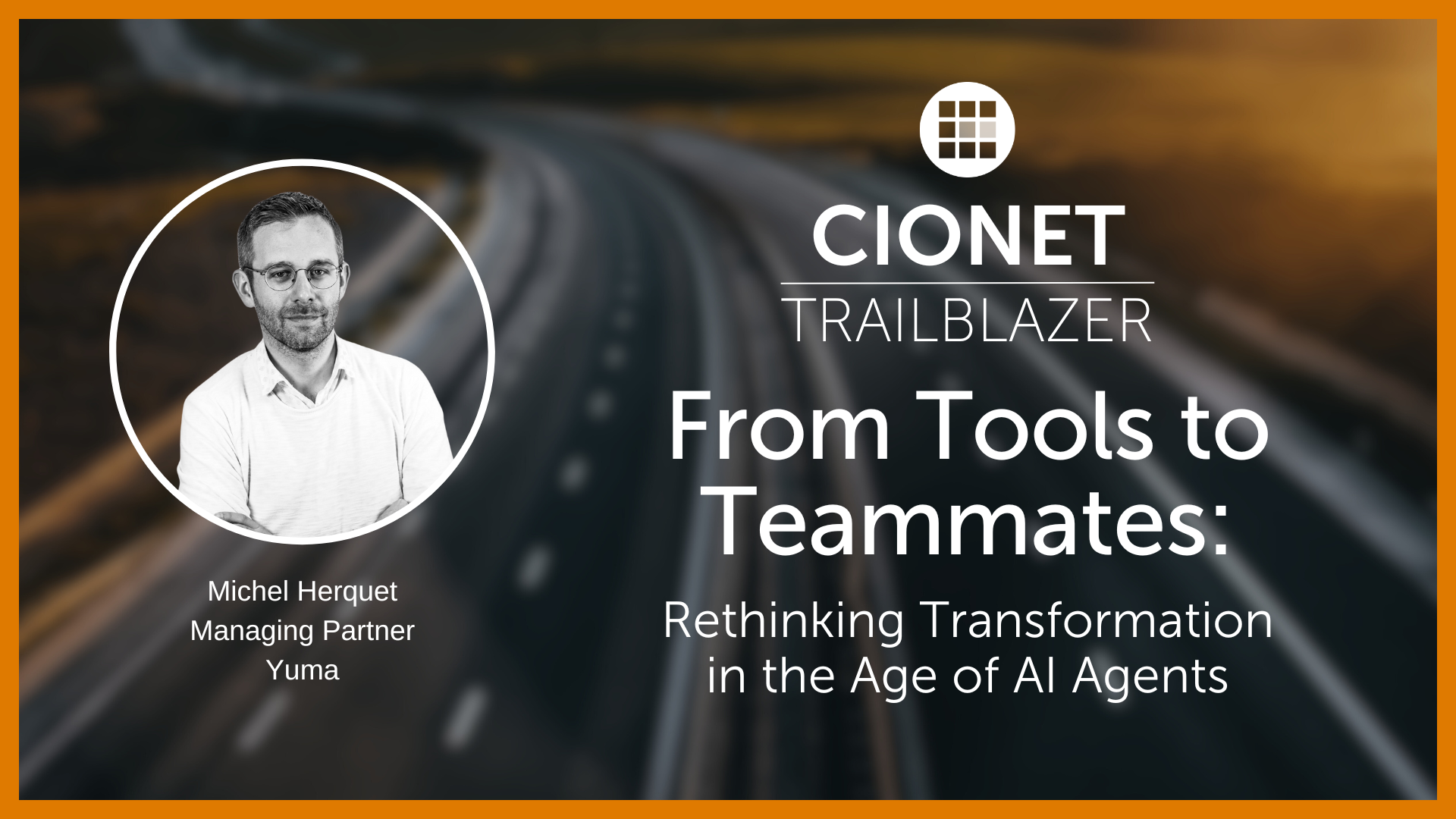
Published on: July 30, 2025 @ 9:19 AM

Published on: June 25, 2025 @ 9:14 AM
.png)
Published on: April 30, 2025 @ 9:04 AM
-1.png)
Published on: March 26, 2025 @ 9:59 AM
-1.png)
Published on: March 04, 2025 @ 5:07 PM
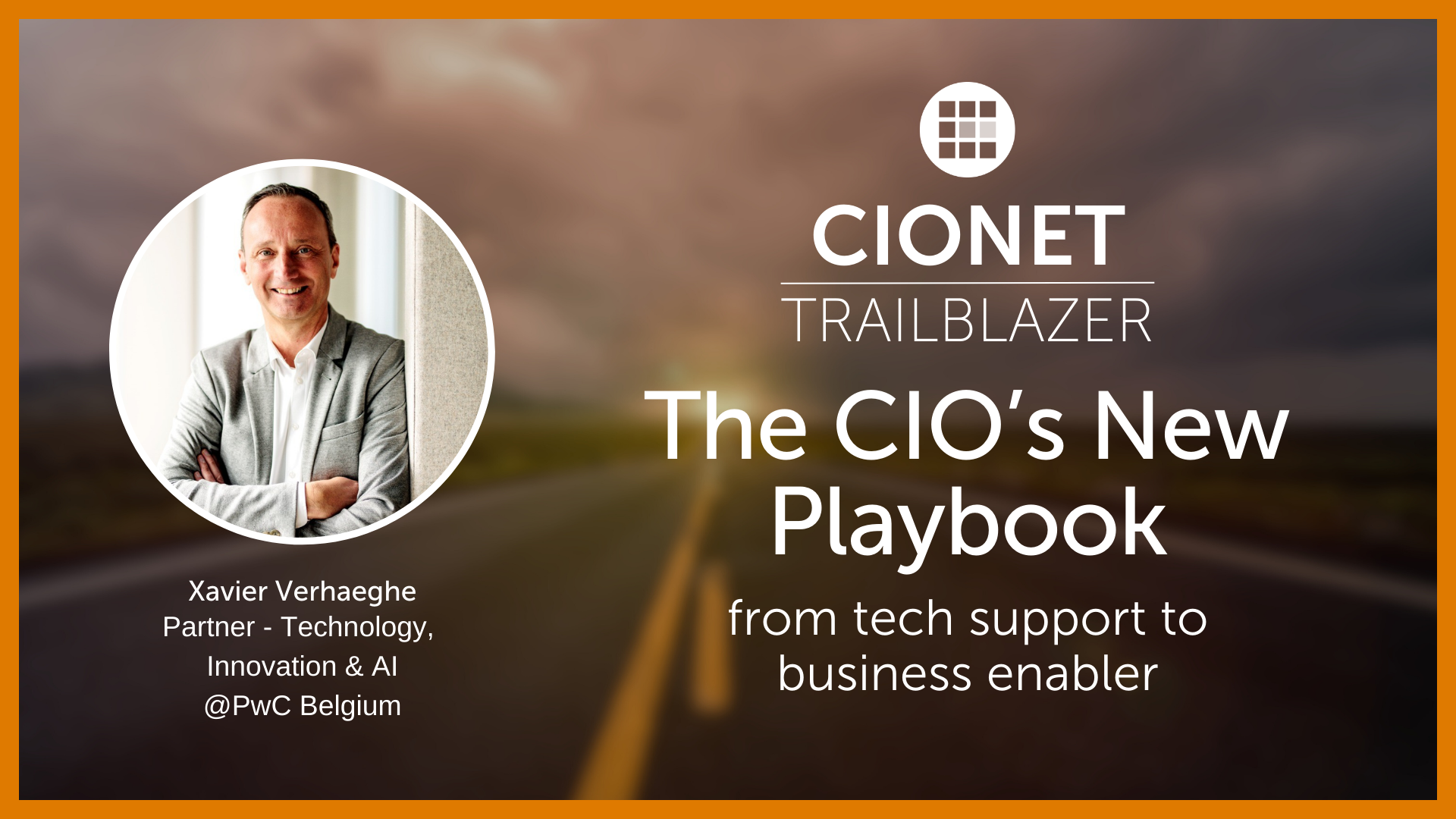
Published on: February 26, 2025 @ 10:51 AM
Published on: February 25, 2025 @ 4:14 PM
-4.png)
Published on: February 25, 2025 @ 10:33 AM
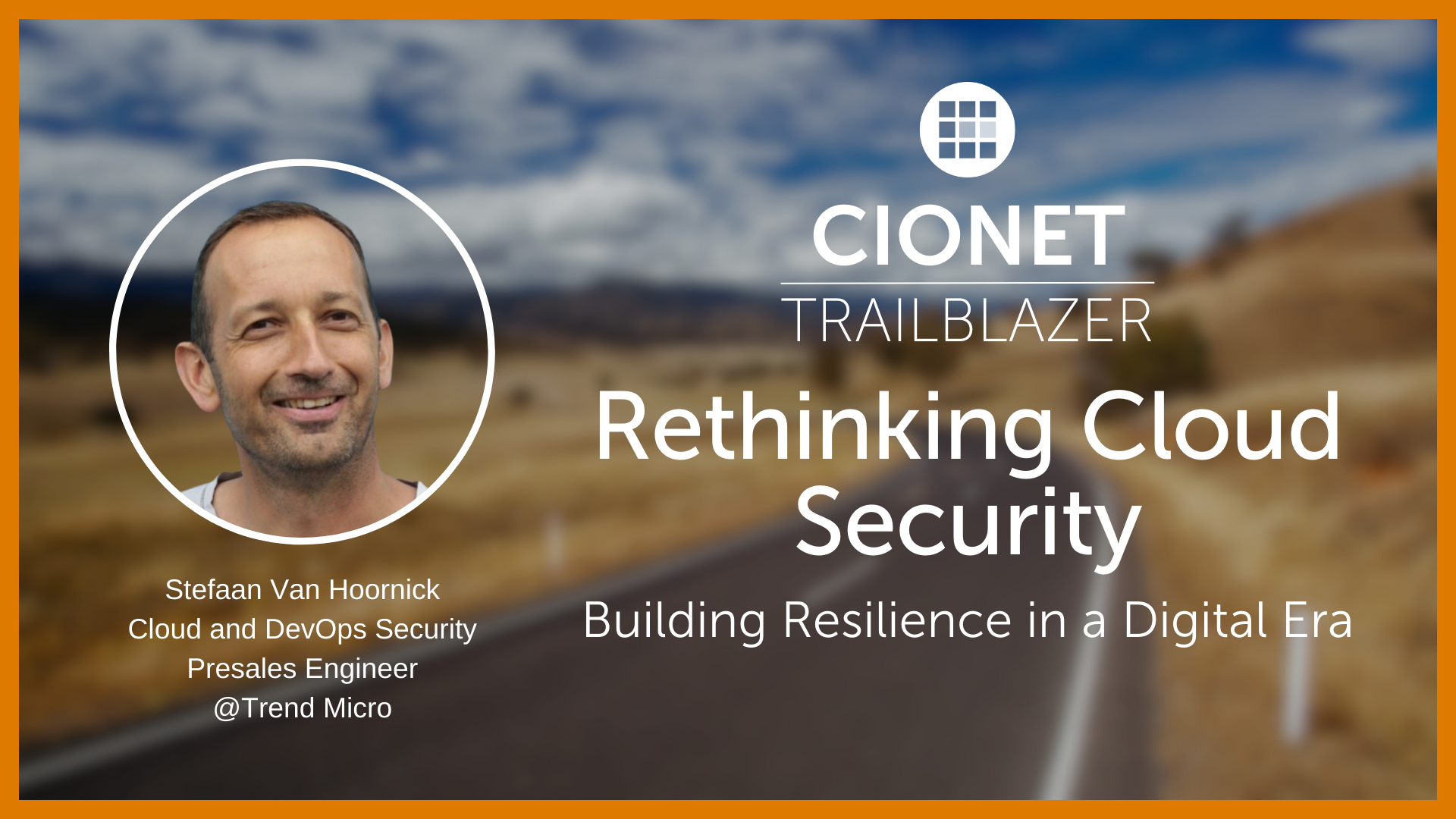
Published on: January 29, 2025 @ 9:58 AM
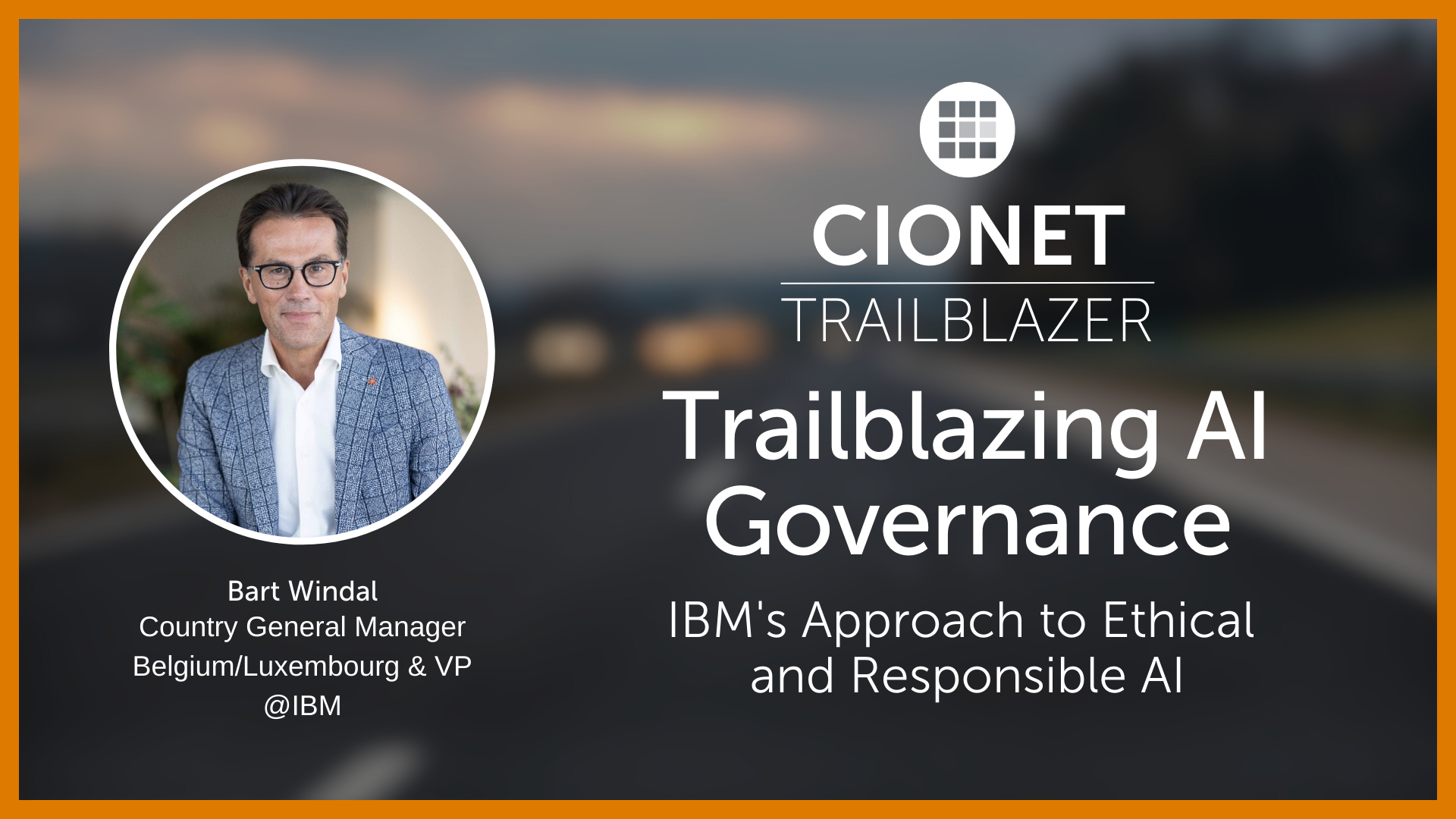
Published on: December 18, 2024 @ 9:07 AM
Published on: October 30, 2024 @ 9:34 AM
.png)
Published on: October 29, 2024 @ 11:37 AM
.png)
Published on: September 27, 2024 @ 10:41 AM

Published on: September 25, 2024 @ 8:59 AM
Published on: September 18, 2024 @ 3:44 PM
Published on: August 28, 2024 @ 10:10 AM
How do you modernize technology systems to deliver the fastest possible response times?
Discover how Securitas, a global leader in security solutions, partnered with Kyndryl to transform their IT infrastructure and ensure seamless, always-on operations. By modernizing their aging Tier 2 datacenters and implementing advanced, scalable technology, Securitas enhanced the performance and reliability of their Security Operations Centers (SOCs), which are crucial for real-time communication and operational efficiency. This case study is a must-read for CIOs and IT leaders looking to drive digital transformation and achieve high efficiency at scale.
Securitas has been making the world a safer place for 90 years
With 57,000 security endpoints monitored in the Security Operations Center (SOC), the Belgian Securitas operations team processes more than 3 million alarms a year. In Belgium, the company safeguards people, enterprises, private residences, and critical environments including airports, banks, government and military sites, hospitals, nuclear sites, police zones, ports and NATO HQ. They step in to resolve more than 68,000 situations in customer locations, some triggering police or firefighter response.
Ken Vanden Haesevelde, the Securitas IT Infrastructure Lead for Belgium and Luxembourg, describes the Securitas Belgium Security Operations Centers (SOCs) as the “beating heart of their security services.” Always-on system availability in the SOCs is essential to guaranteeing communications with guards on the ground.
In addition to the critical SOC communications, essential business applications enable Securitas guards, operators and staff to access their operational data, anytime and anywhere. Securitas employees, including those working from home, can access timecards and orders for training, uniforms, badging and equipment, HR, payroll and more.
Ken knew that the Securitas aging Tier 2 datacenters were experiencing increasing latency. He had sleepless nights worrying if or when infrastructure performance might compromise the safety of guards in the field.
Any outage would put client trust at risk and threaten the reputation of Securitas. And business expansion plans hinged on upgrading to modern infrastructure that would ensure operations performed with high efficiency at scale.
With datacenter performance challenges and the need to support future business, Ken saw an opportunity to address both with a single solution. Consulting with Wim Vancluysen, his Kyndryl partner, Ken envisioned a modernized infrastructure with:
For years, Securitas relied on Kyndryl as a trusted managed services partner and saw the team as an extension of their own. So Kyndryl was a natural choice for collaborator on Securitas’ infrastructure and network transformation.
Specially trained security officers with innovative data technology such as rugged phones with sensors that alert the SOC if a person is down, and AI capabilities, help provide fastest-possible responses. It’s vital that communications are up 24/7 to comply with security and resilience industry standards.
Securitas SOC operators continually monitor customer sites with cameras and react when alarms go off, which may generate police or firefighter involvement. Incidents in the field need to be addressed within seconds.

While maintaining business continuity in production, Kyndryl experts would work to introduce complex network services, monitoring for each Securitas customer, software support and a managed service desk, back-up and disaster recovery, and infrastructure management services.
Then, they’d need to install new hardware and networking systems and test the connections from the new data centers to client sites and the SOC—all ahead of planning the existing system migration. Working with Kyndryl as a single partner for both business as usual and the new solution helped Ken mitigate risks in coordinating the parallel efforts.
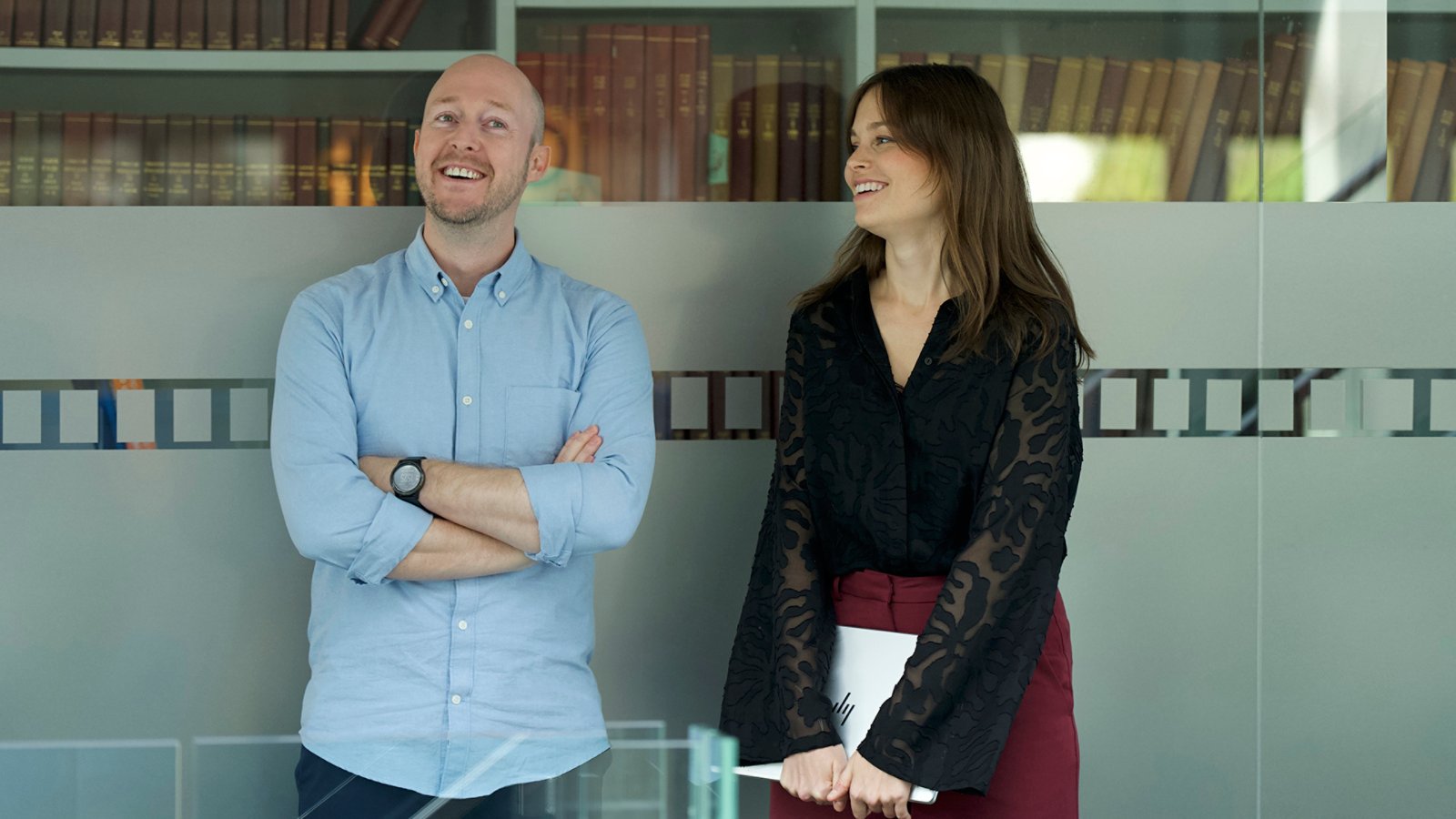
High-availability infrastructure designed to keep thousands of customers safe
Together, the Securitas and Kyndryl team scoped, designed and implemented new server and network infrastructure. Using VMware® tools, they migrated existing systems and applications to the new Kyndryl datacenter in southern Belgium. Using redundant links and dedicated customer VPN tunnels, the network now connects all core applications with 24/7 availability and added security layers around firewalls and load balancers.
To maintain the same high service levels for new and existing clients, Kyndryl networking experts needed to deploy higher bandwidth connections. These would ensure low latency communications between core applications and across operations.
A disaster recovery solution at the new datacenter complex was implemented by Kyndryl. Redundant networking between Securitas service centers, offices and datacenter sites ensured critical applications were available throughout deployment. Examples of improvement results include:

Recovery Time Objective (RTO) measured in minutes not days, so in case of an outage critical applications have excellent RTOs

More than 100 virtual machines migrated, including multi-tier networks and the security layer, together with end-to-end connectivity for Securitas’ customers

Project completed in just 4 months, without business interruptions

As part of new business as usual operations, Kyndryl enforces security parameters for each system, and keeps backup and recovery documents up to date for security compliance, easing the burden on Securitas.
Kyndryl Bridge™ proactively recommends solutions for issues that have not yet occurred and automates issue resolution as permissions allow. Kyndryl Bridge AIOps extends ITSM efficiency by applying solutions to issues tracked over years in thousands of other customer engagements to the Securitas systems. The team expects up to 90% of issues to be automatically resolved as their ITSM evolves and critical applications and system resilience are boosted.
Fix once and resolve-for-all is achieved with IT Service Management (ITSM) software to track system and performance. As they resolve issues, the team creates and distributes Red Hat® Ansible® playbooks across all servers, for automated issues resolution, with 50 playbooks running in the Securitas infrastructure deployment. The team also uses RedHat Ansible for software updates and patches, important to applying compliant systems.
Ken cites Kyndryl’s ongoing communication as a significant reason for the success of the operations and ongoing reassurance the Securitas clients are secure. The Securitas and Kyndryl operations team includes global experts working from more than five nations and in multiple languages. The team is far-flung but keeps in close contact, talking nearly every day.
The modernized infrastructure solution already has proven its business value in being able to accommodate company growth. In July 2022, Securitas announced the acquisition of Stanley Security, the Electronic Security Solutions business from Stanley Black & Decker Inc., growing their worldwide client base to more than 500,000 clients, and expanding their technology capabilities.
The Securitas leadership team extended its Kyndryl partnership with an expansion and approximately 100 new virtual machines to help support the Stanley Security acquisition. The project was completed at the end of February 2024.

Over the years, Kyndryl has always been a Securitas trusted partner through various IT transformations, infrastructure changes and datacenter migrations. Kyndryl exceeds themselves every time with very thorough planning and speed to act all while upholding a superb level of professionalism in all levels of their organization.
A key success outcome is that the modernized high-availability network and infrastructure have eliminated latency issues for end-to-end, fail-proof communication between the SOC and guards. This helps ensure the security of the company’s thousands of customers.
The migration to Tier 4 datacenters took just 4 months—without interruptions, maintaining business continuity for thousands of customers. Disaster recovery initiation for critical applications takes minutes, not days. With 50 playbooks implemented to solve incident alerts automatically and eliminate false alerts, service helpdesk resolution time goals are consistently exceeded. The anticipated 90% standardized ITSM task automation will help free IT experts from routine tasks to work on higher value projects.
Above all, the low latency of the new solution gives Securitas the solid foundation the team needs to evolve services based on remote monitoring technologies, which is the company's strategic business goal. Ken reports an additional key measure: being able to sleep better at night.

Based in Stockholm, Sweden, Securitas is a world-leading safety and security solutions partner offering on-site and mobile guarding, aviation and electronic security, fire and safety services and enterprise risk management.
Securitas’ Belgium employees monitor over 55,000 security endpoints, including residential customers, small organizations, and critical enterprise operations. More than 3.1 million alarms are processed annually, resulting in 53,200 effective interventions.
CIONET’s Cyber Circle: a new three-event programme exclusively focusing on the most urgent, complex, and high-impact challenges in cybersecurity today. Launched in 2026, this initiative brings together CISOs, CIOs, and senior IT executives with a strong interest in cybersecurity for three curated gatherings each year. As part of CIONET’s trusted executive community, the Cyber Circle provides a confidential, peer-driven environment to exchange insights, share real-world experiences, and address evolving cyber threats. Each session is designed to foster strategic dialogue, strengthen resilience, and elevate cybersecurity as a core driver of business value.
Read More.png)
The Telenet Business Leadership Circle powered by CIONET, offers a platform where IT executives and thought leaders can meet to inspire each other and share best practices. We want to be a facilitator who helps you optimise the performance of your IT function and your business by embracing the endless opportunities that digital change brings.
Read More
Découvrez la dynamique du leadership numérique aux Rencontres de CIONET, le programme francophone exclusif de CIONET pour les leaders numériques en Belgique, rendu possible grâce au soutien et à l'engagement de nos partenaires de programme : Deloitte, Denodo et Red Hat. Rejoignez trois événements inspirants par an à Liège, Namur et en Brabant Wallon, où des CIOs et des experts numériques francophones de premier plan partagent leurs perspectives et expériences sur des thèmes d'affaires et de IT actuels. Laissez-vous inspirer et apprenez des meilleurs du secteur lors de sessions captivantes conçues spécialement pour soutenir et enrichir votre rôle en tant que CIO pair. Ne manquez pas cette opportunité de faire partie d'un réseau exceptionnel d'innovateurs numériques !
Read More.jpg)
CIONET is committed to highlighting and celebrating female role models in IT, Tech & Digital, creating a leadership programme that empowers and elevates women within the tech industry. This initiative is dedicated to showcasing the achievements and successes of leading women, fostering an environment where female role models are recognised, and their contributions can ignite progress and inspire the next generation of women in IT. Our mission is to shine the spotlight a little brighter on female role models in IT, Tech & Digital, and to empower each other through this inner network community.
Read More
-Apr-01-2022-10-58-34-57-AM.png)





-Dec-13-2023-10-53-15-5032-AM.png)

-Jun-12-2023-01-23-11-7540-PM.png)

-Apr-01-2022-10-58-34-68-AM.png)





.png)
%20(003).png)

.png)


.png)






-Sep-01-2022-02-47-55-60-PM.png)
-Nov-22-2023-08-56-42-6802-AM.png)
.png)


.png "be-page-banner (1)")

.png)
.png)
.png)
.png)