

.png)
Belgium 20-10-2026 Squad Only Virtual English
Cloud decisions are becoming more selective. The challenge is deciding where each workload should run based on cost, performance, control, resilience, sovereignty, and business need. Three pressure points usually drive the decision. - Cost visibility becomes harder when usage grows across cloud services, data platforms, and AI workloads. - Performance and latency matter more when systems need fast access to data or support operational processes. - Sovereignty and resilience become critical when data location, continuity, vendor dependency, and exit options enter the discussion. The working question is simple: how do we place workloads where they create the most value while keeping the hybrid landscape manageable? If these trade-offs are on your agenda, let’s compare how others are handling similar choices.
Read More.png)
Belgium 10-11-2026 Squad Only Virtual English
Data platforms are meant to simplify access and support better use of data. The challenge is choosing and governing the platform landscape in a way that creates consistency, reuse, and long-term value. Three pressure points usually appear. - Platform choice becomes difficult when teams have different needs for speed, flexibility, cost, and control. - Business meaning needs protection: customer, revenue, product, risk, and FTE need shared definitions across tools. - Ownership and governance need to be clear, so platforms grow with accountability and discipline. The working question is simple: how do we give teams the data capabilities they need while keeping the platform landscape understandable, governed, and reusable? If these questions are familiar, let’s compare approaches with others facing the same data landscape.
Read More.png)
Belgium 13-11-2026 Squad Only Physical English
Many IT capabilities are essential and difficult to fund through a simple project ROI. The challenge is showing why architecture, governance, resilience, cybersecurity maturity, data foundations, and AI readiness deserve investment before the gap becomes expensive. Three pressure points make the case harder. - Shared value means the benefit often sits across several teams, while the budget sits in one place. - Timing creates friction because the cost is immediate while the value appears over time. - Risk translation is needed so business and finance leaders understand the consequence of delaying the investment. The working question is simple: how do we turn foundational IT capabilities into credible investment cases that link cost, risk, business value, and future flexibility? If you are building these cases internally, let’s compare how others are positioning value, risk, and timing.
Read More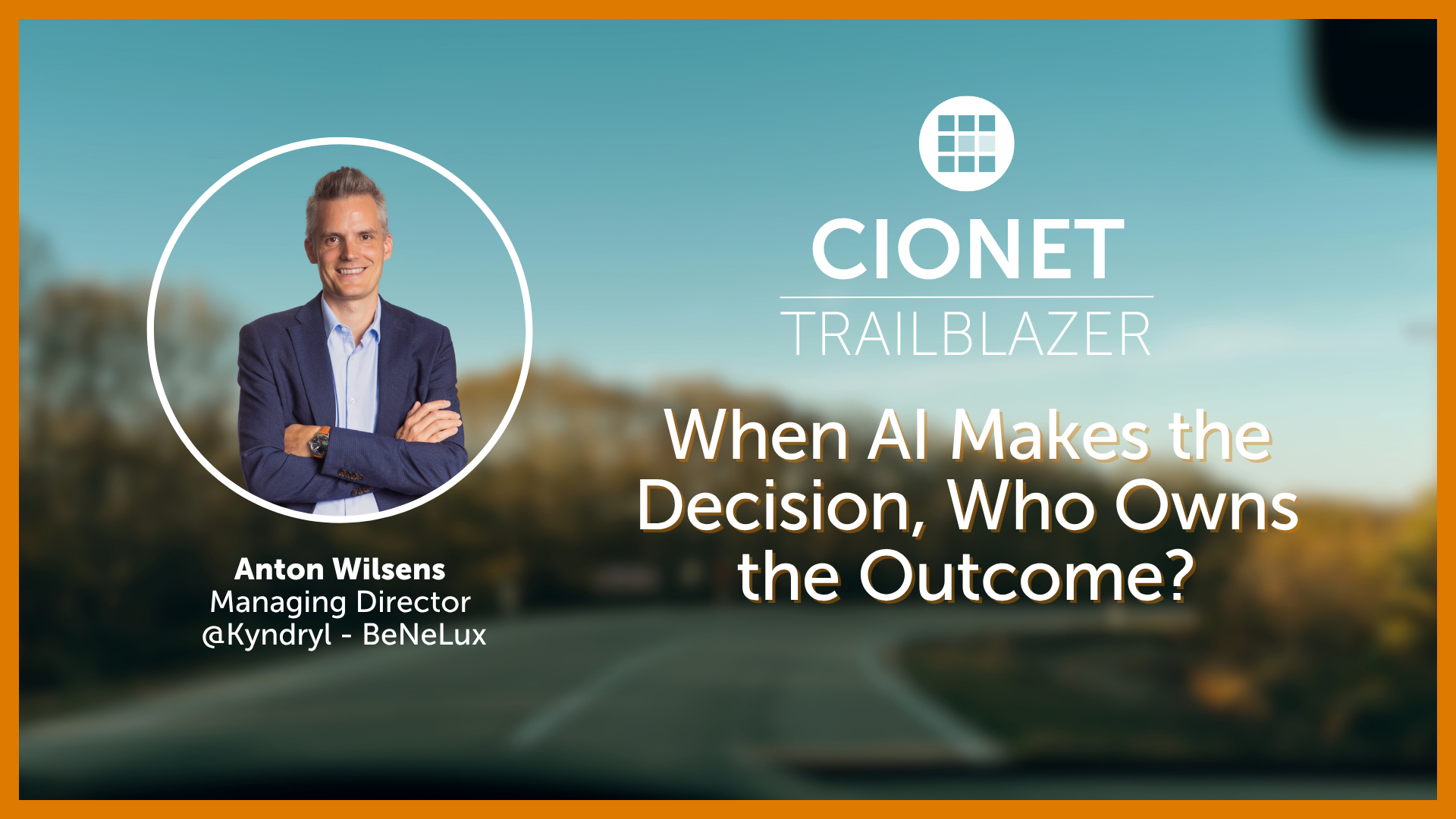
Published on: September 30, 2026 @ 1:17 PM
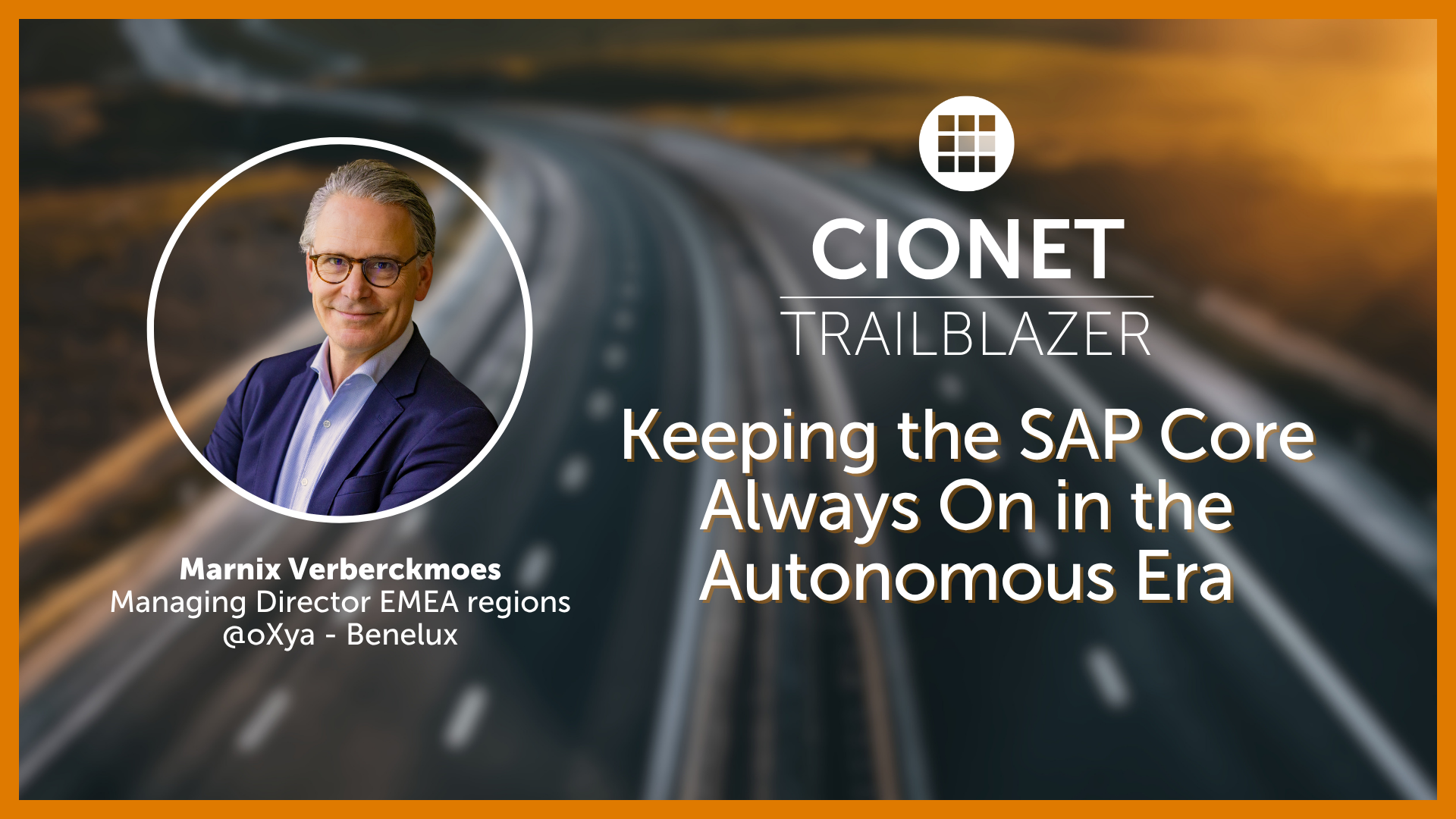
Published on: August 26, 2026 @ 9:13 AM
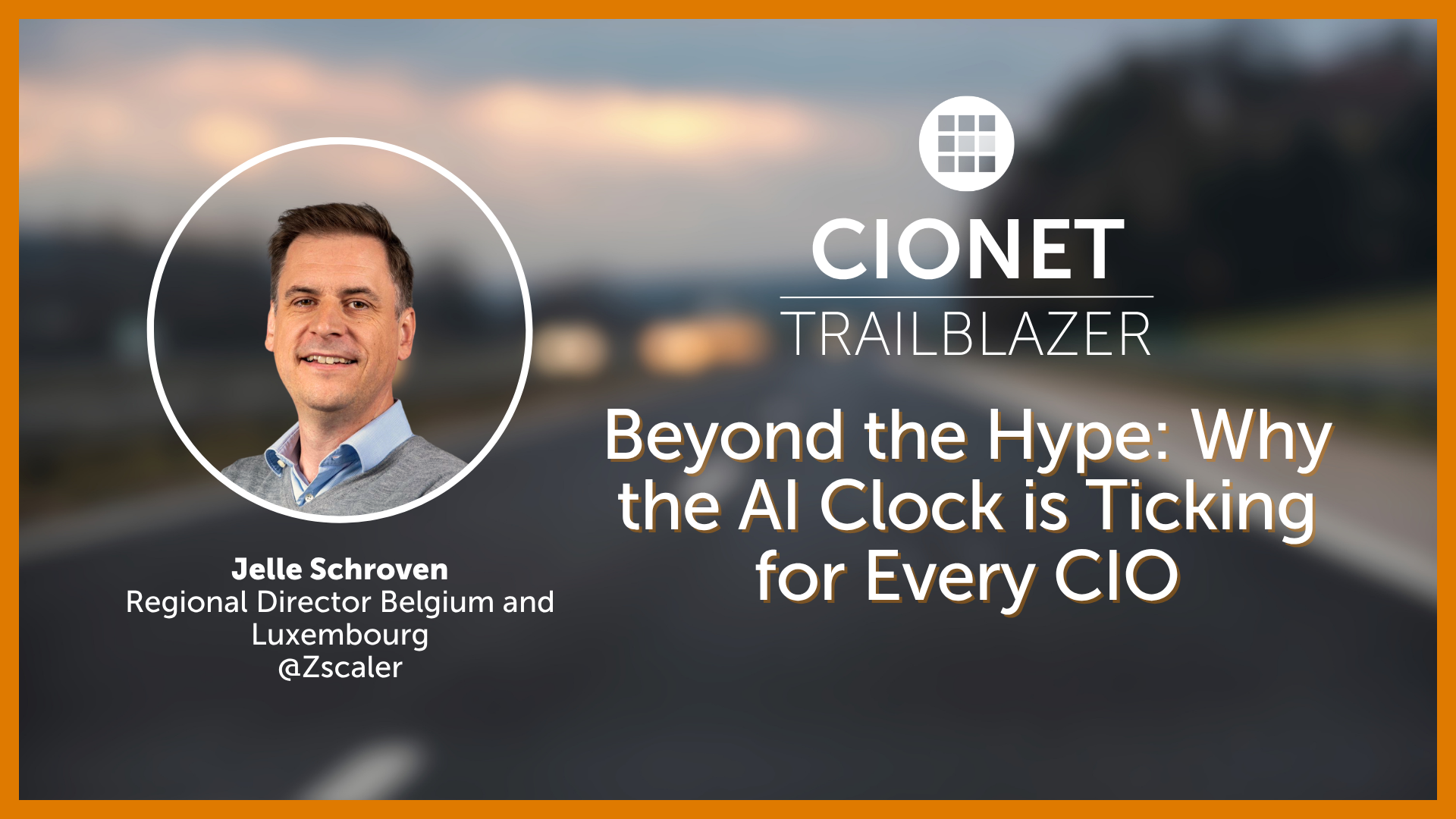
Published on: July 29, 2026 @ 10:08 AM
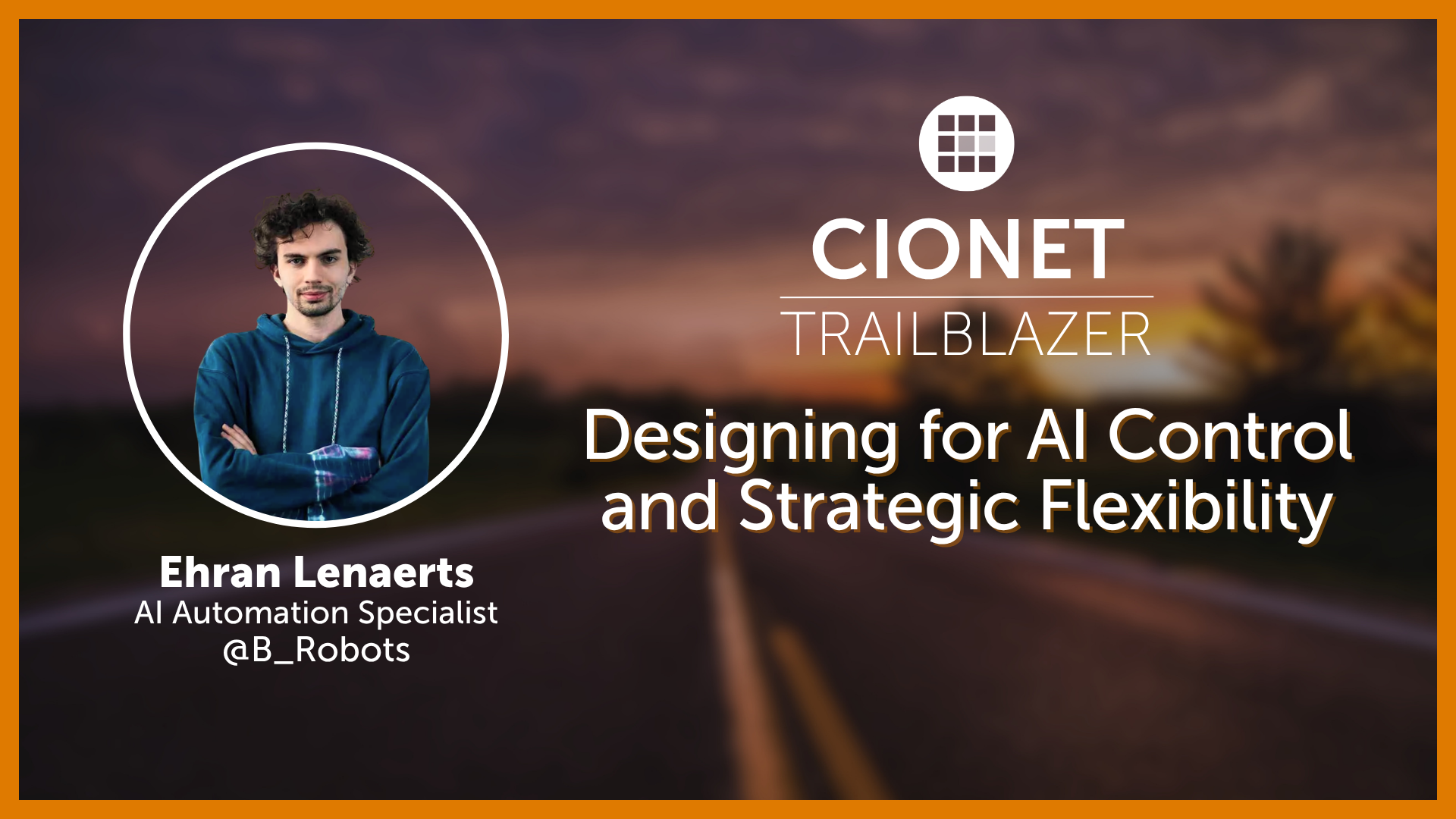
Published on: June 24, 2026 @ 5:00 PM

Published on: May 27, 2026 @ 9:21 AM
Published on: May 07, 2026 @ 4:02 PM
.png)
Published on: April 29, 2026 @ 9:11 AM
Published on: March 26, 2026 @ 3:37 PM
-2.png)
Published on: March 25, 2026 @ 9:58 AM

Published on: March 13, 2026 @ 3:43 PM
-Feb-25-2026-10-01-07-2508-AM.png)
Published on: February 25, 2026 @ 11:01 AM
.png)
Published on: February 25, 2026 @ 9:00 AM

Published on: February 24, 2026 @ 5:00 PM
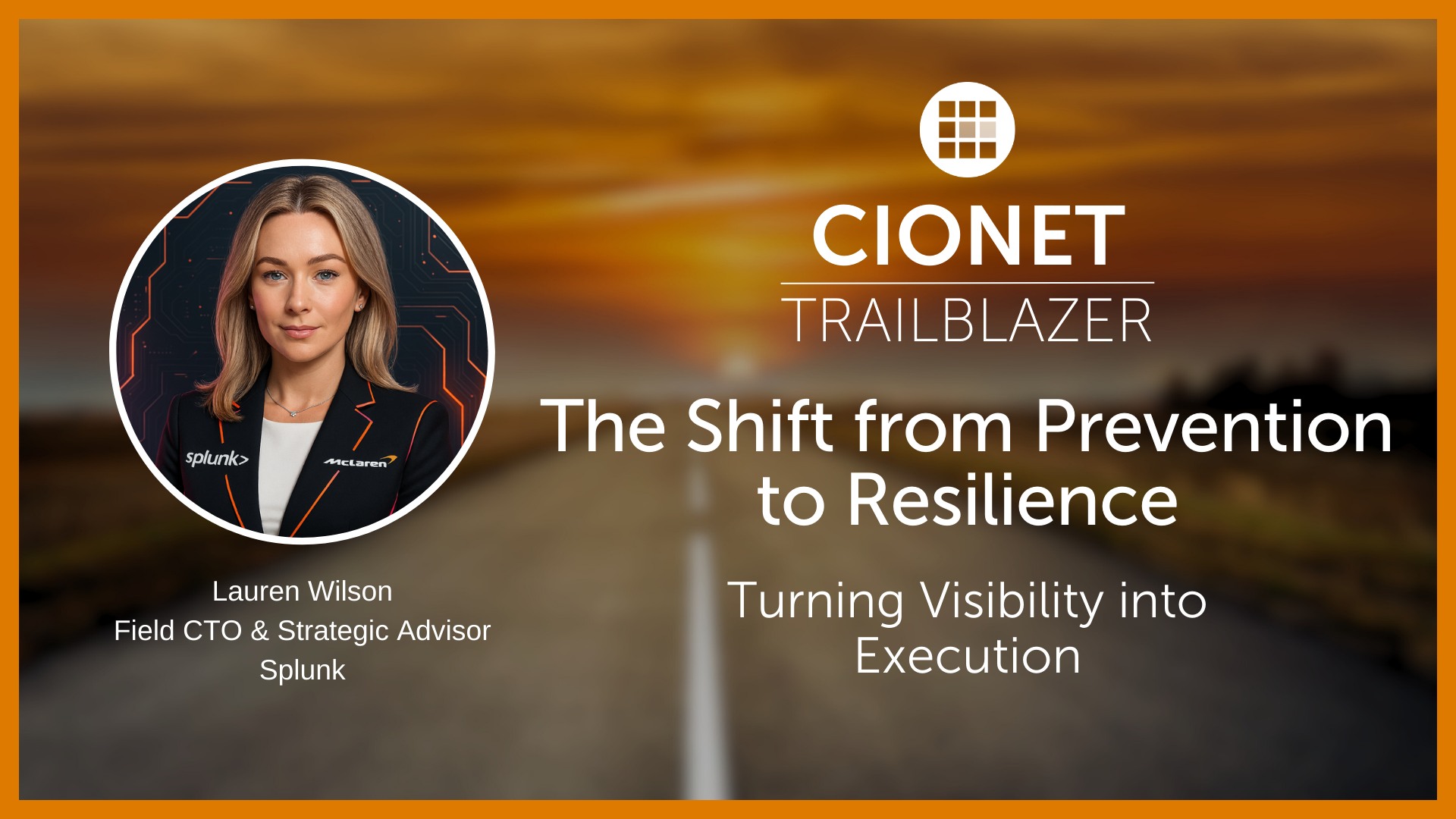
CIONET Trailblazer: CISO: The Shift from Prevention to Resilience: Turning Visibility into Execution
Published on: January 28, 2026 @ 9:48 AM
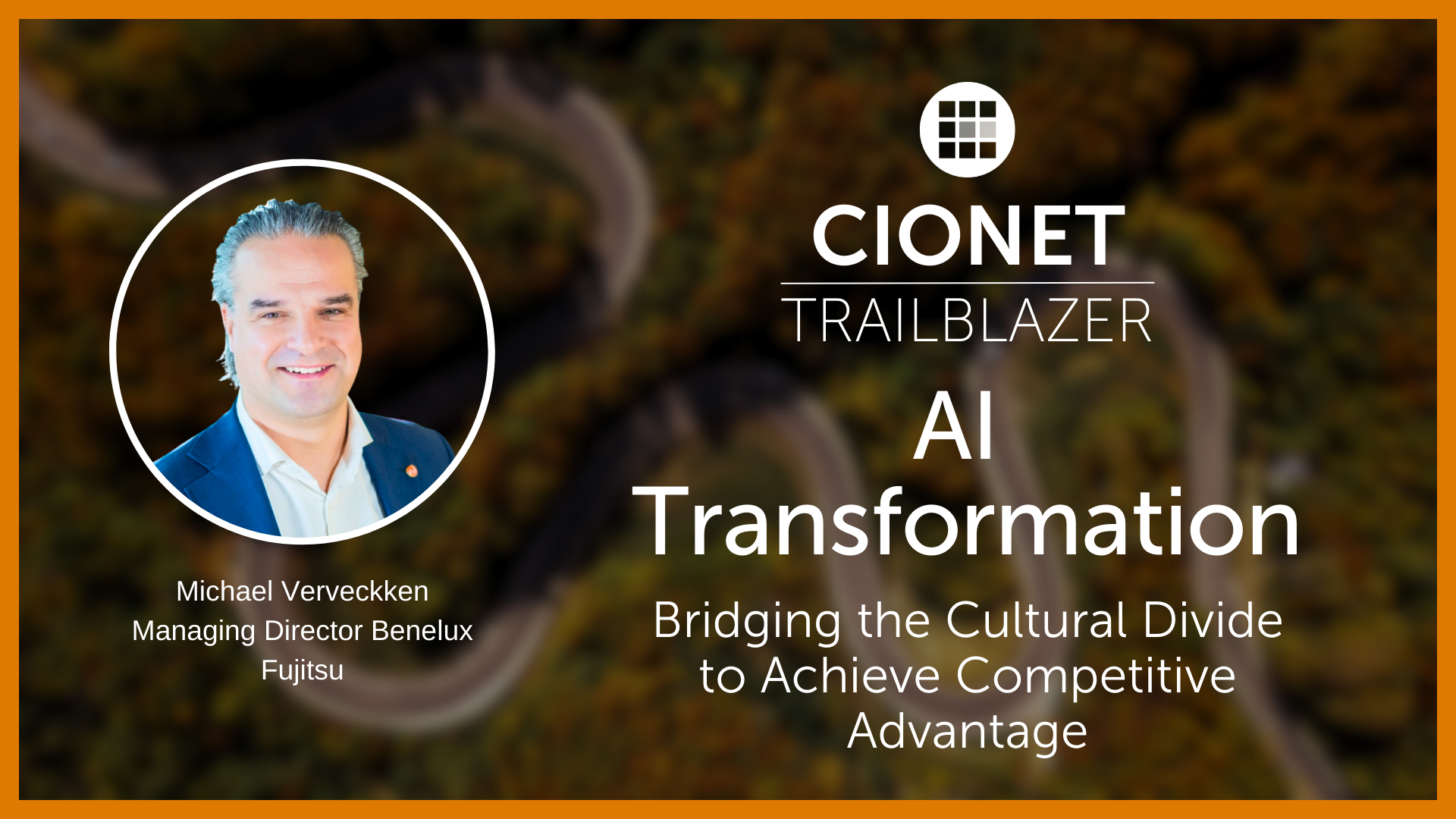
CIONET Trailblazer: AI Transformation: Bridging the Cultural Divide to Achieve Competitive Advantage
Published on: December 17, 2025 @ 9:16 AM

Published on: October 29, 2025 @ 11:31 AM
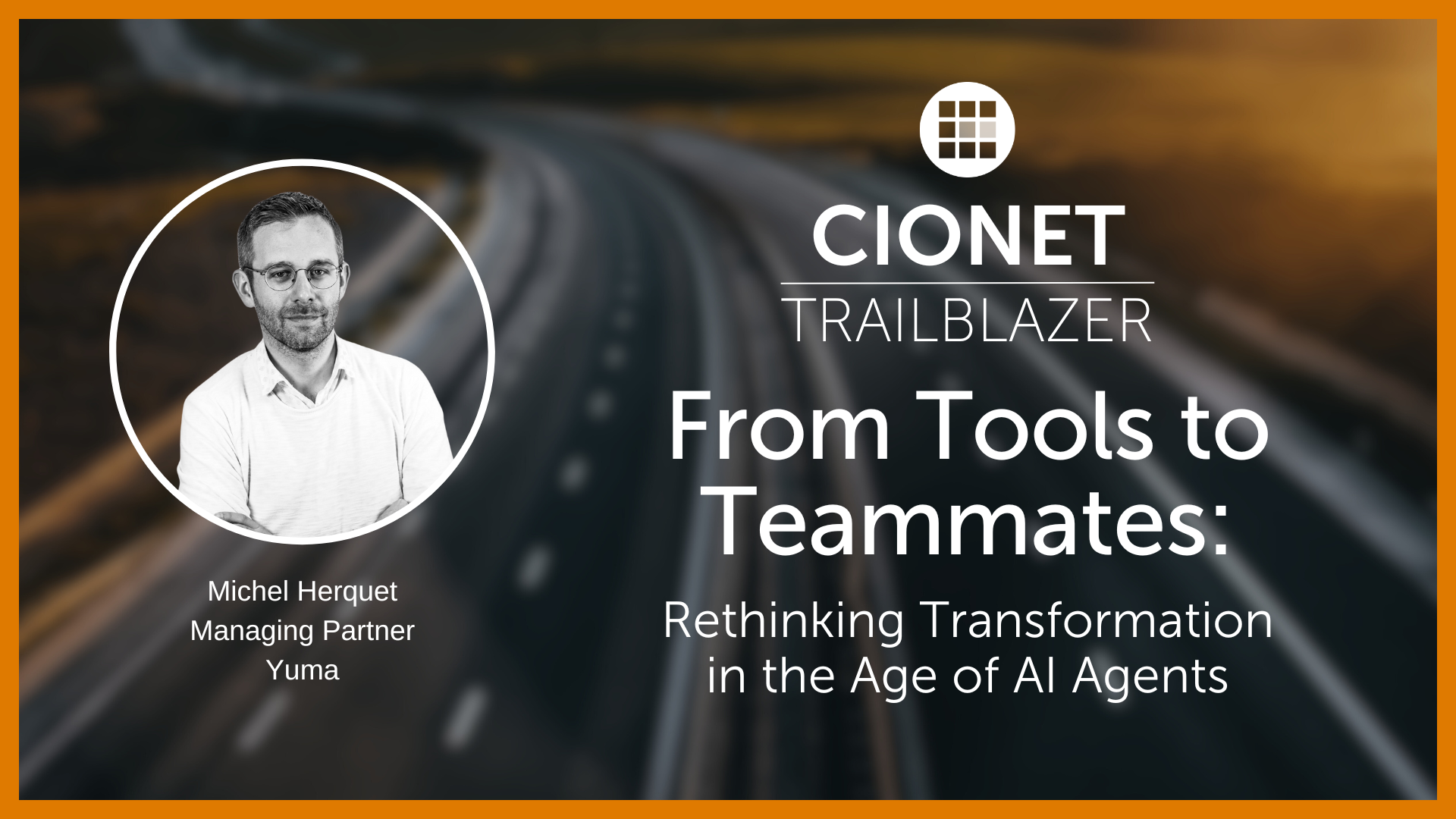
Published on: July 30, 2025 @ 9:19 AM
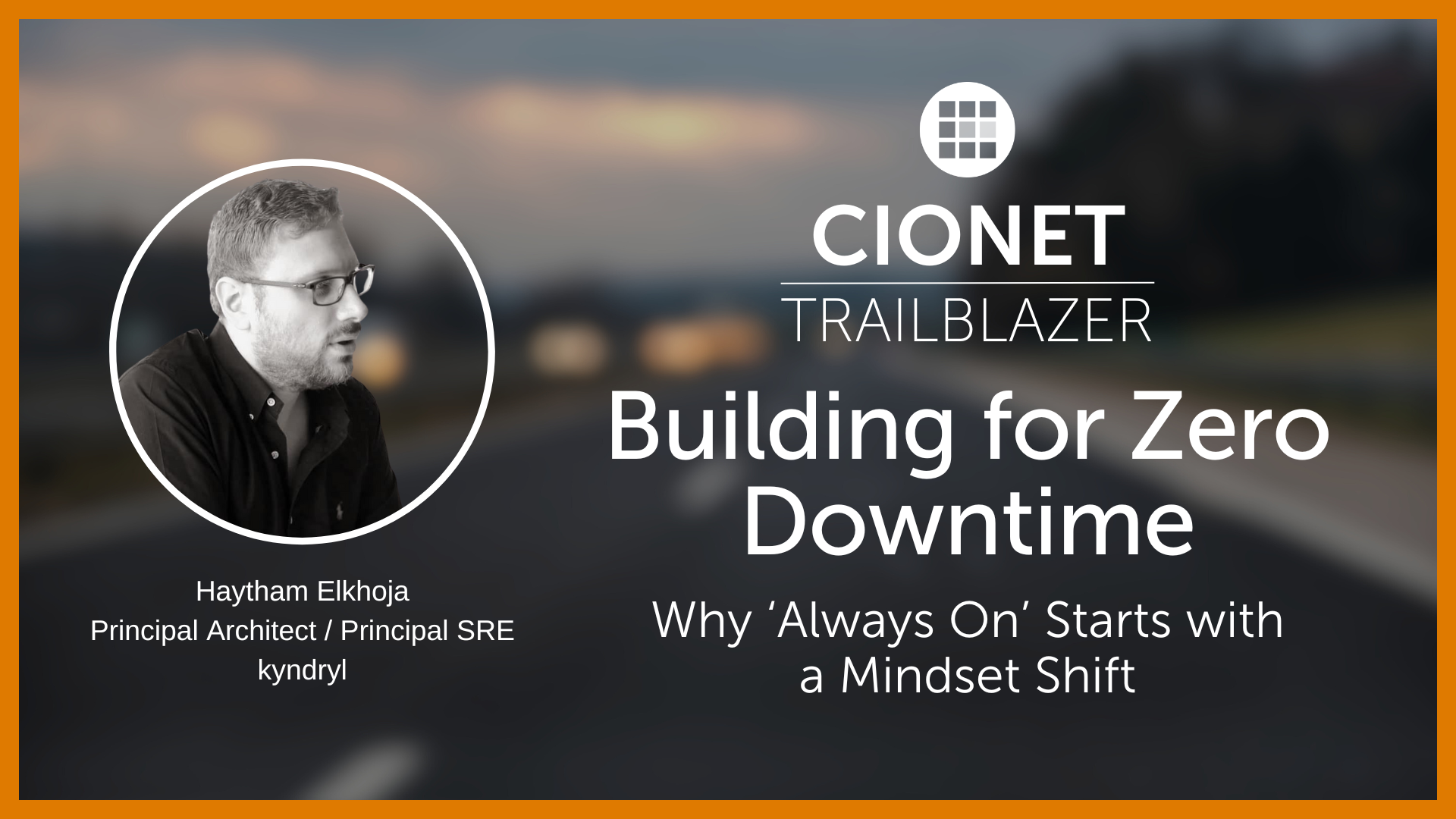
Published on: June 25, 2025 @ 9:14 AM
.png)
Published on: April 30, 2025 @ 9:04 AM
-1.png)
Published on: March 26, 2025 @ 9:59 AM
-1.png)
Published on: March 04, 2025 @ 5:07 PM
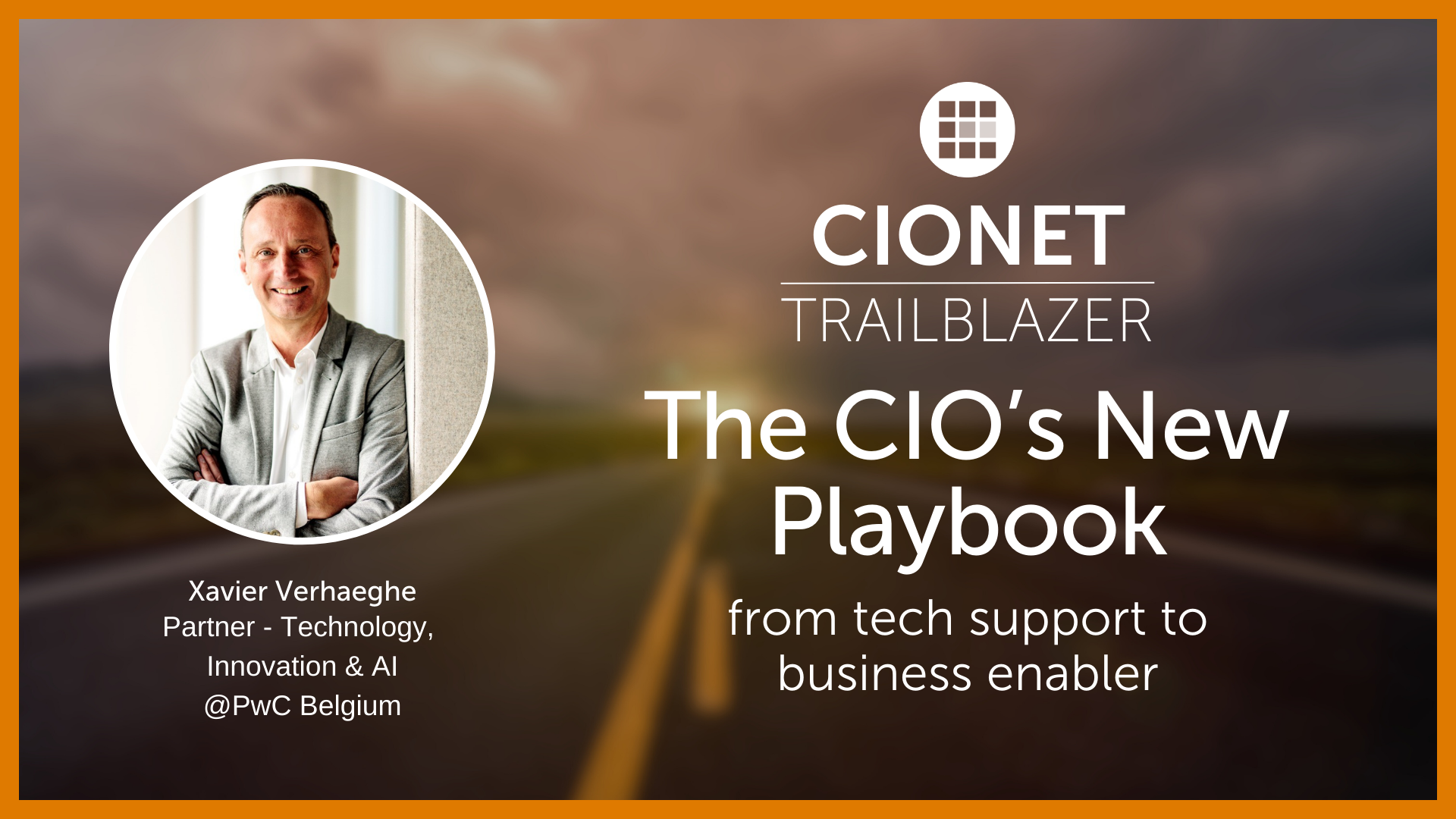
Published on: February 26, 2025 @ 10:51 AM
Published on: February 25, 2025 @ 4:14 PM
-4.png)
Published on: February 25, 2025 @ 10:33 AM
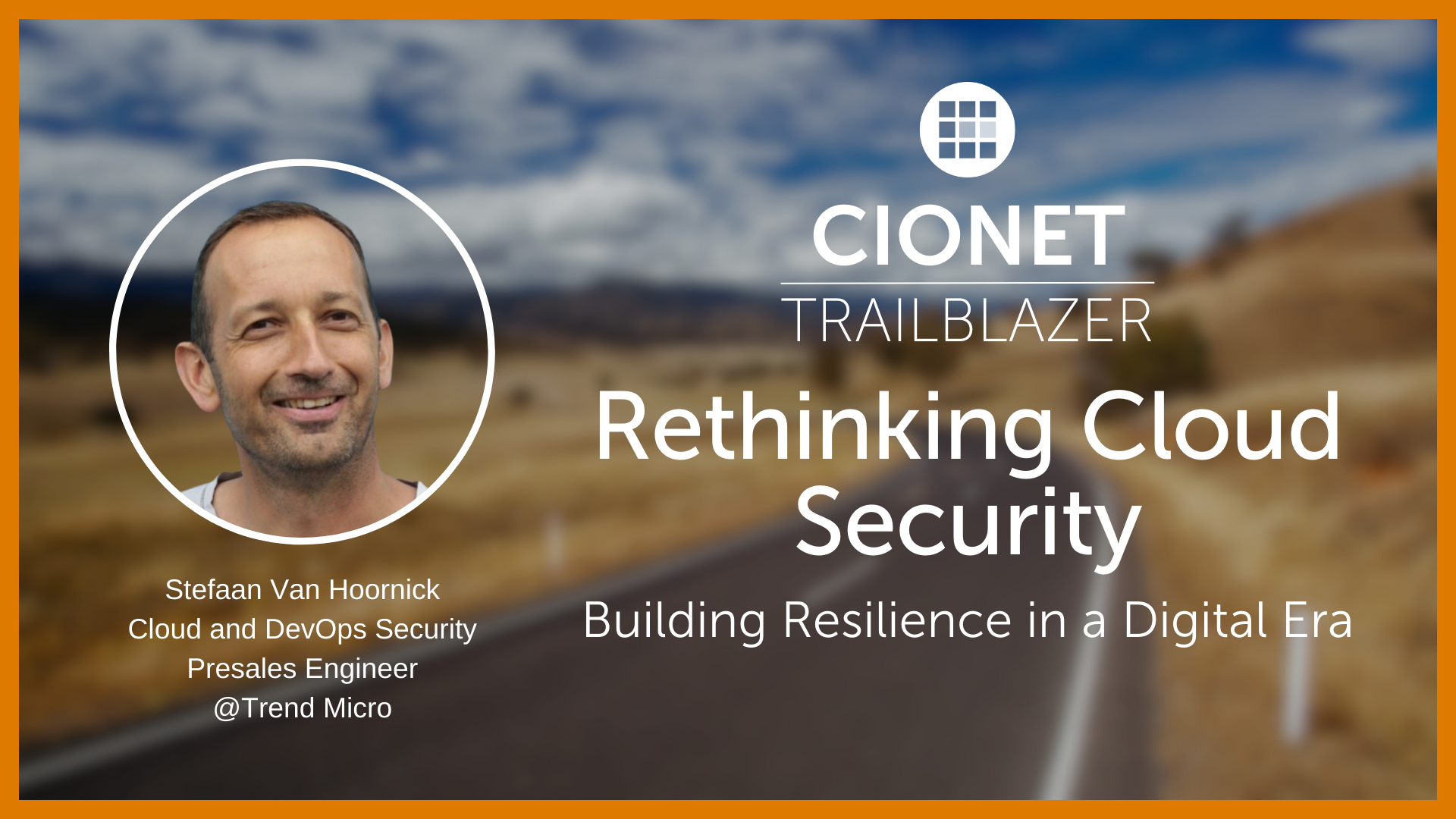
Published on: January 29, 2025 @ 9:58 AM
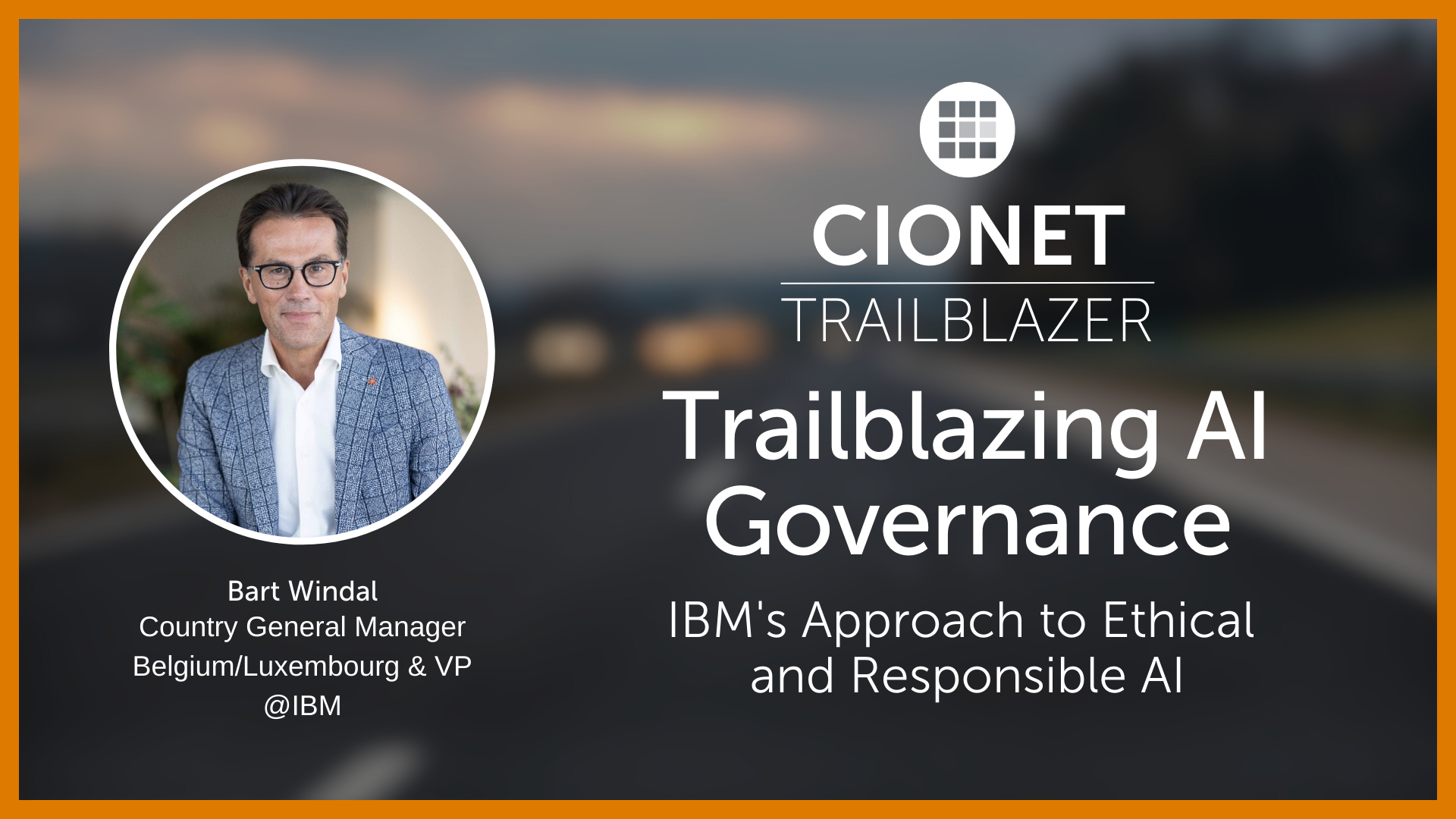
Published on: December 18, 2024 @ 9:07 AM
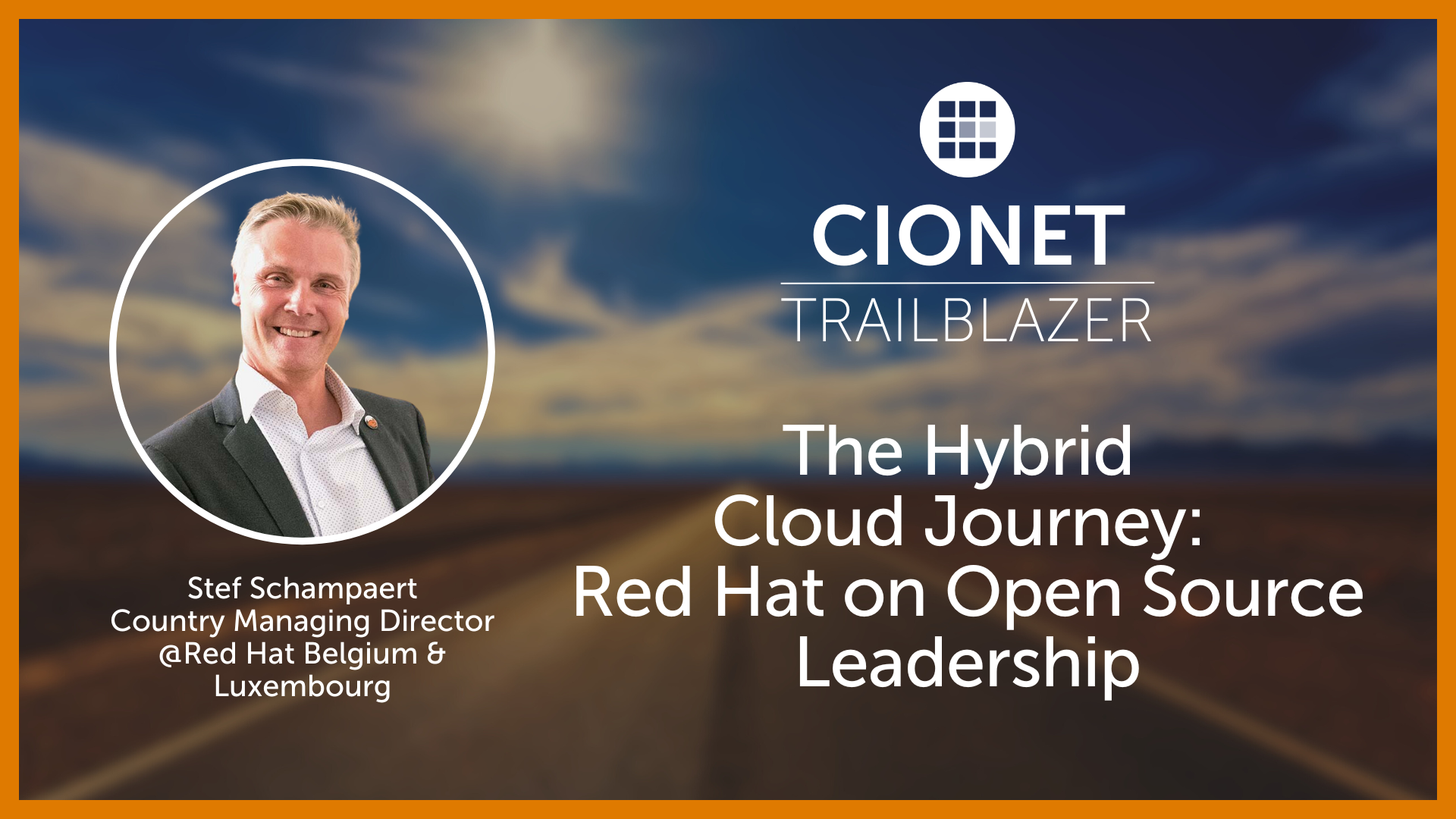
Published on: October 30, 2024 @ 9:34 AM
.png)
Published on: October 29, 2024 @ 11:37 AM
.png)
Published on: September 27, 2024 @ 10:41 AM
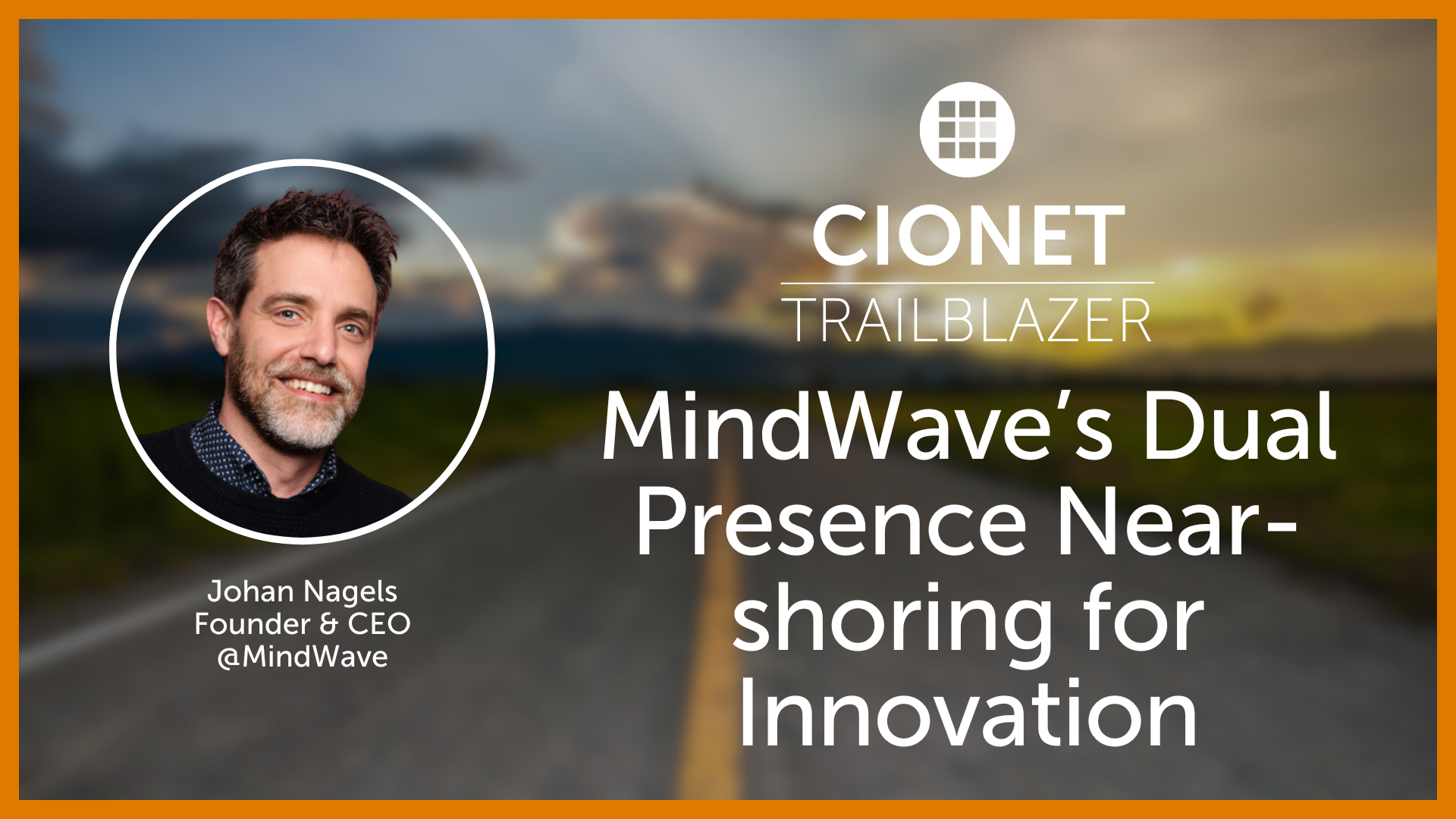
Published on: September 25, 2024 @ 8:59 AM

Published on: September 18, 2024 @ 3:44 PM
Published on: August 28, 2024 @ 10:10 AM

Ferrari Advances Generative AI for Customer Personalization and Production Efficiency
Learn how Ferrari uses generative AI on AWS to enhance the customer and vehicle journeys to increase sales, experimentation, and productivity.
car configurations
vehicle simulations
of hyperpersonalized recommendations
Overview
Luxury Italian auto manufacturer Ferrari S.p.A. (Ferrari) has forged a globally recognized legacy that’s rooted in tradition and innovation over many decades. To continue to deliver the best possible experiences to customers and dealers, Ferrari has tapped into the power of generative artificial intelligence (AI) by turning to Amazon Web Services (AWS).
Ferrari has applied generative AI to several use cases, from accelerating the vehicle design process to providing personalized services to its customers. “Every day, we try to find new ways of achieving excellence while improving our customers’ experiences and their connection with our brand,” says Silvia Gabrielli, chief digital and data officer at Ferrari.
Opportunity | Building a Cloud Foundation on AWS with Ferrari
Founded in 1947 for sports car racing, Ferrari epitomizes the power of a lifelong passion and the beauty of limitless human achievement. Ferrari, which has cultivated a loyal fan base, has focused on reaching fans and potential customers by offering unique digital experiences on its website and mobile applications. In 2021, Ferrari selected AWS as its preferred cloud provider to advance its compute, analytics, and storage capabilities. “AWS has been key to our IT transformation,” says Gabrielli. “We started our cloud journey a couple of years ago as a strategic initiative. Today, all our critical workloads are on AWS.”
To free its teams from managing the infrastructure for its applications, Ferrari has invested in fully managed services, such as AWS Fargate, a serverless compute solution for containers. “We’ve reduced the total cost of ownership for our infrastructure from 70 percent to 40 percent,” says Alessio Glorioso, product manager at Ferrari. The company has also seen improvements in the reliability and scalability of its applications. For example, the company can run simulations in its product lifecycle management software 60 percent faster than before.
Ferrari remains committed to furthering its technology road map with generative AI, seeing it as an opportunity to improve the vehicle and customer journeys. “Generative AI is something that every company needs to consider,” says Gabrielli. “It’s a game changer. We can use generative AI to increase our productivity and make it simpler for our fans, dealers, and employees to have the best digital experiences with Ferrari.”

We can use generative AI to increase our productivity and make it simpler for our fans, dealers, and employees to have the best digital experiences with Ferrari.”
Silvia Gabrielli
Chief Digital and Data Officer, Ferrari
Solution | Greater Speed and Ease of Choice Personalizing a Ferrari Using Amazon Bedrock
To bring the luxury experience to customers around the world, Ferrari developed the car configurator on AWS, giving its customers the ability to personalize their own Ferrari, from wheel selection to paint colors to interior options. “There are millions of possible configurations,” says Simone Canditone, digital experience manager at Ferrari. “We want to help our dealers and customers effectively customize their vehicle to suit their needs.”
To do so, Ferrari uses large language models (LLMs) in Amazon Bedrock, a fully managed service that offers a choice of high-performing foundation models, along with Amazon Personalize to elevate the customer experience with personalization powered by machine learning (ML). Since rolling out the car configurator, Ferrari has increased its sales leads and reduced configuration times by 20 percent by offering a more personalized experience where customers can visualize a vehicle with 3D imagery that can be rotated and zoomed in and out. It also allows a customer to virtually experiment with different options.
Ferrari also enhances the after-sales experience with a generative AI chatbot. To assist its sales professionals and technicians, the company fine-tuned LLMs in Amazon Bedrock—including Amazon Titan, Claude 3, and Llama—on its documentation. “Amazon Bedrock has simplified our approach,” says Mauro Coletto, head of business analytics and AI at Ferrari. “We can connect to a single layer of APIs to quickly test, benchmark, and deploy different models.”
Ferrari combines its use of Amazon Bedrock with Amazon SageMaker JumpStart, an ML hub with foundation models, built-in algorithms, and prebuilt ML solutions that can be deployed with only a few clicks. Using these services, Ferrari has trained its chatbot to classify and summarize customer care tickets and answer commonly asked questions that help to reduce human error while improving productivity.
Ferrari uses AI and ML to optimize the production of its vehicles as well. For example, Ferrari uses Amazon Lookout for Vision to spot product defects using computer vision to automate quality inspections. Using AI, the company can detect missing or defective parts in the assembly line before a vehicle goes to testing, helping it save on costs.
The company has improved the vehicle design with generative AI across F1 vehicles and sports cars by being able to test more designs. Using generative AI, Ferrari can reduce its time to market while relying less on physical prototyping. “We can run analytics and simulations and make correlations that were not possible in the past,” says Gabrielli. “It really speeds up and improves our product development.” Creating full car body physical prototypes is time and resource intensive, and by running virtual simulations on the cloud, Ferrari can run thousands or even millions of simulations in parallel at a very low cost. Additionally, Ferrari is training generative AI text-to-image capabilities that facilitate text-based prompts to make vehicle render improvements and design changes quickly.

Thanks to the configurator, everything was possible within seconds so I could try many different colors, many different interiors, and make it a reality. You can really see the car just like you would in reality, but in a virtual world.”
Charles Leclerc
Official driver, Scuderia Ferrari HP
Outcome | Experimenting with Generative AI
With a strong cloud foundation on AWS, Ferrari used generative AI solutions to gain measurable impacts across its business. Ferrari will continue expanding its use of generative AI to better serve customers and dealers. The company is also exploring cloud services that will help it meet its carbon neutrality commitment by 2030.
“Innovation is in Ferrari’s DNA, since the first days of our founder,” says Gabrielli. “We see AWS as a strategic collaborator in our innovation efforts. We really align in terms of our values around excellence, innovation, and customer obsession.”
Italian luxury sports car manufacturer Ferrari has built a legacy upon decades of sporting success that epitomizes craftsmanship and innovation. Ferrari continues to uphold its tradition of racing with its professional racing team, Scuderia Ferrari.
Amazon Bedrock Amazon Personalize Amazon SageMaker AWS Fargate

CIONET’s Cyber Circle: a new three-event programme exclusively focusing on the most urgent, complex, and high-impact challenges in cybersecurity today. Launched in 2026, this initiative brings together CISOs, CIOs, and senior IT executives with a strong interest in cybersecurity for three curated gatherings each year. As part of CIONET’s trusted executive community, the Cyber Circle provides a confidential, peer-driven environment to exchange insights, share real-world experiences, and address evolving cyber threats. Each session is designed to foster strategic dialogue, strengthen resilience, and elevate cybersecurity as a core driver of business value.
Read More.png)
The Telenet Business Leadership Circle powered by CIONET, offers a platform where IT executives and thought leaders can meet to inspire each other and share best practices. We want to be a facilitator who helps you optimise the performance of your IT function and your business by embracing the endless opportunities that digital change brings.
Read More
Découvrez la dynamique du leadership numérique aux Rencontres de CIONET, le programme francophone exclusif de CIONET pour les leaders numériques en Belgique, rendu possible grâce au soutien et à l'engagement de nos partenaires de programme : Deloitte, Denodo et Red Hat. Rejoignez trois événements inspirants par an à Liège, Namur et en Brabant Wallon, où des CIOs et des experts numériques francophones de premier plan partagent leurs perspectives et expériences sur des thèmes d'affaires et de IT actuels. Laissez-vous inspirer et apprenez des meilleurs du secteur lors de sessions captivantes conçues spécialement pour soutenir et enrichir votre rôle en tant que CIO pair. Ne manquez pas cette opportunité de faire partie d'un réseau exceptionnel d'innovateurs numériques !
Read More.jpg)
CIONET is committed to highlighting and celebrating female role models in IT, Tech & Digital, creating a leadership programme that empowers and elevates women within the tech industry. This initiative is dedicated to showcasing the achievements and successes of leading women, fostering an environment where female role models are recognised, and their contributions can ignite progress and inspire the next generation of women in IT. Our mission is to shine the spotlight a little brighter on female role models in IT, Tech & Digital, and to empower each other through this inner network community.
Read More


-Apr-01-2022-10-58-34-57-AM.png)









-Dec-13-2023-10-53-15-5032-AM.png)



-Jun-12-2023-01-23-11-7540-PM.png)




-Apr-01-2022-10-58-34-68-AM.png)






.png)





%20(003).png)




.png)




.png)











-Sep-01-2022-02-47-55-60-PM.png)
-Nov-22-2023-08-56-42-6802-AM.png)
.png)


.png "be-page-banner (1)")

.png)
.png)
.png)
.png)