

.png)
Belgium 20-10-2026 Squad Only Virtual English
Cloud decisions are becoming more selective. The challenge is deciding where each workload should run based on cost, performance, control, resilience, sovereignty, and business need. Three pressure points usually drive the decision. - Cost visibility becomes harder when usage grows across cloud services, data platforms, and AI workloads. - Performance and latency matter more when systems need fast access to data or support operational processes. - Sovereignty and resilience become critical when data location, continuity, vendor dependency, and exit options enter the discussion. The working question is simple: how do we place workloads where they create the most value while keeping the hybrid landscape manageable? If these trade-offs are on your agenda, let’s compare how others are handling similar choices.
Read More.png)
Belgium 10-11-2026 Squad Only Virtual English
Data platforms are meant to simplify access and support better use of data. The challenge is choosing and governing the platform landscape in a way that creates consistency, reuse, and long-term value. Three pressure points usually appear. - Platform choice becomes difficult when teams have different needs for speed, flexibility, cost, and control. - Business meaning needs protection: customer, revenue, product, risk, and FTE need shared definitions across tools. - Ownership and governance need to be clear, so platforms grow with accountability and discipline. The working question is simple: how do we give teams the data capabilities they need while keeping the platform landscape understandable, governed, and reusable? If these questions are familiar, let’s compare approaches with others facing the same data landscape.
Read More.png)
Belgium 13-11-2026 Squad Only Physical English
Many IT capabilities are essential and difficult to fund through a simple project ROI. The challenge is showing why architecture, governance, resilience, cybersecurity maturity, data foundations, and AI readiness deserve investment before the gap becomes expensive. Three pressure points make the case harder. - Shared value means the benefit often sits across several teams, while the budget sits in one place. - Timing creates friction because the cost is immediate while the value appears over time. - Risk translation is needed so business and finance leaders understand the consequence of delaying the investment. The working question is simple: how do we turn foundational IT capabilities into credible investment cases that link cost, risk, business value, and future flexibility? If you are building these cases internally, let’s compare how others are positioning value, risk, and timing.
Read More
Published on: September 30, 2026 @ 1:17 PM

Published on: August 26, 2026 @ 9:13 AM
Published on: July 29, 2026 @ 10:08 AM

Published on: June 24, 2026 @ 5:00 PM

Published on: May 27, 2026 @ 9:21 AM
Published on: May 07, 2026 @ 4:02 PM
.png)
Published on: April 29, 2026 @ 9:11 AM

Published on: March 26, 2026 @ 3:37 PM
-2.png)
Published on: March 25, 2026 @ 9:58 AM

Published on: March 13, 2026 @ 3:43 PM
-Feb-25-2026-10-01-07-2508-AM.png)
Published on: February 25, 2026 @ 11:01 AM
.png)
Published on: February 25, 2026 @ 9:00 AM

Published on: February 24, 2026 @ 5:00 PM
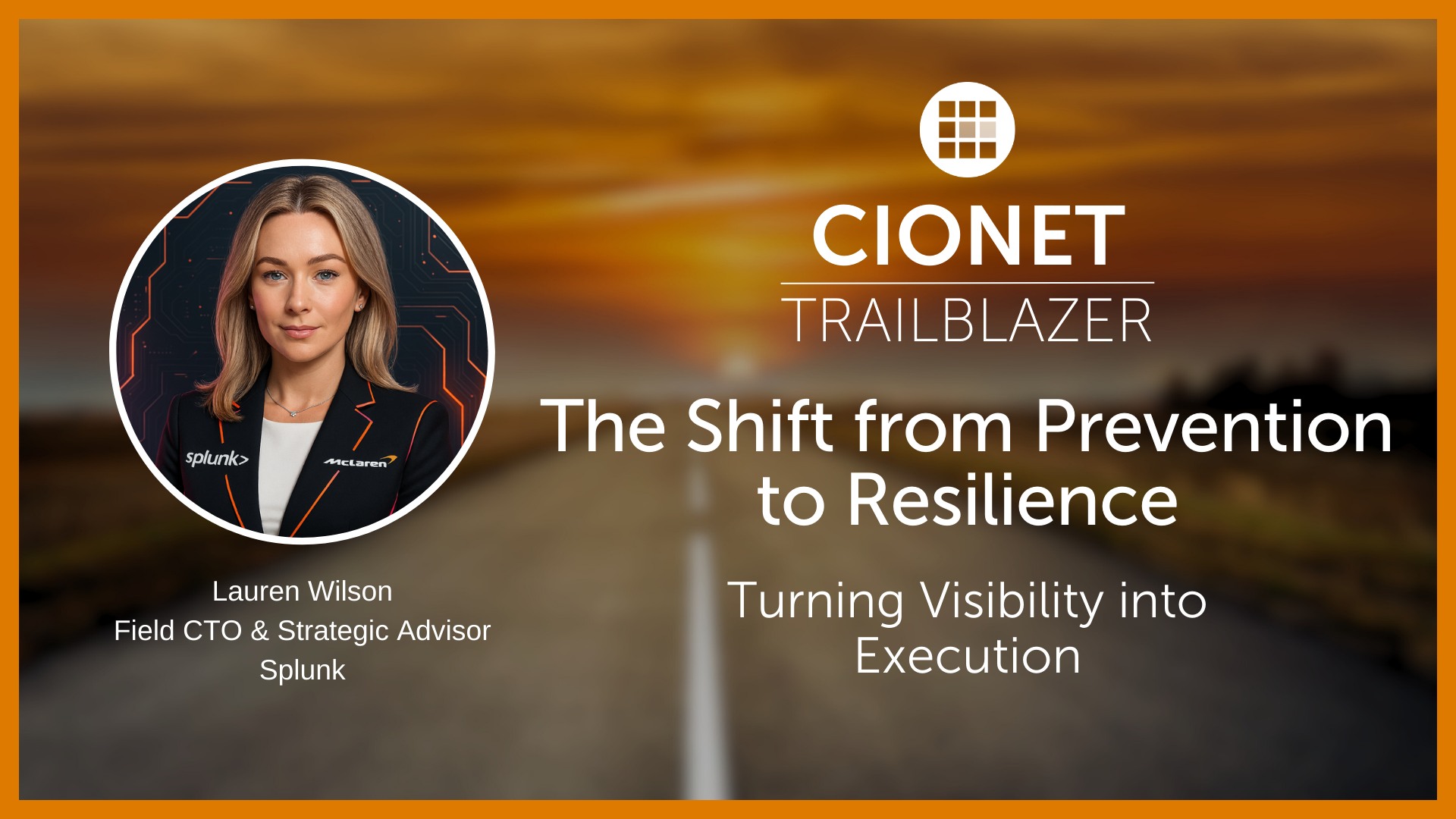
CIONET Trailblazer: CISO: The Shift from Prevention to Resilience: Turning Visibility into Execution
Published on: January 28, 2026 @ 9:48 AM

CIONET Trailblazer: AI Transformation: Bridging the Cultural Divide to Achieve Competitive Advantage
Published on: December 17, 2025 @ 9:16 AM

Published on: October 29, 2025 @ 11:31 AM
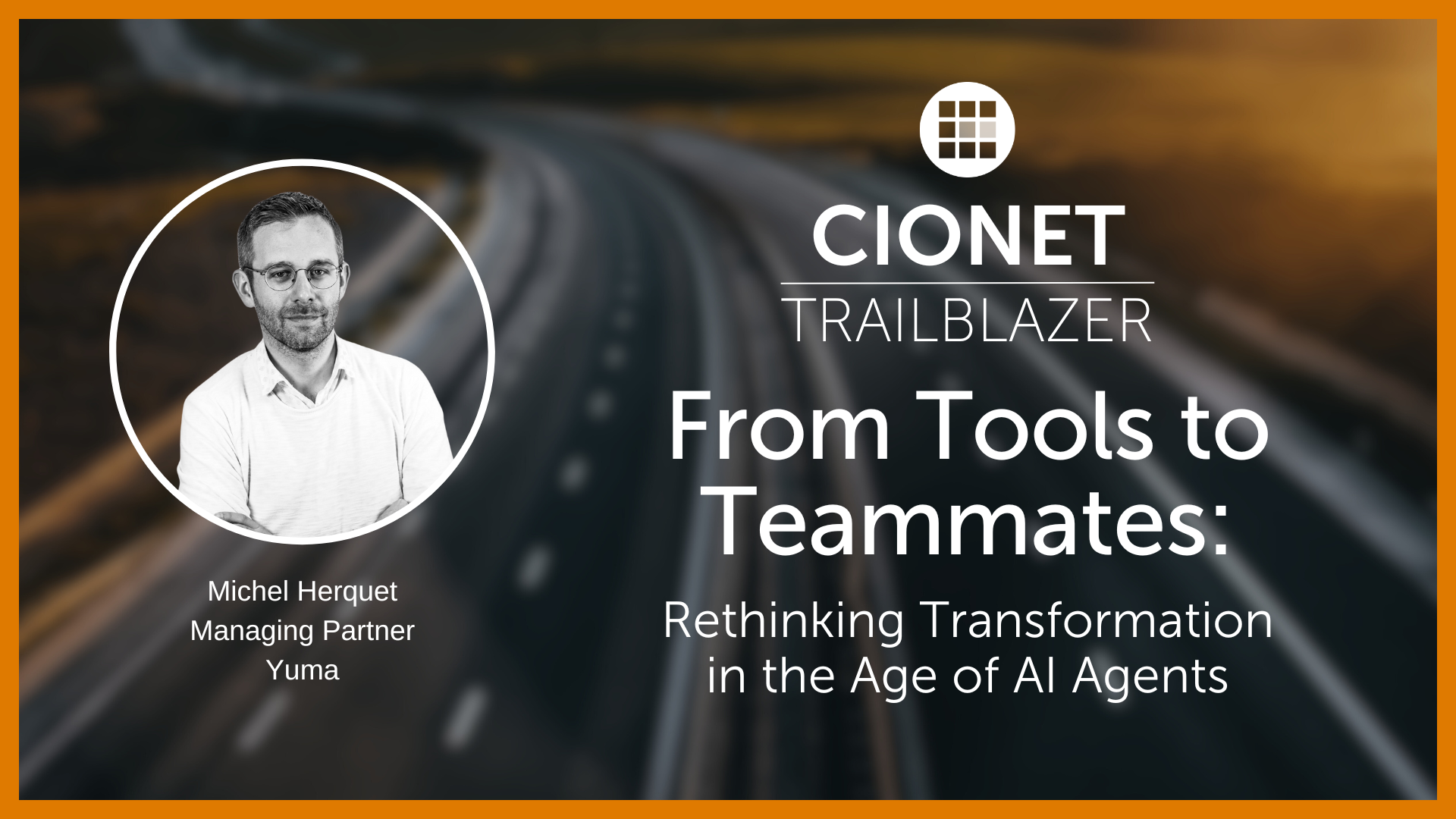
Published on: July 30, 2025 @ 9:19 AM

Published on: June 25, 2025 @ 9:14 AM
.png)
Published on: April 30, 2025 @ 9:04 AM
-1.png)
Published on: March 26, 2025 @ 9:59 AM
-1.png)
Published on: March 04, 2025 @ 5:07 PM
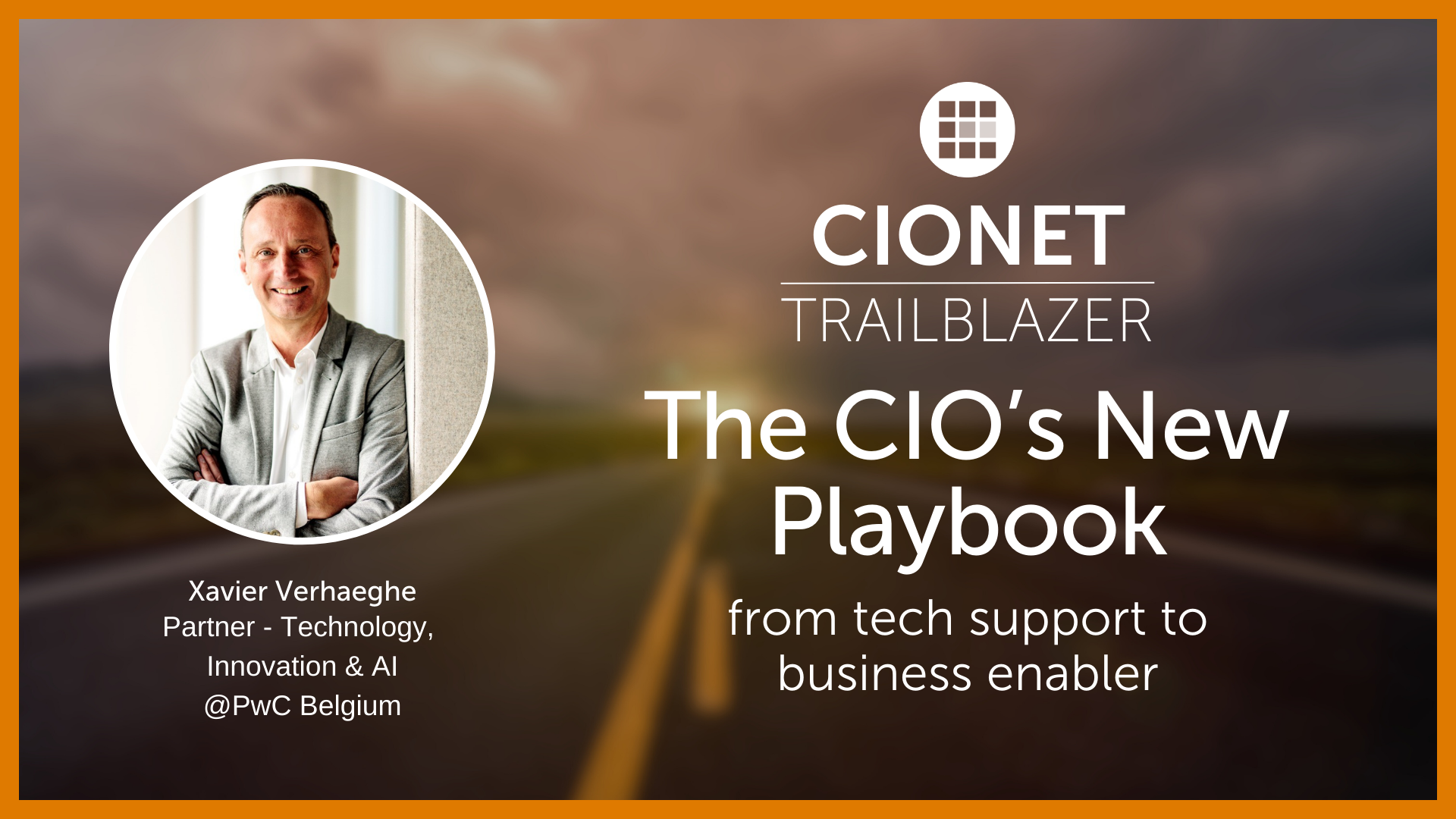
Published on: February 26, 2025 @ 10:51 AM
Published on: February 25, 2025 @ 4:14 PM
-4.png)
Published on: February 25, 2025 @ 10:33 AM

Published on: January 29, 2025 @ 9:58 AM
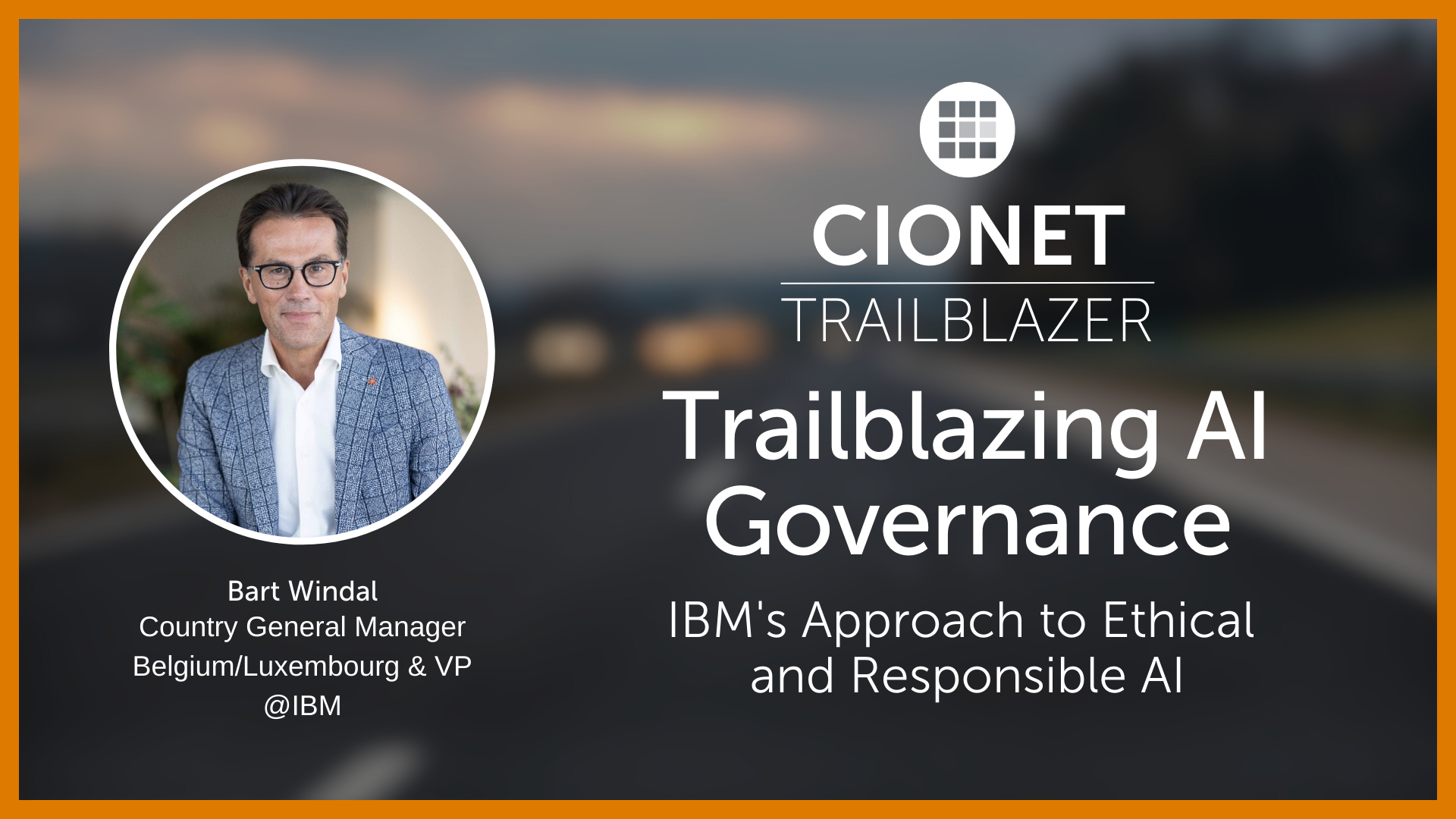
Published on: December 18, 2024 @ 9:07 AM

Published on: October 30, 2024 @ 9:34 AM
.png)
Published on: October 29, 2024 @ 11:37 AM
.png)
Published on: September 27, 2024 @ 10:41 AM
Published on: September 25, 2024 @ 8:59 AM

Published on: September 18, 2024 @ 3:44 PM

Published on: August 28, 2024 @ 10:10 AM

Priceline Charts Businesswide Generative AI Deployments with Google Cloud
Priceline will enhance trip planning and hotel booking for customers, along with campaign creation and developer productivity for employees.
Generative AI implementations to focus on creating enhanced travel experiences for customers and improved workflows for employees
NORWALK, Conn. and SUNNYVALE, Calif., June 6, 2023 /PRNewswire/ -- Leading online travel agency, Priceline, and Google Cloud today announced that Priceline plans to deploy Google Cloud's generative AI technologies across both customer-facing and internal parts of its business. Customers will soon be able to engage with a new, generative AI-powered chatbot and will also begin to see more personalized offerings when searching for hotels worldwide. In addition, Priceline employees will benefit from increased and easier access to internal information, and realize productivity gains by using AI to automate some of their time-intensive coding and content generation tasks.
Priceline's initial Google Cloud generative AI deployments will begin rolling out this summer and include:
As demand for travel returns to near pre-pandemic levels in a hyper-competitive industry, Priceline has taken a first-mover approach of using new technologies to differentiate itself — a philosophy grounded in the company's history and culture. Priceline has specifically tapped into Google Cloud's generative AI products to create more personalized offerings and seamless booking experiences for its customers, as well as deploying new workplace tools that drive productivity and enable employees to focus on the most meaningful and high-impact work.
"Priceline is charting a course to transform the novelty of generative AI into lasting value for our customers and our business. We believe it's not just about having the latest technology; it's also about practically targeting innovation to the right challenges and opportunities," said Marty Brodbeck, Chief Technology Officer, Priceline. "With Google Cloud as our AI innovation partner, we're doubling down on our commitment to delivering the fastest, most seamless and informative booking experience for our customers, from personalized planning and travel inspiration to customer service."
"Generative AI holds tremendous potential for the travel industry, and Priceline is at the forefront of bringing its benefits to both customers and employees," said Thomas Kurian, CEO of Google Cloud. "Together, we're focused on being bold in our AI innovation and responsible in how this new technology will be deployed."
Using Google Cloud's Generative AI App Builder, Priceline is building a new, generative AI-powered travel assistant chatbot that will soon help customers in multiple aspects of their travel planning and booking journeys, from research to actually booking their trips, accessing customer support, and more. Customers will be able to get helpful answers to broad and nuanced questions like, "What are the best four-star hotel options in midtown Manhattan within walking distance to Central Park?" and "Can you help me extend my hotel reservation for an additional night?" By assisting customers with itinerary planning and answering specific questions, the chatbot will address a historic challenge across many industries, but most especially travel, where responding to complex customer inquiries can be costly for companies and are often frustrating experiences for the customers themselves. Priceline customers will be able to access the chatbot 24/7/365 on both desktop and mobile.
In addition, Priceline will deploy improved generative AI features in its web and mobile experiences as part of its "Connected Trip" strategy. Powered by Google Cloud's Vertex AI, and displayed via a map view on the hotel's details page, an upgraded hotel booking experience will enable customers to access current neighborhood information personalized for them. With generative AI-powered descriptions of places of interest, Priceline customers will be able to easily learn about nearby attractions, local restaurants, seasonal events and conveniences, like gas stations and grocery stores. Now the travel planner for a family of four can have an easier time finding and booking accommodations that meet their needs, whether it's a top-rated hotel close to ice-skating at Rockefeller Center during the holidays or a luxury suite that's walking distance to vegetarian restaurants.
Internally, the company will use Google Cloud's Enterprise Search in Gen App Builder to boost search capabilities across its internal information, better connecting employees to dispersed documents, databases, and intranets. Once deployed, employees will be able to more easily access the information and resources they need, from guidance on how to update bank information for direct deposit payments to personalized benefits information based on their home state. Priceline's developers will also be able to leverage Google Cloud's AI-powered collaborator, Duet AI, to support code completion, search, and summarization.
The company will also adopt Vertex AI to accelerate the content development process for marketing campaigns. With personalized content and promotions about various travel destinations being sent to customers regularly, Priceline will soon use generative AI to develop its emails that describe cities, better personalize campaigns to specific consumer groupings, and make messaging improvements in the company's push notifications to quantifiably drive bookings. The company will also use generative AI to develop new imagery and dynamic text for its online ads and Priceline-branded assets.
Priceline's selection of Google Cloud's AI technology was based on a variety of factors including overall security, practicality, speed, and ease-of-use. Google Cloud's approach to data governance and privacy policies also helps ensure Priceline retains control over its data, a key priority for the company. Furthermore, Google Cloud's responsible approach to AI also means Priceline has access to tools where it can directly tune and update its large language models to review model responses for appropriateness and accuracy.
To experience this new technology or to book your next trip, visit Priceline.
About Google Cloud
Google Cloud accelerates every organization's ability to digitally transform its business. We deliver enterprise-grade solutions that leverage Google's cutting-edge technology – all on the cleanest cloud in the industry. Customers in more than 200 countries and territories turn to Google Cloud as their trusted partner to enable growth and solve their most critical business problems.
About Priceline
Priceline, part of Booking Holdings Inc. [NASDAQ: BKNG], has been a leader in online travel for twenty-five years. Priceline's proprietary deals technology pairs negotiation with innovation to analyze billions of data points to generate deep discounts for customers they can't find anywhere else. Travelers have access to millions of hotels, flights, alternative accommodations, rental cars, cruises, vacation packages and experiences from trusted brands in over 116 countries around the world, 24/7 customer service and incremental savings when becoming a Priceline VIP. By making affordable travel within reach for all, Priceline helps millions of customers each year be there for the moments that matter to them. Because where your happy place meets your happy price, that place is Priceline.
SOURCE Google Cloud

CIONET’s Cyber Circle: a new three-event programme exclusively focusing on the most urgent, complex, and high-impact challenges in cybersecurity today. Launched in 2026, this initiative brings together CISOs, CIOs, and senior IT executives with a strong interest in cybersecurity for three curated gatherings each year. As part of CIONET’s trusted executive community, the Cyber Circle provides a confidential, peer-driven environment to exchange insights, share real-world experiences, and address evolving cyber threats. Each session is designed to foster strategic dialogue, strengthen resilience, and elevate cybersecurity as a core driver of business value.
Read More.png)
The Telenet Business Leadership Circle powered by CIONET, offers a platform where IT executives and thought leaders can meet to inspire each other and share best practices. We want to be a facilitator who helps you optimise the performance of your IT function and your business by embracing the endless opportunities that digital change brings.
Read More
Découvrez la dynamique du leadership numérique aux Rencontres de CIONET, le programme francophone exclusif de CIONET pour les leaders numériques en Belgique, rendu possible grâce au soutien et à l'engagement de nos partenaires de programme : Deloitte, Denodo et Red Hat. Rejoignez trois événements inspirants par an à Liège, Namur et en Brabant Wallon, où des CIOs et des experts numériques francophones de premier plan partagent leurs perspectives et expériences sur des thèmes d'affaires et de IT actuels. Laissez-vous inspirer et apprenez des meilleurs du secteur lors de sessions captivantes conçues spécialement pour soutenir et enrichir votre rôle en tant que CIO pair. Ne manquez pas cette opportunité de faire partie d'un réseau exceptionnel d'innovateurs numériques !
Read More.jpg)
CIONET is committed to highlighting and celebrating female role models in IT, Tech & Digital, creating a leadership programme that empowers and elevates women within the tech industry. This initiative is dedicated to showcasing the achievements and successes of leading women, fostering an environment where female role models are recognised, and their contributions can ignite progress and inspire the next generation of women in IT. Our mission is to shine the spotlight a little brighter on female role models in IT, Tech & Digital, and to empower each other through this inner network community.
Read More


-Apr-01-2022-10-58-34-57-AM.png)









-Dec-13-2023-10-53-15-5032-AM.png)



-Jun-12-2023-01-23-11-7540-PM.png)




-Apr-01-2022-10-58-34-68-AM.png)






.png)





%20(003).png)




.png)







.png)











-Sep-01-2022-02-47-55-60-PM.png)
-Nov-22-2023-08-56-42-6802-AM.png)
.png)


.png "be-page-banner (1)")


.png)
.png)
.png)
.png)