

.png)
Belgium 20-10-2026 Squad Only Virtual English
Cloud decisions are becoming more selective. The challenge is deciding where each workload should run based on cost, performance, control, resilience, sovereignty, and business need. Three pressure points usually drive the decision. - Cost visibility becomes harder when usage grows across cloud services, data platforms, and AI workloads. - Performance and latency matter more when systems need fast access to data or support operational processes. - Sovereignty and resilience become critical when data location, continuity, vendor dependency, and exit options enter the discussion. The working question is simple: how do we place workloads where they create the most value while keeping the hybrid landscape manageable? If these trade-offs are on your agenda, let’s compare how others are handling similar choices.
Read More.png)
Belgium 10-11-2026 Squad Only Virtual English
Data platforms are meant to simplify access and support better use of data. The challenge is choosing and governing the platform landscape in a way that creates consistency, reuse, and long-term value. Three pressure points usually appear. - Platform choice becomes difficult when teams have different needs for speed, flexibility, cost, and control. - Business meaning needs protection: customer, revenue, product, risk, and FTE need shared definitions across tools. - Ownership and governance need to be clear, so platforms grow with accountability and discipline. The working question is simple: how do we give teams the data capabilities they need while keeping the platform landscape understandable, governed, and reusable? If these questions are familiar, let’s compare approaches with others facing the same data landscape.
Read More.png)
Belgium 13-11-2026 Squad Only Physical English
Many IT capabilities are essential and difficult to fund through a simple project ROI. The challenge is showing why architecture, governance, resilience, cybersecurity maturity, data foundations, and AI readiness deserve investment before the gap becomes expensive. Three pressure points make the case harder. - Shared value means the benefit often sits across several teams, while the budget sits in one place. - Timing creates friction because the cost is immediate while the value appears over time. - Risk translation is needed so business and finance leaders understand the consequence of delaying the investment. The working question is simple: how do we turn foundational IT capabilities into credible investment cases that link cost, risk, business value, and future flexibility? If you are building these cases internally, let’s compare how others are positioning value, risk, and timing.
Read More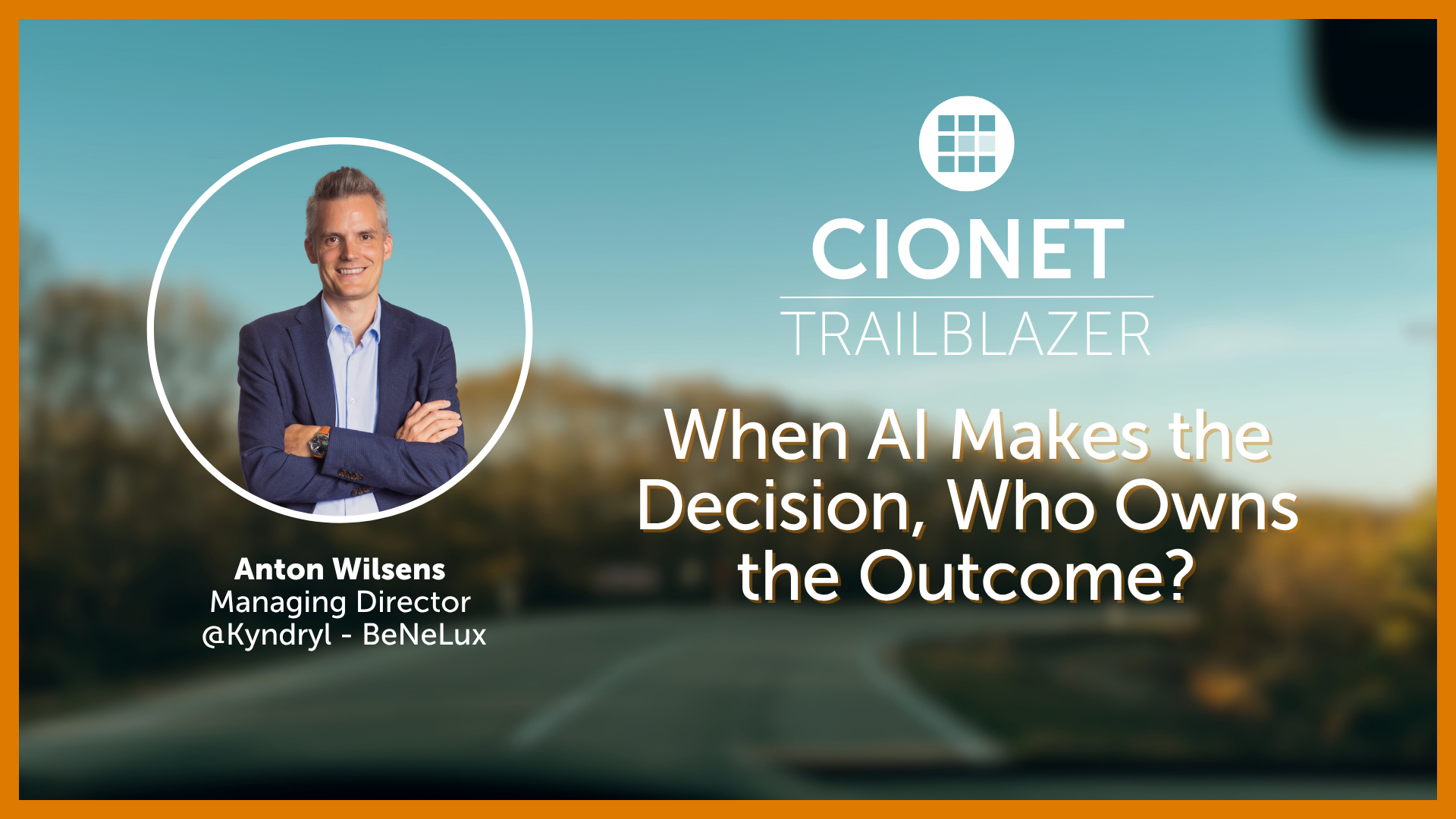
Published on: September 30, 2026 @ 1:17 PM
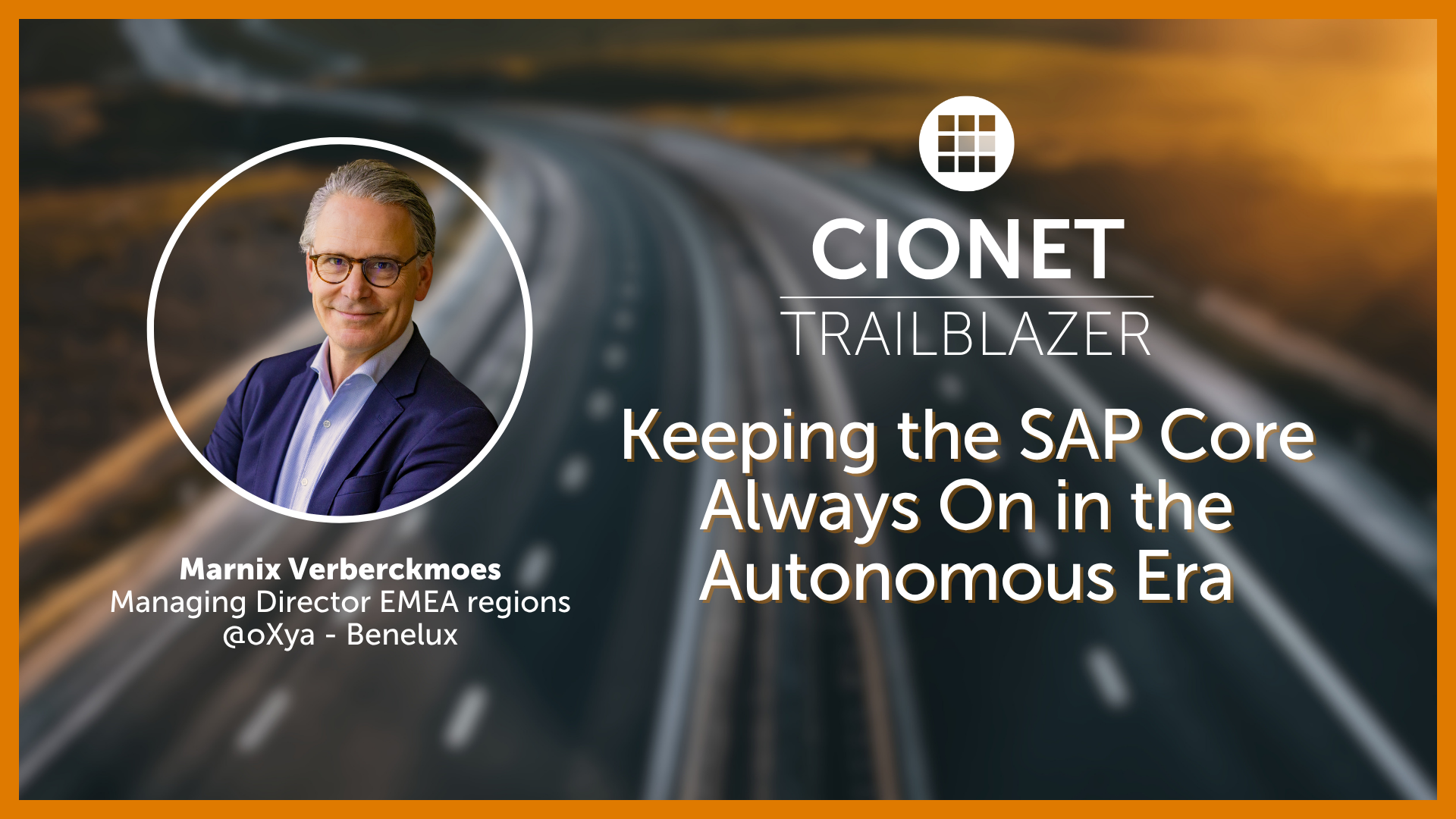
Published on: August 26, 2026 @ 9:13 AM
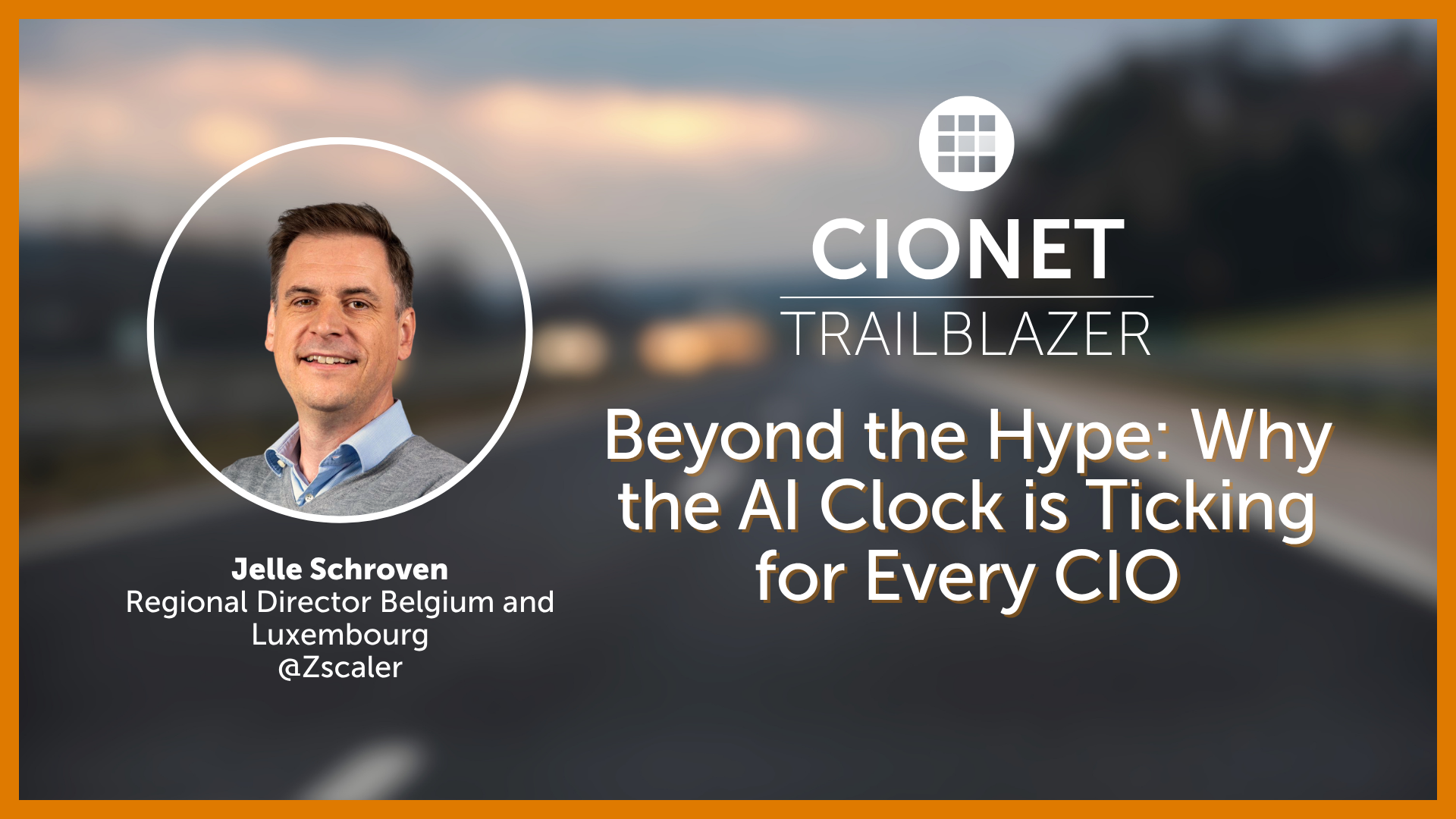
Published on: July 29, 2026 @ 10:08 AM
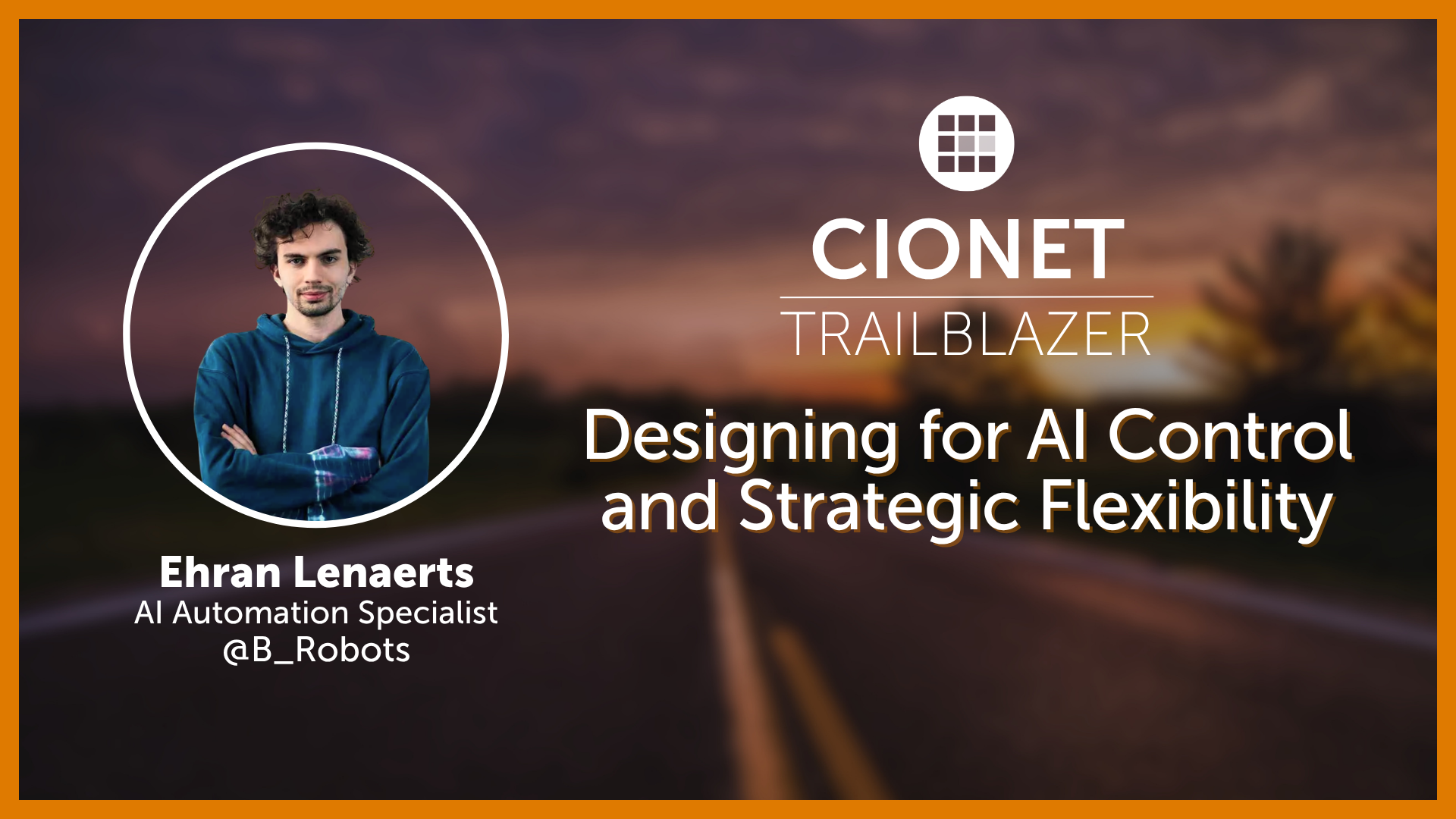
Published on: June 24, 2026 @ 5:00 PM
Published on: May 27, 2026 @ 9:21 AM
Published on: May 07, 2026 @ 4:02 PM
.png)
Published on: April 29, 2026 @ 9:11 AM
Published on: March 26, 2026 @ 3:37 PM
-2.png)
Published on: March 25, 2026 @ 9:58 AM

Published on: March 13, 2026 @ 3:43 PM
-Feb-25-2026-10-01-07-2508-AM.png)
Published on: February 25, 2026 @ 11:01 AM
.png)
Published on: February 25, 2026 @ 9:00 AM

Published on: February 24, 2026 @ 5:00 PM
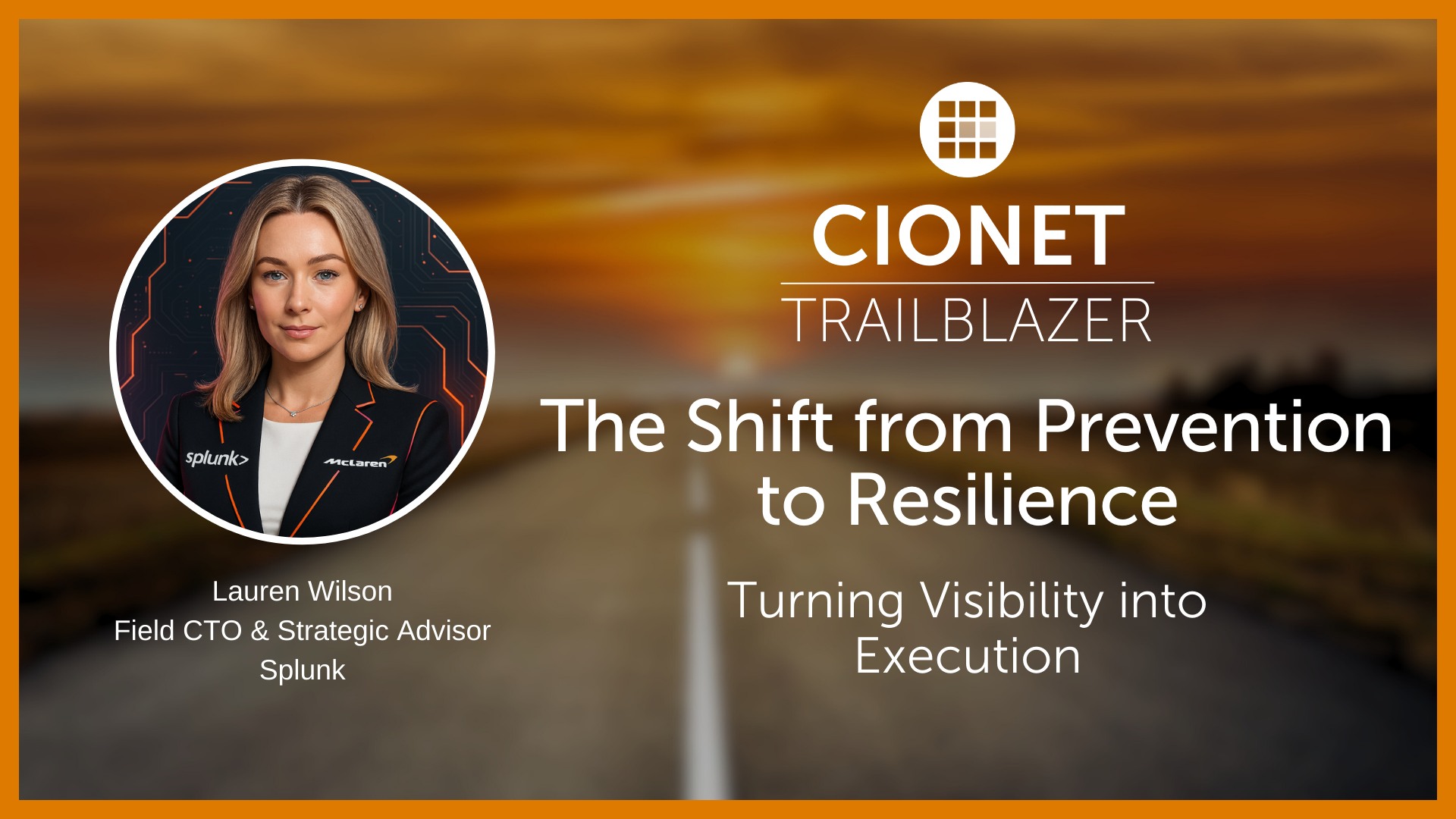
CIONET Trailblazer: CISO: The Shift from Prevention to Resilience: Turning Visibility into Execution
Published on: January 28, 2026 @ 9:48 AM
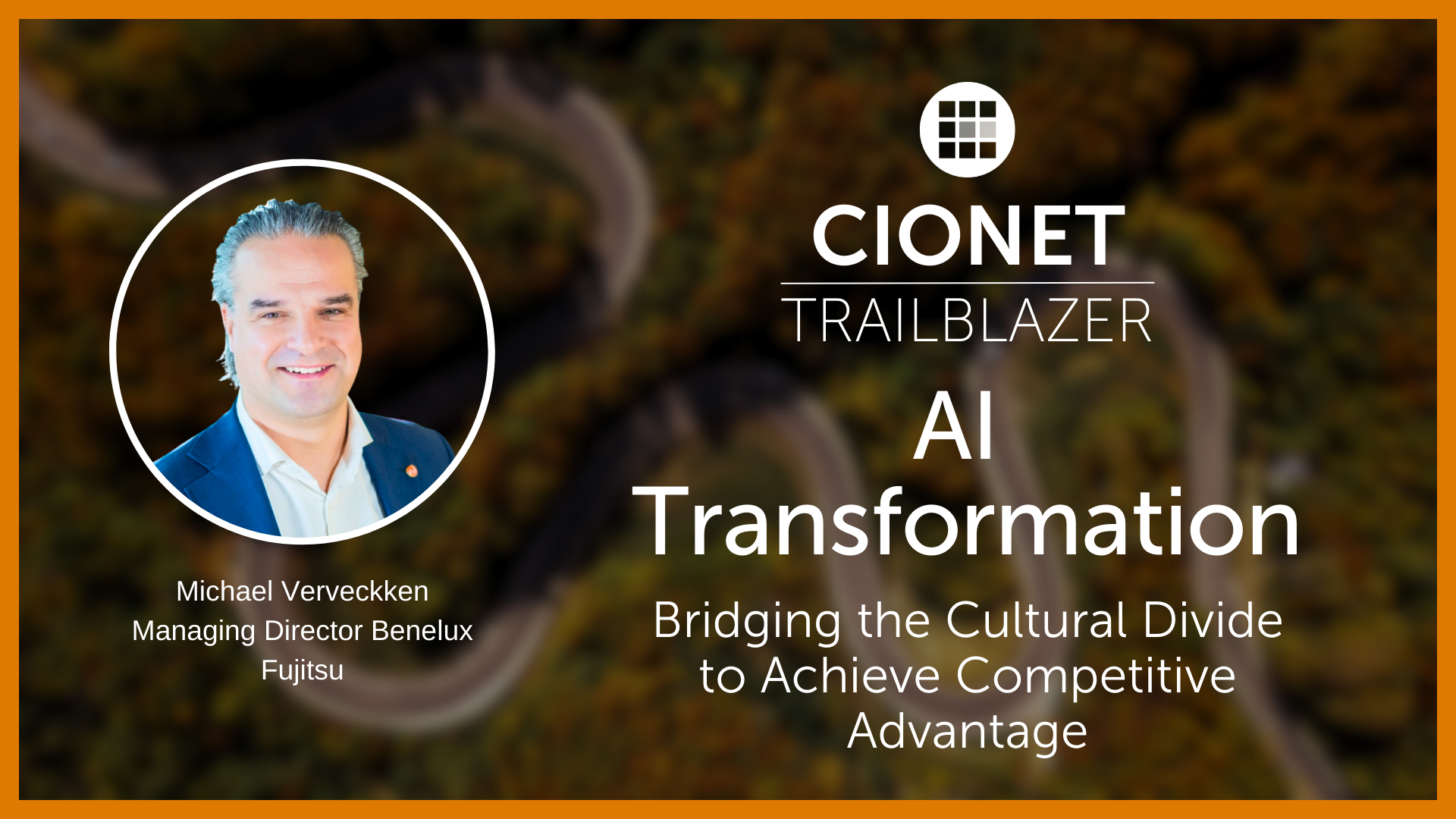
CIONET Trailblazer: AI Transformation: Bridging the Cultural Divide to Achieve Competitive Advantage
Published on: December 17, 2025 @ 9:16 AM
Published on: October 29, 2025 @ 11:31 AM
Published on: July 30, 2025 @ 9:19 AM
Published on: June 25, 2025 @ 9:14 AM
.png)
Published on: April 30, 2025 @ 9:04 AM
-1.png)
Published on: March 26, 2025 @ 9:59 AM
-1.png)
Published on: March 04, 2025 @ 5:07 PM
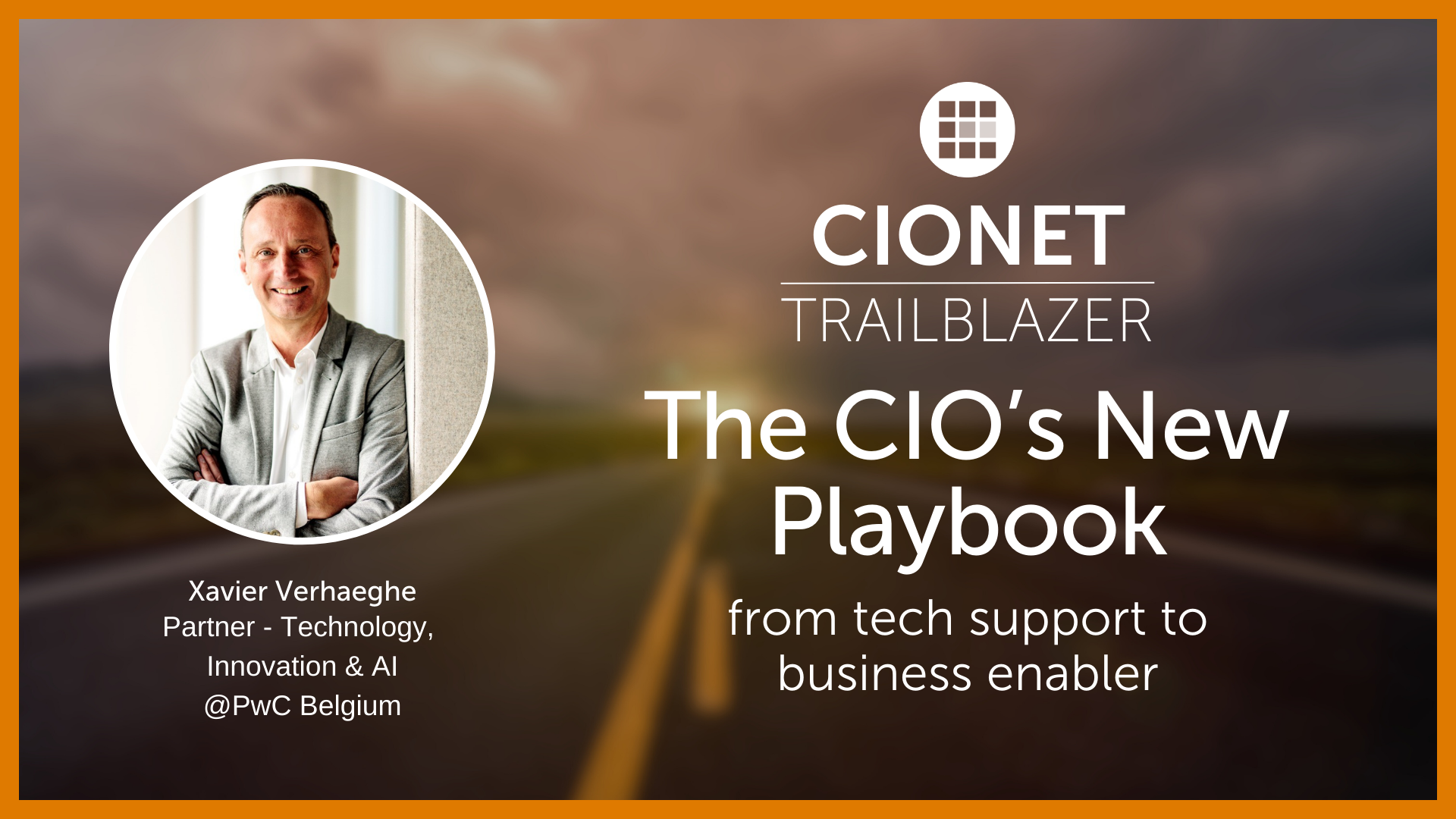
Published on: February 26, 2025 @ 10:51 AM
Published on: February 25, 2025 @ 4:14 PM
-4.png)
Published on: February 25, 2025 @ 10:33 AM
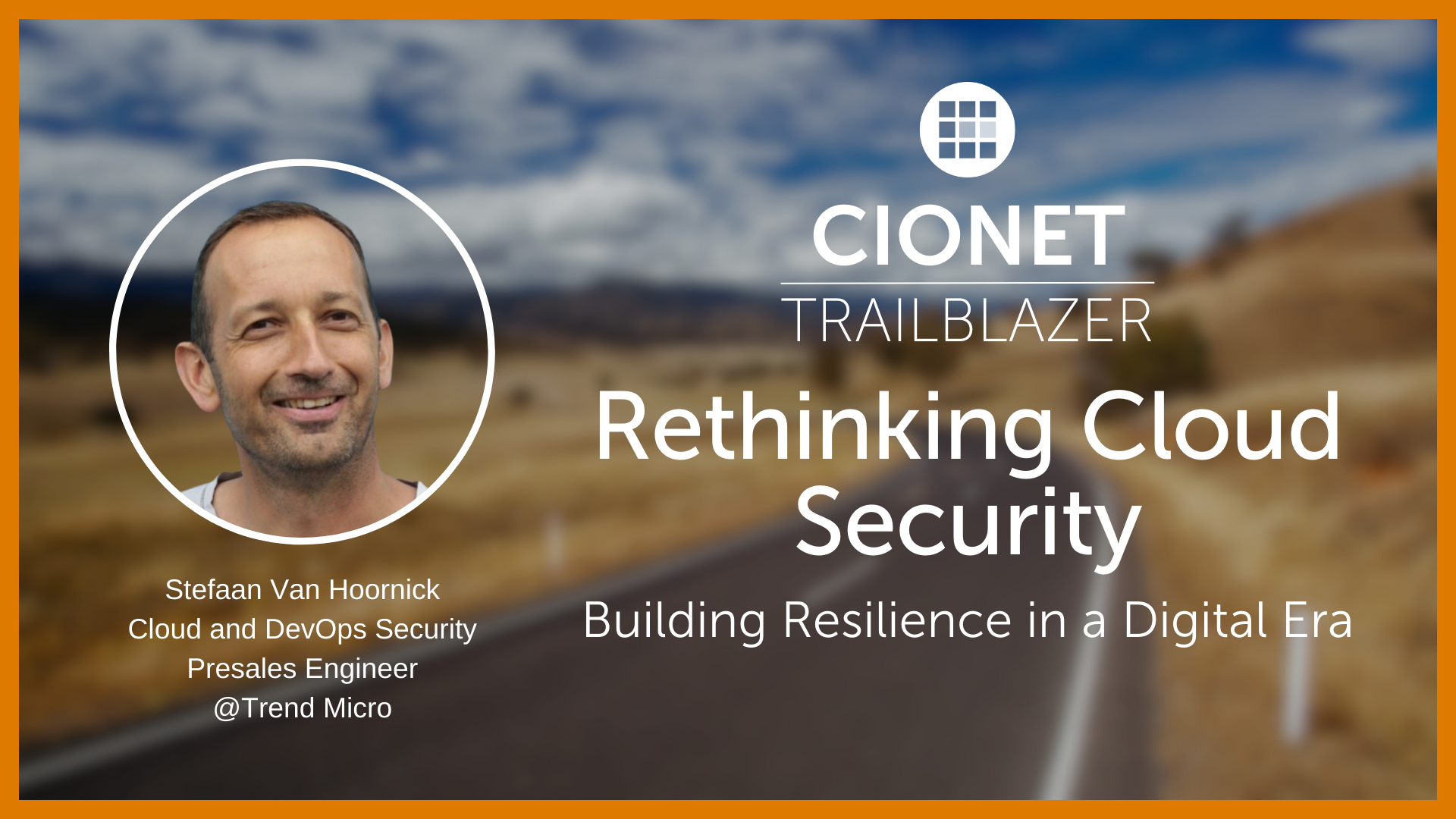
Published on: January 29, 2025 @ 9:58 AM
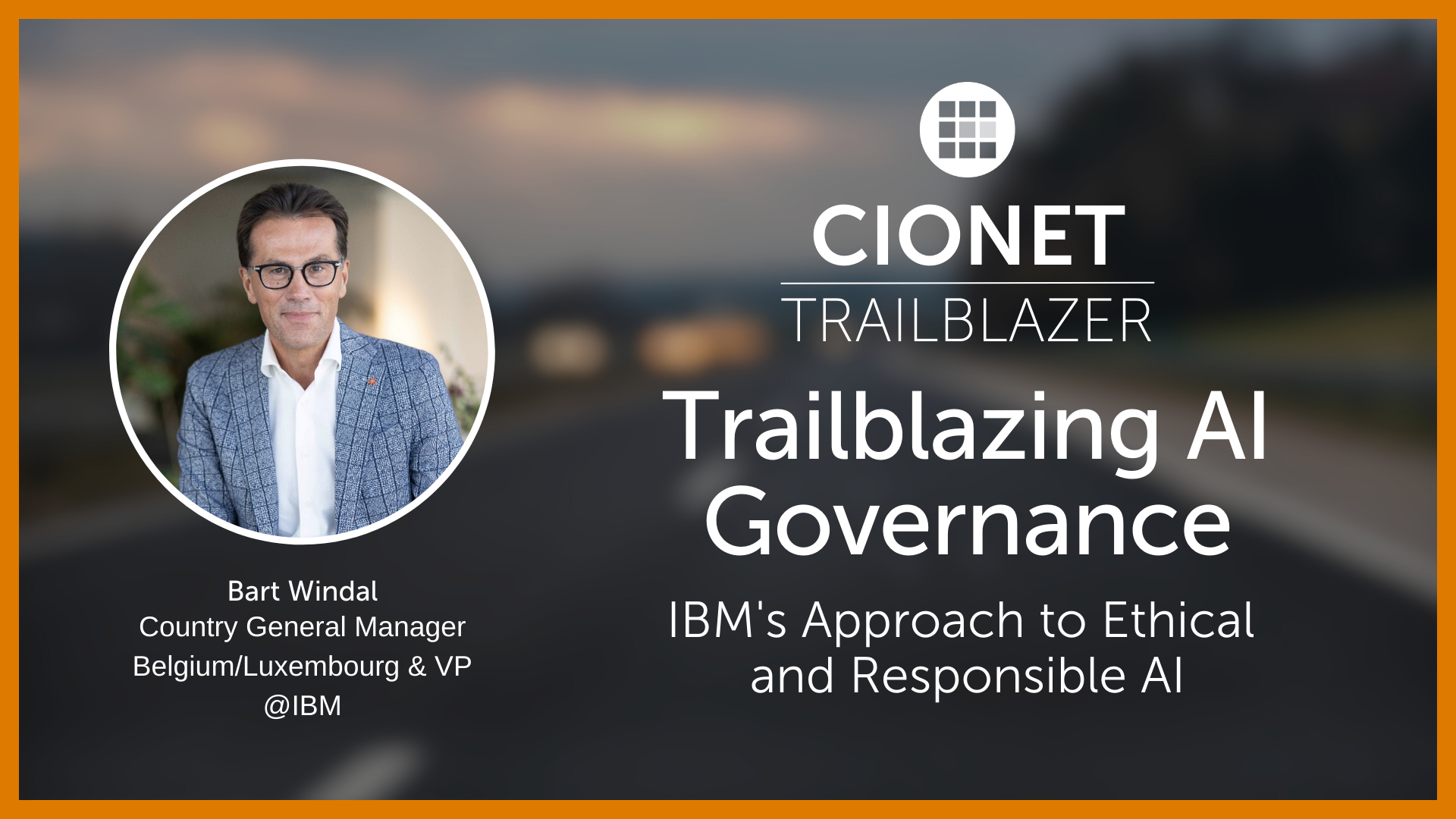
Published on: December 18, 2024 @ 9:07 AM
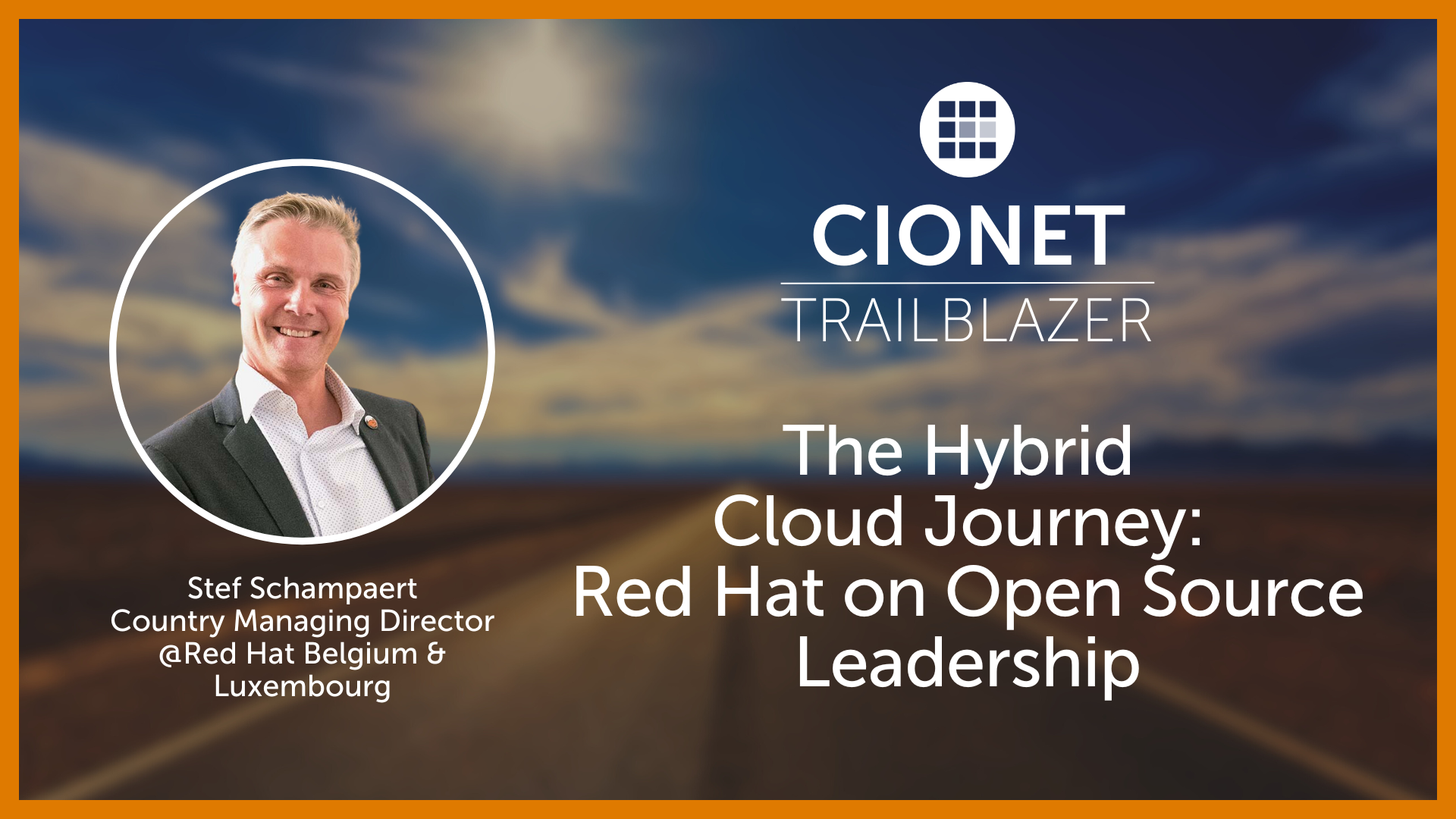
Published on: October 30, 2024 @ 9:34 AM
.png)
Published on: October 29, 2024 @ 11:37 AM
.png)
Published on: September 27, 2024 @ 10:41 AM
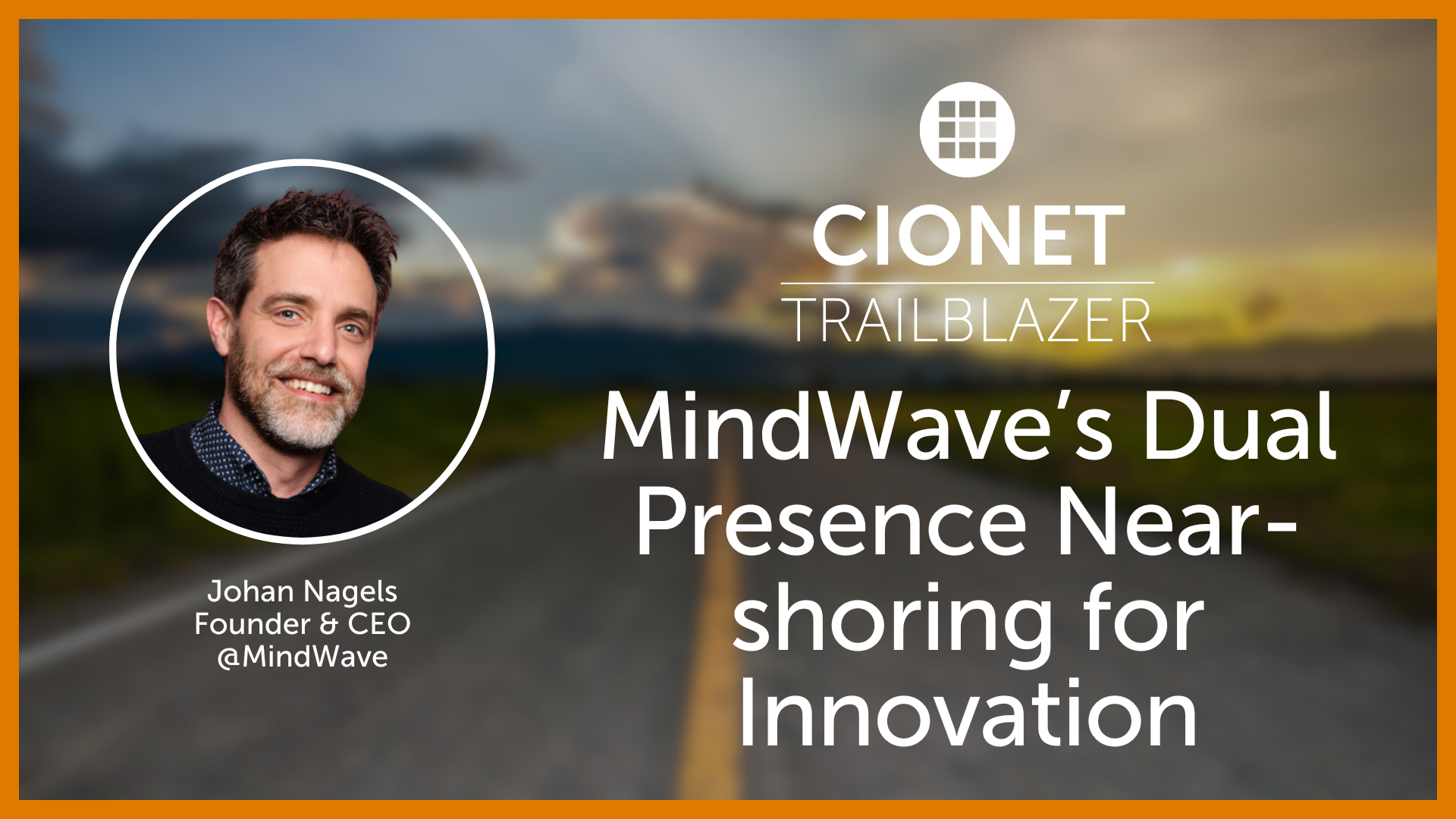
Published on: September 25, 2024 @ 8:59 AM
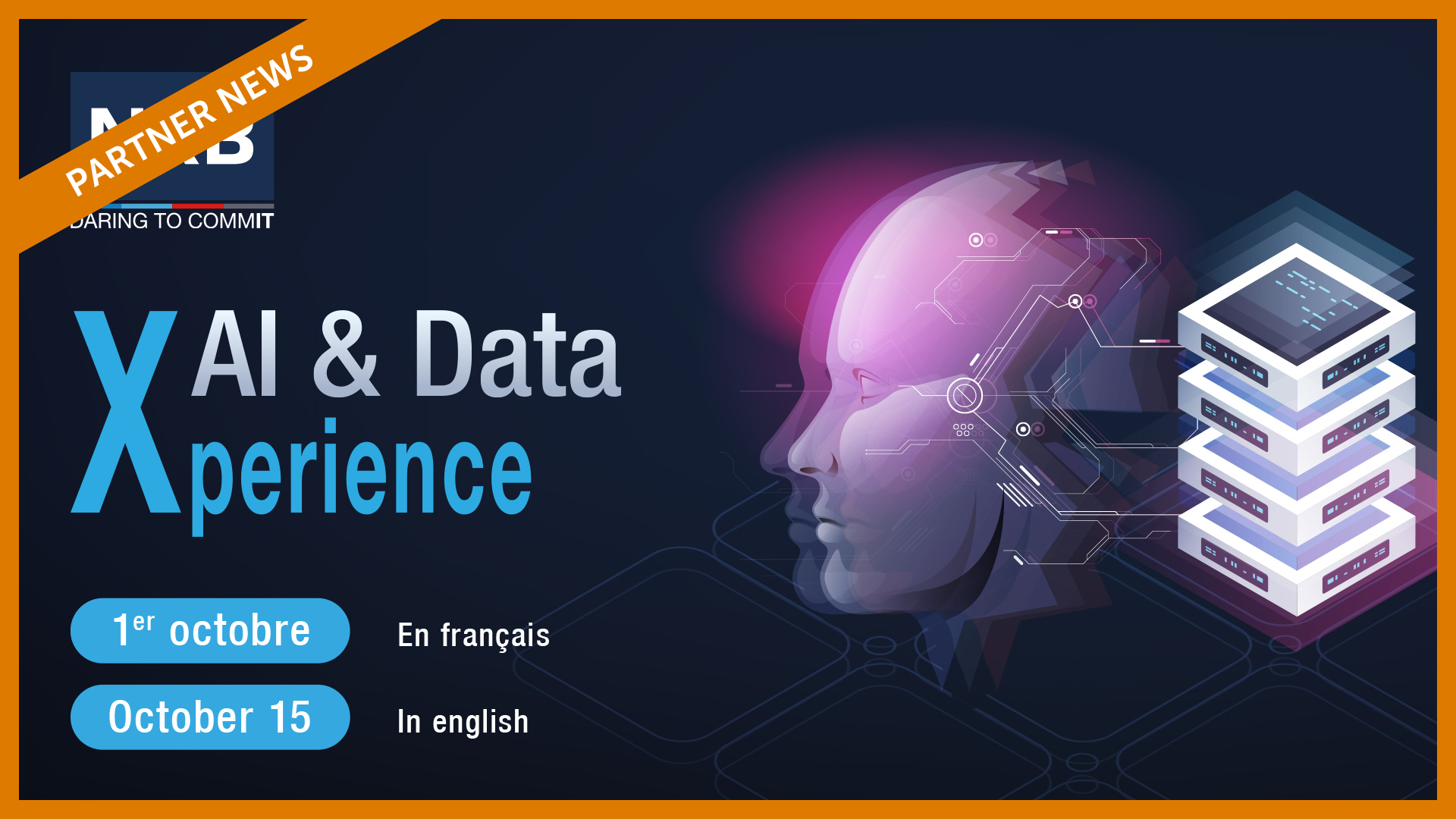
Published on: September 18, 2024 @ 3:44 PM
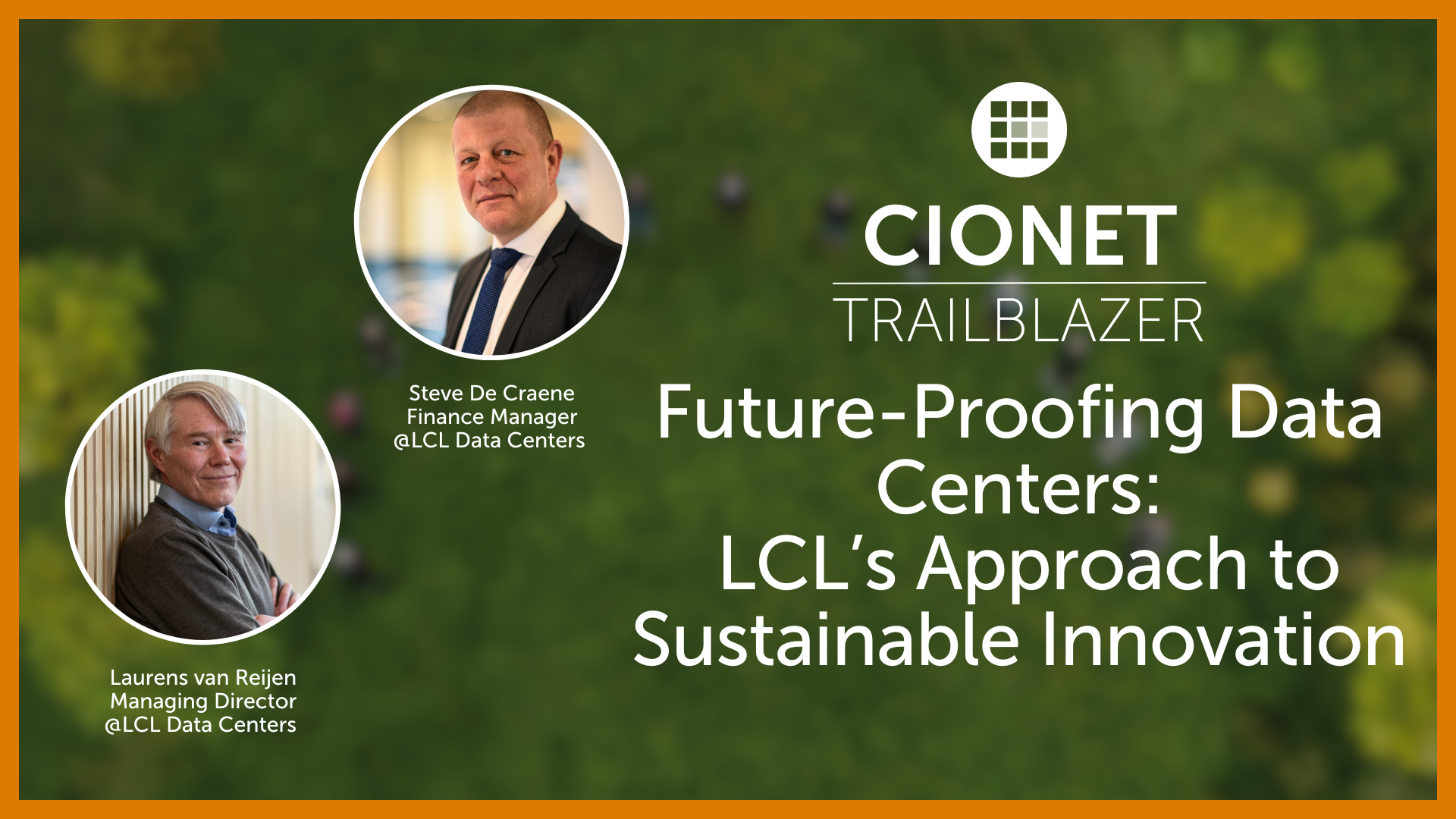
Published on: August 28, 2024 @ 10:10 AM
How RSM Uses Alteryx to Decode Crypto and Blockchain Transactions
RSM, a global tax and audit firm, faced the challenge of processing complex cryptocurrency transactions. Manual methods were time-consuming, error-prone, and hindered efficiency. By adopting Alteryx, RSM automated data extraction, standardization, and analysis, significantly reducing processing time and improving accuracy.
RSM is a global tax and audit firm specializing in assurance, tax and consulting services for middle market leaders. They’ve come a long way from their 1926 beginnings in Cedar Rapids, Iowa. The company has 57,000 employees in 120 countries who deliver “future-focused technology powered by human insights.”
RSM urges its clients to “experience the power of being understood,” a promise that the company’s employees will take the time to truly understand them, will bring tailored ideas and insight to their environment and will commit to helping them make confident decisions about their future.
Cryptocurrency is everywhere. An estimated 400 million people and/or organizations around the world currently hold at least one crypto asset. But because of its obscure and sometimes hidden nature – transactions are tracked on a series of anonymous Blockchain registries – there is a common misconception that crypto assets are not liable for taxes.
Nothing could be further from the truth. In fact, tax authorities across the globe are stepping up enforcement efforts around crypto-derived income, placing a burden on individuals and organizations to track transactions and determine tax implications.
Companies who do tax prep have struggled to find an efficient way of analyzing the quickly rising number of cryptocurrency transactions. RSM found themselves in exactly that situation. Their team was taking, on average, two weeks to manually decode 200 transactions with an error rate that hovered around 50%. They knew they needed to find a better way.
“We take data from the blockchain, which is known for being messy, unstandardized, what some people call the Wild West,” says Zack Szykowny, Manager of the Center for Advanced Tax Technology at RSM. “There’s no set ways, just a lot of things that are undetermined.”
The variety of unique wallet addresses and the lack of standardization among the many blockchains created headaches, recalls Alula Zeryihun, Financial Services Tax Manager at RSM. “The manual aspect of the work usually involves people putting together Excel tables that reconcile transactions and activities.”
First off, we said, “How can we empower our people and free them up to do more value-added tasks for our clients instead of sitting there and copying and pasting data? How can we streamline that process?”
The team at RSM turned to Alteryx to help them streamline, decode and standardize all that complex blockchain data. “The question,” Zeryihun says, “was ‘How do you create a standard format so you can categorize all the activities in a manner in which you feel comfortable?’”
To improve RSM’s services to their clients and reduce their reliance on manual processes, Alteryx helped them look for reliable ways to automate. They knew automated analytics could radically reduce both the time and complexity of tracking and analyzing blockchain transactions.
RSM began working with their team of tax experts to come up with proper categorizations for different types of activities. From there, they formatted and flowed data into a digital tracking app so they could generate all of the tax forms, reports and accompanying documents they needed. Here’s how they did it.
We were able to streamline the process and create efficiencies. Without Alteryx, it would have been impossible.
Alula Zeryihun
Financial Services Tax Manager, RSM
All the manual processes that had slowed the team down were gone now, says Szykowny. “It was now feeding into the standard format we have within RSM Digital Tracker. The transformation we’re using Alteryx for is very intricate but then it feeds into standard format, which feeds into our RSM visual tracker. It ultimately produces, in real time, the capital gain loss on all those trades throughout their lifetime – and does it in three different tax methods – and then generates a report that attaches to the tax return.”
The Alteryx impact was profound, Zeryihun says. Tax reports and forms that used to take weeks to compile were now automatically generated and were far more accurate. “With Alteryx, we were able to create a workflow,” Zeryihun says. “Something that would have taken a couple hundred hours to do we are now able to do in less than 10. The end result is happy clients.”
Szykowny stresses the enormity of the time savings. “We’re talking about people downloading and going through 5,000 records at a time.”
We're saving our tax teams hundreds of hours and letting them just focus on their analysis. And we’re getting rid of that human error – that's the beauty of automation.
Zack Szykowny
Manager of the Center for Advanced Tax Technology, RSM
Alteryx helped RSM move from manual, time-consuming processes, to reliable automation that assists analysts in decoding crypto and blockchain transactions in a matter of minutes. This breakthrough not only made crypto taxation a breeze but held – and continues to hold – immense potential for broader applications beyond tax-related use cases.
The bigger opportunity here, according to Zeryihun, is in enabling standardization and efficiency across the blockchain ecosystem. Manual efforts and reconciliation that are done using traditional Microsoft solutions leave room for improvement. “A powerful software like Alteryx can enable people within this space to be more nimble,” Zeryihun says, “and to do more with less.”
Zeryihun concedes that, before his team could ever get off the ground automating, they had some convincing to do within RSM. “In the early stages of prototyping, Alteryx played a big part in helping us come up with quick workflows and solutions that we could show to people and say, ‘Here’s an example of a minimal viable product that we can put together.’”
Once they had people on board, they were able to democratize and expand their efforts by creating a digital tracker app with a simple front end. That way colleagues didn’t have to be Alteryx experts or even know how to use the tool to derive value from it. “Their day-to-day lives aren’t connected to Alteryx,” Zeryihun says. “But on the back end, we’re able to empower our people through the solutions that we built. That’s a very powerful thing.”
Since the team started working with Alteryx, they’ve gone far beyond their tax use case. “We’re talking to our audit teams, our consulting teams – people within our organizations that are servicing our clients – and we’re coming up with really unique ways of adding value,” Zeryihun says.
Szykowny points to how his team’s breakthroughs in standardizing complicated data have driven confidence and change within the organization. “Having that standardization can help applicability across all different lines of business. It’s one of the biggest challenges we have in anything that’s new, especially in automation. Just getting people comfortable with all that is a unique challenge but change management always is with any sort of automation. Alteryx helps people get to that level of comfort that makes them confident in the output.”

Built repeatable workflows for generating tax reports while radically increasing speed and reducing error rates

Non-data experts at RSM can extract value from the tool, pulling data and building their own simple reports while supporting change management efforts

Began with a single tax team and went on to add value in other departments by stressing efficiency and standardization

CIONET’s Cyber Circle: a new three-event programme exclusively focusing on the most urgent, complex, and high-impact challenges in cybersecurity today. Launched in 2026, this initiative brings together CISOs, CIOs, and senior IT executives with a strong interest in cybersecurity for three curated gatherings each year. As part of CIONET’s trusted executive community, the Cyber Circle provides a confidential, peer-driven environment to exchange insights, share real-world experiences, and address evolving cyber threats. Each session is designed to foster strategic dialogue, strengthen resilience, and elevate cybersecurity as a core driver of business value.
Read More.png)
The Telenet Business Leadership Circle powered by CIONET, offers a platform where IT executives and thought leaders can meet to inspire each other and share best practices. We want to be a facilitator who helps you optimise the performance of your IT function and your business by embracing the endless opportunities that digital change brings.
Read More
Découvrez la dynamique du leadership numérique aux Rencontres de CIONET, le programme francophone exclusif de CIONET pour les leaders numériques en Belgique, rendu possible grâce au soutien et à l'engagement de nos partenaires de programme : Deloitte, Denodo et Red Hat. Rejoignez trois événements inspirants par an à Liège, Namur et en Brabant Wallon, où des CIOs et des experts numériques francophones de premier plan partagent leurs perspectives et expériences sur des thèmes d'affaires et de IT actuels. Laissez-vous inspirer et apprenez des meilleurs du secteur lors de sessions captivantes conçues spécialement pour soutenir et enrichir votre rôle en tant que CIO pair. Ne manquez pas cette opportunité de faire partie d'un réseau exceptionnel d'innovateurs numériques !
Read More.jpg)
CIONET is committed to highlighting and celebrating female role models in IT, Tech & Digital, creating a leadership programme that empowers and elevates women within the tech industry. This initiative is dedicated to showcasing the achievements and successes of leading women, fostering an environment where female role models are recognised, and their contributions can ignite progress and inspire the next generation of women in IT. Our mission is to shine the spotlight a little brighter on female role models in IT, Tech & Digital, and to empower each other through this inner network community.
Read More


-Apr-01-2022-10-58-34-57-AM.png)









-Dec-13-2023-10-53-15-5032-AM.png)



-Jun-12-2023-01-23-11-7540-PM.png)



-Apr-01-2022-10-58-34-68-AM.png)





.png)



%20(003).png)



.png)




.png)









-Sep-01-2022-02-47-55-60-PM.png)
-Nov-22-2023-08-56-42-6802-AM.png)
.png)


.png "be-page-banner (1)")
.png)
.png)
.png)
.png)