

.png)
Belgium 20-10-2026 Squad Only Virtual English
Cloud decisions are becoming more selective. The challenge is deciding where each workload should run based on cost, performance, control, resilience, sovereignty, and business need. Three pressure points usually drive the decision. - Cost visibility becomes harder when usage grows across cloud services, data platforms, and AI workloads. - Performance and latency matter more when systems need fast access to data or support operational processes. - Sovereignty and resilience become critical when data location, continuity, vendor dependency, and exit options enter the discussion. The working question is simple: how do we place workloads where they create the most value while keeping the hybrid landscape manageable? If these trade-offs are on your agenda, let’s compare how others are handling similar choices.
Read More.png)
Belgium 10-11-2026 Squad Only Virtual English
Data platforms are meant to simplify access and support better use of data. The challenge is choosing and governing the platform landscape in a way that creates consistency, reuse, and long-term value. Three pressure points usually appear. - Platform choice becomes difficult when teams have different needs for speed, flexibility, cost, and control. - Business meaning needs protection: customer, revenue, product, risk, and FTE need shared definitions across tools. - Ownership and governance need to be clear, so platforms grow with accountability and discipline. The working question is simple: how do we give teams the data capabilities they need while keeping the platform landscape understandable, governed, and reusable? If these questions are familiar, let’s compare approaches with others facing the same data landscape.
Read More.png)
Belgium 13-11-2026 Squad Only Physical English
Many IT capabilities are essential and difficult to fund through a simple project ROI. The challenge is showing why architecture, governance, resilience, cybersecurity maturity, data foundations, and AI readiness deserve investment before the gap becomes expensive. Three pressure points make the case harder. - Shared value means the benefit often sits across several teams, while the budget sits in one place. - Timing creates friction because the cost is immediate while the value appears over time. - Risk translation is needed so business and finance leaders understand the consequence of delaying the investment. The working question is simple: how do we turn foundational IT capabilities into credible investment cases that link cost, risk, business value, and future flexibility? If you are building these cases internally, let’s compare how others are positioning value, risk, and timing.
Read More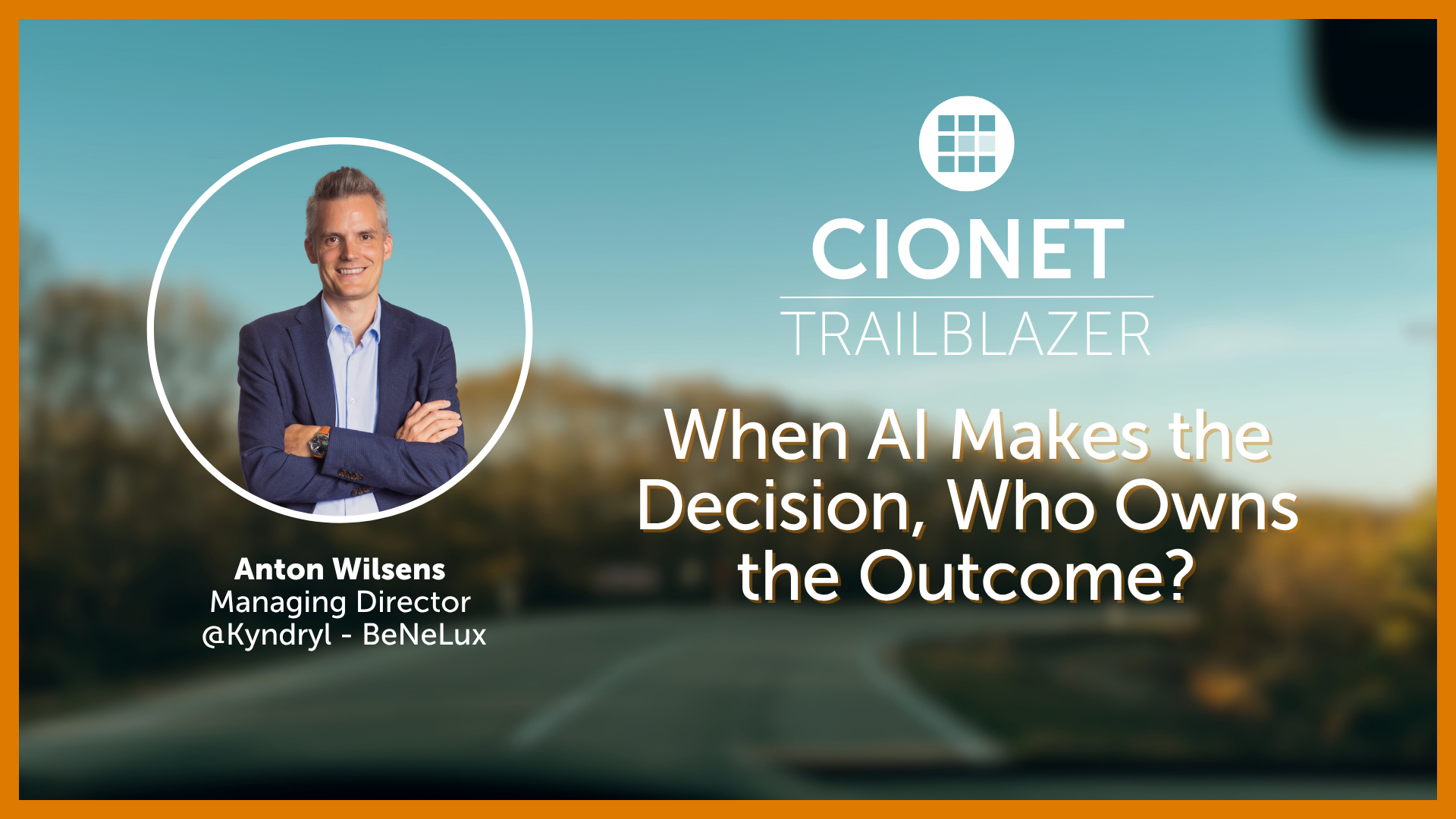
Published on: September 30, 2026 @ 1:17 PM
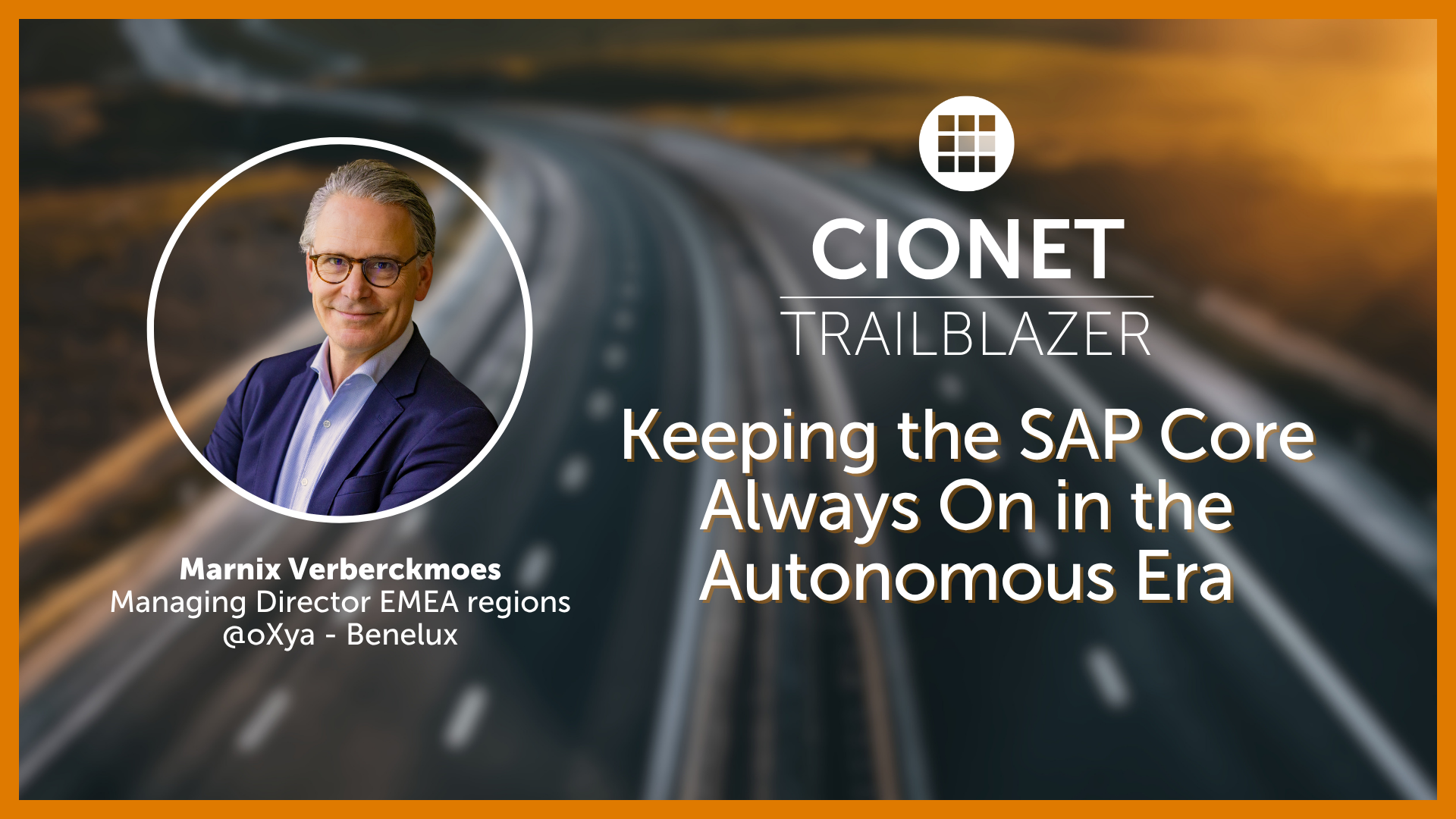
Published on: August 26, 2026 @ 9:13 AM
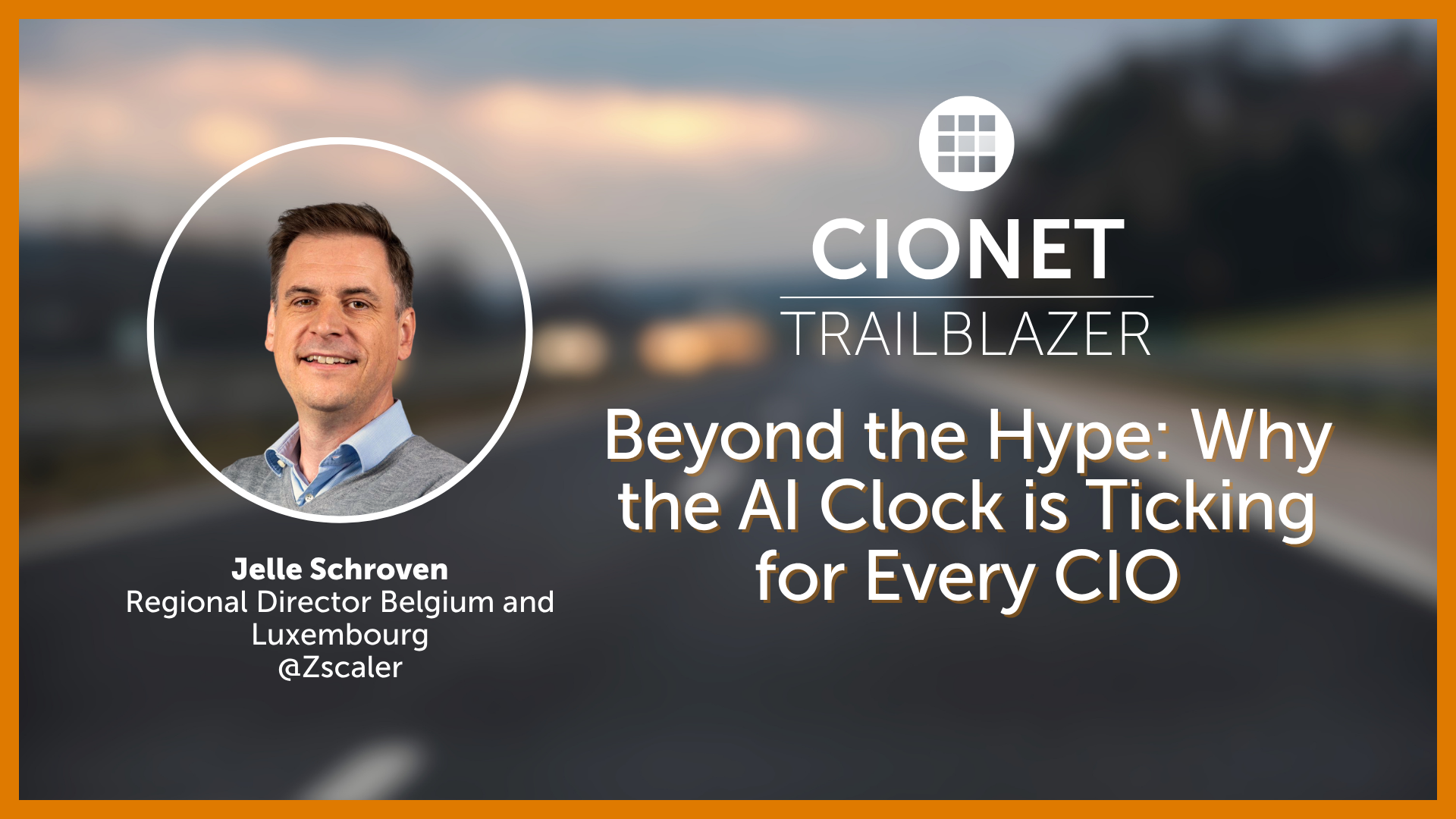
Published on: July 29, 2026 @ 10:08 AM
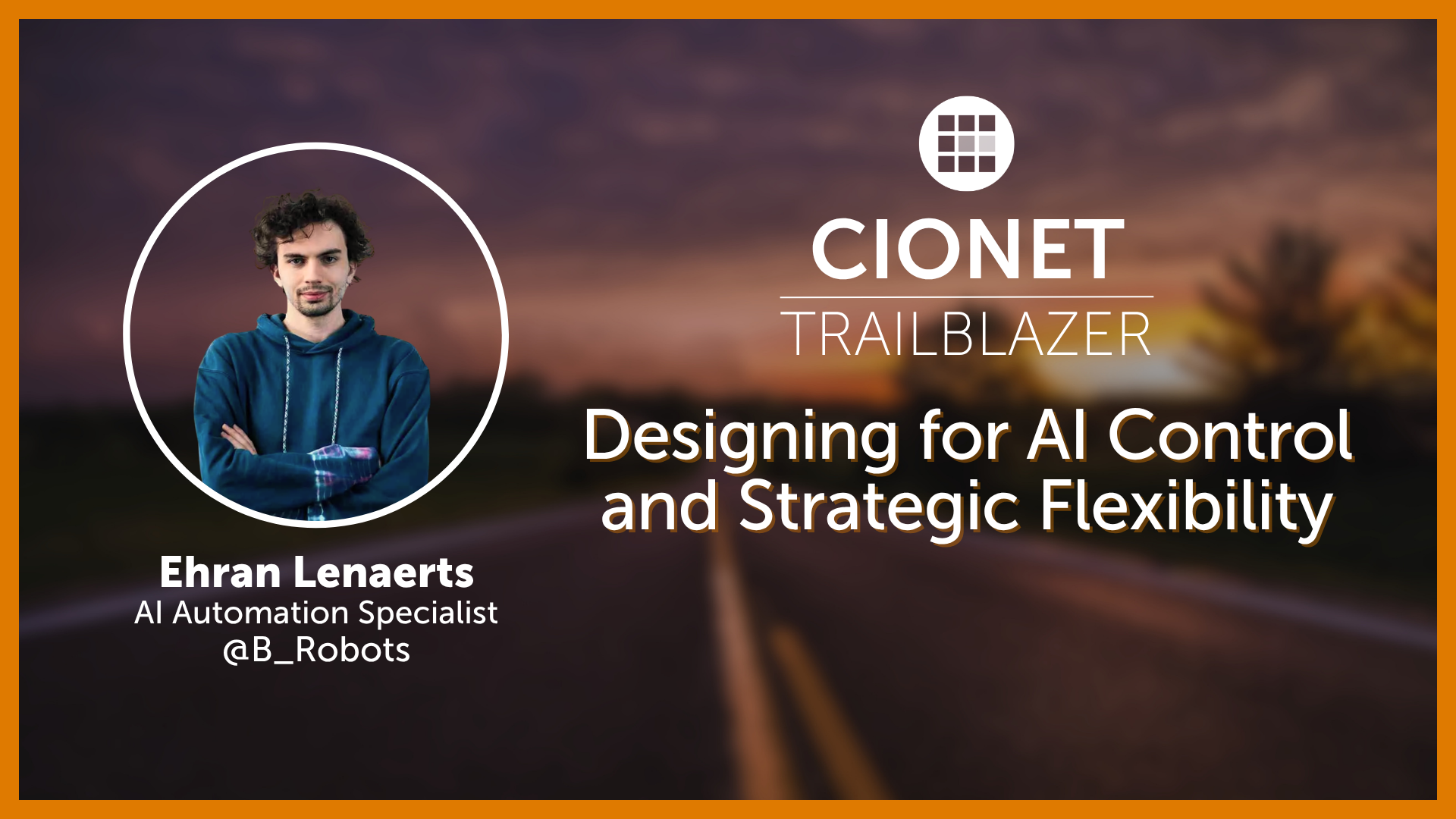
Published on: June 24, 2026 @ 5:00 PM

Published on: May 27, 2026 @ 9:21 AM
Published on: May 07, 2026 @ 4:02 PM
.png)
Published on: April 29, 2026 @ 9:11 AM
Published on: March 26, 2026 @ 3:37 PM
-2.png)
Published on: March 25, 2026 @ 9:58 AM

Published on: March 13, 2026 @ 3:43 PM
-Feb-25-2026-10-01-07-2508-AM.png)
Published on: February 25, 2026 @ 11:01 AM
.png)
Published on: February 25, 2026 @ 9:00 AM

Published on: February 24, 2026 @ 5:00 PM
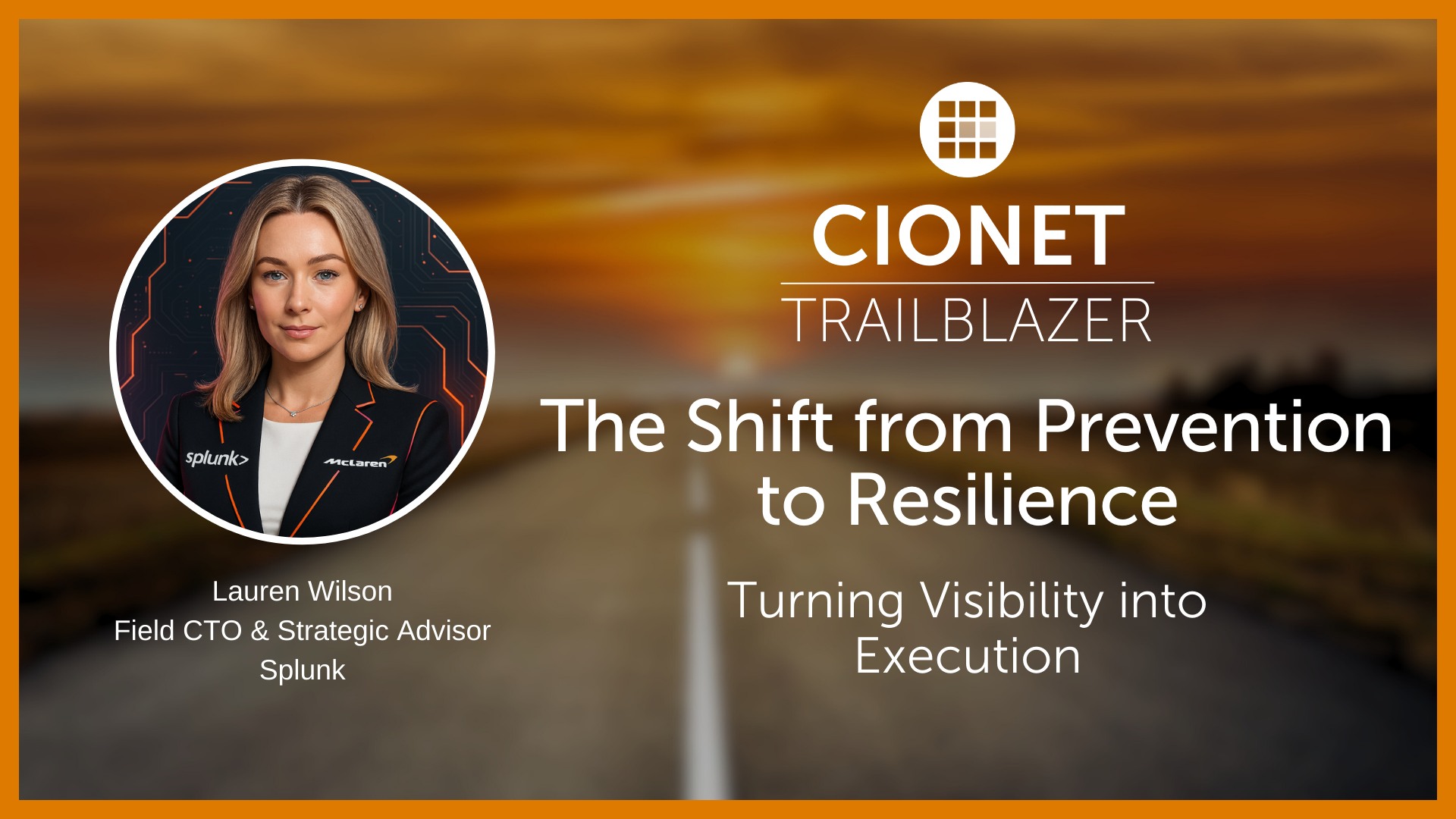
CIONET Trailblazer: CISO: The Shift from Prevention to Resilience: Turning Visibility into Execution
Published on: January 28, 2026 @ 9:48 AM
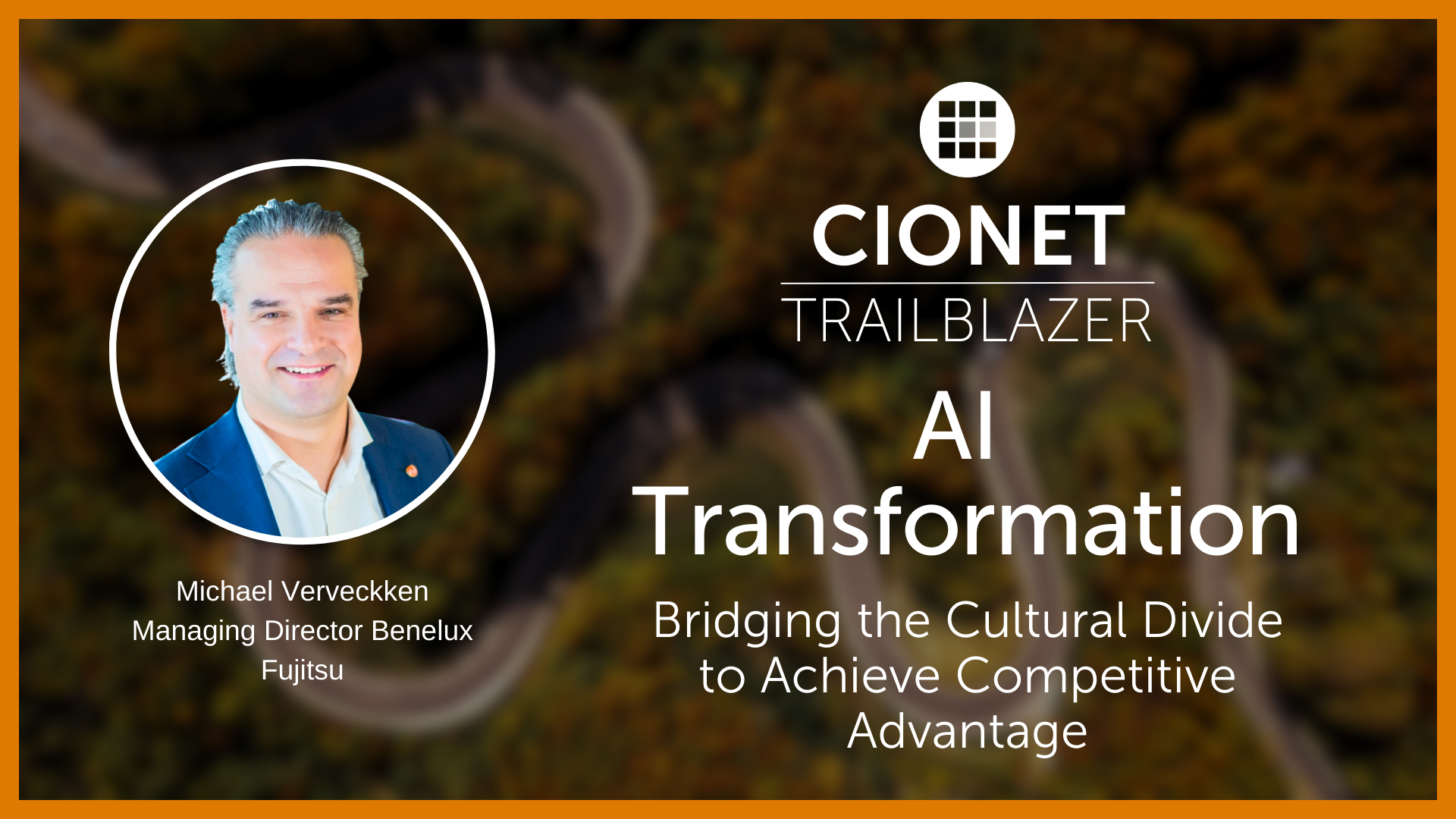
CIONET Trailblazer: AI Transformation: Bridging the Cultural Divide to Achieve Competitive Advantage
Published on: December 17, 2025 @ 9:16 AM
Published on: October 29, 2025 @ 11:31 AM
Published on: July 30, 2025 @ 9:19 AM
Published on: June 25, 2025 @ 9:14 AM
.png)
Published on: April 30, 2025 @ 9:04 AM
-1.png)
Published on: March 26, 2025 @ 9:59 AM
-1.png)
Published on: March 04, 2025 @ 5:07 PM
Published on: February 26, 2025 @ 10:51 AM
Published on: February 25, 2025 @ 4:14 PM
-4.png)
Published on: February 25, 2025 @ 10:33 AM
Published on: January 29, 2025 @ 9:58 AM
Published on: December 18, 2024 @ 9:07 AM
Published on: October 30, 2024 @ 9:34 AM
.png)
Published on: October 29, 2024 @ 11:37 AM
.png)
Published on: September 27, 2024 @ 10:41 AM
Published on: September 25, 2024 @ 8:59 AM

Published on: September 18, 2024 @ 3:44 PM
Published on: August 28, 2024 @ 10:10 AM

Toyo Engineering Automates Complex Engineering Processes with Alteryx
Toyo Engineering, a global EPC leader serving giants like ExxonMobil and BASF, faced a daunting challenge: managing vast, complex datasets. By implementing Alteryx, Toyo revolutionized its operations, automating data processes, improving efficiency, and unlocking new opportunities for innovation
You may not have heard of Toyo Engineering (hereinafter referred to as TOYO), but they have a footprint in many well-known global brands like Exxon Mobile and BASF. The company provides engineering, procurement, and construction (EPC) services for large-scale chemical plants, primarily serving the hydrocarbon (oil and gas) and petrochemical sectors.
Construction of state-of-the-art chemical plants is a massive undertaking that requires precise engineering for every part that is manufactured. The DX Engineering Department at TOYO is at the heart of the process, responsible for engineering tool applications for the company’s EPC projects, including 3D CAD software that is used for the design and fabrication of piping in the plants they build.
The TOYO team uses a solution called Smart 3D (S3D), powered by Hexagon, to digitize every part. The 3D database is huge – just one project contains tens of thousands of tables, with millions of records stored in each table.
In order to extract data for each project, engineers had to combine dozens of tables with SQL and output to a CSV file, and then process with Excel. Each project could take thousands of hours for the millions of records that had to be pulled, cleansed, and consolidated.
Project Team Manager Jifeng Qiu said the process overloaded their resources and wasted valuable time on repetitive, time-consuming tasks. “3D Administrators had to stop their work for a day or two for large data streams,” said Qiu. “Since Excel is not repeatable, they had to do the same task every day or every week.”
The manual process was also vulnerable to human error. “We were copying and pasting from Excel to Excel or even worse, from PDF to Excel,” said Ippei Nakagawa, Alteryx CoE Member at TOYO. “Sometimes a digit or two would be missing but we didn’t realize it because we thought we were doing everything correctly,” said Qiu. The errors wouldn’t be noticed until the process was downstream, sometimes a month or two later, causing expensive and unnecessary delays or re-works.
As part of TOYO’s larger mission to promote digital transformation, the DX Engineering team adopted Alteryx Server and Designer to automate the tedious and time-consuming process of extracting data and generating reports, 3D modeling work and design quality control check.
The key to automating the process was an API connection. With Alteryx, TOYO set up an API with S3D and automated design rules so engineers could build models within Alteryx.
Using Alteryx significantly reduces the number of SQL types and users can create multiple reports (some workflows extract 30 kinds of reports) with different purposes at the same time. Qiu says his team is running more than 100 schedules and generating 250 kinds of reports and 1,700 files every day for multiple projects on Alteryx Server. “Alteryx can make the impossible possible. We have automated the complicated 3D modeling work process required for construction DWG generation by Alteryx, which was considered impossible before introducing Alteryx,” said Daisuke Tsuchiya, 3D CAD R&D Task Leader. He estimates they have saved more than 38,000 hours on one project alone, which equals an 85% reduction in man-hours.
With Alteryx, we can significantly improve the productivity of our data ETL activities, interfacing with Power BI or Tableau for visualization,” said Qiu. “More importantly, it is a repeatable process.
Jifeng Qiu
Project Team Manager, Toyo Engineering
Getting started with Alteryx was easy and contributed to fast time to value. The no-code, low-code, drag-and-drop capabilities enable TOYO users of all skill levels to build workflows and reports without assistance from data experts.
“Alteryx is very easy to use for Excel users without IT or programming skills,” said Motoi Tokimatsu, Senior Engineer of the R&D Team. “They can easily develop workflows and get the required output by themselves.”
Empowering engineers and other business users with automated analytics is accelerating digital transformation efforts and a data-driven culture at TOYO. The time saved using Alteryx is also opening new opportunities for innovation. “We can use the extra time to focus on education and improving design quality,” says Nakagawa.
Improvements in quality have downstream benefits by reducing design changes, re-works and expenses at the construction site. Field Revision Instruction, or FRI, which is issued to construction contractors to solve issues such as modifying pipe routes to solve the clash or design errors. “Having to make a fix to an error found during an FRI can drive up organizational expenses by 10x,” said Qiu.
TOYO’s analytics automation for the design quality control checked by Alteryx has significantly reduced the drawing checking man-hours and number of re-works at the construction site and the risk of having to cover costs resulting from an error being found during the installation.
Qiu sees unlimited possibilities using Alteryx in the future. He envisions leveraging AI for predictive capabilities to estimate how to make better cost estimations for clients based on historical data.
For now, Qiu and his team are happy to have the days of time-consuming, manual work behind them. Instead, they are focusing on using advanced technologies like Alteryx to make flawless products and happy customers.

Alteryx improves productivity and significantly reduces the time spent on repetitive, manual work

Intuitive drag-and-drop capabilities allow users with non-technical backgrounds to build workflows and generate reports with ease

Automating manual processes with Alteryx removes the risk of parts that are not designed to specifications due to human errors

CIONET’s Cyber Circle: a new three-event programme exclusively focusing on the most urgent, complex, and high-impact challenges in cybersecurity today. Launched in 2026, this initiative brings together CISOs, CIOs, and senior IT executives with a strong interest in cybersecurity for three curated gatherings each year. As part of CIONET’s trusted executive community, the Cyber Circle provides a confidential, peer-driven environment to exchange insights, share real-world experiences, and address evolving cyber threats. Each session is designed to foster strategic dialogue, strengthen resilience, and elevate cybersecurity as a core driver of business value.
Read More.png)
The Telenet Business Leadership Circle powered by CIONET, offers a platform where IT executives and thought leaders can meet to inspire each other and share best practices. We want to be a facilitator who helps you optimise the performance of your IT function and your business by embracing the endless opportunities that digital change brings.
Read More
Découvrez la dynamique du leadership numérique aux Rencontres de CIONET, le programme francophone exclusif de CIONET pour les leaders numériques en Belgique, rendu possible grâce au soutien et à l'engagement de nos partenaires de programme : Deloitte, Denodo et Red Hat. Rejoignez trois événements inspirants par an à Liège, Namur et en Brabant Wallon, où des CIOs et des experts numériques francophones de premier plan partagent leurs perspectives et expériences sur des thèmes d'affaires et de IT actuels. Laissez-vous inspirer et apprenez des meilleurs du secteur lors de sessions captivantes conçues spécialement pour soutenir et enrichir votre rôle en tant que CIO pair. Ne manquez pas cette opportunité de faire partie d'un réseau exceptionnel d'innovateurs numériques !
Read More.jpg)
CIONET is committed to highlighting and celebrating female role models in IT, Tech & Digital, creating a leadership programme that empowers and elevates women within the tech industry. This initiative is dedicated to showcasing the achievements and successes of leading women, fostering an environment where female role models are recognised, and their contributions can ignite progress and inspire the next generation of women in IT. Our mission is to shine the spotlight a little brighter on female role models in IT, Tech & Digital, and to empower each other through this inner network community.
Read More


-Apr-01-2022-10-58-34-57-AM.png)









-Dec-13-2023-10-53-15-5032-AM.png)



-Jun-12-2023-01-23-11-7540-PM.png)



-Apr-01-2022-10-58-34-68-AM.png)






.png)


%20(003).png)

.png)


.png)










-Sep-01-2022-02-47-55-60-PM.png)
-Nov-22-2023-08-56-42-6802-AM.png)
.png)


.png "be-page-banner (1)")
.png)
.png)
.png)
.png)