

.png)
Belgium 20-10-2026 Squad Only Virtual English
Cloud decisions are becoming more selective. The challenge is deciding where each workload should run based on cost, performance, control, resilience, sovereignty, and business need. Three pressure points usually drive the decision. - Cost visibility becomes harder when usage grows across cloud services, data platforms, and AI workloads. - Performance and latency matter more when systems need fast access to data or support operational processes. - Sovereignty and resilience become critical when data location, continuity, vendor dependency, and exit options enter the discussion. The working question is simple: how do we place workloads where they create the most value while keeping the hybrid landscape manageable? If these trade-offs are on your agenda, let’s compare how others are handling similar choices.
Read More.png)
Belgium 10-11-2026 Squad Only Virtual English
Data platforms are meant to simplify access and support better use of data. The challenge is choosing and governing the platform landscape in a way that creates consistency, reuse, and long-term value. Three pressure points usually appear. - Platform choice becomes difficult when teams have different needs for speed, flexibility, cost, and control. - Business meaning needs protection: customer, revenue, product, risk, and FTE need shared definitions across tools. - Ownership and governance need to be clear, so platforms grow with accountability and discipline. The working question is simple: how do we give teams the data capabilities they need while keeping the platform landscape understandable, governed, and reusable? If these questions are familiar, let’s compare approaches with others facing the same data landscape.
Read More.png)
Belgium 13-11-2026 Squad Only Physical English
Many IT capabilities are essential and difficult to fund through a simple project ROI. The challenge is showing why architecture, governance, resilience, cybersecurity maturity, data foundations, and AI readiness deserve investment before the gap becomes expensive. Three pressure points make the case harder. - Shared value means the benefit often sits across several teams, while the budget sits in one place. - Timing creates friction because the cost is immediate while the value appears over time. - Risk translation is needed so business and finance leaders understand the consequence of delaying the investment. The working question is simple: how do we turn foundational IT capabilities into credible investment cases that link cost, risk, business value, and future flexibility? If you are building these cases internally, let’s compare how others are positioning value, risk, and timing.
Read More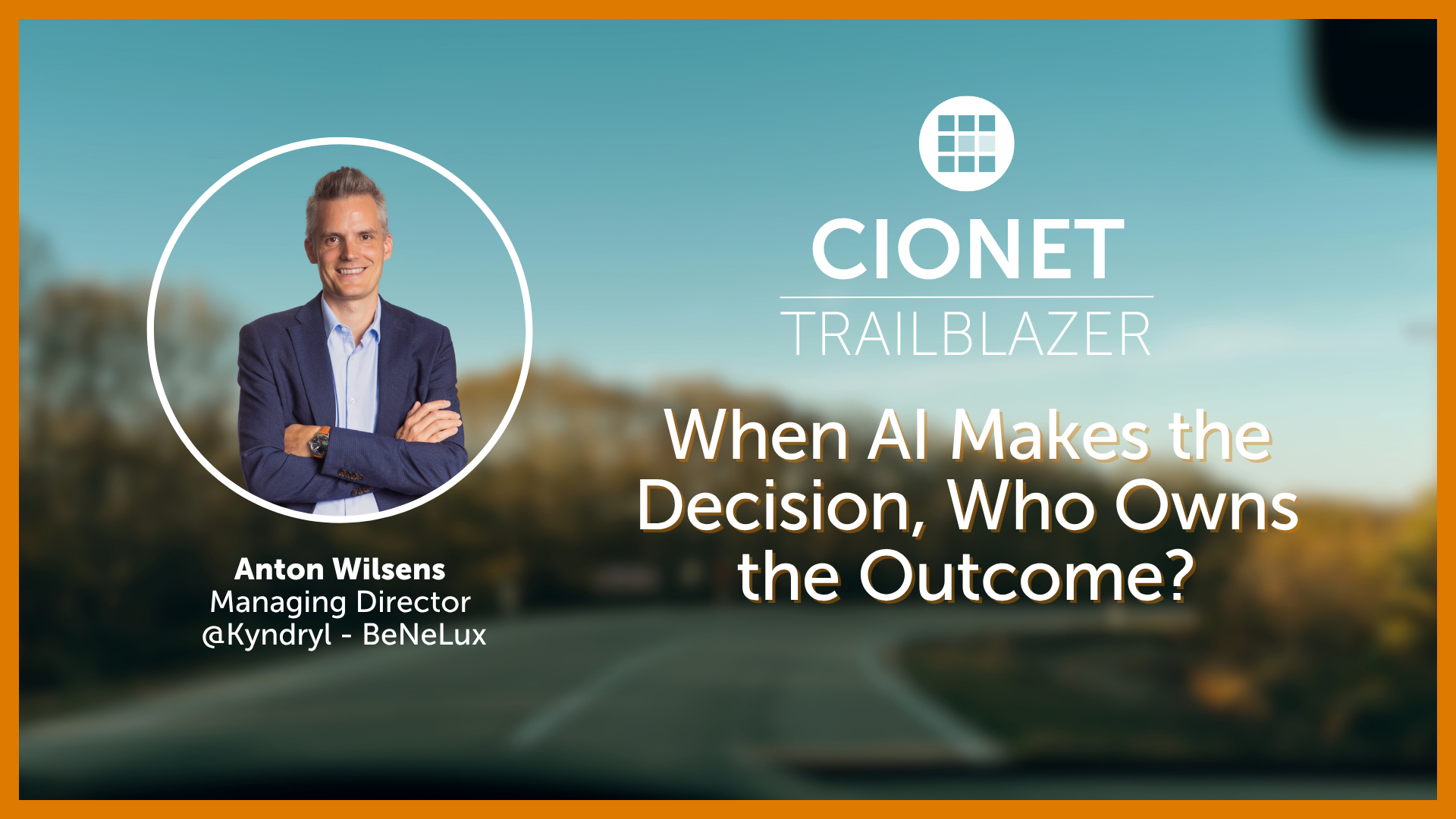
Published on: September 30, 2026 @ 1:17 PM
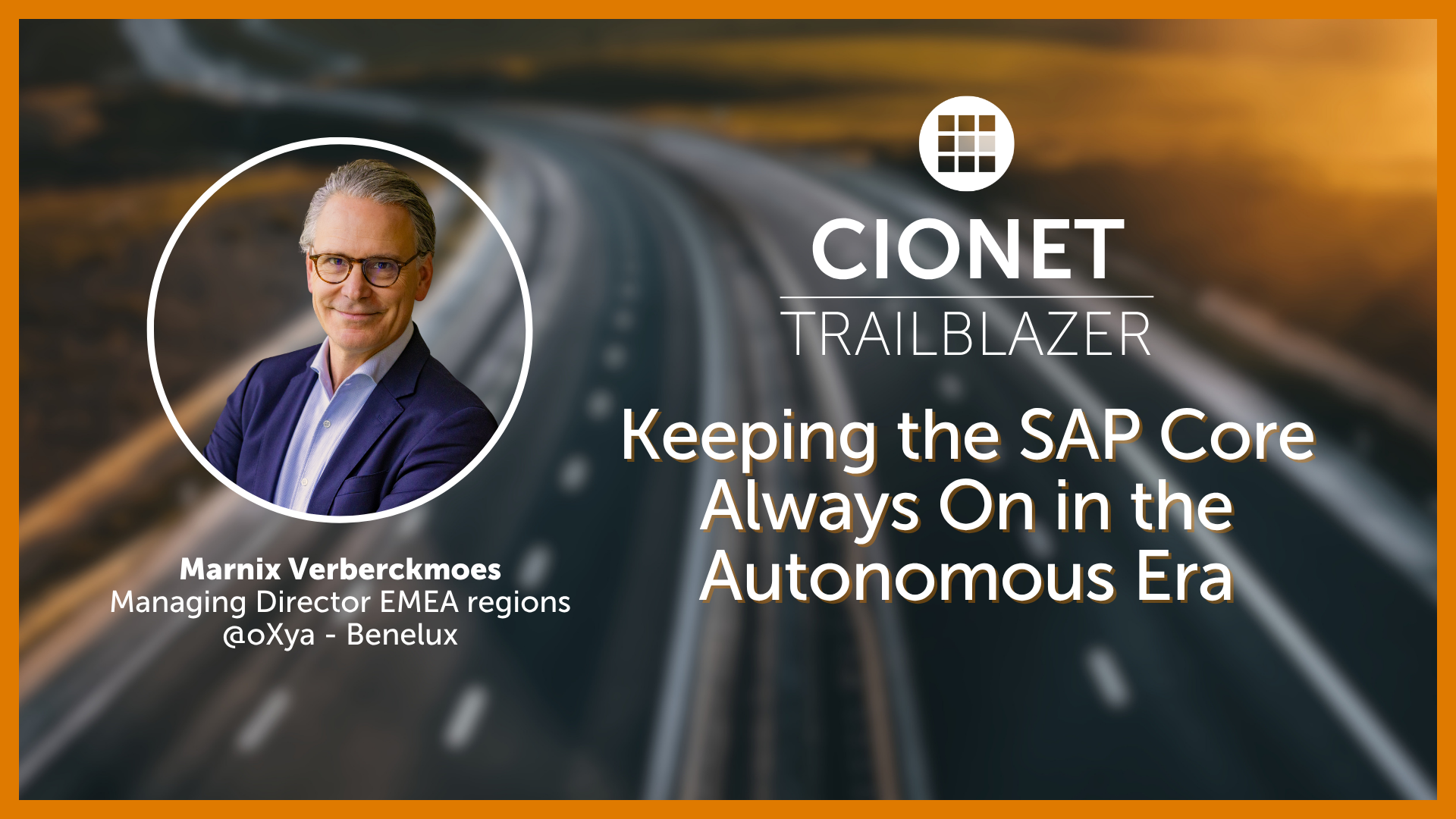
Published on: August 26, 2026 @ 9:13 AM
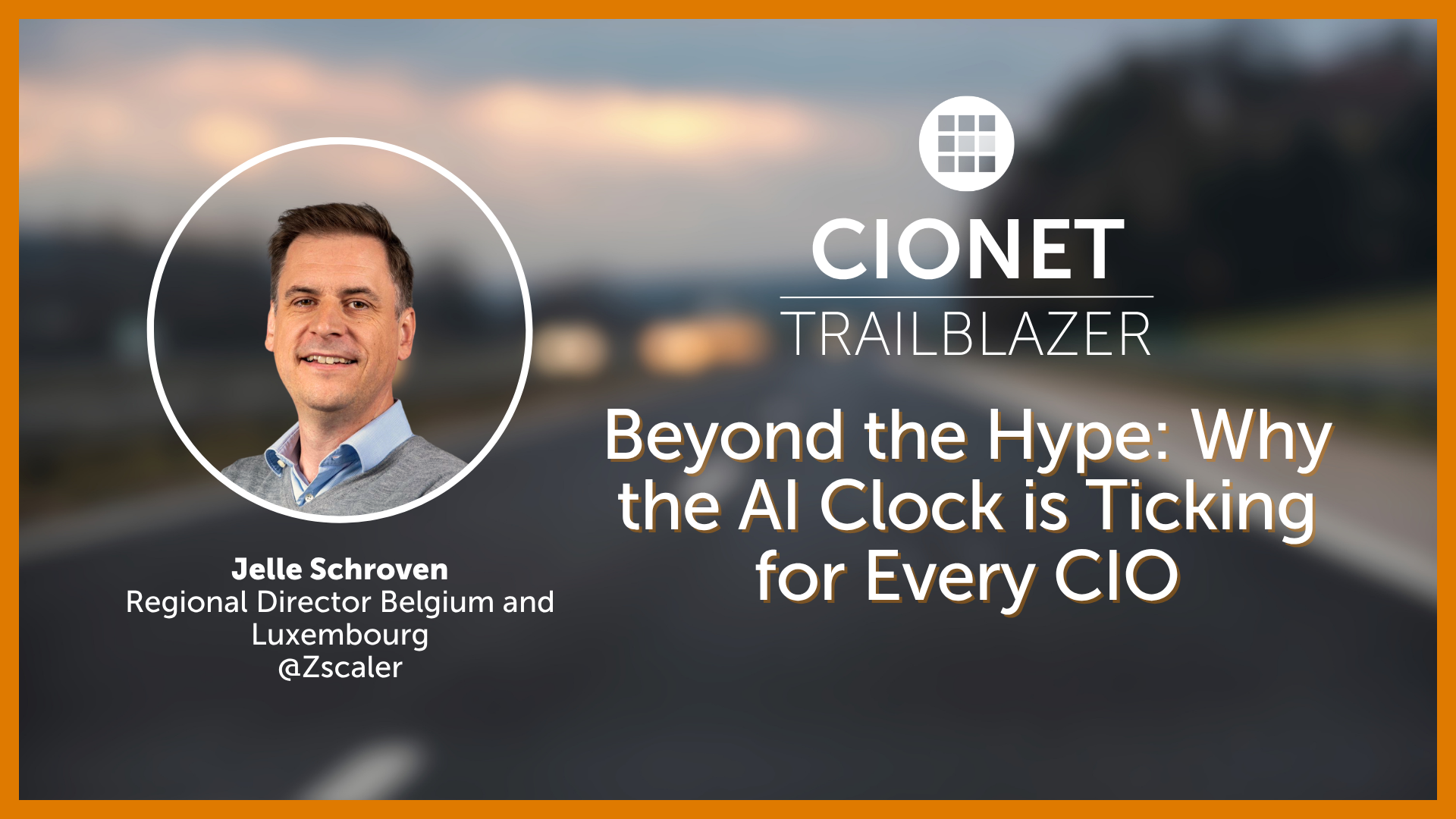
Published on: July 29, 2026 @ 10:08 AM
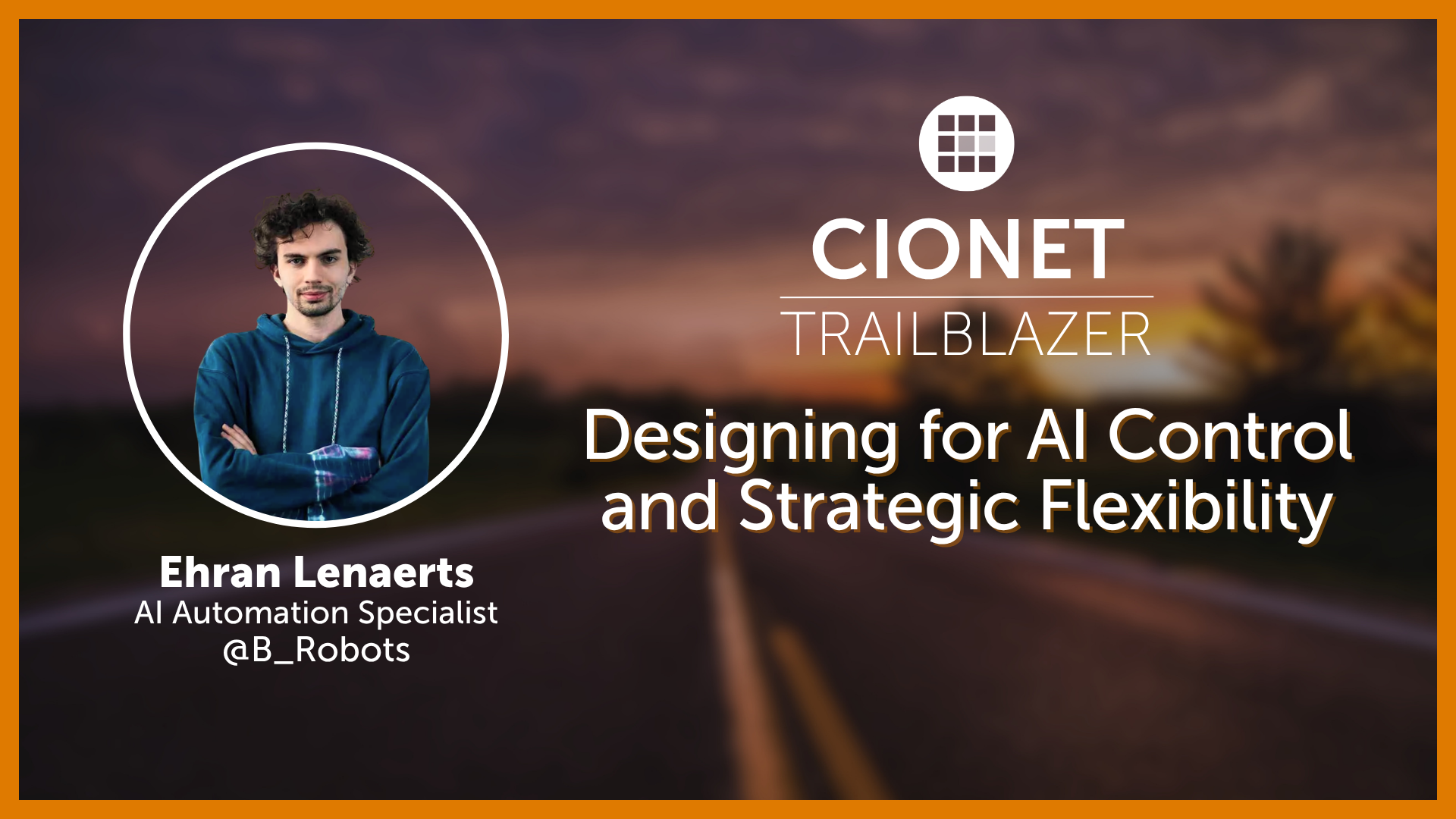
Published on: June 24, 2026 @ 5:00 PM
Published on: May 27, 2026 @ 9:21 AM
Published on: May 07, 2026 @ 4:02 PM
.png)
Published on: April 29, 2026 @ 9:11 AM
Published on: March 26, 2026 @ 3:37 PM
-2.png)
Published on: March 25, 2026 @ 9:58 AM
Published on: March 13, 2026 @ 3:43 PM
-Feb-25-2026-10-01-07-2508-AM.png)
Published on: February 25, 2026 @ 11:01 AM
.png)
Published on: February 25, 2026 @ 9:00 AM

Published on: February 24, 2026 @ 5:00 PM
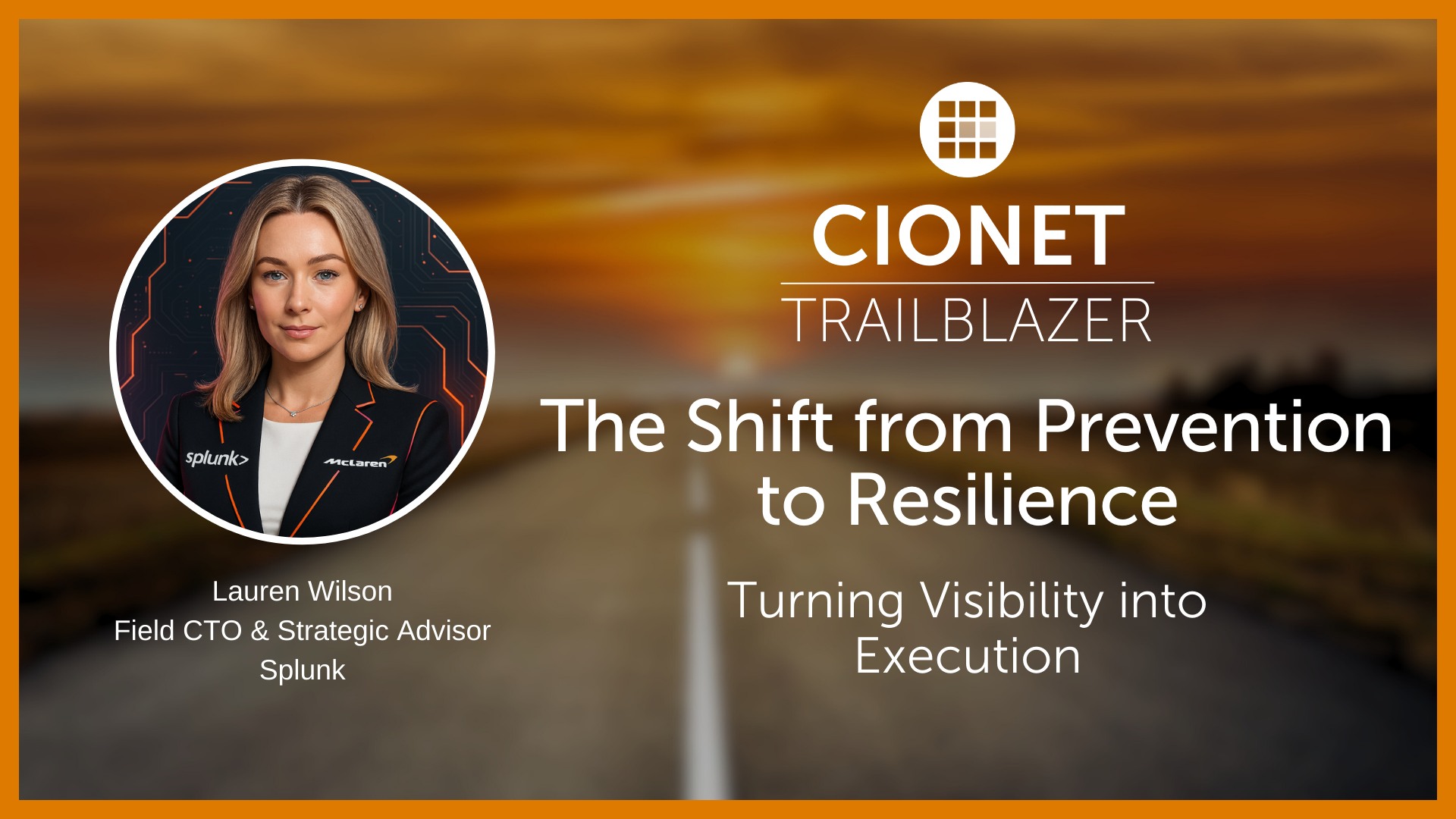
CIONET Trailblazer: CISO: The Shift from Prevention to Resilience: Turning Visibility into Execution
Published on: January 28, 2026 @ 9:48 AM
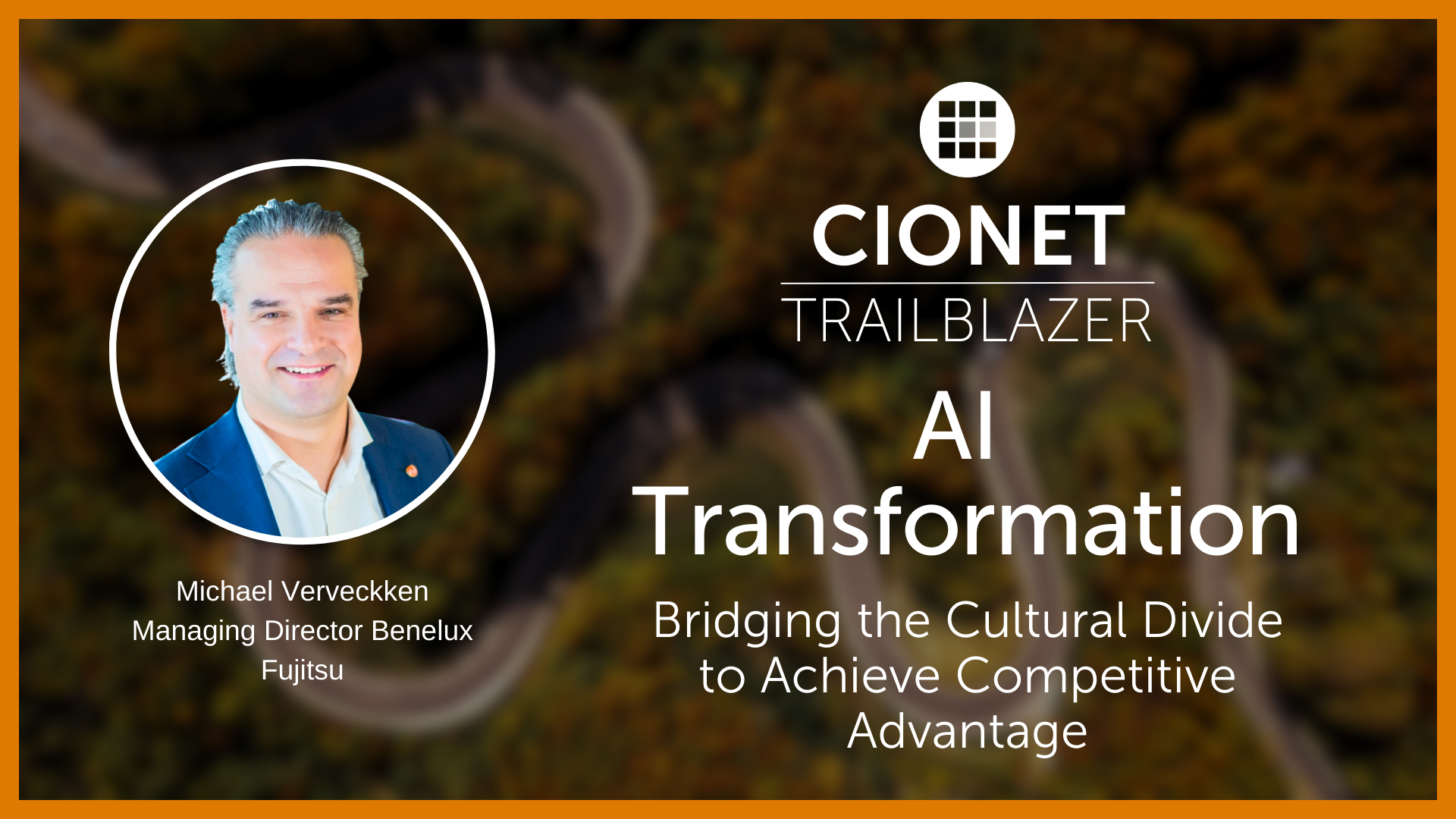
CIONET Trailblazer: AI Transformation: Bridging the Cultural Divide to Achieve Competitive Advantage
Published on: December 17, 2025 @ 9:16 AM
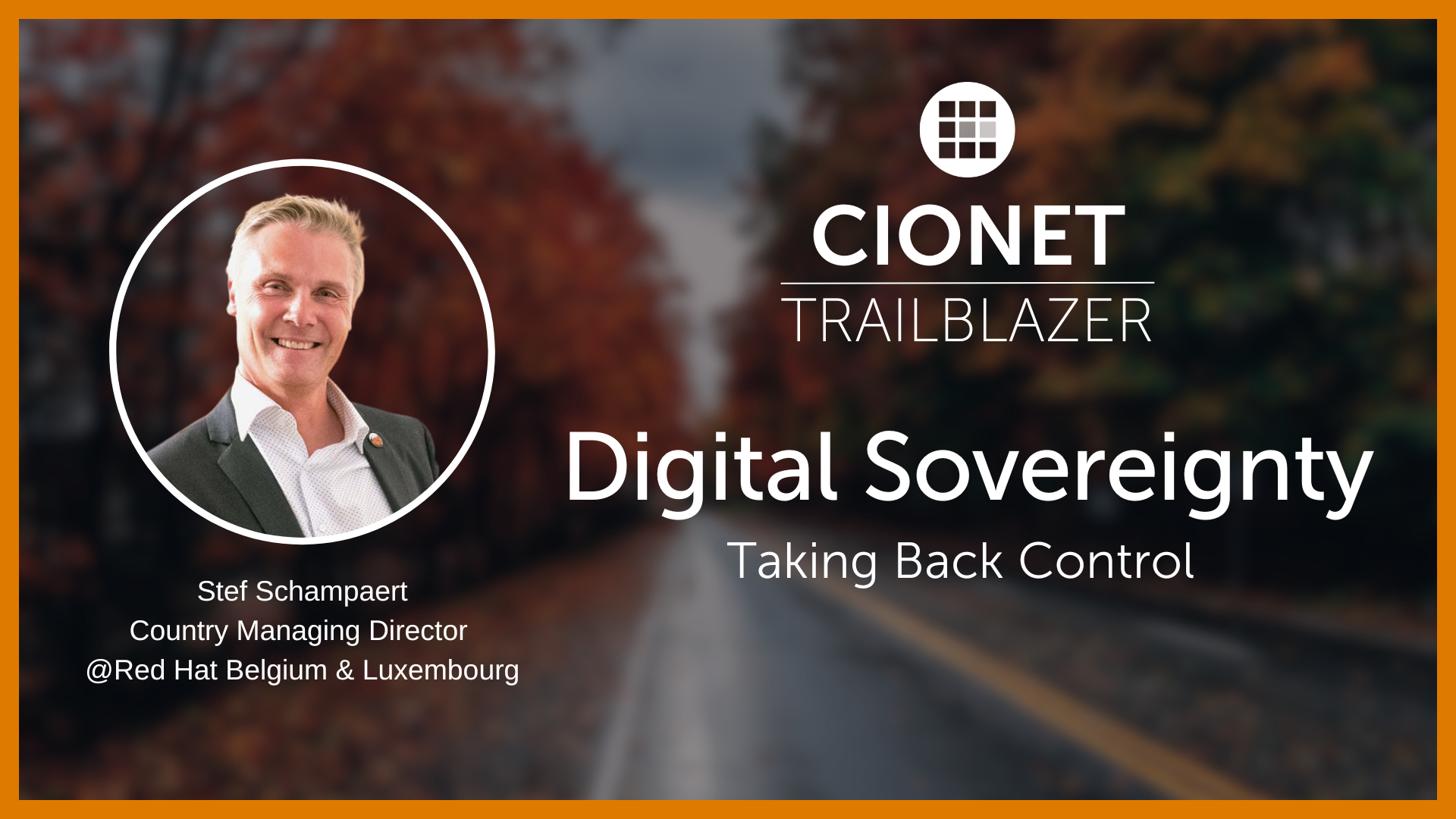
Published on: October 29, 2025 @ 11:31 AM
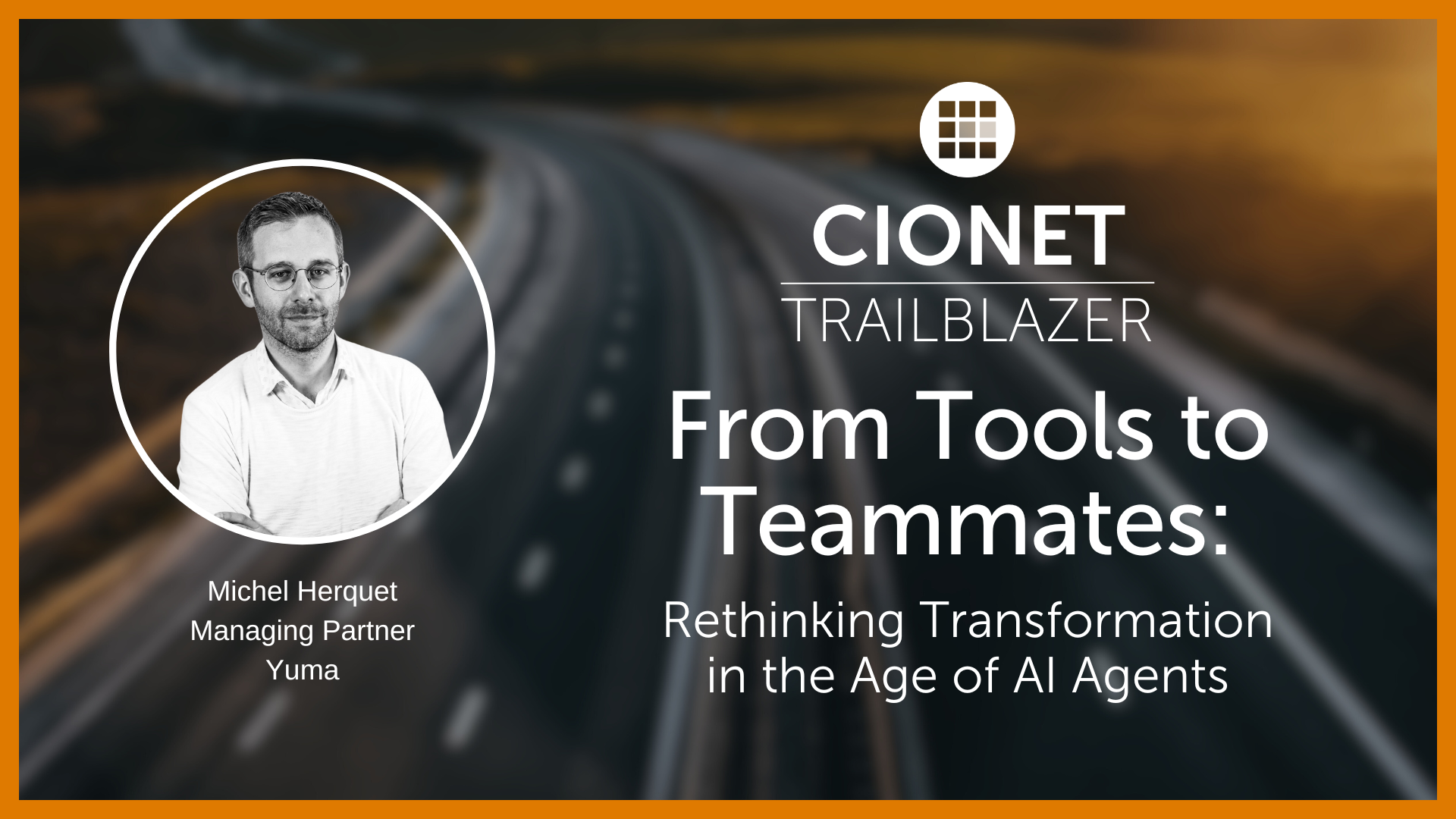
Published on: July 30, 2025 @ 9:19 AM

Published on: June 25, 2025 @ 9:14 AM
.png)
Published on: April 30, 2025 @ 9:04 AM
-1.png)
Published on: March 26, 2025 @ 9:59 AM
-1.png)
Published on: March 04, 2025 @ 5:07 PM

Published on: February 26, 2025 @ 10:51 AM
Published on: February 25, 2025 @ 4:14 PM
-4.png)
Published on: February 25, 2025 @ 10:33 AM
Published on: January 29, 2025 @ 9:58 AM
Published on: December 18, 2024 @ 9:07 AM
Published on: October 30, 2024 @ 9:34 AM
.png)
Published on: October 29, 2024 @ 11:37 AM
.png)
Published on: September 27, 2024 @ 10:41 AM

Published on: September 25, 2024 @ 8:59 AM
Published on: September 18, 2024 @ 3:44 PM

Published on: August 28, 2024 @ 10:10 AM

Georgia Ministry improves experience for users and IT staff alike
This case study examines how the Ministry of Education and Science of Georgia partnered with Orient Logic to support remote learning. By redesigning its IT landscape using Red Hat® OpenShift® and Red Hat Application Foundations, the Ministry improved the user's experience, reduced outages, and accelerated software releases.
In the early days of the COVID-19 pandemic, the Ministry of Education and Science of Georgia
(the Ministry) realized that it needed to adapt its software so it could offer students remote
learning. Its Education Management Information System (EMIS) was the core system that
needed to change. IT partner Orient Logic worked with the Ministry’s EMIS IT department to
redesign the Ministry’s IT landscape based on Red Hat OpenShift and Red Hat Application
Foundations (formerly Red Hat Integration). As a result, the Ministry not only supported remote
learning but also improved the student and teacher experience, reducing outages by 99% and
accelerating software releases from once every few months to daily. The new IT environment
also improved the work life of its IT staff
Adapting to the new reality of remote learning
When the COVID-19 pandemic hit, schools and universities around the world faced an unexpected
and unplanned crisis that demanded rapid change. Many educational institutes struggled to adapt
their lessons and teaching resources to constantly changing circumstances and implement distance
learning at very short notice.
The Ministry of Education and Science of Georgia was no exception. It became apparent that its
software was not designed for remote learning. The Ministry has a highly centralized education
system, with all public schools falling under the Ministry of Education. The software used for
assignments, grades, schedules, and so on—the Education Management Information System (EMIS)—
had 600,000 users, with around 15,000 to 20,000 logged in simultaneously on any given day.
EMIS had struggled to cope with peak loads even before the pandemic demanded distance learning.
First-grade registration caused a major surge each year. “There is 1 day a year when the whole
country tries to register their first graders,” said David Tatishvili, Deputy Head of EMIS at the Ministry
of Education and Science of Georgia. “Capacity had to be planned for the maximum number of
simultaneous users, up to 100,000. It meant we had a huge infrastructure just to accommodate that
one day.”
With systems monolithic and tightly coupled, data integration between systems took place
via database synchronization procedures every night, and all systems had to be stopped until
synchronization was complete. “At least once or twice a month, there was a sync error, which meant
the IT team had to work overnight to fix it to prevent system outage or data corruption,” said Merab
Gogolauri, Software Development and Cloud Infrastructure Director at the Ministry’s preferred IT
partner, Orient Logic.
Parents would give negative feedback if the system went down. “It was impossible to introduce rapid
changes without breaking something,” said Tatishvili. “That would lead to angry users storming EMIS
communication and social media channels throughout Georgia.”
Adopting a microservices approach
Needing a way to rapidly adapt its existing systems to the new reality, the Ministry turned to Orient
Logic. “We had to rapidly change and adapt the EMIS as the Ministry switched to distance learning
through Microsoft Teams,” said Gogolauri. “Agile software development and agile infrastructure
would help the Ministry reduce problems and resolve integration concerns.”
Orient Logic worked with the EMIS IT team to redesign the Ministry of Education’s IT landscape
based on Red Hat OpenShift and Red Hat Application Foundations (formerly Red Hat Integration).
The aim was to move toward a new system based on microservices, which would be more modern
and more agile, and could be rapidly developed and expanded.
Red Hat OpenShift operates as a central data integration hub for all applications. This cloud-native
application platform runs on the Ministry’s own cloud environment. Red Hat Application Foundations
provides data exchange, API management, and security for integration with external entities.
“EMIS used to have a lot of manual deployment, but now it’s all automatic,” said Gogolauri.
“Some systems are integrated directly through APIs.”
Improving user experience by reducing outages
Reduced system outages by 99%
Major upgrades in EMIS have significantly improved stability and, with that, user experience for teachers,
parents, and students in Georgia. Bugs no longer break the system and synchronization,
which was problematic before, now works flawlessly.
“We have not had major problems—even once—since deploying Red Hat Application Foundations to
replace our legacy data synchronization,” said Tatishvili.
Although Georgia has returned to offline learning in a classroom setting, distance learning could
easily be accommodated again if needed without causing the issues and, therefore, the downtime
seen during COVID. “The system is more robust now,” said Gogolauri.
Improved experience for IT staff
The modernizations and improvements are much appreciated by IT staff who no longer need to work
nights on quick fixes. The container separation found in Red Hat OpenShift has been particularly
welcome, as have the new rollback capabilities.
“We provided EMIS with a future-ready, technically superior solution based on Red Hat OpenShift,
where even if one system fails, it does not impact other systems at all,” said Gogolauri. “Any change
to any system is quick and easy. And if there is a problem, it is very local and EMIS can be rolled back
to the previous stable version with 1 click.”
Accelerated software releases daily
Implementing new development approaches and tools enabled by Red Hat OpenShift, including CI/CD
and GitOps, means software releases are significantly more efficient and frequent now. It used to take
several hours to manually deploy them and, as a result, it was only practical to deliver large numbers of
them once every few months.
“Implementing CI/CD and GitOps has streamlined the software development process,” said Gogolauri.
“We write it, Red Hat OpenShift deploys it, and no engineering assistance is needed. We can deploy
new software in small increments several times a day, accelerating software development projects.”
Building on pandemic success by revising legacy core systems
From the perspective of the Ministry of Education and Science of Georgia, the new environment is a vast
improvement. The EMIS team has not been shy about recommending the rollout of Red Hat technologies
to other parts of the government. “The EMIS team has been telling people how happy they are with the
results,” said Tatishvili. “Informal user feedback from teachers and parents has also been very positive.”
Orient Logic is proud and happy to have helped the Ministry: “Synchronization was our headache, too;
we also helped them to be a lot more successful. All these changes led to a significant increase in
user satisfaction as there are no application outages anymore. They can also add new functionality to
applications on a daily basis,” said Gogolauri.
The next step is for EMIS to revise its old core systems, rewriting everything as microservices, and
implementing new features and software. “We have achieved ongoing development,” said Gogolauri.
“Our Red Hat technologies are based on leading open-source projects and provide unmatchedcapabilities to integrate any systems EMIS might require in future.”
About the Ministry of Education and Science of Georgia
The Ministry of Education and Science of Georgia aims to establish a modern and innovative
educational environment in close cooperation with civil society, providing lifelong learning and equal
access to quality education, in order to prepare each individual for future life and promote employment,
personal and professional development. In 2012, the Education Management Information System
(EMIS) was founded. By developing advanced information and communication technologies and an
electronic education management system, EMIS aims to further support the education sector
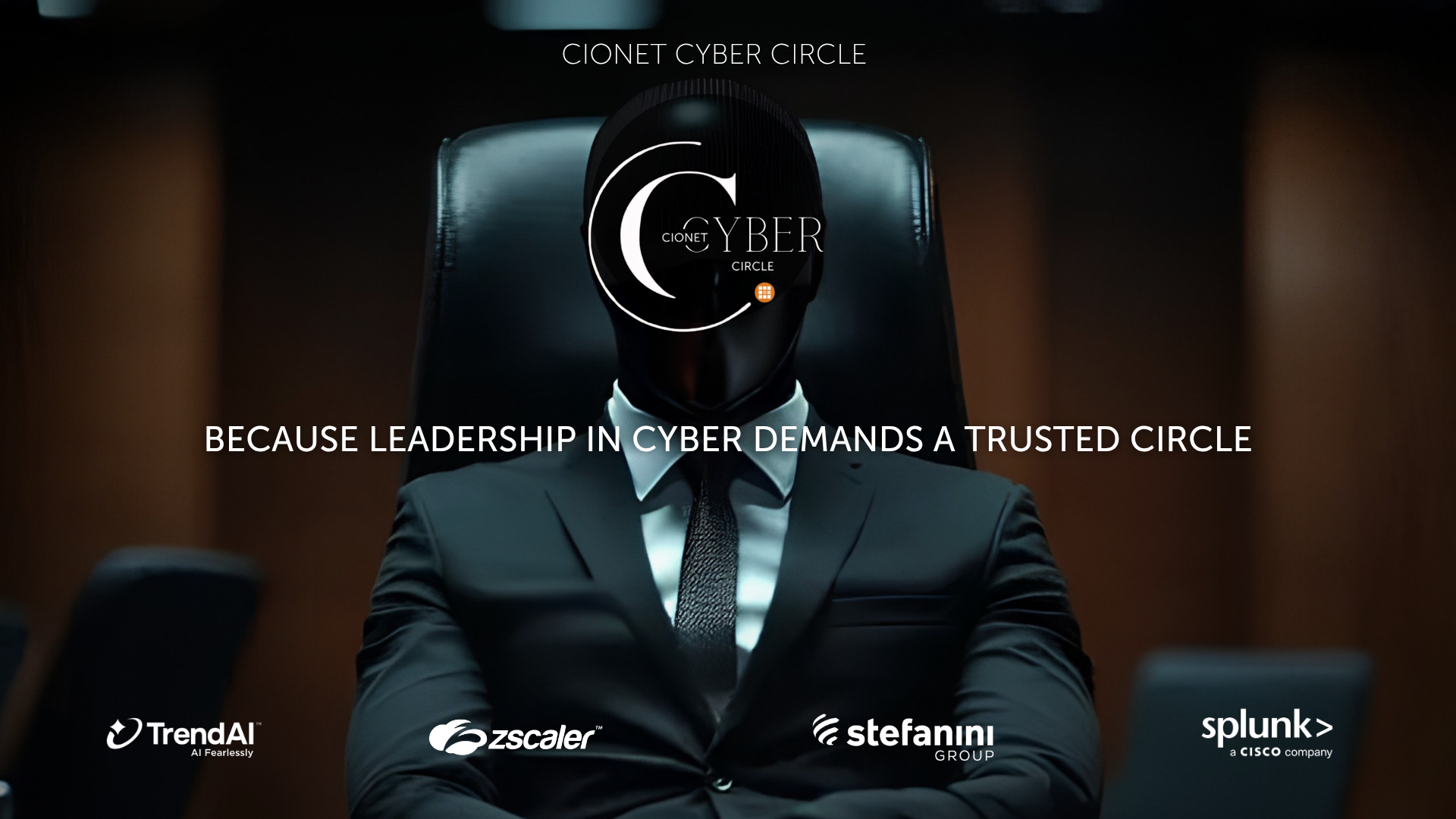
CIONET’s Cyber Circle: a new three-event programme exclusively focusing on the most urgent, complex, and high-impact challenges in cybersecurity today. Launched in 2026, this initiative brings together CISOs, CIOs, and senior IT executives with a strong interest in cybersecurity for three curated gatherings each year. As part of CIONET’s trusted executive community, the Cyber Circle provides a confidential, peer-driven environment to exchange insights, share real-world experiences, and address evolving cyber threats. Each session is designed to foster strategic dialogue, strengthen resilience, and elevate cybersecurity as a core driver of business value.
Read More.png)
The Telenet Business Leadership Circle powered by CIONET, offers a platform where IT executives and thought leaders can meet to inspire each other and share best practices. We want to be a facilitator who helps you optimise the performance of your IT function and your business by embracing the endless opportunities that digital change brings.
Read More
Découvrez la dynamique du leadership numérique aux Rencontres de CIONET, le programme francophone exclusif de CIONET pour les leaders numériques en Belgique, rendu possible grâce au soutien et à l'engagement de nos partenaires de programme : Deloitte, Denodo et Red Hat. Rejoignez trois événements inspirants par an à Liège, Namur et en Brabant Wallon, où des CIOs et des experts numériques francophones de premier plan partagent leurs perspectives et expériences sur des thèmes d'affaires et de IT actuels. Laissez-vous inspirer et apprenez des meilleurs du secteur lors de sessions captivantes conçues spécialement pour soutenir et enrichir votre rôle en tant que CIO pair. Ne manquez pas cette opportunité de faire partie d'un réseau exceptionnel d'innovateurs numériques !
Read More.jpg)
CIONET is committed to highlighting and celebrating female role models in IT, Tech & Digital, creating a leadership programme that empowers and elevates women within the tech industry. This initiative is dedicated to showcasing the achievements and successes of leading women, fostering an environment where female role models are recognised, and their contributions can ignite progress and inspire the next generation of women in IT. Our mission is to shine the spotlight a little brighter on female role models in IT, Tech & Digital, and to empower each other through this inner network community.
Read More


-Apr-01-2022-10-58-34-57-AM.png)









-Dec-13-2023-10-53-15-5032-AM.png)



-Jun-12-2023-01-23-11-7540-PM.png)




-Apr-01-2022-10-58-34-68-AM.png)






.png)



%20(003).png)


.png)

.png)









-Sep-01-2022-02-47-55-60-PM.png)
-Nov-22-2023-08-56-42-6802-AM.png)
.png)


.png "be-page-banner (1)")


.png)
.png)
.png)
.png)