

.png)
Belgium 20-10-2026 Squad Only Virtual English
Cloud decisions are becoming more selective. The challenge is deciding where each workload should run based on cost, performance, control, resilience, sovereignty, and business need. Three pressure points usually drive the decision. - Cost visibility becomes harder when usage grows across cloud services, data platforms, and AI workloads. - Performance and latency matter more when systems need fast access to data or support operational processes. - Sovereignty and resilience become critical when data location, continuity, vendor dependency, and exit options enter the discussion. The working question is simple: how do we place workloads where they create the most value while keeping the hybrid landscape manageable? If these trade-offs are on your agenda, let’s compare how others are handling similar choices.
Read More.png)
Belgium 10-11-2026 Squad Only Virtual English
Data platforms are meant to simplify access and support better use of data. The challenge is choosing and governing the platform landscape in a way that creates consistency, reuse, and long-term value. Three pressure points usually appear. - Platform choice becomes difficult when teams have different needs for speed, flexibility, cost, and control. - Business meaning needs protection: customer, revenue, product, risk, and FTE need shared definitions across tools. - Ownership and governance need to be clear, so platforms grow with accountability and discipline. The working question is simple: how do we give teams the data capabilities they need while keeping the platform landscape understandable, governed, and reusable? If these questions are familiar, let’s compare approaches with others facing the same data landscape.
Read More.png)
Belgium 13-11-2026 Squad Only Physical English
Many IT capabilities are essential and difficult to fund through a simple project ROI. The challenge is showing why architecture, governance, resilience, cybersecurity maturity, data foundations, and AI readiness deserve investment before the gap becomes expensive. Three pressure points make the case harder. - Shared value means the benefit often sits across several teams, while the budget sits in one place. - Timing creates friction because the cost is immediate while the value appears over time. - Risk translation is needed so business and finance leaders understand the consequence of delaying the investment. The working question is simple: how do we turn foundational IT capabilities into credible investment cases that link cost, risk, business value, and future flexibility? If you are building these cases internally, let’s compare how others are positioning value, risk, and timing.
Read More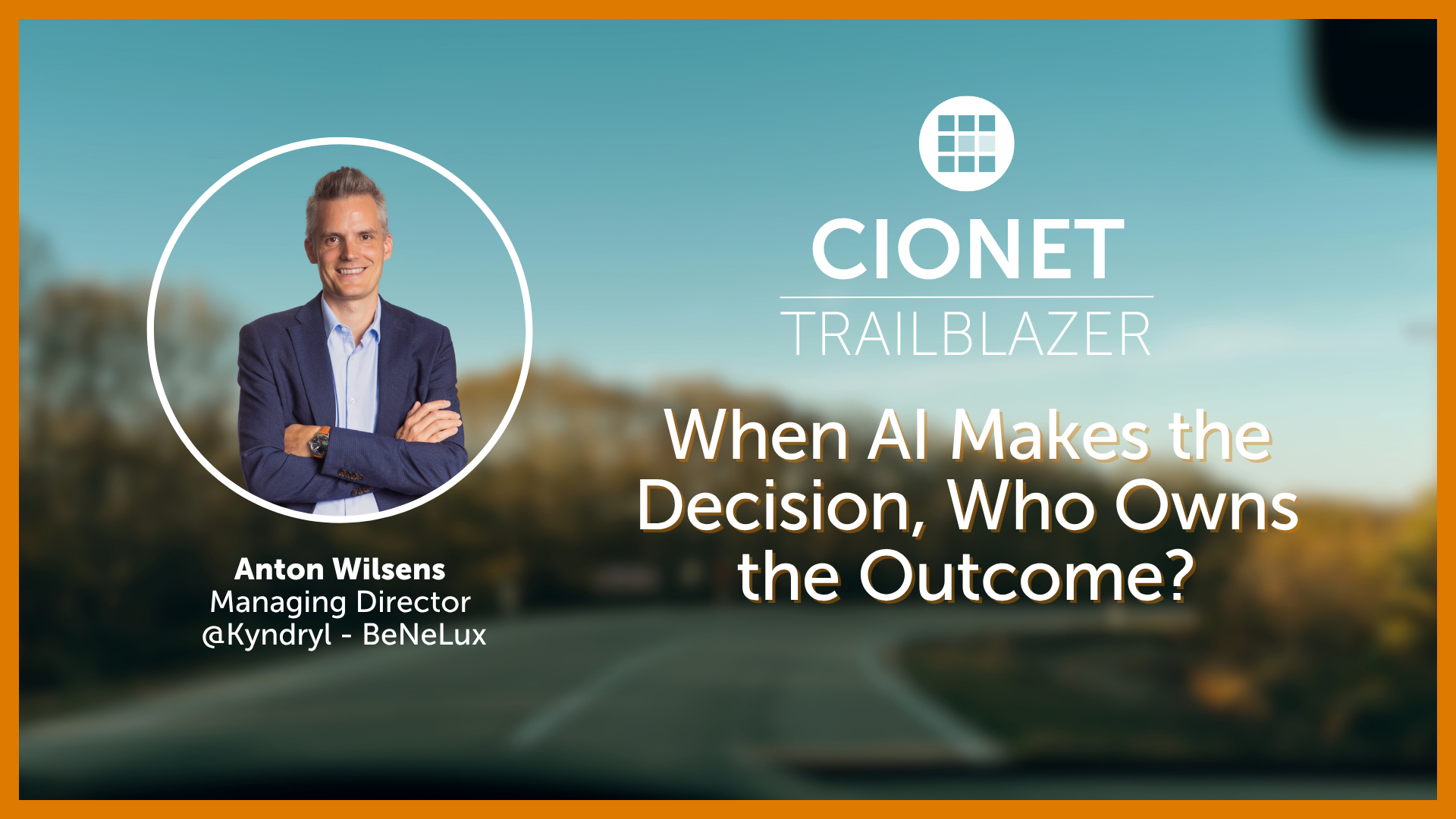
Published on: September 30, 2026 @ 1:17 PM
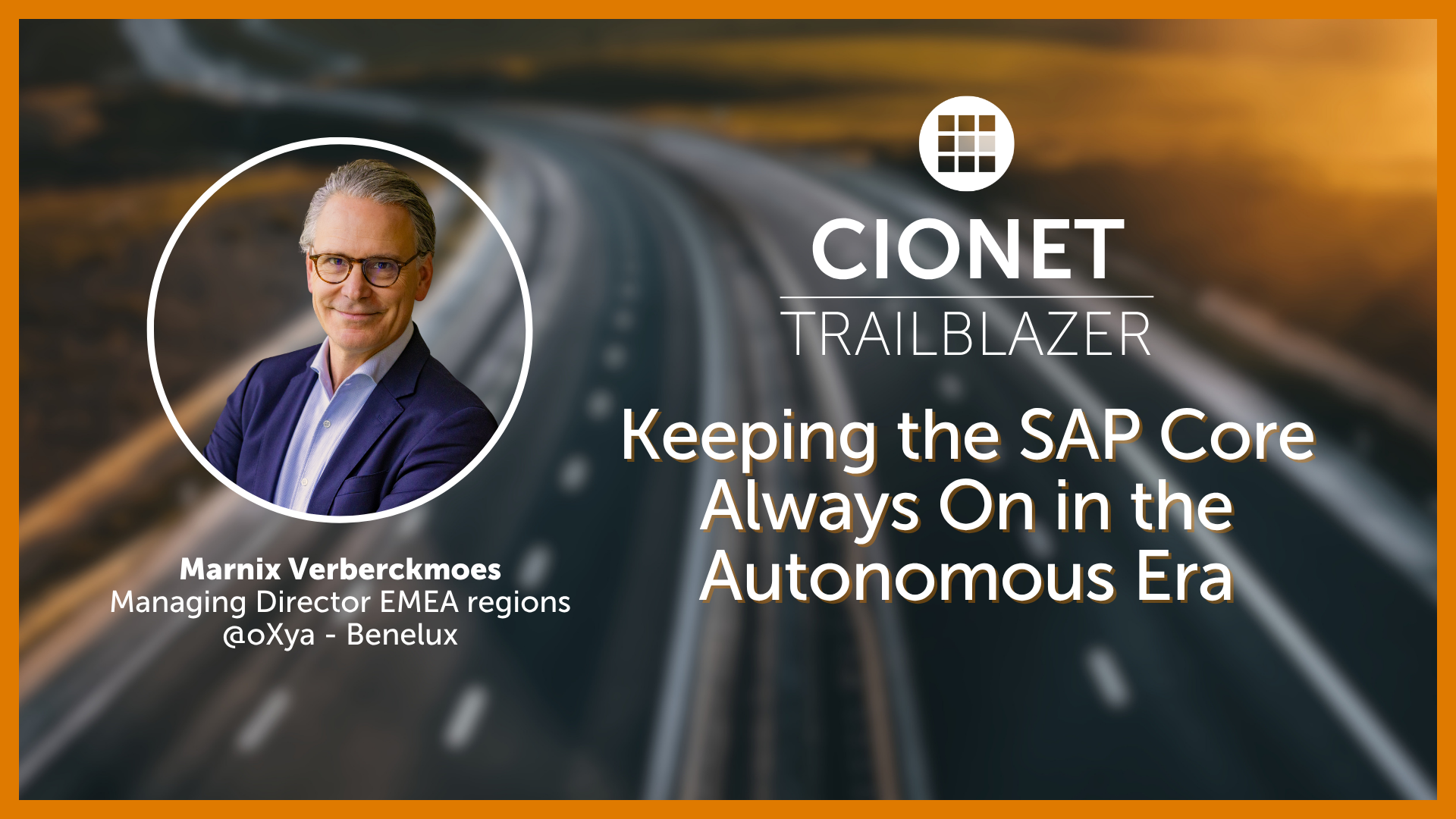
Published on: August 26, 2026 @ 9:13 AM
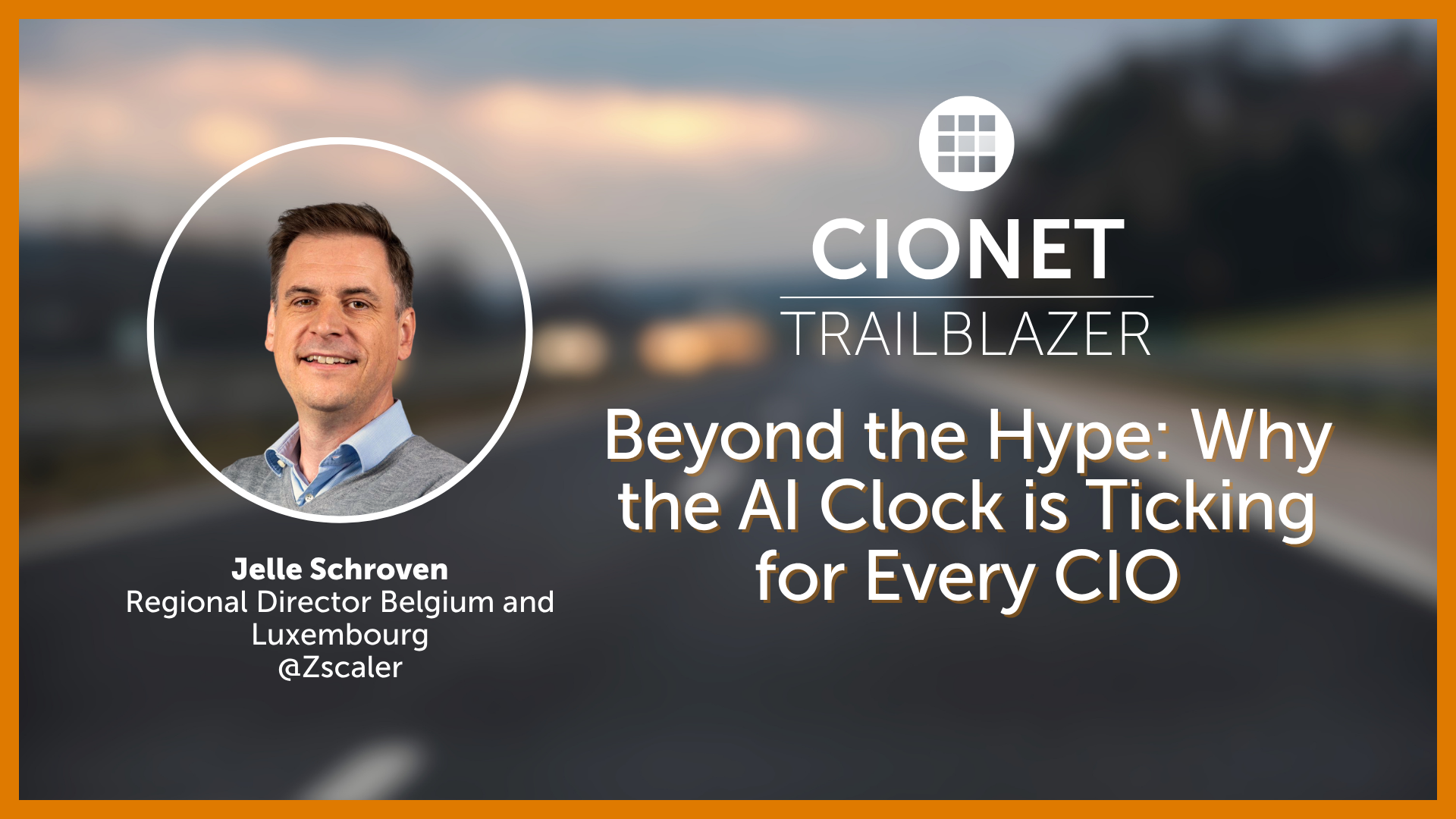
Published on: July 29, 2026 @ 10:08 AM
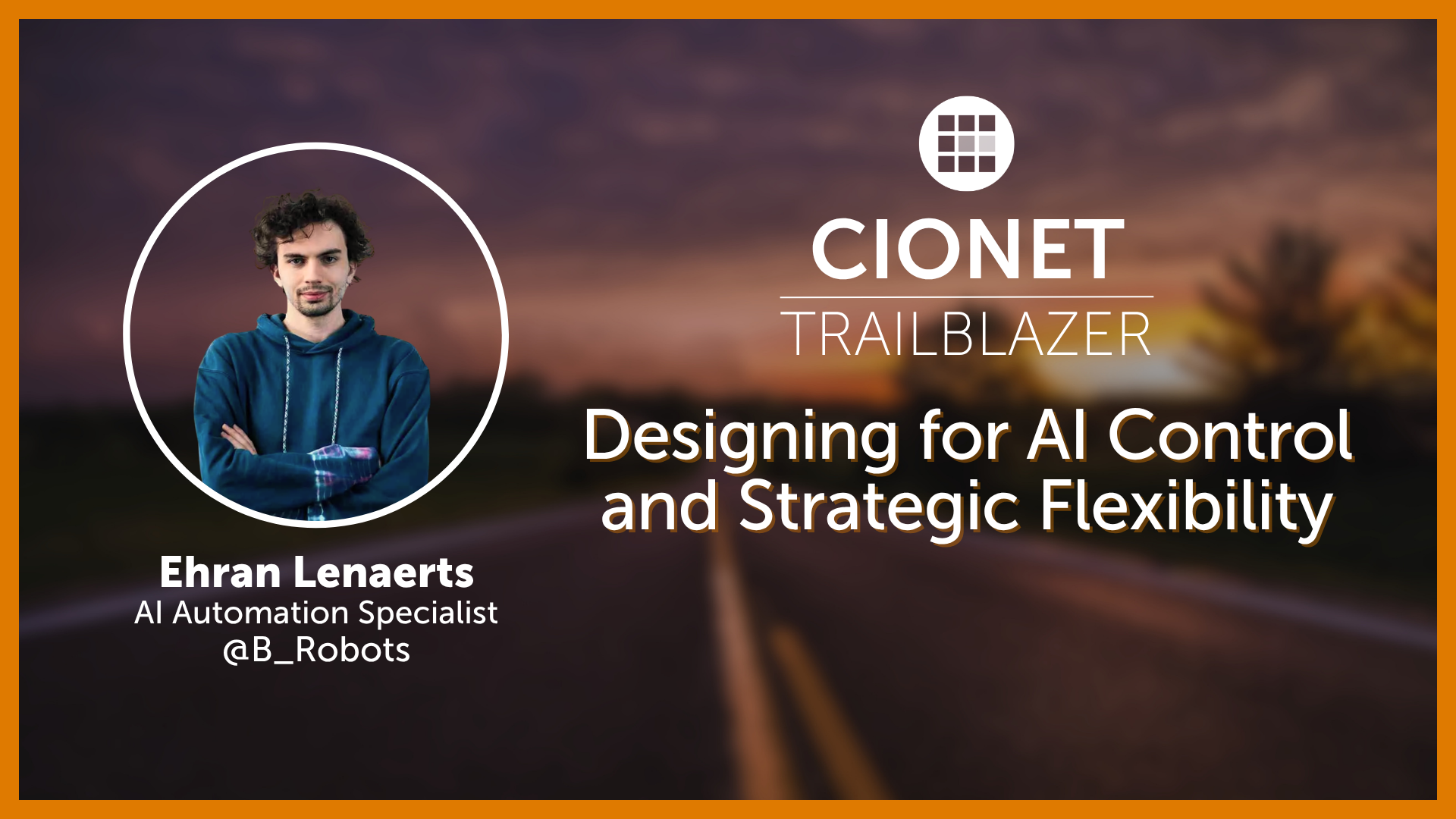
Published on: June 24, 2026 @ 5:00 PM
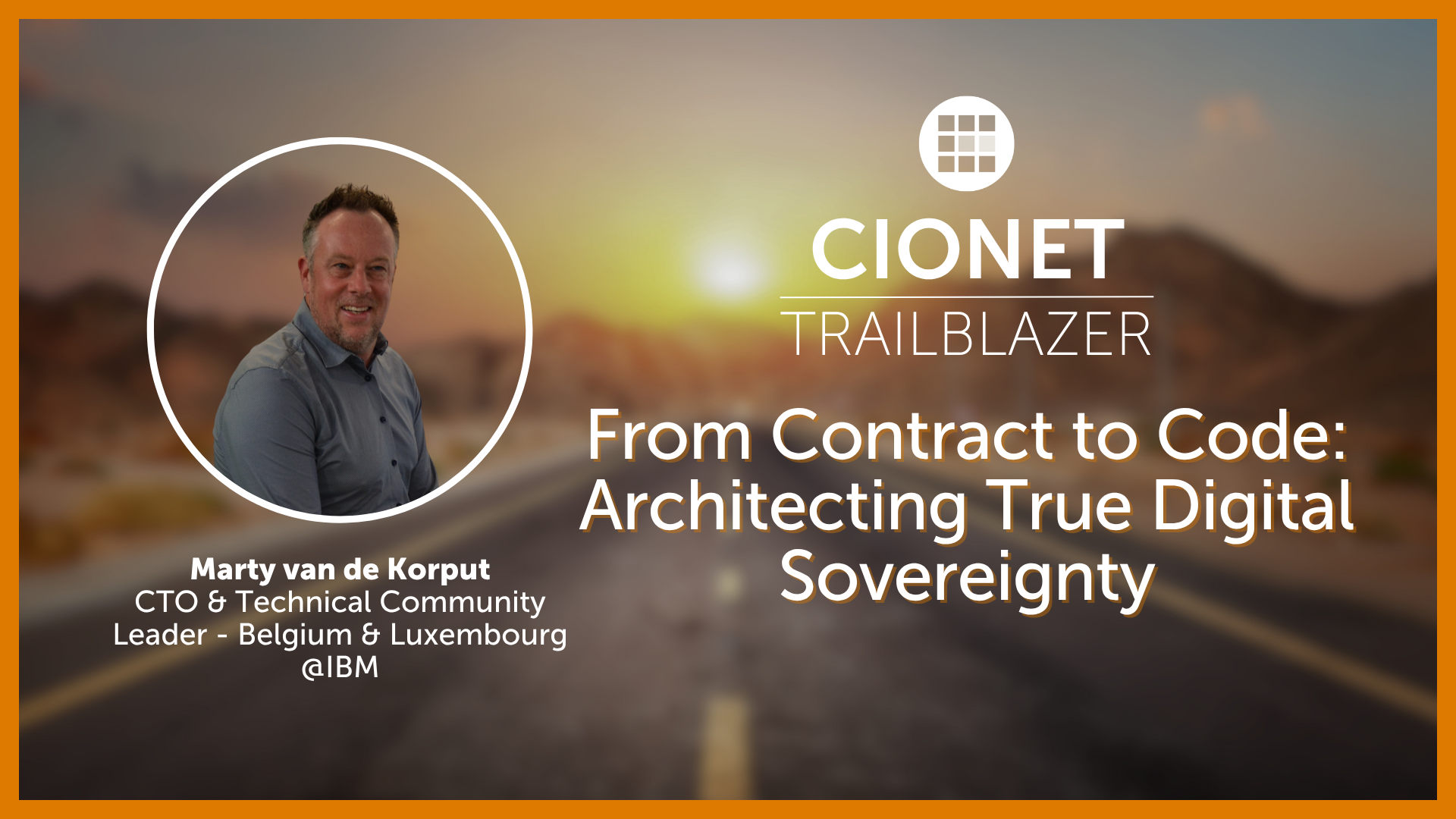
Published on: May 27, 2026 @ 9:21 AM
Published on: May 07, 2026 @ 4:02 PM
.png)
Published on: April 29, 2026 @ 9:11 AM
Published on: March 26, 2026 @ 3:37 PM
-2.png)
Published on: March 25, 2026 @ 9:58 AM
Published on: March 13, 2026 @ 3:43 PM
-Feb-25-2026-10-01-07-2508-AM.png)
Published on: February 25, 2026 @ 11:01 AM
.png)
Published on: February 25, 2026 @ 9:00 AM

Published on: February 24, 2026 @ 5:00 PM
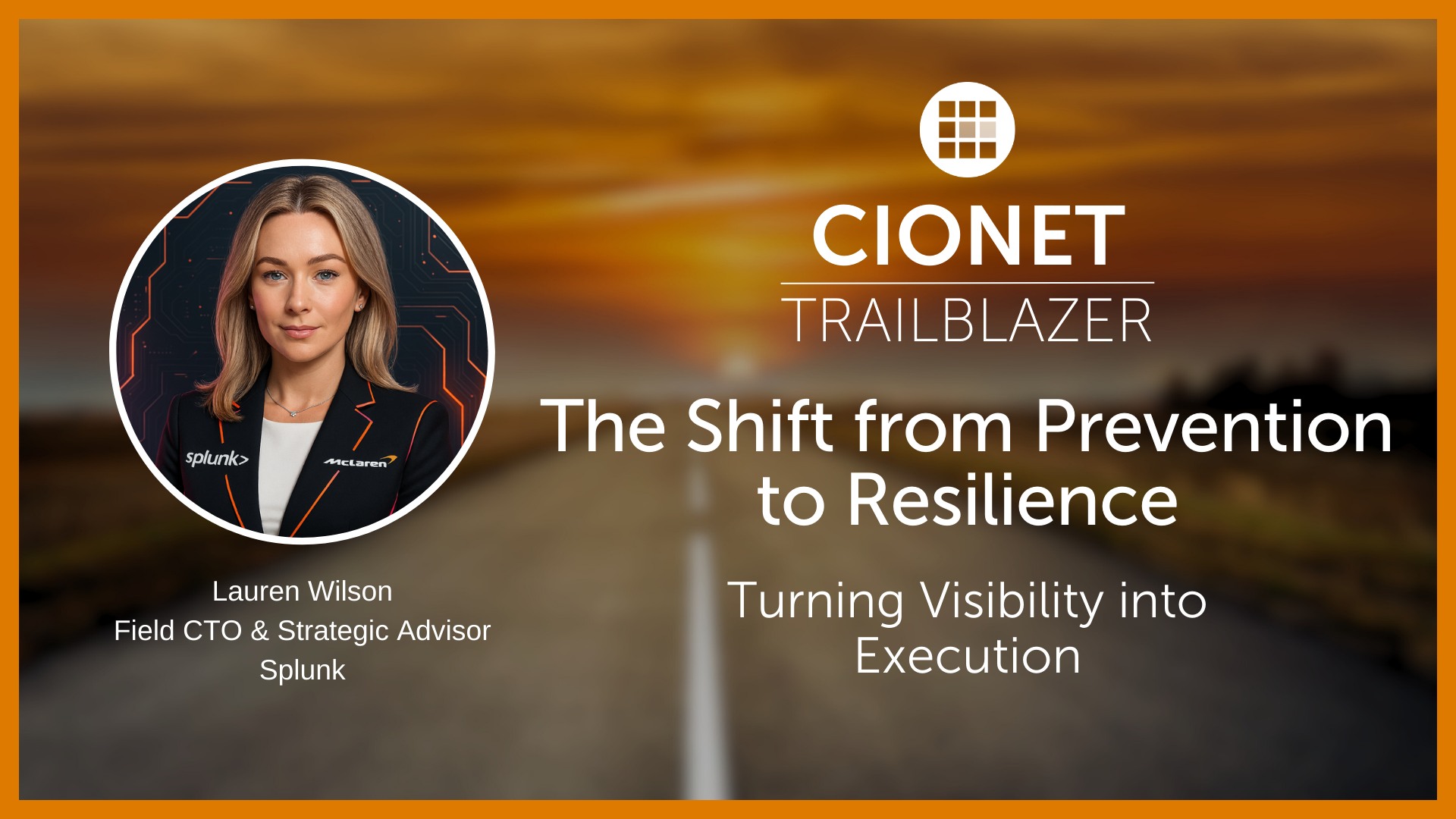
CIONET Trailblazer: CISO: The Shift from Prevention to Resilience: Turning Visibility into Execution
Published on: January 28, 2026 @ 9:48 AM
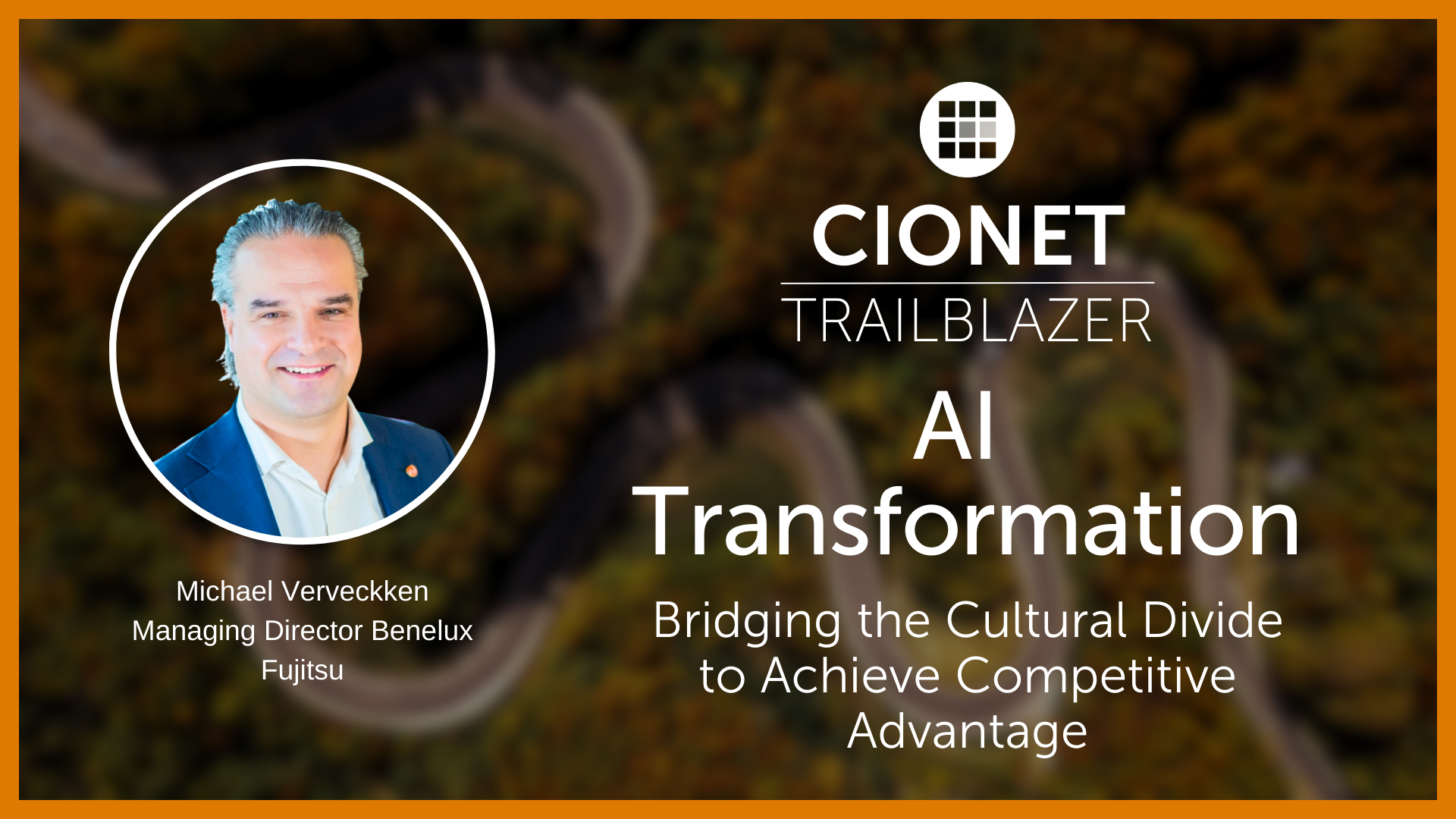
CIONET Trailblazer: AI Transformation: Bridging the Cultural Divide to Achieve Competitive Advantage
Published on: December 17, 2025 @ 9:16 AM
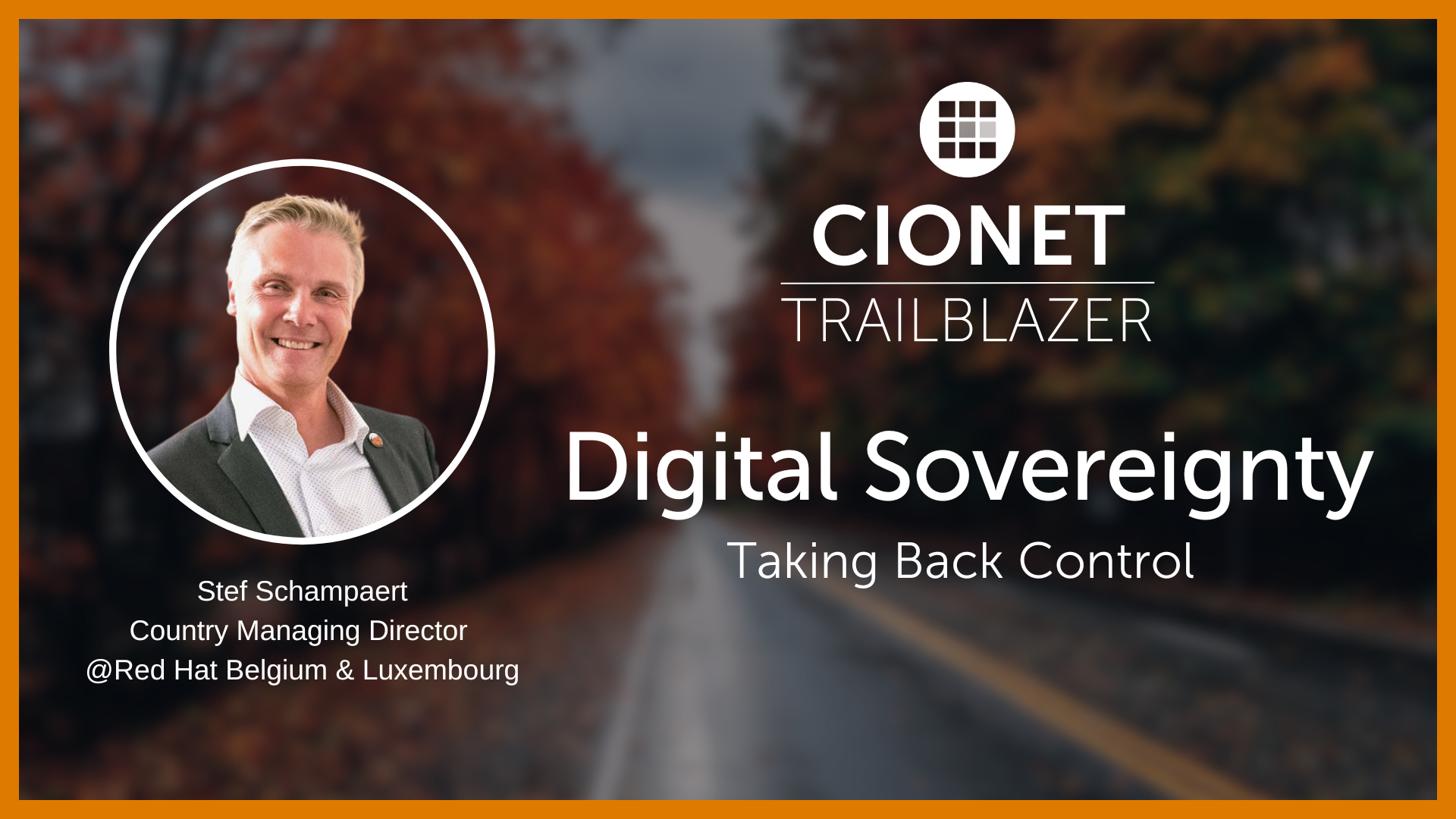
Published on: October 29, 2025 @ 11:31 AM
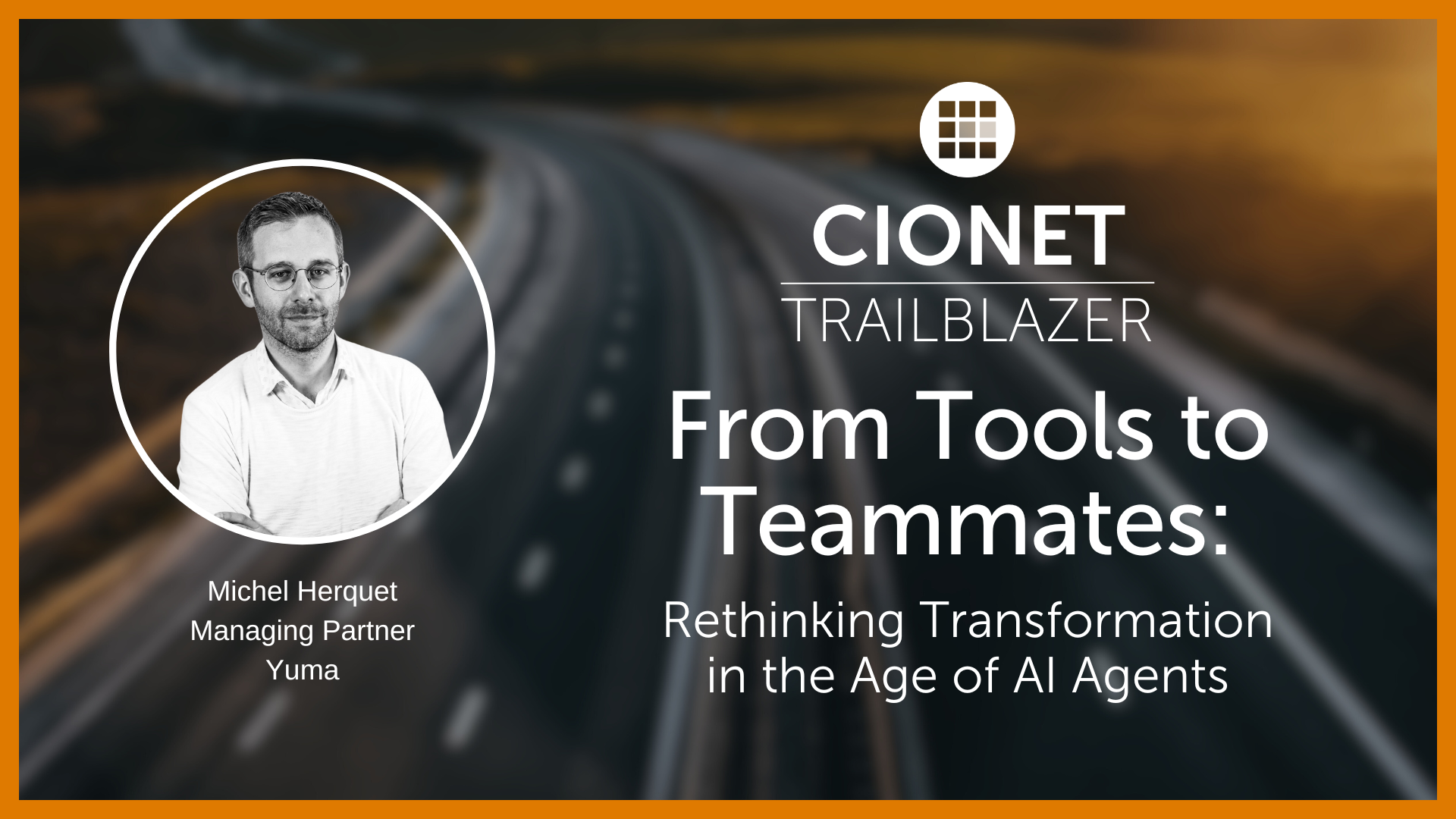
Published on: July 30, 2025 @ 9:19 AM
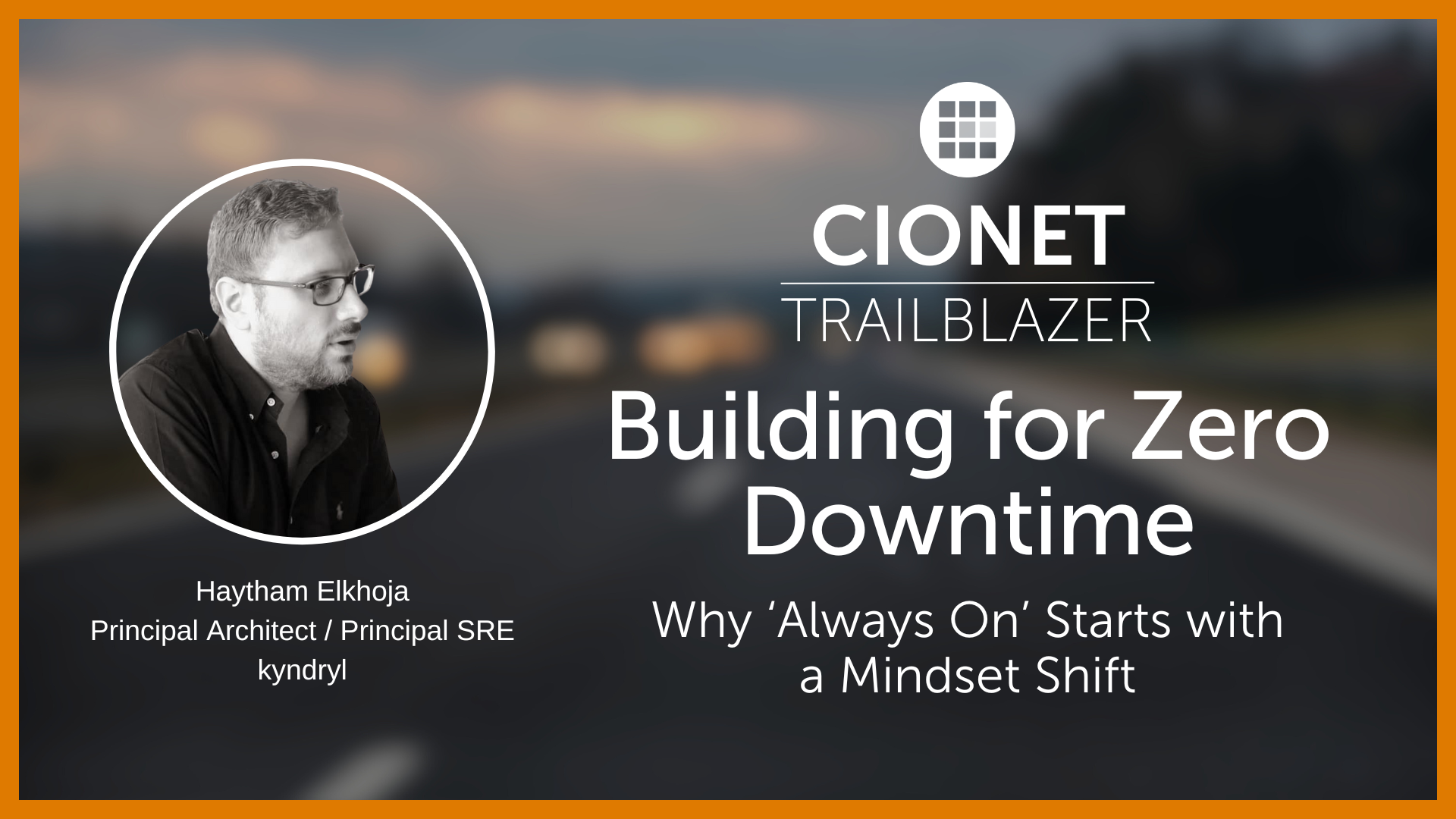
Published on: June 25, 2025 @ 9:14 AM
.png)
Published on: April 30, 2025 @ 9:04 AM
-1.png)
Published on: March 26, 2025 @ 9:59 AM
-1.png)
Published on: March 04, 2025 @ 5:07 PM
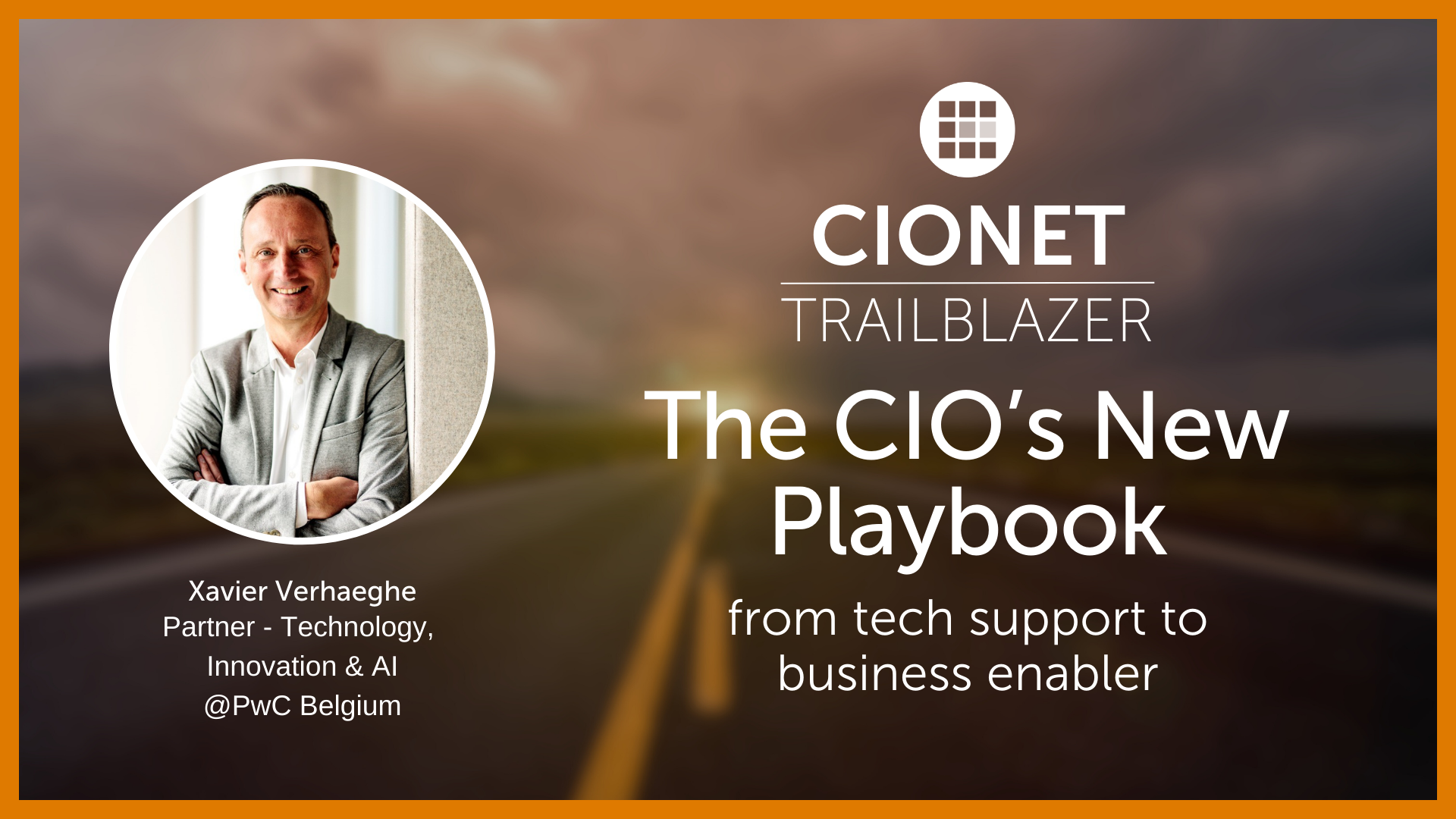
Published on: February 26, 2025 @ 10:51 AM
Published on: February 25, 2025 @ 4:14 PM
-4.png)
Published on: February 25, 2025 @ 10:33 AM
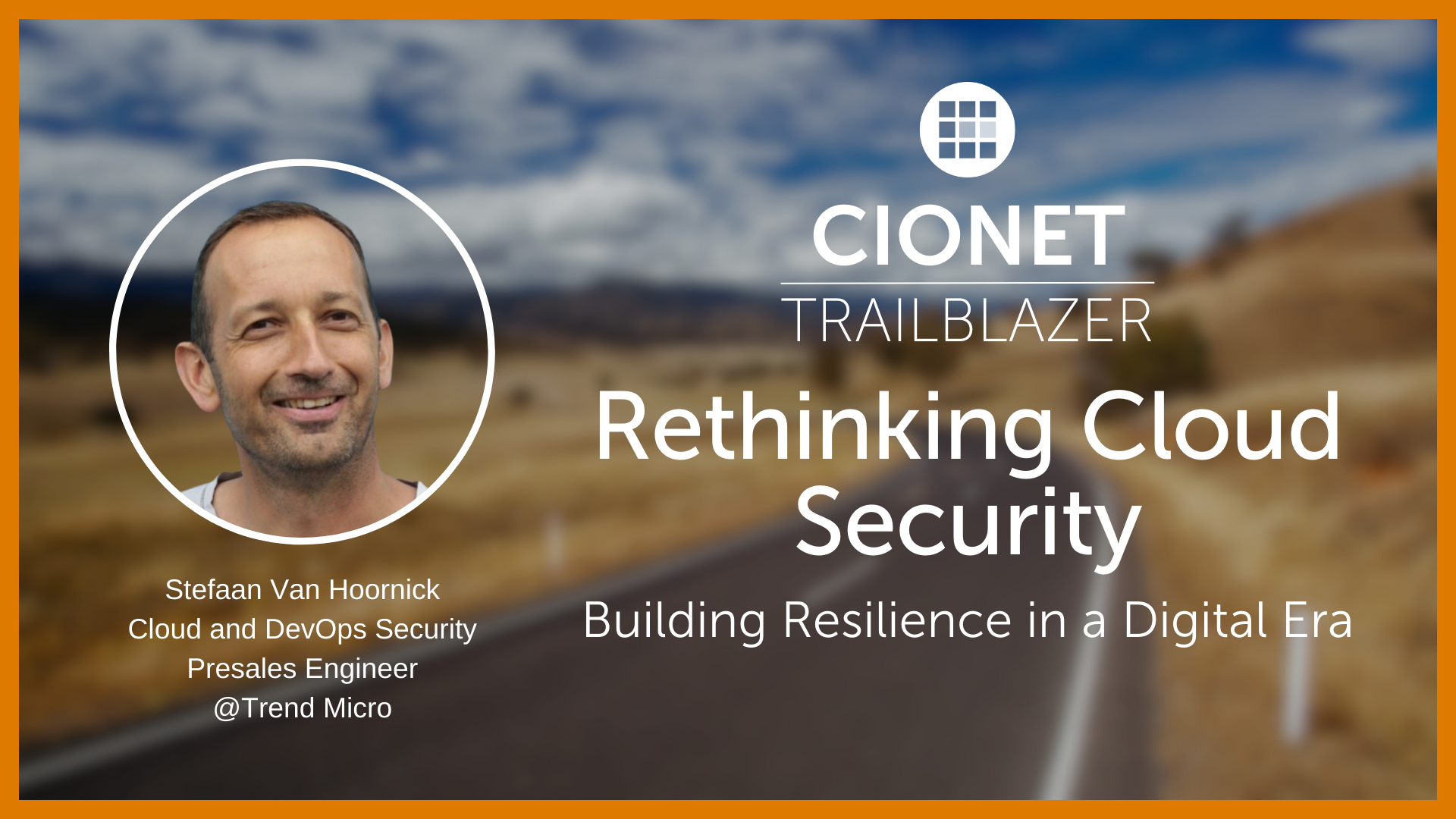
Published on: January 29, 2025 @ 9:58 AM
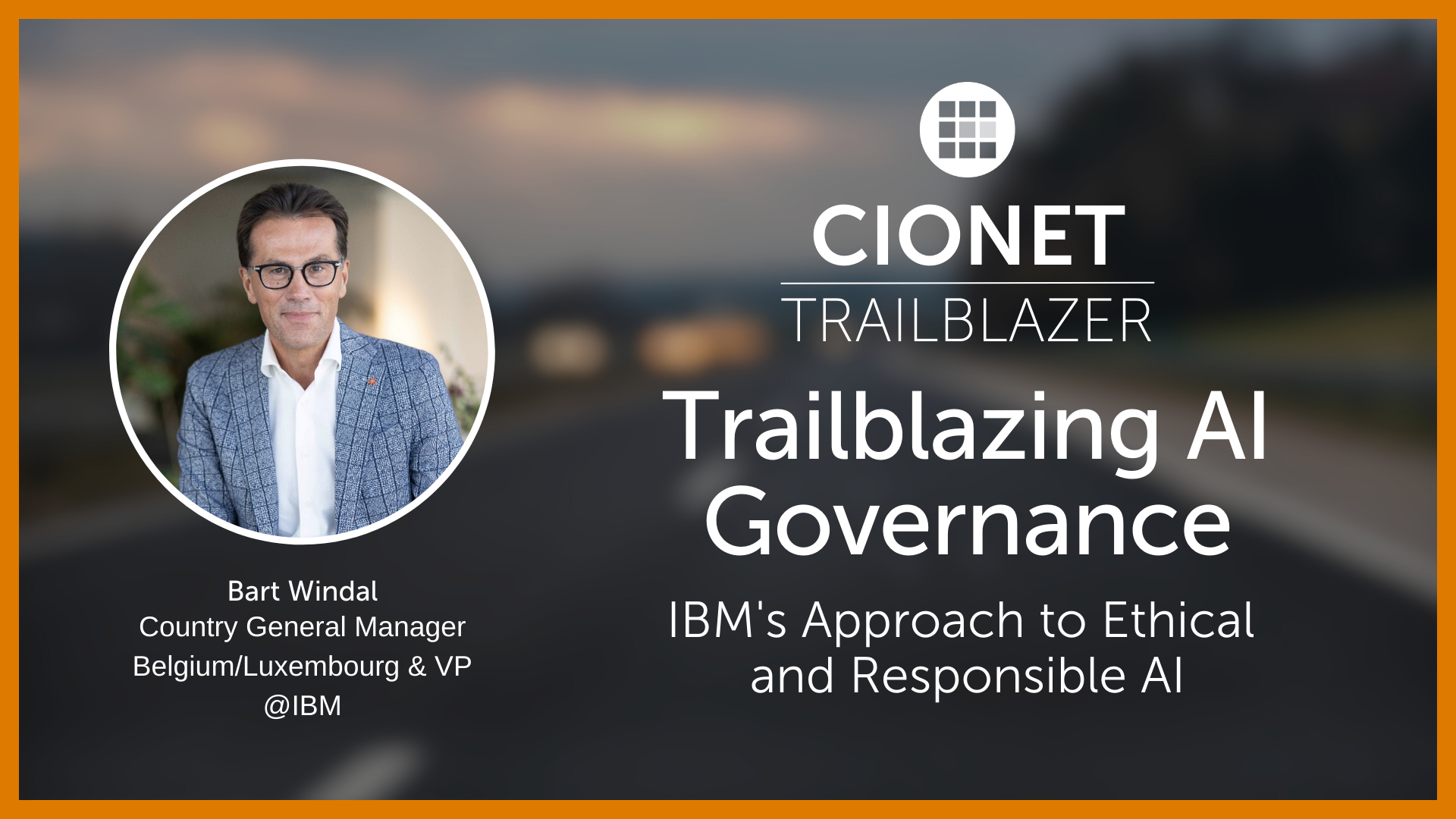
Published on: December 18, 2024 @ 9:07 AM
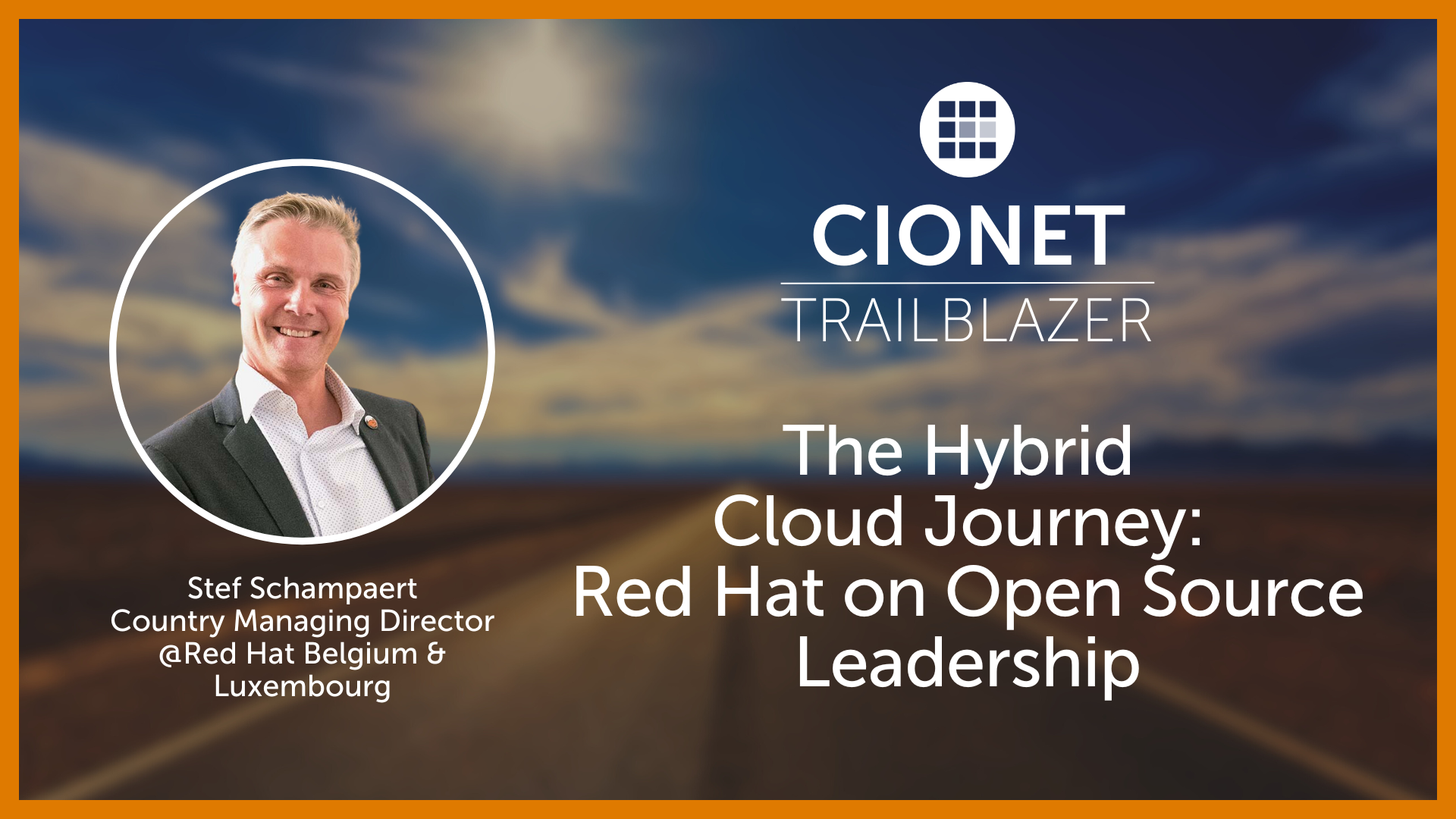
Published on: October 30, 2024 @ 9:34 AM
.png)
Published on: October 29, 2024 @ 11:37 AM
.png)
Published on: September 27, 2024 @ 10:41 AM

Published on: September 25, 2024 @ 8:59 AM
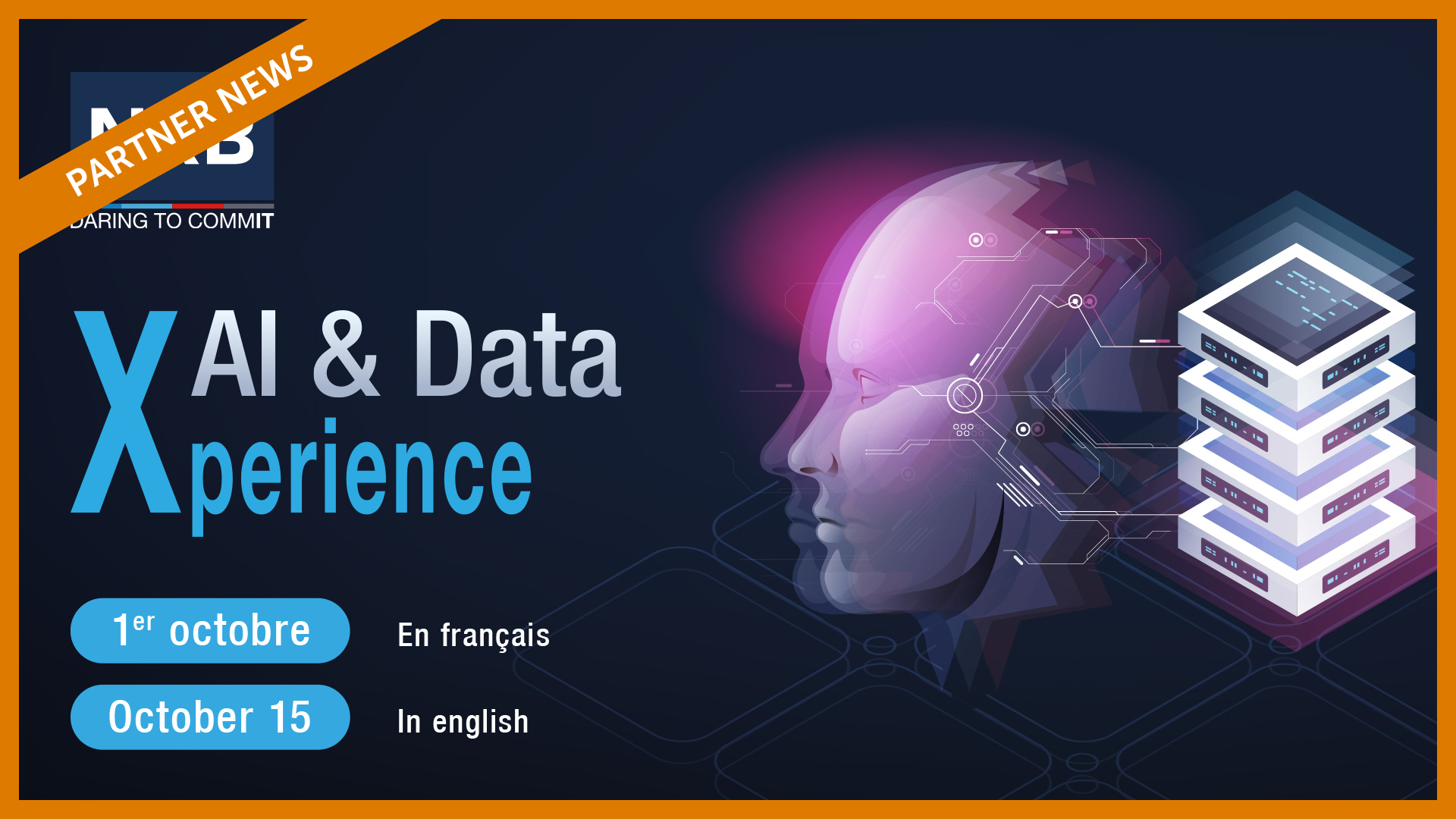
Published on: September 18, 2024 @ 3:44 PM
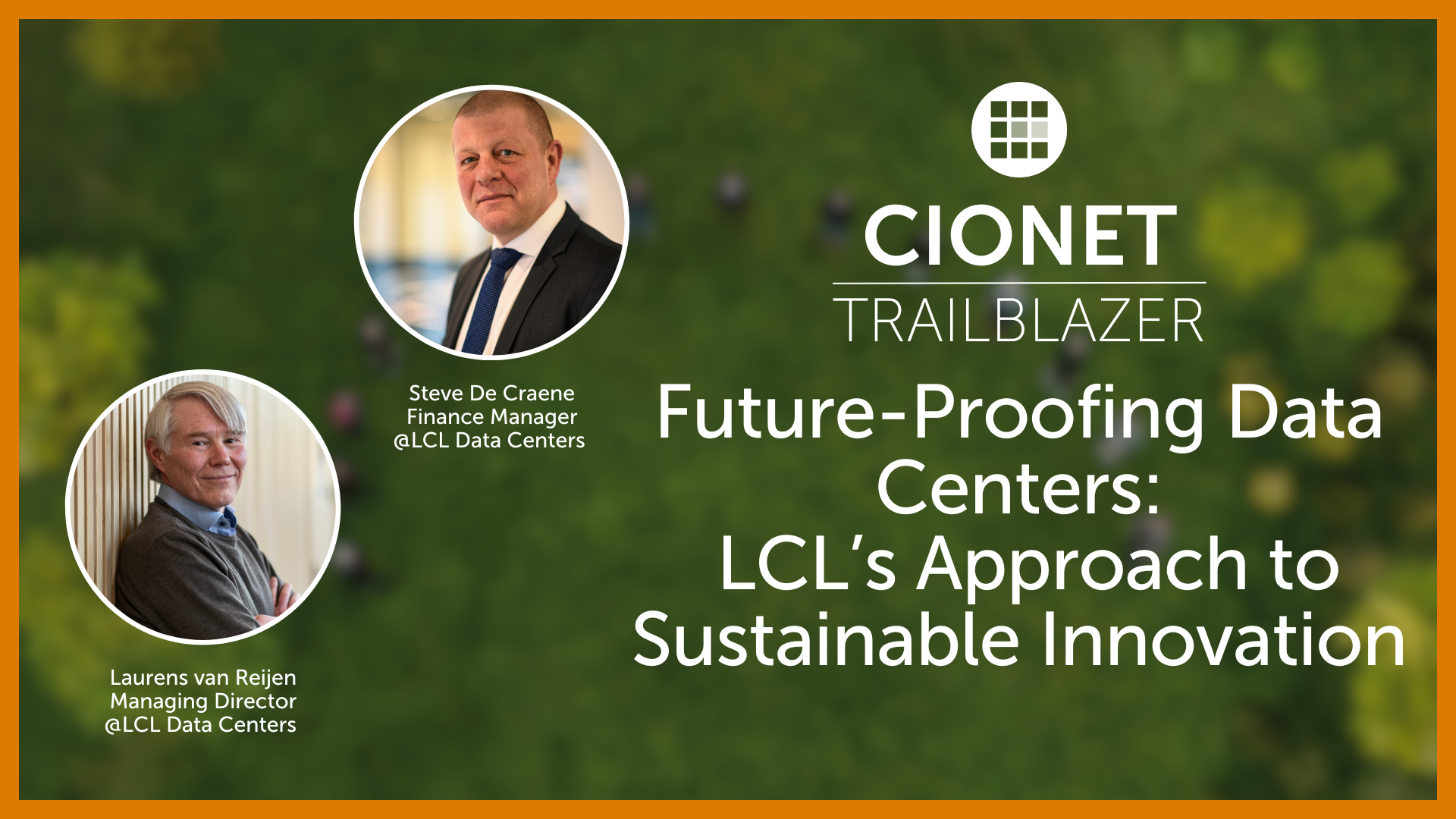
Published on: August 28, 2024 @ 10:10 AM

The Saudi Investment Bank is Transforming to Deliver Secure Banking Experiences
The Saudi Investment Bank, a leading financial institution, sought to enhance its cybersecurity posture to protect its customers and data in the face of evolving threats. Trend Micro's advanced threat detection and response solutions emerged as the ideal choice, enabling SAIB to fortify its security.
OVERVIEW
The Saudi Investment Bank (SAIB) began operating in 1977, quickly establishing recognition in share trading, asset management, leasing, mortgages, insurance, and credit cards. Today, the bank offers traditional wholesale, retail, and commercial banking products. SAIB is also actively engaged in the financing of quasi-government and private industry sectors, as well as the trading of financial products that facilitate and expand the kingdom’s importexport segment.
Built on a vision of simplicity and accessibility, SAIB operates on principles of flexibility and responsiveness towards customers and the continuous empowerment of employees. The company consistently develops the best possible approaches and the smartest solutions to deliver on these principles.
CHALLENGES
Delivering a secure banking experience is at the heart of SAIB’s pledge to its customers and employees. The bank offers its services on a technology stack that is virtualized to a high degree, with several users that consume services delivered from two data centers. However, the threat of a breach is not to be taken lightly. The bank’s stakeholders know that any infiltration could be a heavy blow to the reputation of trust it has earned in the market.
“Our vision is to provide safe and secure environments that our customers can depend on, so they can bank with ease and confidence,” said Ayman Al-Shafai, head of The Saudi Investment Bank’s security operations center. “We are a leading light in digital transformation. We are always proactive in adopting new technologies that allow us to be more creative in the digital services we provide to our customers.”
Having adapted from a traditional infrastructure to a modern, virtualized architecture, SAIB needed to shift from a legacy model of focusing on external threats, to a multi-facetted structure.
As Al-Shafai recalled, “We did have effective defense controls, but given the dynamic threat landscape, we knew we had to adapt to the constantly changing tactics seen from bad actors with an in-depth approach. We saw the need to apply a zero-trust model to balance preventive controls with advanced and insightful detection capabilities. Through such a model, we would be able to deploy in-depth behavior analysis and fight advanced threats.”
Since the implementation of Trend Micro’s multifacetted solution, we have had more visibility into our environment; and the higher the visibility, the better you are able to detect malicious activity.
Ayman Al-Shafai
Head of Security Operations Center
The Saudi Investment Bank
WHY TREND
“Support is absolutely key when you deploy a solution that underpins a core business deliverable,” Al-Shafai explained. “Your vendor has to be a partner that is always available, responsive, and has a finely tuned appreciation of your business and its core ambitions.” SAIB evaluated several solutions in the market that were candidates for delivering on its main objectives of visibility and real-time adaptability. According to Al-Shafai, Trend Micro stood out as being able to deliver around-the-clock support and consistent quality.
“I don’t look at pricing as keenly as I look at the value added by a strategic partner,” he explained. “We’ve been working with Trend Micro for over five years. During this time, we saw that the quality of their products and services never wavered. They were the obvious partner for us.”
Trend Micro has been with us every step of the way, and the support we received after deployment was exceptional—showing us how to effectively use the product rather than just implementing it and leaving us to figure it out on our own.
Ayman Al-Shafai
Head of Security Operations Center
The Saudi Investment Bank
SOLUTION
SAIB was looking for a toolset that was intuitive and did not require heavy administration. In addition, it needed to be able to provide role-specific reporting for a wide array of readers.
“Many people think of cybersecurity as a single solution that, once implemented, renders your infrastructure completely secure,” said Al-Shafai. “But we needed multiple on-premises controls that worked together to give powerful results.”
SAIB deployed Trend Micro™ Deep Discovery™ Inspector to monitor network traffic across all traversal routes—inside data centers, between hosts, and across endpoints. The solution provides enhanced visibility of activity, allowing teams to quickly monitor malicious activity, such as ransomware delivery or advanced persistent threats (APTs).
The bank also opted for Trend Micro™ Deep Discovery™ Analyzer, an open and scalable sandbox analysis platform that provides a real-time, on-premises assessment of files and hyperlinks. It is also capable of integrating samples submitted by threat researchers and incident response professionals. In addition, Trend Micro™ Deep Discovery™ Email Inspector now watches over the company’s corporate communications, protecting users and warning stakeholders of prospective threats as they occur.
“The solution is only the beginning,” said Al-Shafai. “As I said, we needed a partner that was engaged throughout the whole life cycle and beyond. Trend Micro has been with us every step of the way, and the support we received after deployment was exceptional—showing us how to effectively use the product rather than just implementing it and leaving us to figure it out on our own. I would draw particular attention to Trend Micro’s engagement during the early days of the COVID-19 crisis, when they provided us with additional antivirus training for our employees.”
RESULTS
“Since the implementation of Trend Micro’s multi-facetted solution, we have had more visibility into our environment; and the higher the visibility, the better you are able to detect malicious activity,” Al-Shafai noted. “We are looking to protect customers and employees long term, so we need that visibility to detect potential attacks in their early stages.” Al-Shafai is confident that SAIB’s return on investment will be significant, in terms of “the value of preventing losses that could potentially harm the organization’s brand for years to come”.
“The threat landscape is changing on a daily basis, so you need an ecosystem where, if the prevention fails, you detect. We now have both those layers provided by Trend Micro,” explained Al-Shafai.
WHAT'S NEXT
“We’re moving into a new era of banking. With accelerated digitization, there is a need to adopt new technologies like AI, blockchain, and IoT, while embracing open banking initiatives. This will drive a new shift in the attack landscape, demanding more security, control, and visibility across our environments. That’s our next challenge to prepare for and tackle, and we’re looking forward to it.”
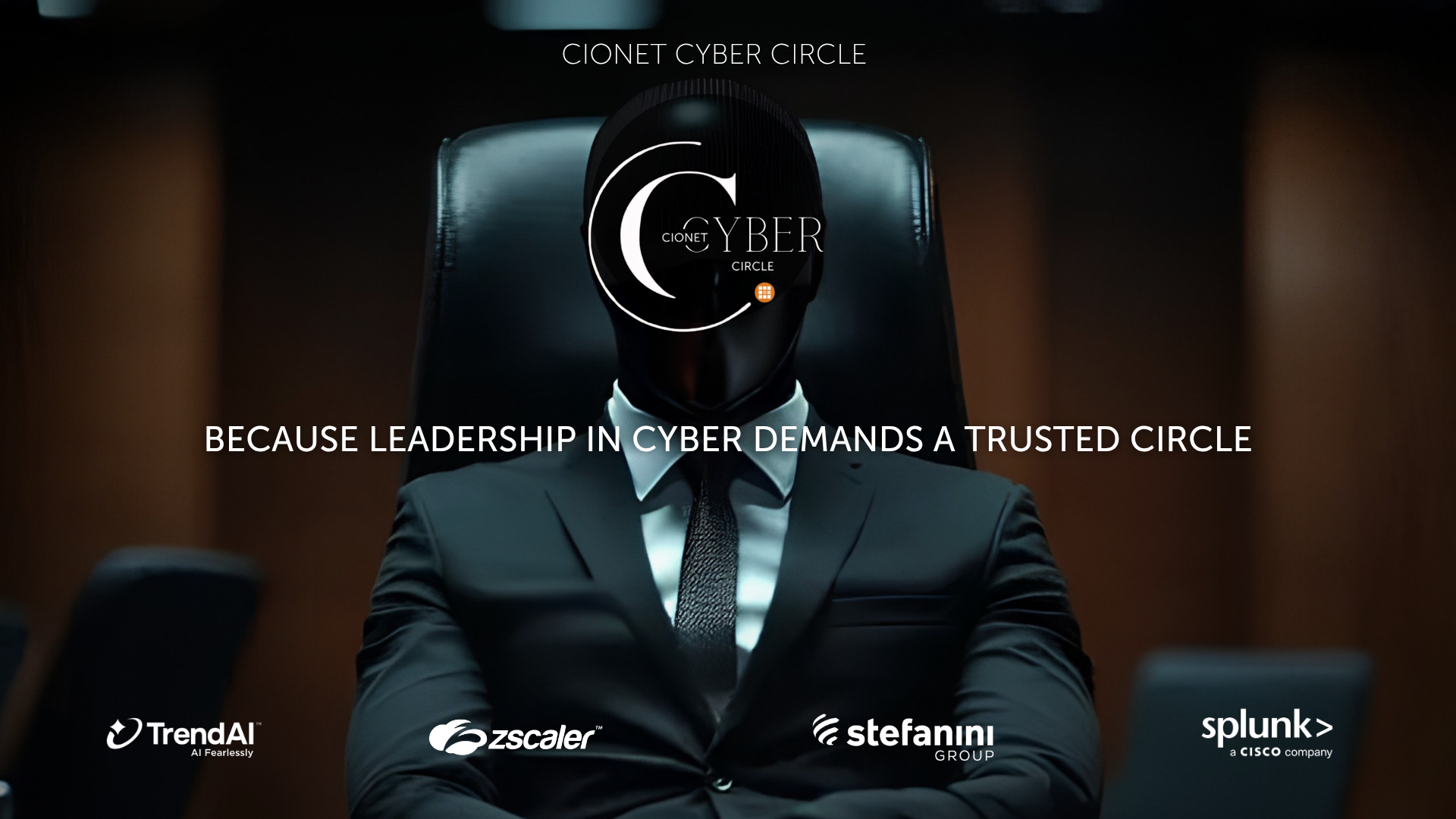
CIONET’s Cyber Circle: a new three-event programme exclusively focusing on the most urgent, complex, and high-impact challenges in cybersecurity today. Launched in 2026, this initiative brings together CISOs, CIOs, and senior IT executives with a strong interest in cybersecurity for three curated gatherings each year. As part of CIONET’s trusted executive community, the Cyber Circle provides a confidential, peer-driven environment to exchange insights, share real-world experiences, and address evolving cyber threats. Each session is designed to foster strategic dialogue, strengthen resilience, and elevate cybersecurity as a core driver of business value.
Read More.png)
The Telenet Business Leadership Circle powered by CIONET, offers a platform where IT executives and thought leaders can meet to inspire each other and share best practices. We want to be a facilitator who helps you optimise the performance of your IT function and your business by embracing the endless opportunities that digital change brings.
Read More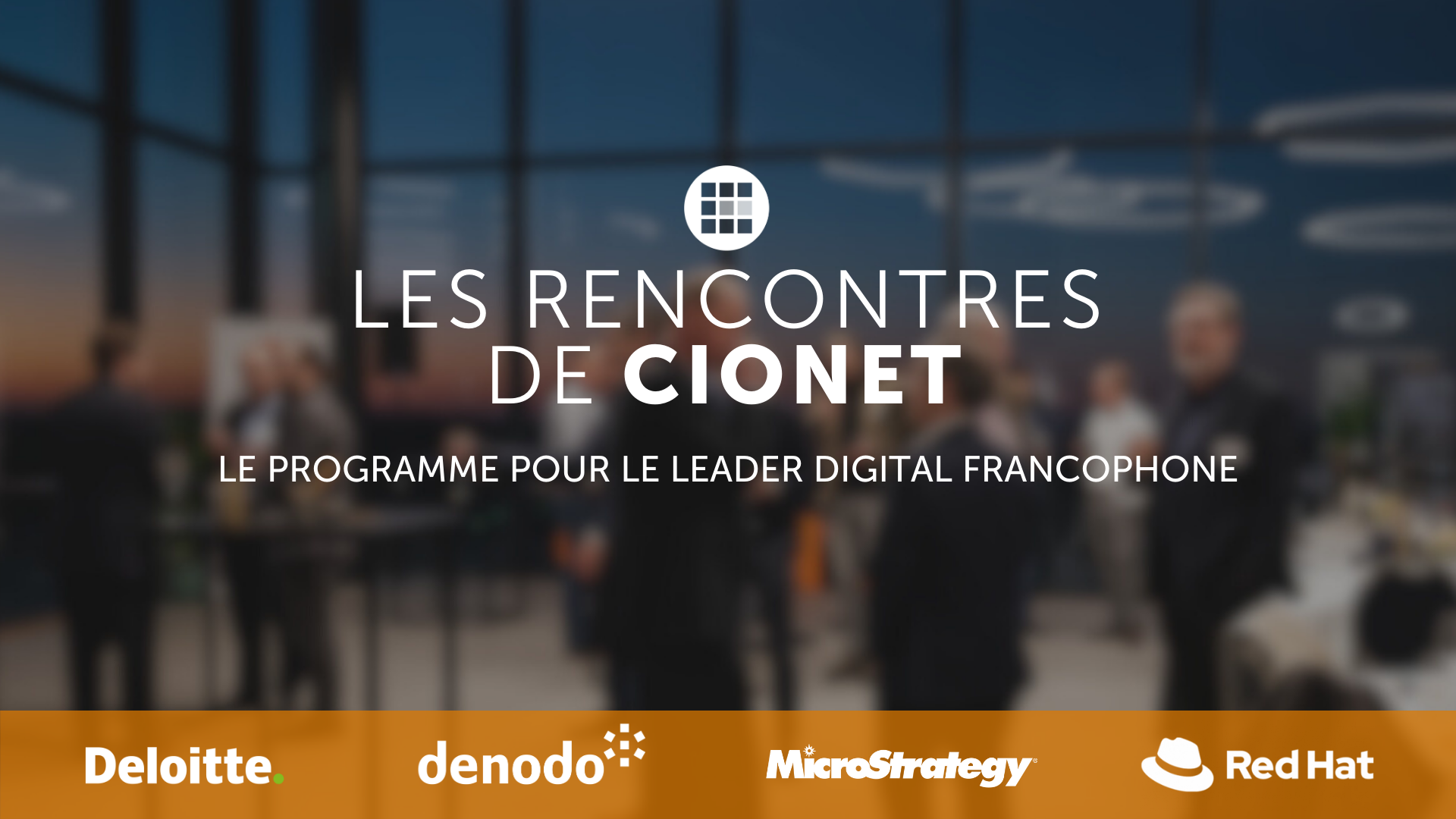
Découvrez la dynamique du leadership numérique aux Rencontres de CIONET, le programme francophone exclusif de CIONET pour les leaders numériques en Belgique, rendu possible grâce au soutien et à l'engagement de nos partenaires de programme : Deloitte, Denodo et Red Hat. Rejoignez trois événements inspirants par an à Liège, Namur et en Brabant Wallon, où des CIOs et des experts numériques francophones de premier plan partagent leurs perspectives et expériences sur des thèmes d'affaires et de IT actuels. Laissez-vous inspirer et apprenez des meilleurs du secteur lors de sessions captivantes conçues spécialement pour soutenir et enrichir votre rôle en tant que CIO pair. Ne manquez pas cette opportunité de faire partie d'un réseau exceptionnel d'innovateurs numériques !
Read More.jpg)
CIONET is committed to highlighting and celebrating female role models in IT, Tech & Digital, creating a leadership programme that empowers and elevates women within the tech industry. This initiative is dedicated to showcasing the achievements and successes of leading women, fostering an environment where female role models are recognised, and their contributions can ignite progress and inspire the next generation of women in IT. Our mission is to shine the spotlight a little brighter on female role models in IT, Tech & Digital, and to empower each other through this inner network community.
Read More


-Apr-01-2022-10-58-34-57-AM.png)









-Dec-13-2023-10-53-15-5032-AM.png)



-Jun-12-2023-01-23-11-7540-PM.png)




-Apr-01-2022-10-58-34-68-AM.png)






.png)




%20(003).png)



.png)




.png)











-Sep-01-2022-02-47-55-60-PM.png)
-Nov-22-2023-08-56-42-6802-AM.png)
.png)


.png "be-page-banner (1)")
.png)
.png)
.png)
.png)