

.png)
Belgium 20-10-2026 Squad Only Virtual English
Cloud decisions are becoming more selective. The challenge is deciding where each workload should run based on cost, performance, control, resilience, sovereignty, and business need. Three pressure points usually drive the decision. - Cost visibility becomes harder when usage grows across cloud services, data platforms, and AI workloads. - Performance and latency matter more when systems need fast access to data or support operational processes. - Sovereignty and resilience become critical when data location, continuity, vendor dependency, and exit options enter the discussion. The working question is simple: how do we place workloads where they create the most value while keeping the hybrid landscape manageable? If these trade-offs are on your agenda, let’s compare how others are handling similar choices.
Read More.png)
Belgium 10-11-2026 Squad Only Virtual English
Data platforms are meant to simplify access and support better use of data. The challenge is choosing and governing the platform landscape in a way that creates consistency, reuse, and long-term value. Three pressure points usually appear. - Platform choice becomes difficult when teams have different needs for speed, flexibility, cost, and control. - Business meaning needs protection: customer, revenue, product, risk, and FTE need shared definitions across tools. - Ownership and governance need to be clear, so platforms grow with accountability and discipline. The working question is simple: how do we give teams the data capabilities they need while keeping the platform landscape understandable, governed, and reusable? If these questions are familiar, let’s compare approaches with others facing the same data landscape.
Read More.png)
Belgium 13-11-2026 Squad Only Physical English
Many IT capabilities are essential and difficult to fund through a simple project ROI. The challenge is showing why architecture, governance, resilience, cybersecurity maturity, data foundations, and AI readiness deserve investment before the gap becomes expensive. Three pressure points make the case harder. - Shared value means the benefit often sits across several teams, while the budget sits in one place. - Timing creates friction because the cost is immediate while the value appears over time. - Risk translation is needed so business and finance leaders understand the consequence of delaying the investment. The working question is simple: how do we turn foundational IT capabilities into credible investment cases that link cost, risk, business value, and future flexibility? If you are building these cases internally, let’s compare how others are positioning value, risk, and timing.
Read More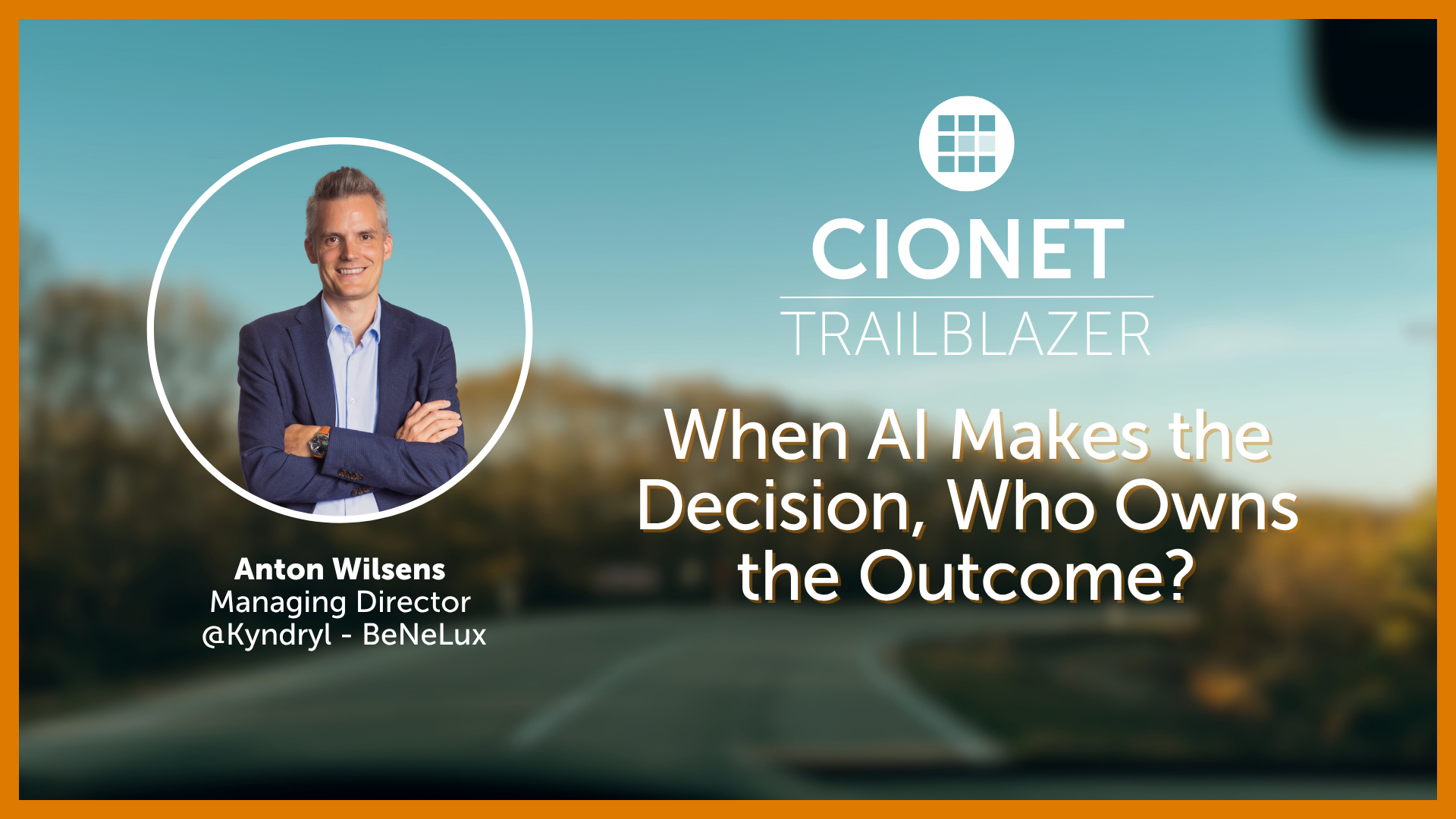
Published on: September 30, 2026 @ 1:17 PM
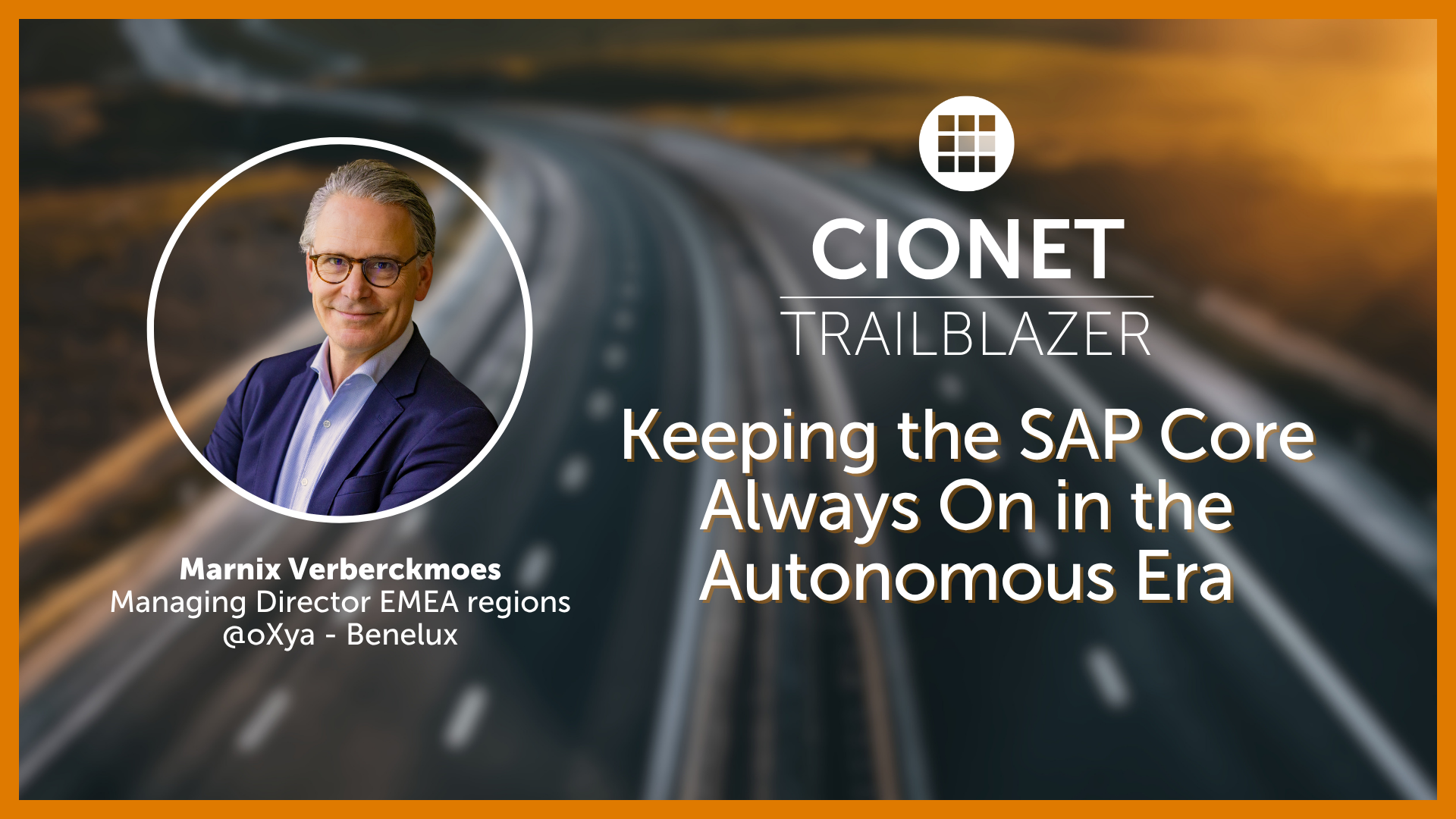
Published on: August 26, 2026 @ 9:13 AM
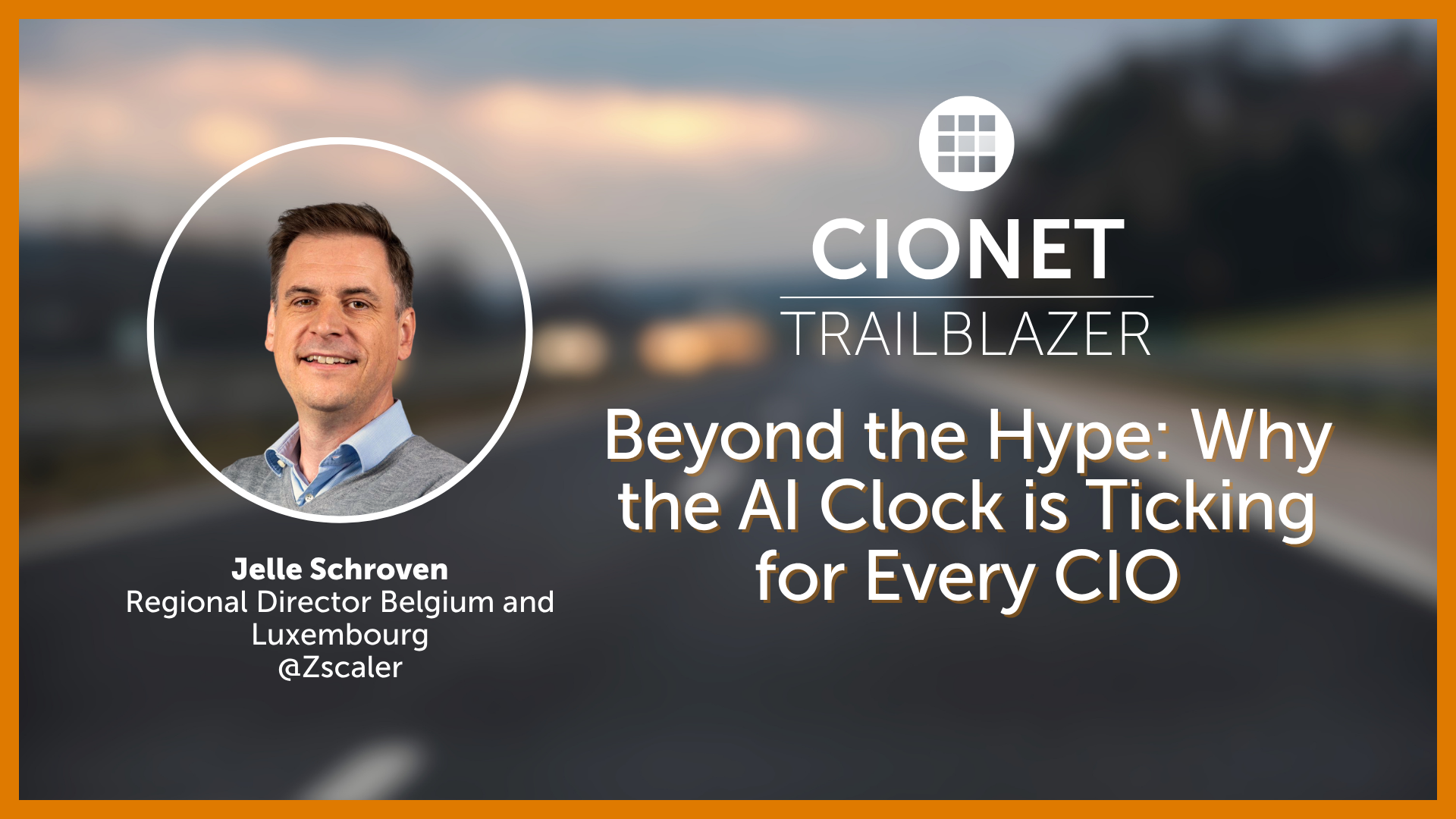
Published on: July 29, 2026 @ 10:08 AM
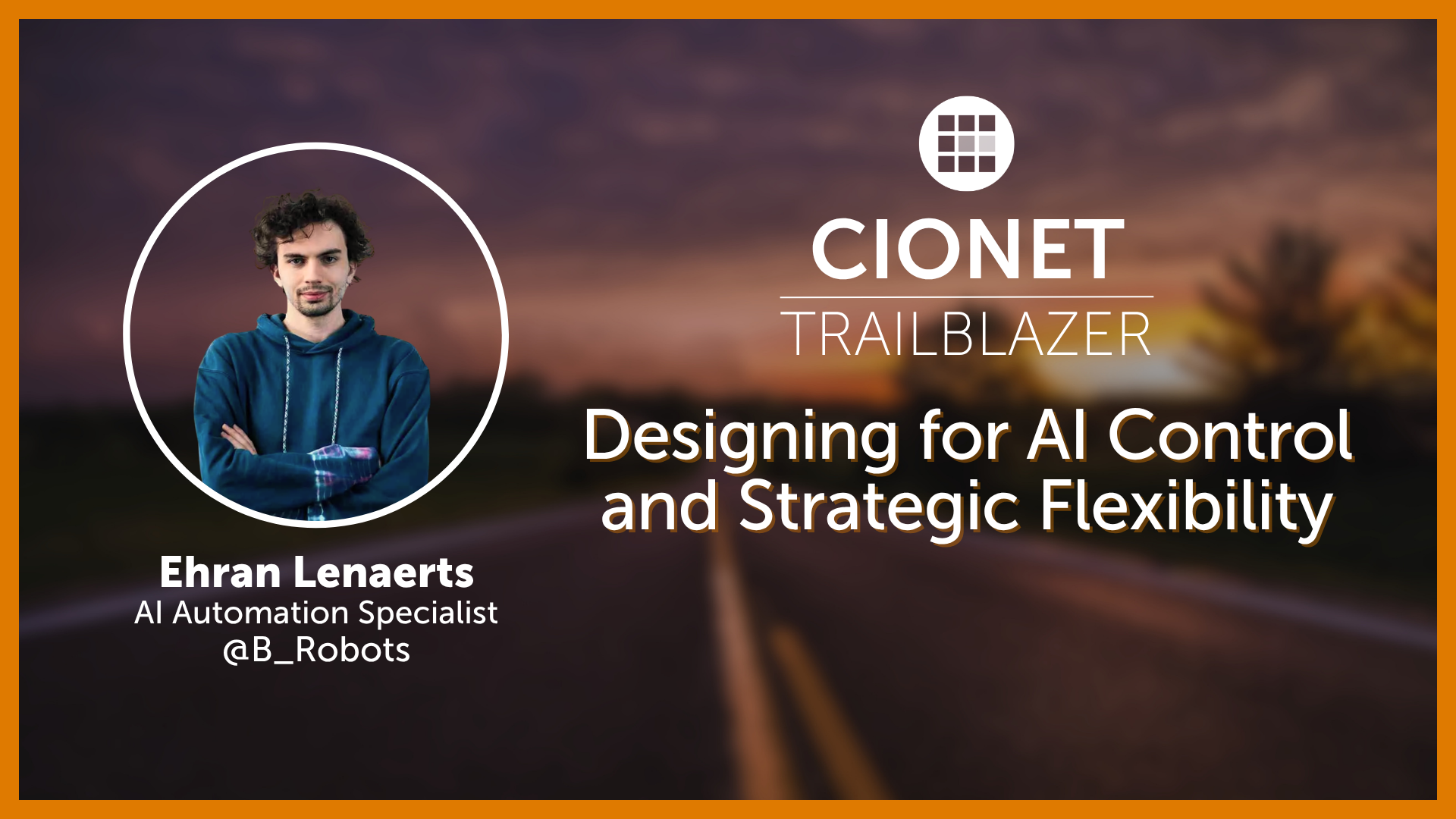
Published on: June 24, 2026 @ 5:00 PM
Published on: May 27, 2026 @ 9:21 AM
Published on: May 07, 2026 @ 4:02 PM
.png)
Published on: April 29, 2026 @ 9:11 AM
Published on: March 26, 2026 @ 3:37 PM
-2.png)
Published on: March 25, 2026 @ 9:58 AM
Published on: March 13, 2026 @ 3:43 PM
-Feb-25-2026-10-01-07-2508-AM.png)
Published on: February 25, 2026 @ 11:01 AM
.png)
Published on: February 25, 2026 @ 9:00 AM

Published on: February 24, 2026 @ 5:00 PM
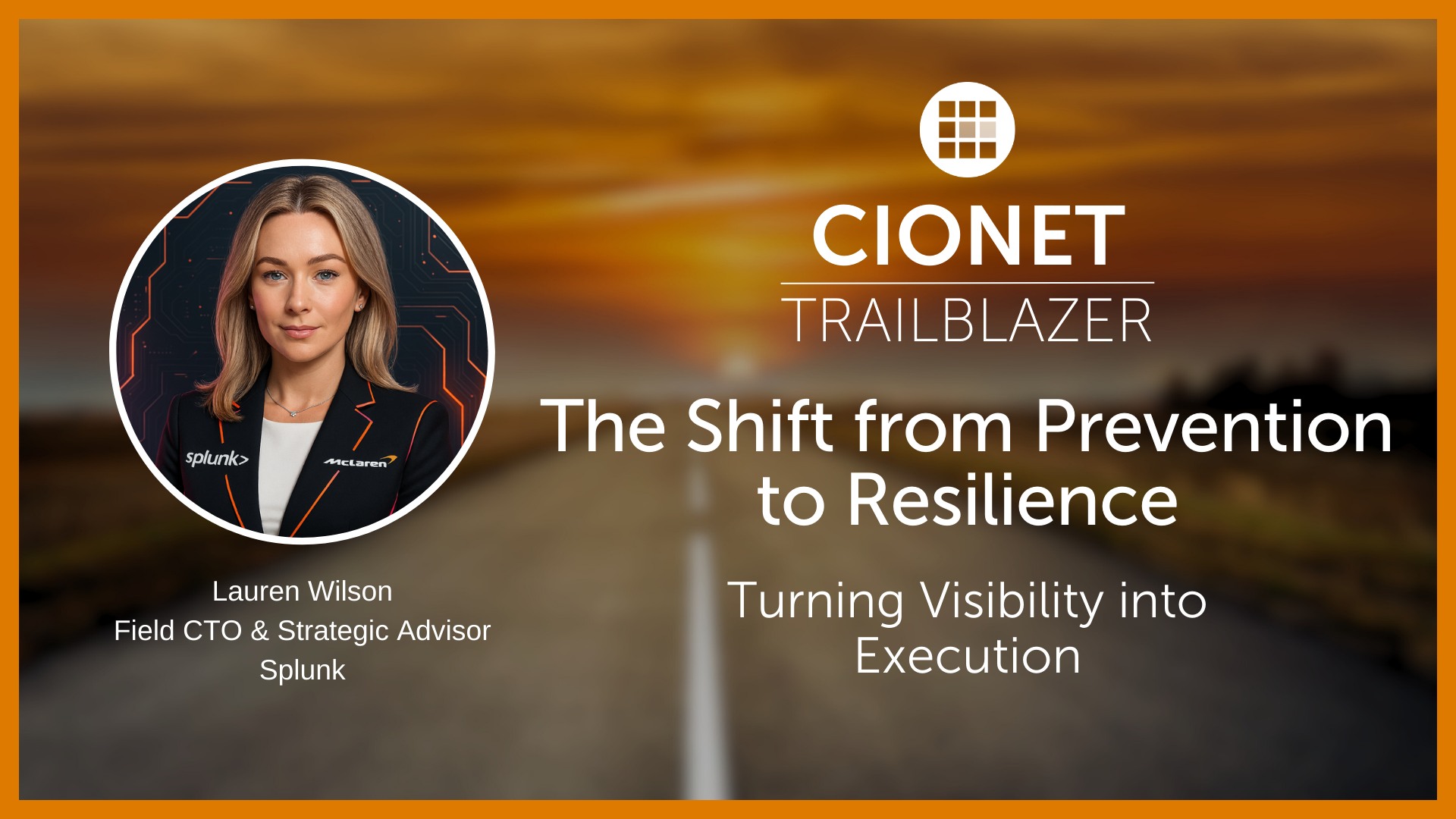
CIONET Trailblazer: CISO: The Shift from Prevention to Resilience: Turning Visibility into Execution
Published on: January 28, 2026 @ 9:48 AM
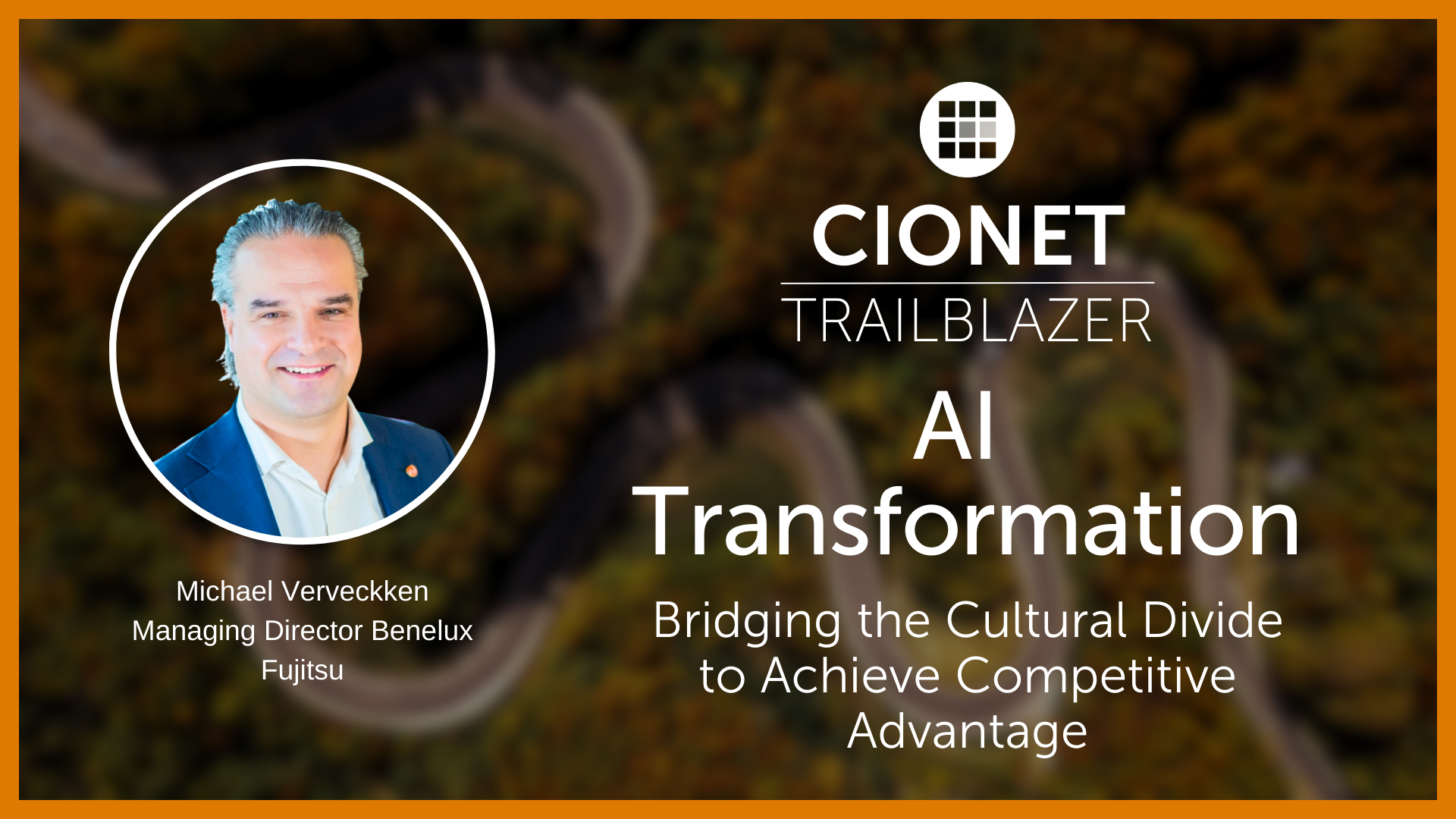
CIONET Trailblazer: AI Transformation: Bridging the Cultural Divide to Achieve Competitive Advantage
Published on: December 17, 2025 @ 9:16 AM
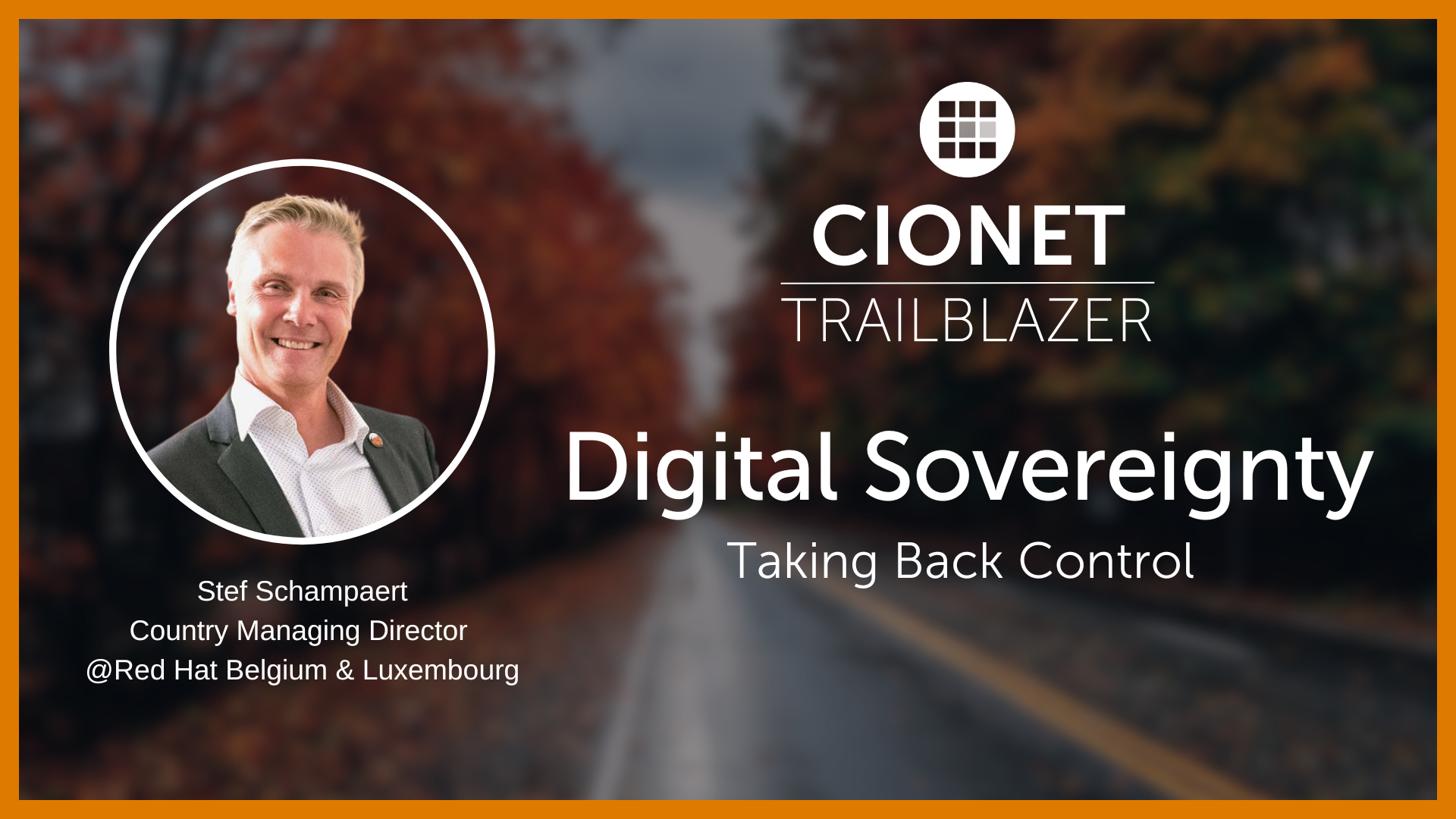
Published on: October 29, 2025 @ 11:31 AM
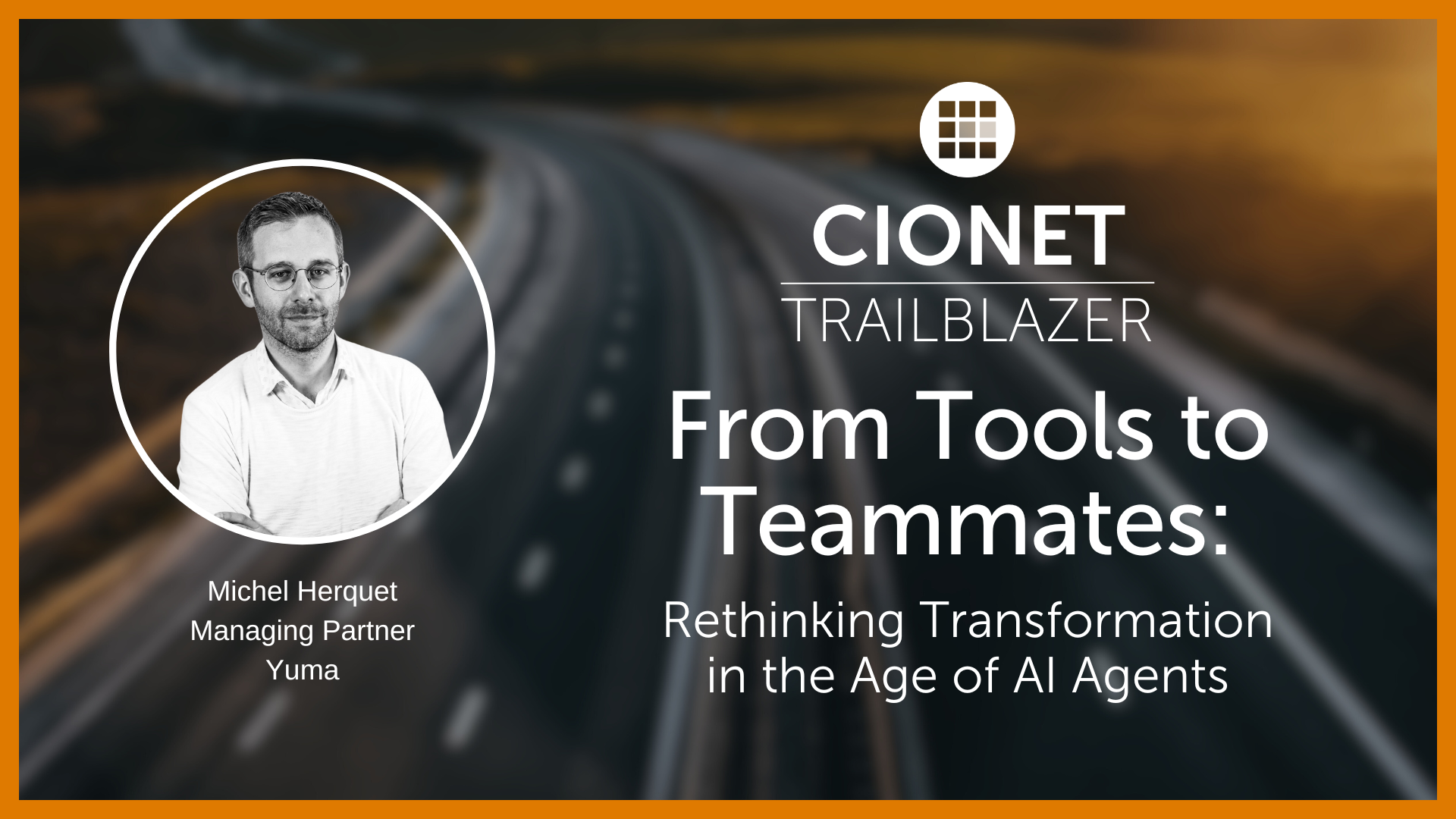
Published on: July 30, 2025 @ 9:19 AM

Published on: June 25, 2025 @ 9:14 AM
.png)
Published on: April 30, 2025 @ 9:04 AM
-1.png)
Published on: March 26, 2025 @ 9:59 AM
-1.png)
Published on: March 04, 2025 @ 5:07 PM
Published on: February 26, 2025 @ 10:51 AM
Published on: February 25, 2025 @ 4:14 PM
-4.png)
Published on: February 25, 2025 @ 10:33 AM
Published on: January 29, 2025 @ 9:58 AM
Published on: December 18, 2024 @ 9:07 AM
Published on: October 30, 2024 @ 9:34 AM
.png)
Published on: October 29, 2024 @ 11:37 AM
.png)
Published on: September 27, 2024 @ 10:41 AM

Published on: September 25, 2024 @ 8:59 AM

Published on: September 18, 2024 @ 3:44 PM
Published on: August 28, 2024 @ 10:10 AM

Trend Vision One allowed this real estate firm to detect and respond 80 percent faster.
A global organization, operating across multiple locations, sought a comprehensive security solution to protect its infrastructure and ensure compliance. Trend Micro's XDR platform has provided the company with a centralized view of its environment, enabling effective threat detection, response, and management.
WHAT IS OUR PRIMARY USE CASE?
It's a perfect tool for monitoring infrastructure, including endpoints, servers, and potential attacks via networks. That's especially true for internet-visible hosts, which we can monitor directly from the tool.
We had problems with users not using legitimate tools, such as pendrives. We needed to protect hosts from external threats and third-party actors. That included monitoring behavior, scanning our infrastructure, and exploitation of vulnerabilities.
Trend Vision One™ absolutely gives us centralized visibility and management. Especially when we integrate it with Active Directory, we get full visibility of our endpoint and server infrastructure. That is very important. A 10 on a scale of one to 10.
HOW HAS IT HELPED MY ORGANIZATION?
The solution has enabled us to completely reorganize our work. I was the first person using this tool in our company, and I completely changed user behavior to become more restricted. In Poland, but also in the United States, we are very strict about abnormal usage of our tools or attempts to download tools that shouldn't be on desktops, laptops, or servers. From my point of view, we are now a completely different organization than when I joined it. Trend Micro is one of the most important security tools we have implemented.
We don't need to use an external vulnerability scanner because Trend Micro XDR has a module for that, and we can save that money. Trend Micro™ Managed XDR is quite nice because I can manage more than 2,000 endpoints. I use the playbooks with particular scenarios for incident management. It's a very nice tool. It competes with anyone on the market. Sometimes, when we detect some kind of threat and we have no idea how we should investigate, troubleshoot, or mitigate the risk, we use the managed service team with Trend Micro engineers. I'm very happy with this team. They are very good professionals.
We respond much faster thanks to the intelligence used by Trend Micro. They have very good knowledge because they have many threat sources. That is why we are reacting much faster than we would if we had to dig deeper without that knowledge and this tool. It would be absolutely impossible to manage this infrastructure by a single admin or even two security admins. We are able to detect and respond about 80 percent faster. It's not only the monitoring and alerting for classic signature threats; there is also a tool for monitoring user behavior. It would be utterly impossible to find abnormal user behavior without this type of tool.
And we have mitigated most of the false positives—more than 90 percent. About one out of 10 alerts may be a false positive. In the beginning, we had to learn about Trend Micro, what was a legitimate action and what was a suspicious or malicious action. We had to learn what the right approach was.
This product is simple to use. Sometimes, especially when new features come out, I need to spend a little bit of time discovering how they work. But overall, it's simple. The interface is quite nice.
The integration is also nice because there are many external tools that we can connect to the platform, such as configuration management tools. Because the platform is integrated, I can manage almost the whole company across our global organization. I can almost manage the infrastructure alone. We have minimized the need to expand our team. It also handles vulnerability management.
We use Trend Micro to cover endpoint protection and server protection. That's one of the key points for our company. And Trend Vision One absolutely gives us centralized visibility and management. Especially when we integrate it with Active Directory, we get full visibility of our endpoint and server infrastructure. That is very important. A 10 on a scale of one to 10.
We also use the solution's Executive Dashboards. We present the findings in steering committees periodically. Sometimes, there is a repetitive alert or event. Directly from this dashboard, I can see the groups of this type of event. For me, it's quite a nice tool for presenting the results to the C level and the whole company for those who are not technically experienced.
And especially because of the new European regulation called NIST 2, we are using the solution's Risk Index feature. We calculate our risk score and we can see how it is changing in the timeline. Is it growing? Is there a new vulnerability detected? We can also compare our risk score with organizations of the same size or in the same industry and see if we are better or worse.
We respond much faster thanks to the intelligence used by Trend Micro. They have very good knowledge because they have many threat sources. That is why we are reacting much faster than we would if we had to dig deeper without that knowledge and this tool. It would be absolutely impossible to manage this infrastructure by a single admin or even two security admins.
The area for improvement is mobile security. We have just finished a proof of concept for Zero Trust Secure Access. We withdrew from this PoC because it does not have that many points for proxy across Europe. Our organization is across Europe, and it will be nice when it is possible to have Trend Micro proxies across many more countries. At this time, they are only located in Germany and the UK. For us, it's not enough. We are waiting for them to increase the points of contact, and after that, we will return to this project.
From my experience, it was quite a nice tool, and I could manage almost all of the actions that I could not manage in a traditional way. Traditionally, I could allow or block usage of an application. But using the Zero Trust Secure Access tool, I could manage the schema of the usage. I will wait for this tool to change in the next few months.
FOR HOW LONG HAVE I USED THE SOLUTION?
I have been using Trend Micro XDR for almost 20 months.
WHAT DO I THINK ABOUT THE STABILITY OF THE SOLUTION?
It's a stable product. We haven't detected any issues other than the false positives, but that's normal.
WHAT DO I THINK ABOUT THE SCALABILITY OF THE SOLUTION?
We use it in multiple locations because our company is spread across Europe and Asia, as well as the United States and Canada. We have more than 2,000 users, and the solution covers 400 or 500 assets.
If our company were to increase over two to three months to 10,000 users, it would not be a problem. We have the ability to extend as we scale our users. It's very simple and absolutely flexible.
HOW ARE CUSTOMER SERVICE AND SUPPORT?
Their technical support is nice. On a scale of one to 10, it's a 10. They respond fast using email, phone, and the customer service portal.
HOW WOULD YOU RATE CUSTOMER SERVICE AND SUPPORT?
Positive.
WHICH SOLUTION DID I USE PREVIOUSLY AND WHY DID I SWITCH?
I used competitors' tools, Secureworks, as well as Carbon Black. These are nice tools, but they are very heavy to implement and heavy on daily operations. Trend Micro is much better, much more flexible, and I have much more visibility. It is a cost- and time-saving tool.
HOW WAS THE INITIAL SETUP?
Our deployment is a hybrid. We have advanced our implementation a lot. The first implementation was only one of the features called OfficeScan. That was a few years ago, and the implementation was in the United States. After that, we moved forward with the implementation across servers and endpoints, including Mac and Microsoft endpoints.
The whole project took about three months, with the custom discovery and the fine tuning. We had two people involved, one in Europe and one in the US.
Sometimes, maintenance is required if there is a new feature. It needs to be restarted. But this function is done by Trend Micro engineers because we are using the XDR in the cloud. We don't touch it. There is maintenance on our side for Deep Discovery because that part is an onprem solution. But it's simple to manage.
WHAT OTHER ADVICE DO I HAVE?
They are implementing new tools, like Trend Micro Apex One™ and Trend Micro™ Deep Discovery™ Inspector. They are ready for implementation on the console, and we are waiting to transition to these tools.
For the new features, I prefer doing a proof of concept, like we did for the Zero Trust Secue Access platform. That was a good move because we saved time when it came to resolving issues on the user side. We had a few users in every department, and we tried to discover what would happen if we implemented this tool. That is my approach to being safe with such products. We can do things without any technical training and can disconnect users around the world using one switch. For new features, I'm a big fan of using a proof of concept
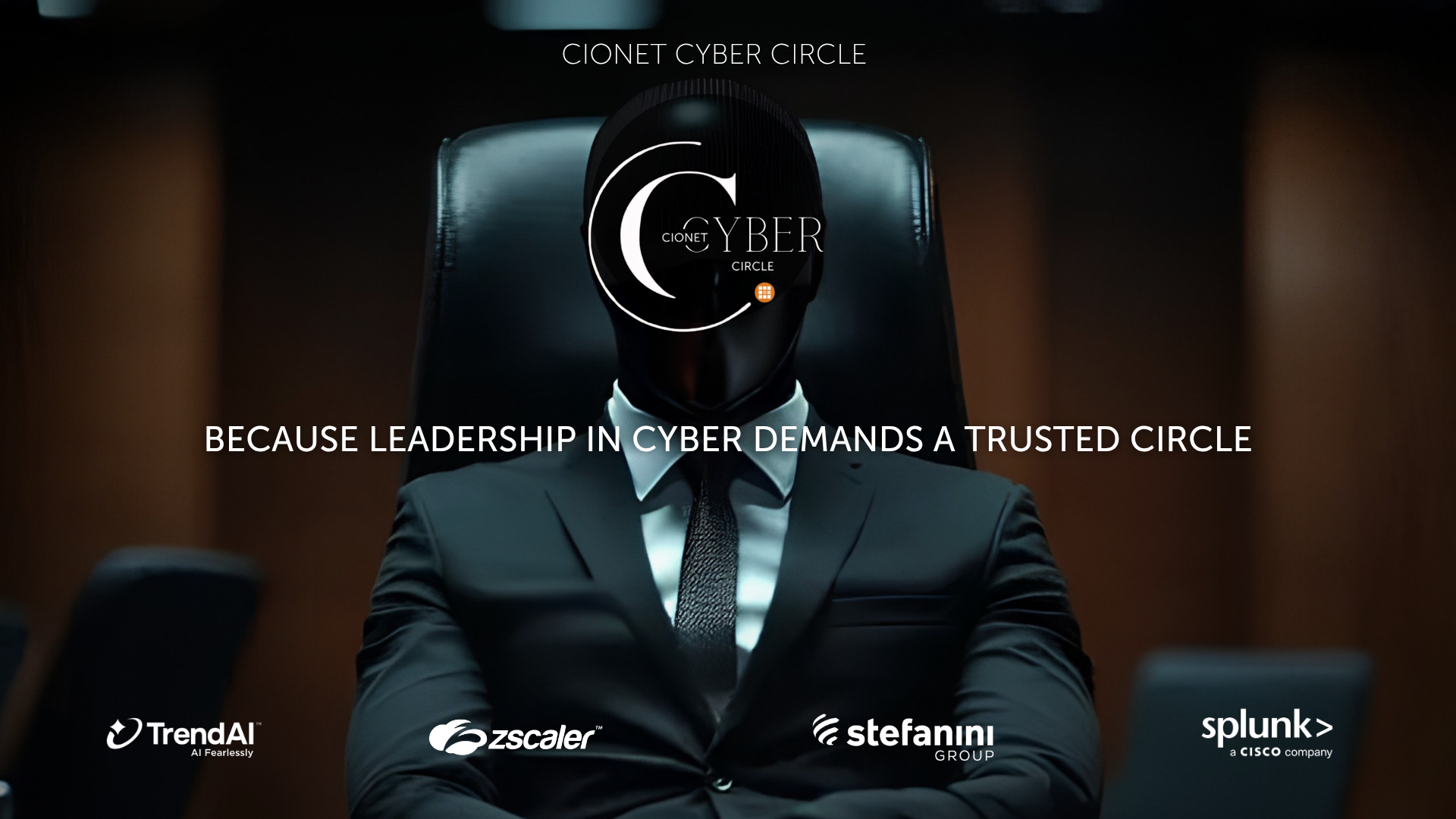
CIONET’s Cyber Circle: a new three-event programme exclusively focusing on the most urgent, complex, and high-impact challenges in cybersecurity today. Launched in 2026, this initiative brings together CISOs, CIOs, and senior IT executives with a strong interest in cybersecurity for three curated gatherings each year. As part of CIONET’s trusted executive community, the Cyber Circle provides a confidential, peer-driven environment to exchange insights, share real-world experiences, and address evolving cyber threats. Each session is designed to foster strategic dialogue, strengthen resilience, and elevate cybersecurity as a core driver of business value.
Read More.png)
The Telenet Business Leadership Circle powered by CIONET, offers a platform where IT executives and thought leaders can meet to inspire each other and share best practices. We want to be a facilitator who helps you optimise the performance of your IT function and your business by embracing the endless opportunities that digital change brings.
Read More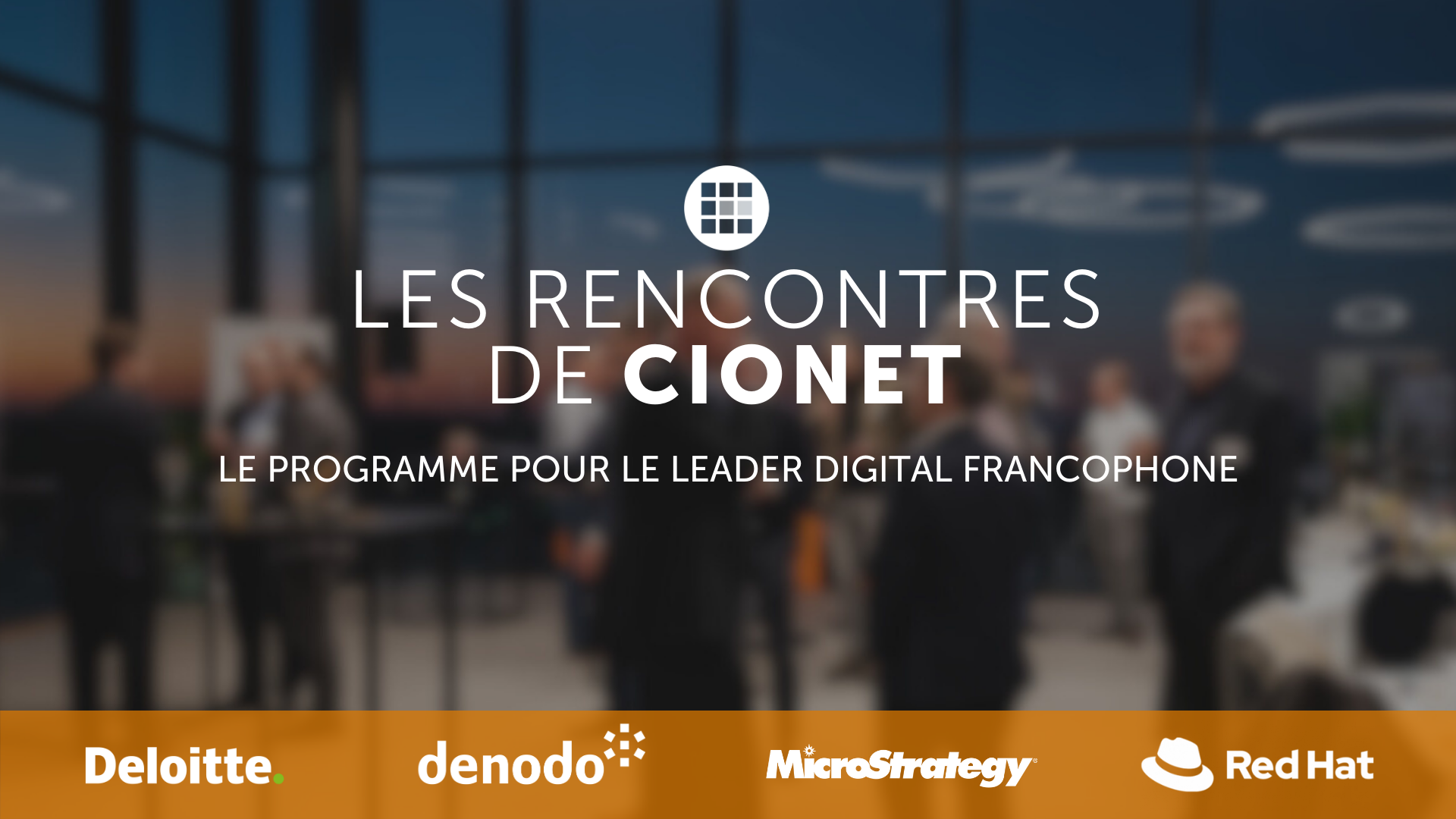
Découvrez la dynamique du leadership numérique aux Rencontres de CIONET, le programme francophone exclusif de CIONET pour les leaders numériques en Belgique, rendu possible grâce au soutien et à l'engagement de nos partenaires de programme : Deloitte, Denodo et Red Hat. Rejoignez trois événements inspirants par an à Liège, Namur et en Brabant Wallon, où des CIOs et des experts numériques francophones de premier plan partagent leurs perspectives et expériences sur des thèmes d'affaires et de IT actuels. Laissez-vous inspirer et apprenez des meilleurs du secteur lors de sessions captivantes conçues spécialement pour soutenir et enrichir votre rôle en tant que CIO pair. Ne manquez pas cette opportunité de faire partie d'un réseau exceptionnel d'innovateurs numériques !
Read More.jpg)
CIONET is committed to highlighting and celebrating female role models in IT, Tech & Digital, creating a leadership programme that empowers and elevates women within the tech industry. This initiative is dedicated to showcasing the achievements and successes of leading women, fostering an environment where female role models are recognised, and their contributions can ignite progress and inspire the next generation of women in IT. Our mission is to shine the spotlight a little brighter on female role models in IT, Tech & Digital, and to empower each other through this inner network community.
Read More


-Apr-01-2022-10-58-34-57-AM.png)









-Dec-13-2023-10-53-15-5032-AM.png)



-Jun-12-2023-01-23-11-7540-PM.png)




-Apr-01-2022-10-58-34-68-AM.png)






.png)



%20(003).png)
.png)



.png)










-Sep-01-2022-02-47-55-60-PM.png)
-Nov-22-2023-08-56-42-6802-AM.png)
.png)


.png "be-page-banner (1)")
.png)
.png)
.png)
.png)