

.png)
Belgium 20-10-2026 Squad Only Virtual English
Cloud decisions are becoming more selective. The challenge is deciding where each workload should run based on cost, performance, control, resilience, sovereignty, and business need. Three pressure points usually drive the decision. - Cost visibility becomes harder when usage grows across cloud services, data platforms, and AI workloads. - Performance and latency matter more when systems need fast access to data or support operational processes. - Sovereignty and resilience become critical when data location, continuity, vendor dependency, and exit options enter the discussion. The working question is simple: how do we place workloads where they create the most value while keeping the hybrid landscape manageable? If these trade-offs are on your agenda, let’s compare how others are handling similar choices.
Read More.png)
Belgium 10-11-2026 Squad Only Virtual English
Data platforms are meant to simplify access and support better use of data. The challenge is choosing and governing the platform landscape in a way that creates consistency, reuse, and long-term value. Three pressure points usually appear. - Platform choice becomes difficult when teams have different needs for speed, flexibility, cost, and control. - Business meaning needs protection: customer, revenue, product, risk, and FTE need shared definitions across tools. - Ownership and governance need to be clear, so platforms grow with accountability and discipline. The working question is simple: how do we give teams the data capabilities they need while keeping the platform landscape understandable, governed, and reusable? If these questions are familiar, let’s compare approaches with others facing the same data landscape.
Read More.png)
Belgium 13-11-2026 Squad Only Physical English
Many IT capabilities are essential and difficult to fund through a simple project ROI. The challenge is showing why architecture, governance, resilience, cybersecurity maturity, data foundations, and AI readiness deserve investment before the gap becomes expensive. Three pressure points make the case harder. - Shared value means the benefit often sits across several teams, while the budget sits in one place. - Timing creates friction because the cost is immediate while the value appears over time. - Risk translation is needed so business and finance leaders understand the consequence of delaying the investment. The working question is simple: how do we turn foundational IT capabilities into credible investment cases that link cost, risk, business value, and future flexibility? If you are building these cases internally, let’s compare how others are positioning value, risk, and timing.
Read More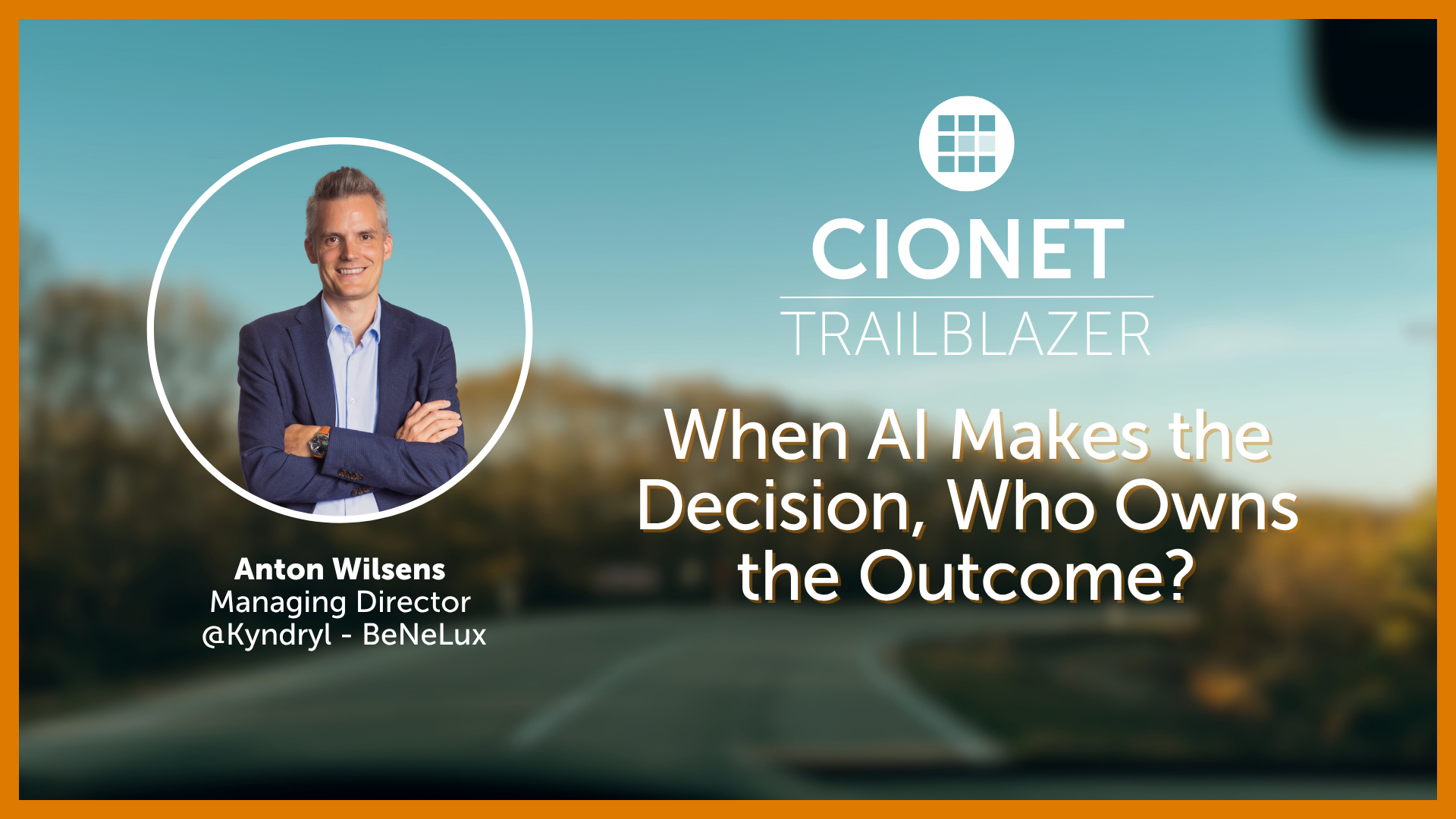
Published on: September 30, 2026 @ 1:17 PM
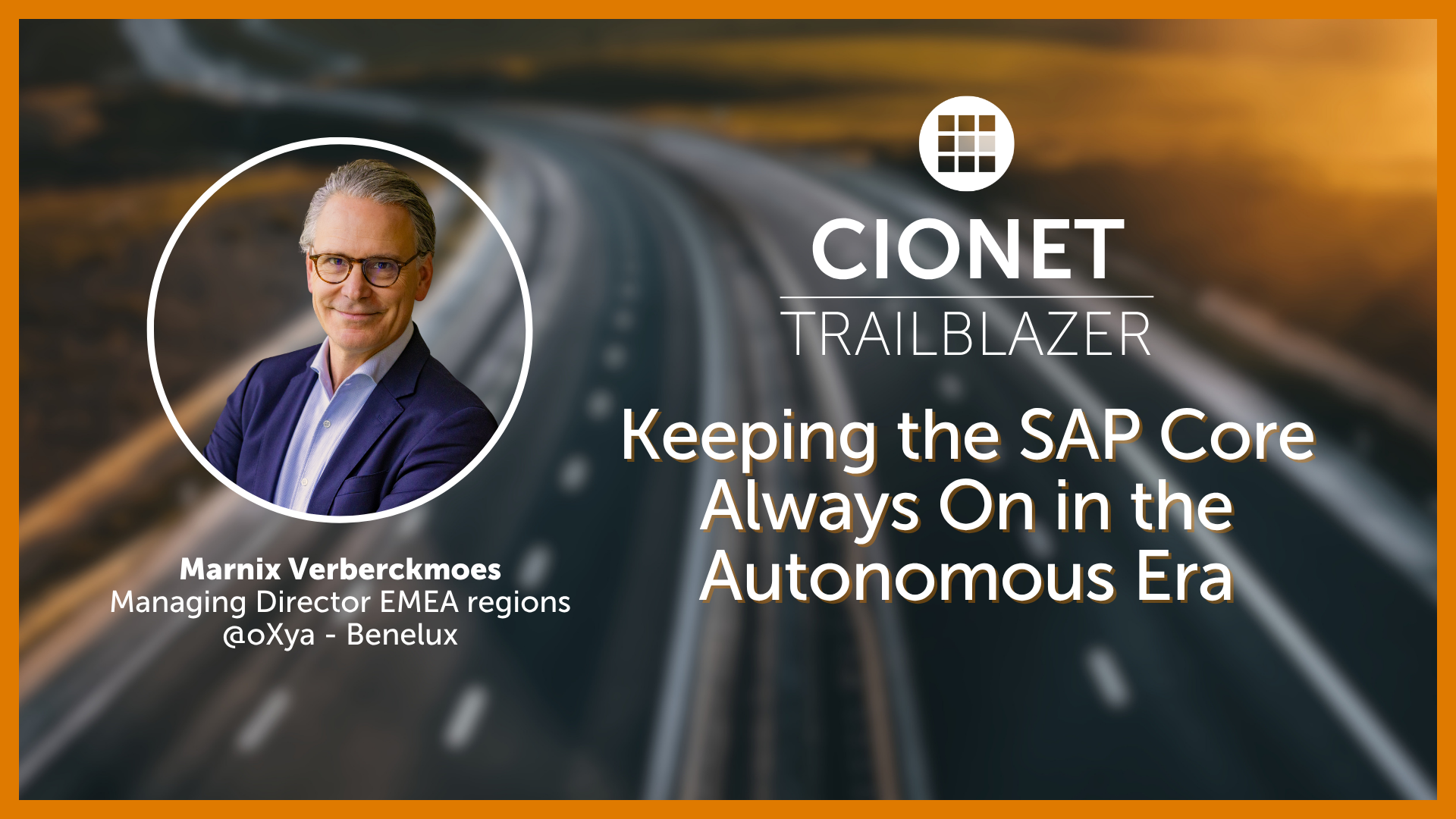
Published on: August 26, 2026 @ 9:13 AM
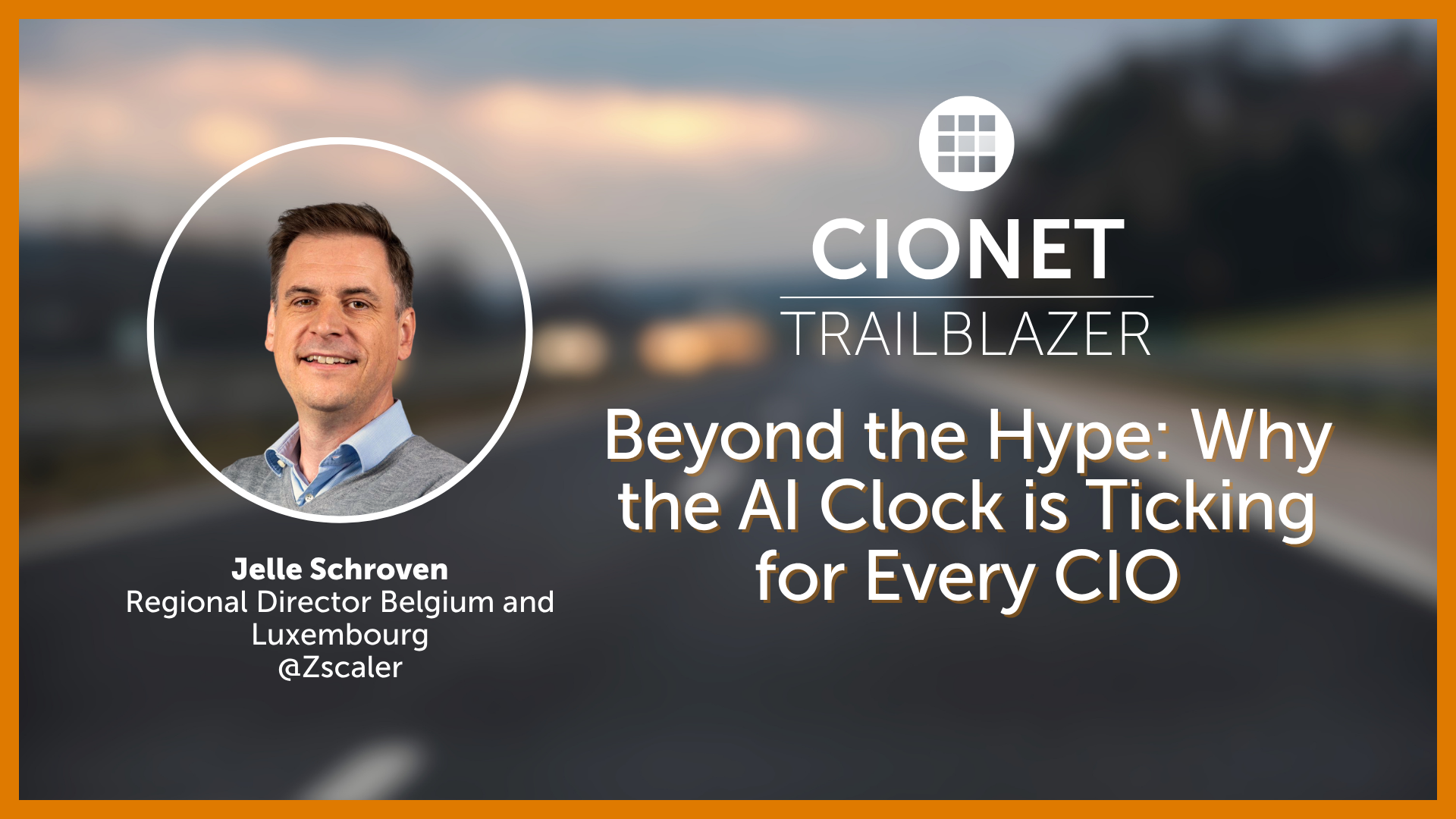
Published on: July 29, 2026 @ 10:08 AM
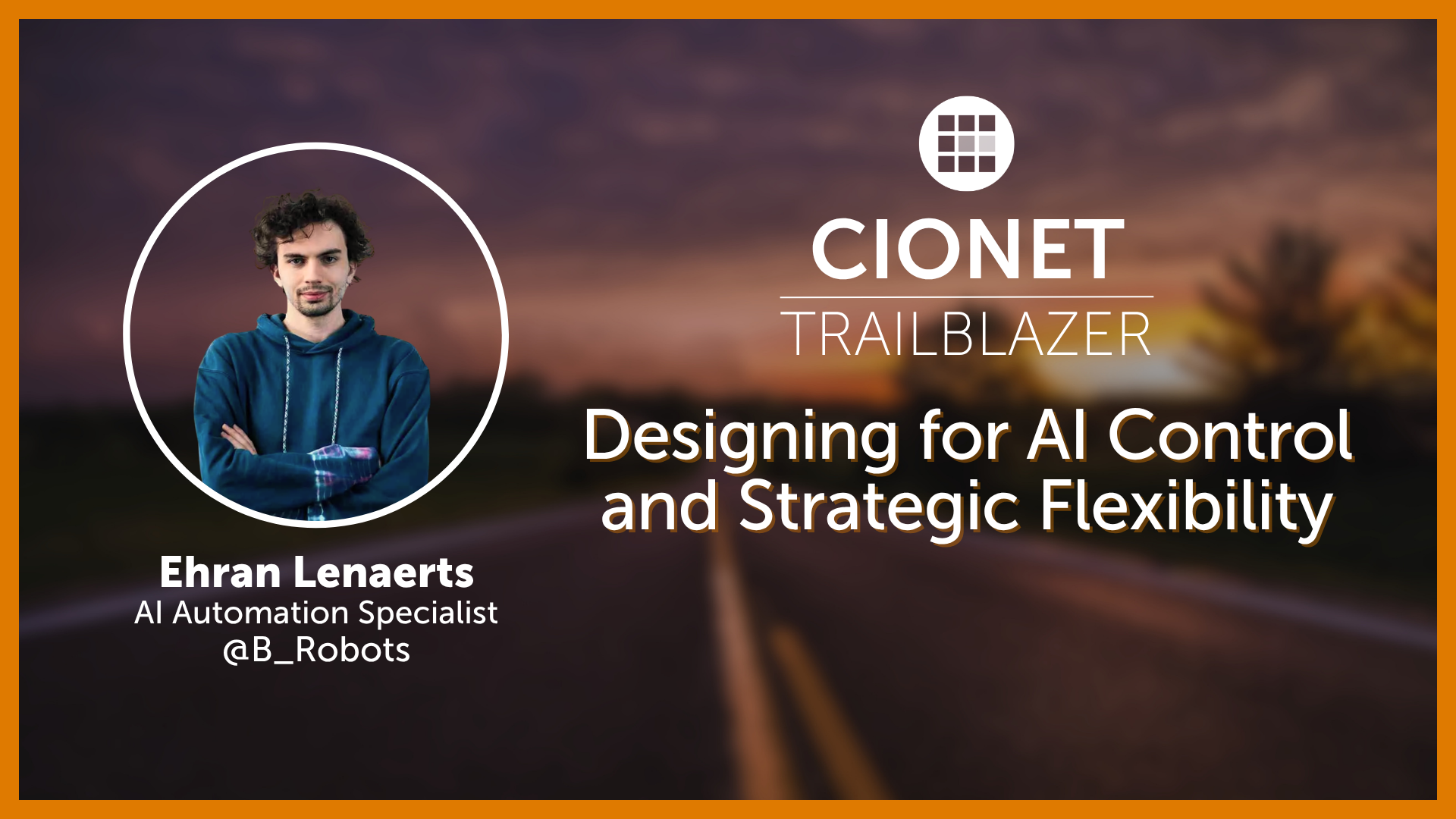
Published on: June 24, 2026 @ 5:00 PM
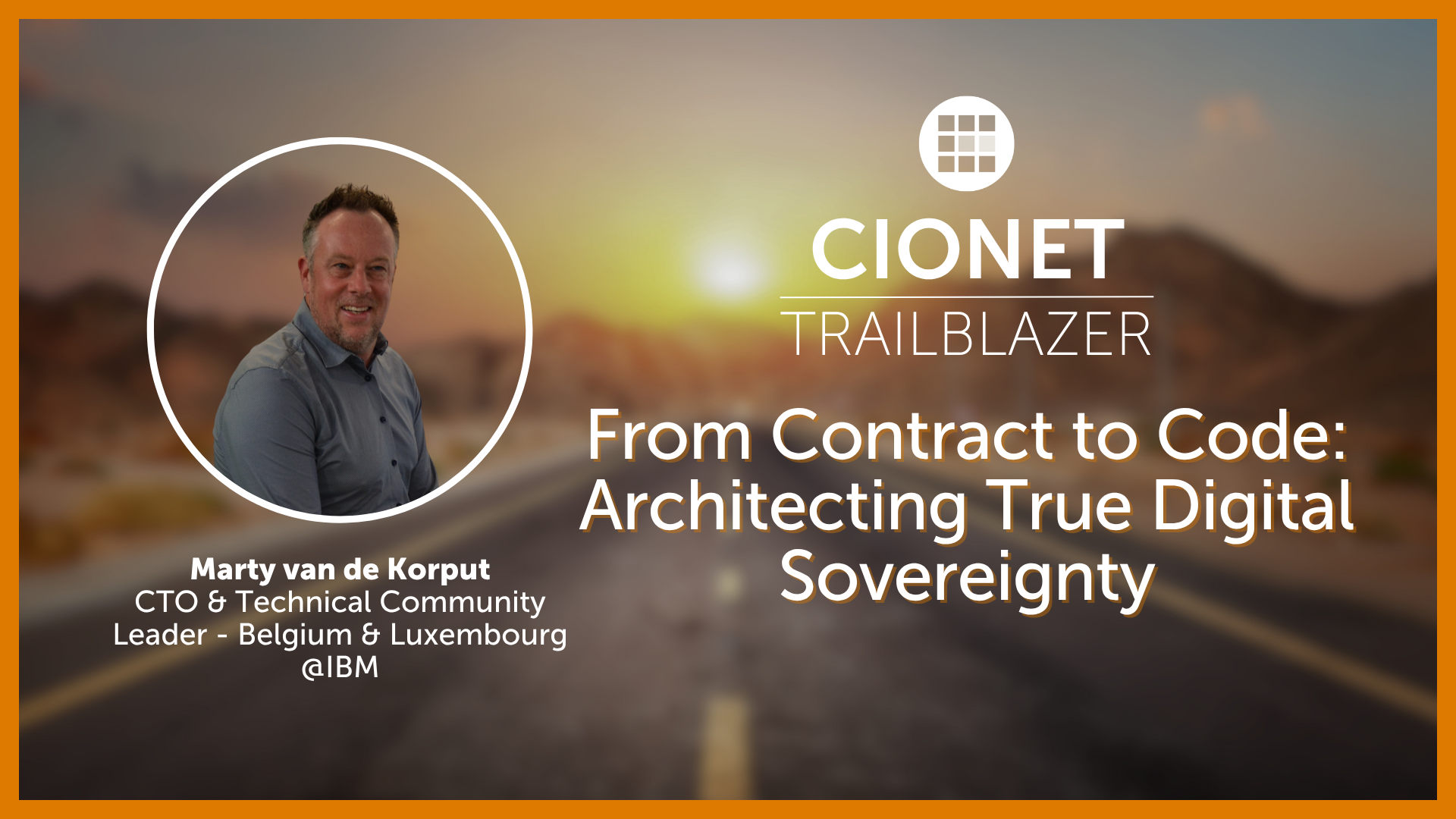
Published on: May 27, 2026 @ 9:21 AM
Published on: May 07, 2026 @ 4:02 PM
.png)
Published on: April 29, 2026 @ 9:11 AM

Published on: March 26, 2026 @ 3:37 PM
-2.png)
Published on: March 25, 2026 @ 9:58 AM

Published on: March 13, 2026 @ 3:43 PM
-Feb-25-2026-10-01-07-2508-AM.png)
Published on: February 25, 2026 @ 11:01 AM
.png)
Published on: February 25, 2026 @ 9:00 AM

Published on: February 24, 2026 @ 5:00 PM
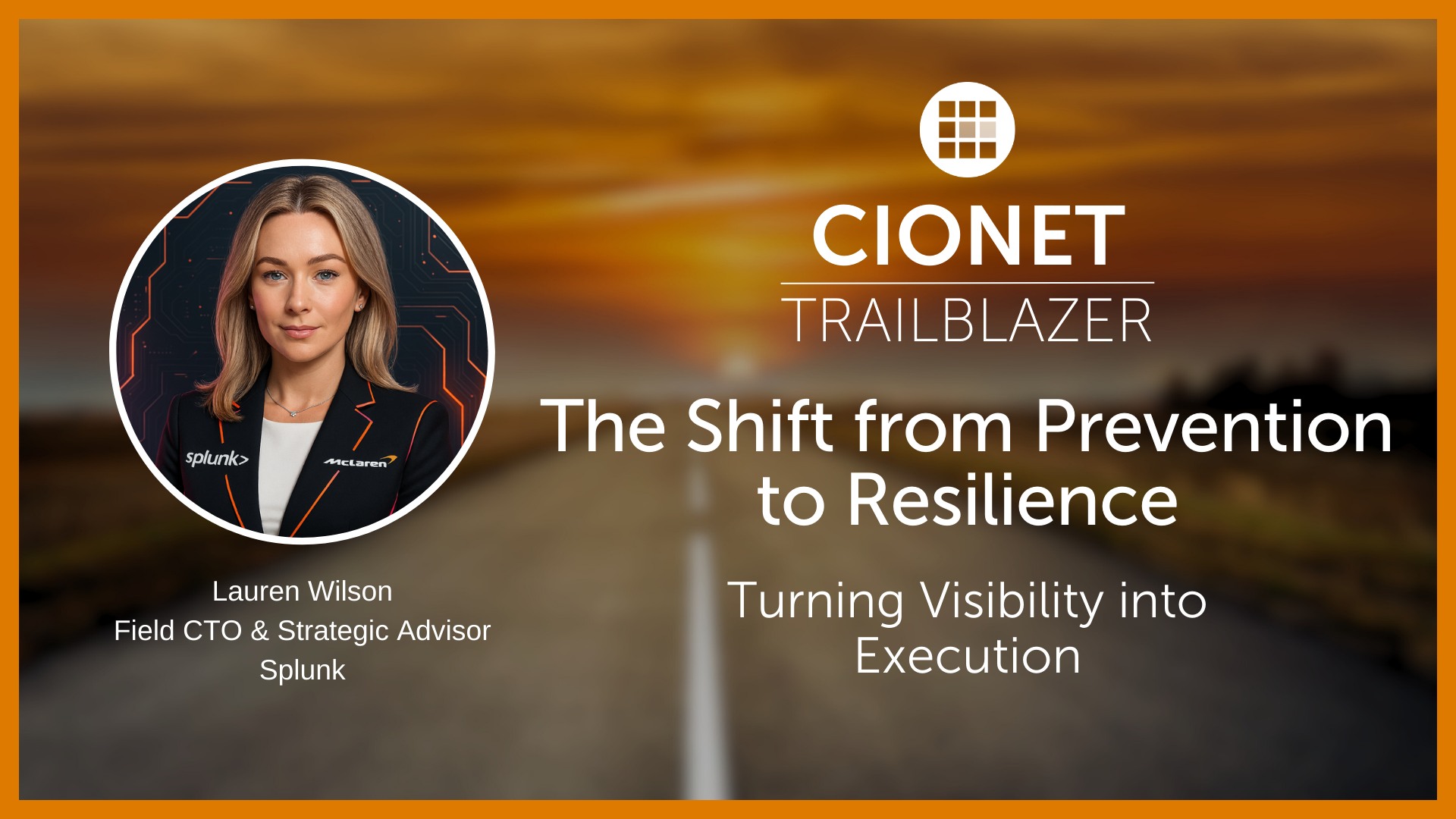
CIONET Trailblazer: CISO: The Shift from Prevention to Resilience: Turning Visibility into Execution
Published on: January 28, 2026 @ 9:48 AM
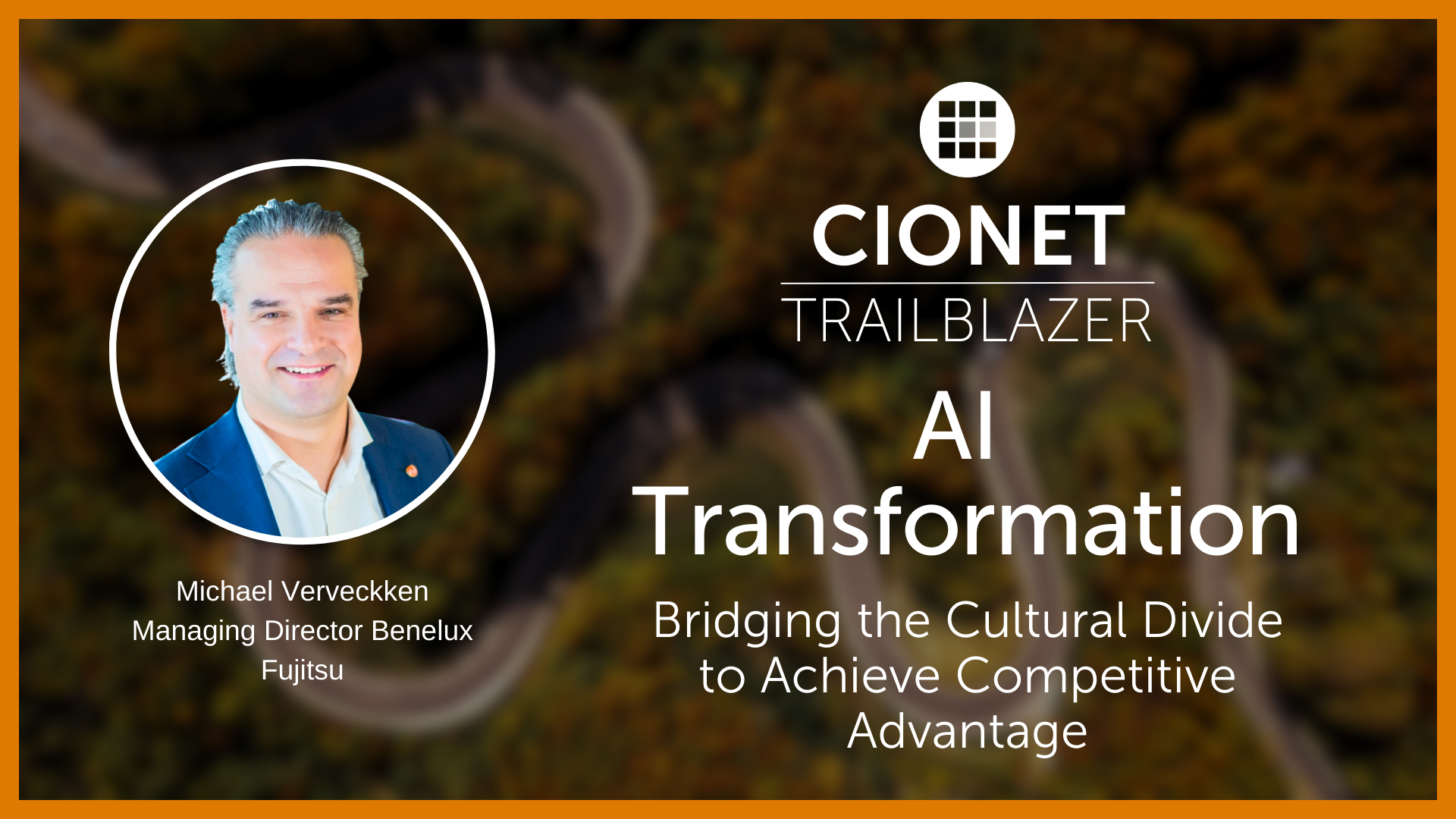
CIONET Trailblazer: AI Transformation: Bridging the Cultural Divide to Achieve Competitive Advantage
Published on: December 17, 2025 @ 9:16 AM
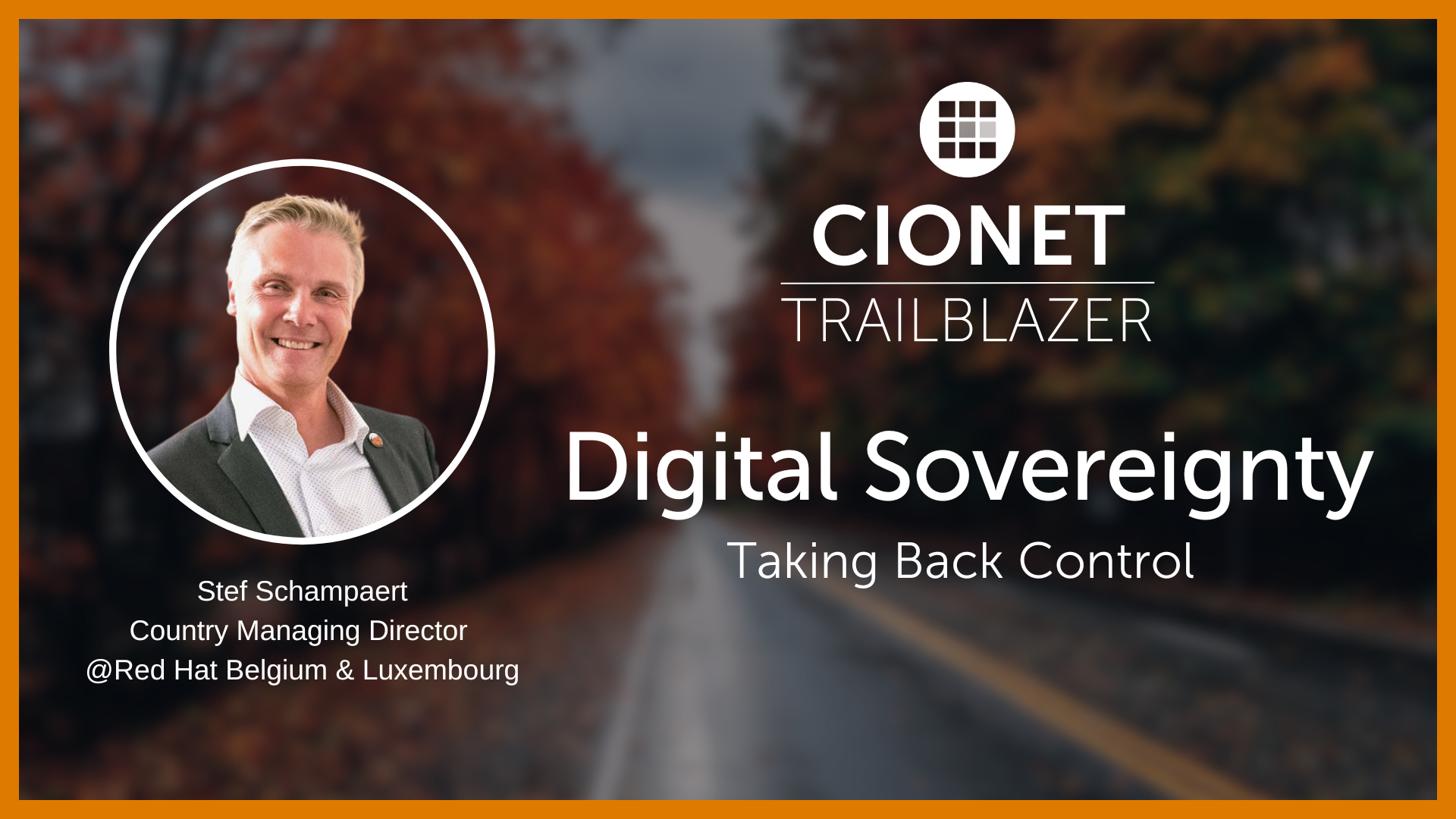
Published on: October 29, 2025 @ 11:31 AM
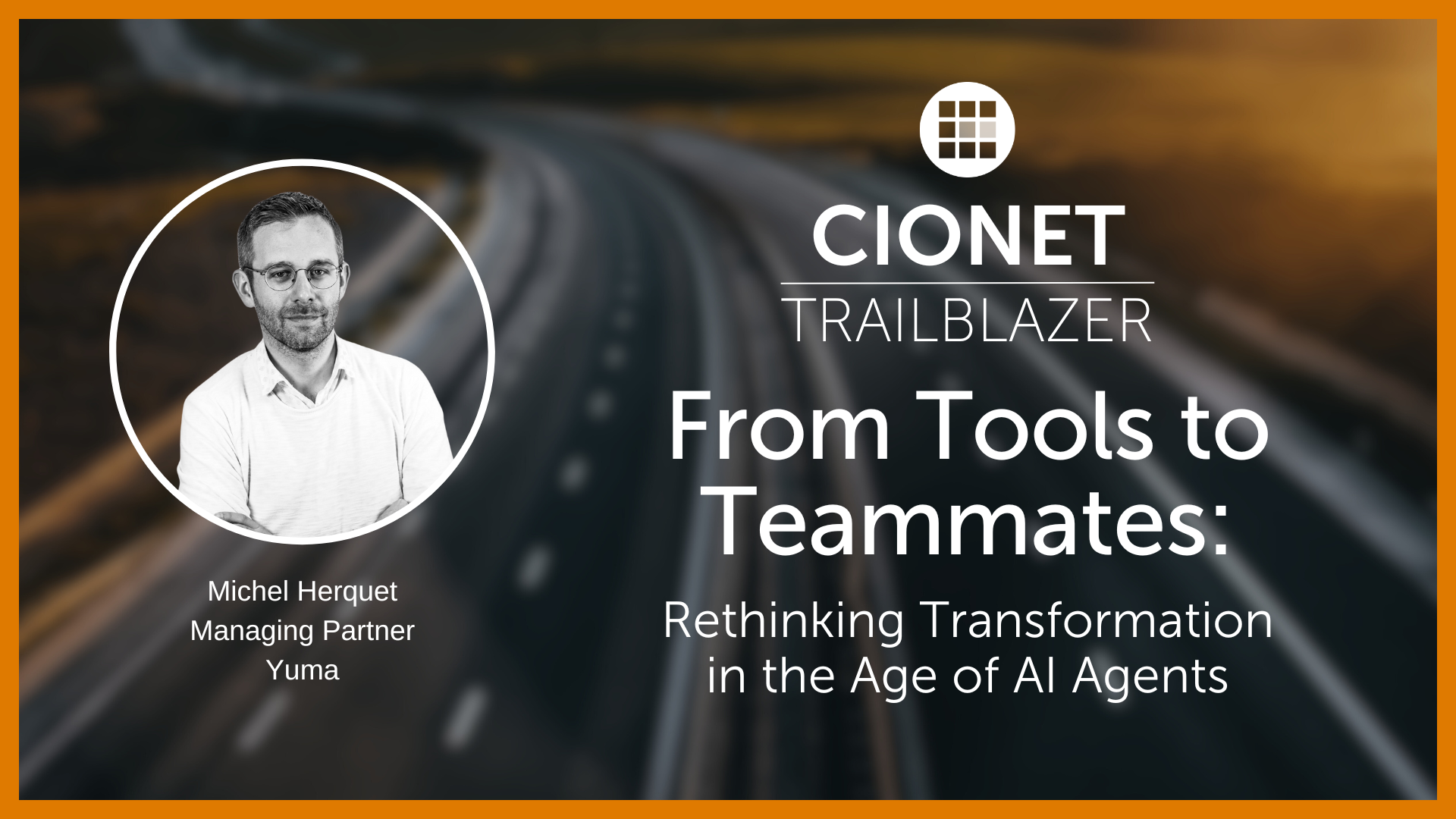
Published on: July 30, 2025 @ 9:19 AM
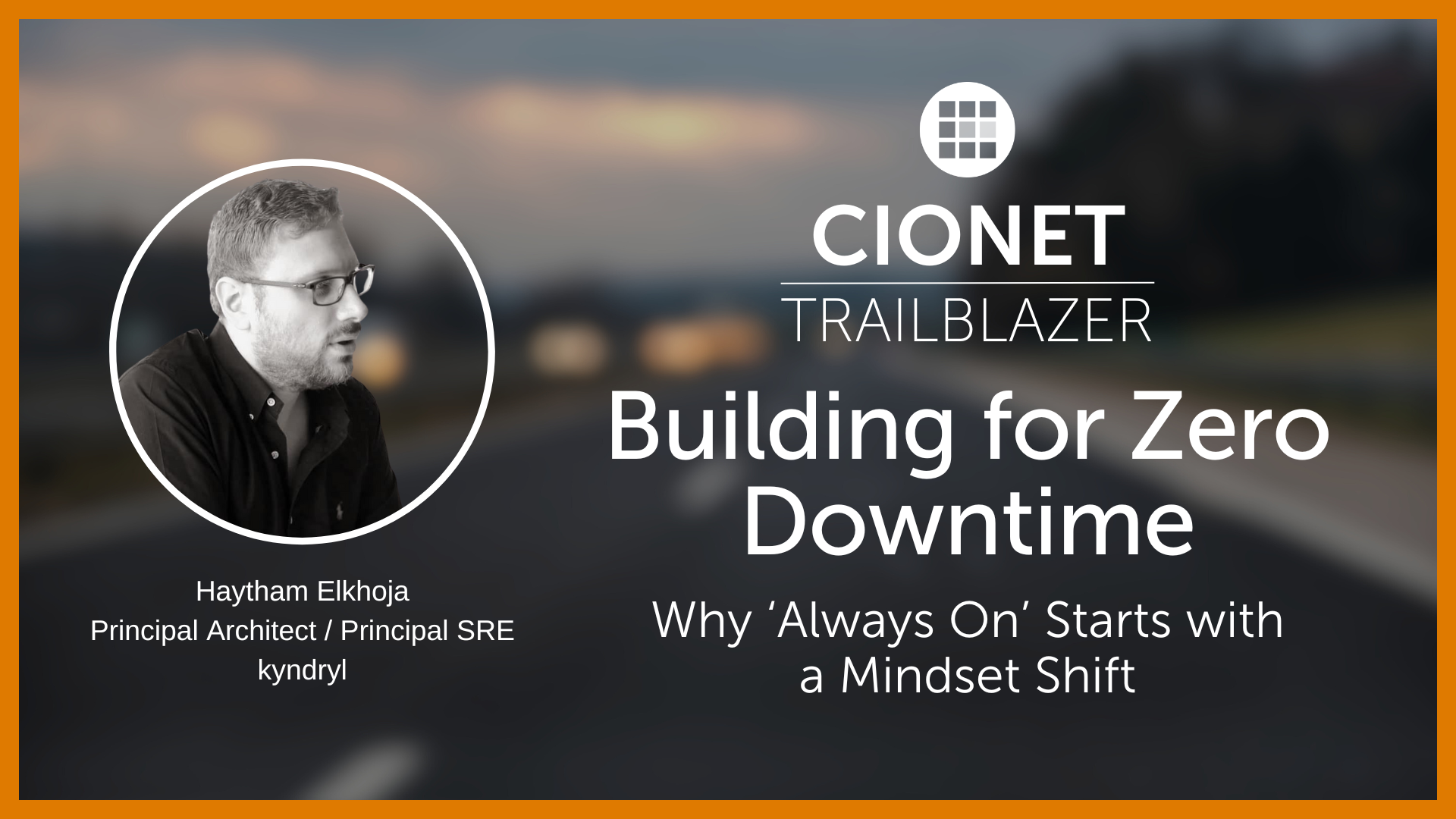
Published on: June 25, 2025 @ 9:14 AM
.png)
Published on: April 30, 2025 @ 9:04 AM
-1.png)
Published on: March 26, 2025 @ 9:59 AM
-1.png)
Published on: March 04, 2025 @ 5:07 PM
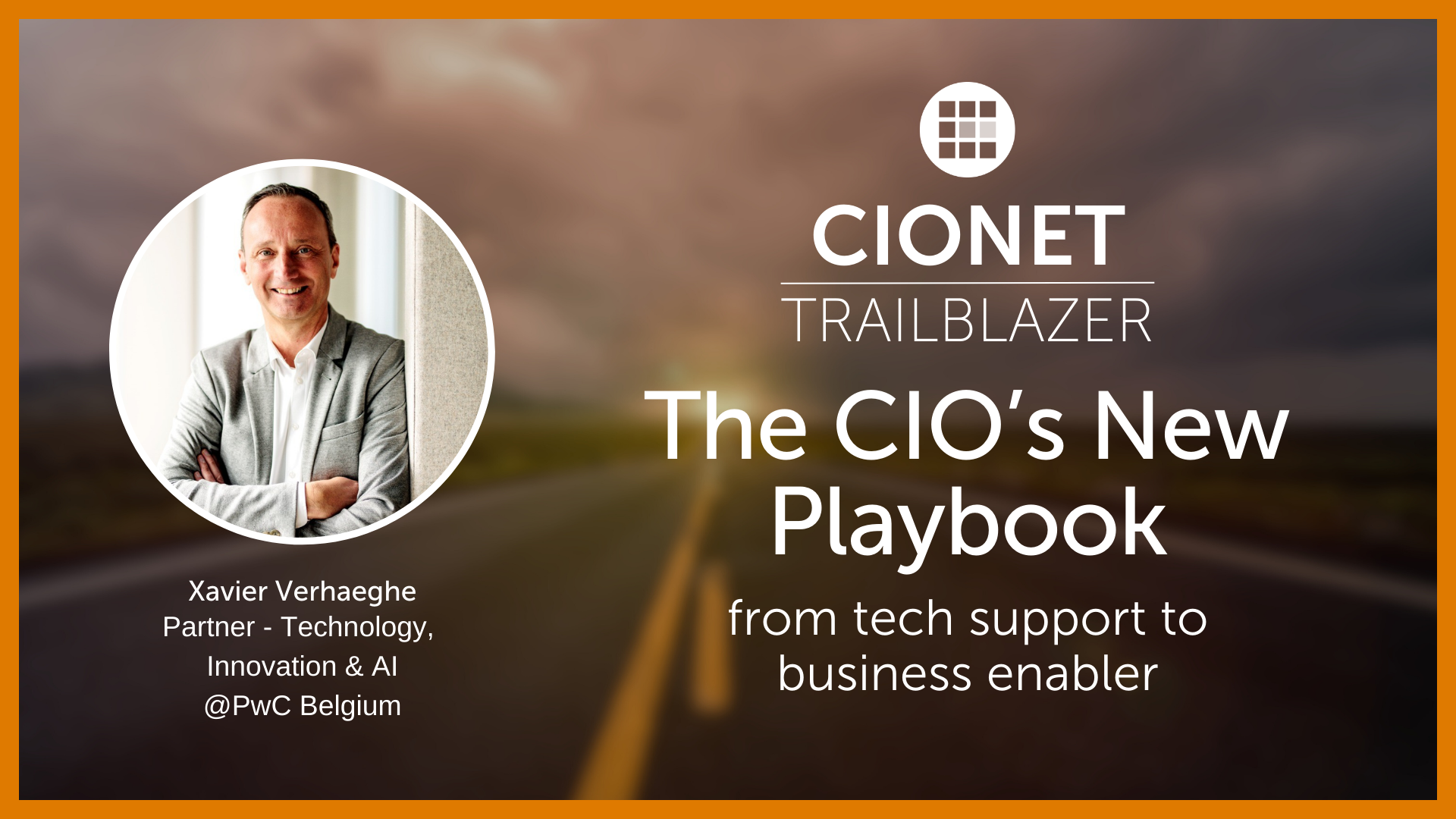
Published on: February 26, 2025 @ 10:51 AM
Published on: February 25, 2025 @ 4:14 PM
-4.png)
Published on: February 25, 2025 @ 10:33 AM
Published on: January 29, 2025 @ 9:58 AM
Published on: December 18, 2024 @ 9:07 AM
Published on: October 30, 2024 @ 9:34 AM
.png)
Published on: October 29, 2024 @ 11:37 AM
.png)
Published on: September 27, 2024 @ 10:41 AM
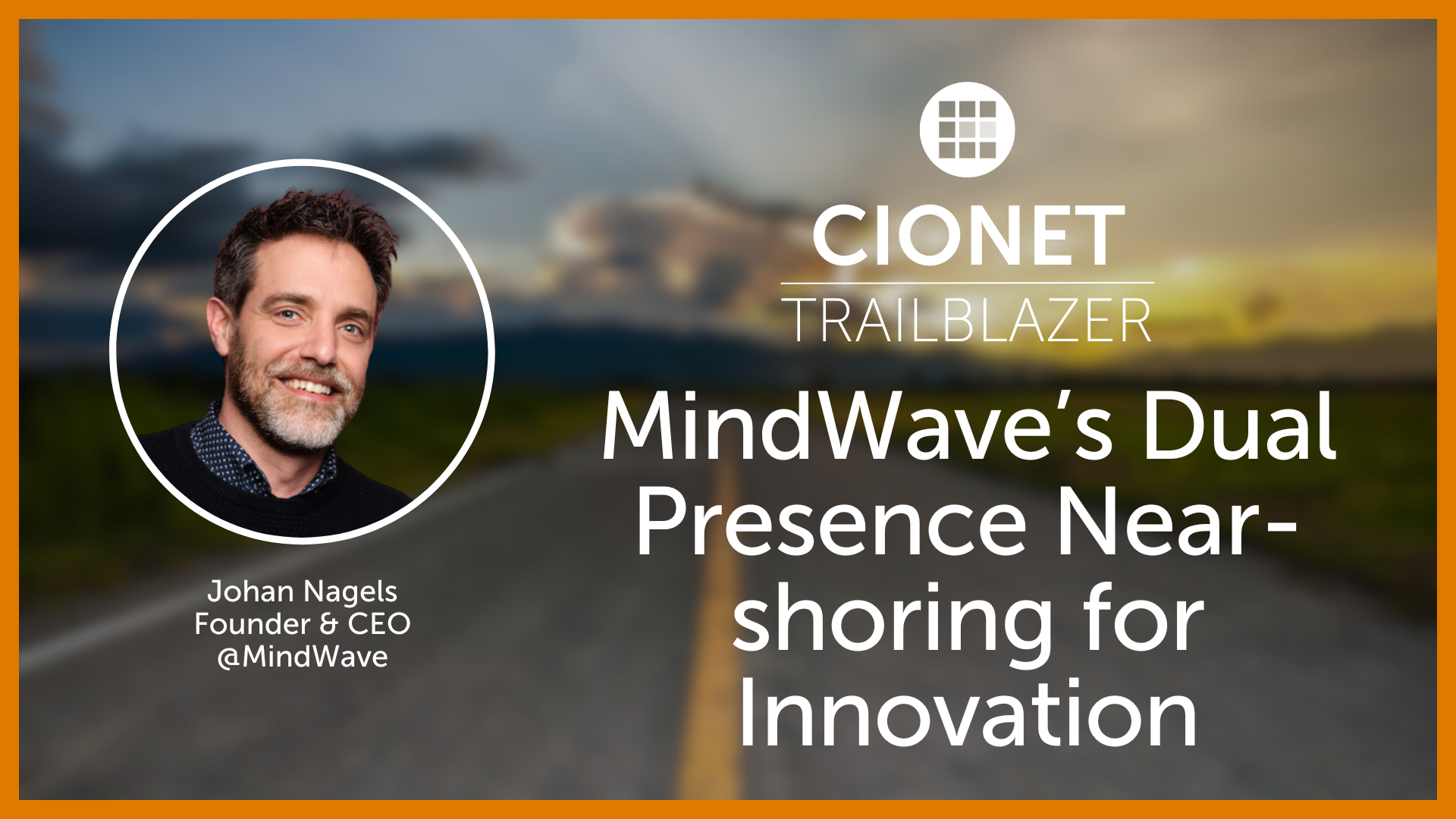
Published on: September 25, 2024 @ 8:59 AM

Published on: September 18, 2024 @ 3:44 PM
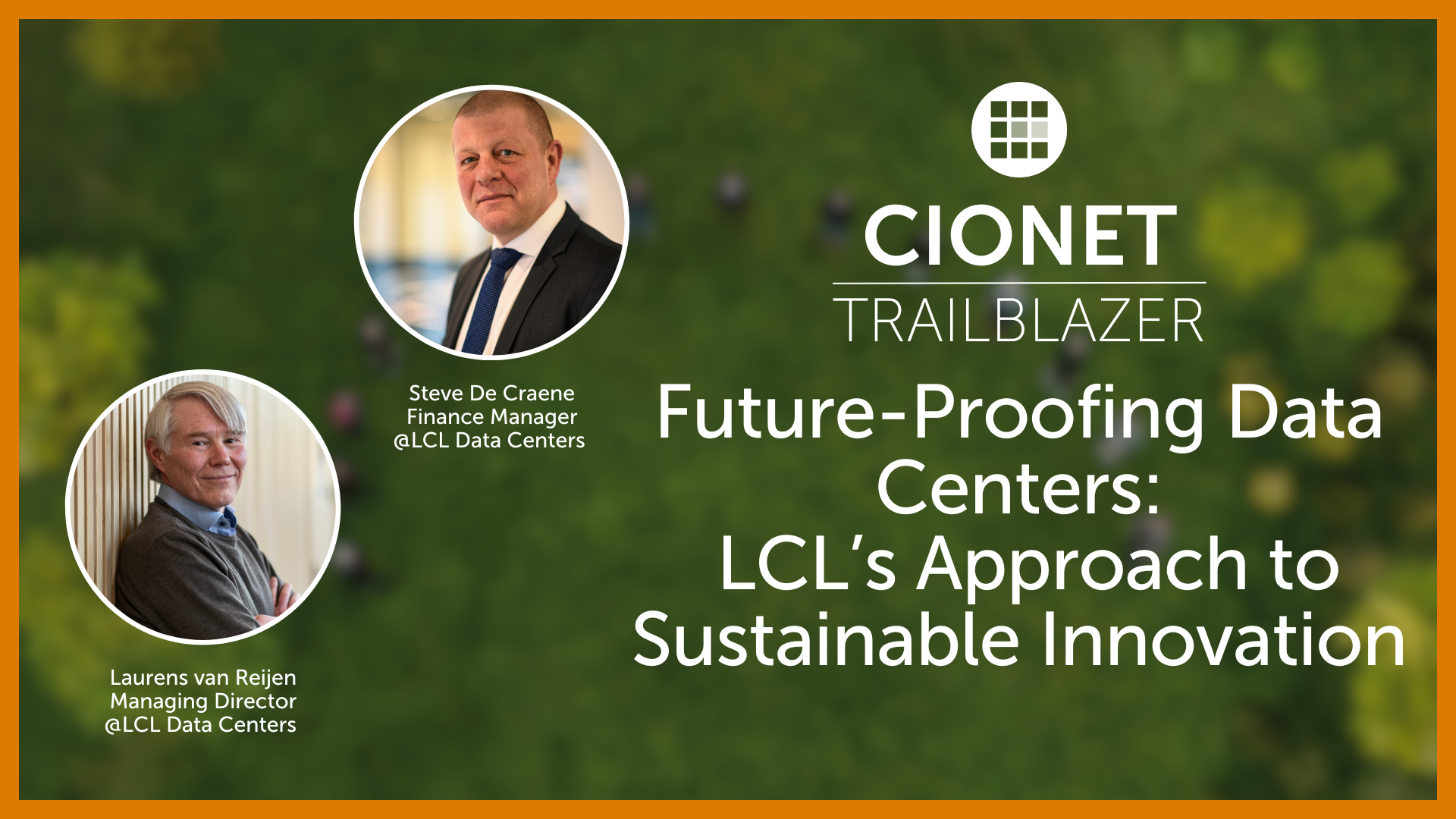
Published on: August 28, 2024 @ 10:10 AM
Putting the power behind Hotelbeds’ soaring business
A scalable, cloud-based server platform makes staying ahead in the travel industry more affordable.
Overview
Staying at the forefront of today’s travel industry means Hotelbeds Group has to manage hundreds of millions of online transactions every day. And that number’s always growing. Keeping on top of that growth meant investing in more and more computing hardware. As a result, the group had around 700 servers, hosted in a third party data centre. But it needed a smarter solution.
With our Cloud Compute platform, the group could scale up fast. And more affordably. Our professional services team made sure migration went smoothly. Now the group has near-limitless capacity and the assurance that our security products and experts are keeping cyber-threats at bay.
The challenge
The Hotelbeds Group’s platform connects travel services providers with travel sellers across the globe. With upwards of 430 million data requests a day from users worldwide to manage, the group was buying hundreds of new servers to keep up. As a result, the company’s physical estate had grown to around 700 servers, hosted in a third party data centre. It simply wasn’t sustainable.
We need to be able to quickly and flexibly increase our compute capacity. The only way to do that economically is in the cloud.” Álvaro de NicolásCIO, Hotelbeds Group
The group needed a better way to manage its growing number of transactions. One that meant they could scale their services more affordably, make the most of their existing investments, and keep their whole operation secure at the same time. They knew that meant looking to the cloud.
The solution
With our Cloud Compute platform, the Hotelbeds Group can do things like deploy and monitor its own cloud services. Or create hybrid environments to address both private and public requirements. Everything’s easily managed via a set of tools in a self-service portal.
The Hotelbeds Group solution runs across one of our BT data centres and a Hotelbeds Group data centre, both in Madrid. They’re linked over our IP Connect Global network for high availability and easy connection to the company’s operations in Europe, Asia and the US.
To kick things off, our professional services team hosted a number of workshops with the Hotelbeds Group IT team to develop a transition plan. We also prepared briefings to help the company communicate the plan to staff and senior management.
Once everything was agreed, the professional services team looked after the group’s migration to the cloud and made sure things ran smoothly and didn’t affect day-to-day business.
Our Cloud Compute solution features Cisco Unified Computing System (UCS) hardware “For us it’s important that BT runs Cisco appliances,” says Álvaro de Nicolás. “UCS provides a combined computing, networking and storage solution that means a faster and more reliable network.”
The great thing about Cisco UCS is that it decouples scale from complexity. So, whether you’ve got one server, or a thousand, it’s all easy to manage. It also makes it quick to deliver new services, with end-to-end provisioning and migration support for both virtualised and non-virtualised systems.
BT Cloud Compute running on Cisco hardware increases scalability at lower cost for global travel services provider Hotelbeds.
The result
As well as being far more sustainable, our Cloud Compute means the Hotelbeds Group can better align IT investment with growth thanks to flexible commercial terms. New virtual servers offer near-limitless capacity and sure up business continuity. And they mean new servers can be deployed in minutes, rather than weeks, making the whole business more effective.
Better still, Hotelbeds Group is redeploying 200 of its existing servers to our private cloud. The remainder removed or re-used for non-core applications in its HQ in Palma, Mallorca, so nothing goes to waste. The Hotelbeds Group Oracle database will be hosted on physical servers within the BT private cloud and the rest of the infrastructure will be fully virtualised in our public Cloud Compute zone in Madrid.
And everything’s kept secure. Our contract with Hotelbeds Group also sees us provide security services like firewalls and DDoS attack prevention.
“In fact, security is one of the key items on my agenda and the CEO’s agenda,” confirms Álvaro de Nicolás. “BT helps us with firewalls that protect our websites, as well as allowing us to move and redirect traffic in case of cyber-attack.”
All in all, the new solution means the whole business can react to a growing and changing market faster. Sam Turner, Sales Director at Hotelbeds Group, sums up: We’ll also reduce cost per transaction, which in a scale-and-growth business is very important.”

CIONET’s Cyber Circle: a new three-event programme exclusively focusing on the most urgent, complex, and high-impact challenges in cybersecurity today. Launched in 2026, this initiative brings together CISOs, CIOs, and senior IT executives with a strong interest in cybersecurity for three curated gatherings each year. As part of CIONET’s trusted executive community, the Cyber Circle provides a confidential, peer-driven environment to exchange insights, share real-world experiences, and address evolving cyber threats. Each session is designed to foster strategic dialogue, strengthen resilience, and elevate cybersecurity as a core driver of business value.
Read More.png)
The Telenet Business Leadership Circle powered by CIONET, offers a platform where IT executives and thought leaders can meet to inspire each other and share best practices. We want to be a facilitator who helps you optimise the performance of your IT function and your business by embracing the endless opportunities that digital change brings.
Read More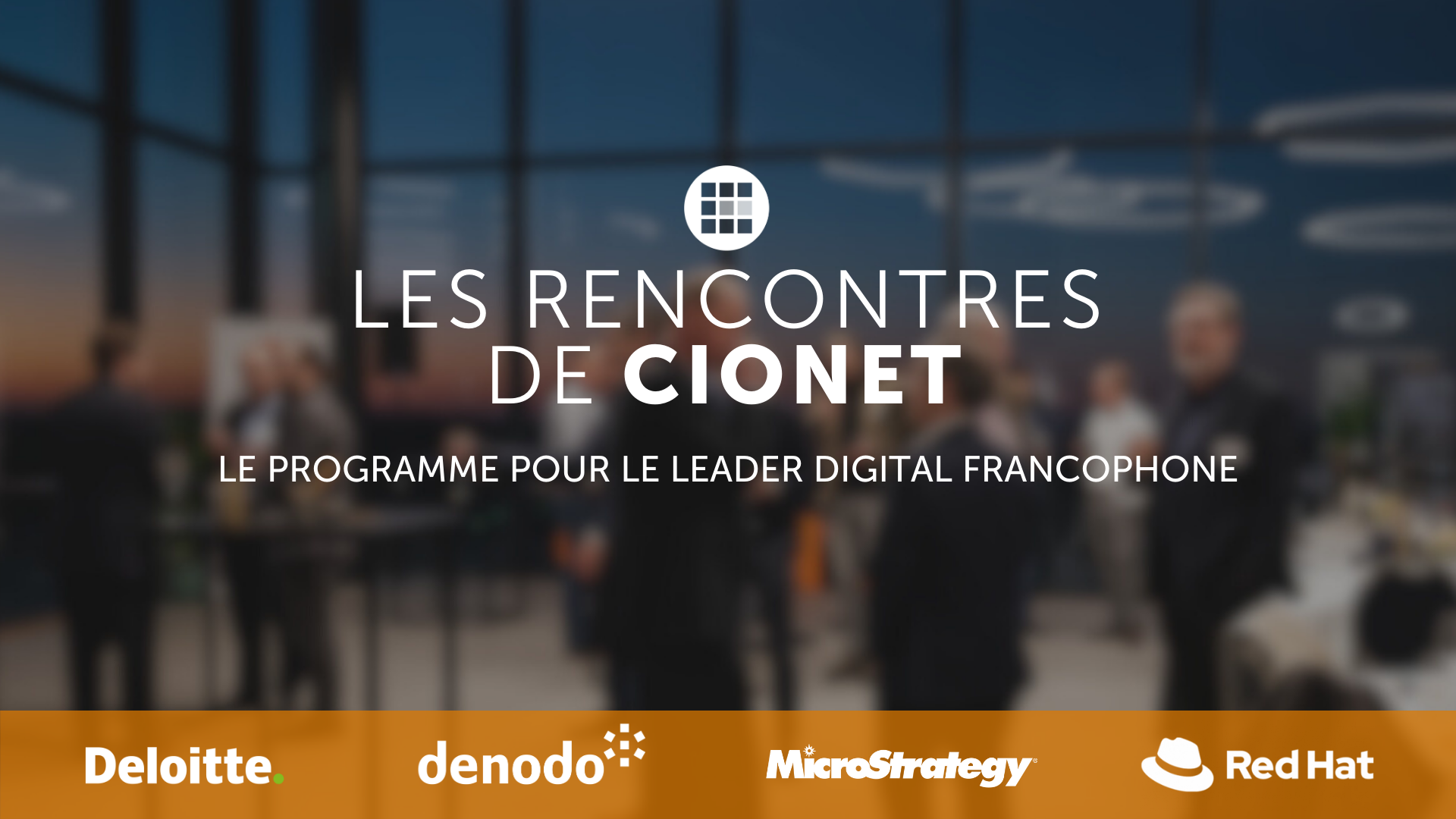
Découvrez la dynamique du leadership numérique aux Rencontres de CIONET, le programme francophone exclusif de CIONET pour les leaders numériques en Belgique, rendu possible grâce au soutien et à l'engagement de nos partenaires de programme : Deloitte, Denodo et Red Hat. Rejoignez trois événements inspirants par an à Liège, Namur et en Brabant Wallon, où des CIOs et des experts numériques francophones de premier plan partagent leurs perspectives et expériences sur des thèmes d'affaires et de IT actuels. Laissez-vous inspirer et apprenez des meilleurs du secteur lors de sessions captivantes conçues spécialement pour soutenir et enrichir votre rôle en tant que CIO pair. Ne manquez pas cette opportunité de faire partie d'un réseau exceptionnel d'innovateurs numériques !
Read More.jpg)
CIONET is committed to highlighting and celebrating female role models in IT, Tech & Digital, creating a leadership programme that empowers and elevates women within the tech industry. This initiative is dedicated to showcasing the achievements and successes of leading women, fostering an environment where female role models are recognised, and their contributions can ignite progress and inspire the next generation of women in IT. Our mission is to shine the spotlight a little brighter on female role models in IT, Tech & Digital, and to empower each other through this inner network community.
Read More


-Apr-01-2022-10-58-34-57-AM.png)









-Dec-13-2023-10-53-15-5032-AM.png)


-Jun-12-2023-01-23-11-7540-PM.png)



-Apr-01-2022-10-58-34-68-AM.png)





.png)


%20(003).png)

.png)

.png)










-Sep-01-2022-02-47-55-60-PM.png)
-Nov-22-2023-08-56-42-6802-AM.png)
.png)


.png "be-page-banner (1)")

.png)
.png)
.png)
.png)