

.png)
Belgium 20-10-2026 Squad Only Virtual English
Cloud decisions are becoming more selective. The challenge is deciding where each workload should run based on cost, performance, control, resilience, sovereignty, and business need. Three pressure points usually drive the decision. - Cost visibility becomes harder when usage grows across cloud services, data platforms, and AI workloads. - Performance and latency matter more when systems need fast access to data or support operational processes. - Sovereignty and resilience become critical when data location, continuity, vendor dependency, and exit options enter the discussion. The working question is simple: how do we place workloads where they create the most value while keeping the hybrid landscape manageable? If these trade-offs are on your agenda, let’s compare how others are handling similar choices.
Read More.png)
Belgium 10-11-2026 Squad Only Virtual English
Data platforms are meant to simplify access and support better use of data. The challenge is choosing and governing the platform landscape in a way that creates consistency, reuse, and long-term value. Three pressure points usually appear. - Platform choice becomes difficult when teams have different needs for speed, flexibility, cost, and control. - Business meaning needs protection: customer, revenue, product, risk, and FTE need shared definitions across tools. - Ownership and governance need to be clear, so platforms grow with accountability and discipline. The working question is simple: how do we give teams the data capabilities they need while keeping the platform landscape understandable, governed, and reusable? If these questions are familiar, let’s compare approaches with others facing the same data landscape.
Read More.png)
Belgium 13-11-2026 Squad Only Physical English
Many IT capabilities are essential and difficult to fund through a simple project ROI. The challenge is showing why architecture, governance, resilience, cybersecurity maturity, data foundations, and AI readiness deserve investment before the gap becomes expensive. Three pressure points make the case harder. - Shared value means the benefit often sits across several teams, while the budget sits in one place. - Timing creates friction because the cost is immediate while the value appears over time. - Risk translation is needed so business and finance leaders understand the consequence of delaying the investment. The working question is simple: how do we turn foundational IT capabilities into credible investment cases that link cost, risk, business value, and future flexibility? If you are building these cases internally, let’s compare how others are positioning value, risk, and timing.
Read More
Published on: September 30, 2026 @ 1:17 PM
Published on: August 26, 2026 @ 9:13 AM
Published on: July 29, 2026 @ 10:08 AM

Published on: June 24, 2026 @ 5:00 PM

Published on: May 27, 2026 @ 9:21 AM
Published on: May 07, 2026 @ 4:02 PM
.png)
Published on: April 29, 2026 @ 9:11 AM

Published on: March 26, 2026 @ 3:37 PM
-2.png)
Published on: March 25, 2026 @ 9:58 AM

Published on: March 13, 2026 @ 3:43 PM
-Feb-25-2026-10-01-07-2508-AM.png)
Published on: February 25, 2026 @ 11:01 AM
.png)
Published on: February 25, 2026 @ 9:00 AM

Published on: February 24, 2026 @ 5:00 PM
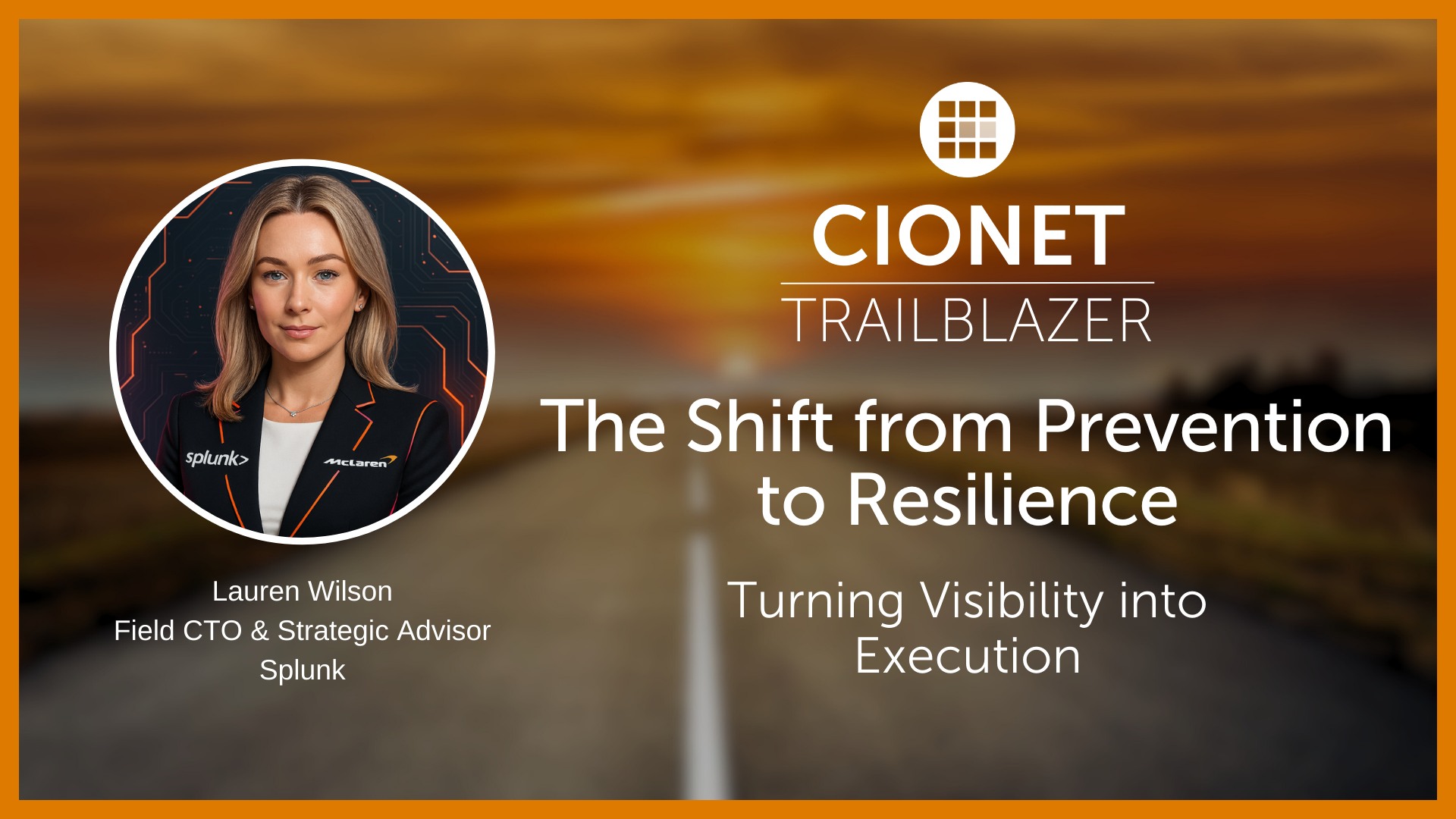
CIONET Trailblazer: CISO: The Shift from Prevention to Resilience: Turning Visibility into Execution
Published on: January 28, 2026 @ 9:48 AM

CIONET Trailblazer: AI Transformation: Bridging the Cultural Divide to Achieve Competitive Advantage
Published on: December 17, 2025 @ 9:16 AM

Published on: October 29, 2025 @ 11:31 AM
Published on: July 30, 2025 @ 9:19 AM
Published on: June 25, 2025 @ 9:14 AM
.png)
Published on: April 30, 2025 @ 9:04 AM
-1.png)
Published on: March 26, 2025 @ 9:59 AM
-1.png)
Published on: March 04, 2025 @ 5:07 PM
Published on: February 26, 2025 @ 10:51 AM
Published on: February 25, 2025 @ 4:14 PM
-4.png)
Published on: February 25, 2025 @ 10:33 AM

Published on: January 29, 2025 @ 9:58 AM
Published on: December 18, 2024 @ 9:07 AM
Published on: October 30, 2024 @ 9:34 AM
.png)
Published on: October 29, 2024 @ 11:37 AM
.png)
Published on: September 27, 2024 @ 10:41 AM

Published on: September 25, 2024 @ 8:59 AM

Published on: September 18, 2024 @ 3:44 PM
Published on: August 28, 2024 @ 10:10 AM

Finding parts for classic car fans.
Volkswagen Classic Parts creates new shopping experiences with Adobe Commerce and Adobe Experience Manager.
The e-commerce site for Volkswagen Classic Parts, which is majority owned by Volkswagen Group, carries around 60,000 spare parts and accessories — everything needed to bring joy to fans new and old. It’s not just an ordinary shop, but also an emotional experience for customers — and for the shop’s 60 employees, who are often customers themselves.
For more than 20 years, Volkswagen Group has offered a supply of spare parts specially tailored to older car models through its Volkswagen Classic Parts brand. Unlike competitors that also specialize in parts for older models, the company can also supply parts no longer in stock by the group’s After-Sales department. It helps maintain a supply of spare parts far beyond the legal requirements intended for operational spare parts.
Volkswagen Classic Parts also closes supply gaps by remanufacturing spare parts that are in high demand, even when suppliers no longer have the tools to make them. These are not considered original parts, but they are 1:1 replicas that match the original quality.
While rare spare parts only get more coveted as years pass, an e-commerce site can show its age quickly. Volkswagen used Magento Commerce 1 for years, and recently upgraded to Adobe Commerce and Adobe Experience Manager.
After an initial proof of concept, the new e-commerce site went live less than ten months later. Adobe partner TechDivision and IT services provider LexCom were on board from the start. TechDivision has been an Adobe Commerce partner in Europe for many years, so Volkswagen felt confident entrusting the company with the upgrade to Adobe Commerce and introduction of Adobe Experience Manager.
LexCom is the world's leading specialist in after-sales solutions for parts and services. Its product portfolio sets the benchmark for the industry, supporting all sales of spare parts. During the migration to Adobe Commerce, LexCom helped integrate master and catalog data and set up shop navigation using parts modules. This helps customers find the exact parts for their vehicle in the Volkswagen Classic Parts catalog.
“We wanted to create a user-friendly digital ecosystem for spare parts, merchandising items, and providing certificates for our business and private customers. The e-commerce site needed to support customers who wanted targeted search as well as those casually browsing for spare parts.” Jens-Uwe Siebert - Program Manager and Project Manager, Volkswagen Classic Parts
The main goal of the Adobe Commerce upgrade was to improve e-commerce performance and stabilize the system as a whole.
“We wanted to create a user-friendly digital ecosystem for spare parts, merchandising items, and providing certificates for our business and private customers,” says Jens-Uwe Siebert, project manager for Volkswagen Classic Parts. “The e-commerce site needed to support customers who wanted targeted search as well as those casually browsing for spare parts. TechDivision and LexCom worked with us to help us achieve this goal."
A highlight of the new Volkswagen Classic Parts site is the option to search for spare parts by chassis number. For vehicles built after 1998, Volkswagen can use the vehicle identification number (VIN) to link a vehicle with parts and display the right spare parts for an individual vehicle.
“We have been supporting Volkswagen Classic Parts for many years, and we were pleased that they relied upon our expertise to integrate Adobe Commerce and Adobe Experience Manager into a complex environment.” Stefan Willkommer - CEO, TechDivision
The new Volkswagen Classic Parts e-commerce site not only opens up better options for its customers to find the parts they need, but it also provides Volkswagen with new opportunities for emotional storytelling around the classic VW logo. With Adobe Experience Manager as the content management system, Volkswagen integrated a magazine into its digital experience. The magazine allows Volkswagen to tell stories, such as a history of the Volkswagen T4 or look at manufactured parts for the iconic Volkswagen Beetle.
To ensure that the combination of sales and experience works seamlessly, Volkswagen relies on the integrations between Adobe Commerce, Adobe Experience Manager, and internal master databases within Volkswagen Group. TechDivision used its proprietary commerce integration platform, which is being successfully used for a large number of projects, to connect with the existing IT infrastructure.
According to Siebert, that was one of the greatest challenges of the project. Volkswagen Classic Parts handles such an extensive range of parts that it depends on internal databases. Product descriptions and dimensions come from the Electronic Parts Information System (EPIS) from LexCom. Data around inventories, availability, and prices are pulled from the merchandise management system. The content management system links relevant information from the spare parts technical documentation with the e-commerce parts module, creating a system that allows customers to find parts related to their vehicle in the simplest way possible.
Service layers and the close collaboration between partners were key to using data seamlessly across the e-commerce site. “The three teams worked particularly well during this critical phase to bring data together,” says Siebert. This phase expanded upon the capabilities within Adobe Commerce and Adobe Experience Manager to bring even stronger e-commerce functionality to the site.
“The majority of the customizations were implemented as part of the integrations,” adds Stefan Willkommer, CEO of TechDivision, which supported the implementation and also provided the right middleware. “We have been supporting Volkswagen Classic Parts for many years, and we were pleased that it relied upon our expertise to integrate Adobe Commerce and Adobe Experience Manager into a complex environment.”
“The cooperation between the project teams at Volkswagen Classic Parts, TechDivision, and LexCom was extremely constructive throughout the project and always goal-oriented, even during the crucial phase before the go-live. We could address issues quickly and complete this demanding project on time.” Ernst Hagl - Product Manager, LexCom
The end result is a polished, high-performance Volkswagen Classic Parts e-commerce site that is ready for whatever the future brings. It also served as a strong experience for the three partners, who all attributed the project’s strong success through good cooperation and close communication. Working together, they overcame the challenges of integrating systems and data.
“The cooperation between the project teams at Volkswagen Classic Parts, TechDivision, and LexCom was extremely constructive throughout the project and always goal-oriented, even during the crucial phase before the go-live,” says Ernst Hagl, product manager at LexCom. “We could address issues quickly and complete this demanding project on time.”
Adobe Commerce Adobe Experience Cloud Adobe Experience Manager
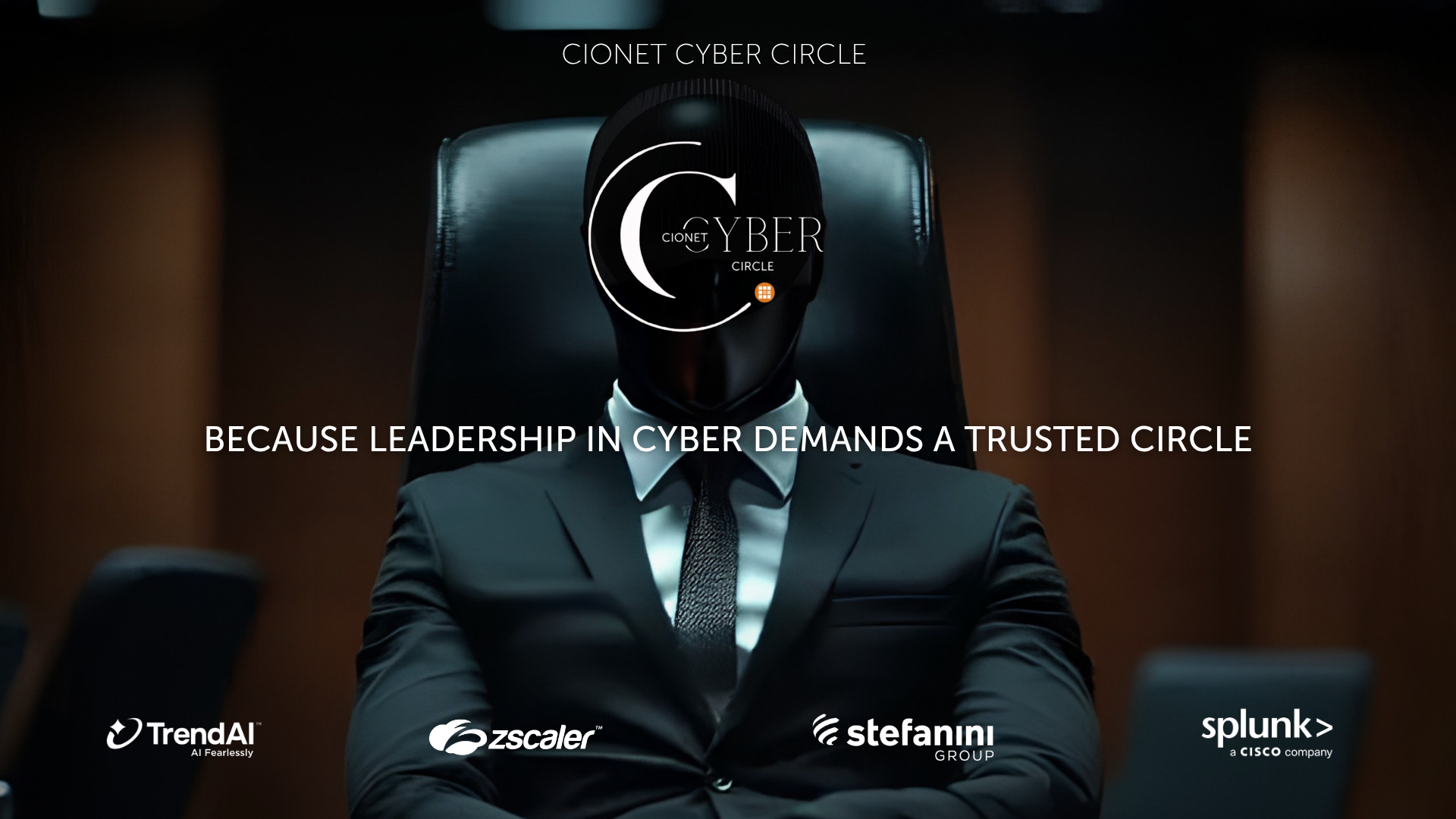
CIONET’s Cyber Circle: a new three-event programme exclusively focusing on the most urgent, complex, and high-impact challenges in cybersecurity today. Launched in 2026, this initiative brings together CISOs, CIOs, and senior IT executives with a strong interest in cybersecurity for three curated gatherings each year. As part of CIONET’s trusted executive community, the Cyber Circle provides a confidential, peer-driven environment to exchange insights, share real-world experiences, and address evolving cyber threats. Each session is designed to foster strategic dialogue, strengthen resilience, and elevate cybersecurity as a core driver of business value.
Read More.png)
The Telenet Business Leadership Circle powered by CIONET, offers a platform where IT executives and thought leaders can meet to inspire each other and share best practices. We want to be a facilitator who helps you optimise the performance of your IT function and your business by embracing the endless opportunities that digital change brings.
Read More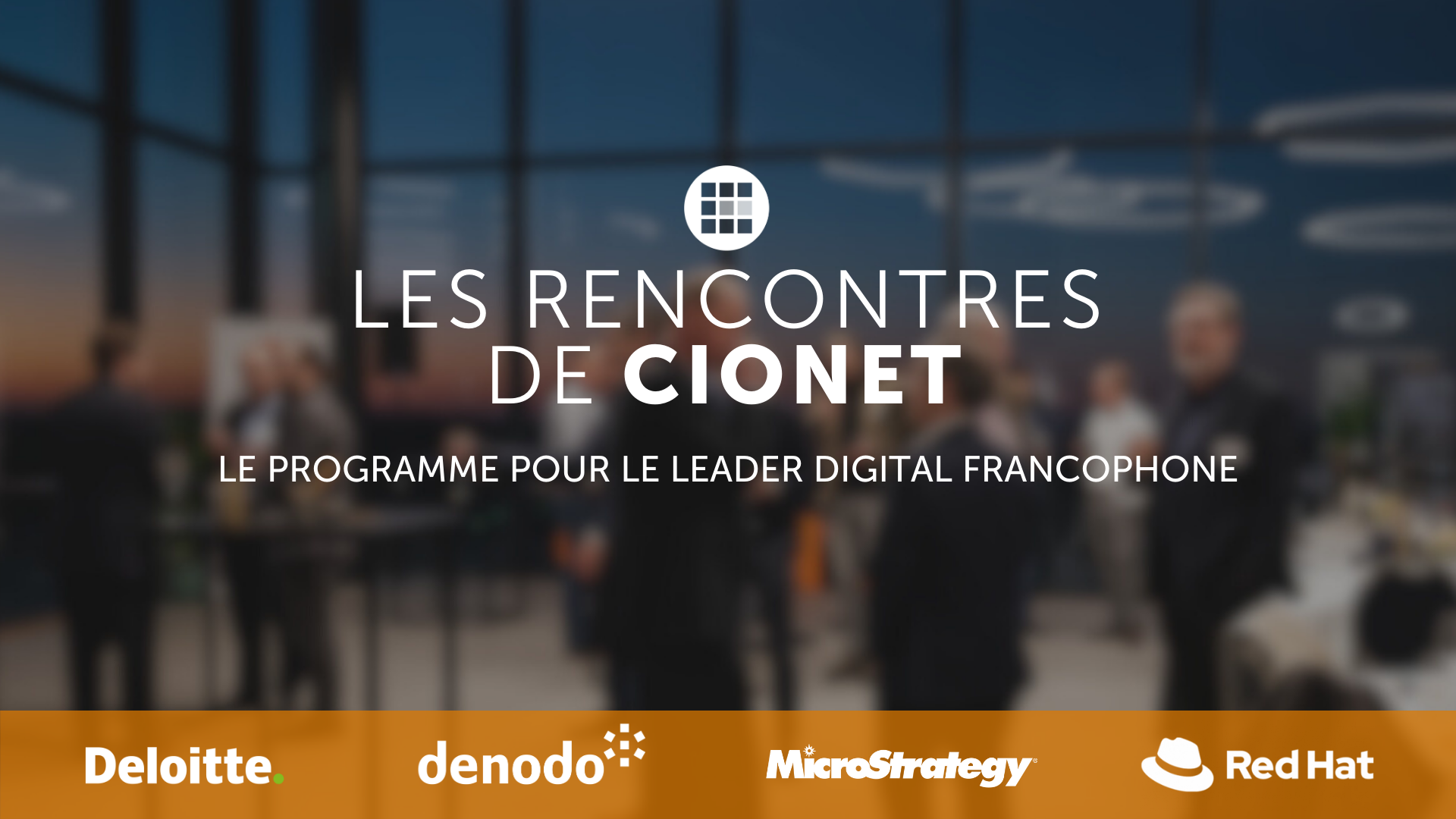
Découvrez la dynamique du leadership numérique aux Rencontres de CIONET, le programme francophone exclusif de CIONET pour les leaders numériques en Belgique, rendu possible grâce au soutien et à l'engagement de nos partenaires de programme : Deloitte, Denodo et Red Hat. Rejoignez trois événements inspirants par an à Liège, Namur et en Brabant Wallon, où des CIOs et des experts numériques francophones de premier plan partagent leurs perspectives et expériences sur des thèmes d'affaires et de IT actuels. Laissez-vous inspirer et apprenez des meilleurs du secteur lors de sessions captivantes conçues spécialement pour soutenir et enrichir votre rôle en tant que CIO pair. Ne manquez pas cette opportunité de faire partie d'un réseau exceptionnel d'innovateurs numériques !
Read More.jpg)
CIONET is committed to highlighting and celebrating female role models in IT, Tech & Digital, creating a leadership programme that empowers and elevates women within the tech industry. This initiative is dedicated to showcasing the achievements and successes of leading women, fostering an environment where female role models are recognised, and their contributions can ignite progress and inspire the next generation of women in IT. Our mission is to shine the spotlight a little brighter on female role models in IT, Tech & Digital, and to empower each other through this inner network community.
Read More


-Apr-01-2022-10-58-34-57-AM.png)









-Dec-13-2023-10-53-15-5032-AM.png)



-Jun-12-2023-01-23-11-7540-PM.png)




-Apr-01-2022-10-58-34-68-AM.png)






.png)




%20(003).png)




.png)






.png)










-Sep-01-2022-02-47-55-60-PM.png)
-Nov-22-2023-08-56-42-6802-AM.png)
.png)


.png "be-page-banner (1)")


.png)
.png)
.png)
.png)