

.png)
Belgium 20-10-2026 Squad Only Virtual English
Cloud decisions are becoming more selective. The challenge is deciding where each workload should run based on cost, performance, control, resilience, sovereignty, and business need. Three pressure points usually drive the decision. - Cost visibility becomes harder when usage grows across cloud services, data platforms, and AI workloads. - Performance and latency matter more when systems need fast access to data or support operational processes. - Sovereignty and resilience become critical when data location, continuity, vendor dependency, and exit options enter the discussion. The working question is simple: how do we place workloads where they create the most value while keeping the hybrid landscape manageable? If these trade-offs are on your agenda, let’s compare how others are handling similar choices.
Read More.png)
Belgium 10-11-2026 Squad Only Virtual English
Data platforms are meant to simplify access and support better use of data. The challenge is choosing and governing the platform landscape in a way that creates consistency, reuse, and long-term value. Three pressure points usually appear. - Platform choice becomes difficult when teams have different needs for speed, flexibility, cost, and control. - Business meaning needs protection: customer, revenue, product, risk, and FTE need shared definitions across tools. - Ownership and governance need to be clear, so platforms grow with accountability and discipline. The working question is simple: how do we give teams the data capabilities they need while keeping the platform landscape understandable, governed, and reusable? If these questions are familiar, let’s compare approaches with others facing the same data landscape.
Read More.png)
Belgium 13-11-2026 Squad Only Physical English
Many IT capabilities are essential and difficult to fund through a simple project ROI. The challenge is showing why architecture, governance, resilience, cybersecurity maturity, data foundations, and AI readiness deserve investment before the gap becomes expensive. Three pressure points make the case harder. - Shared value means the benefit often sits across several teams, while the budget sits in one place. - Timing creates friction because the cost is immediate while the value appears over time. - Risk translation is needed so business and finance leaders understand the consequence of delaying the investment. The working question is simple: how do we turn foundational IT capabilities into credible investment cases that link cost, risk, business value, and future flexibility? If you are building these cases internally, let’s compare how others are positioning value, risk, and timing.
Read More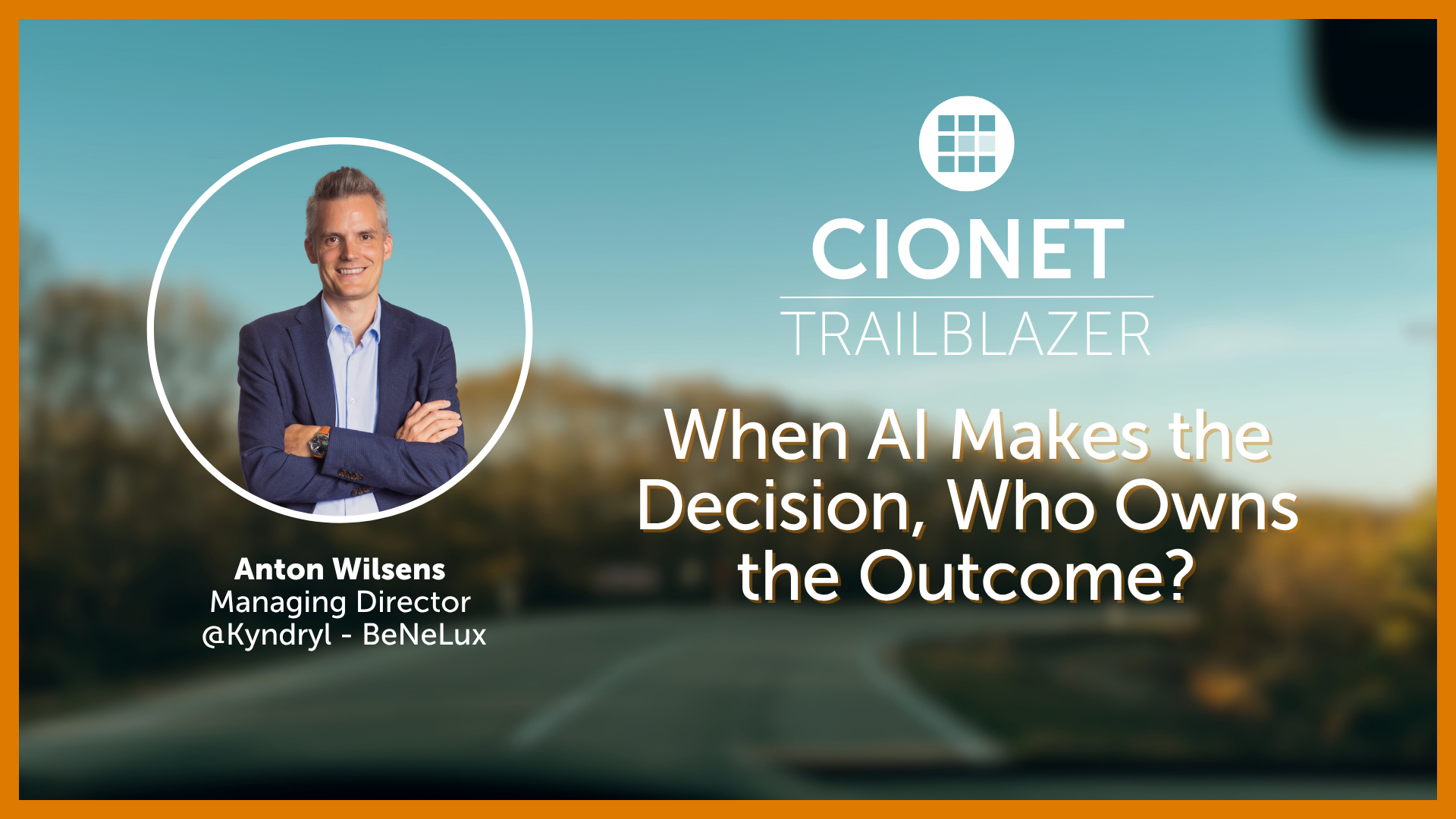
Published on: September 30, 2026 @ 1:17 PM
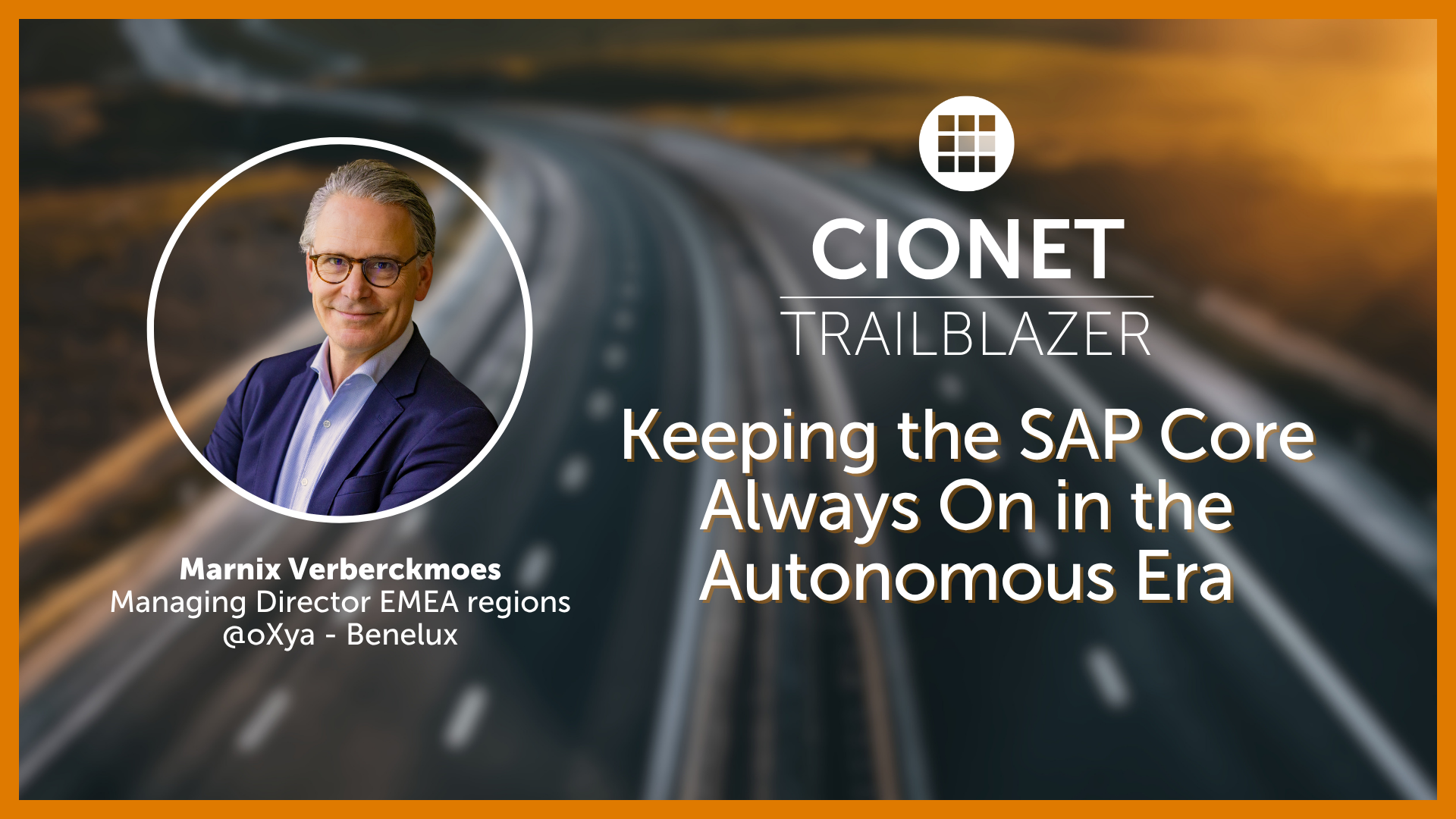
Published on: August 26, 2026 @ 9:13 AM
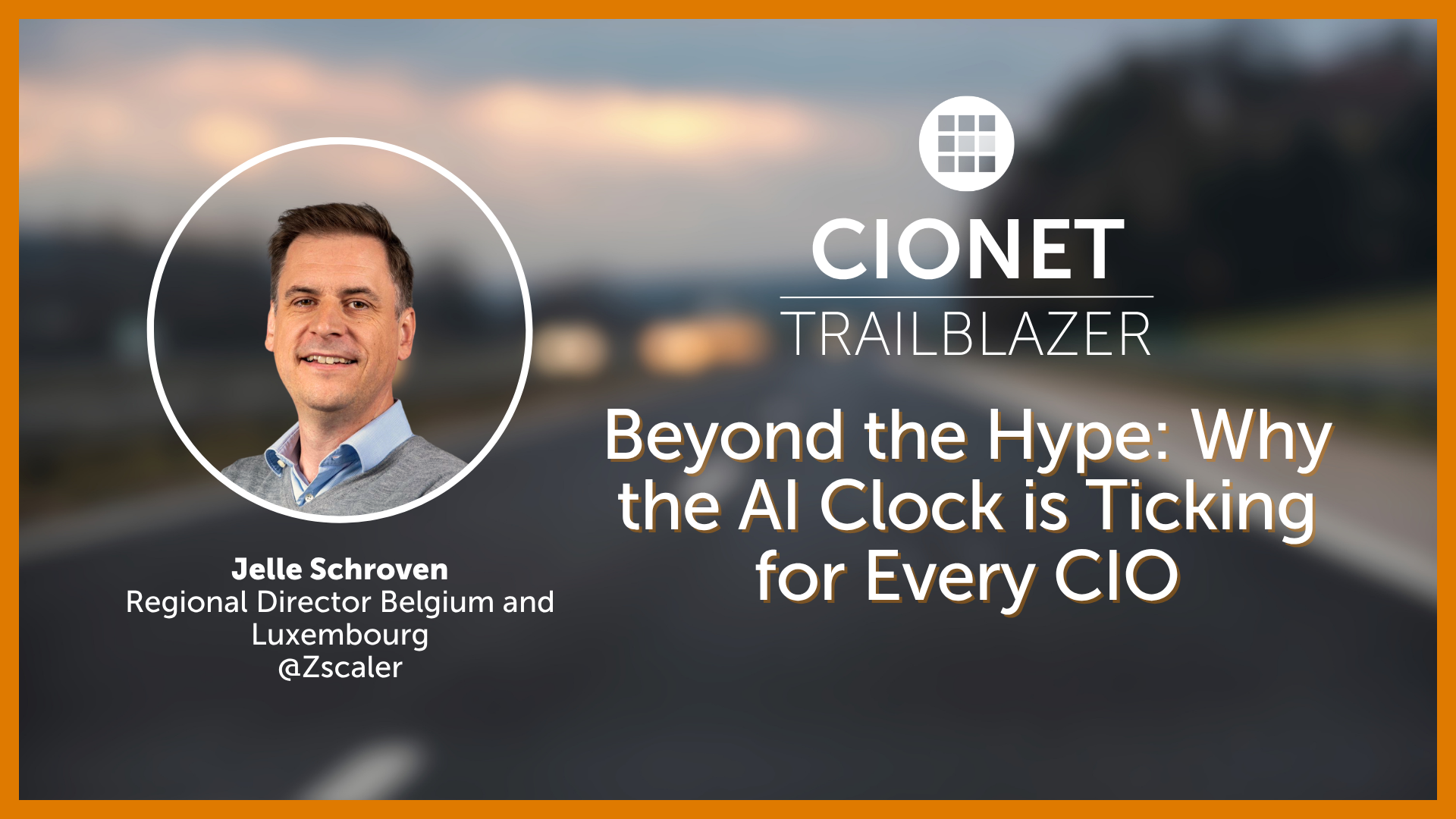
Published on: July 29, 2026 @ 10:08 AM
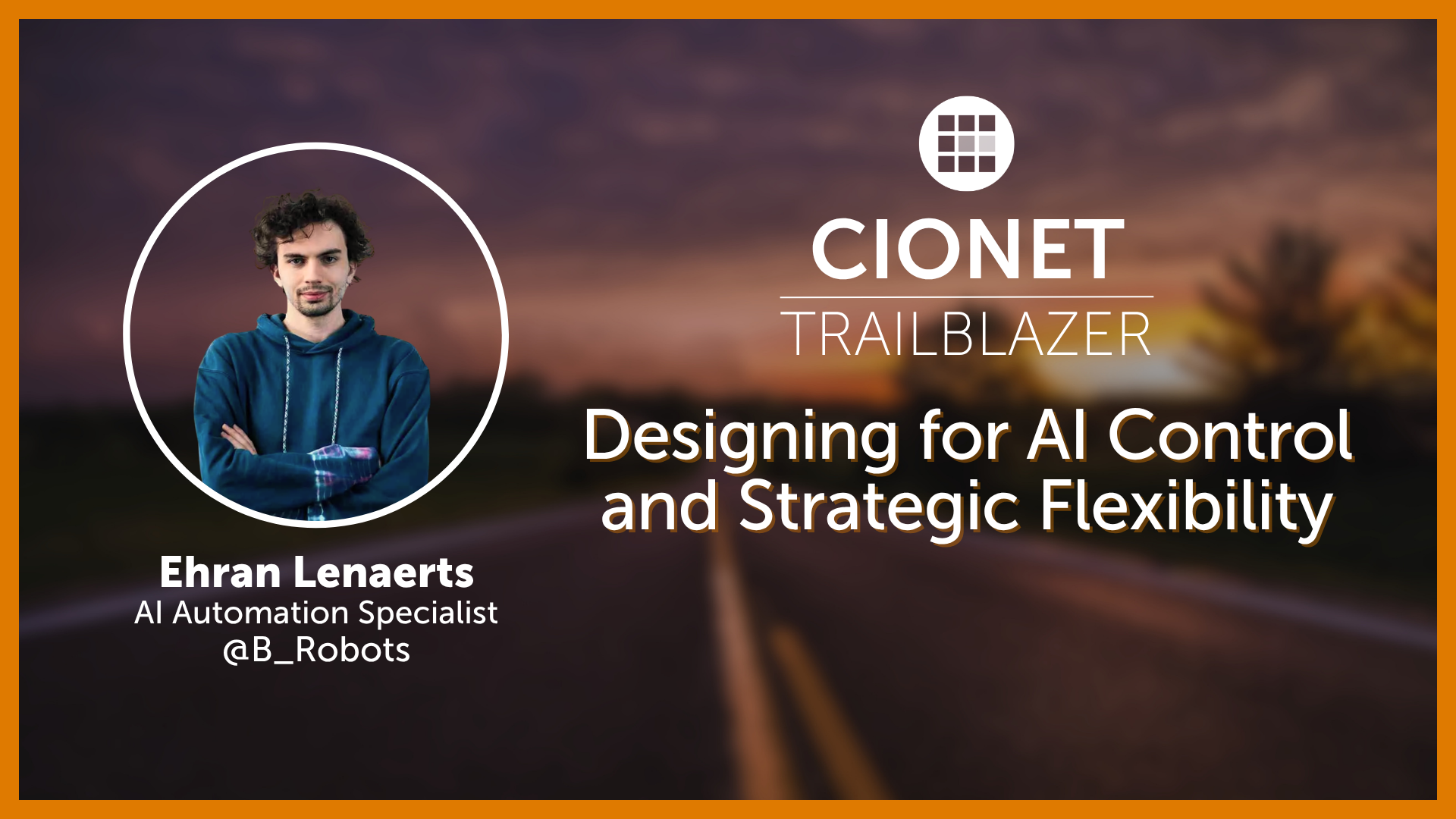
Published on: June 24, 2026 @ 5:00 PM
Published on: May 27, 2026 @ 9:21 AM
Published on: May 07, 2026 @ 4:02 PM
.png)
Published on: April 29, 2026 @ 9:11 AM
Published on: March 26, 2026 @ 3:37 PM
-2.png)
Published on: March 25, 2026 @ 9:58 AM
Published on: March 13, 2026 @ 3:43 PM
-Feb-25-2026-10-01-07-2508-AM.png)
Published on: February 25, 2026 @ 11:01 AM
.png)
Published on: February 25, 2026 @ 9:00 AM

Published on: February 24, 2026 @ 5:00 PM
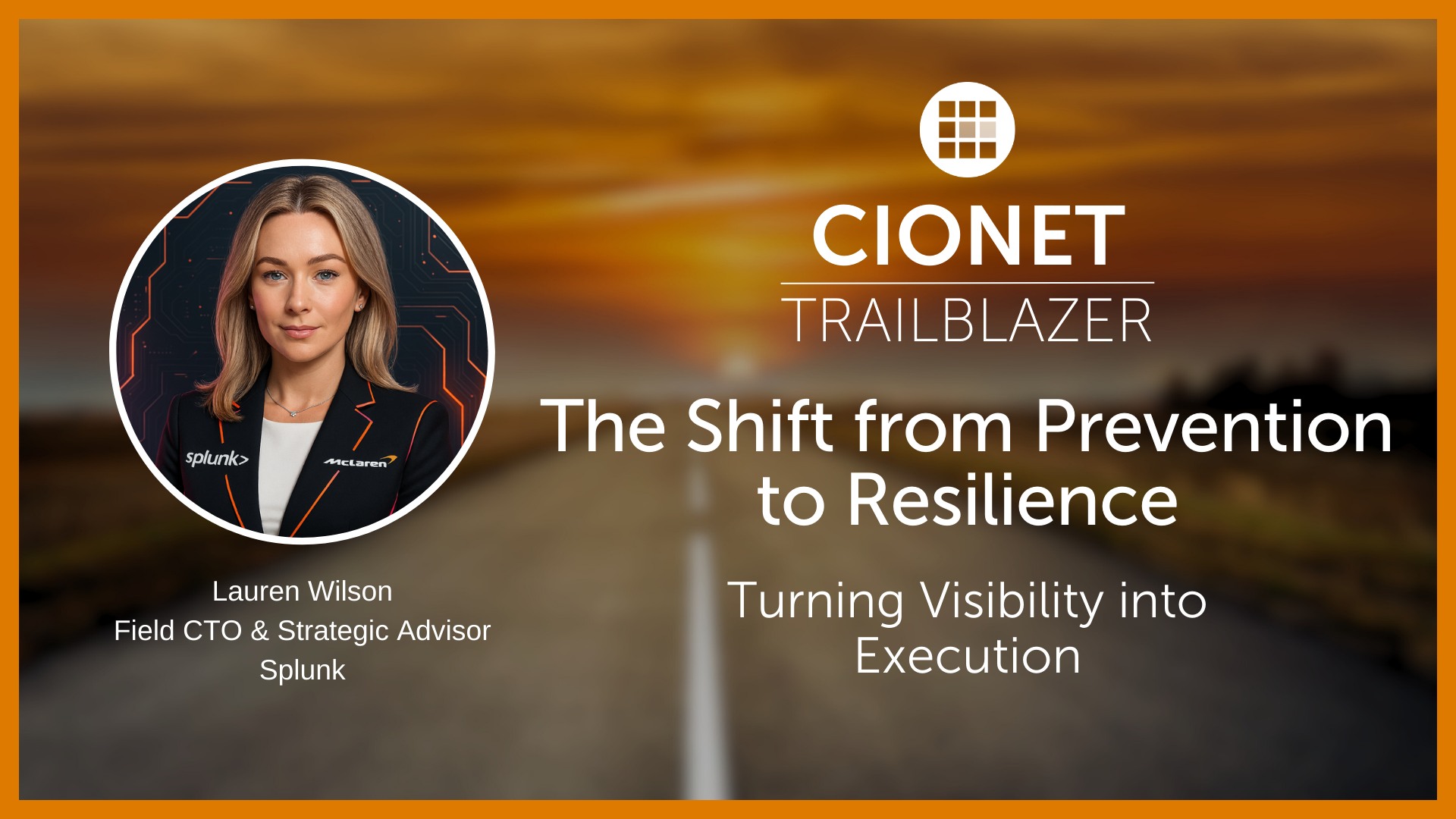
CIONET Trailblazer: CISO: The Shift from Prevention to Resilience: Turning Visibility into Execution
Published on: January 28, 2026 @ 9:48 AM
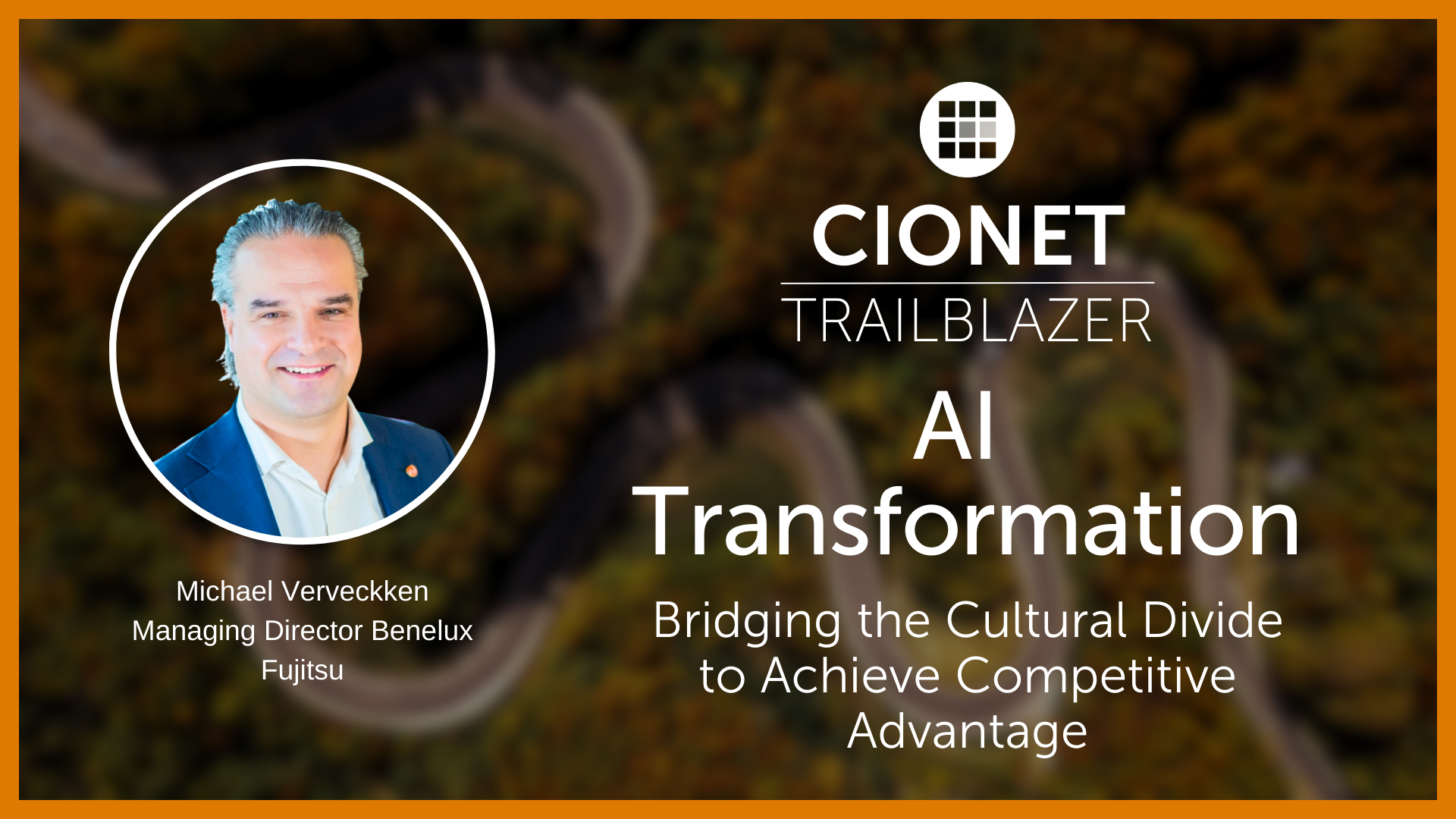
CIONET Trailblazer: AI Transformation: Bridging the Cultural Divide to Achieve Competitive Advantage
Published on: December 17, 2025 @ 9:16 AM
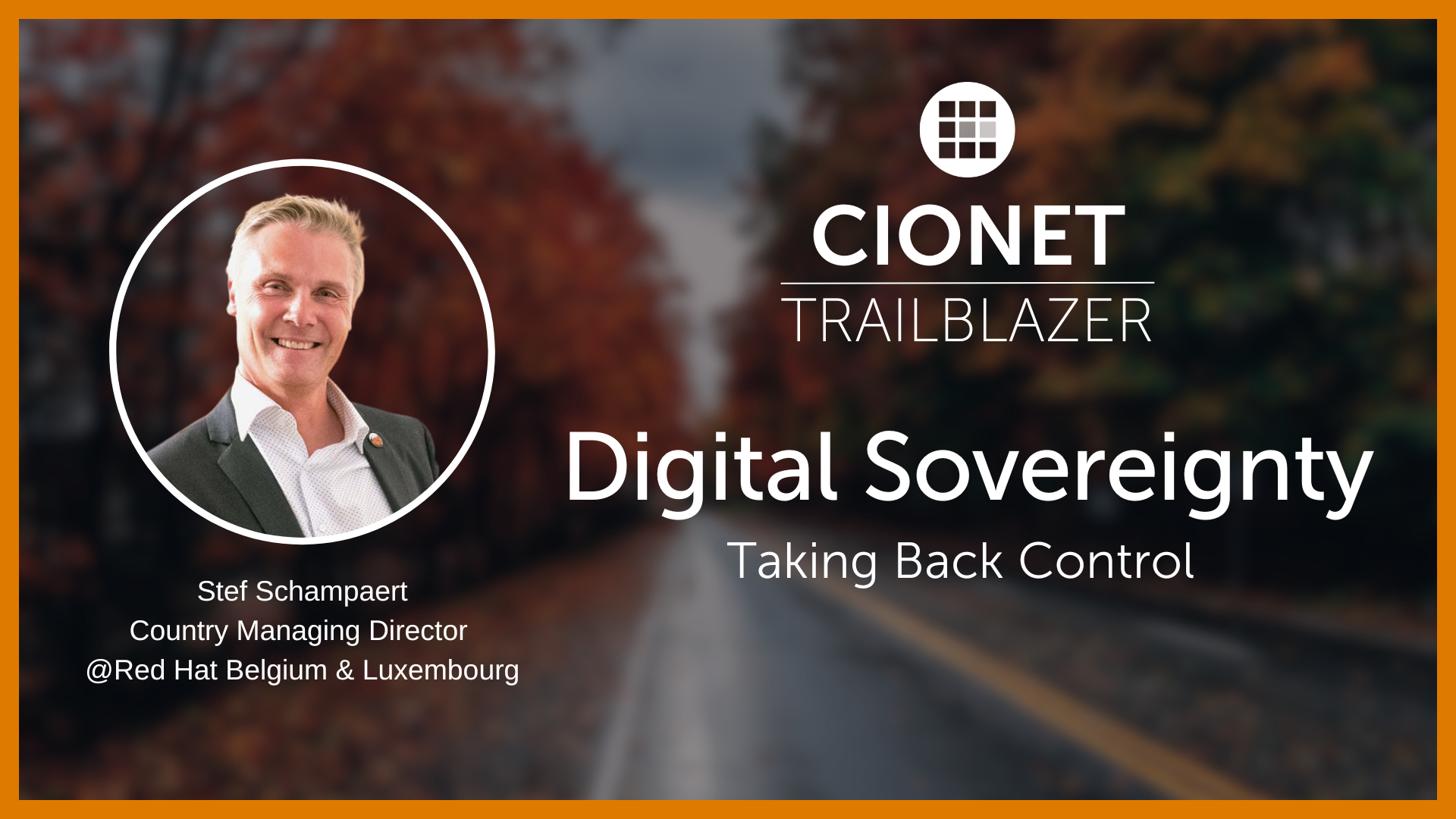
Published on: October 29, 2025 @ 11:31 AM
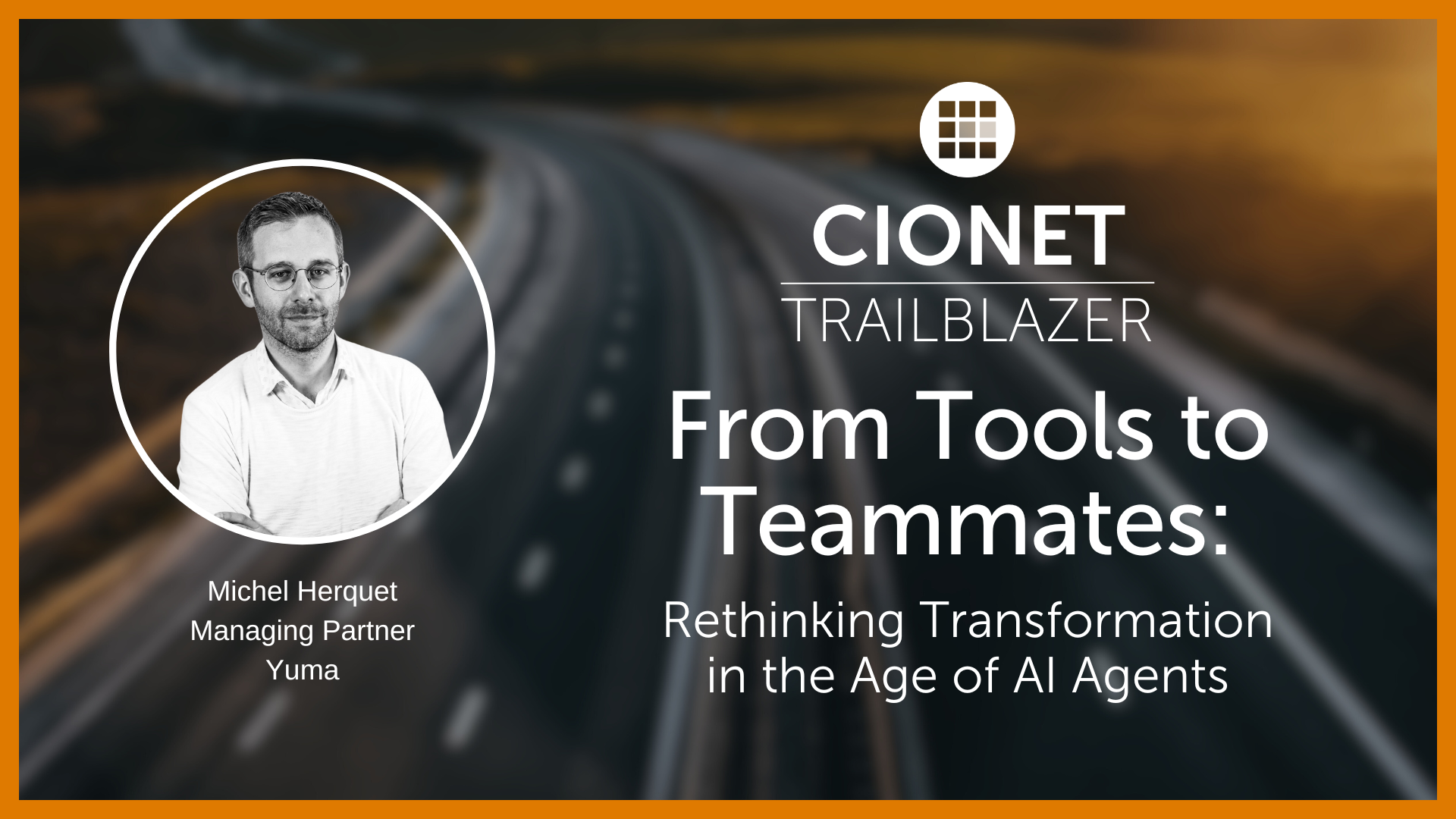
Published on: July 30, 2025 @ 9:19 AM
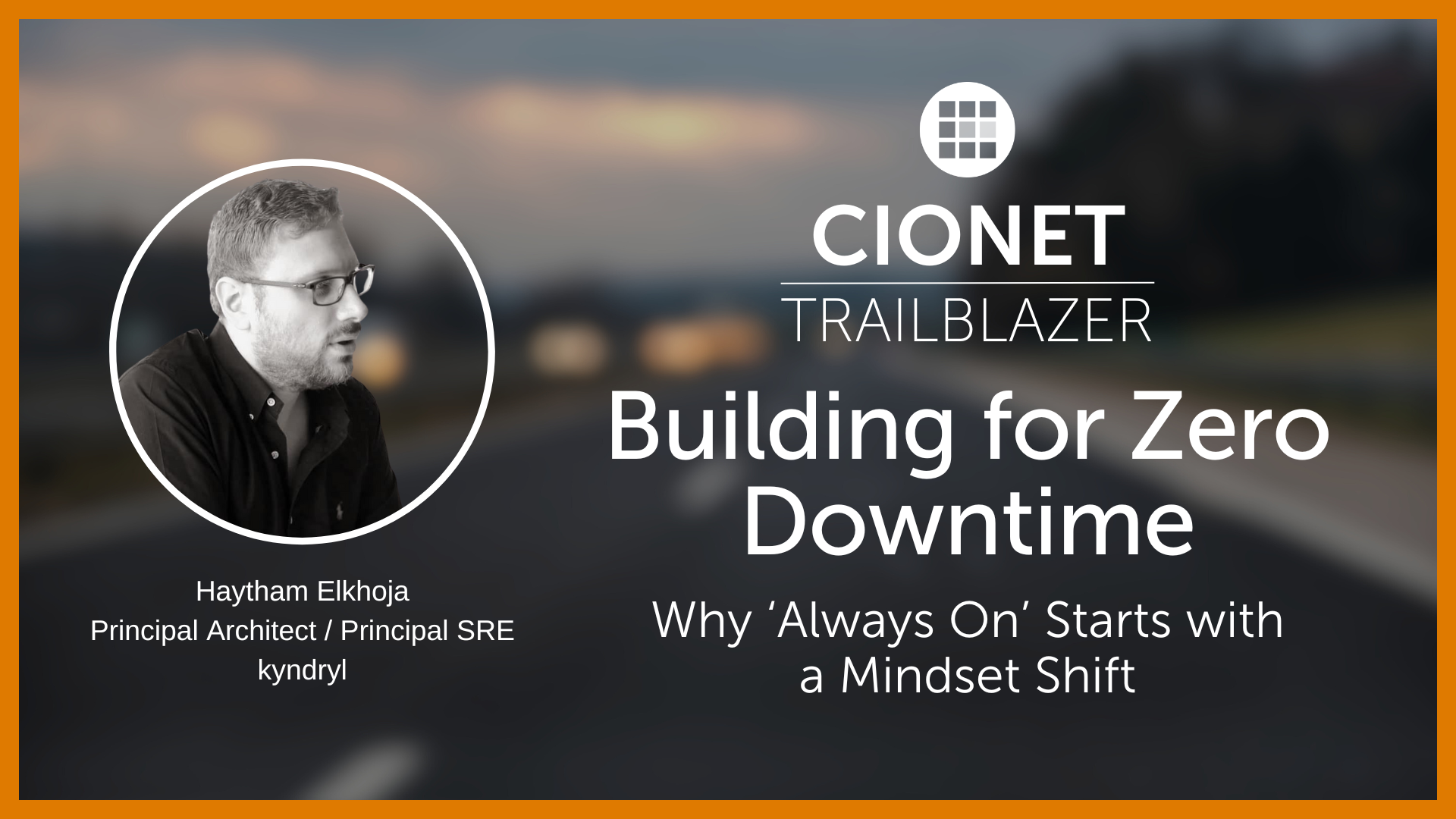
Published on: June 25, 2025 @ 9:14 AM
.png)
Published on: April 30, 2025 @ 9:04 AM
-1.png)
Published on: March 26, 2025 @ 9:59 AM
-1.png)
Published on: March 04, 2025 @ 5:07 PM
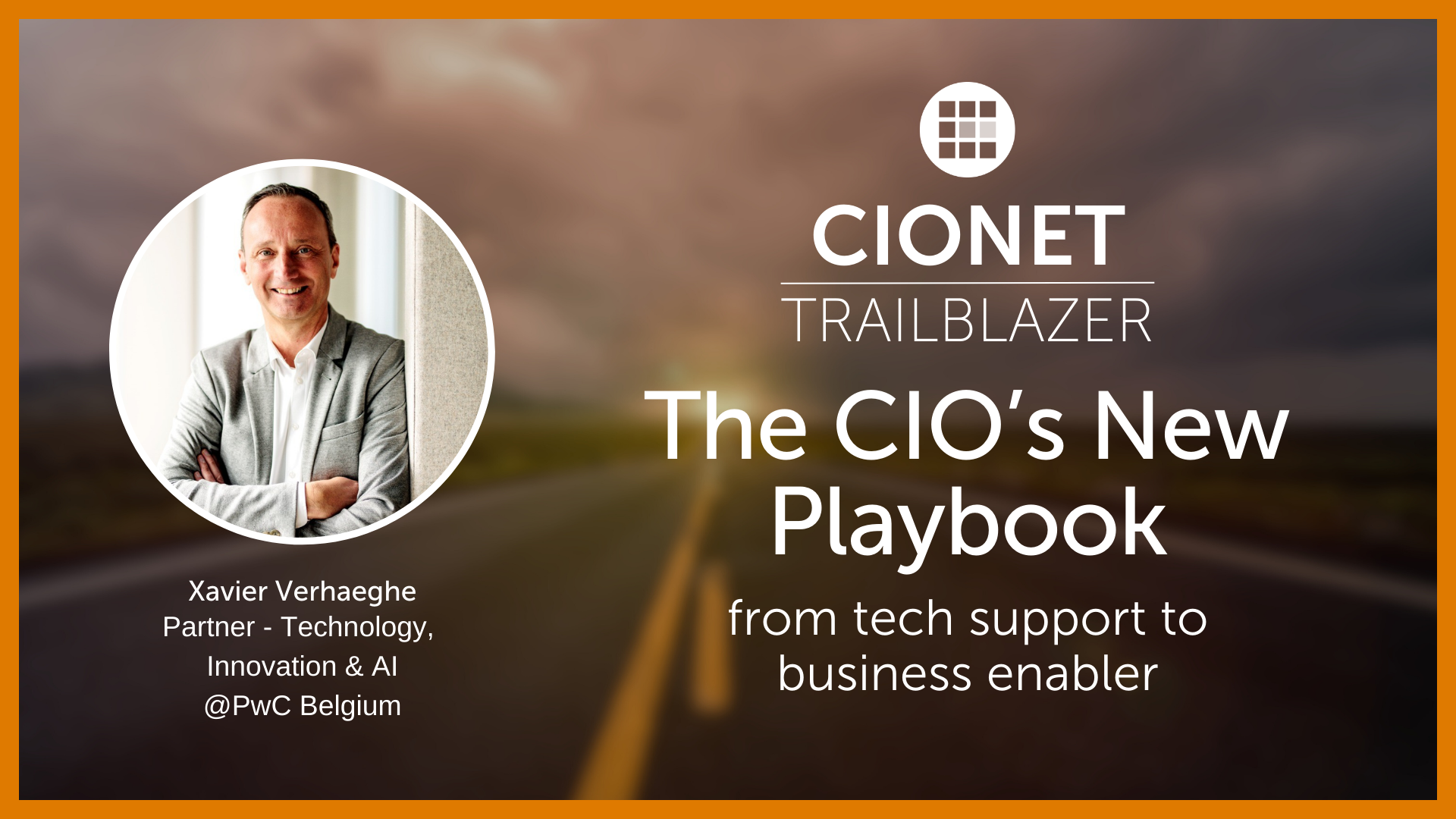
Published on: February 26, 2025 @ 10:51 AM
Published on: February 25, 2025 @ 4:14 PM
-4.png)
Published on: February 25, 2025 @ 10:33 AM
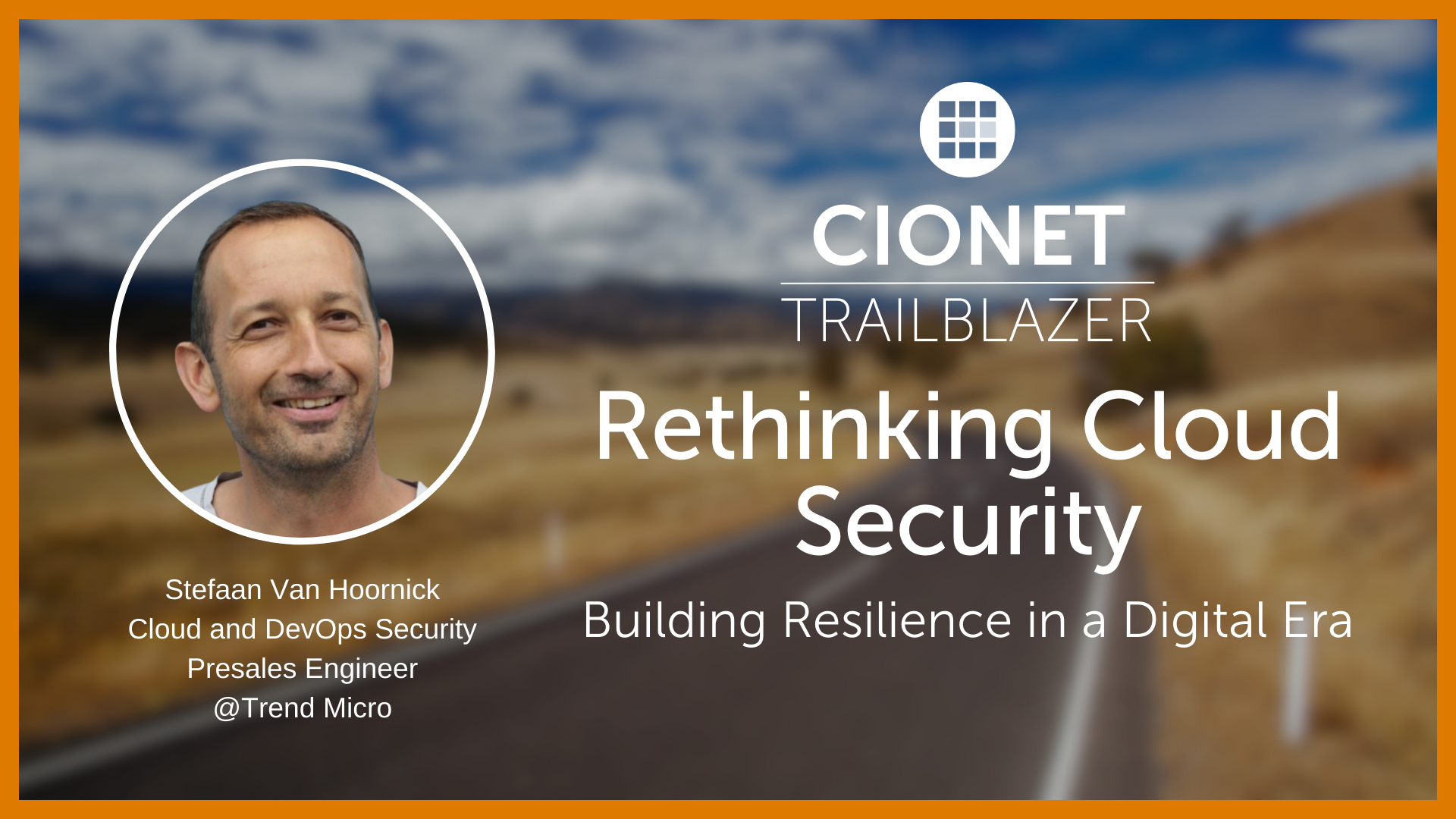
Published on: January 29, 2025 @ 9:58 AM
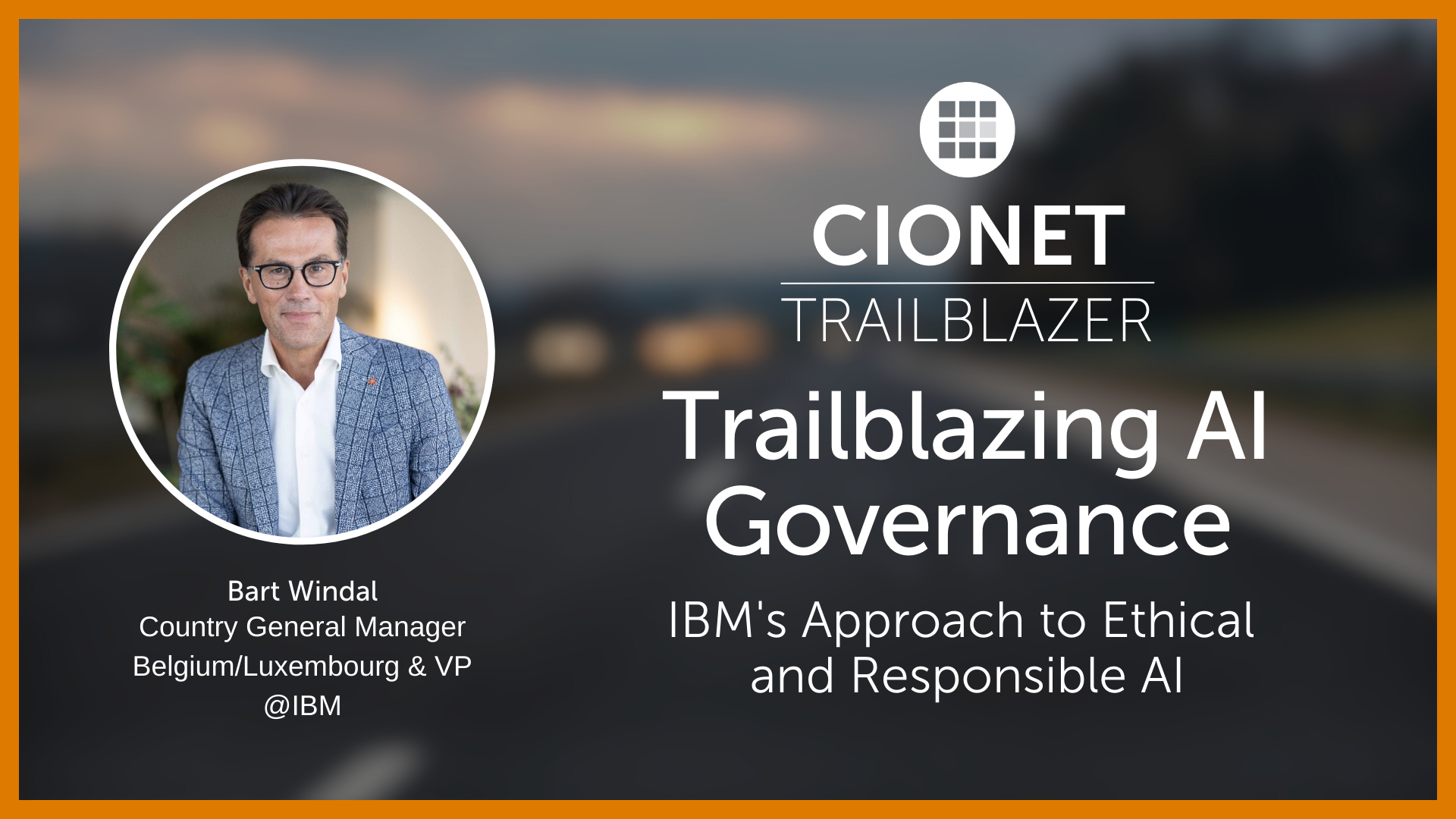
Published on: December 18, 2024 @ 9:07 AM
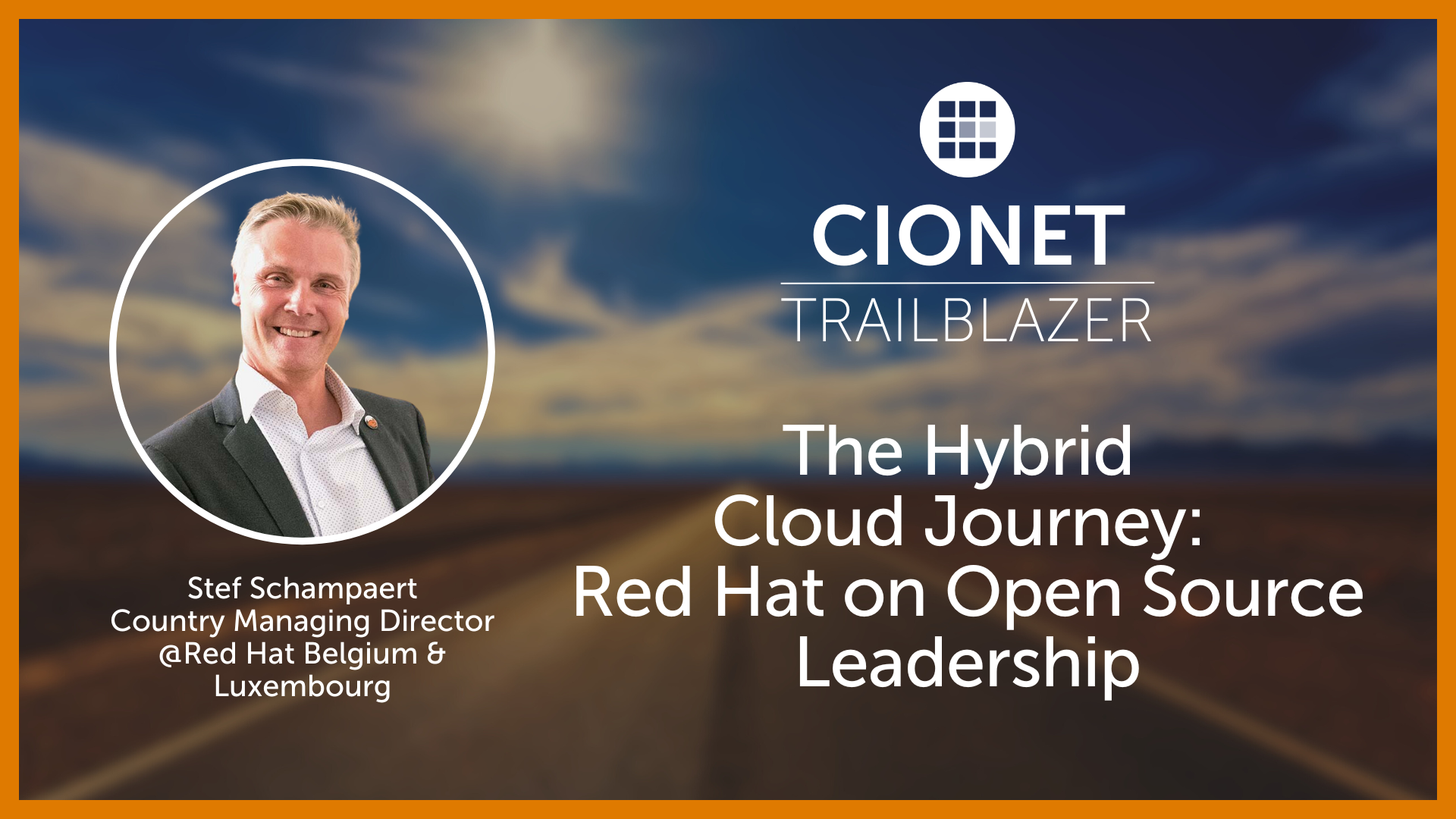
Published on: October 30, 2024 @ 9:34 AM
.png)
Published on: October 29, 2024 @ 11:37 AM
.png)
Published on: September 27, 2024 @ 10:41 AM
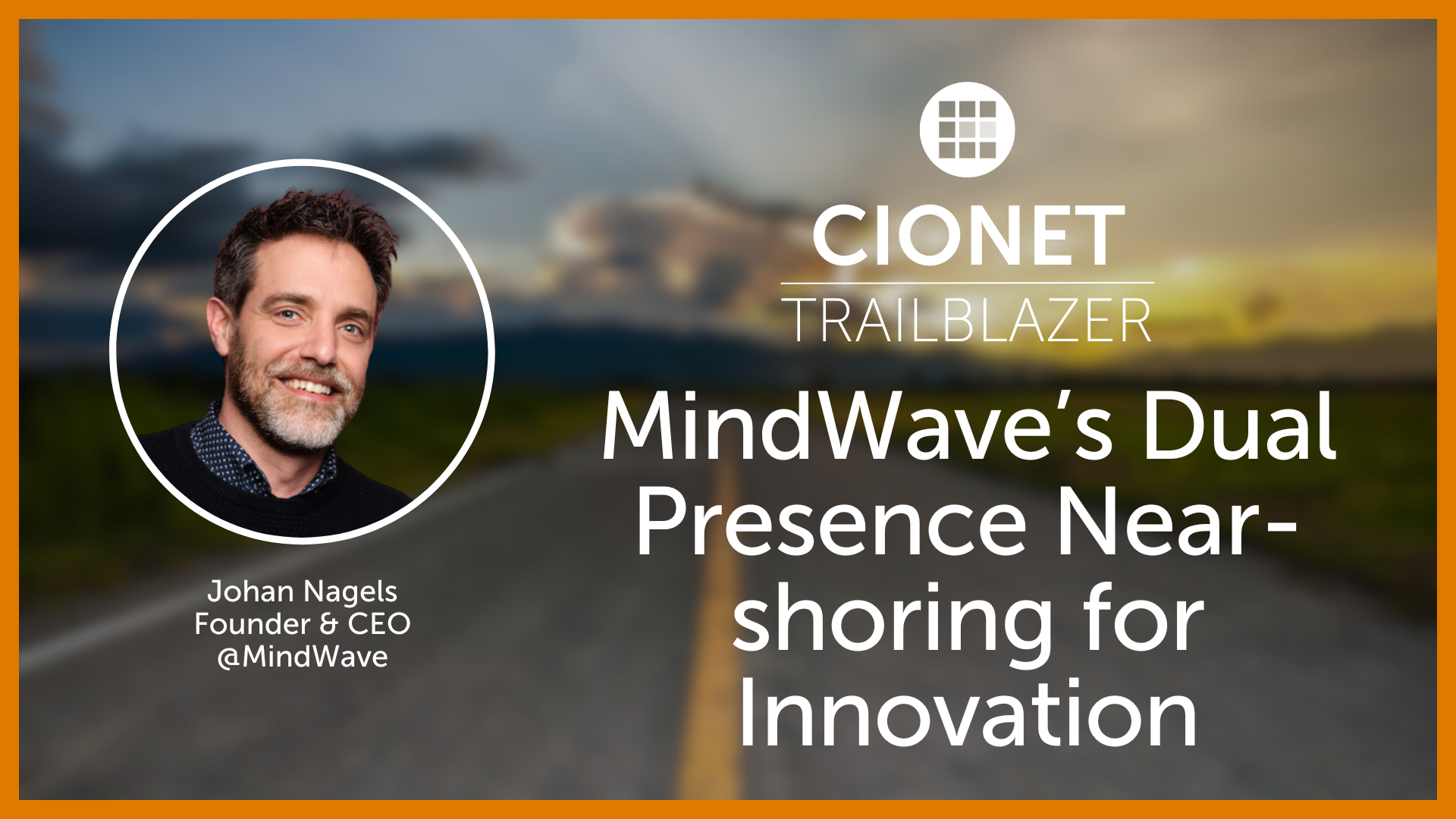
Published on: September 25, 2024 @ 8:59 AM
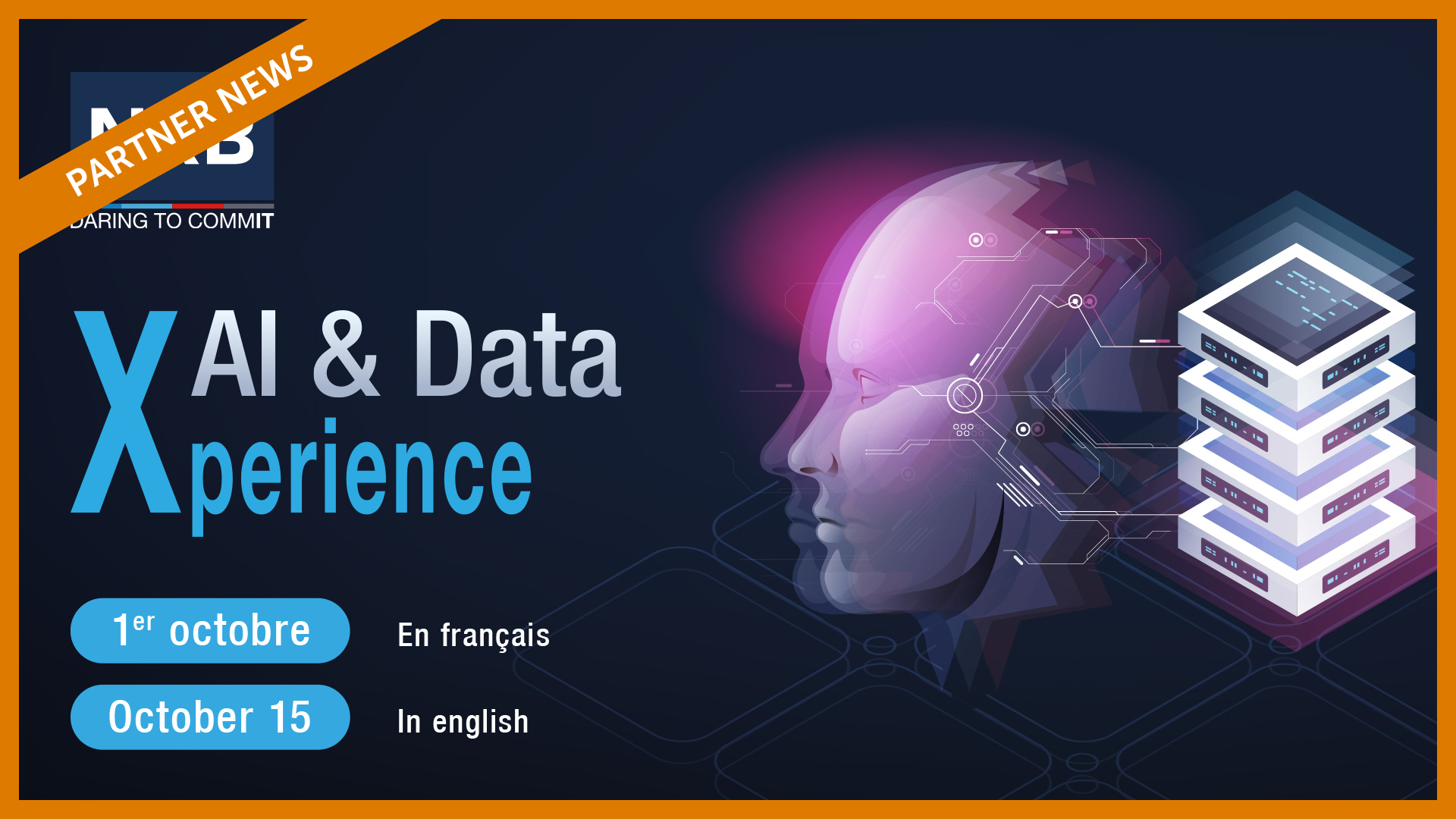
Published on: September 18, 2024 @ 3:44 PM
Published on: August 28, 2024 @ 10:10 AM
Toyota Motor Europe: Building a happier workplace by putting people first
The name Toyota has long been synonymous with innovation and excellence, known across the world for pushing boundaries and pioneering new ways of thinking. The hybrid workplace has become a reality and Toyota Motor Europe is using the Microsoft 365 suite of tools to usher in not only new ways of working, but a new way of thinking too.
Since it was established in 1937, Toyota has become a household name across the world and a byword for quality, efficiency and innovation in car manufacturing space. More recently, that space has expanded into mobility more broadly.
Its European arm, Toyota Motor Europe (TME) is headquartered in Belgium and operates in 29 European countries, employing some 25,000 people. “We have over 69 nationalities working in TME, so it’s a very international company,” says Slabbinck.
“Organizationally too, there are different cultures,” she adds. “You have the sales area where there is a specific culture, and then the manufacturing plants where there is a huge emphasis on efficiency. It's great to have these different mentalities, this diversity; gender-wise, nationality-wise, but also organizationally. That's what makes it really interesting to work here.”
Slabbinck’s Business Productivity team focuses on supporting employees across the TME network to embrace new ways of working, especially how they use digital tools. “Our team mission is to increase user adoption of the Microsoft 365 digital workplace,” she explains. That user adoption spans the whole suite of Microsoft 365 tools, including Teams, SharePoint and Outlook.
But the adoption approach isn’t just using tech for tech’s sake. “One of the key principles that drives our approach is including the user voice,” she says.
“We really try to get close to our users, and bridge the human gap,” she adds. “I’d say we’re pioneers in that.”
Using digital tools to enhance productivity and collaboration is not a new pursuit for Toyota. The company was an early adopter of cloud-based tools and was already planning to move to something akin to a hybrid workplace in 2019.
“The company had just announced we would be working remotely two days a week,” recalls Slabbinck. “So we were busy preparing for that, getting everything in place, when COVID-19 happened.”
What had previously been a strategic decision to embrace remote working, suddenly became a necessity. “We had daily crisis meetings because we weren't too sure what was going to happen,” she recalls. “We'd never had that many people working from home before.”
And while the early days were focused on ensuring firewalls could support the new setup and the basics were covered, the team quickly turned their attention to the wellbeing of TME employees. “We did regular surveys together with HR on how people were feeling using Microsoft Forms,” Slabbinck says. “And the surveys were about more than just IT. We used smiley faces for people to tell us how they were feeling, how happy they were. It was very important for us to understand that in the beginning.
The team also realized that there was much more openness to some of the tools. “There had been some resistance pre-pandemic to SharePoint and even Teams. But suddenly, people changed their mindset and realized how useful they are. It gave us a lot of momentum to drive user adoption.
“That was when we started to do some really interesting things with our partner Rapid Circle,” she adds. “In our plants, for example, it was crucial during the pandemic to keep the presence on the shopfloor. Through Teams video meetings on a mobile phone with a stabilizer, the meeting attendees felt like they were on the shopfloor, even if they weren’t.
“And we found that the live Teams meetings with video enabled faster sharing of best practices to a larger audience, so it was even an improvement from before.”
The team at TME had already established a strategy to encourage user adoption of Microsoft 365 tools before the pandemic happened.
“The strategy had a few important pillars,” explains Slabbinck. “One of those was ‘digital influencers’. The influencers existed before COVID, but they weren’t particularly active,” says Michiel Dröge, Business Consultant at Microsoft partner Rapid Circle. “So that was one of the areas we wanted to improve.”
To do this, they used Microsoft SharePoint to establish a broader community. “We established the Know It community, a portal on Teams and SharePoint where people can find key information about the Microsoft 365 tools with FAQ's and videos,” says Slabbinck. “It’s a space for employees to ask questions and for our digital influencers to contribute and guide people.”
“We used Microsoft reporting tools to look at data from users and the influencers, to think of ways to enhance engagement,” says Dröge. “That’s how we came up with the webinar program, and got the insights to improve some of the sites where we publish information.”
“One webinar series was focused on My Analytics, which we launched during the pandemic,” says Katarzyna Slomka, Business Productivity Specialist at TME, who led the webinar series. “There was that need to support people to focus their time, to understanding their own working style.
“We made everything clearer for people, more streamlined,” adds Dröge. “And that is helping people to start to use new tools. Many employees have started using Teams together with Planner, for example. And they’re finding that Planner really helps them to visualize their tasks and work in a new, more agile way.”
An important aspect of the way that Toyota Motor Europe is using technology, is seeing it not in isolation, but as part of a wider organizational transformation. “There are a lot of initiatives that Toyota has been doing that are connected to IT support,” says Dröge. “But we want to relate them to broader HR themes around change management, to focus on really making people happier and secure with their workplace and supporting them to collaborate in better ways.”
“We are transforming from a car company to a Digital Mobility provider,” says Kylie Jimenez, Senior Vice President of People, Technology and Corporate Affairs at Toyota Motor Europe.
“This transformation is about creating products, systems and services to produce mass happiness for all. Not just for Toyota customers, but for the good of society. While some of this is hardwired into Toyota DNA, there is an aspect of cultural transformation that is still required.
“This has brought our IT&D, HR and Administrative functions closer to focus on collaboration, open sharing and innovation. Together we aim to inspire and enable the change for the organization by painting a picture of what is possible and then enabling it with the right digital workplace tools and resources.”
And as the company pivots to a new era, it is keen to invite its employees to redefine how the changing working environment can improve and facilitate the way the company collaborates. Ideas are being called for on how meeting rooms are refurbished and a series of workshops has been organized to ‘hack the future of collaboration at TME.’ The best ideas gathered from the workshops will be pitched to senior staff at TME and funded, as the company transitions to a new way of working that straddles physical and virtual spaces.
CIONET’s Cyber Circle: a new three-event programme exclusively focusing on the most urgent, complex, and high-impact challenges in cybersecurity today. Launched in 2026, this initiative brings together CISOs, CIOs, and senior IT executives with a strong interest in cybersecurity for three curated gatherings each year. As part of CIONET’s trusted executive community, the Cyber Circle provides a confidential, peer-driven environment to exchange insights, share real-world experiences, and address evolving cyber threats. Each session is designed to foster strategic dialogue, strengthen resilience, and elevate cybersecurity as a core driver of business value.
Read More.png)
The Telenet Business Leadership Circle powered by CIONET, offers a platform where IT executives and thought leaders can meet to inspire each other and share best practices. We want to be a facilitator who helps you optimise the performance of your IT function and your business by embracing the endless opportunities that digital change brings.
Read More
Découvrez la dynamique du leadership numérique aux Rencontres de CIONET, le programme francophone exclusif de CIONET pour les leaders numériques en Belgique, rendu possible grâce au soutien et à l'engagement de nos partenaires de programme : Deloitte, Denodo et Red Hat. Rejoignez trois événements inspirants par an à Liège, Namur et en Brabant Wallon, où des CIOs et des experts numériques francophones de premier plan partagent leurs perspectives et expériences sur des thèmes d'affaires et de IT actuels. Laissez-vous inspirer et apprenez des meilleurs du secteur lors de sessions captivantes conçues spécialement pour soutenir et enrichir votre rôle en tant que CIO pair. Ne manquez pas cette opportunité de faire partie d'un réseau exceptionnel d'innovateurs numériques !
Read More.jpg)
CIONET is committed to highlighting and celebrating female role models in IT, Tech & Digital, creating a leadership programme that empowers and elevates women within the tech industry. This initiative is dedicated to showcasing the achievements and successes of leading women, fostering an environment where female role models are recognised, and their contributions can ignite progress and inspire the next generation of women in IT. Our mission is to shine the spotlight a little brighter on female role models in IT, Tech & Digital, and to empower each other through this inner network community.
Read More


-Apr-01-2022-10-58-34-57-AM.png)






-Dec-13-2023-10-53-15-5032-AM.png)


-Jun-12-2023-01-23-11-7540-PM.png)


-Apr-01-2022-10-58-34-68-AM.png)




.png)

%20(003).png)
.png)

.png)




-Sep-01-2022-02-47-55-60-PM.png)
-Nov-22-2023-08-56-42-6802-AM.png)
.png)


.png "be-page-banner (1)")
.png)
.png)
.png)
.png)