

.png)
Belgium 20-10-2026 Squad Only Virtual English
Cloud decisions are becoming more selective. The challenge is deciding where each workload should run based on cost, performance, control, resilience, sovereignty, and business need. Three pressure points usually drive the decision. - Cost visibility becomes harder when usage grows across cloud services, data platforms, and AI workloads. - Performance and latency matter more when systems need fast access to data or support operational processes. - Sovereignty and resilience become critical when data location, continuity, vendor dependency, and exit options enter the discussion. The working question is simple: how do we place workloads where they create the most value while keeping the hybrid landscape manageable? If these trade-offs are on your agenda, let’s compare how others are handling similar choices.
Read More.png)
Belgium 10-11-2026 Squad Only Virtual English
Data platforms are meant to simplify access and support better use of data. The challenge is choosing and governing the platform landscape in a way that creates consistency, reuse, and long-term value. Three pressure points usually appear. - Platform choice becomes difficult when teams have different needs for speed, flexibility, cost, and control. - Business meaning needs protection: customer, revenue, product, risk, and FTE need shared definitions across tools. - Ownership and governance need to be clear, so platforms grow with accountability and discipline. The working question is simple: how do we give teams the data capabilities they need while keeping the platform landscape understandable, governed, and reusable? If these questions are familiar, let’s compare approaches with others facing the same data landscape.
Read More.png)
Belgium 13-11-2026 Squad Only Physical English
Many IT capabilities are essential and difficult to fund through a simple project ROI. The challenge is showing why architecture, governance, resilience, cybersecurity maturity, data foundations, and AI readiness deserve investment before the gap becomes expensive. Three pressure points make the case harder. - Shared value means the benefit often sits across several teams, while the budget sits in one place. - Timing creates friction because the cost is immediate while the value appears over time. - Risk translation is needed so business and finance leaders understand the consequence of delaying the investment. The working question is simple: how do we turn foundational IT capabilities into credible investment cases that link cost, risk, business value, and future flexibility? If you are building these cases internally, let’s compare how others are positioning value, risk, and timing.
Read More
Published on: September 30, 2026 @ 1:17 PM
Published on: August 26, 2026 @ 9:13 AM
Published on: July 29, 2026 @ 10:08 AM

Published on: June 24, 2026 @ 5:00 PM
Published on: May 27, 2026 @ 9:21 AM
Published on: May 07, 2026 @ 4:02 PM
.png)
Published on: April 29, 2026 @ 9:11 AM

Published on: March 26, 2026 @ 3:37 PM
-2.png)
Published on: March 25, 2026 @ 9:58 AM
Published on: March 13, 2026 @ 3:43 PM
-Feb-25-2026-10-01-07-2508-AM.png)
Published on: February 25, 2026 @ 11:01 AM
.png)
Published on: February 25, 2026 @ 9:00 AM

Published on: February 24, 2026 @ 5:00 PM
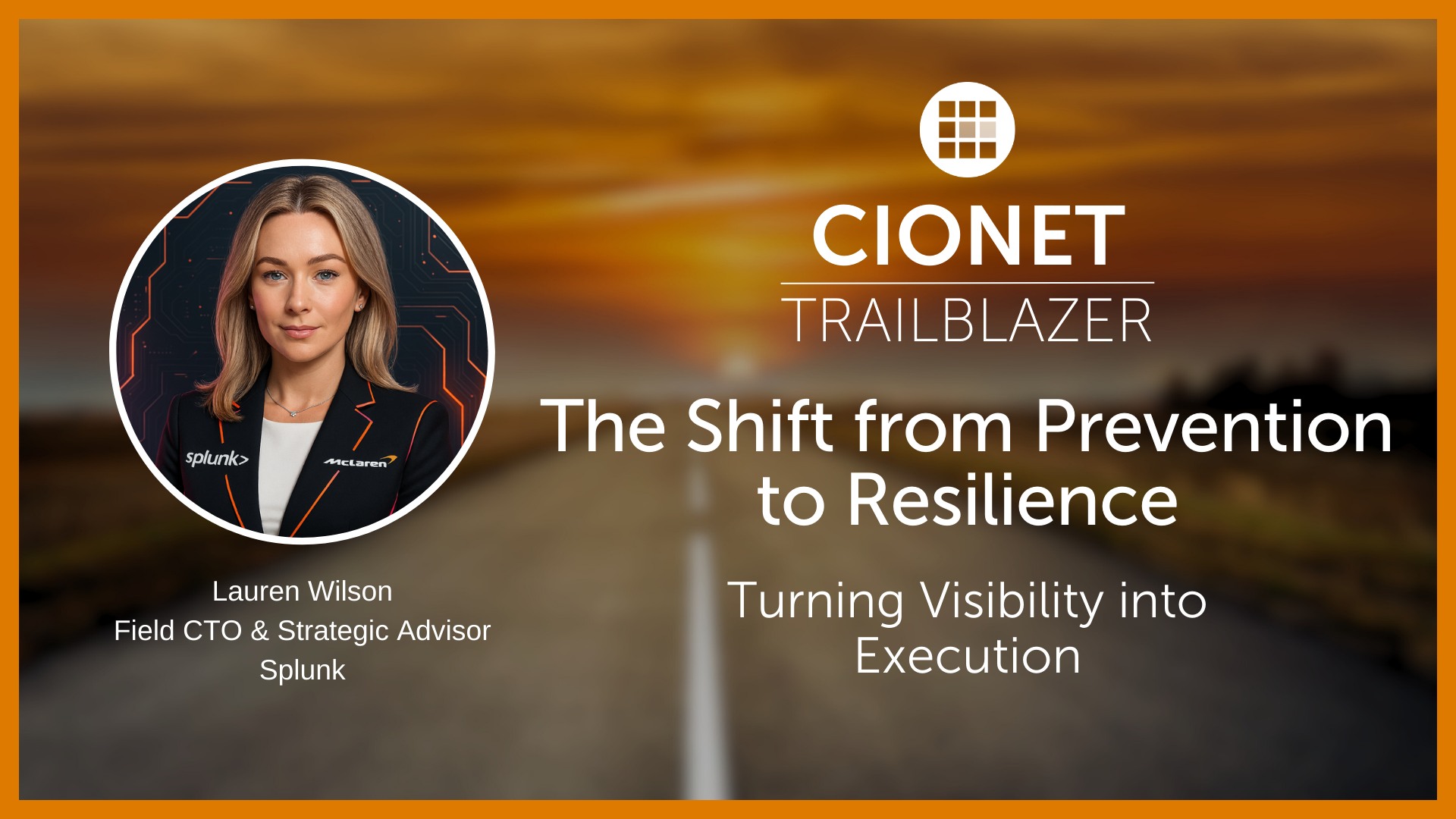
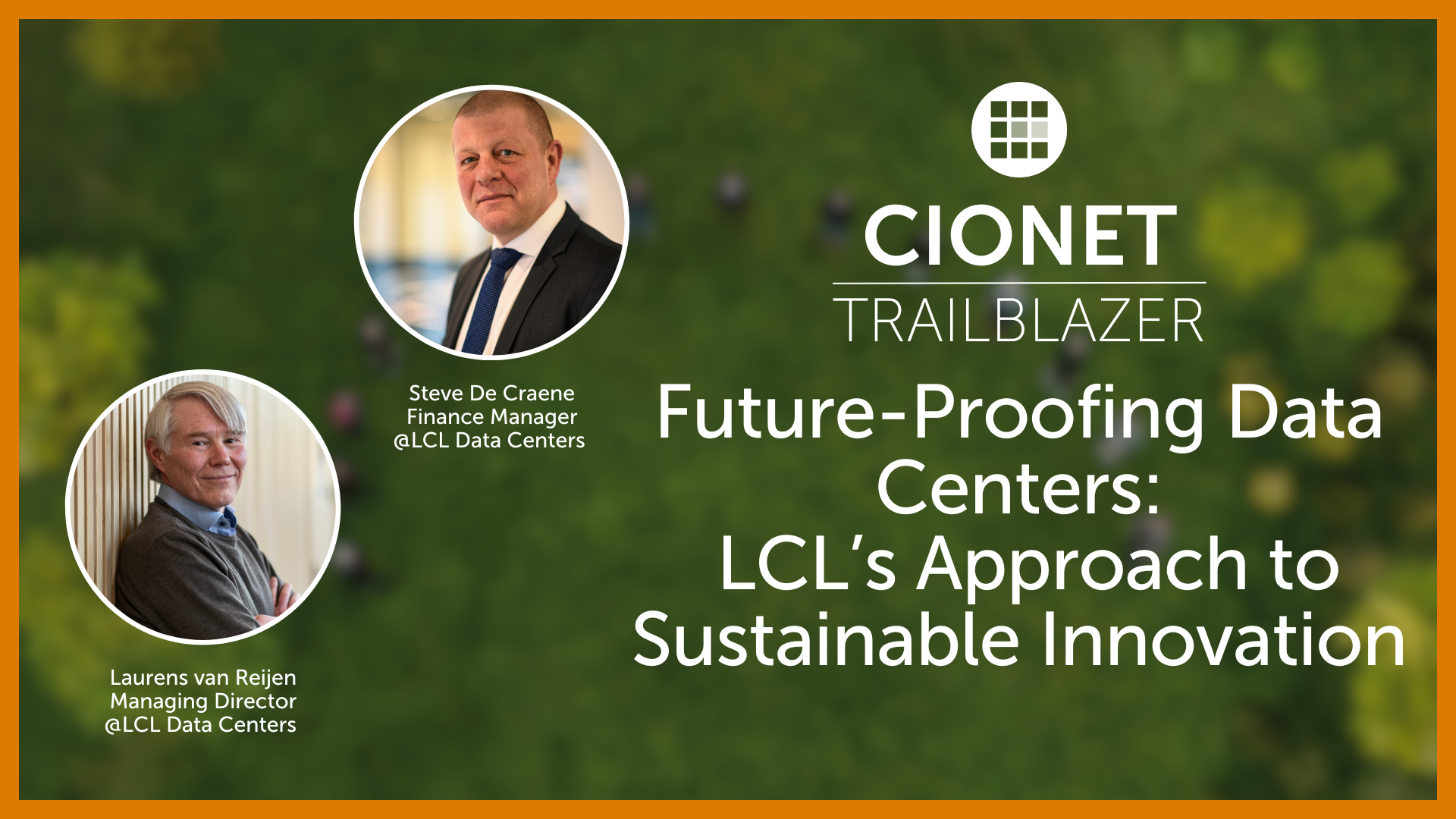
CIONET Trailblazer: CISO: The Shift from Prevention to Resilience: Turning Visibility into Execution
Published on: January 28, 2026 @ 9:48 AM
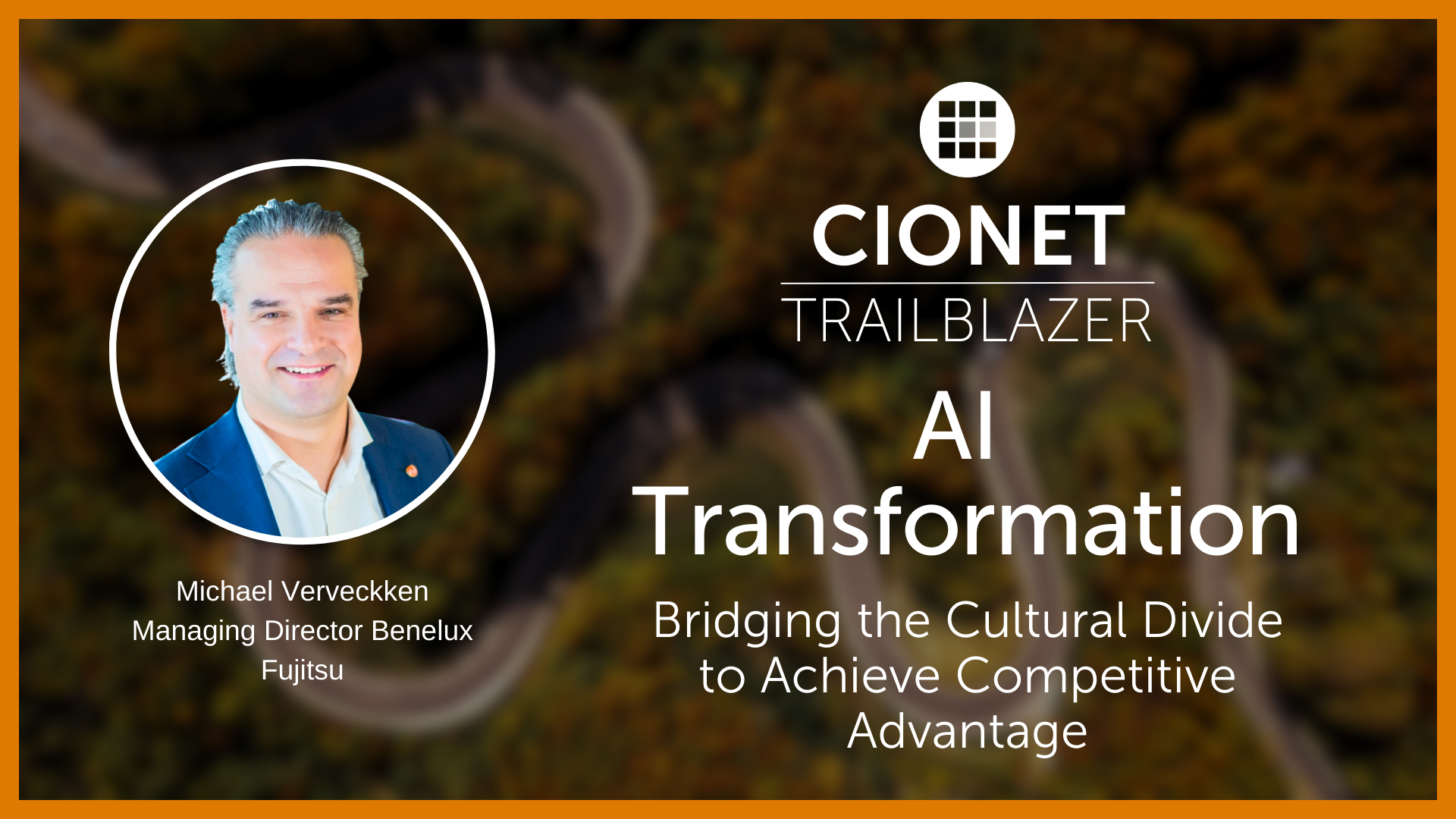
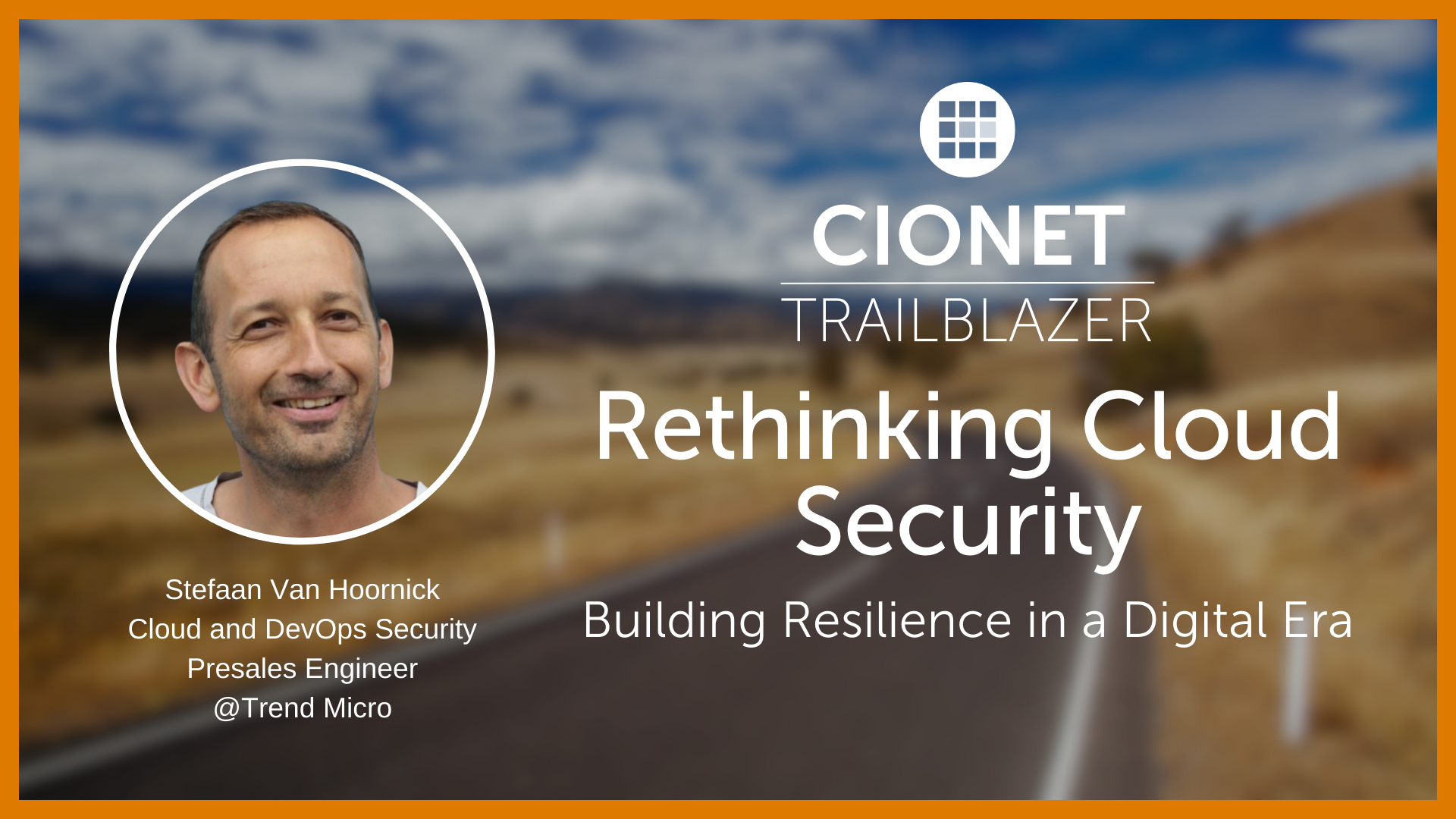
CIONET Trailblazer: AI Transformation: Bridging the Cultural Divide to Achieve Competitive Advantage
Published on: December 17, 2025 @ 9:16 AM
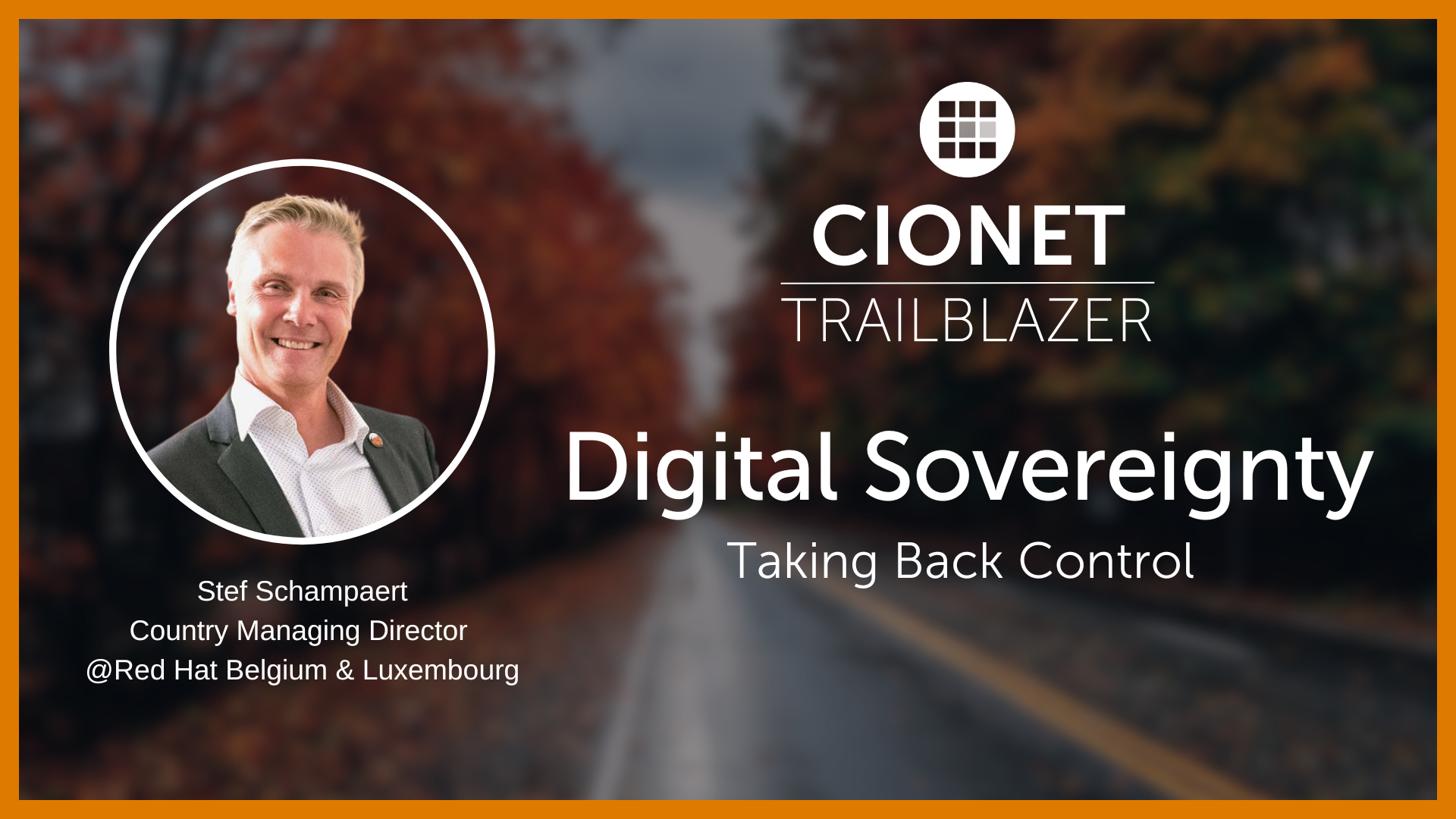
Published on: October 29, 2025 @ 11:31 AM
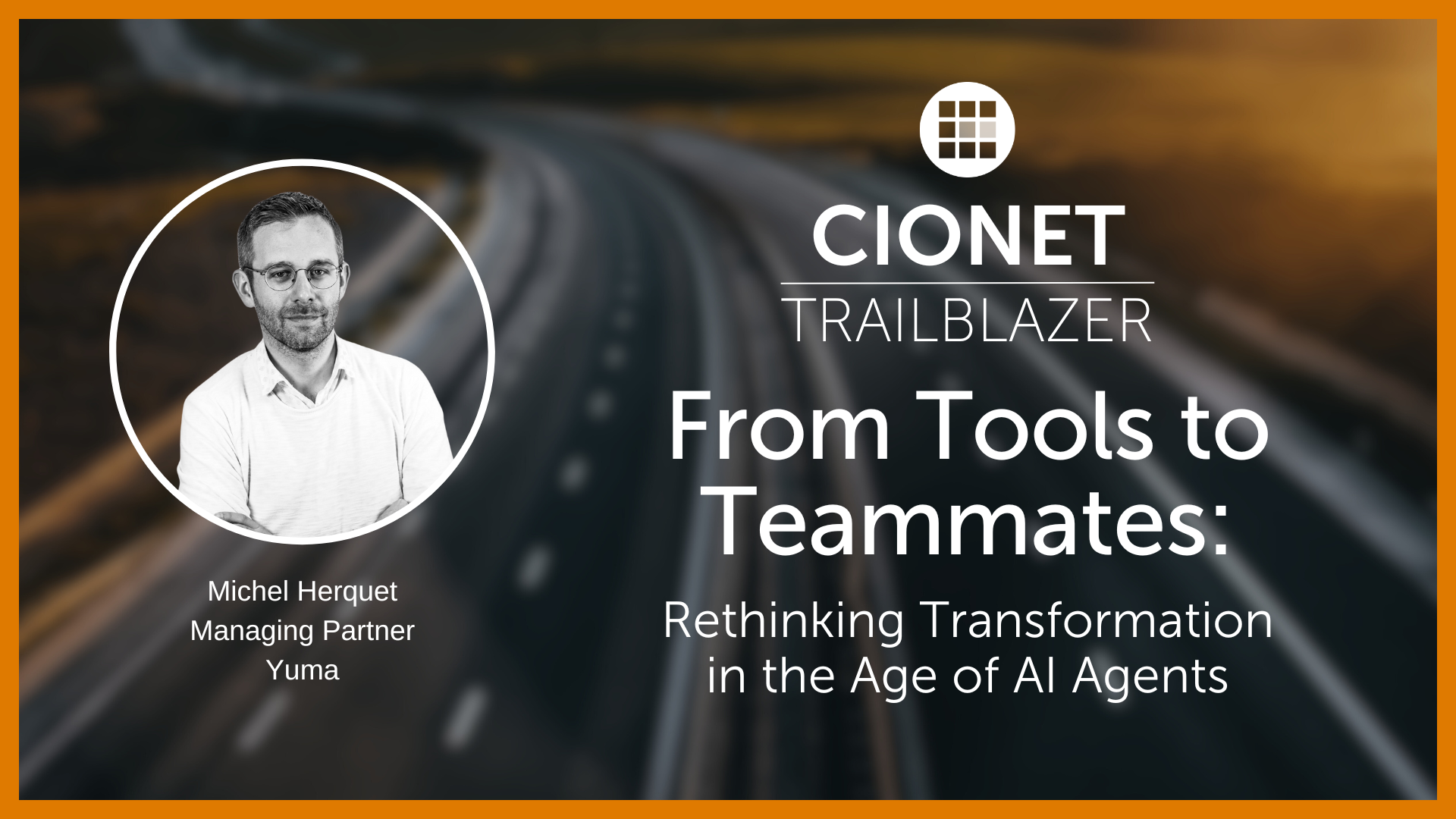
Published on: July 30, 2025 @ 9:19 AM

Published on: June 25, 2025 @ 9:14 AM
.png)
Published on: April 30, 2025 @ 9:04 AM
-1.png)
Published on: March 26, 2025 @ 9:59 AM
-1.png)
Published on: March 04, 2025 @ 5:07 PM
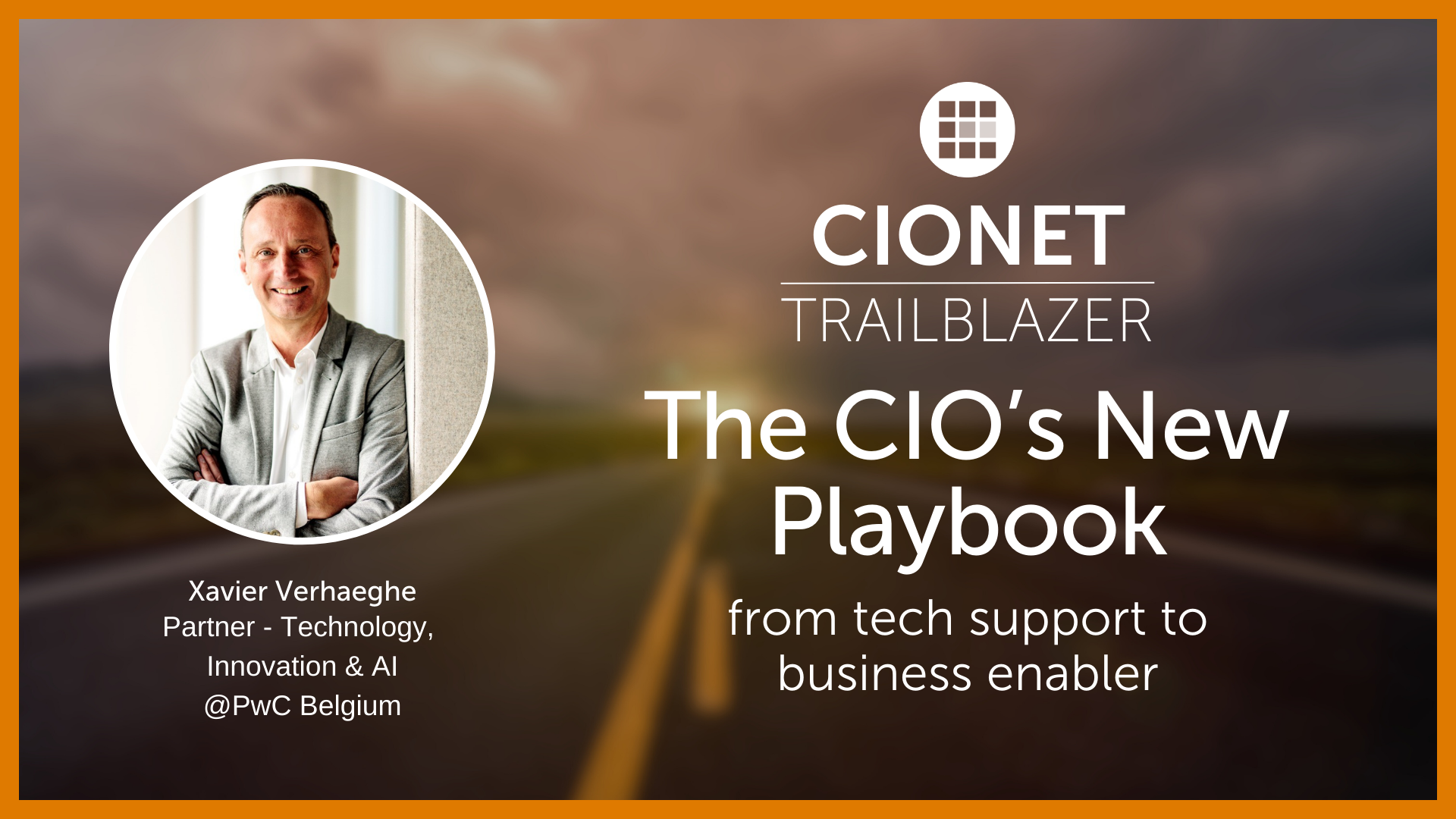
Published on: February 26, 2025 @ 10:51 AM
Published on: February 25, 2025 @ 4:14 PM
-4.png)
Published on: February 25, 2025 @ 10:33 AM
Published on: January 29, 2025 @ 9:58 AM
Published on: December 18, 2024 @ 9:07 AM
Published on: October 30, 2024 @ 9:34 AM
.png)
Published on: October 29, 2024 @ 11:37 AM
.png)
Published on: September 27, 2024 @ 10:41 AM

Published on: September 25, 2024 @ 8:59 AM
Published on: September 18, 2024 @ 3:44 PM
Published on: August 28, 2024 @ 10:10 AM
Memo Migrates Critical Call Center Systems To Microsoft Azure
Founded 30 years ago and based in Belgium, Memo provides call center services to the medical industry across Europe. A series of acquisitions prompted Memo to turn to the cloud to add scalable capacity to its services. They chose to partner with the certified Microsoft Azure architects at Techne to facilitate the migration.
Scalability, security, availability – it was a no-brainer for me… I was blown away with what Azure offers. It also gives us a competitive advantage.Michael De Decker: CEO - Memo
With 24/7 telephone answering services and over 130 multilingual specialists, Memo covers everything from medical emergencies to alarm handling. Keeping services online, and providing customers with secure and robust call handling, are essential for their business. Any loss or drop in service can have severe consequences for their clients – potentially even loss of life.
Prior to their migration to Microsoft Azure, Memo’s entire business was hosted on terminal servers in a central office, which were fast-becoming a hindrance to their scalability, capacity and stability. System admin tasks were increasingly time-consuming and prohibitively repetitive, and very few permanent optimizations were executed. And, as the company grew and increased its locations, patching, updating and security issues also became overly complicated to manage.
At its heart, Memo’s core services offer multichannel support, relying on bespoke software and a database with scripted, skill-based routing for every scenario. Their system also extends to a customer portal interfaced with their main database, plus software for their agents. But the complex nature of their business meant that there are lots of moving parts which would need careful migration with no room for error.
Due to the important and diverse nature of their ever-expanding client portfolio, Memo were looking for a scalable and stable cloud-first environment to house their critical infrastructure, and improve their security. After a series of acquisitions, the number of Memo employees doubled, so the company knew they required extra memory, and scalable storage. They also knew that they needed to streamline their processes, aligning services across their offices, whilst ensuring, and improving, the security of patient data. But how could they align multiple teams within one system?
As the only contact center in Belgium serving pharmaceutical companies, Memo provides a niche service, and is in something of a unique position. Their business depends on the trust and confidence of pharmaceutical companies to deliver critical call center services. So finding an IT partner familiar with their industry and the complexity of the migration and architecture was not going to be straightforward.
Fortunately, Memo had an existing partnership with Techne, who handle Cloud, IT services, and IT outsourcing, and specialize in partnering with non-profit organizations in Flanders and Brussels. CEO Michael De Decker was already familiar with Walter Van Hecke at Techne, a certified architect with Microsoft Azure, and he felt reassured by Walter’s expertise and experience of similarly complex moves.
Having waited seven months for servers from another IT partner, Memo was impressed by Techne’s approach to the Microsoft Azure migration. In the event, Techne was able to migrate the IT architecture for four acquisitions in just one day. Their one-to-one approach to migration also helped to support best practices, beginning with the moving of existing records to a new data center and then analysing performance.
Taking an Agile approach, Techne were able to set up and tweak Memo’s new cloud-based system. And in the second phase, they developed and refined the dashboarding to enable valuable oversight of the business. This was a key benefit of the switch to Microsoft Azure, which has helped Memo pivot from a reactive approach to problems, to one where they can anticipate potential issues and prevent them. Increased and improved monitoring also means Memo’s processes stay optimized, and a pronounced shift away from thinking less about servers to adding value through greater focus on business processes.
Migration to Microsoft Azure with the help of Techne means that Memo can now focus on new and improved ways of working, solving problems, rather than individual incidents, and continually improving user experience. They’re now set up for future success and scalability, which means that there’s a clear roadmap for future acquisitions and the ability for management to clearly track costs and reduce waste through a ‘pay for what you use’ model, rather than having an excess or lack of costly resources.
Before the initial migration in 2019, Memo has been involved with four acquisitions that have led to increased call center capacity across five offices. They’ve grown to over 130 employees, but scaling their IT systems quickly and efficiently has been made much easier thanks to Techne and their expertise with Microsoft Azure.
As the company has expanded, their IT infrastructure has been able to grow alongside it. There’s no more moving servers or replacing hard drives to add capacity, and there’s a cost saving associated with only paying for the space they need. Going forward, Memo is looking to add further scalability via Azure Virtual Desktop through their successful and ongoing partnership with Techne.
Looking at the new technologies, the ones that can benefit my company, and implementing them, migrating them, and testing them - that is what Techne does the best.Michael De Decker: CEO - Memo
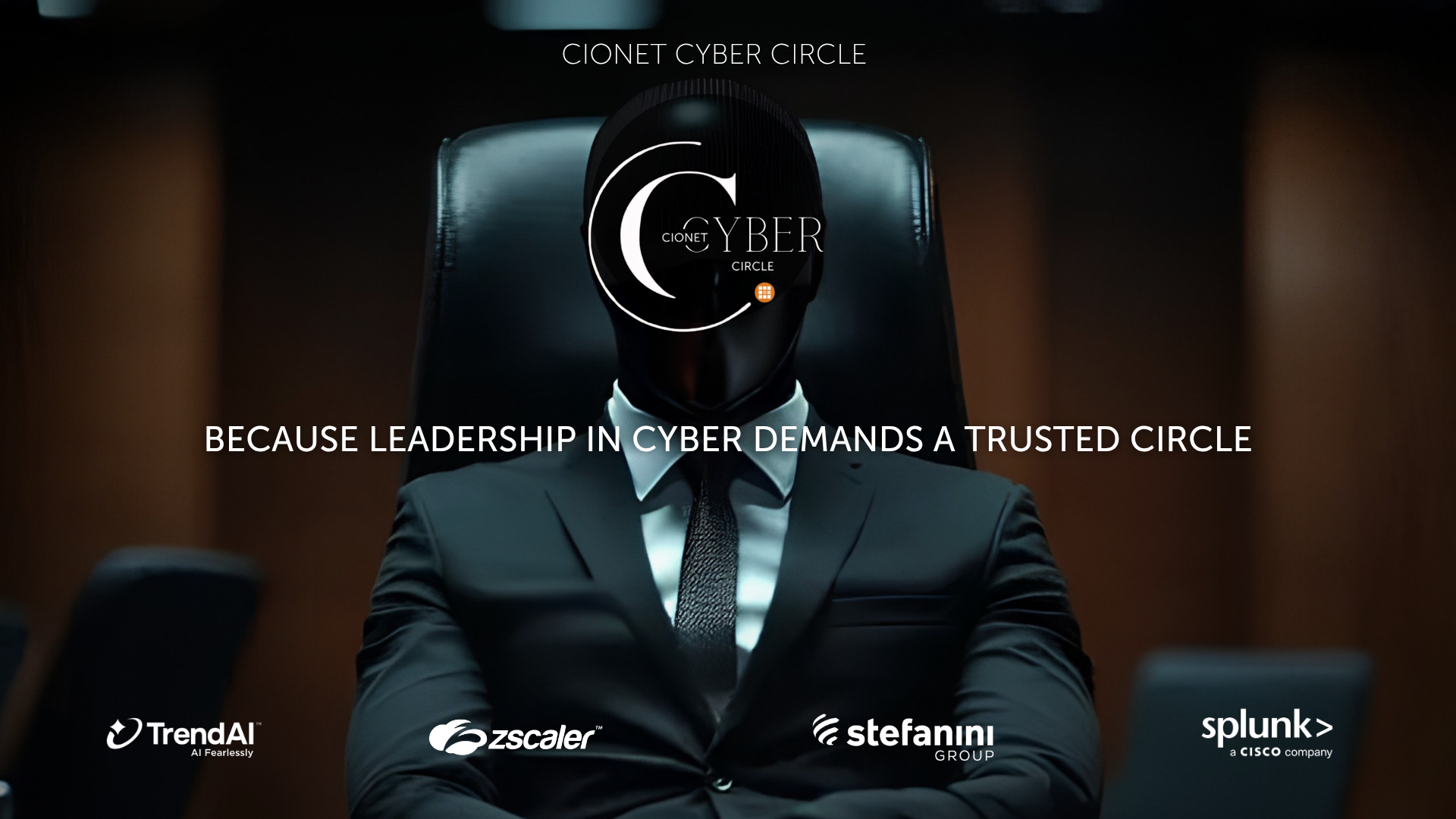
CIONET’s Cyber Circle: a new three-event programme exclusively focusing on the most urgent, complex, and high-impact challenges in cybersecurity today. Launched in 2026, this initiative brings together CISOs, CIOs, and senior IT executives with a strong interest in cybersecurity for three curated gatherings each year. As part of CIONET’s trusted executive community, the Cyber Circle provides a confidential, peer-driven environment to exchange insights, share real-world experiences, and address evolving cyber threats. Each session is designed to foster strategic dialogue, strengthen resilience, and elevate cybersecurity as a core driver of business value.
Read More.png)
The Telenet Business Leadership Circle powered by CIONET, offers a platform where IT executives and thought leaders can meet to inspire each other and share best practices. We want to be a facilitator who helps you optimise the performance of your IT function and your business by embracing the endless opportunities that digital change brings.
Read More
Découvrez la dynamique du leadership numérique aux Rencontres de CIONET, le programme francophone exclusif de CIONET pour les leaders numériques en Belgique, rendu possible grâce au soutien et à l'engagement de nos partenaires de programme : Deloitte, Denodo et Red Hat. Rejoignez trois événements inspirants par an à Liège, Namur et en Brabant Wallon, où des CIOs et des experts numériques francophones de premier plan partagent leurs perspectives et expériences sur des thèmes d'affaires et de IT actuels. Laissez-vous inspirer et apprenez des meilleurs du secteur lors de sessions captivantes conçues spécialement pour soutenir et enrichir votre rôle en tant que CIO pair. Ne manquez pas cette opportunité de faire partie d'un réseau exceptionnel d'innovateurs numériques !
Read More.jpg)
CIONET is committed to highlighting and celebrating female role models in IT, Tech & Digital, creating a leadership programme that empowers and elevates women within the tech industry. This initiative is dedicated to showcasing the achievements and successes of leading women, fostering an environment where female role models are recognised, and their contributions can ignite progress and inspire the next generation of women in IT. Our mission is to shine the spotlight a little brighter on female role models in IT, Tech & Digital, and to empower each other through this inner network community.
Read More


-Apr-01-2022-10-58-34-57-AM.png)









-Dec-13-2023-10-53-15-5032-AM.png)



-Jun-12-2023-01-23-11-7540-PM.png)



-Apr-01-2022-10-58-34-68-AM.png)






.png)


%20(003).png)

.png)
.png)








-Sep-01-2022-02-47-55-60-PM.png)
-Nov-22-2023-08-56-42-6802-AM.png)
.png)


.png "be-page-banner (1)")
.png)
.png)
.png)
.png)