

.png)
Belgium 20-10-2026 Squad Only Virtual English
Cloud decisions are becoming more selective. The challenge is deciding where each workload should run based on cost, performance, control, resilience, sovereignty, and business need. Three pressure points usually drive the decision. - Cost visibility becomes harder when usage grows across cloud services, data platforms, and AI workloads. - Performance and latency matter more when systems need fast access to data or support operational processes. - Sovereignty and resilience become critical when data location, continuity, vendor dependency, and exit options enter the discussion. The working question is simple: how do we place workloads where they create the most value while keeping the hybrid landscape manageable? If these trade-offs are on your agenda, let’s compare how others are handling similar choices.
Read More.png)
Belgium 10-11-2026 Squad Only Virtual English
Data platforms are meant to simplify access and support better use of data. The challenge is choosing and governing the platform landscape in a way that creates consistency, reuse, and long-term value. Three pressure points usually appear. - Platform choice becomes difficult when teams have different needs for speed, flexibility, cost, and control. - Business meaning needs protection: customer, revenue, product, risk, and FTE need shared definitions across tools. - Ownership and governance need to be clear, so platforms grow with accountability and discipline. The working question is simple: how do we give teams the data capabilities they need while keeping the platform landscape understandable, governed, and reusable? If these questions are familiar, let’s compare approaches with others facing the same data landscape.
Read More.png)
Belgium 13-11-2026 Squad Only Physical English
Many IT capabilities are essential and difficult to fund through a simple project ROI. The challenge is showing why architecture, governance, resilience, cybersecurity maturity, data foundations, and AI readiness deserve investment before the gap becomes expensive. Three pressure points make the case harder. - Shared value means the benefit often sits across several teams, while the budget sits in one place. - Timing creates friction because the cost is immediate while the value appears over time. - Risk translation is needed so business and finance leaders understand the consequence of delaying the investment. The working question is simple: how do we turn foundational IT capabilities into credible investment cases that link cost, risk, business value, and future flexibility? If you are building these cases internally, let’s compare how others are positioning value, risk, and timing.
Read More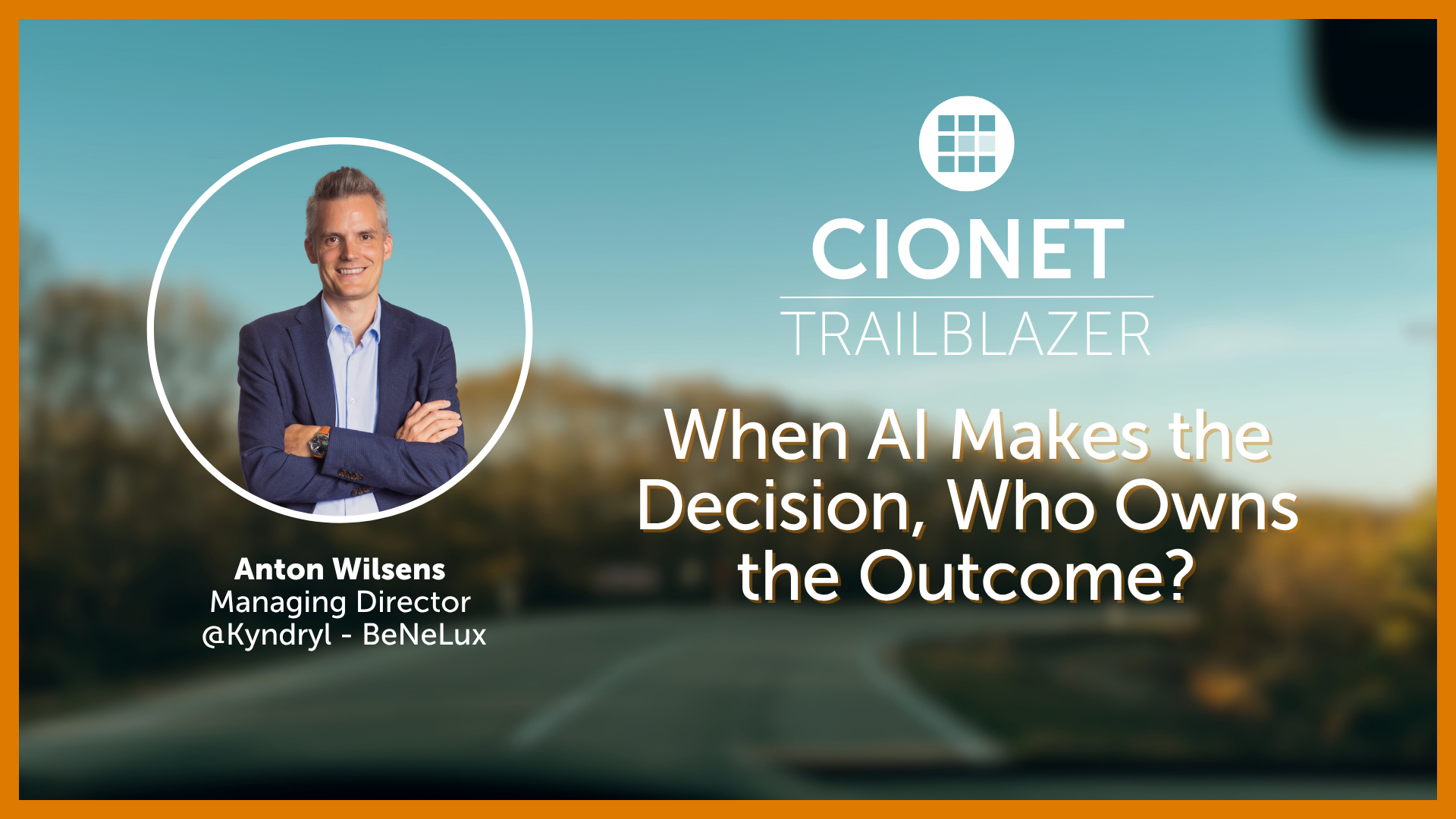
Published on: September 30, 2026 @ 1:17 PM
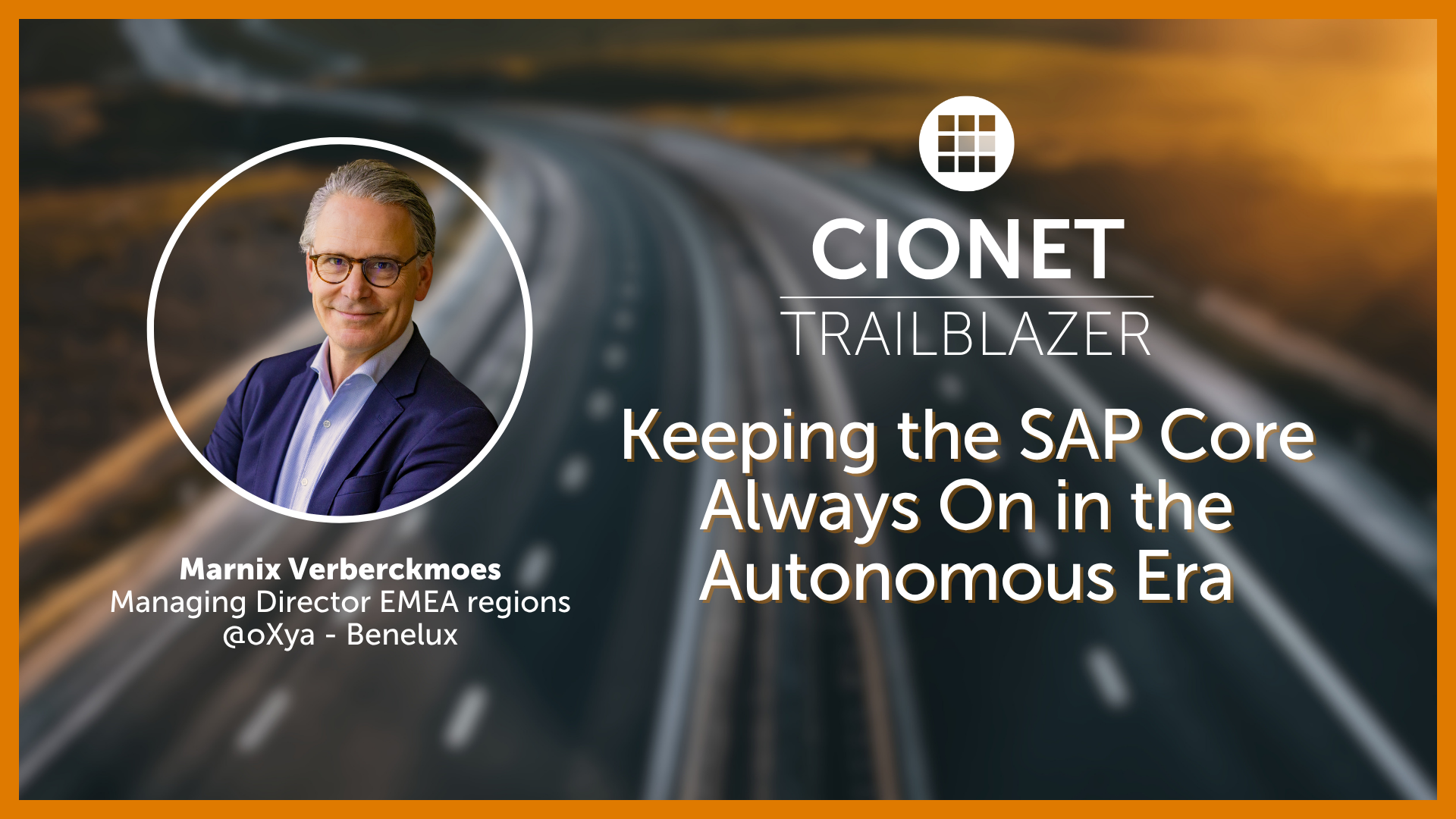
Published on: August 26, 2026 @ 9:13 AM
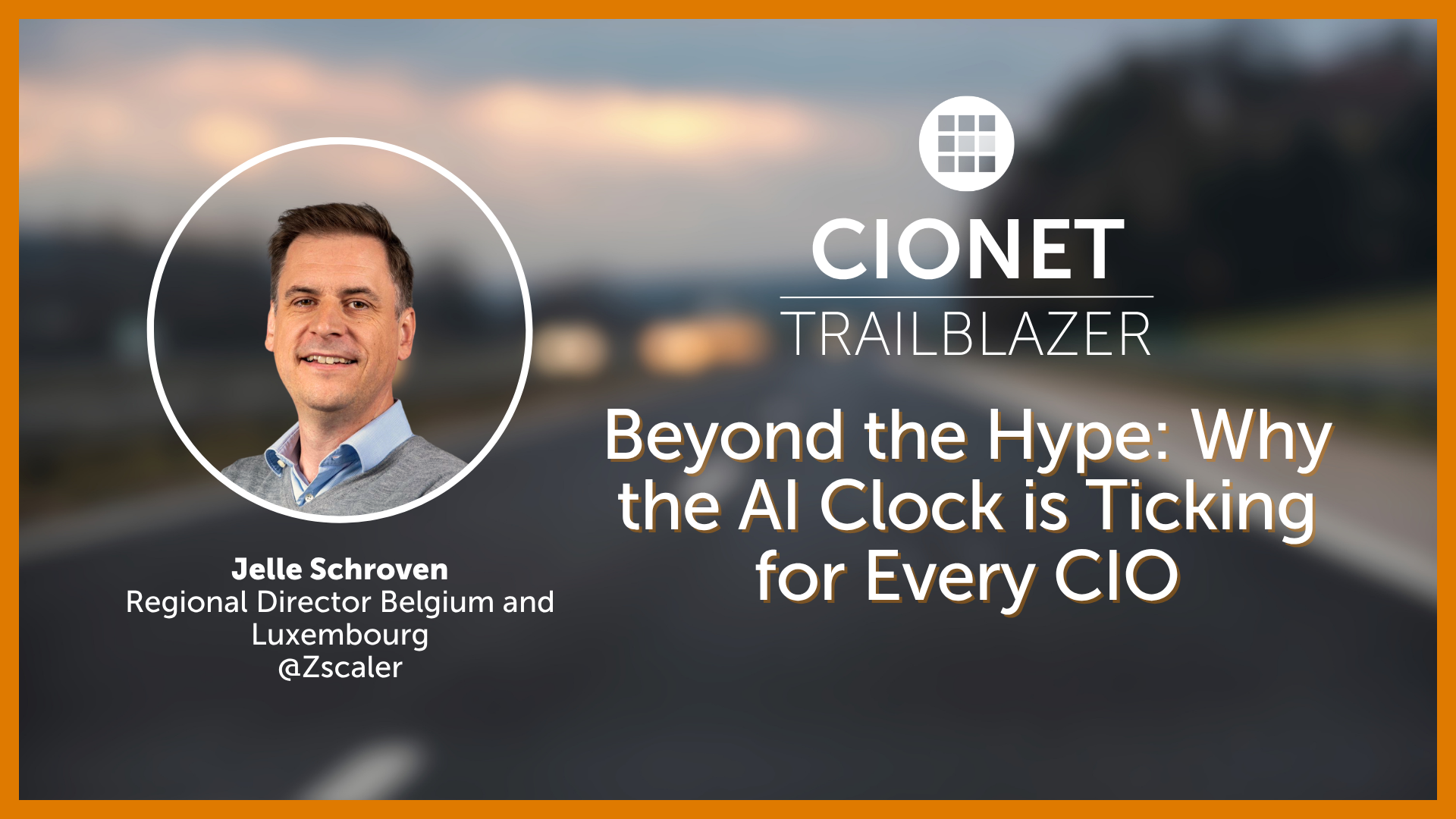
Published on: July 29, 2026 @ 10:08 AM
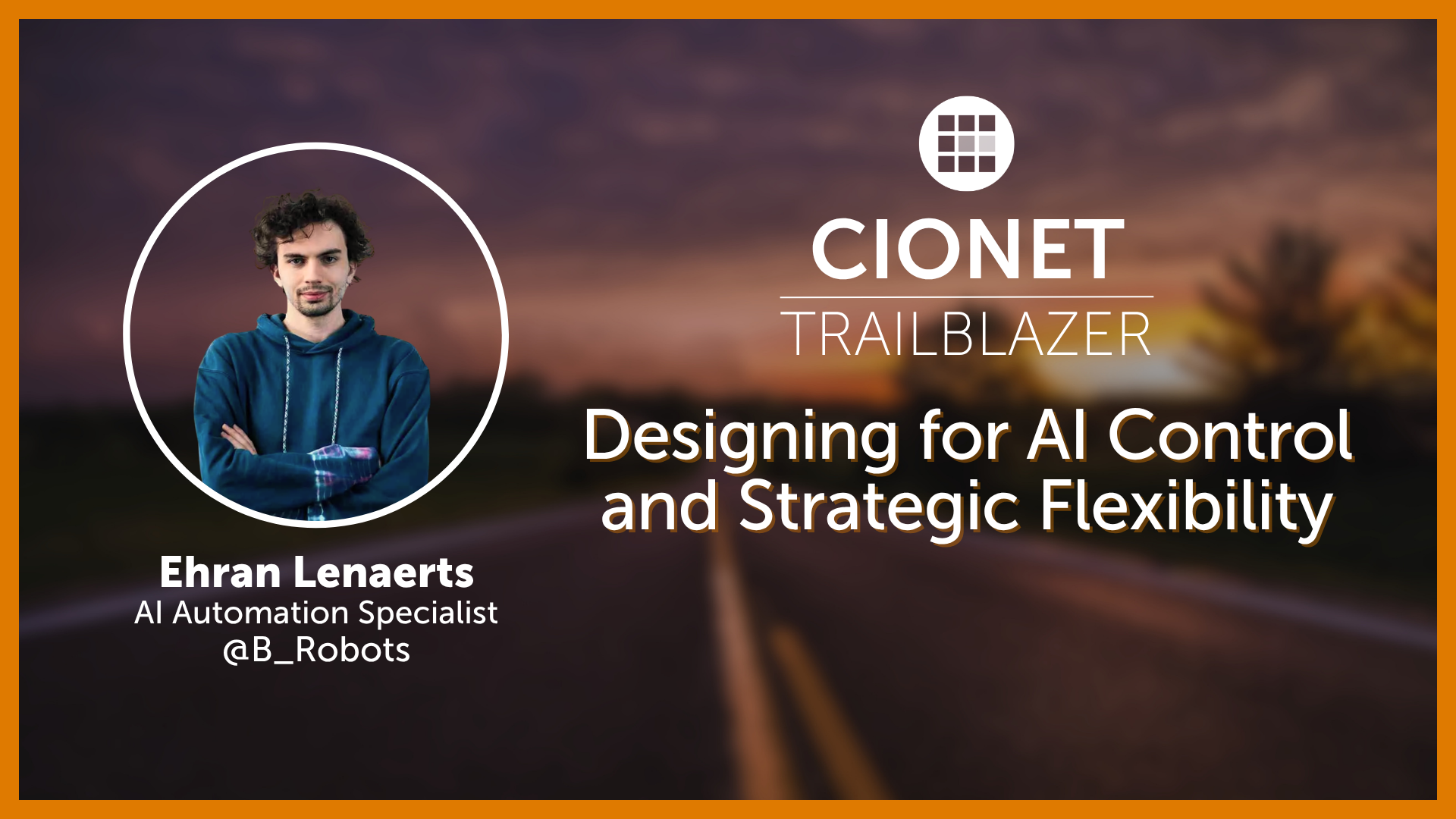
Published on: June 24, 2026 @ 5:00 PM
Published on: May 27, 2026 @ 9:21 AM
Published on: May 07, 2026 @ 4:02 PM
.png)
Published on: April 29, 2026 @ 9:11 AM
Published on: March 26, 2026 @ 3:37 PM
-2.png)
Published on: March 25, 2026 @ 9:58 AM

Published on: March 13, 2026 @ 3:43 PM
-Feb-25-2026-10-01-07-2508-AM.png)
Published on: February 25, 2026 @ 11:01 AM
.png)
Published on: February 25, 2026 @ 9:00 AM

Published on: February 24, 2026 @ 5:00 PM
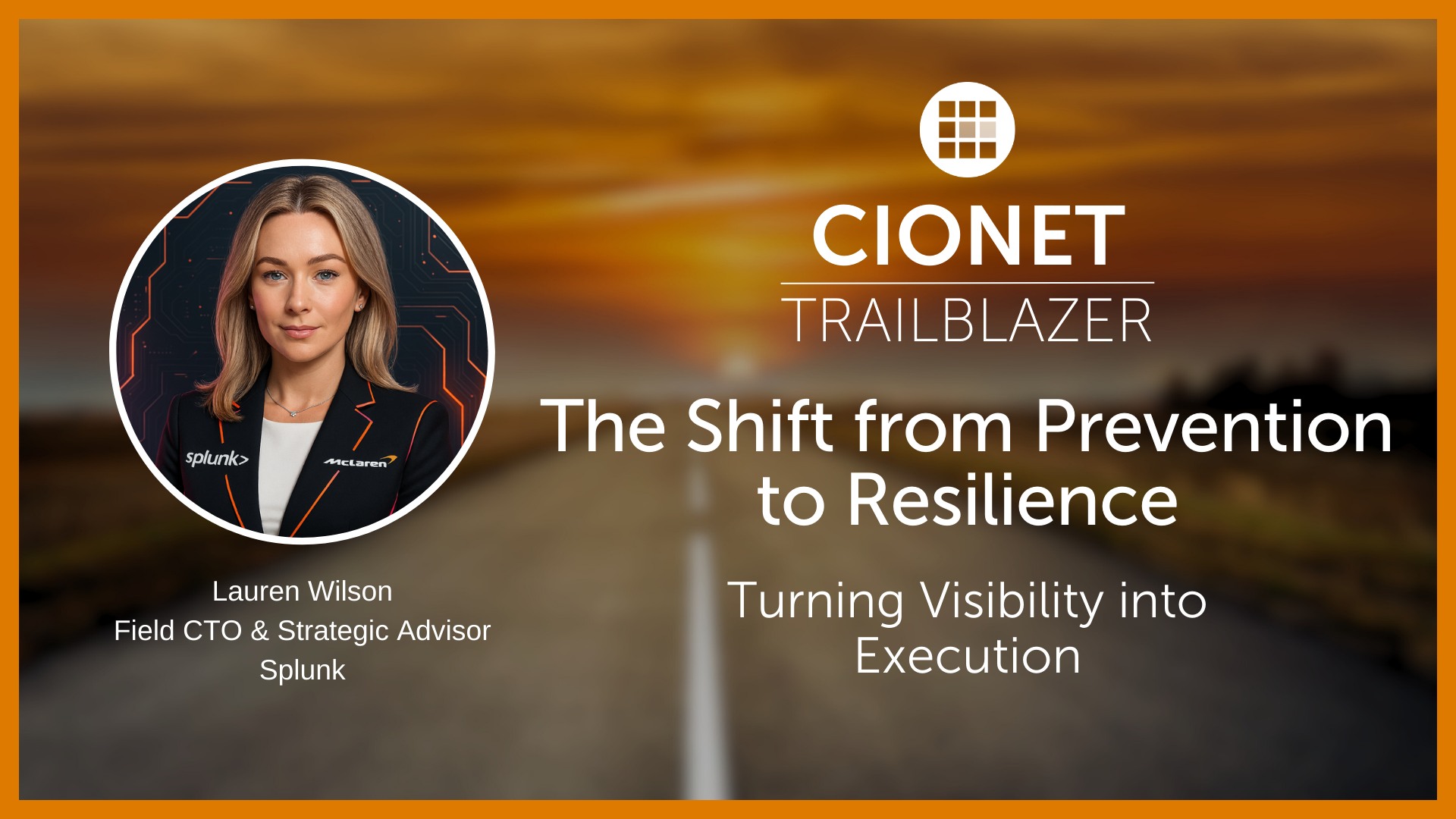
CIONET Trailblazer: CISO: The Shift from Prevention to Resilience: Turning Visibility into Execution
Published on: January 28, 2026 @ 9:48 AM
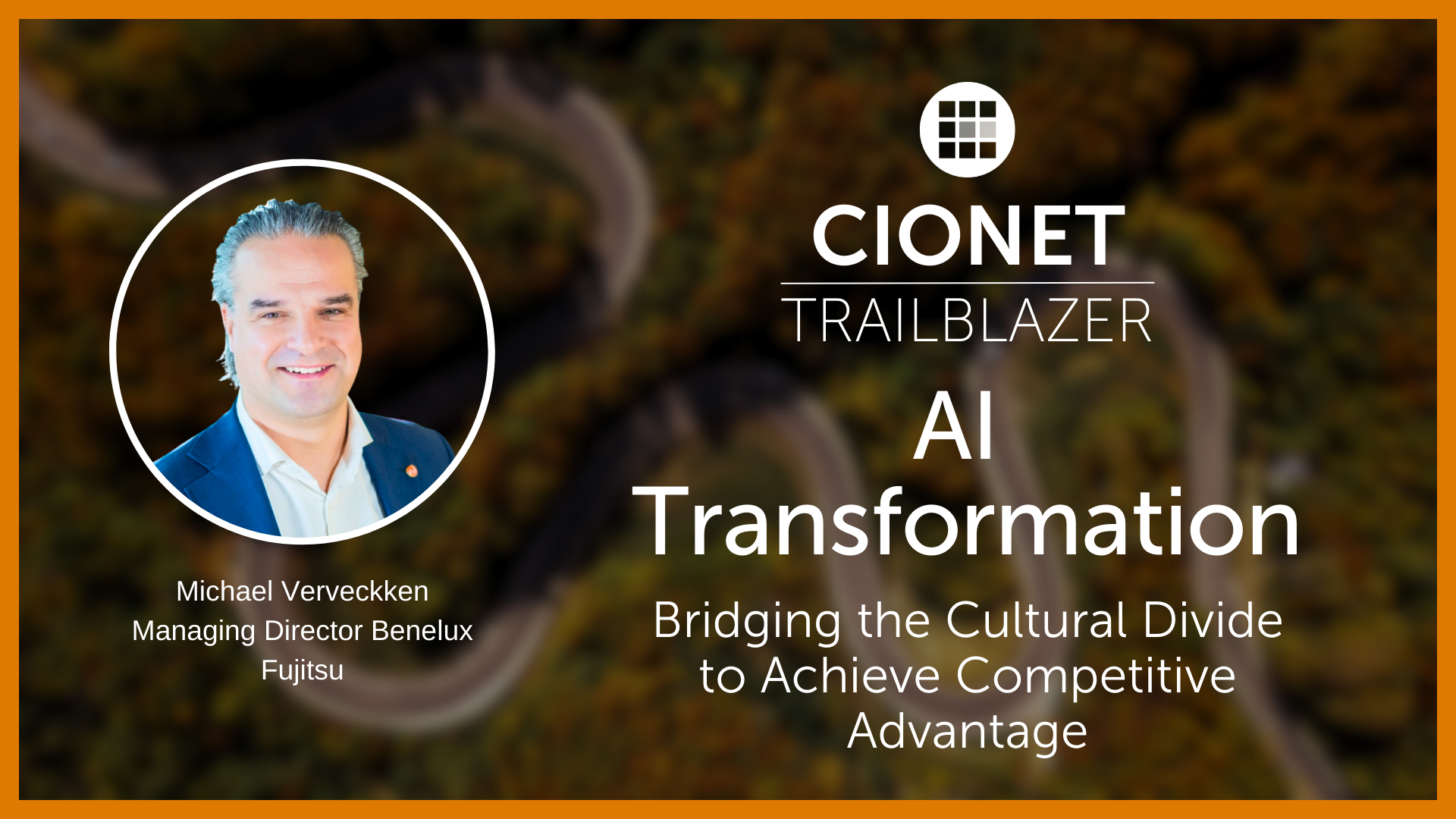
CIONET Trailblazer: AI Transformation: Bridging the Cultural Divide to Achieve Competitive Advantage
Published on: December 17, 2025 @ 9:16 AM
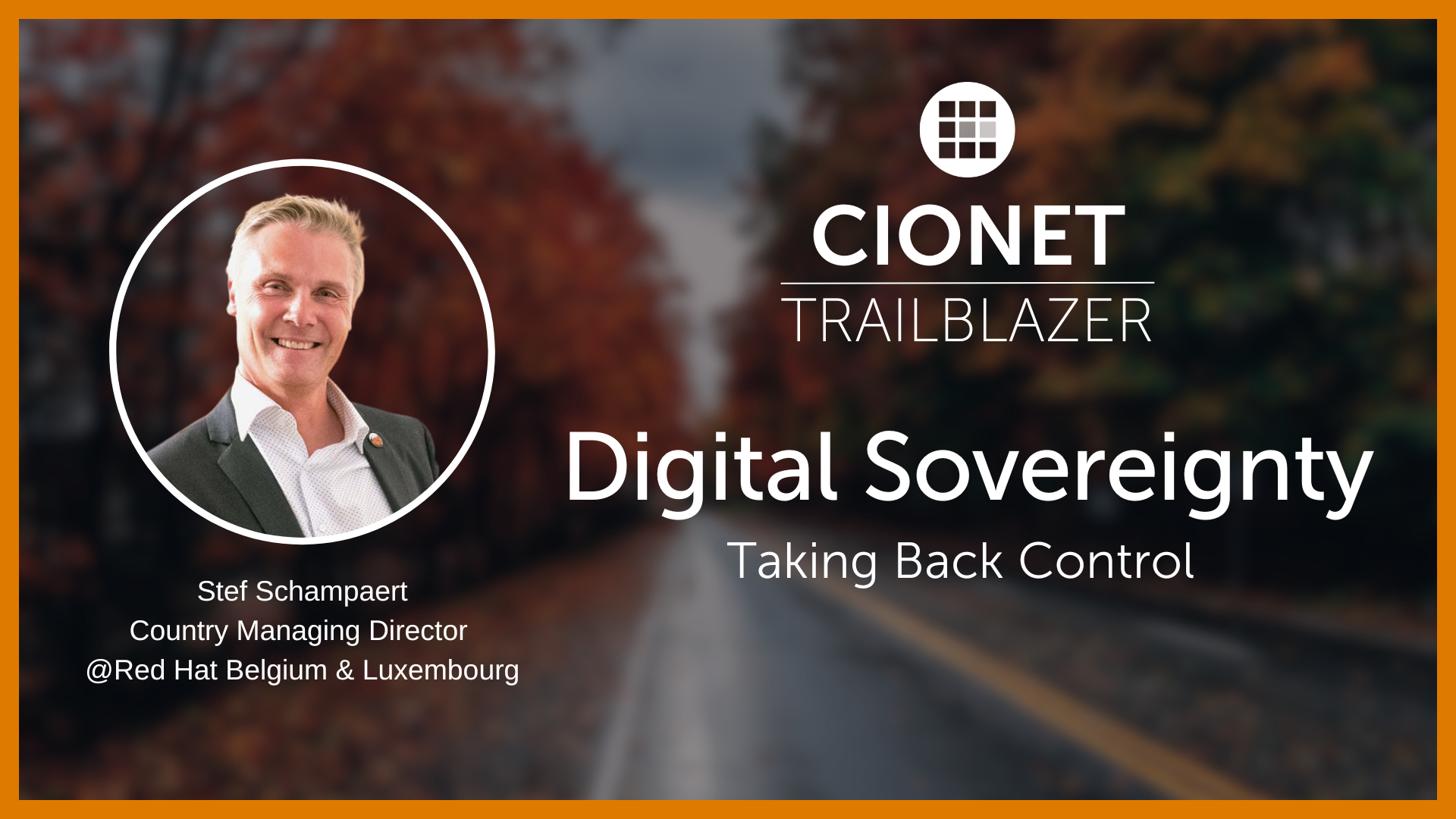
Published on: October 29, 2025 @ 11:31 AM
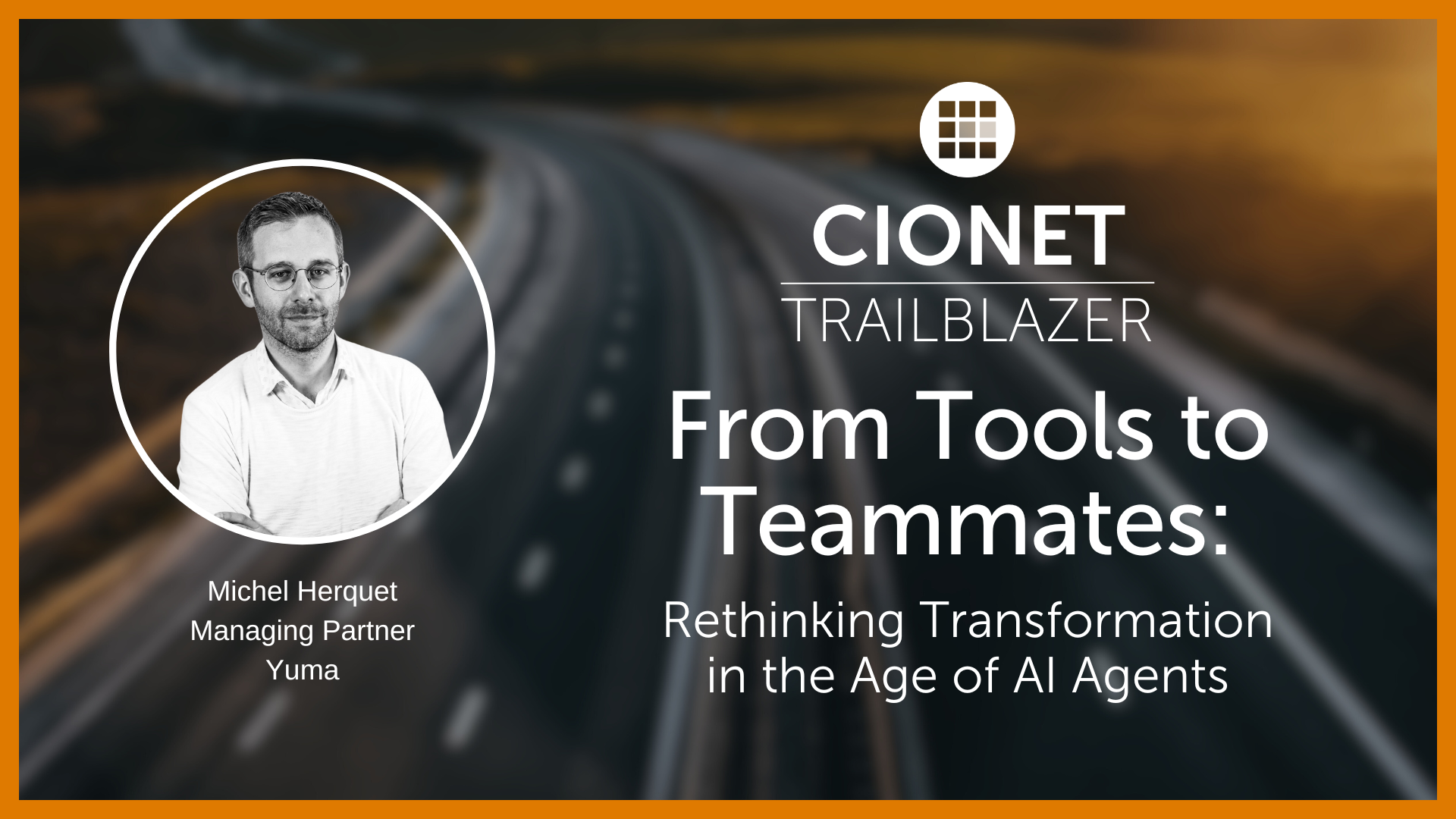
Published on: July 30, 2025 @ 9:19 AM
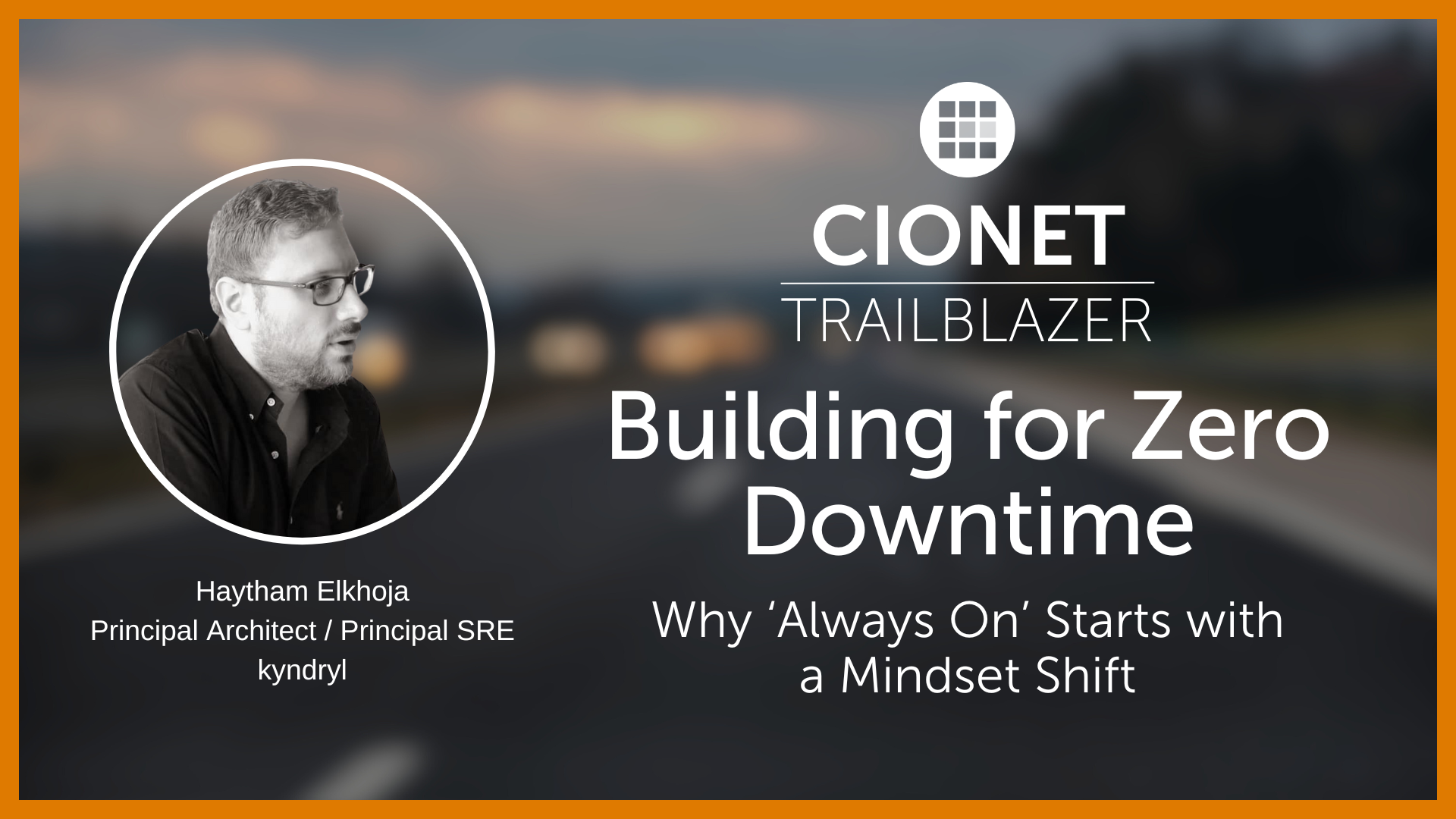
Published on: June 25, 2025 @ 9:14 AM
.png)
Published on: April 30, 2025 @ 9:04 AM
-1.png)
Published on: March 26, 2025 @ 9:59 AM
-1.png)
Published on: March 04, 2025 @ 5:07 PM
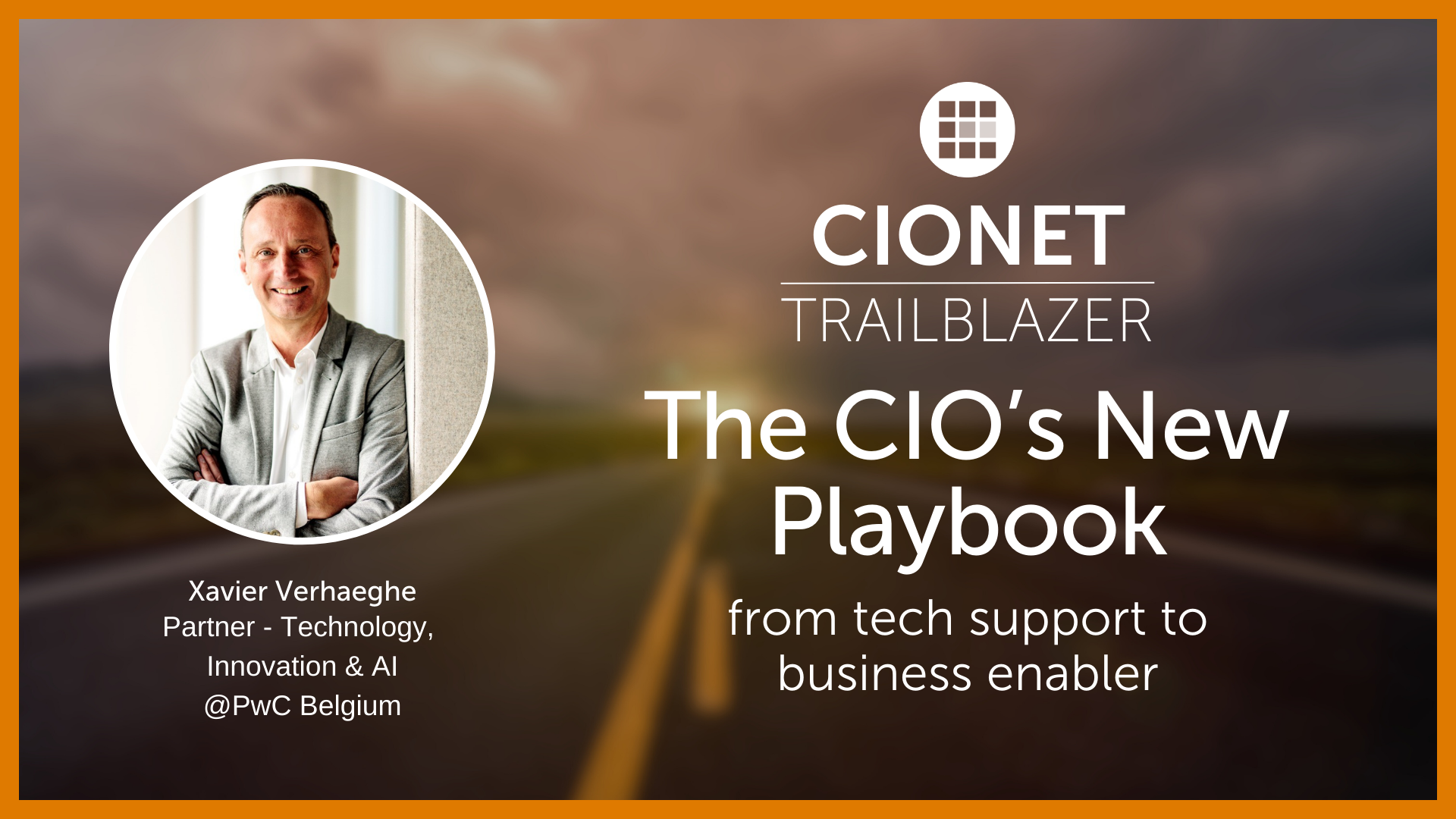
Published on: February 26, 2025 @ 10:51 AM
Published on: February 25, 2025 @ 4:14 PM
-4.png)
Published on: February 25, 2025 @ 10:33 AM
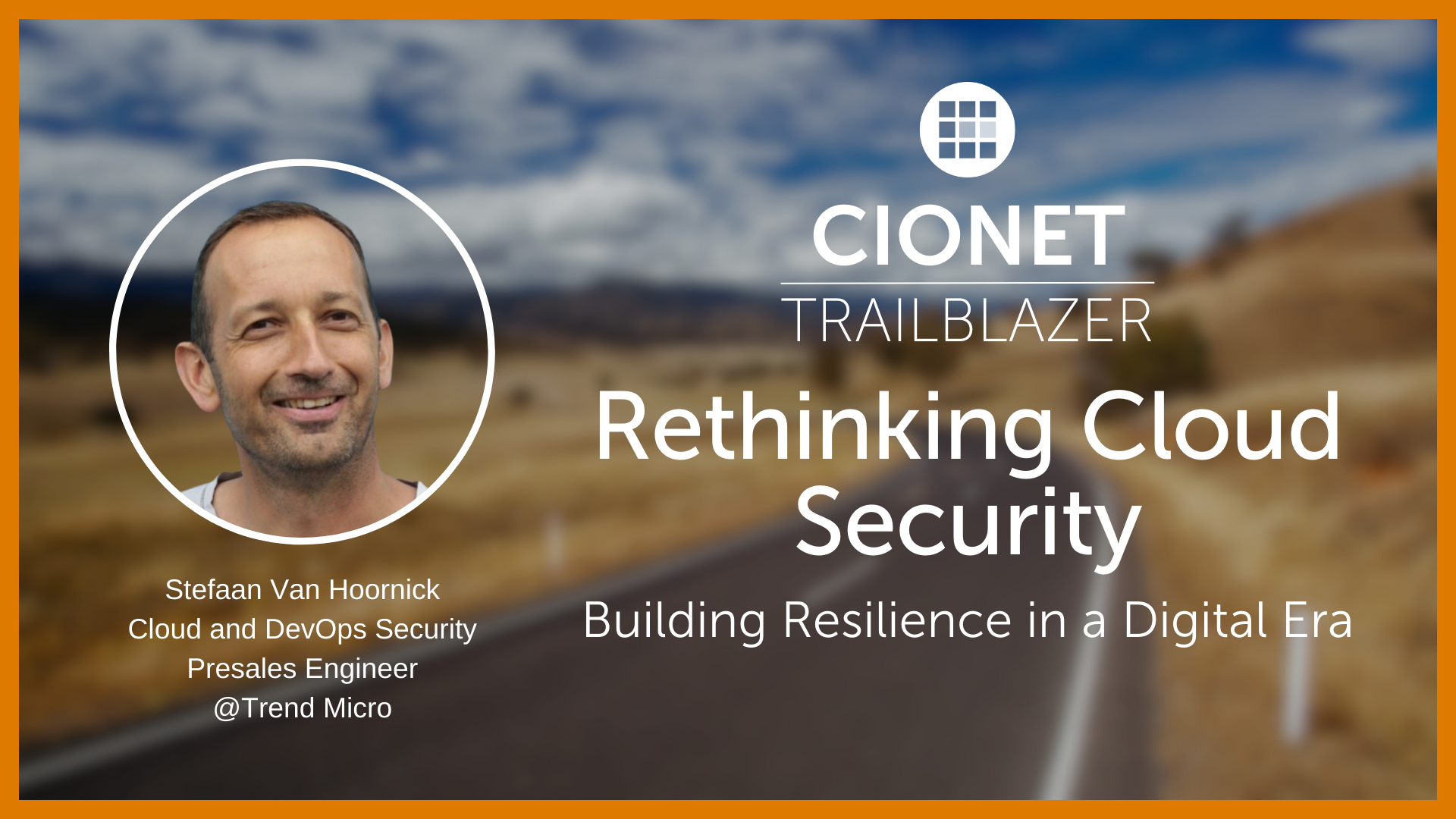
Published on: January 29, 2025 @ 9:58 AM
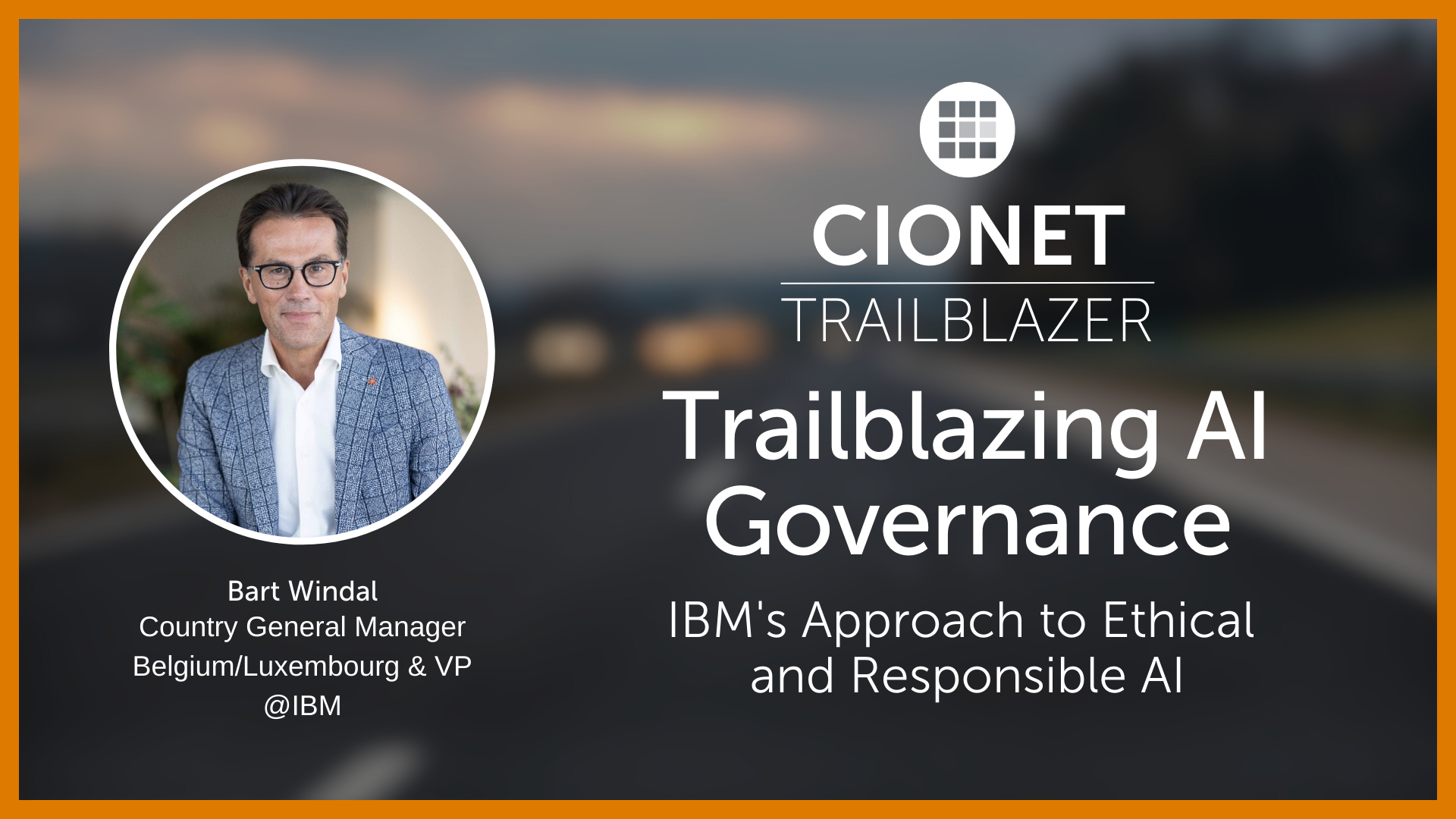
Published on: December 18, 2024 @ 9:07 AM
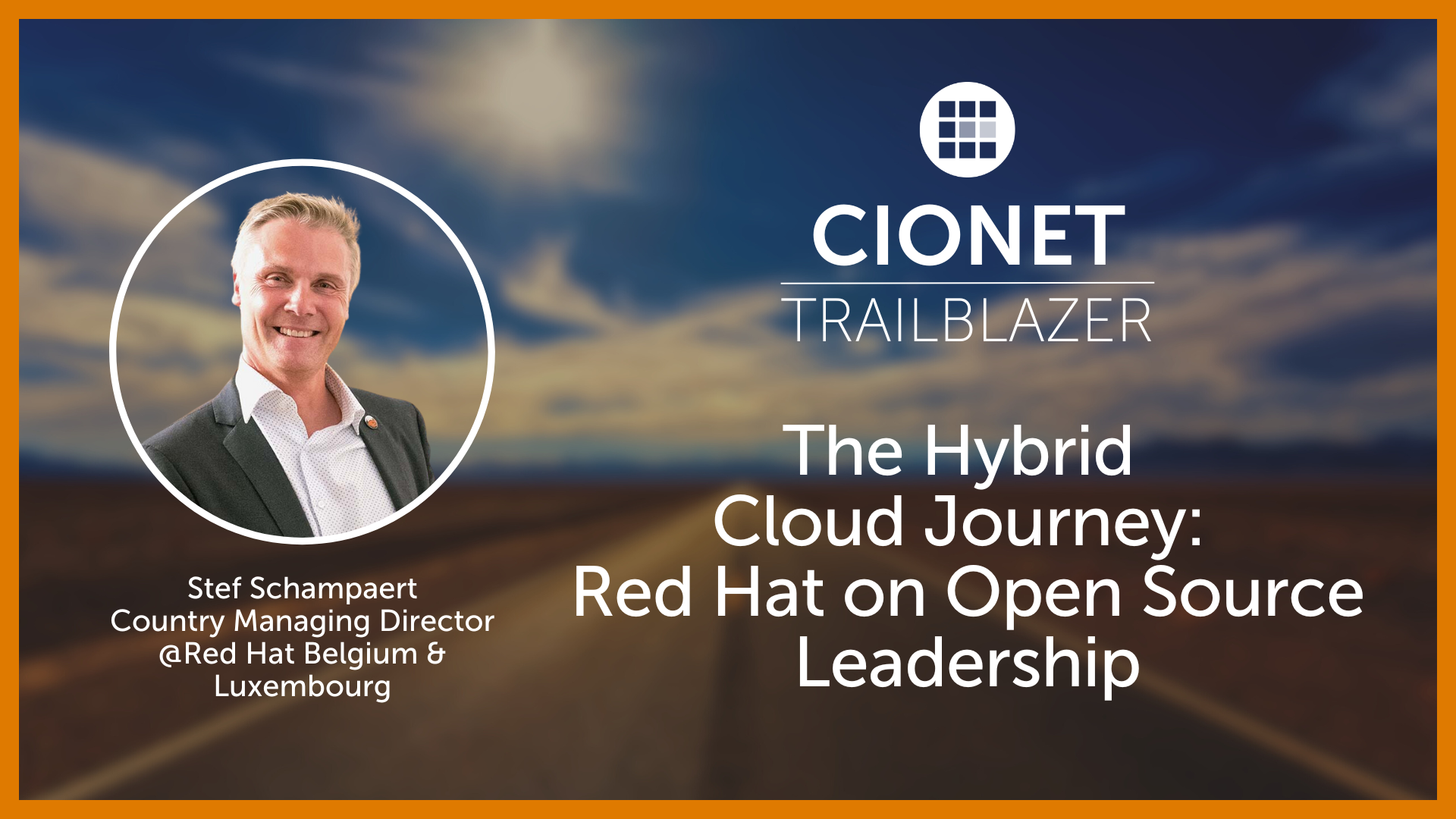
Published on: October 30, 2024 @ 9:34 AM
.png)
Published on: October 29, 2024 @ 11:37 AM
.png)
Published on: September 27, 2024 @ 10:41 AM
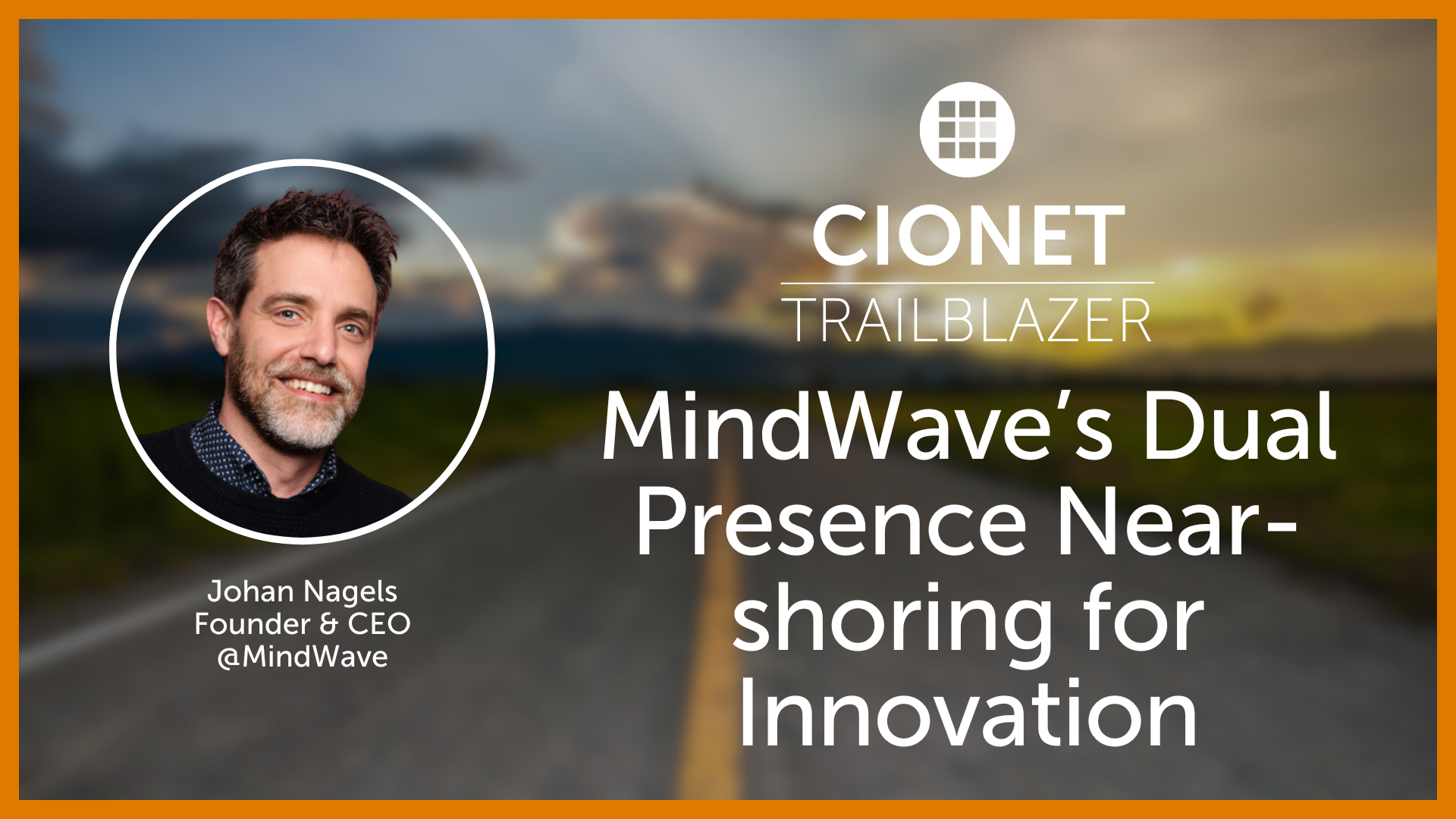
Published on: September 25, 2024 @ 8:59 AM
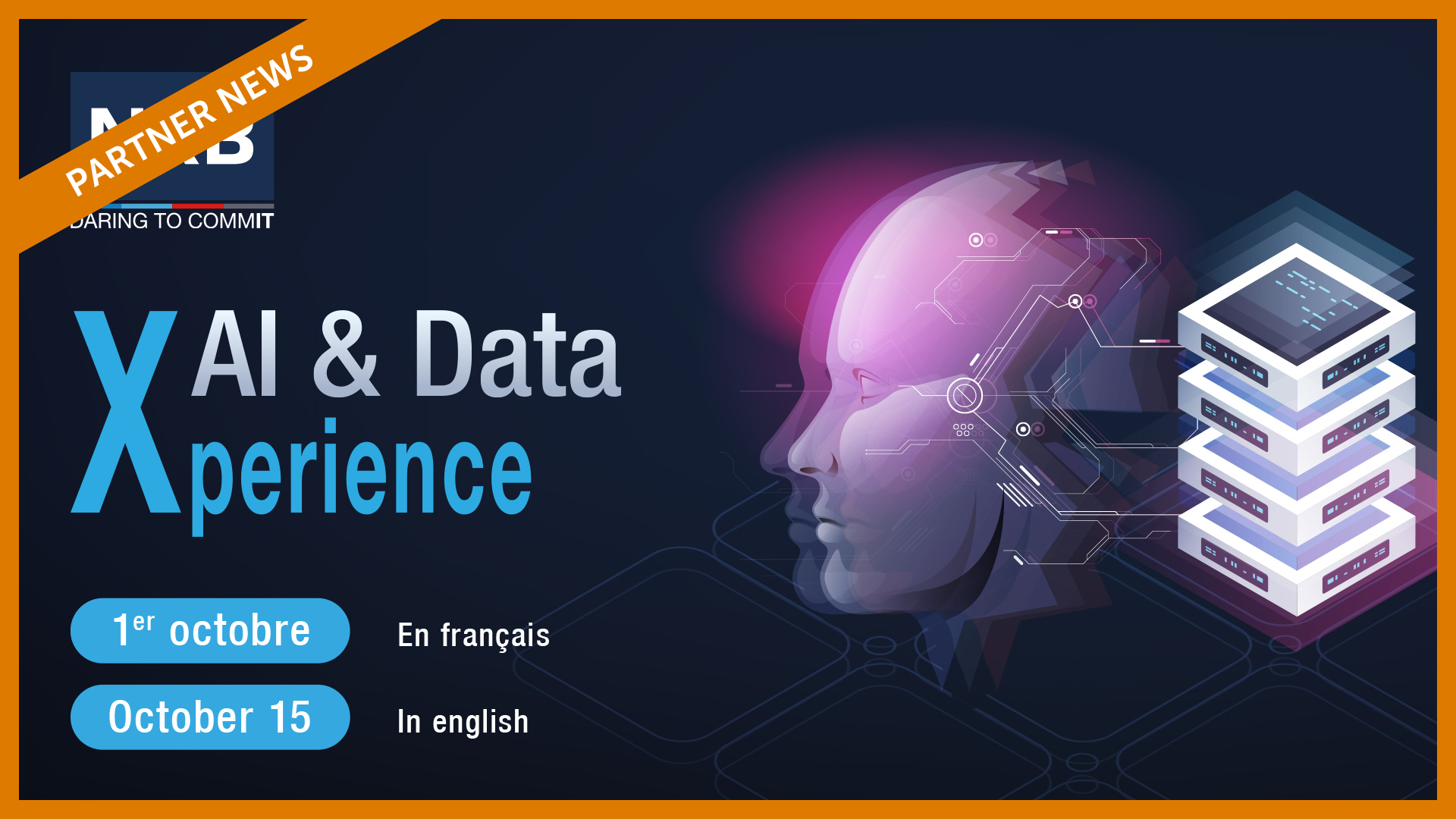
Published on: September 18, 2024 @ 3:44 PM
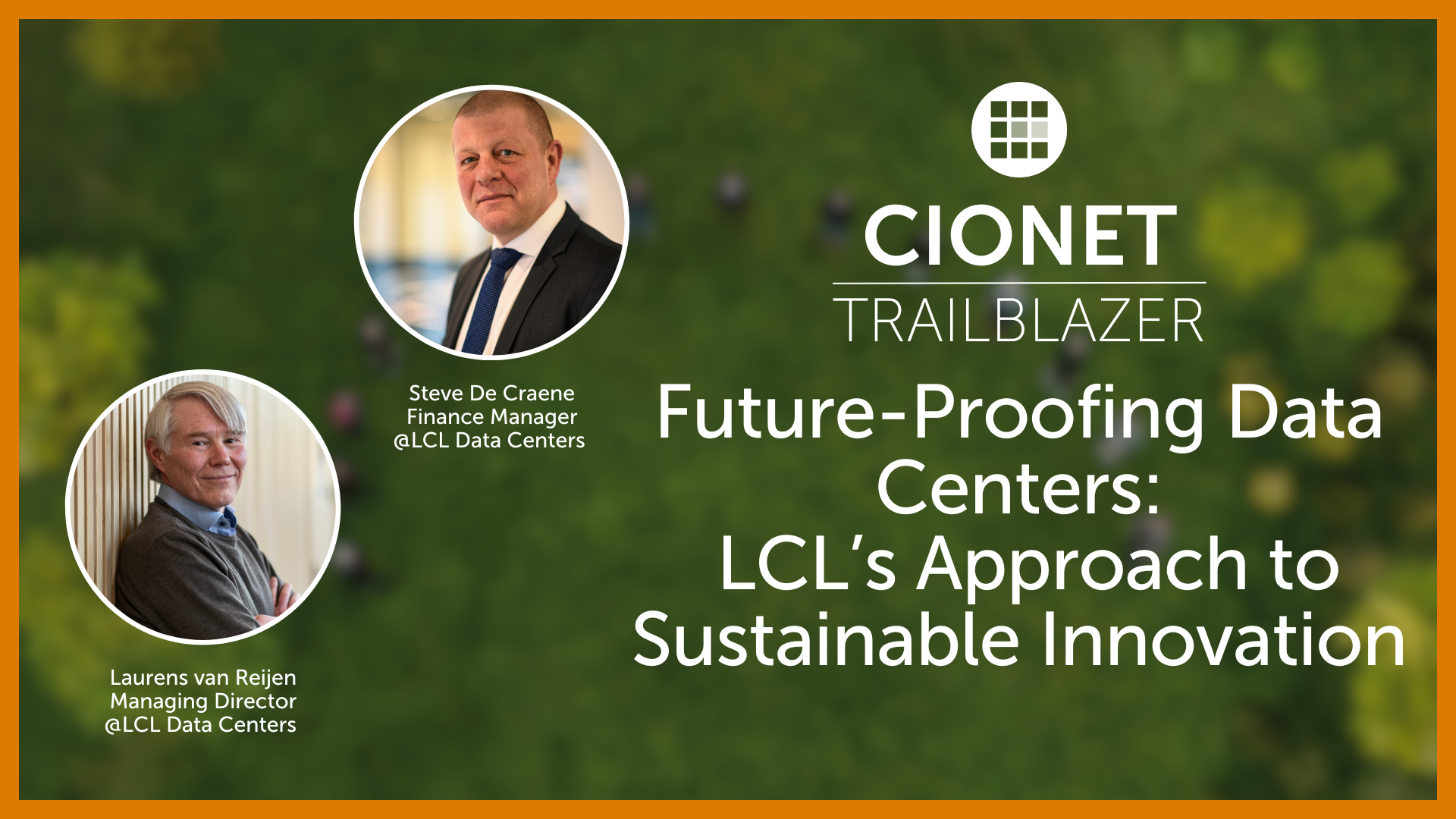
Published on: August 28, 2024 @ 10:10 AM
Azelis - leading innovation service provider sets new industry standard with Dynamics 365
Azelis is the world's leading supplier of chemicals and food ingredients. The company invests in digital tools and technologies that allow customers, partners and employees to use Azelis services with ease and efficiency. In partnership with Microsoft it is creating a fully creating a fully connected, cloud-enabled solution across the entire enterprise.
The overall value of Dynamics 365 isn’t contained to individual applications, it’s the landscape, integrations, and data flow. Now, all of our colleagues are working with more data, in less time, to continue to exceed customer expectations.Pepijn Karsmakers: CIO - Azelis
Next to organic growth, mergers and acquisitions (M&As) are part of Azelis' business strategy. Acquiring several companies every year, the company saw annual revenue go from €1.8 billion to €2.8 billion (2021) in three short years. But the nearly constant need to integrate new platforms, people, and environments was outpacing the scalability of their legacy enterprise resource management (ERP) system. In 2018, system integrations were conducted on-premises with data centers around the world, each requiring technical application maintenance contracts with external partners.
Envisioning a cloud-enabled future offering end-to-end services, Chief Information Officer Pepijn Karsmakers began the migration to the cloud with Azure Virtual WAN. This made sense as a first step to connect their vast global network and strengthen collaboration. While it was an important milestone in their digital journey, Azelis couldn’t fully take advantage of the huge investment that Microsoft makes in areas such as security and performance.
With an M&A growth strategy, scaling up was challenging, too. New servers had to be installed and configured and many partners engaged—all while hoping there was still capacity in the data centers for additional virtual servers. The process was laborious and time-consuming, siphoning off 25% of their team’s time for maintenance and repetitive technical application management activities.
Equally concerning, new releases took the system down for half a day, resulting in more lost time. Weekend workers frequently encountered a system that was unavailable due to updates, prompting calls to the already stretched IT department.
The Azelis ethos around innovation made it a business and culture imperative to swiftly integrate new people and companies into the organization while maintaining the flow of business, uninterrupted by downtime. Karsmakers started looking for a better solution.
The company’s digital transformation strategy is based on three pillars: Azure, Microsoft 365, and Dynamics 365. Scaling up is faster than ever after moving to a cloud-based software-as-a-service (SaaS) solution with Dynamics 365. Where the Azelis team felt as though they were always pushing the limits of the legacy system, with Dynamics 365 they feel limitless. The time that was previously required for maintenance is now reinvested in value-added activities like integrations and connecting with principals and customers—activities that have immediate impacts on the business.
From an IT perspective, there is considerably less to worry about as well. Frequent downtime and weekend distress calls are things of the past. With Dynamics 365, updates are scheduled during light usage periods and take no more than an hour and a half. Business can continue with the focus where it should be—on services.
From an operations and user perspective, Jan Witvrouwen, ERP Director for Azelis, says, “It’s a different world.” Getting into the ERP system used to be a lagging, clunky, multistep process. It’s now two links, and users can start work immediately. “This is digital in practice,” explained Witvrouwen, which is critical in attracting the best talent.
Upgrading to Dynamics 365 in 2022 was a pivotal step on the company’s roadmap. CIO Karsmakers and his team regard the switch to Dynamics 365 as an effective way of doing more with less: less paid to external consultants, less time spent integrating new entities, more uptime. Remarkably, Azelis went live with 71 entities at once. And the modern environment supplied by Dynamics 365 made scaling up and switching from the legacy AX 2012 solution seamless.
Integration with other Microsoft tools like Excel and Outlook added to the immediate value Azelis realized with Dynamics 365 Finance and Supply Chain Management. As just one example, the tedious task of creating a typical 50-line purchase order went from 10 minutes to literally seconds. Said one finance manager, “We finally have Excel upload for purchase orders in Dynamics 365! This is so exciting, I have tears in my eyes because now we can create or update multiple lines in one go!”
Other seemingly minor upgrades, like approving orders from an email rather than having to open another application, add up to big savings. The increase in efficiency creates a better experience for the user, which is passed on to the customer. And in the modern Dynamics 365 environment, all the company’s data sets talk to each other across the enterprise. End-to-end services connect the customer portal, the principal portal, and their e-Lab, resulting in faster time to value.
Moving from AX 2012 to Dynamics 365 seemed almost risky at first. In the old model, the Azelis team had full control over all components of the system. Switching to a hands-off approach seemed daunting. Their concerns were quickly alleviated, as the freedom of automation replaced the stress of controlling every aspect of the system themselves. In fact, Azelis is the model for AX 2012 customers wondering whether transitioning their ERP systems is the right move. The time the Azelis team used to spend on managing their on-premises solution was swiftly reallocated to improved business support, driving productivity and results.
The Microsoft FastTrack team guided Azelis in its use of telemetry to optimize opportunities and meet user expectations. CIO Karsmakers couldn’t be prouder of what they were able to achieve. “The collaboration with Microsoft was very, very strong and didn’t let us down,” he says. “Thanks to FastTrack, any performance doubts were allayed before go-live.”
Now, performance satisfaction is at record highs. The Azelis team has received excited comments from colleagues regarding the new system’s user-friendliness and speed despite extraordinary physical distance.
The migration from an on-premises to a cloud-based ERP system can’t just be viewed from a product perspective. It's really about improving our daily operations and adding, in this way, value to the business.Jan Witvrouwen: ERP Director - Azelis
Azelis executed a structured change management approach that, unsurprisingly, centered on relationships. They used all available communication channels, segmented audiences, and produced guides and documentation, but they credit their success mostly to the personal touches that define Azelis. Being close to their users meant keeping feedback loops open and taking the time for calls with local entities to provide support and simply hear how their experience went. Leadership’s notable enthusiasm buoyed the heavy project, viewing it not as an IT project but as an enterprise-wide undertaking. The company’s interactive, multi-disciplinary change management approach reflected that.
Implementation partner A Collective, a collaboration between Sonical and Daxperience, joined Microsoft in making sure the company’s goals were met. A Collective principals were impressed by the holistic approach Azelis employed to engage all stakeholders from the very beginning. The partners credit solid preparation, realistic timelines, organization-wide investment, and positive pressure to their ability to finish user acceptance testing a staggering two months before go-live, with no need for last-minute fixes.
Karsmakers was clear that Dynamics 365 was part of the foundation of the overall digital strategy. “We made history doing this project,” he says. “In-budget, on-schedule, high-quality, and with a great team. Bringing this whole environment into the Dynamics 365 ecosystem, we are now a fully cloud-enabled company on a global scale. Successful ERP projects are possible!”
Dynamics 365 is the backbone of everything Azelis sets out to achieve. The cloud architecture, modern environment, reliability, and scalability that Dynamics 365 provides is equal to the challenge of understanding local needs and maintaining a personal connection as a global enterprise.
But improved usability, higher productivity, and enhanced cybersecurity are just a few of the benefits Azelis has already realized. Dynamics 365 is helping the company develop new digital services while minimizing their carbon footprint, another key strategic goal. Dynamics 365 “fits in our overall strategy of how we can integrate new companies faster, how we can connect more securely, how can we do more business with third parties more easily, and how to be more energy-efficient,” says Karsmakers.
With everything in the cloud, Azelis saves on the infrastructure costs that are associated with on-premises solutions. Aside from the cost savings, Azelis benefits from—and contributes to—Microsoft corporate environmental objectives to be carbon-negative, water-positive, and zero-waste by 2030.
The successful implementation of Dynamics 365 has already revolutionized the company’s ability to quickly integrate and scale, but the benefits don’t end there. “It’s also about building up capability and possibility,” says Karsmakers. “With the Dynamics 365 ecosystem, we can achieve things we could never have imagined.”
Always looking forward, the CIO is excited about moving from reporting to insights. With AI-powered guidance, prediction of cash flows, and identification of supply and resource constraints combined with relationship intelligence, opportunities to get even more value from the company’s investment in Dynamics 365 are endless. “This is no longer about an application choice,” he says. “We have the environment. Now it’s about the data, the processes, the efficiencies, the efficacy, the insights, the innovation, the operational excellence—that is what we can focus more on instead of technology discussions and which type of app we need.”
The reliability, agility, and precision of the Dynamics 365 end-to-end, fully integrated platform will scale as Azelis grows, supporting the company’s relentless drive for innovation and connection.
Microsoft is helping us realize our sustainability goals. We take reducing our carbon footprint very seriously. With all the value realized from taking advantage of Microsoft’s security resources and other expected benefits of the cloud, there is also the extraordinary benefit of the assistance this provides in helping us achieve ambitious carbon reduction goals.Pepijn Karsmakers: CIO - Azelis
CIONET’s Cyber Circle: a new three-event programme exclusively focusing on the most urgent, complex, and high-impact challenges in cybersecurity today. Launched in 2026, this initiative brings together CISOs, CIOs, and senior IT executives with a strong interest in cybersecurity for three curated gatherings each year. As part of CIONET’s trusted executive community, the Cyber Circle provides a confidential, peer-driven environment to exchange insights, share real-world experiences, and address evolving cyber threats. Each session is designed to foster strategic dialogue, strengthen resilience, and elevate cybersecurity as a core driver of business value.
Read More.png)
The Telenet Business Leadership Circle powered by CIONET, offers a platform where IT executives and thought leaders can meet to inspire each other and share best practices. We want to be a facilitator who helps you optimise the performance of your IT function and your business by embracing the endless opportunities that digital change brings.
Read More
Découvrez la dynamique du leadership numérique aux Rencontres de CIONET, le programme francophone exclusif de CIONET pour les leaders numériques en Belgique, rendu possible grâce au soutien et à l'engagement de nos partenaires de programme : Deloitte, Denodo et Red Hat. Rejoignez trois événements inspirants par an à Liège, Namur et en Brabant Wallon, où des CIOs et des experts numériques francophones de premier plan partagent leurs perspectives et expériences sur des thèmes d'affaires et de IT actuels. Laissez-vous inspirer et apprenez des meilleurs du secteur lors de sessions captivantes conçues spécialement pour soutenir et enrichir votre rôle en tant que CIO pair. Ne manquez pas cette opportunité de faire partie d'un réseau exceptionnel d'innovateurs numériques !
Read More.jpg)
CIONET is committed to highlighting and celebrating female role models in IT, Tech & Digital, creating a leadership programme that empowers and elevates women within the tech industry. This initiative is dedicated to showcasing the achievements and successes of leading women, fostering an environment where female role models are recognised, and their contributions can ignite progress and inspire the next generation of women in IT. Our mission is to shine the spotlight a little brighter on female role models in IT, Tech & Digital, and to empower each other through this inner network community.
Read More


-Apr-01-2022-10-58-34-57-AM.png)








-Dec-13-2023-10-53-15-5032-AM.png)



-Jun-12-2023-01-23-11-7540-PM.png)


-Apr-01-2022-10-58-34-68-AM.png)






.png)

%20(003).png)
.png)

.png)








-Sep-01-2022-02-47-55-60-PM.png)
-Nov-22-2023-08-56-42-6802-AM.png)
.png)


.png "be-page-banner (1)")
.png)
.png)
.png)
.png)