

.png)
Belgium 20-10-2026 Squad Only Virtual English
Cloud decisions are becoming more selective. The challenge is deciding where each workload should run based on cost, performance, control, resilience, sovereignty, and business need. Three pressure points usually drive the decision. - Cost visibility becomes harder when usage grows across cloud services, data platforms, and AI workloads. - Performance and latency matter more when systems need fast access to data or support operational processes. - Sovereignty and resilience become critical when data location, continuity, vendor dependency, and exit options enter the discussion. The working question is simple: how do we place workloads where they create the most value while keeping the hybrid landscape manageable? If these trade-offs are on your agenda, let’s compare how others are handling similar choices.
Read More.png)
Belgium 10-11-2026 Squad Only Virtual English
Data platforms are meant to simplify access and support better use of data. The challenge is choosing and governing the platform landscape in a way that creates consistency, reuse, and long-term value. Three pressure points usually appear. - Platform choice becomes difficult when teams have different needs for speed, flexibility, cost, and control. - Business meaning needs protection: customer, revenue, product, risk, and FTE need shared definitions across tools. - Ownership and governance need to be clear, so platforms grow with accountability and discipline. The working question is simple: how do we give teams the data capabilities they need while keeping the platform landscape understandable, governed, and reusable? If these questions are familiar, let’s compare approaches with others facing the same data landscape.
Read More.png)
Belgium 13-11-2026 Squad Only Physical English
Many IT capabilities are essential and difficult to fund through a simple project ROI. The challenge is showing why architecture, governance, resilience, cybersecurity maturity, data foundations, and AI readiness deserve investment before the gap becomes expensive. Three pressure points make the case harder. - Shared value means the benefit often sits across several teams, while the budget sits in one place. - Timing creates friction because the cost is immediate while the value appears over time. - Risk translation is needed so business and finance leaders understand the consequence of delaying the investment. The working question is simple: how do we turn foundational IT capabilities into credible investment cases that link cost, risk, business value, and future flexibility? If you are building these cases internally, let’s compare how others are positioning value, risk, and timing.
Read More
Published on: September 30, 2026 @ 1:17 PM
Published on: August 26, 2026 @ 9:13 AM
Published on: July 29, 2026 @ 10:08 AM

Published on: June 24, 2026 @ 5:00 PM

Published on: May 27, 2026 @ 9:21 AM
Published on: May 07, 2026 @ 4:02 PM
.png)
Published on: April 29, 2026 @ 9:11 AM
Published on: March 26, 2026 @ 3:37 PM
-2.png)
Published on: March 25, 2026 @ 9:58 AM

Published on: March 13, 2026 @ 3:43 PM
-Feb-25-2026-10-01-07-2508-AM.png)
Published on: February 25, 2026 @ 11:01 AM
.png)
Published on: February 25, 2026 @ 9:00 AM

Published on: February 24, 2026 @ 5:00 PM
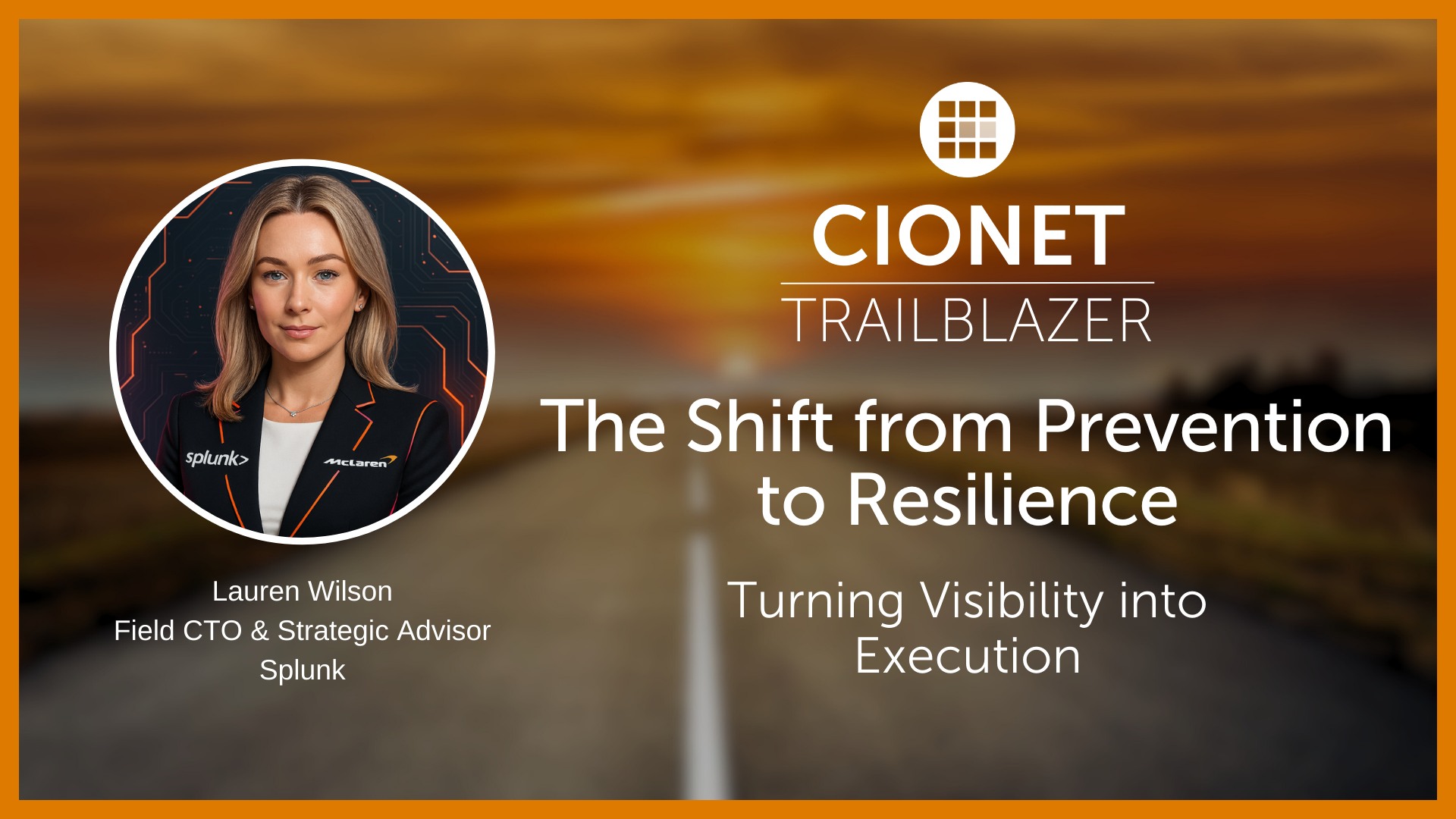
CIONET Trailblazer: CISO: The Shift from Prevention to Resilience: Turning Visibility into Execution
Published on: January 28, 2026 @ 9:48 AM
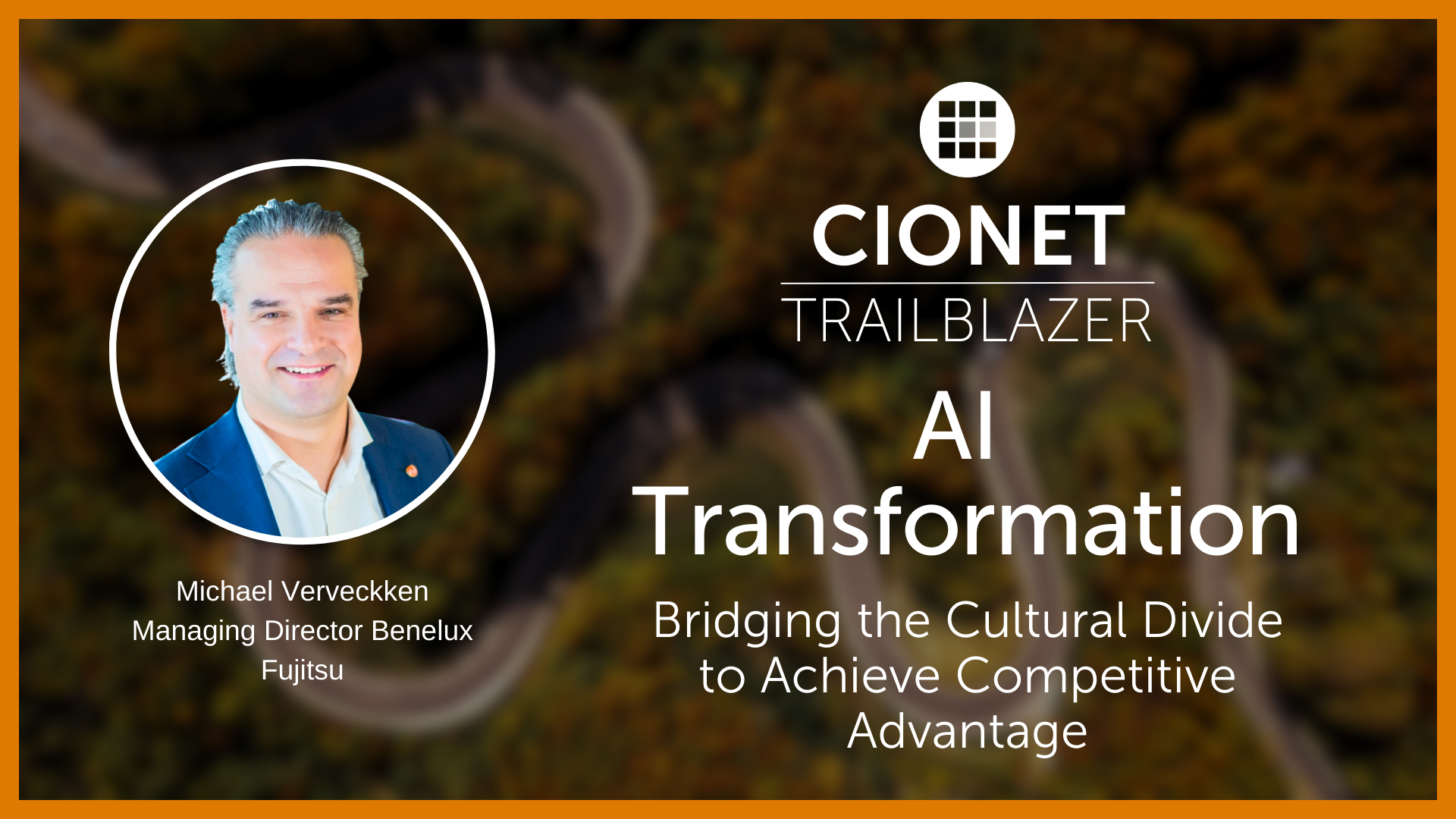
CIONET Trailblazer: AI Transformation: Bridging the Cultural Divide to Achieve Competitive Advantage
Published on: December 17, 2025 @ 9:16 AM
Published on: October 29, 2025 @ 11:31 AM
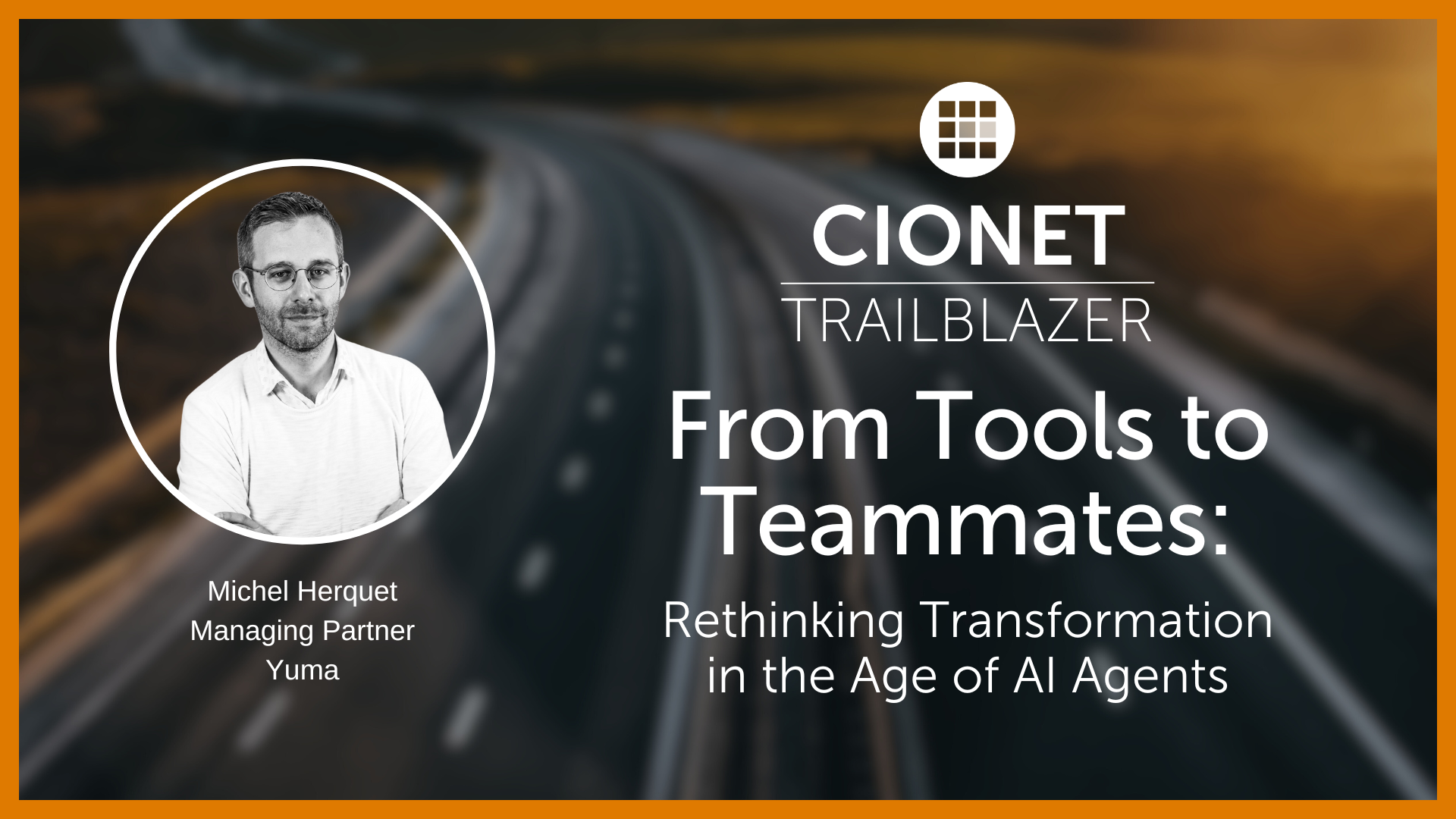
Published on: July 30, 2025 @ 9:19 AM

Published on: June 25, 2025 @ 9:14 AM
.png)
Published on: April 30, 2025 @ 9:04 AM
-1.png)
Published on: March 26, 2025 @ 9:59 AM
-1.png)
Published on: March 04, 2025 @ 5:07 PM
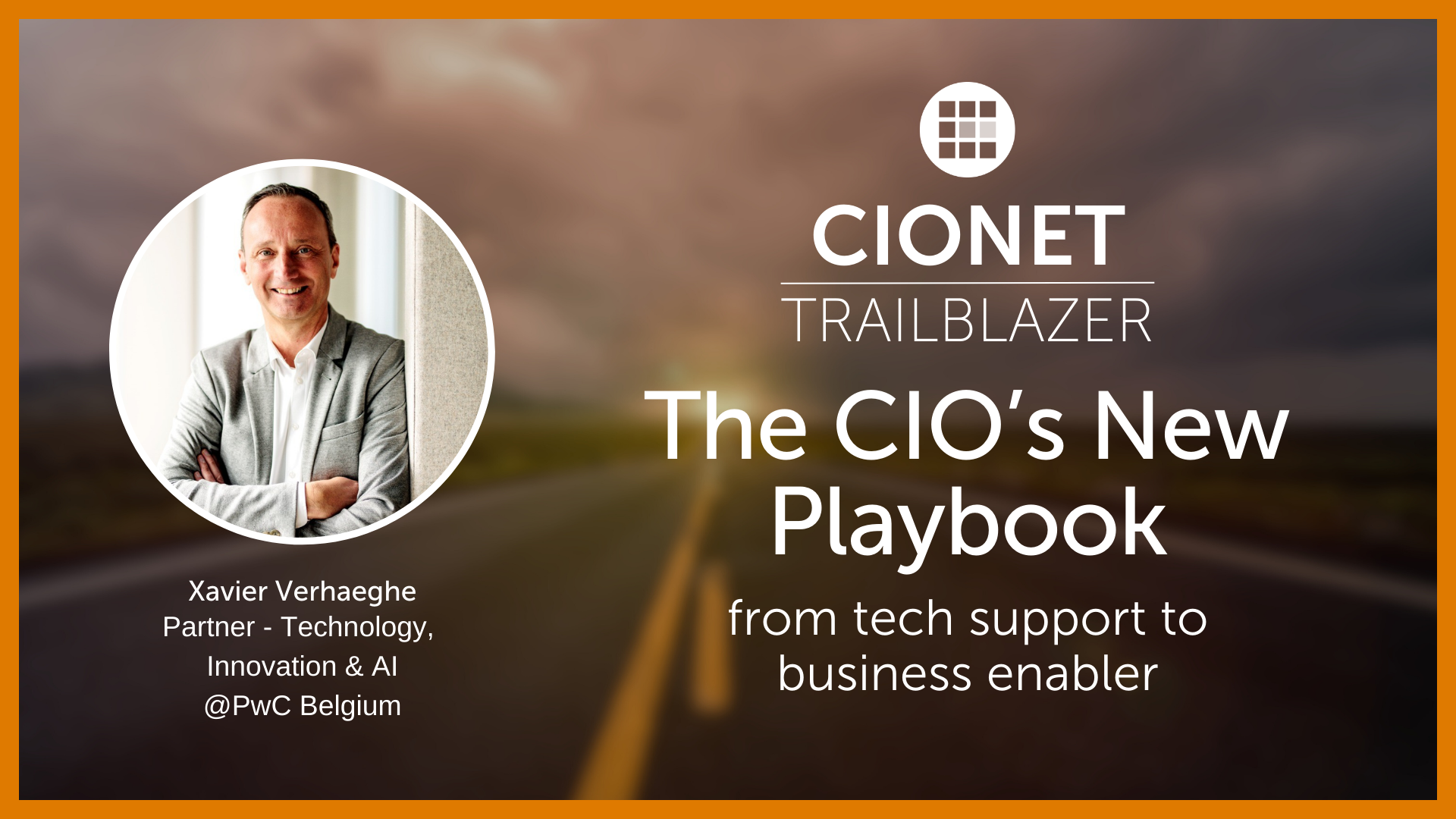
Published on: February 26, 2025 @ 10:51 AM
Published on: February 25, 2025 @ 4:14 PM
-4.png)
Published on: February 25, 2025 @ 10:33 AM
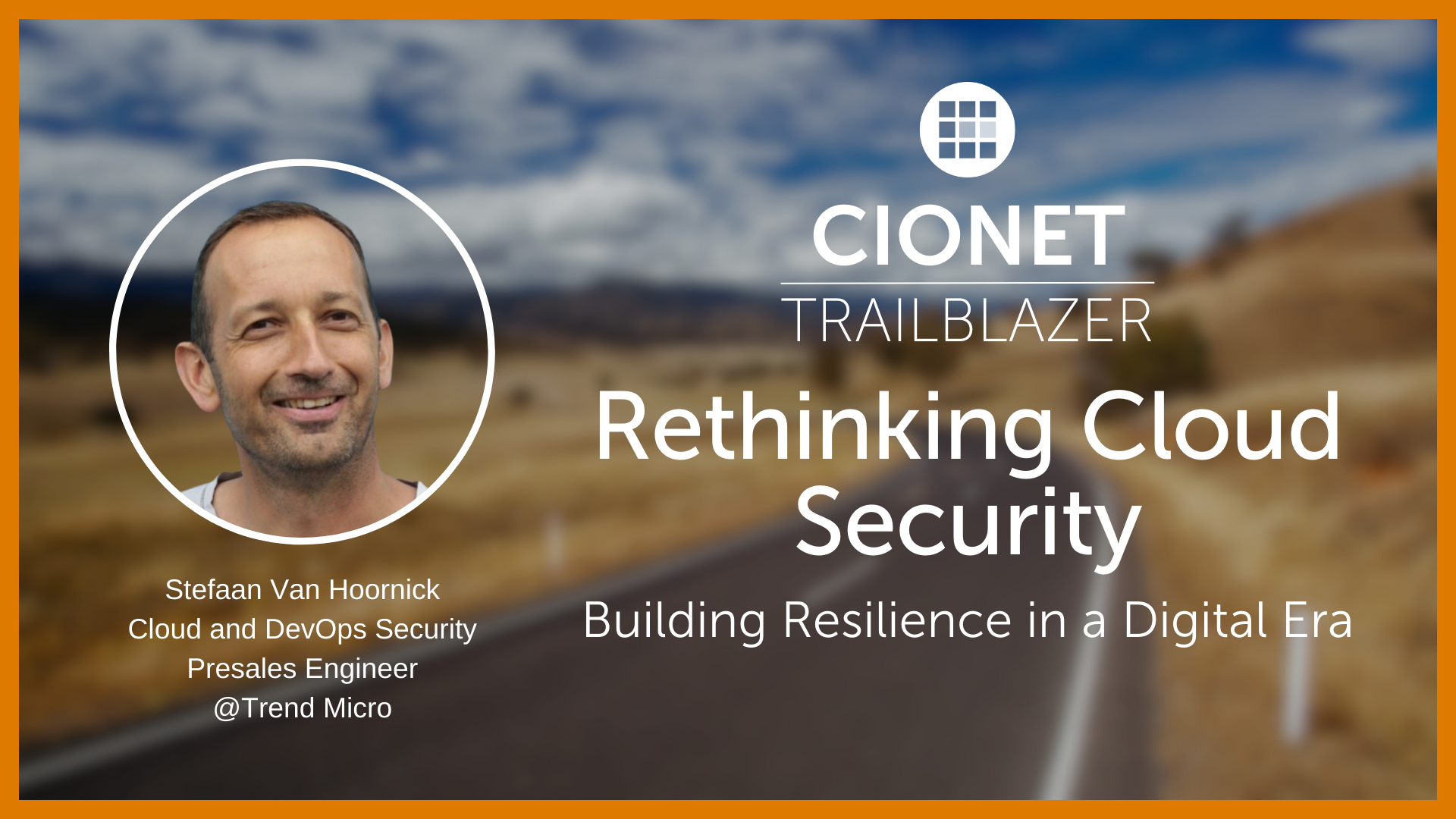
Published on: January 29, 2025 @ 9:58 AM
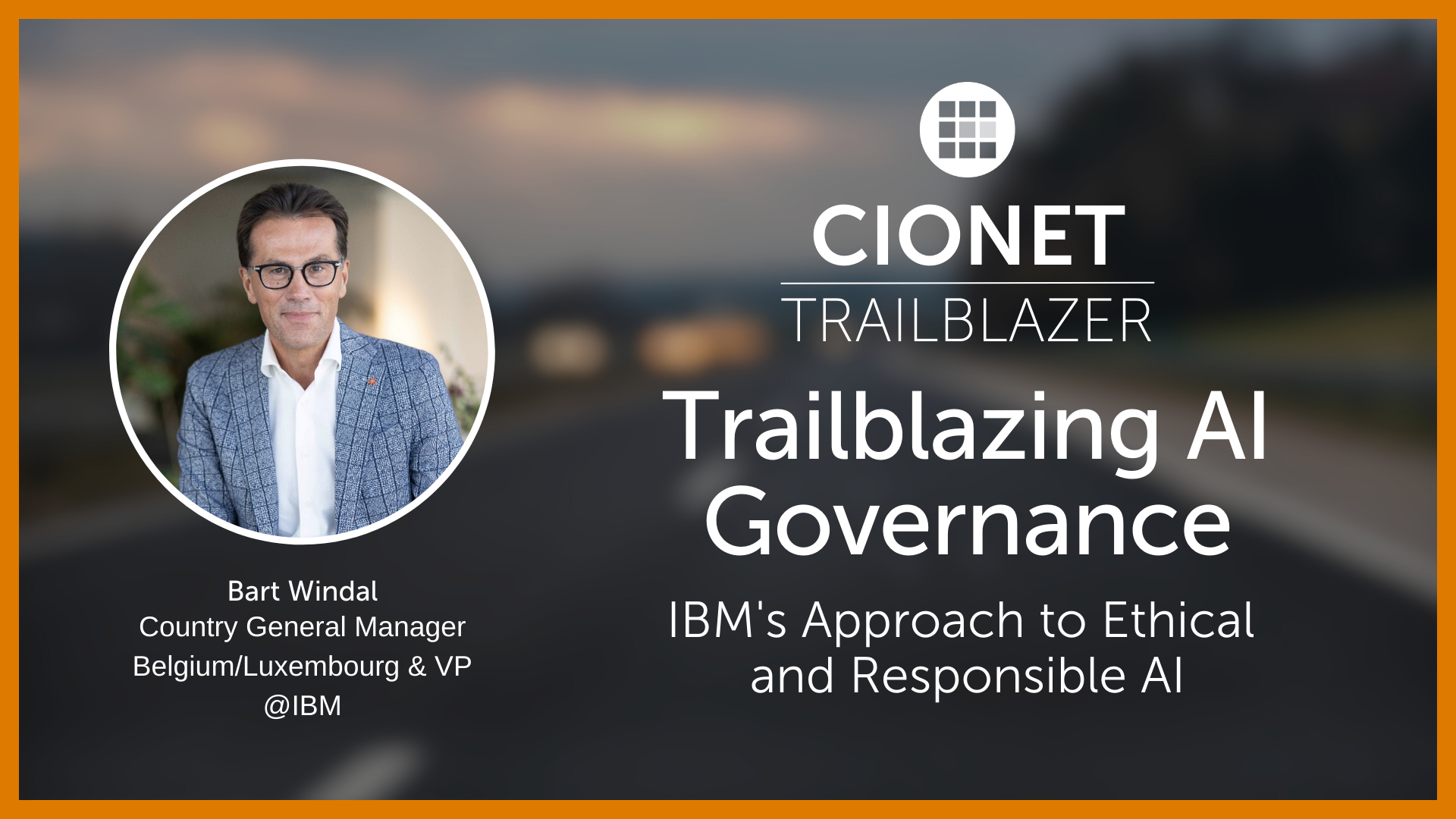
Published on: December 18, 2024 @ 9:07 AM
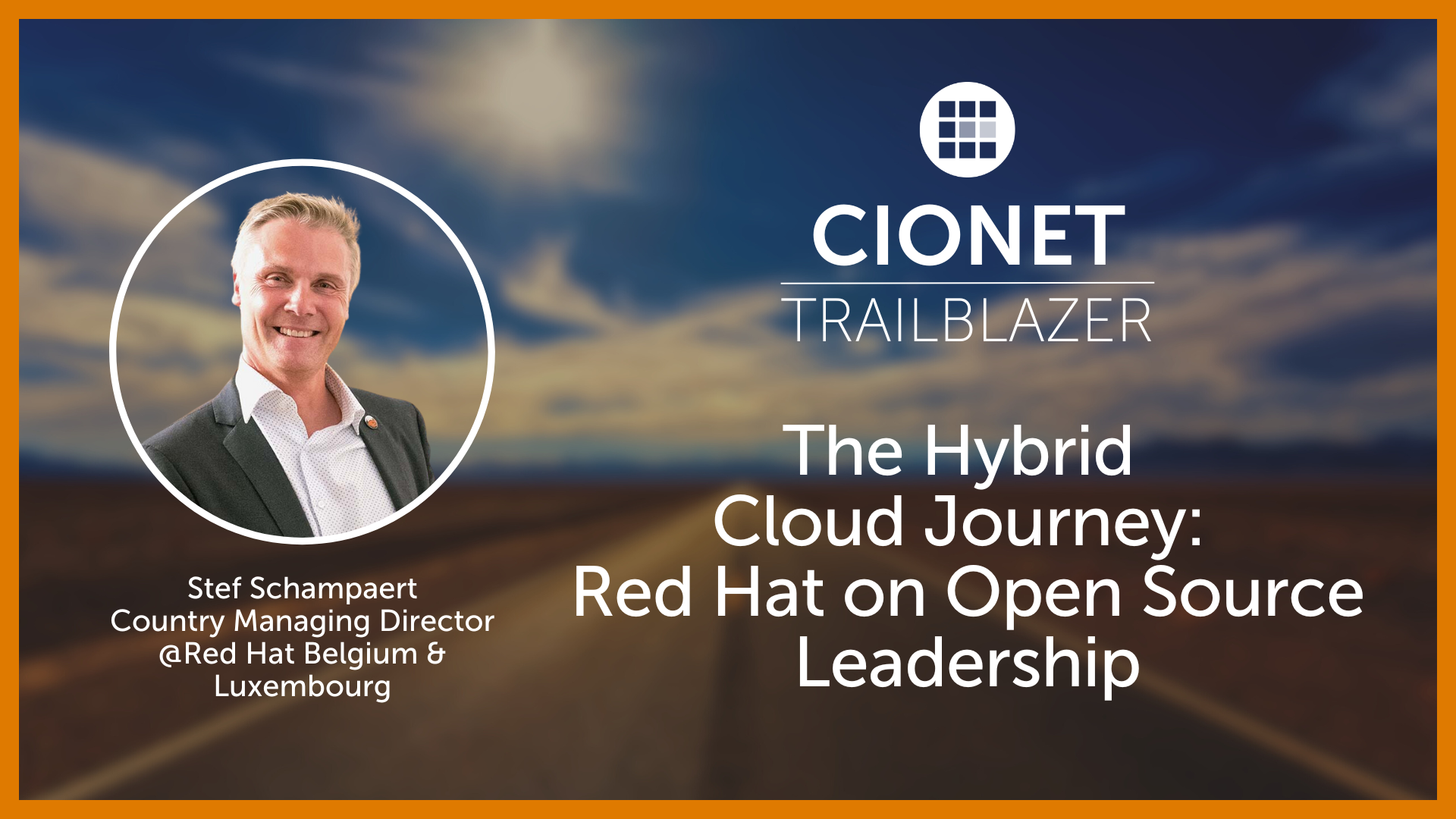
Published on: October 30, 2024 @ 9:34 AM
.png)
Published on: October 29, 2024 @ 11:37 AM
.png)
Published on: September 27, 2024 @ 10:41 AM

Published on: September 25, 2024 @ 8:59 AM
Published on: September 18, 2024 @ 3:44 PM
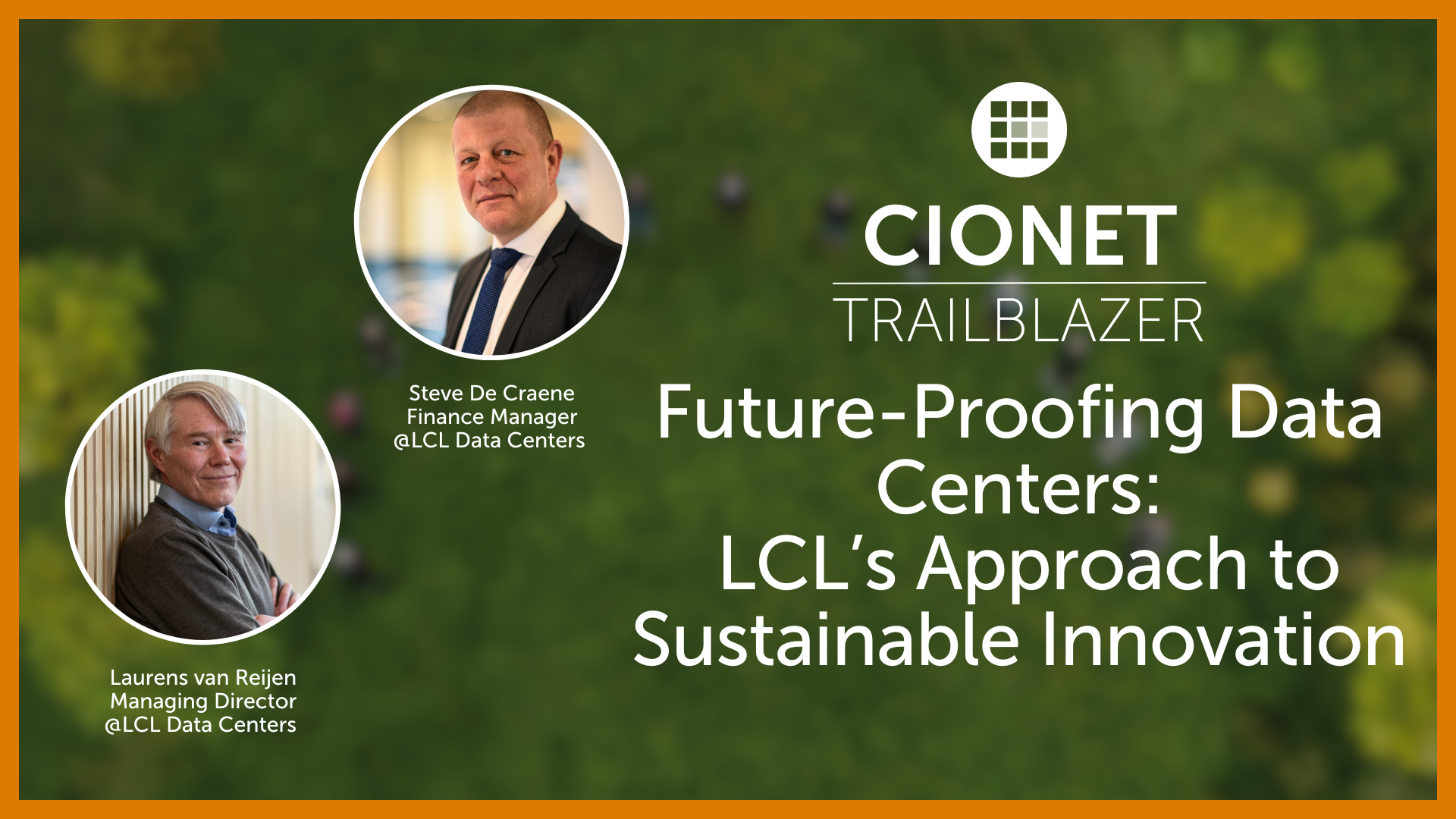
Published on: August 28, 2024 @ 10:10 AM
City of Lokeren uses Microsoft Security to drive operational efficiency and optimization
The city of Lokeren is a Belgian municipality tasked with providing basic services to the city's 50,000 inhabitants. The city invested in a modernization project focused on Microsoft's cloud and security solutions. The implementation of the project radically changed the work habits and culture in the commune.
“Lokeren is one of those cities where community and citizen wellbeing come before anything. Making their lives easier is at the heart of our mission here at the municipality – and technology is definitely instrumental to that.”
Harry Vyvey, Helpdesk Manager at the City of Lokeren, is discussing his organization’s digitalization efforts and the impact they’re having on its workforce and citizens.
“Our goal at the City of Lokeren is to be the beating heart of citizen life,” he says, “and to support collective and individual needs in any possible way.”
This isn’t just a vision, but a concrete strategy for the City of Lokeren. One that recently persuaded them to transform their IT landscape and make it fit for the modern workplace. And ultimately led them to Microsoft and its range of cloud and security solutions.
“Whatever service you might ever need as a citizen, we at the City of Lokeren will be there to address it for you,” he explains. “That puts our IT team under a lot of pressure: how can we support our colleagues in their tasks, and empower their work?
“At the same time, we’re a public sector organization and we have to comply with strict rules on data protection and use. For many years, we have needed a solution that would guarantee us all these functionalities at the same time.
“We eventually found it in Microsoft’s modern workplace and security suite.”
A charming city nestled in northeastern Belgium, Lokeren is home to nearly 50,000 citizens and employs over 1,000 people between onsite and office-based workers.
“Our workforce is responsible for pretty much all public-facing operations in the community, from safety to infrastructure, housing, education and more,” says Jan Roels, Front Office Consultant at the City of Lokeren.
“The opening of a new road, for example, or the cleaning of the streets and trees, the running of the Sunday market… all that kind of activity is down to us.”
To support such a wide range of roles and responsibilities, the organization has spent the past four years migrating its on-prem legacy systems on to the cloud. “For many years, we relied on an IT network that was on-prem, outdated and unfit for the modern workplace,” he explains.
“Four years ago, we turned to Microsoft and its partner Wortell and asked them to help us come up with a cloud migration program that would make our work and culture more flexible and future-proof.
“That was the very start of our journey to a unified platform with Microsoft solutions.”
The first step of City of Lokeren’s migration was to shift part of its workforce onto Microsoft Surface laptops and roll them out using Autopilot. “Some of the users in our organization are always working offsite on the frontline, so they need to be light and agile,” says Harry Vyvey.
“Naturally, the devices they use need to reflect that. That’s why we chose to start off with the Surface laptops – to equip them with powerful and lightweight devices ideal for people on the move.”
Following the devices came the wider network migration to a range of modern workplace solutions such as Microsoft Office 365, SharePoint, OneDrive, Microsoft Teams and Teams Phone, which helped to guarantee greater flexibility especially during the pandemic.
“Teams was one of the biggest game changers for us,” adds Jan Roels. “It allowed us to host meetings wherever we wanted, but also to collaborate a lot better, simplify our operations and be more efficient.”
As for the security side, the organization decided to implement Microsoft Intune for device management, as well as Microsoft’s Security stack to introduce new lines of defense for the entire organization.
This was the result of many years spent with an on-prem server security orchestrator that offered minimal monitoring and demanded constant maintenance. One that eventually led them to deploy solutions including Microsoft Sentinel, but also Microsoft Defender for Endpoint, Identity, Cloud Apps and Office – with work on the data governance side through Microsoft Purview also taking place.
The result is a Security Operations Center running almost entirely on Microsoft products and managed by partner Wortell. “For us, it’s important that consultants are there to help us implement the solutions, but also learn how to use them,” says Roels.
“That’s exactly the kind of experience we had with Wortell, who took the time to guide us throughout the process and made sure we understood all aspects.”
Currently operating in a hybrid cloud set-up, City of Lokeren can reflect on the positive change its migration has helped to drive.
“This is the setting we’re in now, but we’ll keep on discussing with our partners on ways to improve our environment and if possible, find a way to go full cloud,” explains Vyvey. “Looking ahead, we’re particularly interested in moving our servers to Azure using Migrate Tool and we’ve started using the Purview platform. Microsoft Copilot also looks promising and we’ll certainly keep an eye on its evolution.”
The reason behind these plans, he says, is that the project has transformed working ways at the City of Lokeren. “Being on the cloud really changes the way you work, especially for us in the IT department,” explains Vyvey. “It saves up so much time in terms of updates and server management, freeing up the equivalent of a system engineer’s work day to focus on making meaningful changes and implementing more.”
He particularly emphasizes improvements on the security and monitoring side. “As a public-sector organization, we operate under strict regulation when it comes to our citizens and their data,” he adds. “This is getting much easier for us courtesy of our new dashboards, which give us a far better overview of what’s happening in the network.
“And it’s also helping us to shift from a reactive to a proactive approach.”
He stresses the importance of this particular shift. “In the past, whenever we would be targeted by ransomware, it would have taken us a while to detect it – and by that time it would already have wreaked havoc in our system,” he explains.
“That’s something that we’ve improved significantly since being on the cloud. These kinds of threats no longer go unnoticed, which allows us to block them right away and investigate more efficiently than ever.
“We’re finally at a point where even though the threat is still real, we are much more confident that the necessary measures are in place to better protect our end users and give the IT department the required vulnerability insights.”
One of the most satisfying aspects of the City of Lokeren’s migration, say Vyvey and Roels, is seeing how it’s reflected onto the wider workplace culture, as well as public operations.
“Most of the people in our organization are loving the new technologies and have adopted them very easily,” claims the latter. “They’ve simply made life so much easier for everybody.”
For the few who are still finding their way around the new system, the IT department has put in place a range of training sessions aimed at building their trust towards the cloud. “For some people, Multi-Factor Authentication is taking a bit of time to get used to – particularly for those who only use their emails on mobile apps and not computer,” he adds. “Thankfully, that’s changing already with a bit of training and support.”
Citizens are noticing these improvements too. “We have a range of apps that now run on Azure and which are proving so much easier to monitor and work,” he continues. “Take our ticketing system, for example: people can now raise tickets and be certain that they’ll be forwarded to the right people and departments right away. There is much more seamlessness in the way we handle them now.”
External communications have also improved thanks to Teams Phone. “Before, we just had a single telephone, which everyone was queuing to use all the time,” he explains. “Now, we have about four or five people who are manning Teams telephones and routing the calls, looking up the tickets and connecting citizens with their designated helpdesks.”
This, concludes Vyvey, is ultimately the purpose of the entire project: simplifying the lives of employees and the people they serve. “Cloud technology is a concept that’s often hard to grasp,” he says. “It’s intangible, and therefore scary.
“But when you start using it, it’s impossible to go back. The benefits are just so vast that what it is or where it exists simply no longer matter.”
In the past, whenever we would be targeted by ransomware, it would have taken us a while to detect it. That’s something that we’ve improved significantly since being on the cloud.Harry Vyvey: Helpdesk Manager
City of Lokeren
CIONET’s Cyber Circle: a new three-event programme exclusively focusing on the most urgent, complex, and high-impact challenges in cybersecurity today. Launched in 2026, this initiative brings together CISOs, CIOs, and senior IT executives with a strong interest in cybersecurity for three curated gatherings each year. As part of CIONET’s trusted executive community, the Cyber Circle provides a confidential, peer-driven environment to exchange insights, share real-world experiences, and address evolving cyber threats. Each session is designed to foster strategic dialogue, strengthen resilience, and elevate cybersecurity as a core driver of business value.
Read More.png)
The Telenet Business Leadership Circle powered by CIONET, offers a platform where IT executives and thought leaders can meet to inspire each other and share best practices. We want to be a facilitator who helps you optimise the performance of your IT function and your business by embracing the endless opportunities that digital change brings.
Read More
Découvrez la dynamique du leadership numérique aux Rencontres de CIONET, le programme francophone exclusif de CIONET pour les leaders numériques en Belgique, rendu possible grâce au soutien et à l'engagement de nos partenaires de programme : Deloitte, Denodo et Red Hat. Rejoignez trois événements inspirants par an à Liège, Namur et en Brabant Wallon, où des CIOs et des experts numériques francophones de premier plan partagent leurs perspectives et expériences sur des thèmes d'affaires et de IT actuels. Laissez-vous inspirer et apprenez des meilleurs du secteur lors de sessions captivantes conçues spécialement pour soutenir et enrichir votre rôle en tant que CIO pair. Ne manquez pas cette opportunité de faire partie d'un réseau exceptionnel d'innovateurs numériques !
Read More.jpg)
CIONET is committed to highlighting and celebrating female role models in IT, Tech & Digital, creating a leadership programme that empowers and elevates women within the tech industry. This initiative is dedicated to showcasing the achievements and successes of leading women, fostering an environment where female role models are recognised, and their contributions can ignite progress and inspire the next generation of women in IT. Our mission is to shine the spotlight a little brighter on female role models in IT, Tech & Digital, and to empower each other through this inner network community.
Read More


-Apr-01-2022-10-58-34-57-AM.png)








-Dec-13-2023-10-53-15-5032-AM.png)



-Jun-12-2023-01-23-11-7540-PM.png)



-Apr-01-2022-10-58-34-68-AM.png)





.png)



%20(003).png)

.png)



.png)









-Sep-01-2022-02-47-55-60-PM.png)
-Nov-22-2023-08-56-42-6802-AM.png)
.png)


.png "be-page-banner (1)")
.png)
.png)
.png)
.png)