

.png)
Belgium 20-10-2026 Squad Only Virtual English
Cloud decisions are becoming more selective. The challenge is deciding where each workload should run based on cost, performance, control, resilience, sovereignty, and business need. Three pressure points usually drive the decision. - Cost visibility becomes harder when usage grows across cloud services, data platforms, and AI workloads. - Performance and latency matter more when systems need fast access to data or support operational processes. - Sovereignty and resilience become critical when data location, continuity, vendor dependency, and exit options enter the discussion. The working question is simple: how do we place workloads where they create the most value while keeping the hybrid landscape manageable? If these trade-offs are on your agenda, let’s compare how others are handling similar choices.
Read More.png)
Belgium 10-11-2026 Squad Only Virtual English
Data platforms are meant to simplify access and support better use of data. The challenge is choosing and governing the platform landscape in a way that creates consistency, reuse, and long-term value. Three pressure points usually appear. - Platform choice becomes difficult when teams have different needs for speed, flexibility, cost, and control. - Business meaning needs protection: customer, revenue, product, risk, and FTE need shared definitions across tools. - Ownership and governance need to be clear, so platforms grow with accountability and discipline. The working question is simple: how do we give teams the data capabilities they need while keeping the platform landscape understandable, governed, and reusable? If these questions are familiar, let’s compare approaches with others facing the same data landscape.
Read More.png)
Belgium 13-11-2026 Squad Only Physical English
Many IT capabilities are essential and difficult to fund through a simple project ROI. The challenge is showing why architecture, governance, resilience, cybersecurity maturity, data foundations, and AI readiness deserve investment before the gap becomes expensive. Three pressure points make the case harder. - Shared value means the benefit often sits across several teams, while the budget sits in one place. - Timing creates friction because the cost is immediate while the value appears over time. - Risk translation is needed so business and finance leaders understand the consequence of delaying the investment. The working question is simple: how do we turn foundational IT capabilities into credible investment cases that link cost, risk, business value, and future flexibility? If you are building these cases internally, let’s compare how others are positioning value, risk, and timing.
Read More
Published on: September 30, 2026 @ 1:17 PM
Published on: August 26, 2026 @ 9:13 AM

Published on: July 29, 2026 @ 10:08 AM

Published on: June 24, 2026 @ 5:00 PM

Published on: May 27, 2026 @ 9:21 AM
Published on: May 07, 2026 @ 4:02 PM
.png)
Published on: April 29, 2026 @ 9:11 AM

Published on: March 26, 2026 @ 3:37 PM
-2.png)
Published on: March 25, 2026 @ 9:58 AM

Published on: March 13, 2026 @ 3:43 PM
-Feb-25-2026-10-01-07-2508-AM.png)
Published on: February 25, 2026 @ 11:01 AM
.png)
Published on: February 25, 2026 @ 9:00 AM

Published on: February 24, 2026 @ 5:00 PM
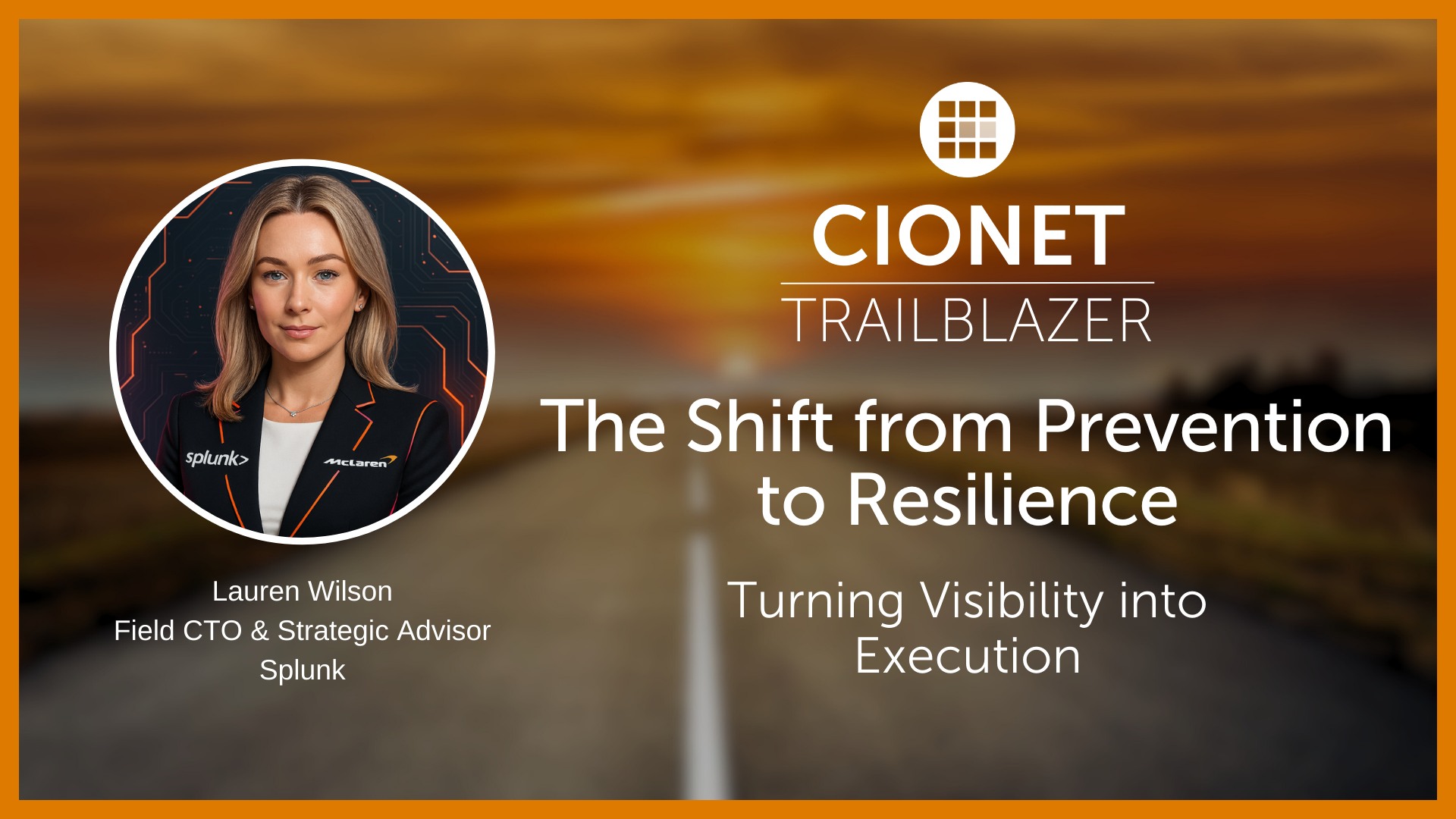
CIONET Trailblazer: CISO: The Shift from Prevention to Resilience: Turning Visibility into Execution
Published on: January 28, 2026 @ 9:48 AM
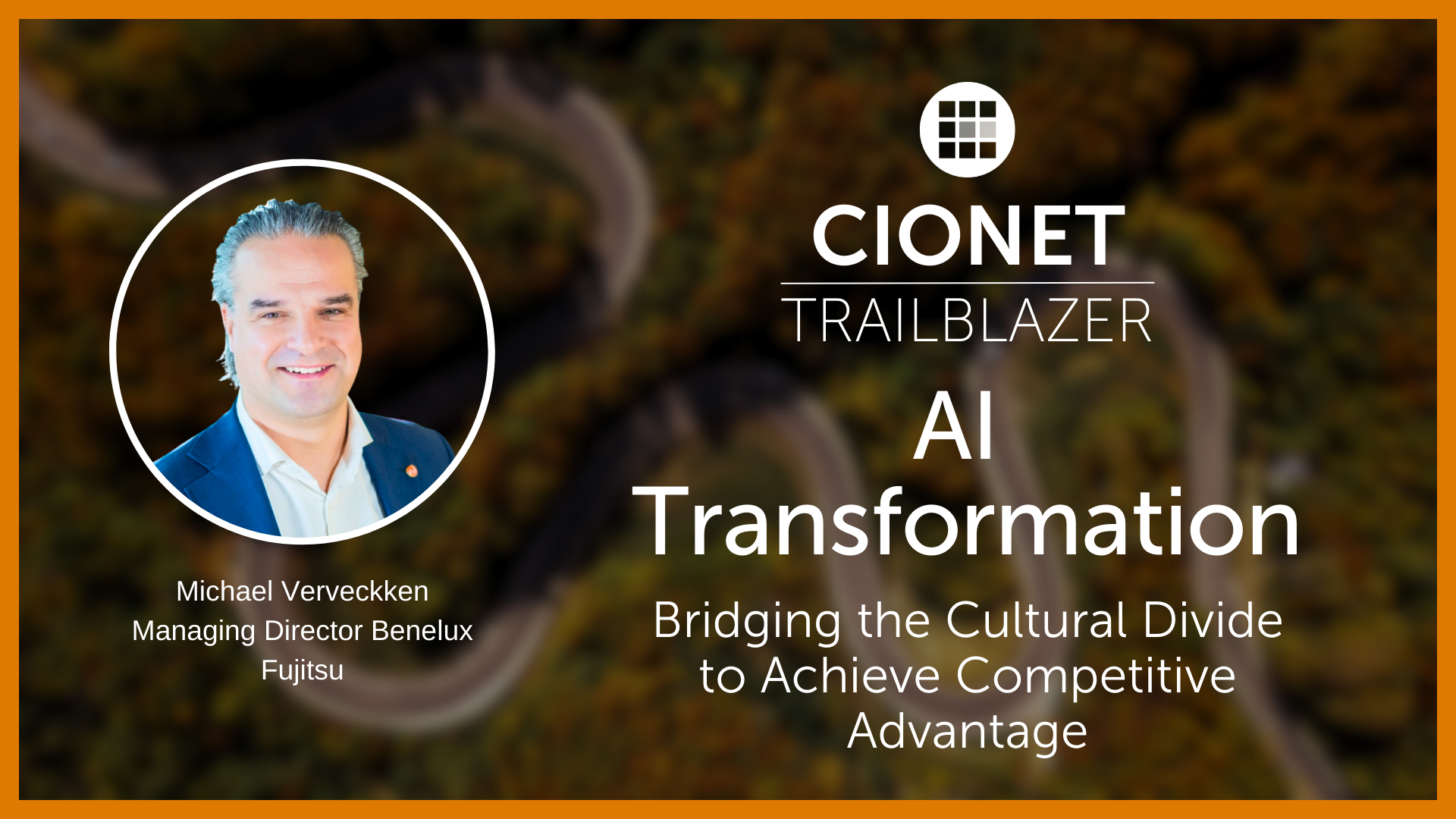
CIONET Trailblazer: AI Transformation: Bridging the Cultural Divide to Achieve Competitive Advantage
Published on: December 17, 2025 @ 9:16 AM
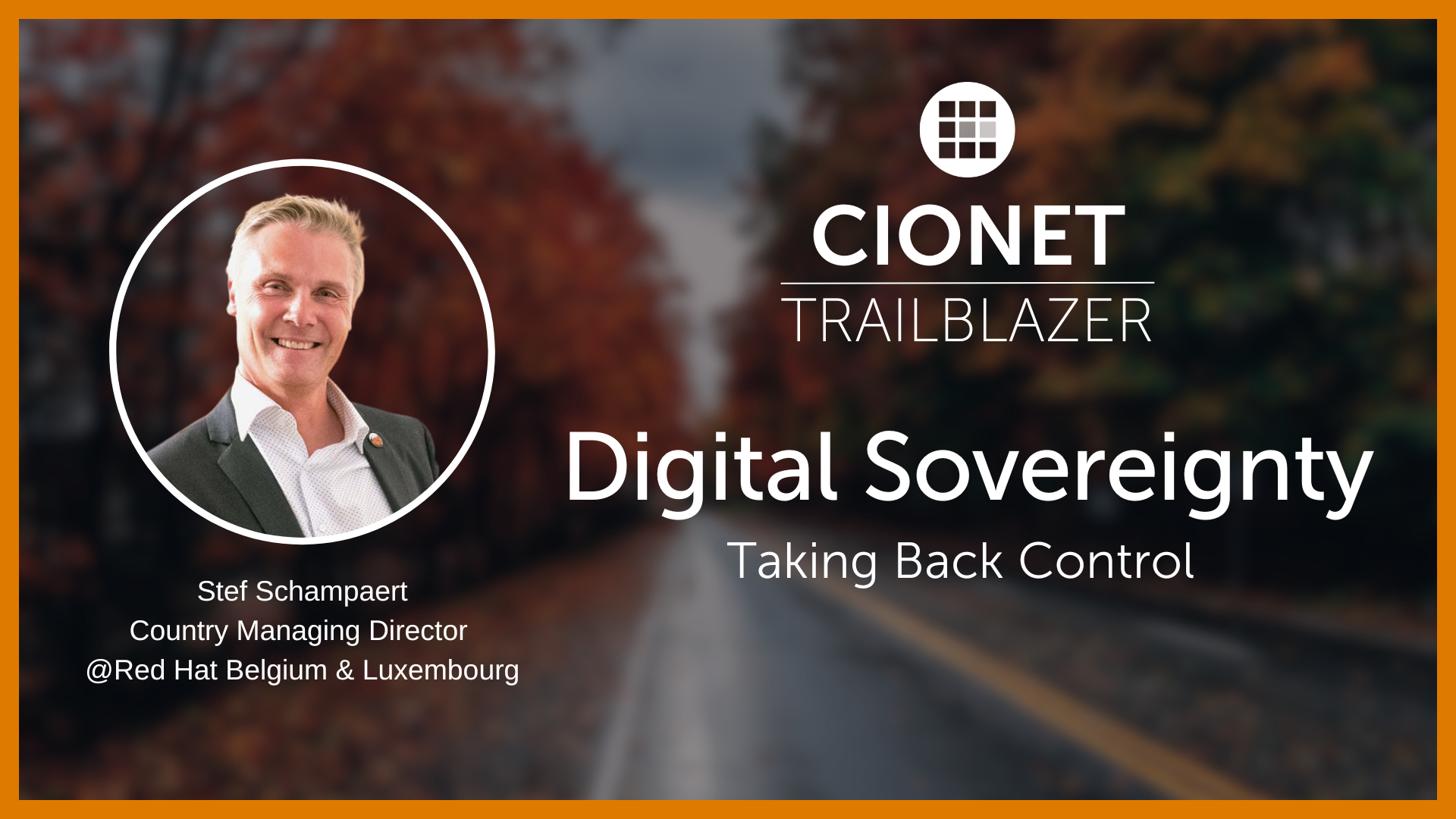
Published on: October 29, 2025 @ 11:31 AM
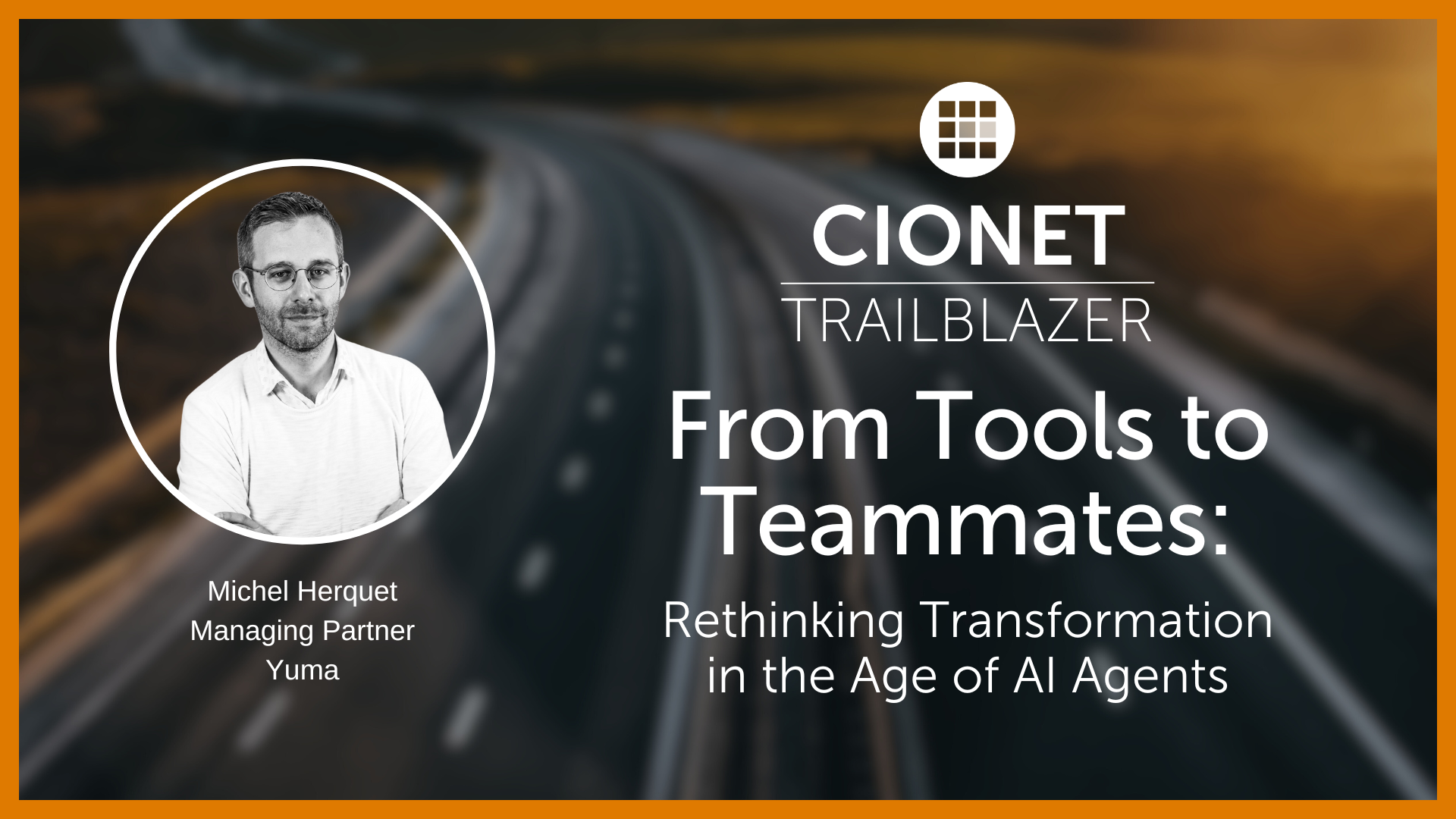
Published on: July 30, 2025 @ 9:19 AM

Published on: June 25, 2025 @ 9:14 AM
.png)
Published on: April 30, 2025 @ 9:04 AM
-1.png)
Published on: March 26, 2025 @ 9:59 AM
-1.png)
Published on: March 04, 2025 @ 5:07 PM
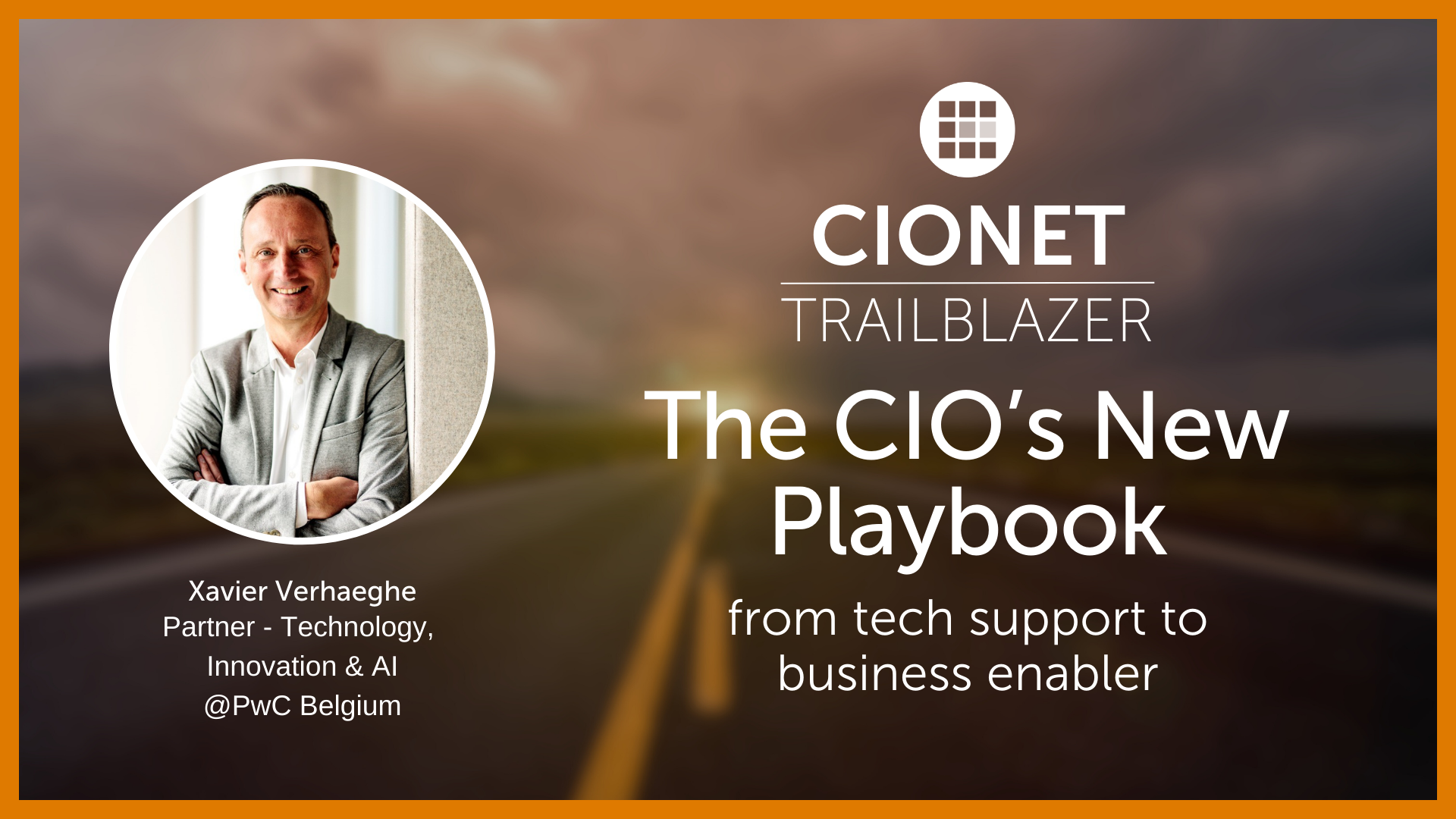
Published on: February 26, 2025 @ 10:51 AM
Published on: February 25, 2025 @ 4:14 PM
-4.png)
Published on: February 25, 2025 @ 10:33 AM
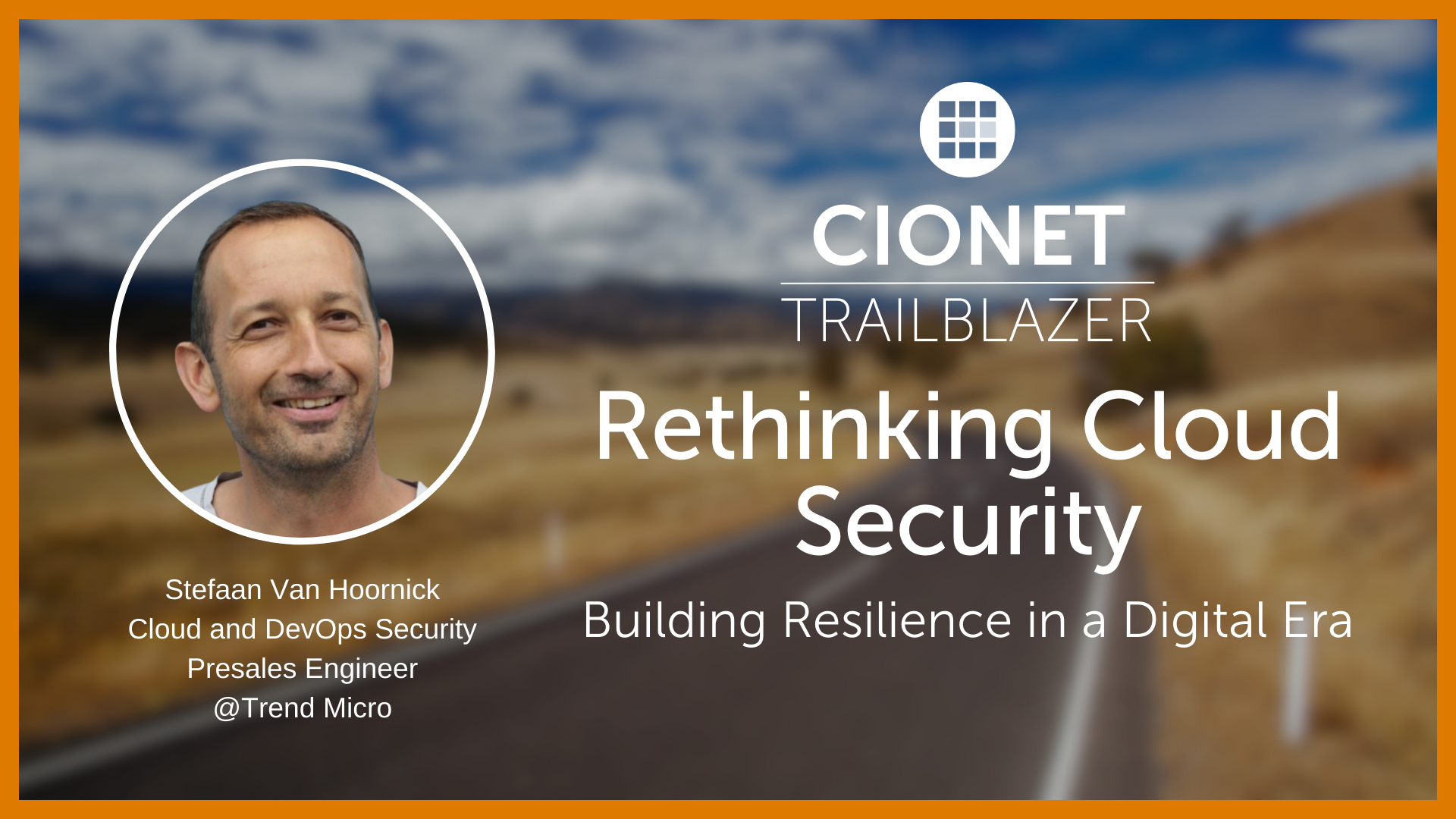
Published on: January 29, 2025 @ 9:58 AM
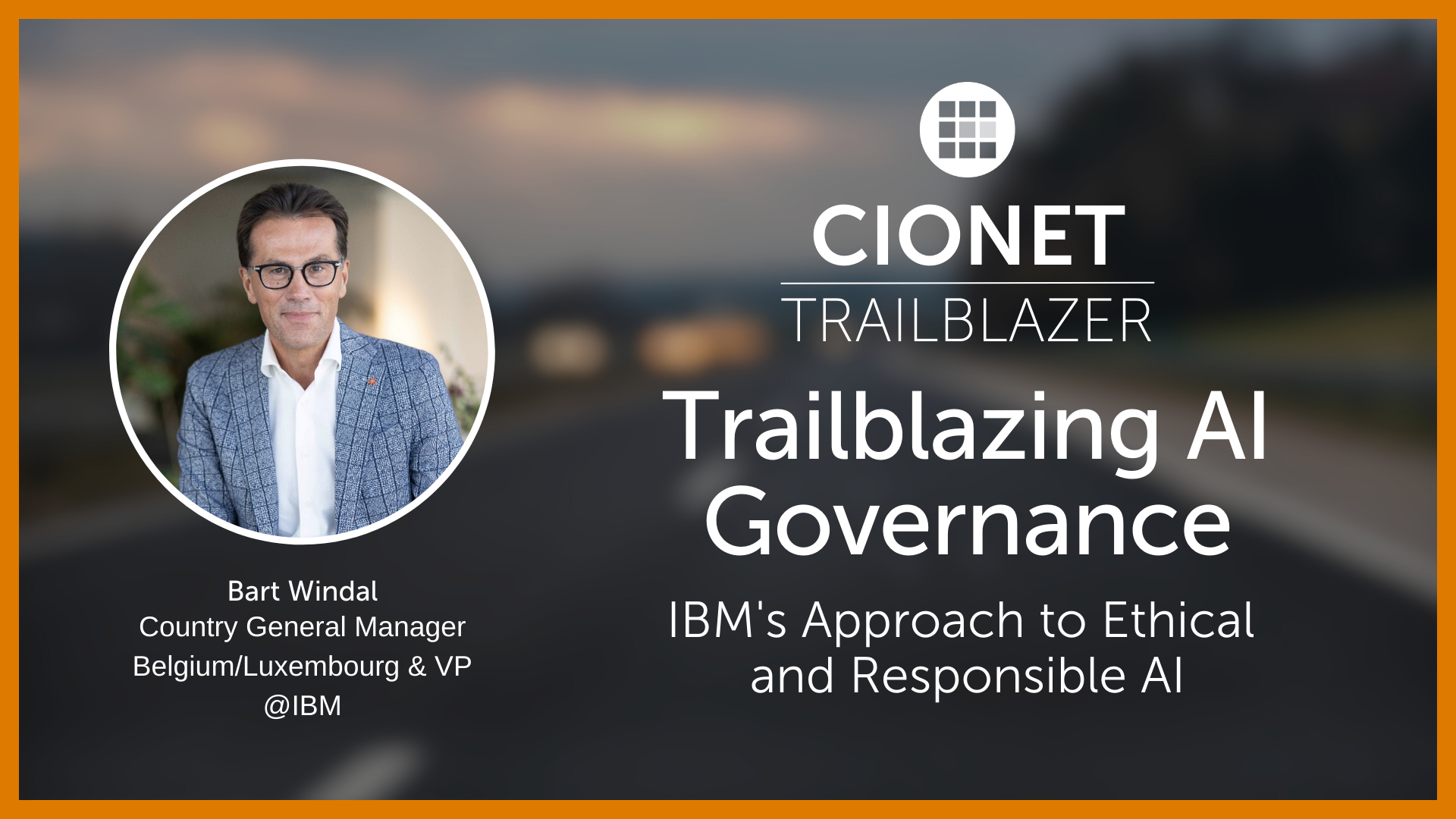
Published on: December 18, 2024 @ 9:07 AM
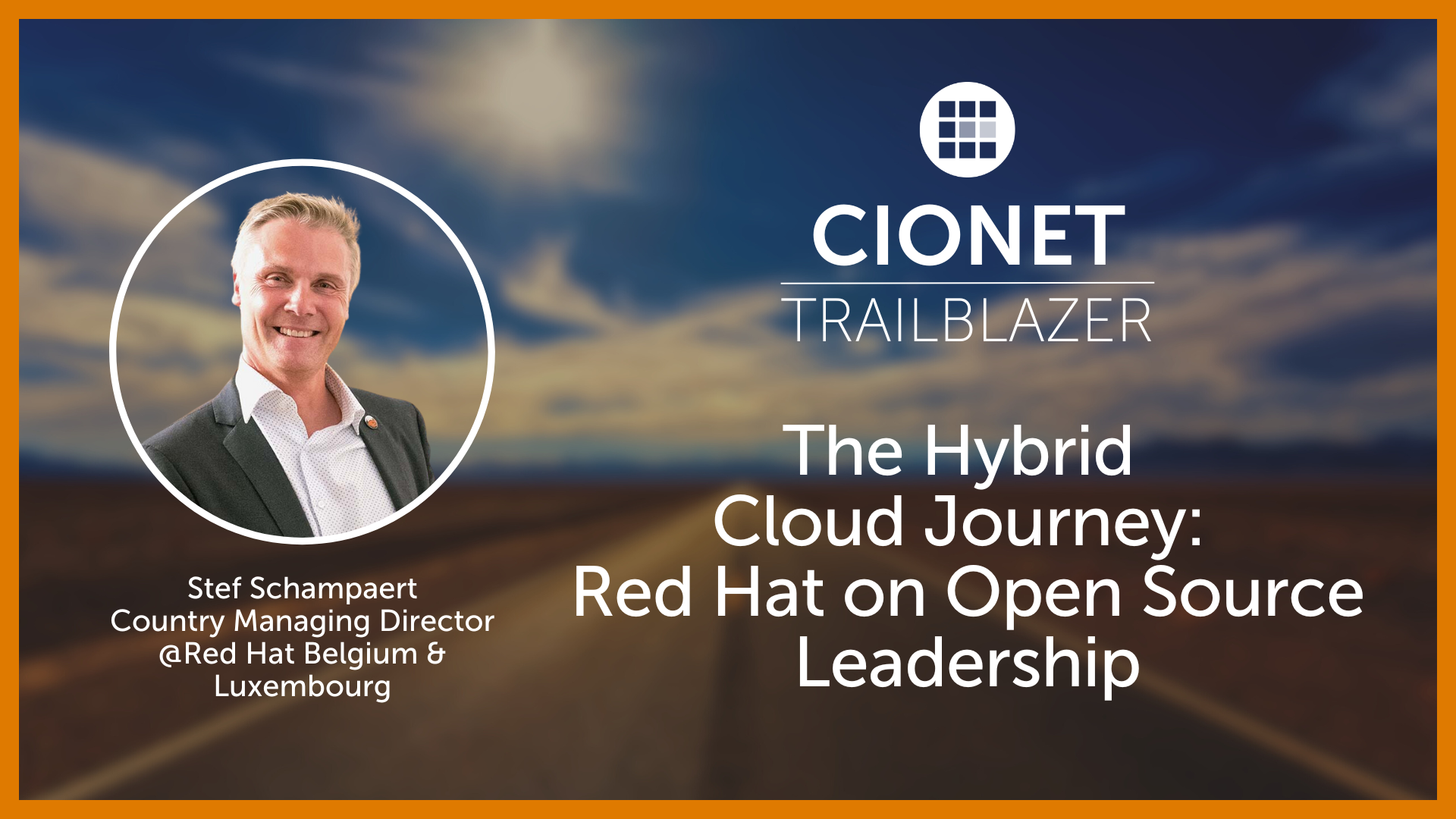
Published on: October 30, 2024 @ 9:34 AM
.png)
Published on: October 29, 2024 @ 11:37 AM
.png)
Published on: September 27, 2024 @ 10:41 AM

Published on: September 25, 2024 @ 8:59 AM
Published on: September 18, 2024 @ 3:44 PM

Published on: August 28, 2024 @ 10:10 AM
National Railway Company of Belgium takes a security-focused route with Microsoft Security solutions
The National Railway Company of Belgium prioritizes customer safety and travel experience along with cutting-edge technology. And because cybersecurity is ever more important, it protects its digital assets with both built-in platform security and Microsoft Security solutions.
SNCB is part of Belgium’s critical infrastructure. Making sure that our passengers can depend on constant service availability and enjoy their experience is always our priority. We trust Microsoft technologies as our tools for building cybersecurity resilience.Paul Standaert: CISO Security Operations Team Lead - National Railway Company of Belgium
The National Railway Company of Belgium (SNCB) epitomizes the word “challenge.” After nearly a century in operation, the company plies a network of 6,399 kilometers of mainline tracks and carries more than 250 million passengers a year. That rapidly increasing passenger group is the company’s highest priority, so ensuring the railway’s availability and safety is paramount. Keeping everything on the rails takes hard work by the company’s more than 20,000 employees, a mix of knowledge workers and frontline workers in stations and on trains.
Securing the critical infrastructure of a vibrant transportation company in today’s era of heightened cybersecurity risk requires vigilance over a complex environment. Consider the size of that task: 3,000 assets in the SNCB’s datacenter, devices for 8,000 knowledge workers, and a plethora of other endpoints for about 12,000 frontline workers using multiple devices in a high-availability setting. A five-person incident response team manages that fast-paced environment, which is relentlessly assaulted by malicious hackers. That’s why SNCB turned to Microsoft Security solutions for a coordinated approach to securing devices and data.
When SNCB began its modernization journey, it adopted a security-forward cloud option: Microsoft Azure. “Microsoft is the clear front-runner in the cloud marketplace,” says Bouke Stijns, Chief Information Security Manager at the National Railway Company of Belgium. “Google and Amazon still have a long way to go to match the performance that Azure offers, and we trust Microsoft’s diligent security with our data.” Adds Paul Standaert, CISO Security Operations Team Lead at the National Railway Company of Belgium, “The connected security solutions that Microsoft provides to support its cloud capabilities were a major incentive for our choice of Azure.”
The company deployed Microsoft Defender for Cloud to protect its cloud workloads and rolled out Microsoft Defender for Office 365 to protect the productivity apps that its knowledge workers use. With the company’s cloud journey well underway and proactive cybersecurity its perennial watchword, SNCB revisited its choice of security information and event management (SIEM) solution.
Until 2020, SNCB’s SIEM was QRadar. “We wanted a SIEM that would better integrate with all of the security tools in our environment,” says Standaert. Working with SNCB’s external security partner, his team deployed Microsoft Sentinel. “When we adopted Microsoft Sentinel, we gained full visibility over our environment and consolidated vendors,” he continues.
SNCB needed the most efficient tool it could find to optimize its small security team. “Our team needed a centralized tool to afford visibility throughout our entire estate,” explains Standaert. “We adopted Microsoft Sentinel so that we could manage our landscape on one console. Now we can compile a historical record to make correlations between diverse types of information.”
The company’s incident response team and forensic analysts needed a simple way to query threat data. Because the Microsoft query language (Kusto Query Language, or KQL) is intuitive and fast to learn, new team members can write simple queries which they can combine for more complex issues. “That’s vital when we have to correlate events in the moment,” says Standaert. “No matter which Microsoft solution our cybersecurity team members are using, they only need to know KQL.” Finding new team members also became somewhat easier after SNCB adopted Microsoft Sentinel. “It’s not easy to find cybersecurity experts, but most of them have Microsoft Security solution experience,” adds Standaert. “Onboarding new employees and upskilling them is faster than using another tool set or requiring them to learn how to use multiple tools.”
SNCB’s next stop was to help secure and seamlessly manage 33,000 diverse devices. The company’s frontline workers operate in a highly mobile, fluid environment that demands immediate responsiveness. Train conductors and drivers might use multiple devices. Replacing the hand signals and whistles of the past, conductors at most stations use smartphones and smartwatches to communicate with train drivers, signaling that all doors are closed and it’s safe to depart, for example. Drivers use lightweight tablet devices to stay on top of the most recent procedures and safety measures.
The company easily manages more than 21,000 devices with Microsoft Intune. “Intune is a huge success story for SNCB,” says Stijns. His team fully containerizes SNCB applications on smartphones so that the company can’t access employees’ personal apps and data. He also appreciates that compliance with the General Data Protection Regulation (GDPR) is built into Microsoft solutions and the Microsoft licensing model, which optimizes the IT budget in an industry that allocates resources to passenger experience rather than IT expenditure. “Our Microsoft license offers an extensive set of security solutions that optimizes budget and reduces the number of vendors we need to coordinate with,” he explains.
The company covers about 12,000 endpoints throughout its environment with Microsoft Defender for Endpoint. “We gained greater control over our endpoints, and we continue to expand that more granular management,” says Stijns. The resulting interoperability with the company’s other Microsoft solutions—Microsoft 365 and its on-premises identities in Windows Server Active Directory, in addition to Intune—illuminated the advantages of using a coordinated tool set. “Because we use Microsoft Sentinel connected with Defender, we’re ready to respond quickly in case of a security event,” adds Standaert.
Just as SNCB trains are always running, the company’s IT team never rests. It’s well into its digital transformation roadmap and is now laying the groundwork for an upcoming enterprise resource planning system rollout, which will coordinate data with Microsoft Security solutions.
Although Stijns and Standaert are occupied with the behind-the-scenes complexities of running a vast IT landscape, they never forget the people who depend on the company’s services. “SNCB is part of Belgium’s critical infrastructure. Making sure that our passengers can depend on constant service availability and enjoy their experience is always our priority,” reiterates Stijns. “We trust Microsoft technologies as our tools for building cybersecurity resilience.”
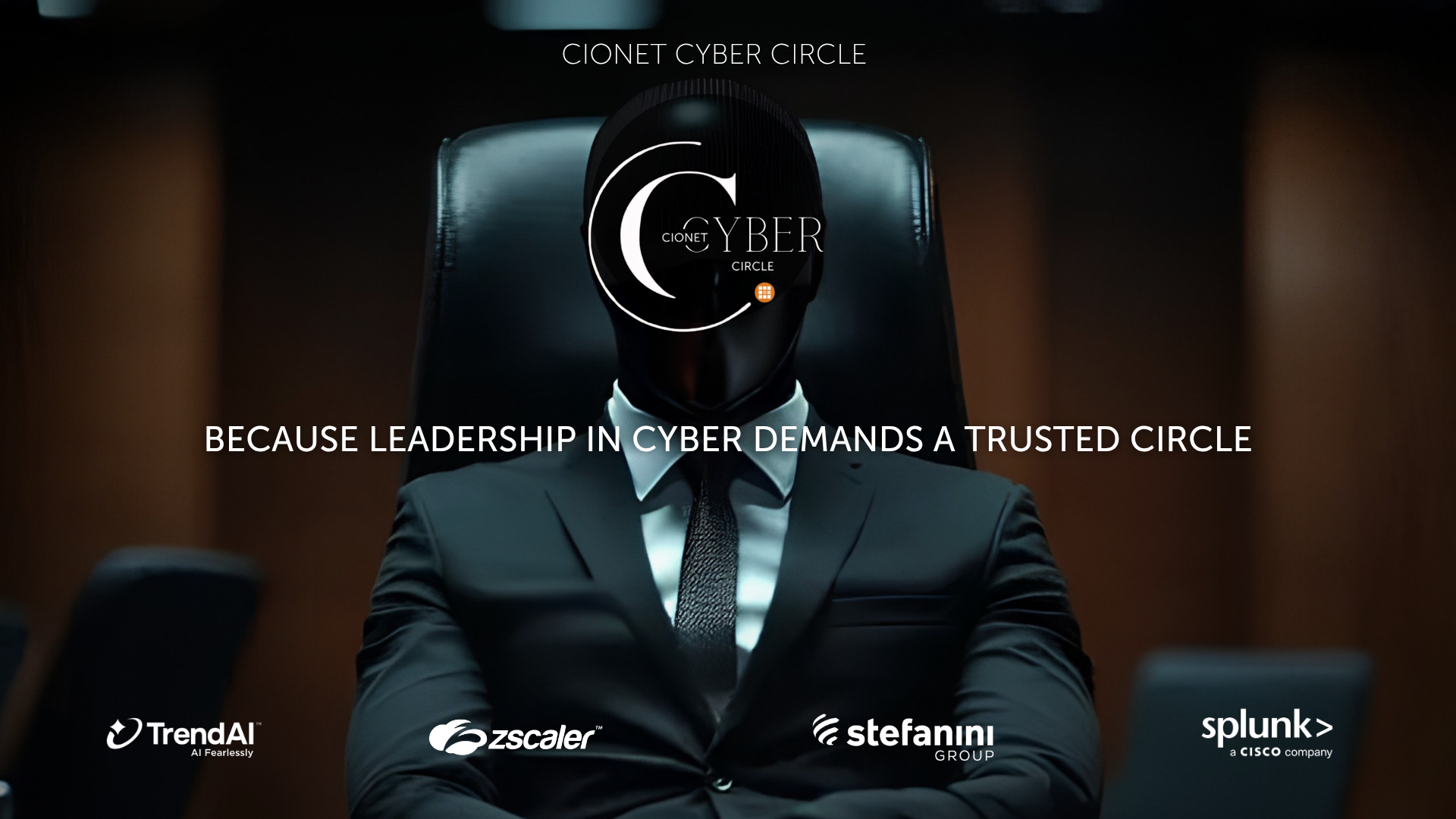
CIONET’s Cyber Circle: a new three-event programme exclusively focusing on the most urgent, complex, and high-impact challenges in cybersecurity today. Launched in 2026, this initiative brings together CISOs, CIOs, and senior IT executives with a strong interest in cybersecurity for three curated gatherings each year. As part of CIONET’s trusted executive community, the Cyber Circle provides a confidential, peer-driven environment to exchange insights, share real-world experiences, and address evolving cyber threats. Each session is designed to foster strategic dialogue, strengthen resilience, and elevate cybersecurity as a core driver of business value.
Read More.png)
The Telenet Business Leadership Circle powered by CIONET, offers a platform where IT executives and thought leaders can meet to inspire each other and share best practices. We want to be a facilitator who helps you optimise the performance of your IT function and your business by embracing the endless opportunities that digital change brings.
Read More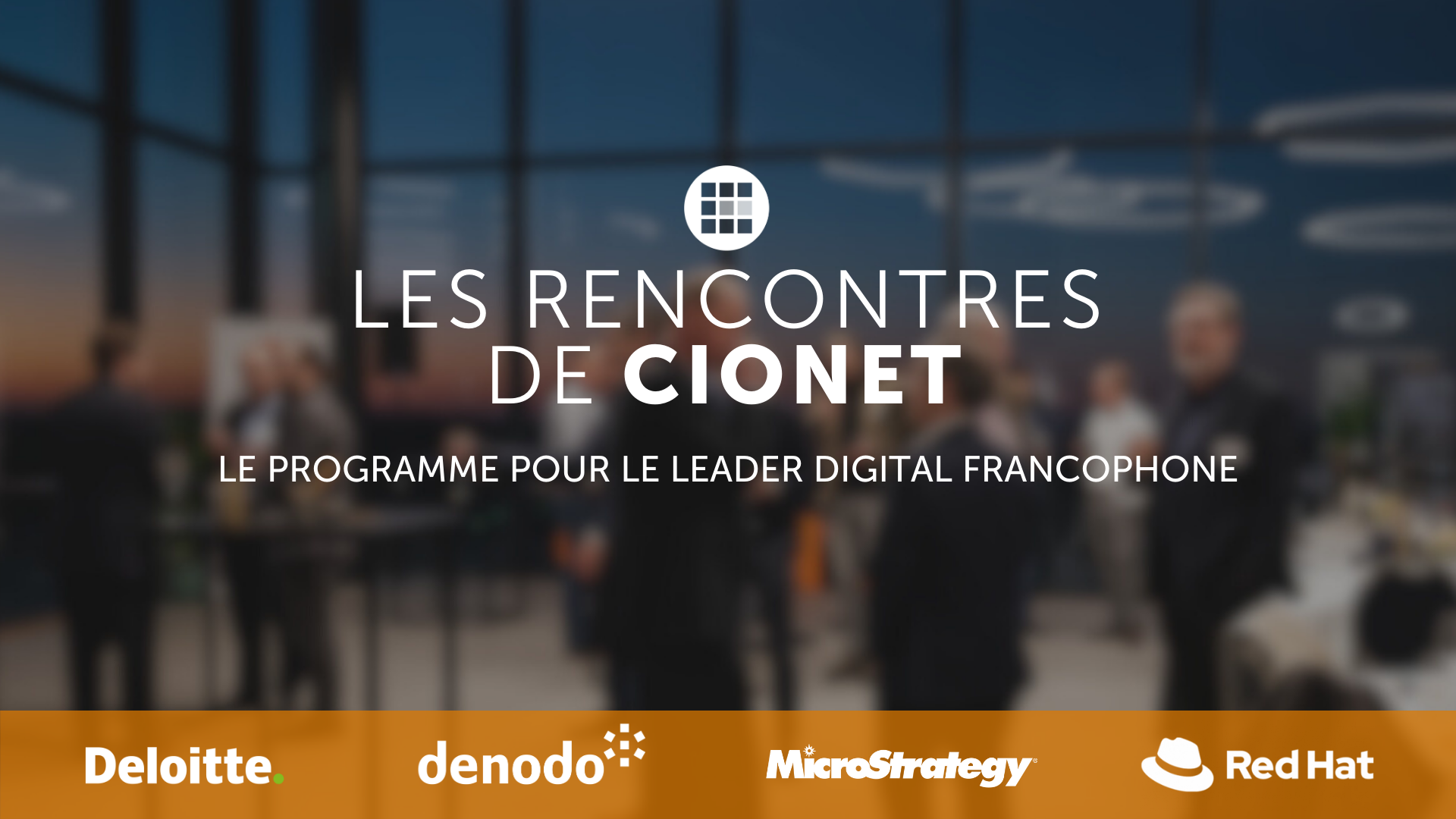
Découvrez la dynamique du leadership numérique aux Rencontres de CIONET, le programme francophone exclusif de CIONET pour les leaders numériques en Belgique, rendu possible grâce au soutien et à l'engagement de nos partenaires de programme : Deloitte, Denodo et Red Hat. Rejoignez trois événements inspirants par an à Liège, Namur et en Brabant Wallon, où des CIOs et des experts numériques francophones de premier plan partagent leurs perspectives et expériences sur des thèmes d'affaires et de IT actuels. Laissez-vous inspirer et apprenez des meilleurs du secteur lors de sessions captivantes conçues spécialement pour soutenir et enrichir votre rôle en tant que CIO pair. Ne manquez pas cette opportunité de faire partie d'un réseau exceptionnel d'innovateurs numériques !
Read More.jpg)
CIONET is committed to highlighting and celebrating female role models in IT, Tech & Digital, creating a leadership programme that empowers and elevates women within the tech industry. This initiative is dedicated to showcasing the achievements and successes of leading women, fostering an environment where female role models are recognised, and their contributions can ignite progress and inspire the next generation of women in IT. Our mission is to shine the spotlight a little brighter on female role models in IT, Tech & Digital, and to empower each other through this inner network community.
Read More


-Apr-01-2022-10-58-34-57-AM.png)









-Dec-13-2023-10-53-15-5032-AM.png)



-Jun-12-2023-01-23-11-7540-PM.png)




-Apr-01-2022-10-58-34-68-AM.png)






.png)



%20(003).png)

.png)
.png)









-Sep-01-2022-02-47-55-60-PM.png)
-Nov-22-2023-08-56-42-6802-AM.png)
.png)


.png "be-page-banner (1)")
.png)
.png)
.png)
.png)