
.png)
Belgium 20-10-2026 Squad Only Virtual English
Cloud decisions are becoming more selective. The challenge is deciding where each workload should run based on cost, performance, control, resilience, sovereignty, and business need. Three pressure points usually drive the decision. - Cost visibility becomes harder when usage grows across cloud services, data platforms, and AI workloads. - Performance and latency matter more when systems need fast access to data or support operational processes. - Sovereignty and resilience become critical when data location, continuity, vendor dependency, and exit options enter the discussion. The working question is simple: how do we place workloads where they create the most value while keeping the hybrid landscape manageable? If these trade-offs are on your agenda, let’s compare how others are handling similar choices.
Read More.png)
Belgium 10-11-2026 Squad Only Virtual English
Data platforms are meant to simplify access and support better use of data. The challenge is choosing and governing the platform landscape in a way that creates consistency, reuse, and long-term value. Three pressure points usually appear. - Platform choice becomes difficult when teams have different needs for speed, flexibility, cost, and control. - Business meaning needs protection: customer, revenue, product, risk, and FTE need shared definitions across tools. - Ownership and governance need to be clear, so platforms grow with accountability and discipline. The working question is simple: how do we give teams the data capabilities they need while keeping the platform landscape understandable, governed, and reusable? If these questions are familiar, let’s compare approaches with others facing the same data landscape.
Read More.png)
Belgium 13-11-2026 Squad Only Physical English
Many IT capabilities are essential and difficult to fund through a simple project ROI. The challenge is showing why architecture, governance, resilience, cybersecurity maturity, data foundations, and AI readiness deserve investment before the gap becomes expensive. Three pressure points make the case harder. - Shared value means the benefit often sits across several teams, while the budget sits in one place. - Timing creates friction because the cost is immediate while the value appears over time. - Risk translation is needed so business and finance leaders understand the consequence of delaying the investment. The working question is simple: how do we turn foundational IT capabilities into credible investment cases that link cost, risk, business value, and future flexibility? If you are building these cases internally, let’s compare how others are positioning value, risk, and timing.
Read More
Published on: September 30, 2026 @ 1:17 PM
Published on: August 26, 2026 @ 9:13 AM
Published on: July 29, 2026 @ 10:08 AM
Published on: June 24, 2026 @ 5:00 PM
Published on: May 27, 2026 @ 9:21 AM
Published on: May 07, 2026 @ 4:02 PM
.png)
Published on: April 29, 2026 @ 9:11 AM
Published on: March 26, 2026 @ 3:37 PM
-2.png)
Published on: March 25, 2026 @ 9:58 AM
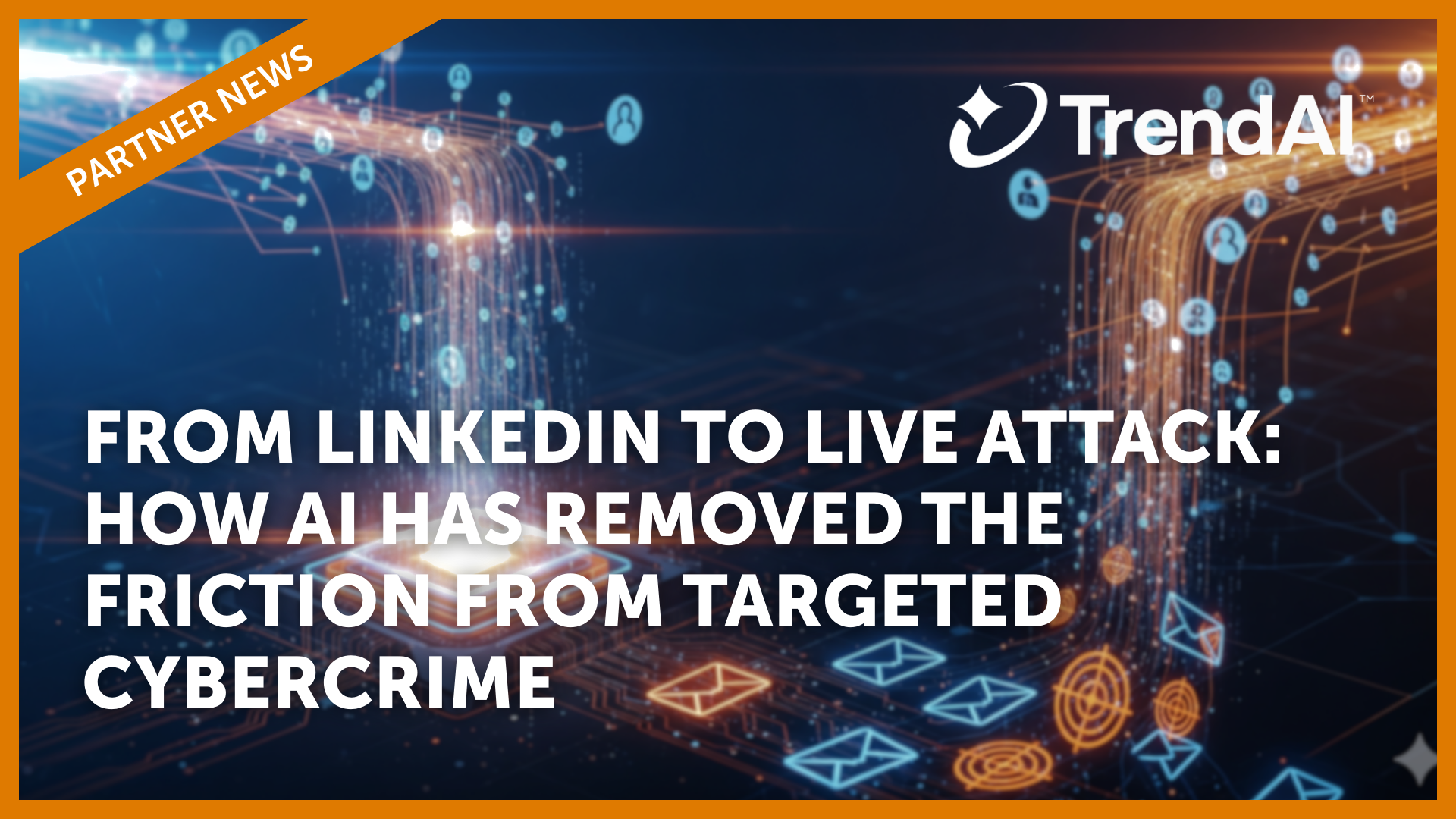
Published on: March 13, 2026 @ 3:43 PM
-Feb-25-2026-10-01-07-2508-AM.png)
Published on: February 25, 2026 @ 11:01 AM
.png)
Published on: February 25, 2026 @ 9:00 AM

Published on: February 24, 2026 @ 5:00 PM
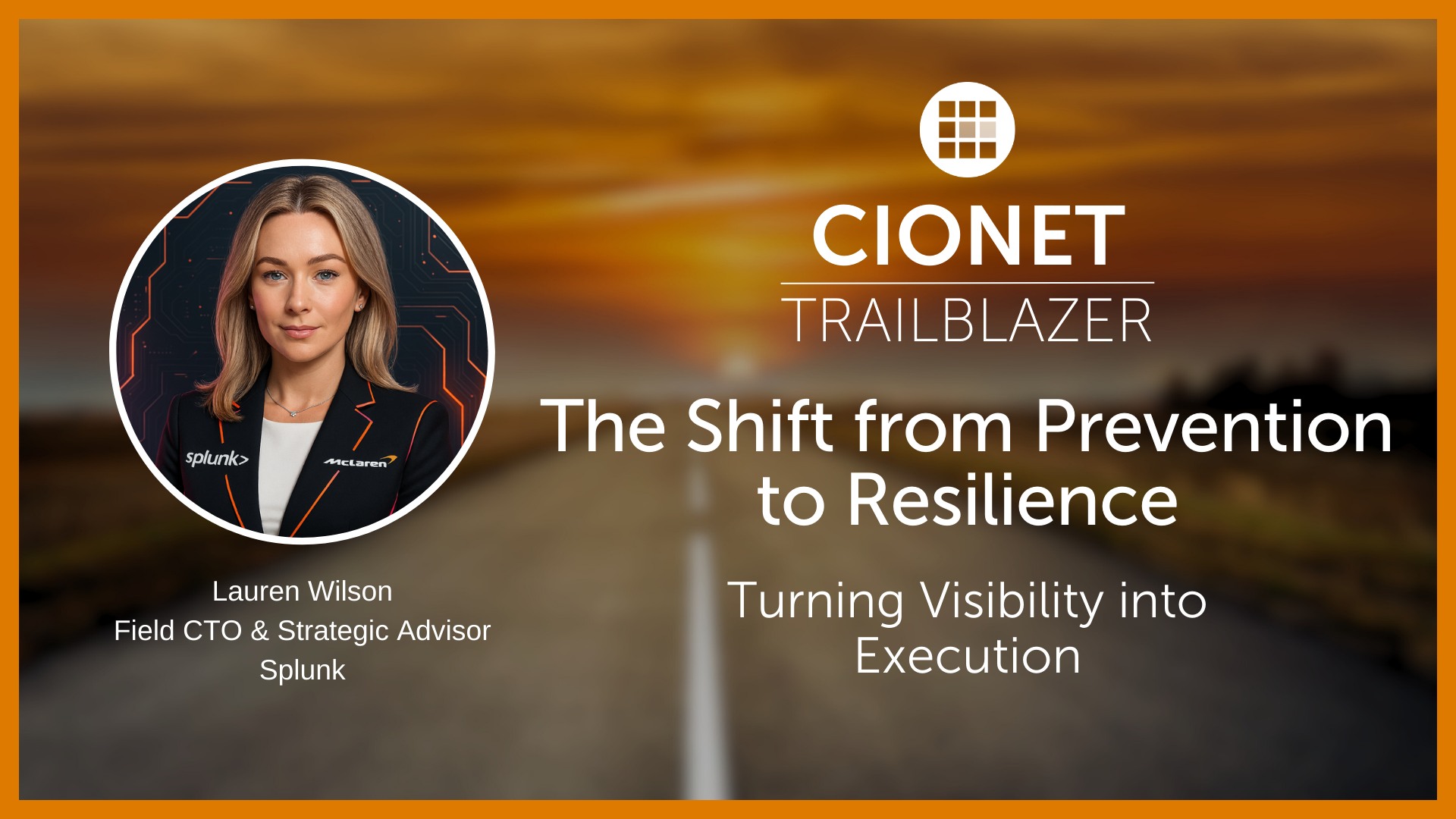
CIONET Trailblazer: CISO: The Shift from Prevention to Resilience: Turning Visibility into Execution
Published on: January 28, 2026 @ 9:48 AM
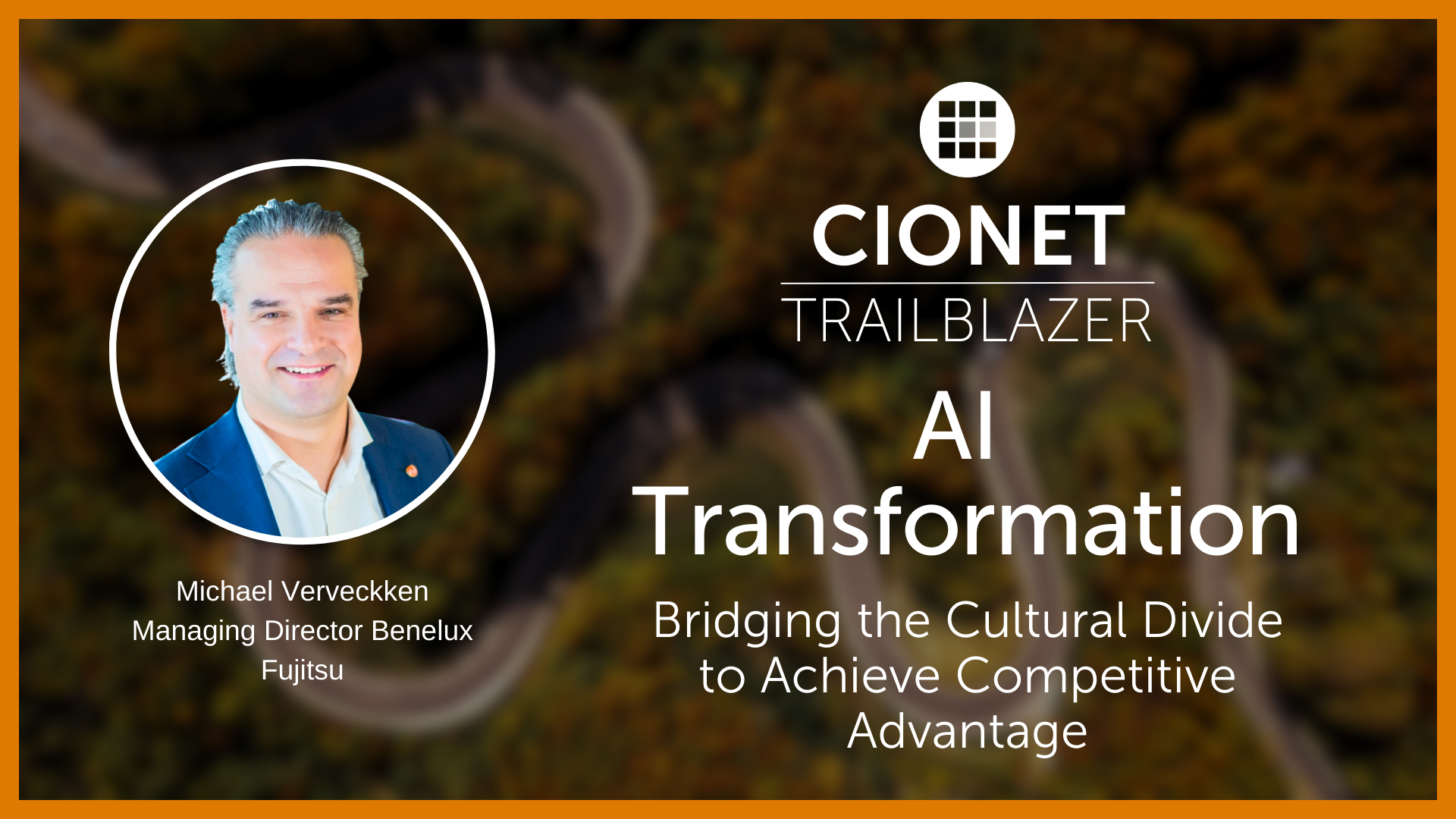
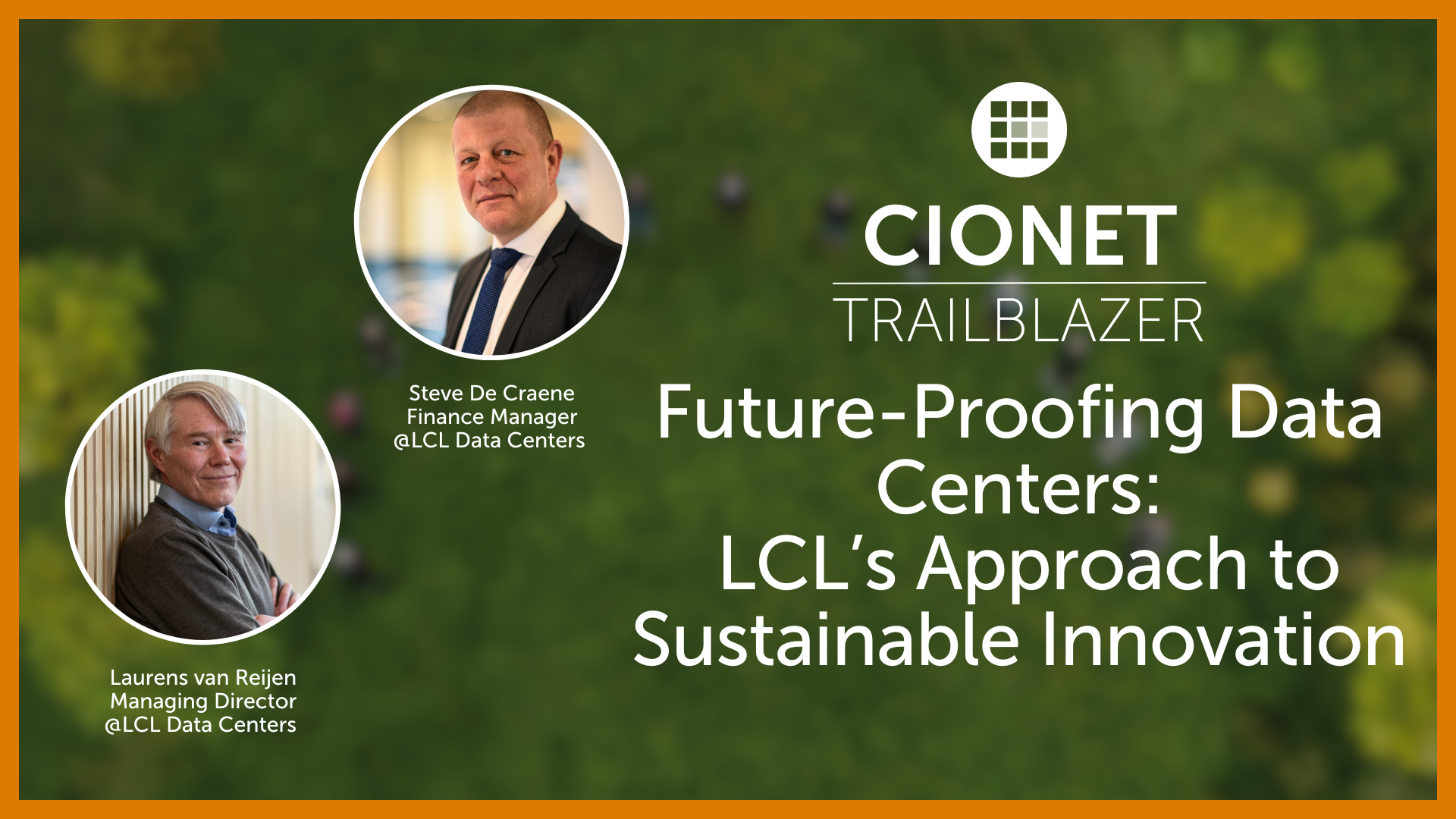
CIONET Trailblazer: AI Transformation: Bridging the Cultural Divide to Achieve Competitive Advantage
Published on: December 17, 2025 @ 9:16 AM
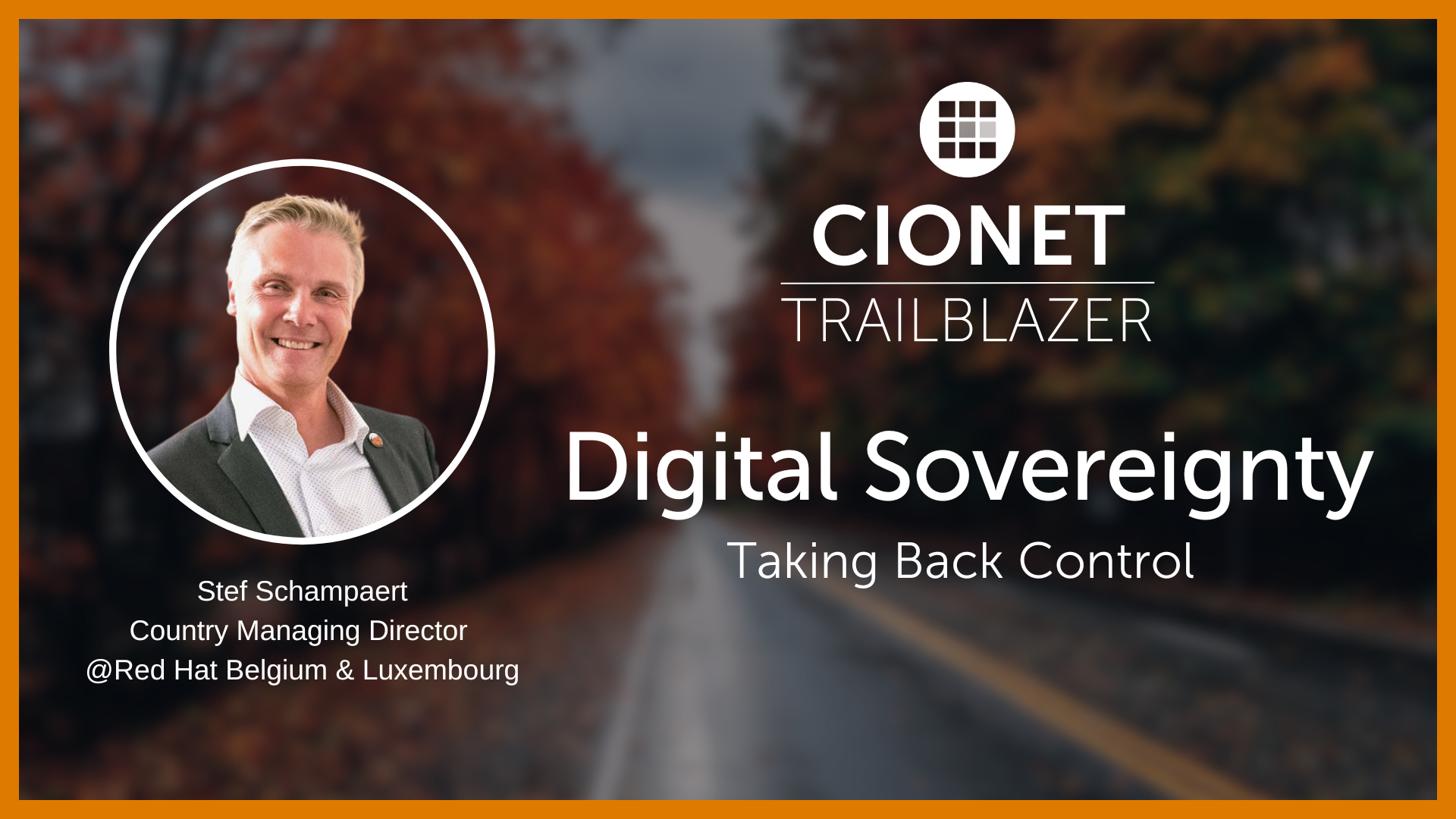
Published on: October 29, 2025 @ 11:31 AM
Published on: July 30, 2025 @ 9:19 AM
Published on: June 25, 2025 @ 9:14 AM
.png)
Published on: April 30, 2025 @ 9:04 AM
-1.png)
Published on: March 26, 2025 @ 9:59 AM
-1.png)
Published on: March 04, 2025 @ 5:07 PM
Published on: February 26, 2025 @ 10:51 AM
Published on: February 25, 2025 @ 4:14 PM
-4.png)
Published on: February 25, 2025 @ 10:33 AM
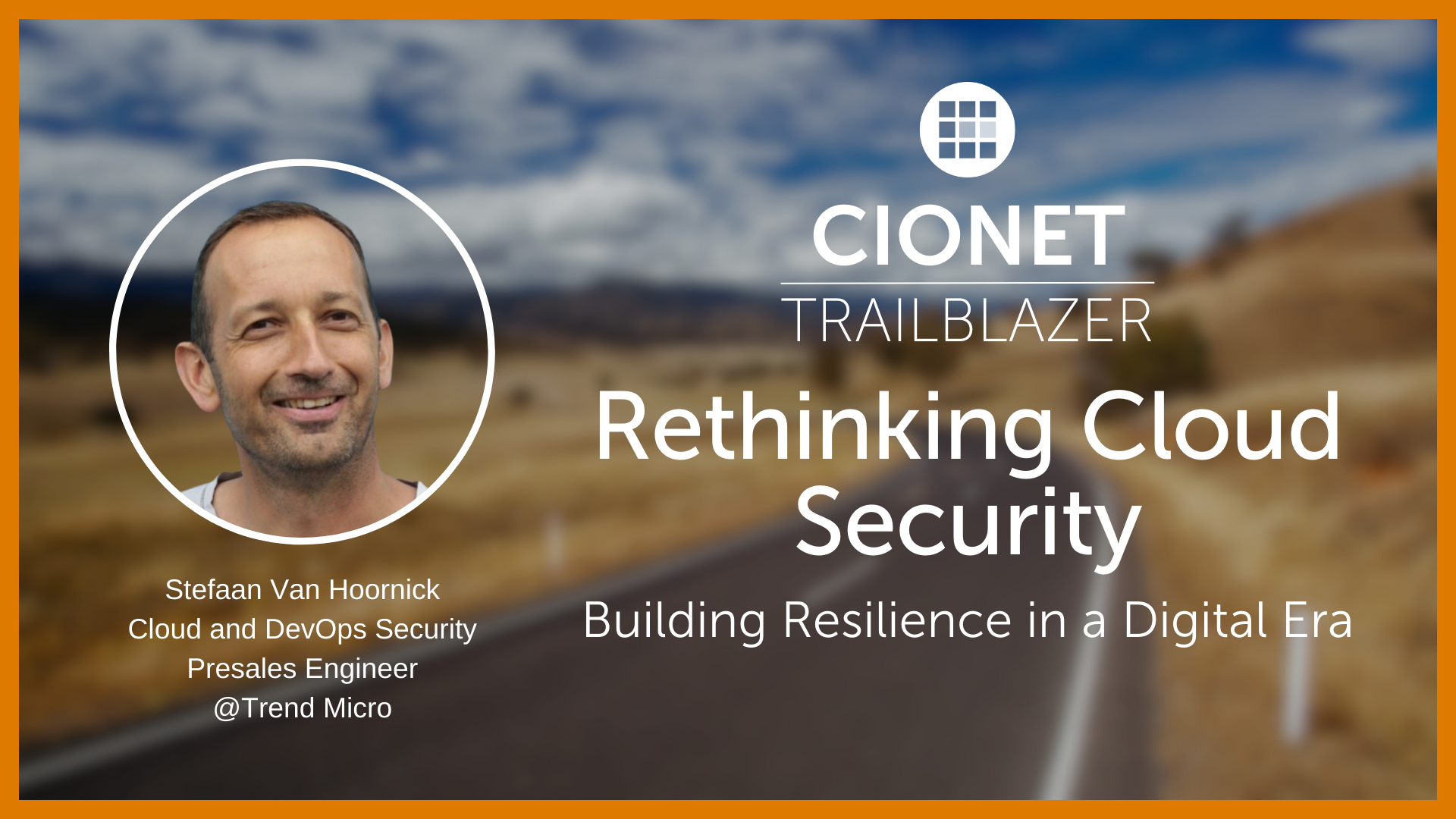
Published on: January 29, 2025 @ 9:58 AM
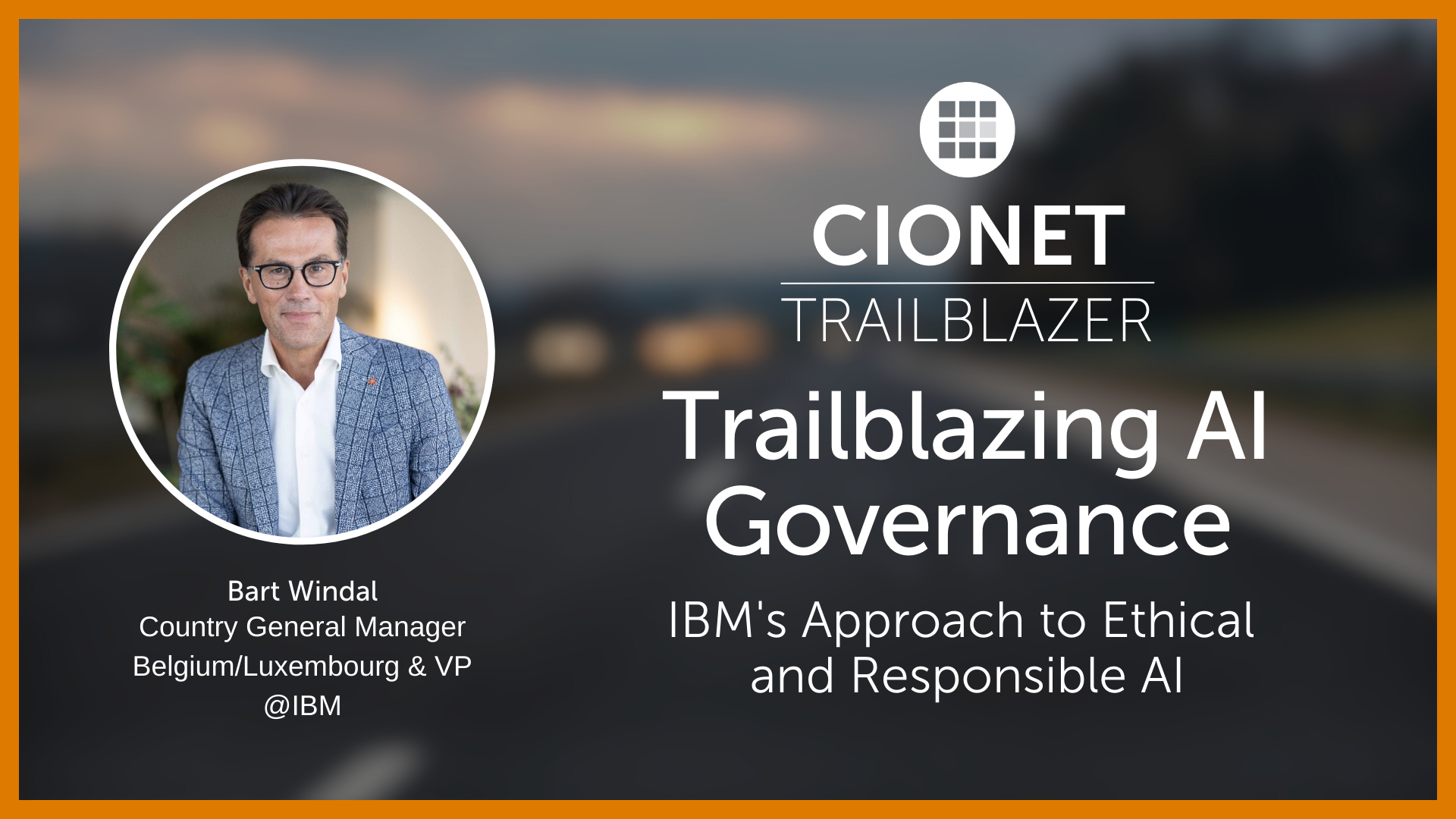
Published on: December 18, 2024 @ 9:07 AM
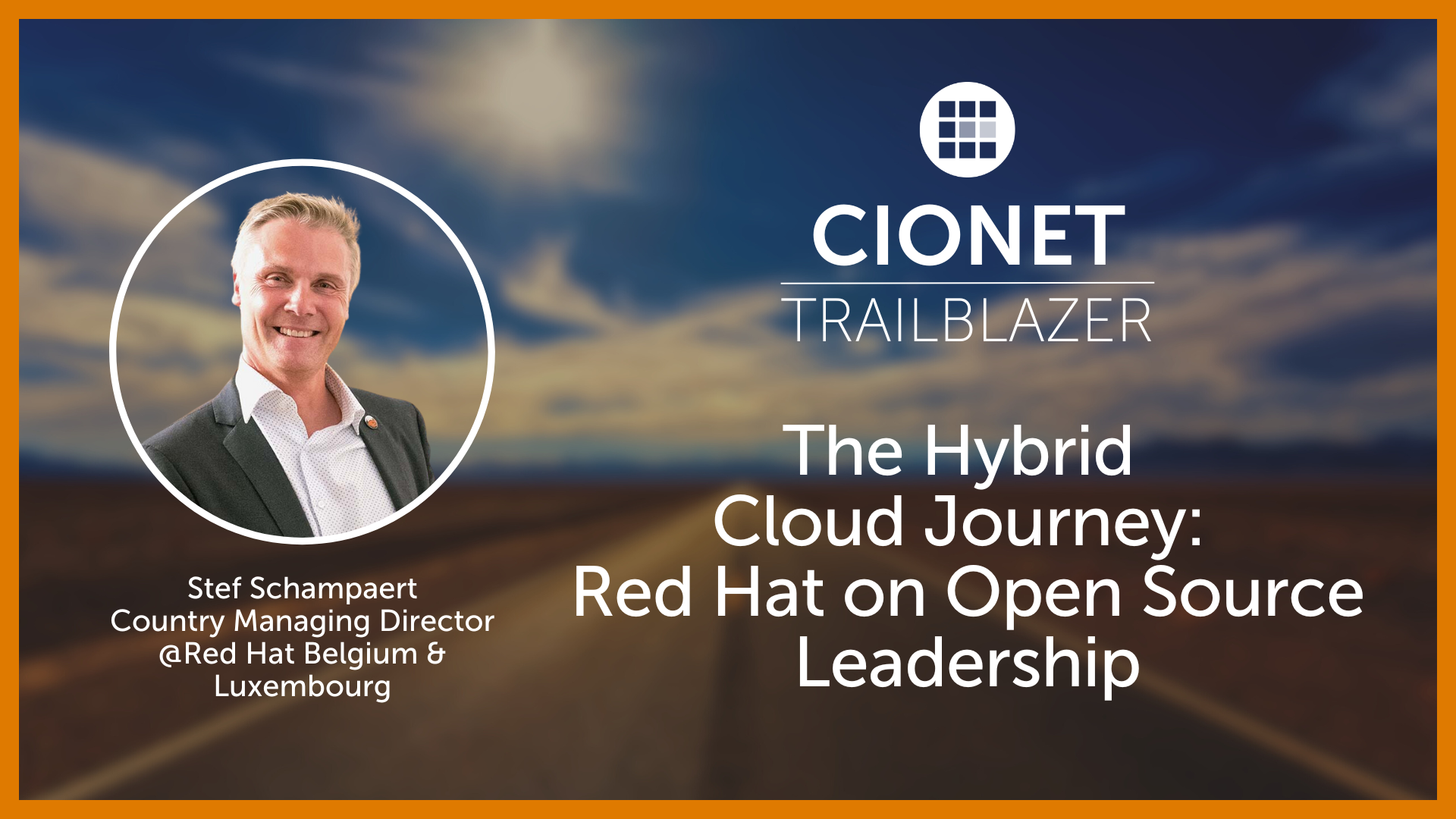
Published on: October 30, 2024 @ 9:34 AM
.png)
Published on: October 29, 2024 @ 11:37 AM
.png)
Published on: September 27, 2024 @ 10:41 AM
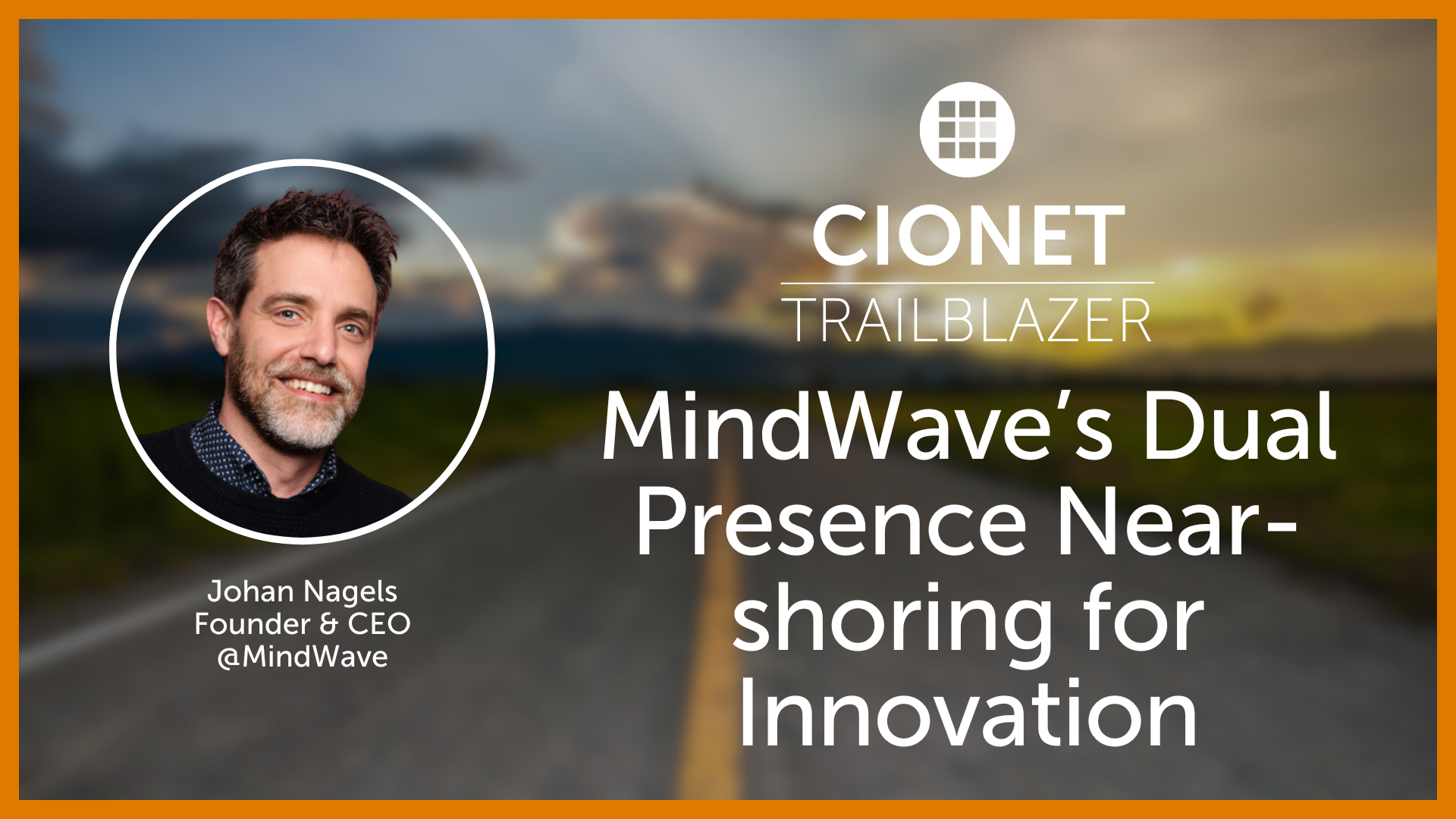
Published on: September 25, 2024 @ 8:59 AM
Published on: September 18, 2024 @ 3:44 PM
Published on: August 28, 2024 @ 10:10 AM
.png)
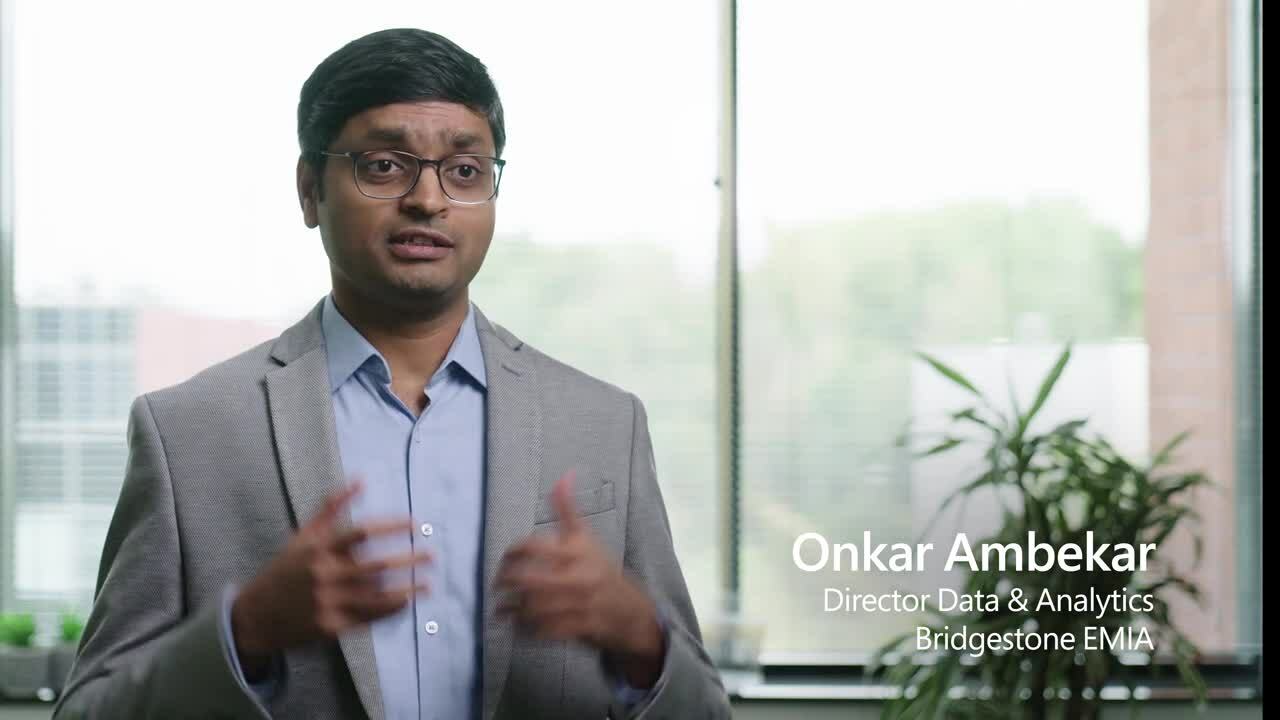
How Bridgestone is using data to deliver sustainable and digital mobility solutions
Bridgestone, a global leader in tires and sustainable mobility solutions, is now looking at its future. Its EMIA Strategic Business Unit is currently undertaking a vast program of digital transformation aimed at improving operations, modernizing processes. Crucial to this has been the creation of an end-to-end data platform – named CAPPA
“Technology isn’t just the backbone of all we do – it’s a shared responsibility. It’s a constant reminder that we can change the world using digitalization, data and analytics.”
Bart Kerkhofs, Vice President IT at Bridgestone EMIA, is describing the digital and strategic transformation program that his company is undertaking – and the flagship project that’s making it succeed.
“We may historically be known around the world as a leading tire manufacturer, but we’re much more than that,” says Kerkhofs. “We are a data-driven company on a mission to address some of the mobility challenges of our generation.”
Over the past three years, Kerkhofs and his team have been working to contribute to this goal using data and technology. In collaboration with Microsoft, they’ve created an end-to-end data platform capable of storing, processing and analyzing key information – and then using it for strategic planning, modeling, forecasting and more.
All to help Bridgestone do more, with less – and become a center of excellence for digital and sustainable mobility solutions in the EMIA region and beyond.
“When this company was founded, more than 90 years ago, its motto was clear: Bridgestone will survive the test of time only if it focuses not just on profits, but on creating sustainable solutions to the society it operates in,” he continues.
“That’s what this project is all about: from tire-centric solutions to mobility and sustainability, we’re using data and technology to build an ecosystem of services that will truly make people’s lives easier and safer.”
From tire-centric solutions to mobility and sustainability, we’re using data and technology to build an ecosystem of services that will truly make people’s lives easier. - Bart Kerkhofs: Vice President IT - Bridgestone EMIA
Founded in Japan in 1931, Bridgestone is a global leader in tires and sustainable mobility solutions. Its Europe, Middle East, India and Africa division, where Bart Kerkhofs operates, is based in Belgium. It employs more than 20,000 people and conducts business in 40 countries across the region.
“Tire manufacturing is our heritage and core business,” says Kerkhofs. “But as a modern company, we know how important it is to evolve on the basis of that heritage, and to bring our values to the modern day.”
To honor this goal, the company recently launched a diversification program that looks at making Bridgestone not just a tire manufacturer, but rather a provider of mobility solutions. Within this framework, Bridgestone aims to become a sustainable solutions organization by 2050, supported by the Bridgestone E8 Commitment.
“Our strategy stems from the idea that being the largest tire manufacturer in the world, we generate unique information,” he explains.
"We like to say that we have a tire on every road at every hour, somewhere in the world. So what can we do with that position?”
The answer, they recently found out, lies in that very E8 Commitment – a framework of eight focus areas aiming to provide guidance on strategic priorities, decision making and actions throughout every area of the business and its operations.
From Efficiency to Empowerment and Energy, these focus areas have one common denominator: data.
“When we started looking at transforming our business, three years ago, we quickly realized that we couldn’t do it without data and digitalization,” explains Kerkhofs.
“Because we are a global company, we know that we generate large amounts of data that we could take enormous advantage of – but weren’t sure how we could capture it and really make the best of it.
“That was until we created CAPPA.”
The acronym for Collaborative Advanced Powerful Platform for Analytics, CAPPA is an end-to-end analytics platform that works as single point of truth for Bridgestone’s decision-making processes and strategies.
It is powered by a range of Microsoft technologies including Azure Databricks, Azure Purview and Azure Synapse Analytics. “CAPPA was born from the need to centralize all our information, harness key insights based on it and then use them to create meaningful change across our operations,” says Onkar Ambekar, Bridgestone EMIA Director of Data & Analytics.
“To do that, we decided to build a data lake where we can collect and store information from various parts of our business – from the tire and rubber business to the manufacturing side, the supply chain and so much more.”
Once the data is collected – using Azure Databricks – Bridgestone can then analyze it and leverage it to both drive internal efficiencies and improve customer services.
“Our supply chain is a prime example,” explains Ambekar. “Here, demand forecasting is crucial, as it allows us to prepare well ahead for any unforeseen circumstance, make sure that we have everything ready for future orders – and ultimately make our customers much happier.
“With CAPPA, we can use the data to anticipate anything – from availability and delivery times to tire wear and tire damage.”
This is proving particularly helpful for Bridgestone Mobility Solutions, a division of the company that is focusing on improving mobility with innovative and sustainable solutions.
“Through this division, we are running pilot projects with European cities to create pothole maps of certain areas, which cities can then use to oversee and carry out road repairs,” says Onkar Ambekar.
“Coupled with other road surface analytics, this can play a crucial role in urban planning for municipalities all around the world.”
Sustainability is at the heart of Bridgestone’s entire CAPPA initiative. “Most of the activities we carry out through our platform are either directly or indirectly feeding into our sustainability plans,” says Onkar Ambekar.
“From demand forecasting to ESG Reporting, data and analytics are crucial in making these plans succeed.”
He cites energy consumption as an example. “We’re currently overseeing more than 15 cases related to the manufacturing footprint across our plants,” he explains. “This is allowing us to significantly optimize overall efficiency.”
CAPPA is proving equally crucial when it comes to ESG Reporting, which concerns the disclosure of environmental, social and corporate governance data.
“Whenever we have to create our ESG dashboards, we can now capture all of our data from end to end,” explains Ambekar. “This means that we know how much energy is consumed, as well as how much we emit from our shipping and supply chain routes.”
But the benefits go way beyond Bridgestone’s internal operations. “If we have more accurate data, we can then combine it with forecasts and use it to provide more efficient fleet management systems, or anticipate tire wear to reduce fuel consumption,” he continues.
“This in turn allows us to consume less CO2 and generally have a better control of the energy we use and generate.”
As they look to the future of the CAPPA initiative, Ambekar and Kerkhofs are already planning to introduce more Microsoft solutions to their suite.
“We’re very proud of the work we’ve carried out with Microsoft,” says Ambekar. “The results we’re getting from CAPPA are simply outstanding.”
He mentions the enormous impact that Azure Purview – Microsoft’s unified data governance solution – is particularly having on its operations.
“Azure Purview has been a great help in documenting and cataloging the data that we have on this data lake,” he adds. “That is creating, in a way, a revolution within Bridgestone because now people from all the company have access to our data cataloging tool – meaning they can search where this data is and access it.”
Combined with all the other Azure components, this is paving the way for an even greater and more extended use of CAPPA across Bridgestone’s global operations.
“These and more projects are not only testament to what we’re doing in the present day, but also to what we’re working on for the future of our company,” says Kerkhofs.
“Using our data analytics center of excellence and the insights that we’re gaining, we can apply our solutions at a much broader, global scale and extend it to Bridgestone’s many other divisions.
“Making our company a true pioneer of sustainable mobility solutions.”

CIONET’s Cyber Circle: a new three-event programme exclusively focusing on the most urgent, complex, and high-impact challenges in cybersecurity today. Launched in 2026, this initiative brings together CISOs, CIOs, and senior IT executives with a strong interest in cybersecurity for three curated gatherings each year. As part of CIONET’s trusted executive community, the Cyber Circle provides a confidential, peer-driven environment to exchange insights, share real-world experiences, and address evolving cyber threats. Each session is designed to foster strategic dialogue, strengthen resilience, and elevate cybersecurity as a core driver of business value.
Read More.png)
The Telenet Business Leadership Circle powered by CIONET, offers a platform where IT executives and thought leaders can meet to inspire each other and share best practices. We want to be a facilitator who helps you optimise the performance of your IT function and your business by embracing the endless opportunities that digital change brings.
Read More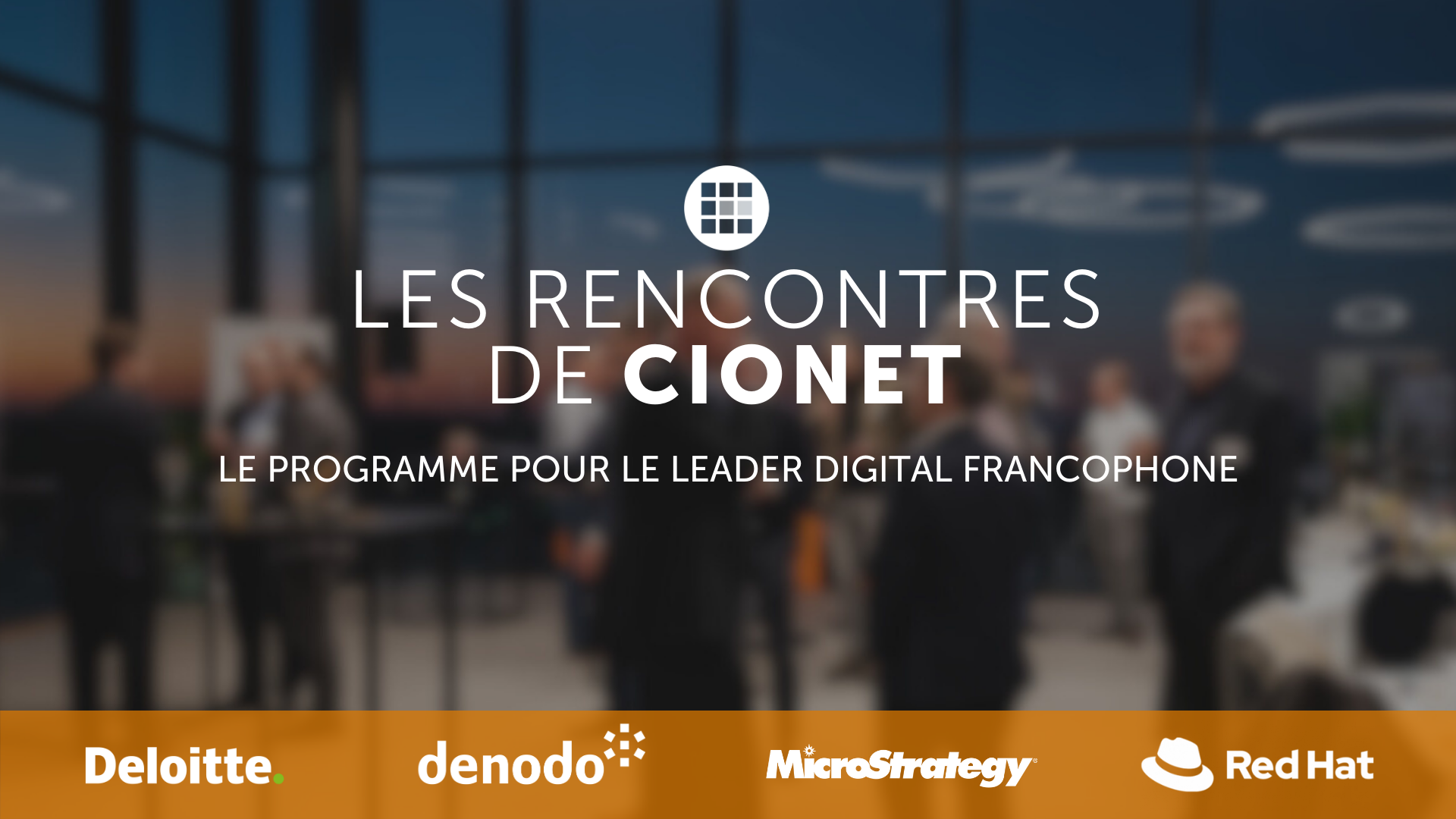
Découvrez la dynamique du leadership numérique aux Rencontres de CIONET, le programme francophone exclusif de CIONET pour les leaders numériques en Belgique, rendu possible grâce au soutien et à l'engagement de nos partenaires de programme : Deloitte, Denodo et Red Hat. Rejoignez trois événements inspirants par an à Liège, Namur et en Brabant Wallon, où des CIOs et des experts numériques francophones de premier plan partagent leurs perspectives et expériences sur des thèmes d'affaires et de IT actuels. Laissez-vous inspirer et apprenez des meilleurs du secteur lors de sessions captivantes conçues spécialement pour soutenir et enrichir votre rôle en tant que CIO pair. Ne manquez pas cette opportunité de faire partie d'un réseau exceptionnel d'innovateurs numériques !
Read More.jpg)
CIONET is committed to highlighting and celebrating female role models in IT, Tech & Digital, creating a leadership programme that empowers and elevates women within the tech industry. This initiative is dedicated to showcasing the achievements and successes of leading women, fostering an environment where female role models are recognised, and their contributions can ignite progress and inspire the next generation of women in IT. Our mission is to shine the spotlight a little brighter on female role models in IT, Tech & Digital, and to empower each other through this inner network community.
Read More


-Apr-01-2022-10-58-34-57-AM.png)









-Dec-13-2023-10-53-15-5032-AM.png)



-Jun-12-2023-01-23-11-7540-PM.png)




-Apr-01-2022-10-58-34-68-AM.png)






.png)




%20(003).png)



.png)



.png)











-Sep-01-2022-02-47-55-60-PM.png)
-Nov-22-2023-08-56-42-6802-AM.png)
.png)


.png "be-page-banner (1)")
.png)
.png)
.png)
.png)