

.png)
Belgium 20-10-2026 Squad Only Virtual English
Cloud decisions are becoming more selective. The challenge is deciding where each workload should run based on cost, performance, control, resilience, sovereignty, and business need. Three pressure points usually drive the decision. - Cost visibility becomes harder when usage grows across cloud services, data platforms, and AI workloads. - Performance and latency matter more when systems need fast access to data or support operational processes. - Sovereignty and resilience become critical when data location, continuity, vendor dependency, and exit options enter the discussion. The working question is simple: how do we place workloads where they create the most value while keeping the hybrid landscape manageable? If these trade-offs are on your agenda, let’s compare how others are handling similar choices.
Read More.png)
Belgium 10-11-2026 Squad Only Virtual English
Data platforms are meant to simplify access and support better use of data. The challenge is choosing and governing the platform landscape in a way that creates consistency, reuse, and long-term value. Three pressure points usually appear. - Platform choice becomes difficult when teams have different needs for speed, flexibility, cost, and control. - Business meaning needs protection: customer, revenue, product, risk, and FTE need shared definitions across tools. - Ownership and governance need to be clear, so platforms grow with accountability and discipline. The working question is simple: how do we give teams the data capabilities they need while keeping the platform landscape understandable, governed, and reusable? If these questions are familiar, let’s compare approaches with others facing the same data landscape.
Read More.png)
Belgium 13-11-2026 Squad Only Physical English
Many IT capabilities are essential and difficult to fund through a simple project ROI. The challenge is showing why architecture, governance, resilience, cybersecurity maturity, data foundations, and AI readiness deserve investment before the gap becomes expensive. Three pressure points make the case harder. - Shared value means the benefit often sits across several teams, while the budget sits in one place. - Timing creates friction because the cost is immediate while the value appears over time. - Risk translation is needed so business and finance leaders understand the consequence of delaying the investment. The working question is simple: how do we turn foundational IT capabilities into credible investment cases that link cost, risk, business value, and future flexibility? If you are building these cases internally, let’s compare how others are positioning value, risk, and timing.
Read More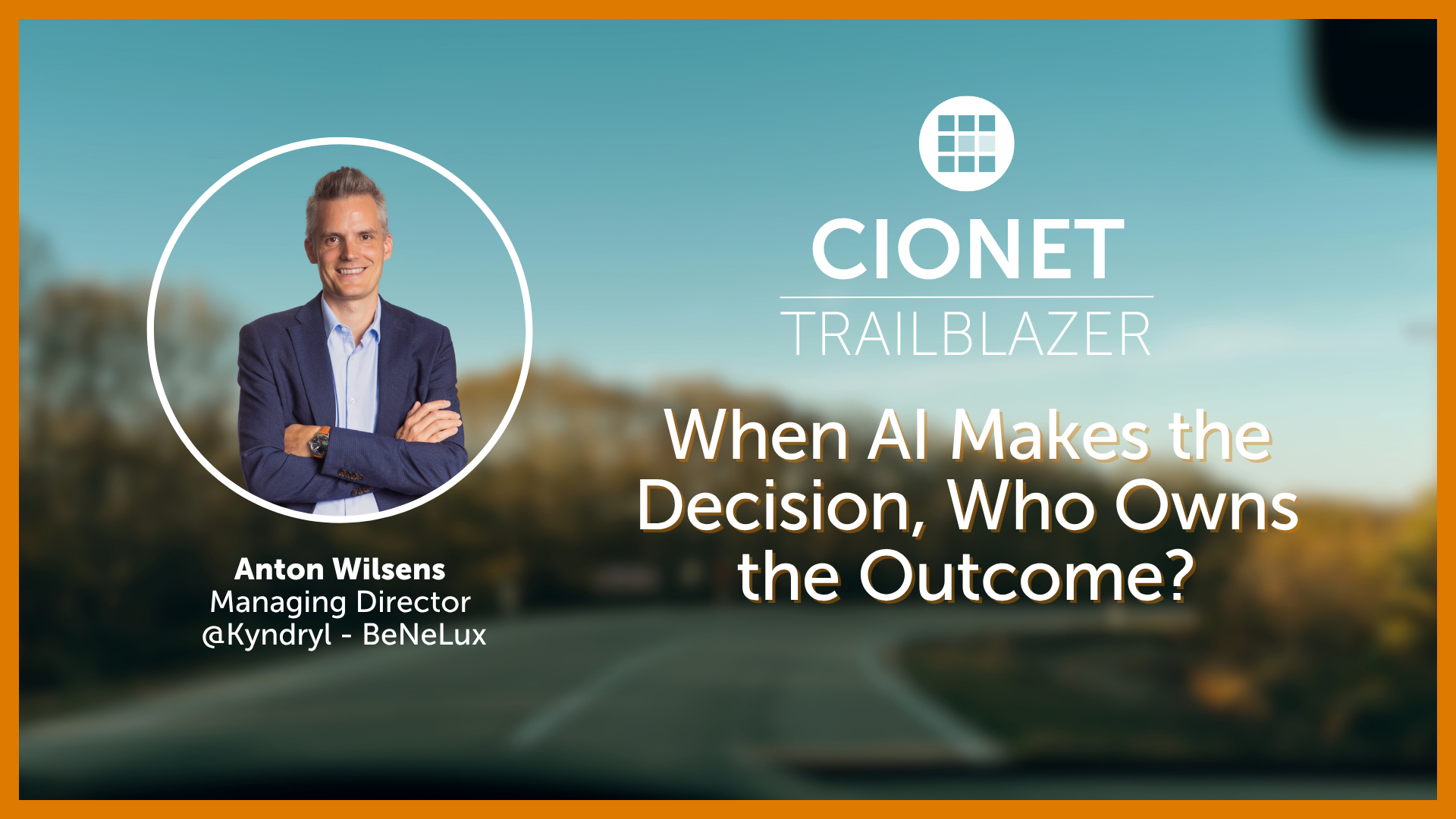
Published on: September 30, 2026 @ 1:17 PM
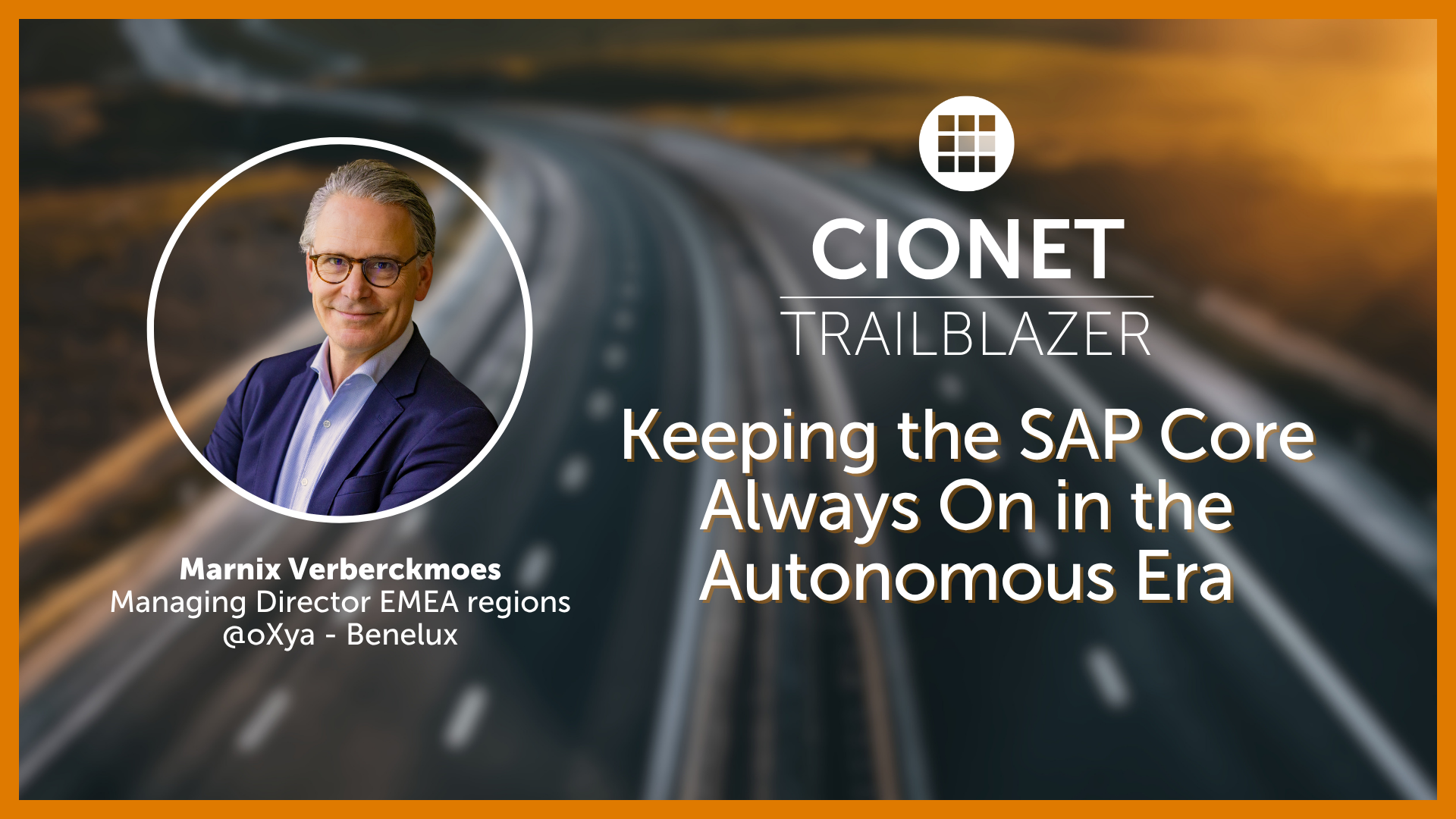
Published on: August 26, 2026 @ 9:13 AM
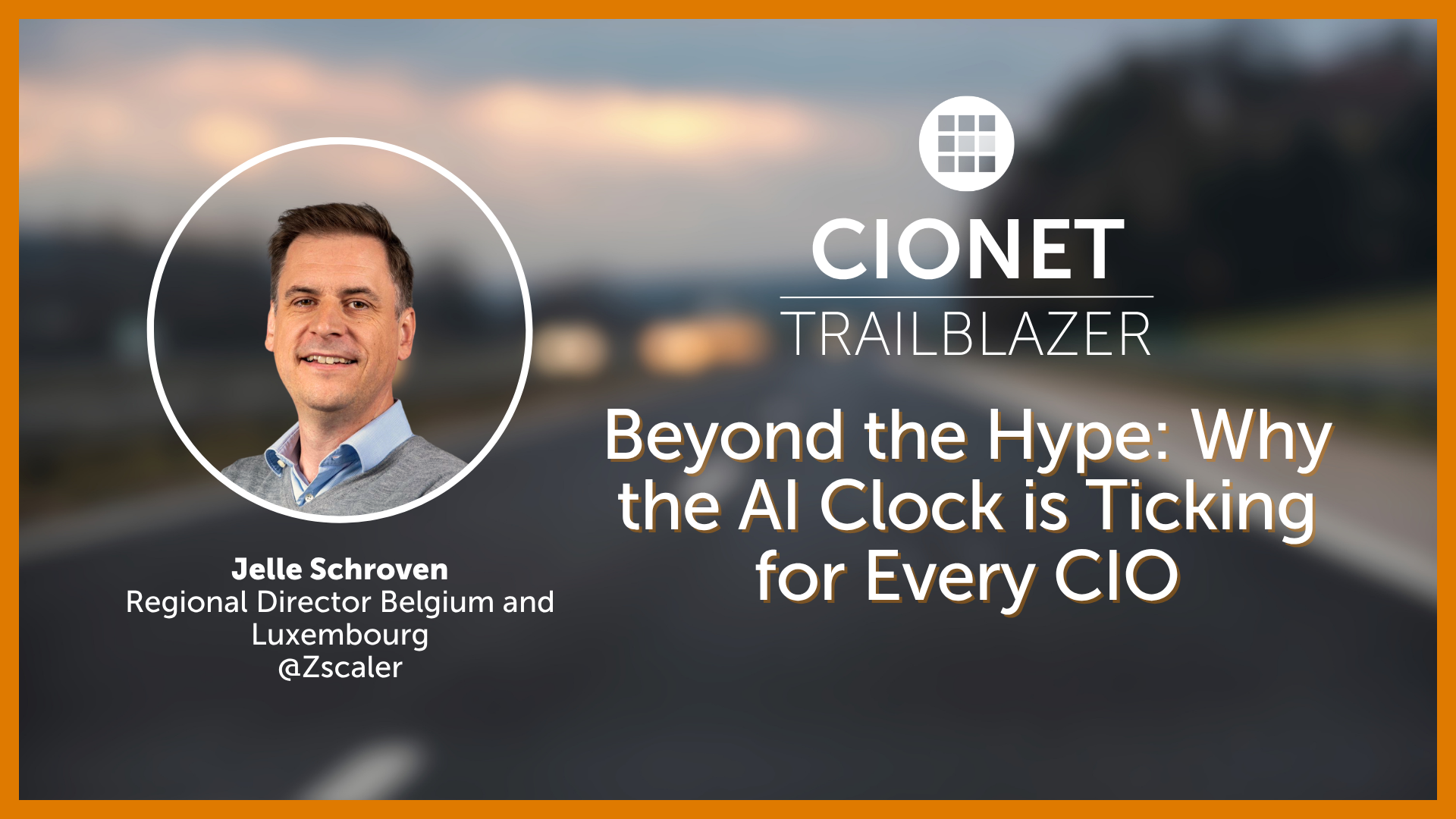
Published on: July 29, 2026 @ 10:08 AM
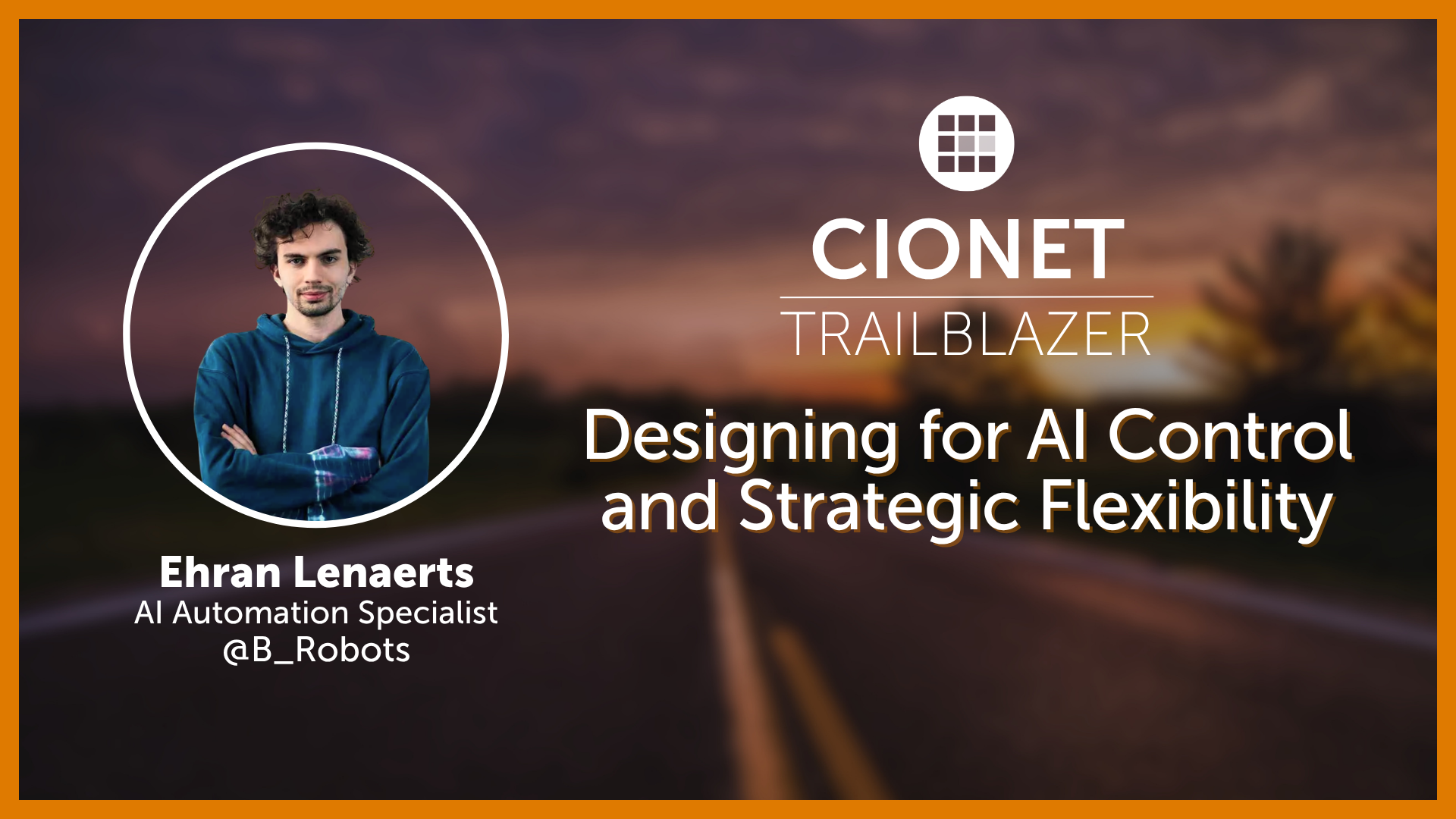
Published on: June 24, 2026 @ 5:00 PM
Published on: May 27, 2026 @ 9:21 AM
Published on: May 07, 2026 @ 4:02 PM
.png)
Published on: April 29, 2026 @ 9:11 AM
Published on: March 26, 2026 @ 3:37 PM
-2.png)
Published on: March 25, 2026 @ 9:58 AM

Published on: March 13, 2026 @ 3:43 PM
-Feb-25-2026-10-01-07-2508-AM.png)
Published on: February 25, 2026 @ 11:01 AM
.png)
Published on: February 25, 2026 @ 9:00 AM
Published on: February 24, 2026 @ 5:00 PM
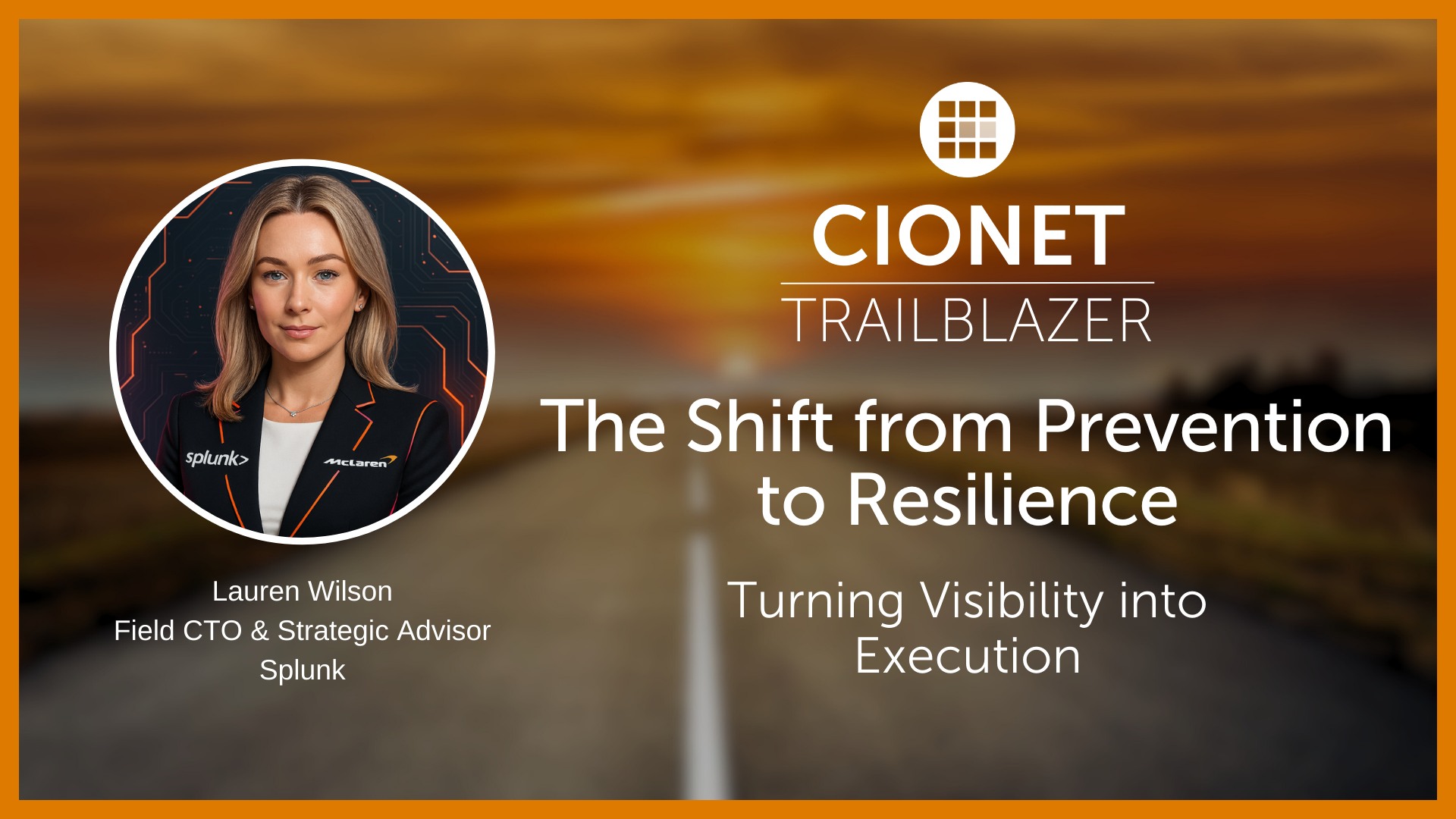
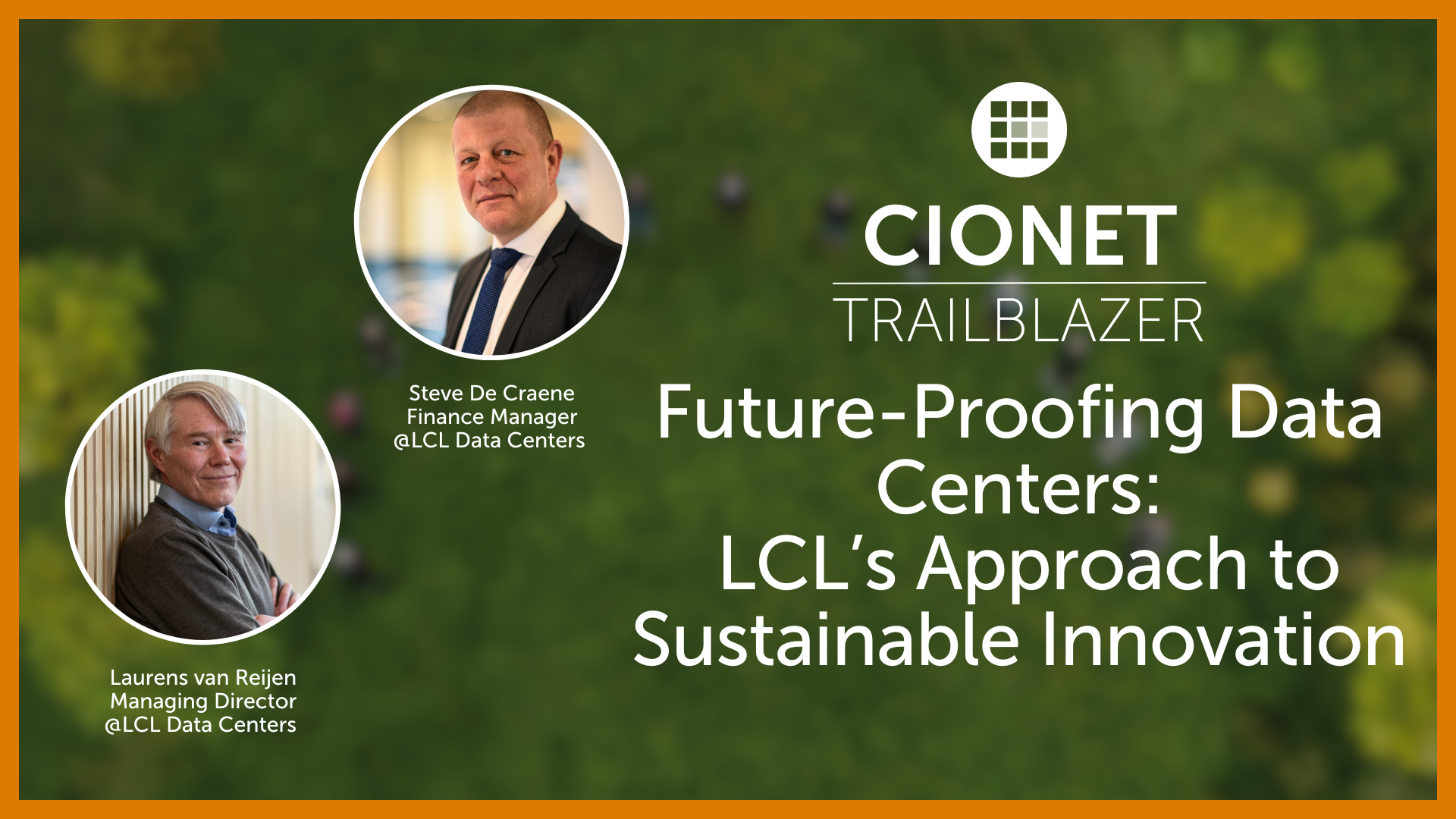
CIONET Trailblazer: CISO: The Shift from Prevention to Resilience: Turning Visibility into Execution
Published on: January 28, 2026 @ 9:48 AM
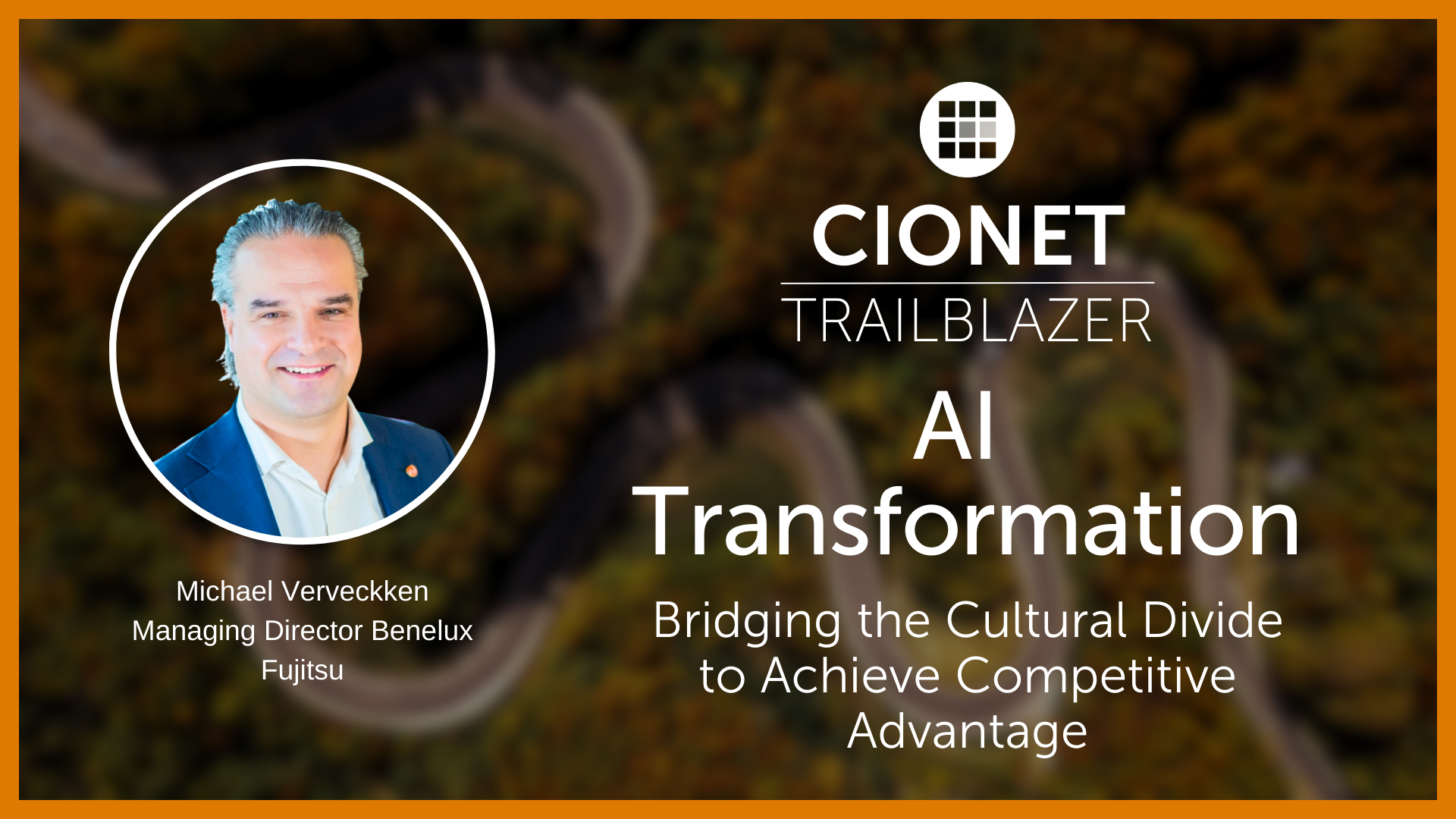
CIONET Trailblazer: AI Transformation: Bridging the Cultural Divide to Achieve Competitive Advantage
Published on: December 17, 2025 @ 9:16 AM
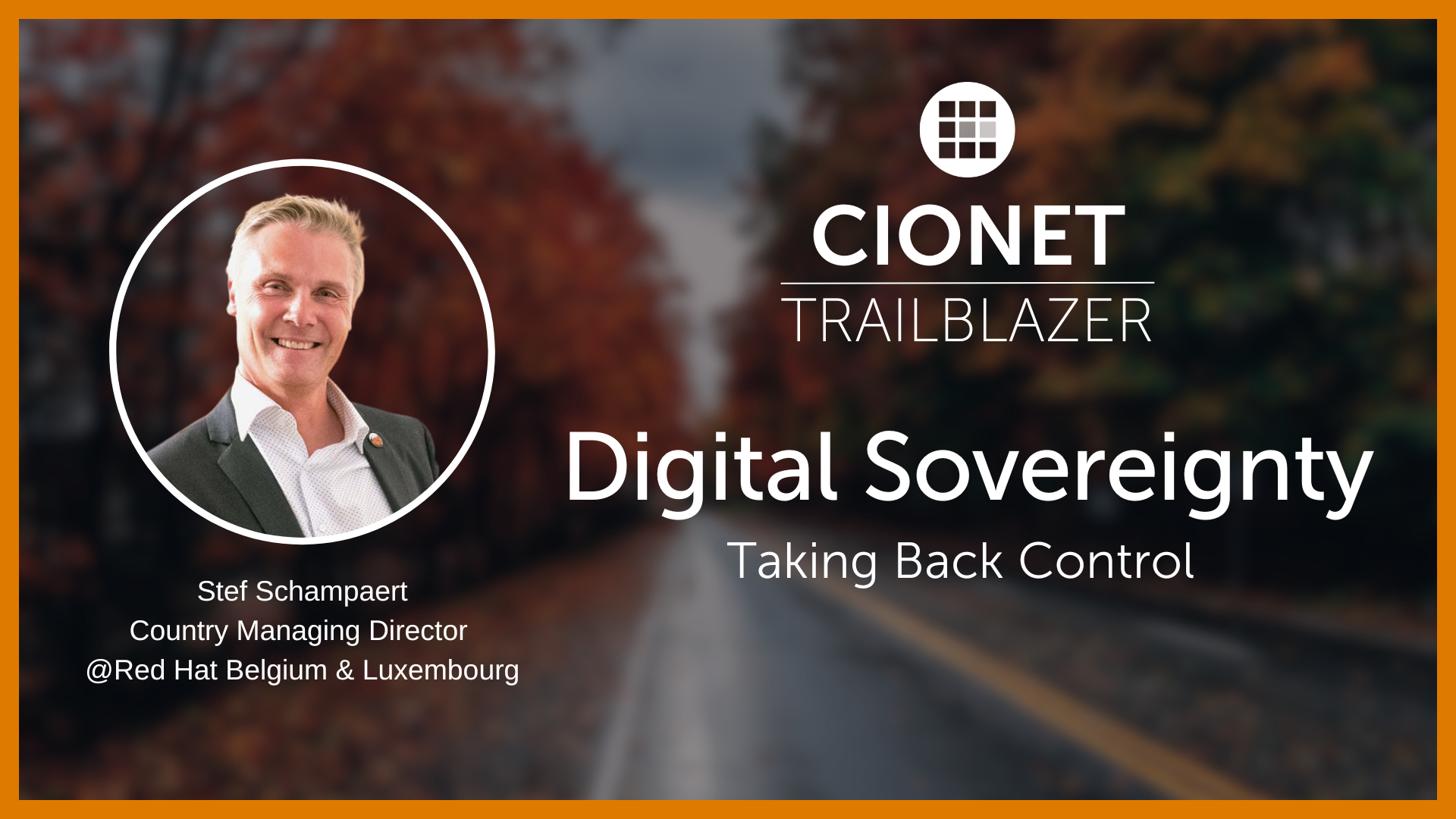
Published on: October 29, 2025 @ 11:31 AM
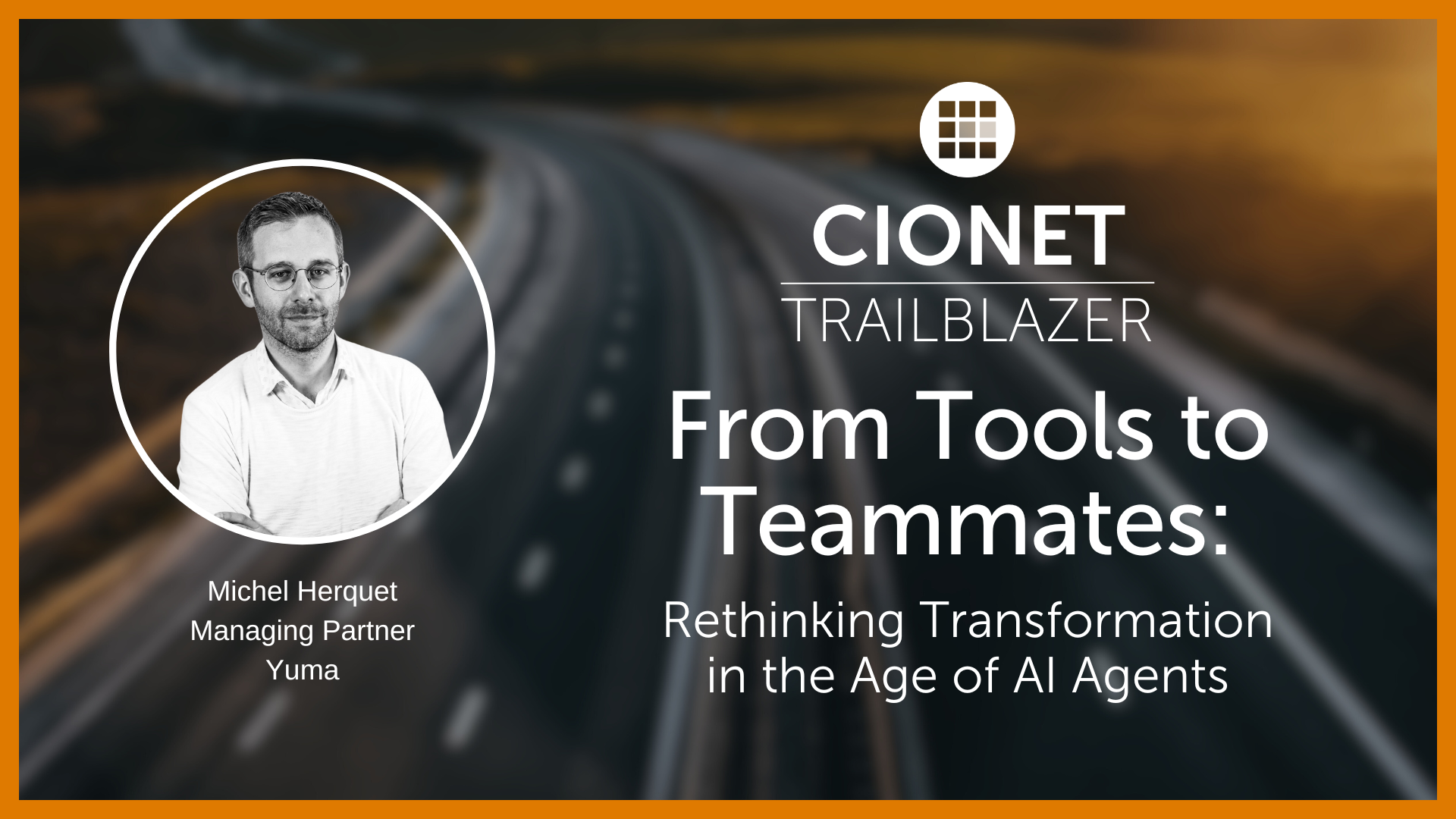
Published on: July 30, 2025 @ 9:19 AM
Published on: June 25, 2025 @ 9:14 AM
.png)
Published on: April 30, 2025 @ 9:04 AM
-1.png)
Published on: March 26, 2025 @ 9:59 AM
-1.png)
Published on: March 04, 2025 @ 5:07 PM
Published on: February 26, 2025 @ 10:51 AM
Published on: February 25, 2025 @ 4:14 PM
-4.png)
Published on: February 25, 2025 @ 10:33 AM
Published on: January 29, 2025 @ 9:58 AM
Published on: December 18, 2024 @ 9:07 AM
Published on: October 30, 2024 @ 9:34 AM
.png)
Published on: October 29, 2024 @ 11:37 AM
.png)
Published on: September 27, 2024 @ 10:41 AM
Published on: September 25, 2024 @ 8:59 AM
Published on: September 18, 2024 @ 3:44 PM
Published on: August 28, 2024 @ 10:10 AM
ABB has improved production through efficient data analysis by leveraging Azure Kubernetes Service to unify edge and cloud solutions to simplify application development and management.
AKS Edge Essentials is deployment agnostic, so we need to deploy only one application regardless of where it runs, whether on a minimally configured Windows IoT device, a large machine with Linux, or in the cloud. AKS Edge Essentials removes that complexity. - Viswanathan Ramakrishnan: Vice President, Release Engineering & SaaS Operations - ABB
ABB is a leader in using electrification and automation technology to create more sustainable and resource-efficient processes and operations for its diverse group of customers. ABB solutions optimize the way things are manufactured, moved, powered, and operated. For more than 140 years, ABB has led the way in driving innovations that accelerate industrial transformation.
Massive amounts of industrial data are collected every day through the Industrial Internet of Things (IIoT). One major source of that data is condition monitoring data that reflects asset health and environmental safety in manufacturing equipment and facilities. A wide range of measurements, including gas emissions, electrical performance, vibration analytics, fluid and air pressure, and many others, are collected through hundreds of sensors and edge devices.
ABB offers multiple edge deployments through its Genix Industrial Analytics and AI suite that are used within its own operations and are offered to customers. As a gateway offering, Genix Edge AI collects thousands of points of data per second through edge devices and sends them to the Genix cloud, where they are stored and analyzed. As an operations technology (OT) analytics package, Genix Edge AI is used in highly regulated environments, or those without reliable internet connectivity, to collect and store the data on the edge device and perform processing or visualization on the machine. Finally, the Genix Edge AI OT Analytics and AI package with AI tools for machine learning is used to identify and analyze anomalies in the condition data and then either automatically adjust the system or alert an engineer that a problem is brewing.
Hundreds of edge devices are distributed globally across ABB operations and customer factories. Until 2019, many were typically Windows-based micro-PCs running in a simple client server environment. In the years since, ABB has migrated many of those edge workloads to Docker containers managed by Docker-based orchestration systems.
As the number of applications and devices increased, ABB found these solutions couldn’t scale to meet the growing and changing enterprise-level needs. Its developers also often had to build different versions of an application for the cloud, and for Windows and Linux.
When ABB started developing Genix Datalyzer in 2021, it realized the need for a Kubernetes orchestration system that would allow it to run its edge workloads on Linux or Windows on hundreds of existing Windows-based devices. Genix Datalyzer is an enterprise-grade, cloud-based analyzer fleet monitoring solution. It combines industrial analytics and AI into an enterprise-level AI of things (AIoT) solution that unlocks the value of data collected from large-scale, disbursed industrial environments.
“Genix Datalyzer needs to be deployed in a Kubernetes environment, sometimes on a small-scale PC and sometimes in the cloud. We wanted the orchestration to be consistent and require minimal development so we didn’t have to build it twice,“ says Vinod Ninan, Vice President of Product Management at ABB.
When ABB learned that AKS Edge Essentials meets those requirements and runs on smaller Windows-based devices that have lower compute and memory capacity, it contacted Microsoft to learn more. “We met with the Microsoft Edge product managers in late 2022 and articulated our need for an offering that we can use across edge and cloud in the same fashion,” recalls Ninan.
ABB was invited to participate in an early-access preview program evaluating AKS Edge Essentials with Genix Datalyzer.
Genix Datalyzer needs to be deployed in a Kubernetes environment, sometimes on a small-scale PC and sometimes in the cloud. We wanted the orchestration to be consistent and require minimal development so we didn’t have to build it twice. - Viswanathan Ramakrishnan: Vice President, Release Engineering & SaaS Operations - ABB

AKS Edge Essentials provides ABB with a highly scalable and reliable platform for managing containerized applications on the edge. “With AKS Edge Essentials, we can easily deploy, manage, and scale our AIoT analytics application on a compact and low-power device, which gives us more flexibility,” explains Viswanathan Ramakrishnan, Vice President of Release Engineering & SaaS Operations at ABB. “That means we can install it on most of our customers’ existing hardware and in remote locations where access to the cloud may be limited or unreliable.”
Robust load balancing and networking capabilities ensure that Genix Datalyzer is highly available and can handle traffic spikes without any downtime. Service discovery and automatic DNS management in AKS Edge Essentials make it easy to securely connect the application to other services and devices.
“Enhanced security and control features in AKS Edge Essentials help us to secure our AIoT analytics application on the edge and grant or restrict access based on user roles,” says Ramakrishnan.
By using AKS Edge Essentials to unify its edge and cloud data collection and processing, ABB will be able to create a single version of an application that provides consistent, repeatable, and scalable results whether on-premises or in the cloud.
“AKS Edge Essentials is deployment agnostic, so we need to deploy only one application regardless of where it runs, whether on a minimally configured Windows-based micro-PC, a large machine with Linux, or in the cloud. AKS Edge Essentials removes that complexity,” explains Ramakrishnan. This streamlined approach is already reducing development and deployment time by almost half.
ABB will also use Azure Arc in combination with AKS Edge Essentials as a single control plane to remotely manage and monitor the entire lifecycle of its Kubernetes deployments. “Using Azure Arc to manage our deployments gives us an ecosystem that integrates the entire fleet of applications into a single window,” says Ramakrishnan.
Using Azure Arc, customers can manage both Azure and non-Azure resources—such as virtual machines, Kubernetes clusters, and on-premises databases—as though they were native Azure resources, whether they reside on-premises, at the edge, or in other public clouds.
ABB is committed to helping optimize operations and meeting sustainability goals for both its own organization and for its customers. With the help of AKS Edge Essentials and Azure Arc, ABB will be able to quickly develop and deploy new apps that help further those goals.
“We have a whole GreenOps methodology in place,” says Ramakrishnan. “We are optimizing our code with green coding mechanisms by which we can proactively identify places where we don’t need to always operate at the highest level of efficiency. We can then taper down operations at certain times to consume less power.”
ABB is also exploring opportunities to deploy datacenters in areas where they can be powered by renewable energy.
By reducing development and deployment complexity for such applications with the help of AKS Edge Essentials, ABB will make predictive maintenance more practical. The ability to affordably monitor assets 24/7 will allow ABB and its customers to identify anomalies much quicker than if relying on periodic condition monitoring. More timely data will drive more timely adjustments to help avoid costly downtime or fines from failing to meet emissions requirements.
The initial pilots of AKS Edge Essentials showed that ABB will be able to help customers to accelerate the deployment time of such solutions.
“I want to underscore the forward-looking significance of AKS Edge Essentials in elevating the customer experience in the condition monitoring space. By integrating modern technologies and advanced analytics into our devices, we are poised to provide customers with a forward-looking and seamless user experience in edge and cloud,” says Anshul Arora, Lead Product Manager for Genix Datalyzer and NextGen Condition Monitoring at ABB.
ABB will start expanding the use of Genix Datalyzer running on AKS Edge Essentials and Azure Arc to its customers starting in 2024. “Our rollout plan is to migrate hundreds of edge devices to this new AKS Edge Essentials environment in the next few years,” says Ramakrishnan.
I want to underscore the forward-looking significance of AKS Edge Essentials in elevating the customer experience in the condition monitoring space. By integrating modern technologies and advanced analytics into our devices, we are poised to provide customers with a forward-looking and seamless user experience in edge and cloud. - Anshul Arora: Lead Product Manager for Genix Datalyzer and NextGen Condition Monitoring - ABB
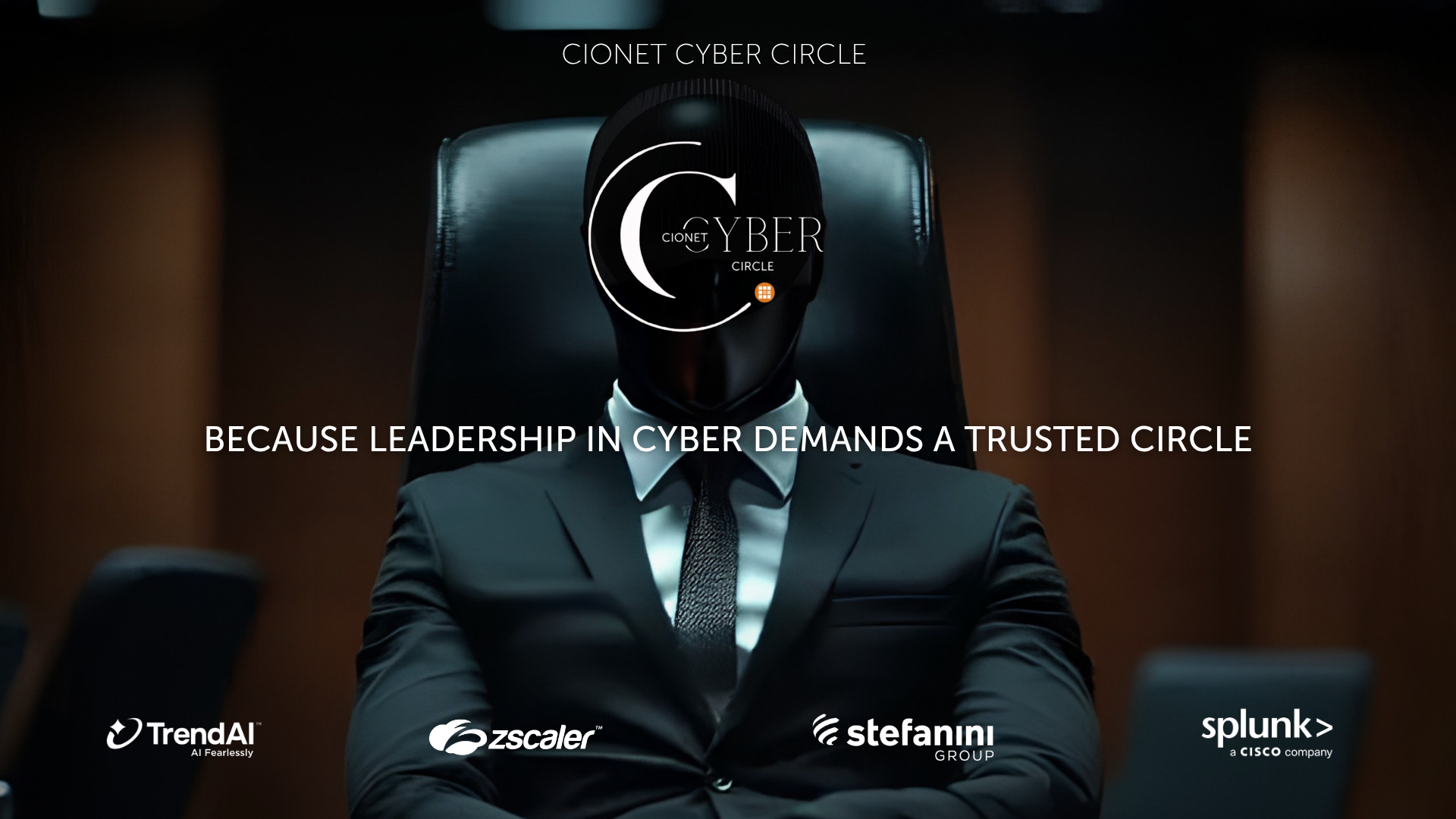
CIONET’s Cyber Circle: a new three-event programme exclusively focusing on the most urgent, complex, and high-impact challenges in cybersecurity today. Launched in 2026, this initiative brings together CISOs, CIOs, and senior IT executives with a strong interest in cybersecurity for three curated gatherings each year. As part of CIONET’s trusted executive community, the Cyber Circle provides a confidential, peer-driven environment to exchange insights, share real-world experiences, and address evolving cyber threats. Each session is designed to foster strategic dialogue, strengthen resilience, and elevate cybersecurity as a core driver of business value.
Read More.png)
The Telenet Business Leadership Circle powered by CIONET, offers a platform where IT executives and thought leaders can meet to inspire each other and share best practices. We want to be a facilitator who helps you optimise the performance of your IT function and your business by embracing the endless opportunities that digital change brings.
Read More
Découvrez la dynamique du leadership numérique aux Rencontres de CIONET, le programme francophone exclusif de CIONET pour les leaders numériques en Belgique, rendu possible grâce au soutien et à l'engagement de nos partenaires de programme : Deloitte, Denodo et Red Hat. Rejoignez trois événements inspirants par an à Liège, Namur et en Brabant Wallon, où des CIOs et des experts numériques francophones de premier plan partagent leurs perspectives et expériences sur des thèmes d'affaires et de IT actuels. Laissez-vous inspirer et apprenez des meilleurs du secteur lors de sessions captivantes conçues spécialement pour soutenir et enrichir votre rôle en tant que CIO pair. Ne manquez pas cette opportunité de faire partie d'un réseau exceptionnel d'innovateurs numériques !
Read More.jpg)
CIONET is committed to highlighting and celebrating female role models in IT, Tech & Digital, creating a leadership programme that empowers and elevates women within the tech industry. This initiative is dedicated to showcasing the achievements and successes of leading women, fostering an environment where female role models are recognised, and their contributions can ignite progress and inspire the next generation of women in IT. Our mission is to shine the spotlight a little brighter on female role models in IT, Tech & Digital, and to empower each other through this inner network community.
Read More


-Apr-01-2022-10-58-34-57-AM.png)









-Dec-13-2023-10-53-15-5032-AM.png)



-Jun-12-2023-01-23-11-7540-PM.png)




-Apr-01-2022-10-58-34-68-AM.png)






.png)



%20(003).png)
.png)

.png)









-Sep-01-2022-02-47-55-60-PM.png)
-Nov-22-2023-08-56-42-6802-AM.png)
.png)


.png "be-page-banner (1)")
.png)
.png)
.png)
.png)