

.png)
Belgium 20-10-2026 Squad Only Virtual English
Cloud decisions are becoming more selective. The challenge is deciding where each workload should run based on cost, performance, control, resilience, sovereignty, and business need. Three pressure points usually drive the decision. - Cost visibility becomes harder when usage grows across cloud services, data platforms, and AI workloads. - Performance and latency matter more when systems need fast access to data or support operational processes. - Sovereignty and resilience become critical when data location, continuity, vendor dependency, and exit options enter the discussion. The working question is simple: how do we place workloads where they create the most value while keeping the hybrid landscape manageable? If these trade-offs are on your agenda, let’s compare how others are handling similar choices.
Read More.png)
Belgium 10-11-2026 Squad Only Virtual English
Data platforms are meant to simplify access and support better use of data. The challenge is choosing and governing the platform landscape in a way that creates consistency, reuse, and long-term value. Three pressure points usually appear. - Platform choice becomes difficult when teams have different needs for speed, flexibility, cost, and control. - Business meaning needs protection: customer, revenue, product, risk, and FTE need shared definitions across tools. - Ownership and governance need to be clear, so platforms grow with accountability and discipline. The working question is simple: how do we give teams the data capabilities they need while keeping the platform landscape understandable, governed, and reusable? If these questions are familiar, let’s compare approaches with others facing the same data landscape.
Read More.png)
Belgium 13-11-2026 Squad Only Physical English
Many IT capabilities are essential and difficult to fund through a simple project ROI. The challenge is showing why architecture, governance, resilience, cybersecurity maturity, data foundations, and AI readiness deserve investment before the gap becomes expensive. Three pressure points make the case harder. - Shared value means the benefit often sits across several teams, while the budget sits in one place. - Timing creates friction because the cost is immediate while the value appears over time. - Risk translation is needed so business and finance leaders understand the consequence of delaying the investment. The working question is simple: how do we turn foundational IT capabilities into credible investment cases that link cost, risk, business value, and future flexibility? If you are building these cases internally, let’s compare how others are positioning value, risk, and timing.
Read More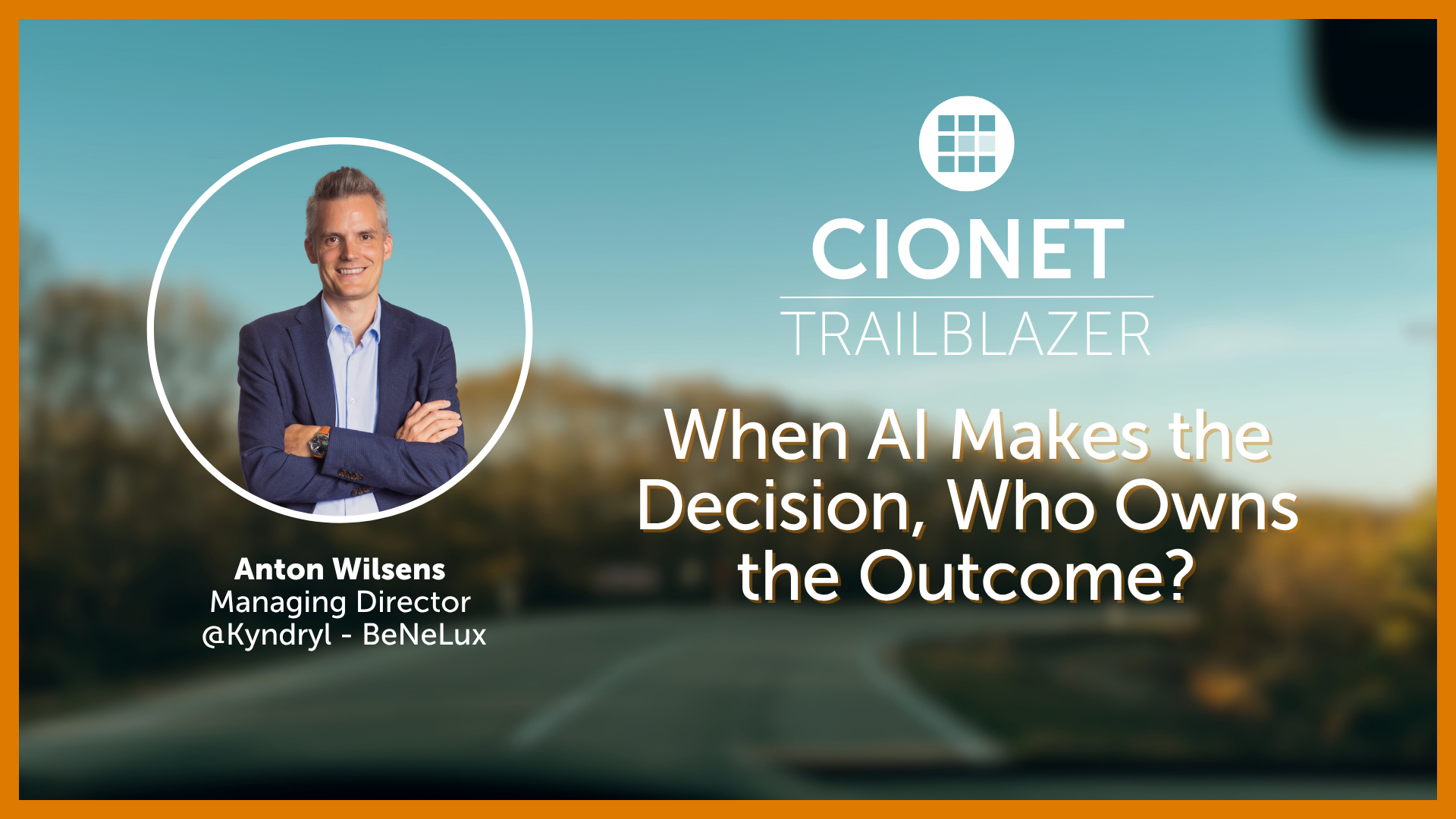
Published on: September 30, 2026 @ 1:17 PM
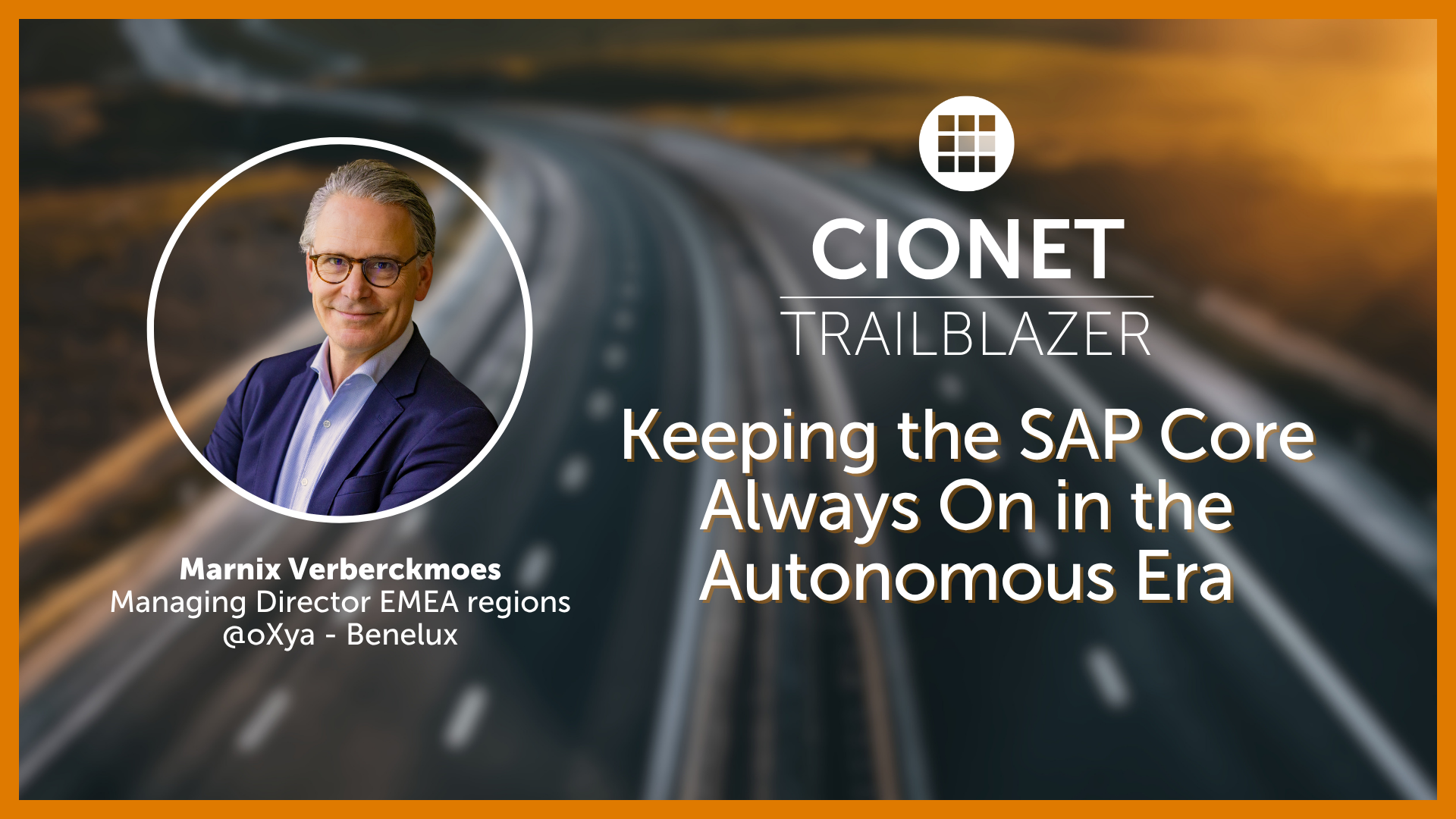
Published on: August 26, 2026 @ 9:13 AM
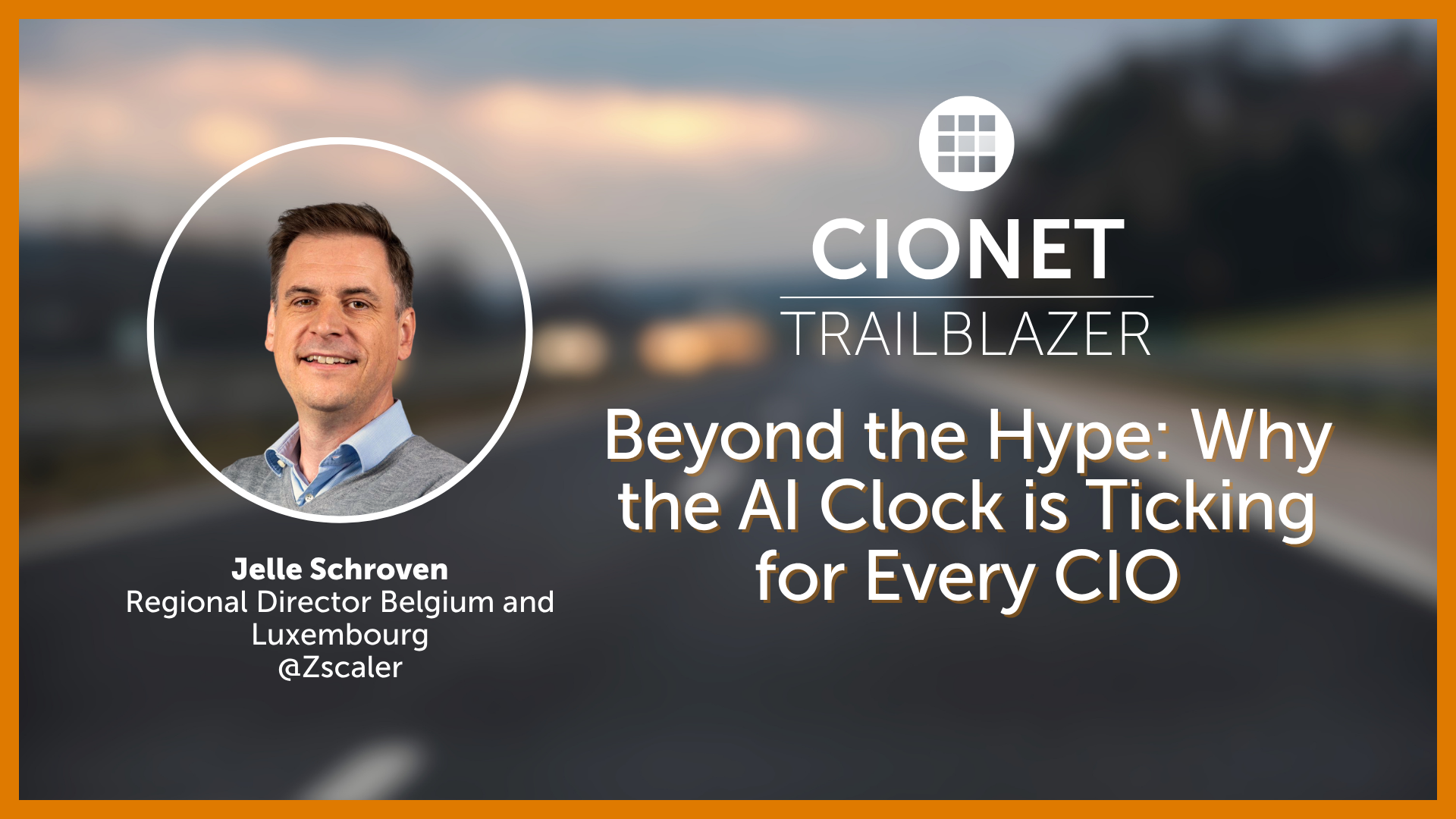
Published on: July 29, 2026 @ 10:08 AM
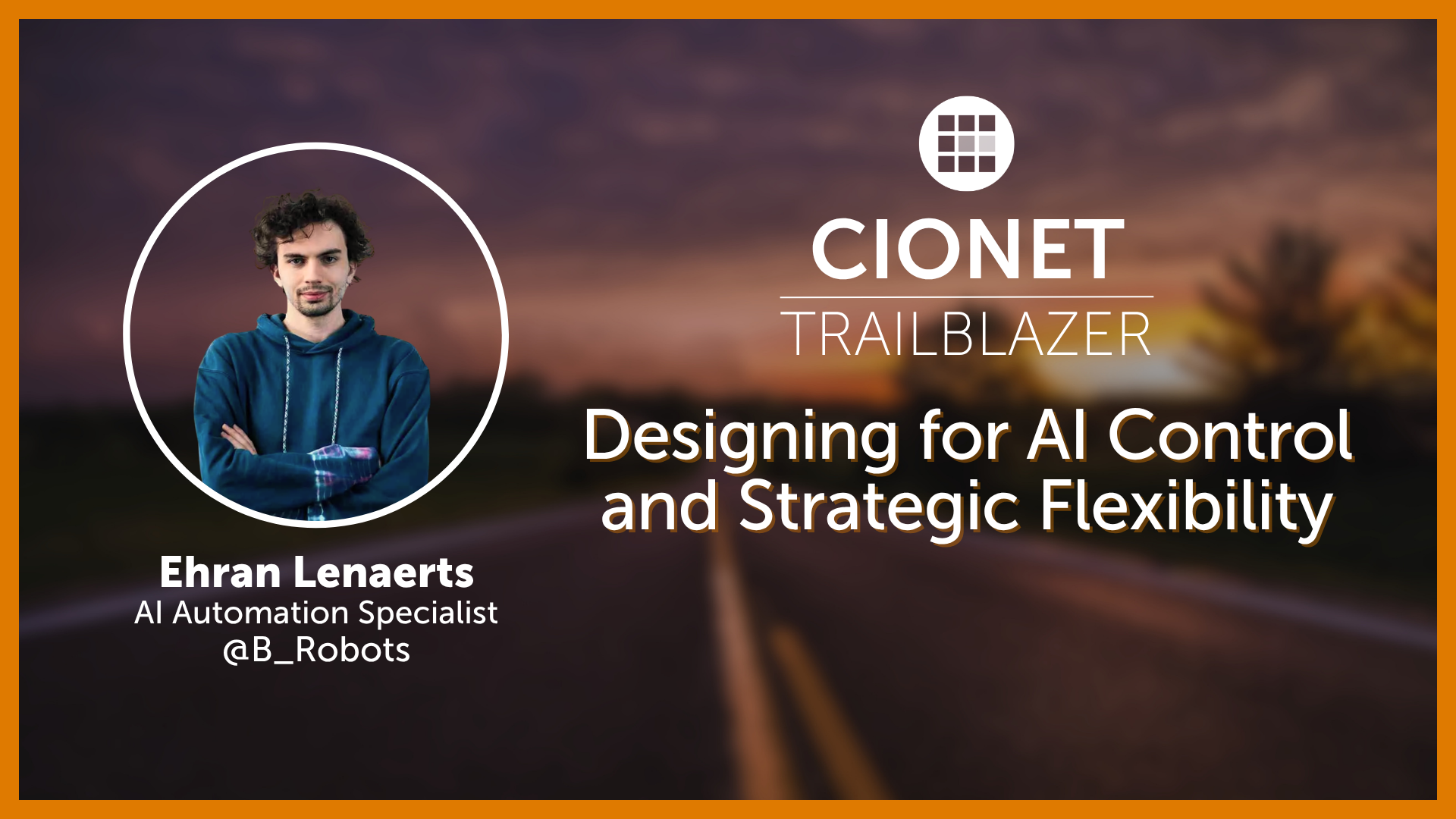
Published on: June 24, 2026 @ 5:00 PM

Published on: May 27, 2026 @ 9:21 AM
Published on: May 07, 2026 @ 4:02 PM
.png)
Published on: April 29, 2026 @ 9:11 AM
Published on: March 26, 2026 @ 3:37 PM
-2.png)
Published on: March 25, 2026 @ 9:58 AM

Published on: March 13, 2026 @ 3:43 PM
-Feb-25-2026-10-01-07-2508-AM.png)
Published on: February 25, 2026 @ 11:01 AM
.png)
Published on: February 25, 2026 @ 9:00 AM

Published on: February 24, 2026 @ 5:00 PM
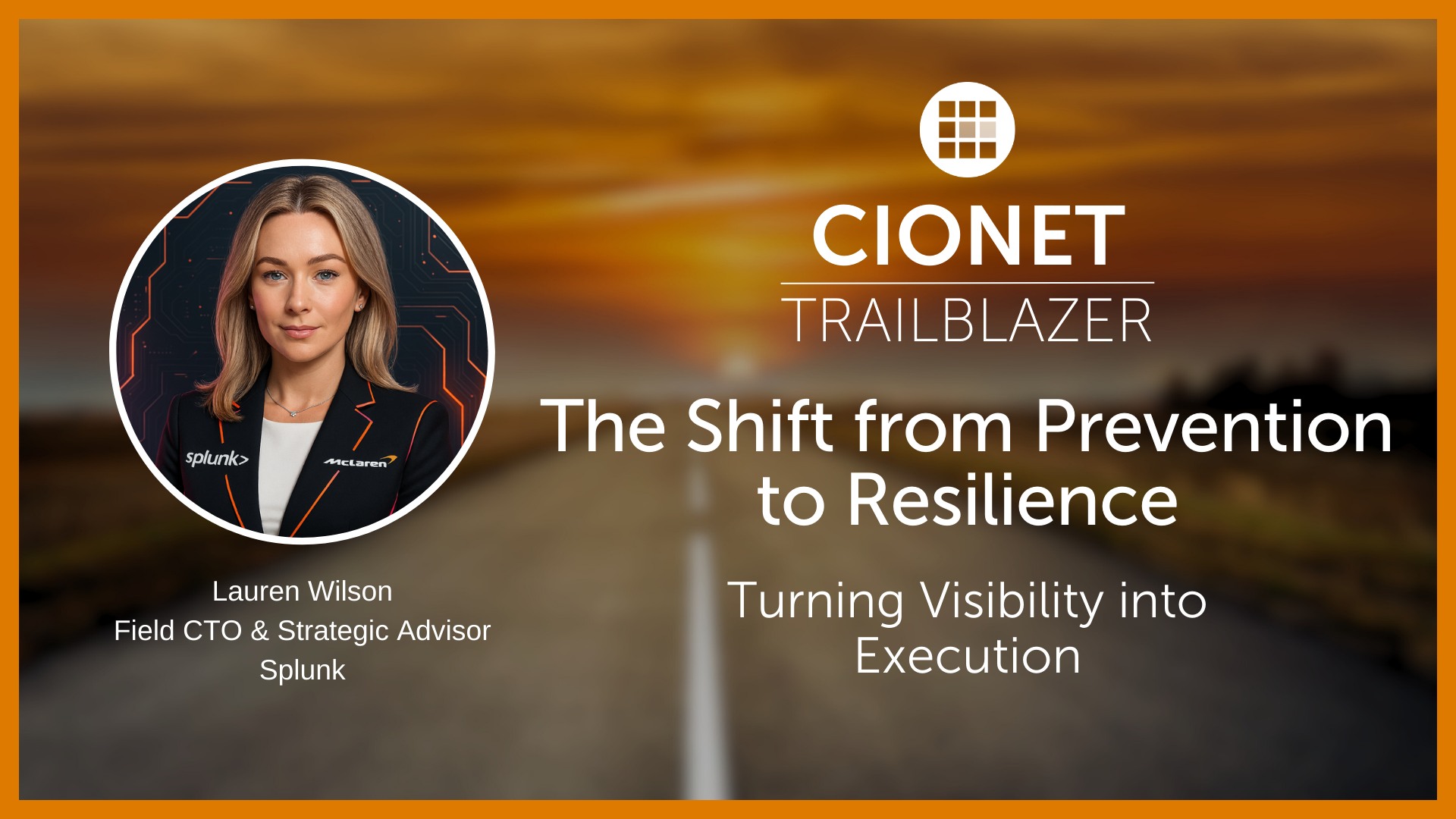
CIONET Trailblazer: CISO: The Shift from Prevention to Resilience: Turning Visibility into Execution
Published on: January 28, 2026 @ 9:48 AM
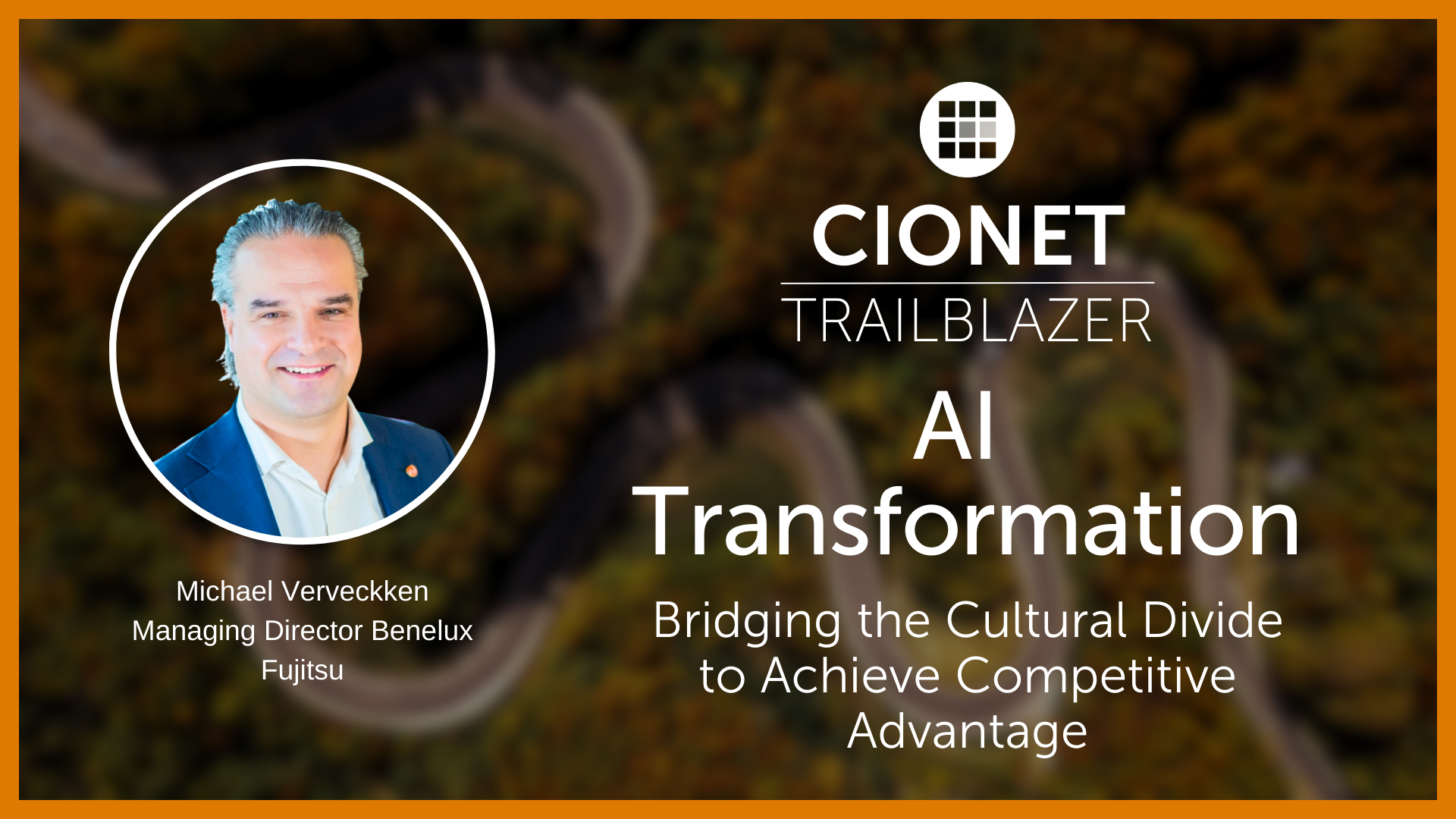
CIONET Trailblazer: AI Transformation: Bridging the Cultural Divide to Achieve Competitive Advantage
Published on: December 17, 2025 @ 9:16 AM
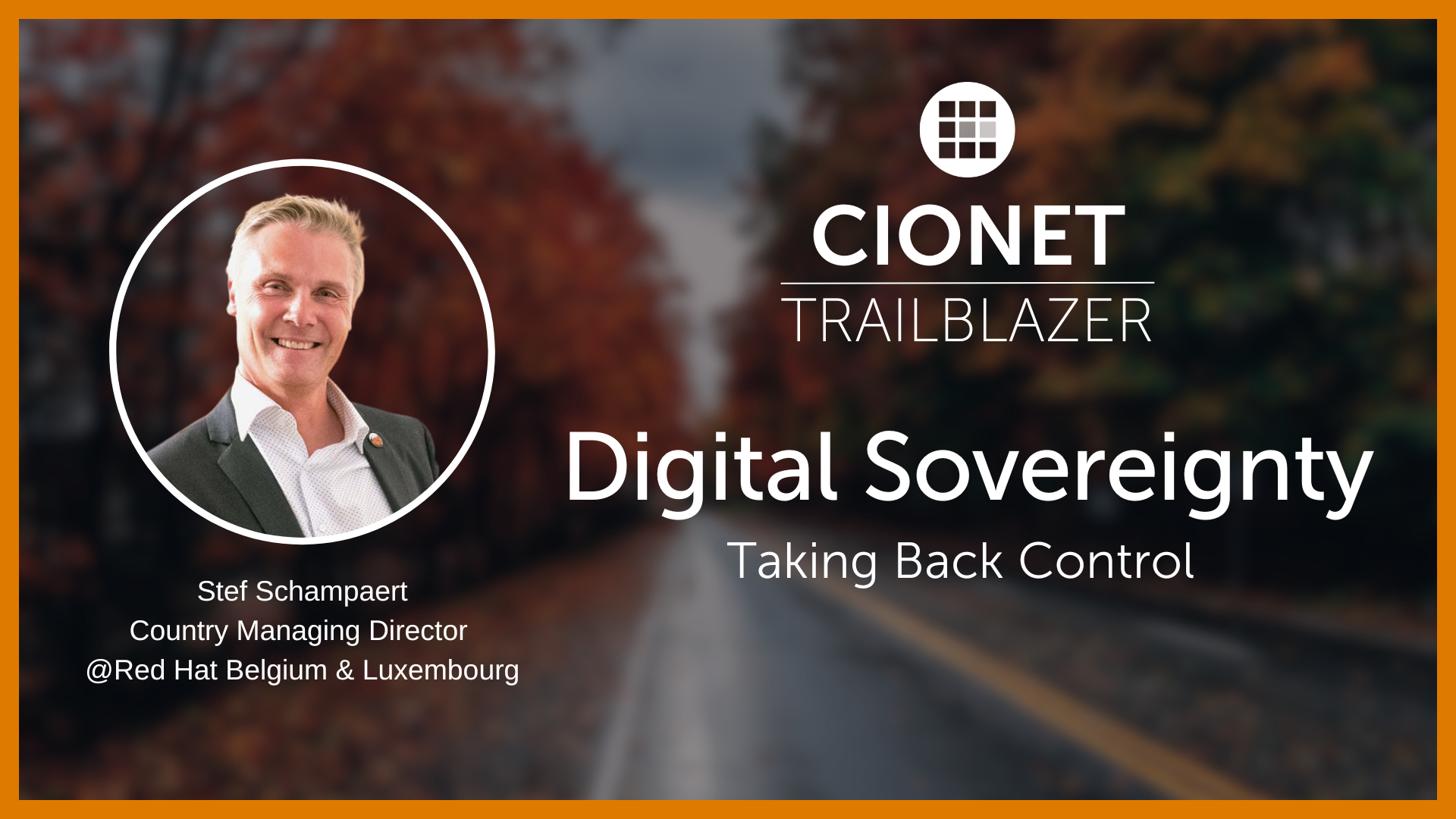
Published on: October 29, 2025 @ 11:31 AM
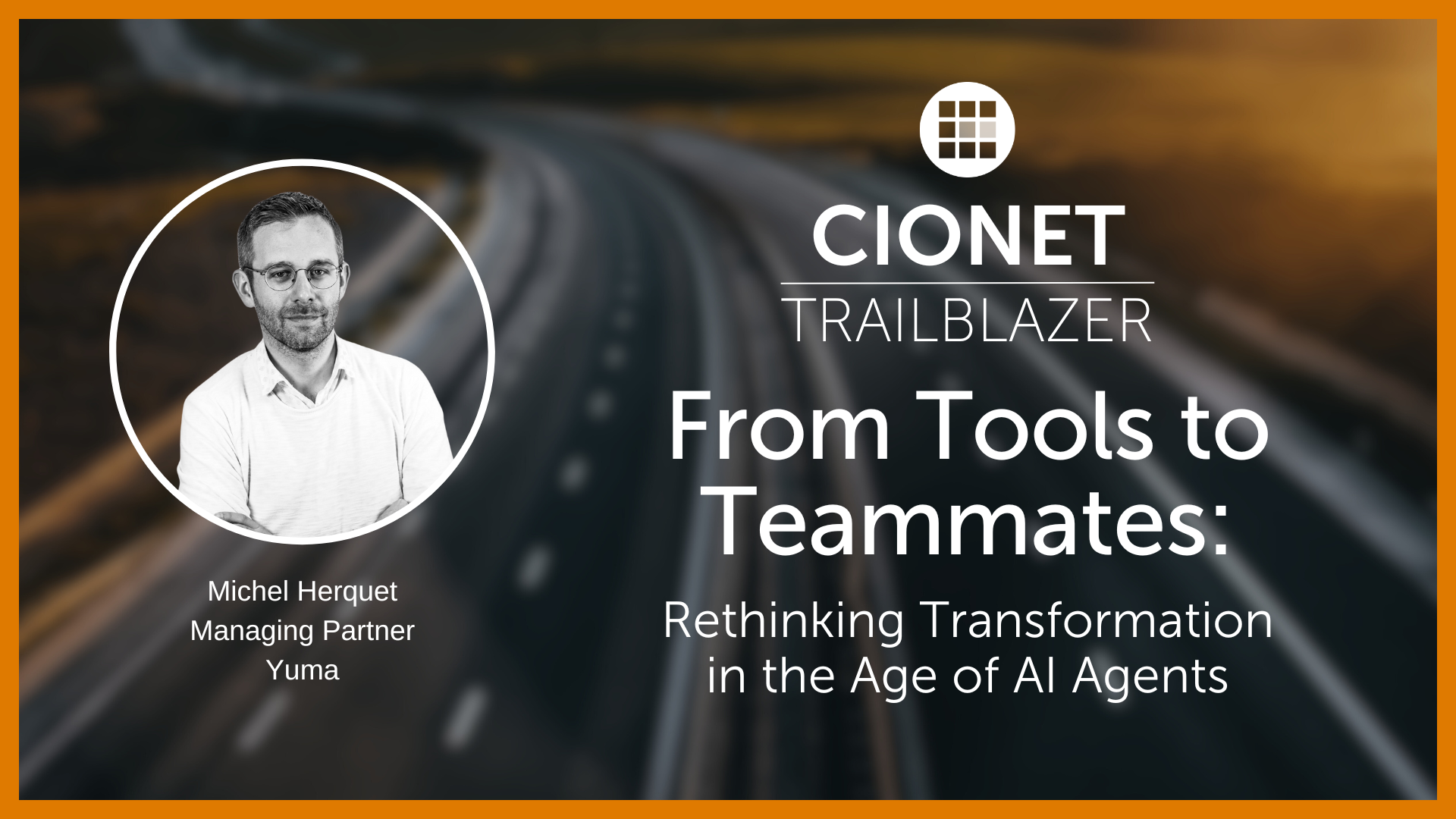
Published on: July 30, 2025 @ 9:19 AM
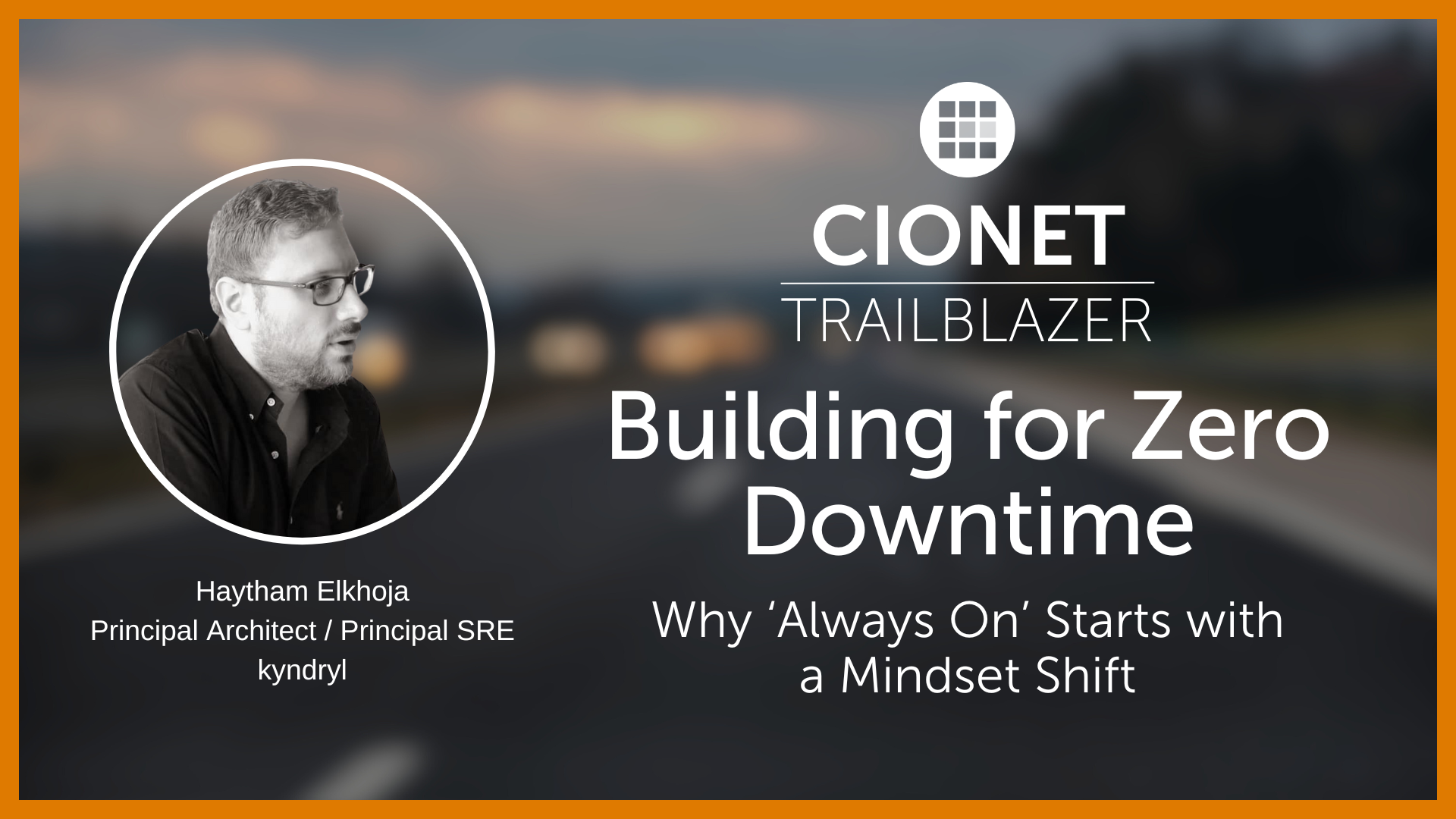
Published on: June 25, 2025 @ 9:14 AM
.png)
Published on: April 30, 2025 @ 9:04 AM
-1.png)
Published on: March 26, 2025 @ 9:59 AM
-1.png)
Published on: March 04, 2025 @ 5:07 PM
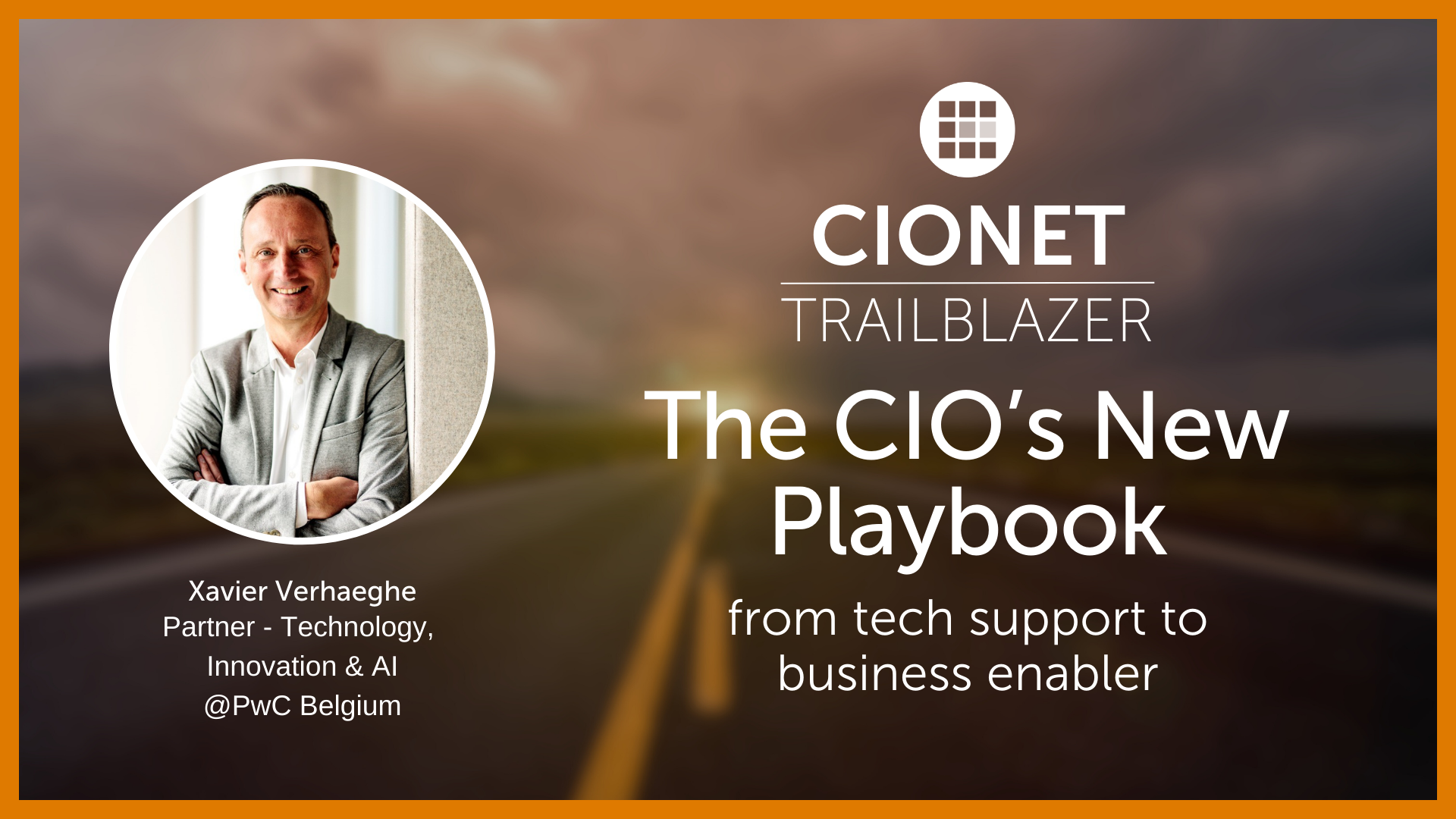
Published on: February 26, 2025 @ 10:51 AM
Published on: February 25, 2025 @ 4:14 PM
-4.png)
Published on: February 25, 2025 @ 10:33 AM
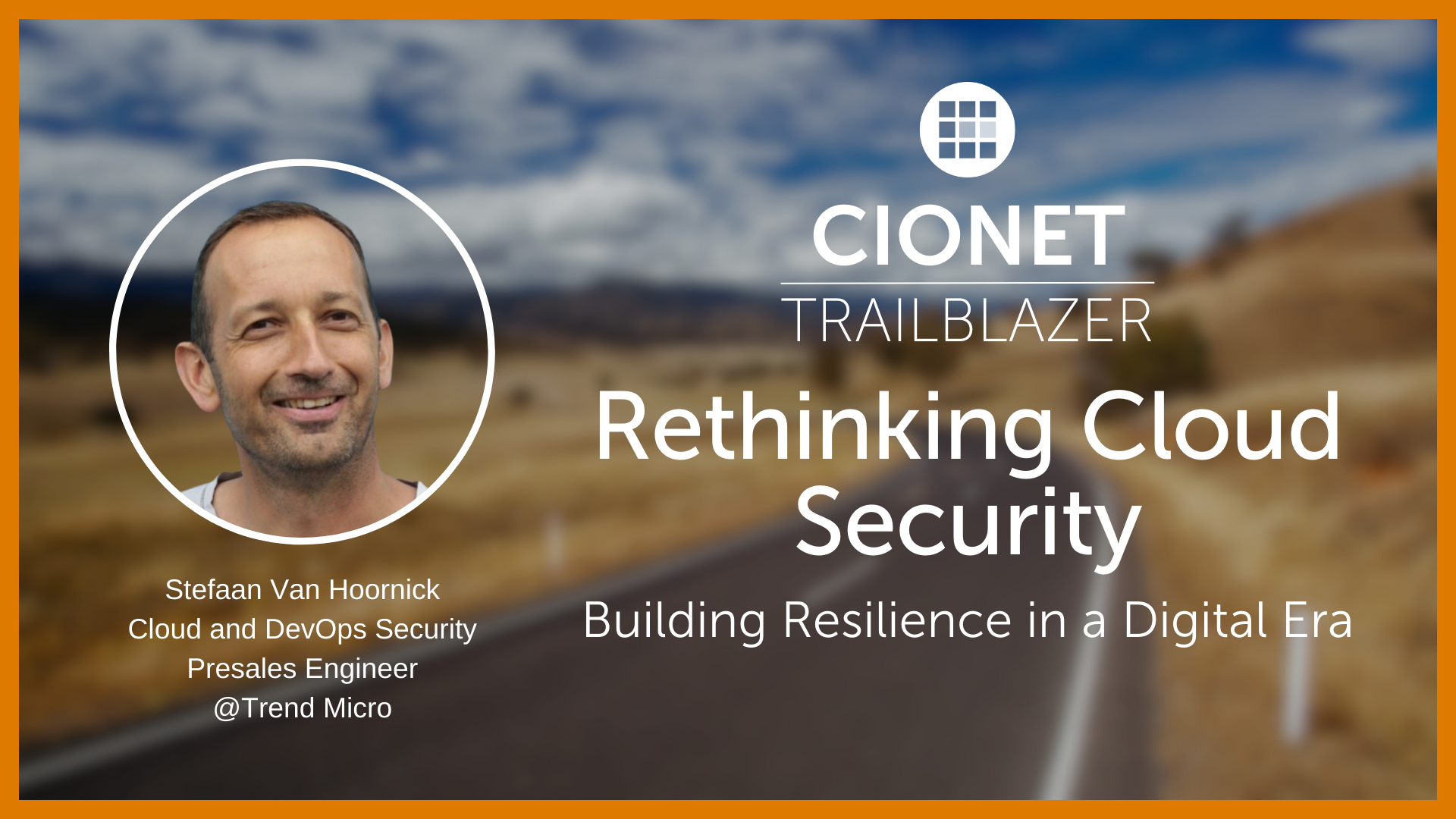
Published on: January 29, 2025 @ 9:58 AM
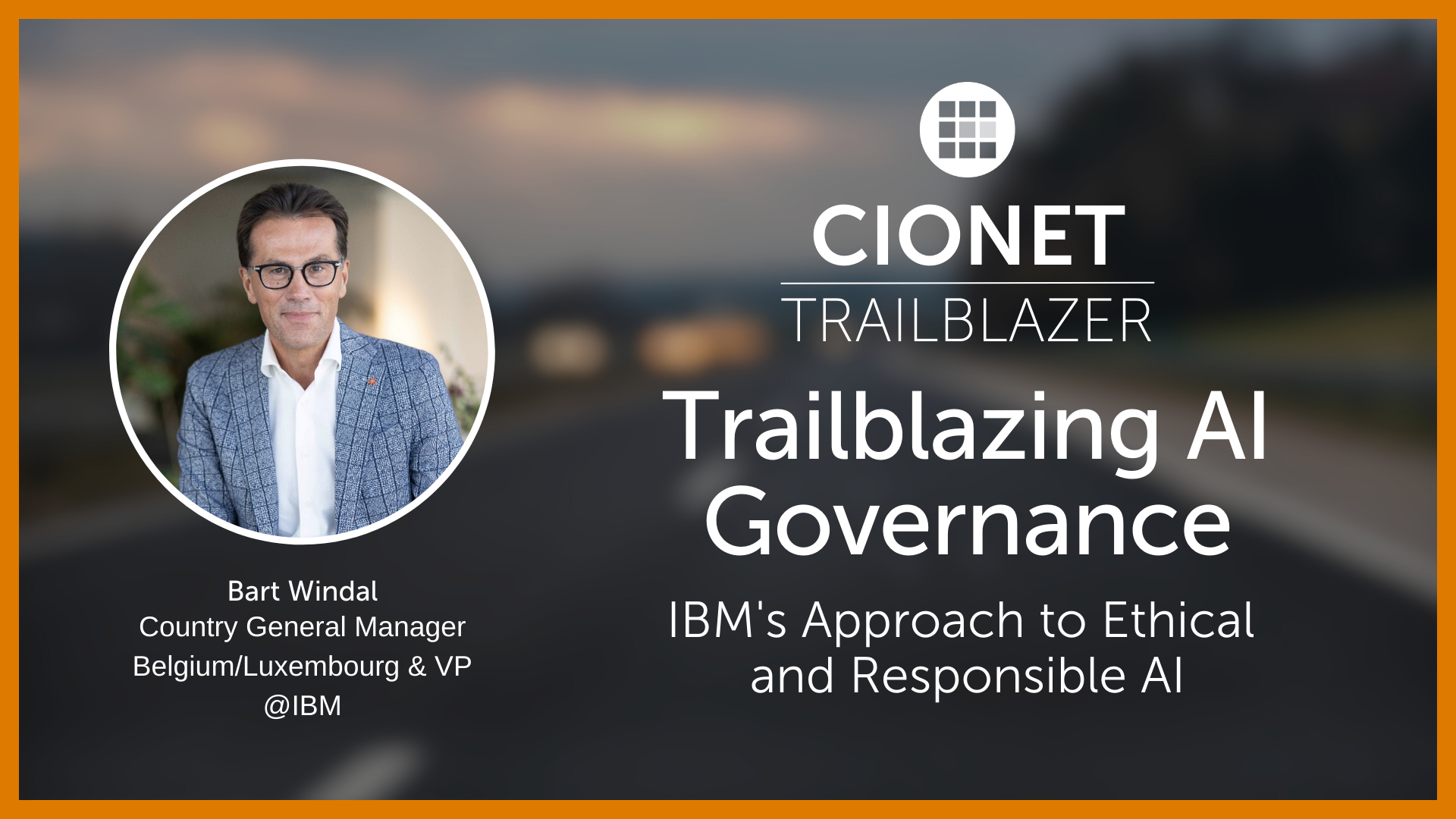
Published on: December 18, 2024 @ 9:07 AM
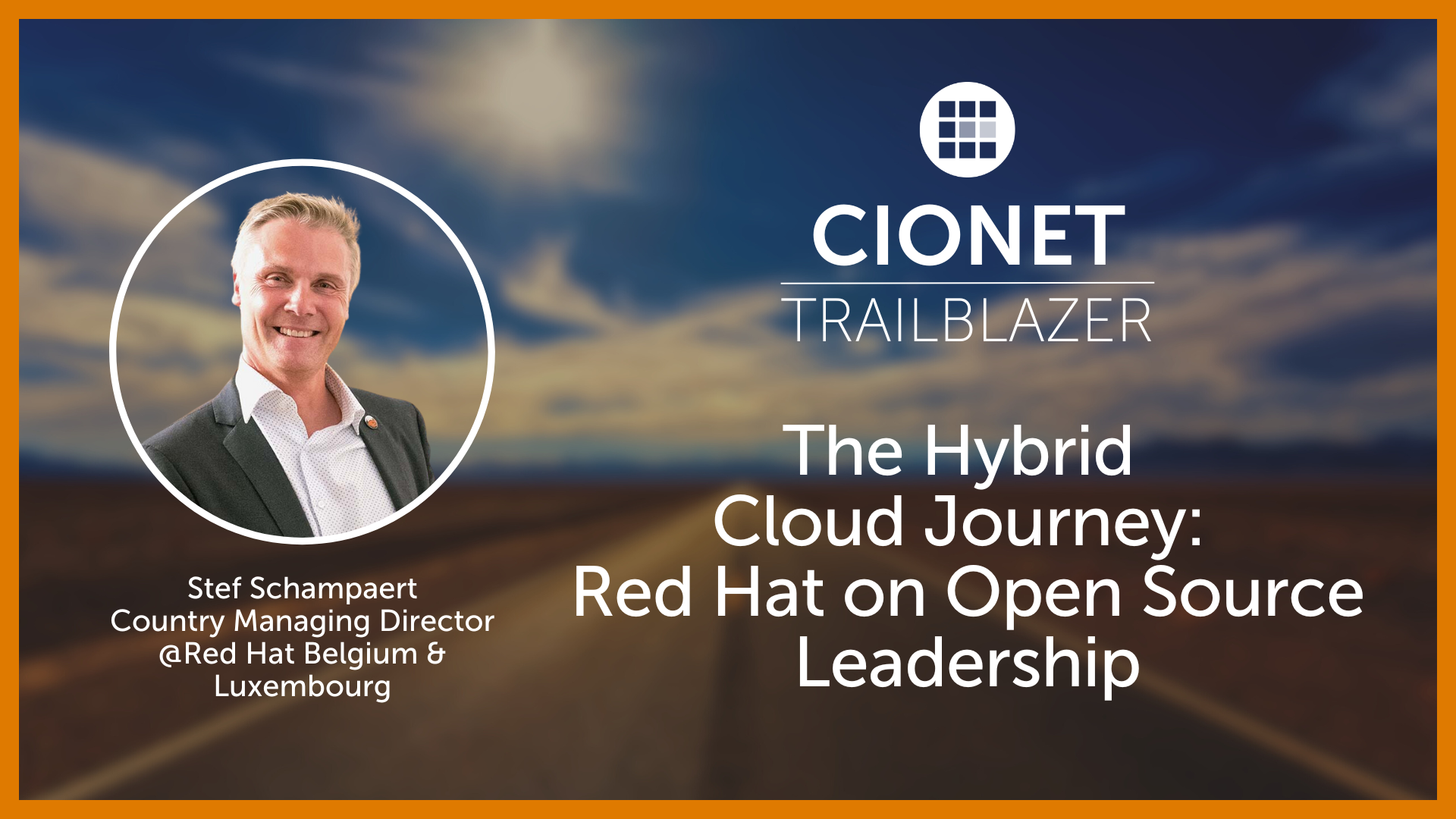
Published on: October 30, 2024 @ 9:34 AM
.png)
Published on: October 29, 2024 @ 11:37 AM
.png)
Published on: September 27, 2024 @ 10:41 AM
Published on: September 25, 2024 @ 8:59 AM
Published on: September 18, 2024 @ 3:44 PM
Published on: August 28, 2024 @ 10:10 AM
Volvo Group streamlines invoice and claims processing with Azure AI and AI Document Intelligence
Volvo Group, a global manufacturing leader, sought to streamline invoice and document processing, utilizing Microsoft Azure AI services and AI Document Intelligence. The solution, launched after a six-week pilot and four-month production timeline, automated data extraction from images and translation, saving Volvo Group over 10,000 manual hours.
Volvo Group cofounders Assar Gabrielsson and Gustaf Larson were always keen to remind workers and customers alike that “Automobiles are made by and for people.” Although this might seem like an obvious statement, the 96-year-old Swedish company made it their mission to continuously empower Volvo employees to create safe, high-quality vehicles that meet the changing needs of its customers and the populations they serve. “By using our innovation power to develop new solutions, we strive for a better everyday life for people around the world,” says Annavi Pushpalatha, Head of RPA & Workflow Digitization at Volvo Group.
As one of the world’s leading manufacturers of trucks, buses, construction equipment, and marine and industrial engines, Volvo Group continuously applies that innovation to every aspect of its business. As a result, everyone from shop floor workers in Volvo Group manufacturing plants to service and maintenance experts and customer experience professionals in 190 countries has benefited. The company’s innovative mindset also helps Volvo Group’s customers with everything from driving experiences to solutions for financing and service.
“We recently had two scenarios in service and financing we needed to transform, and both had to do with processing critical internal and customer-facing ‘paperwork,’ including invoices and credit notes,” says Malladi Kumara Datta, RPA Product Owner at Volvo Group. “The data was complex and came in a variety of forms, including emails, digital and scanned PDFs, and written bills.” Some of the documents were stamped or contained images, and many had tables across multiple pages. There were also other documents like freight receipts, contracts, and terms and conditions, complicating the processes.
“Our automation team was tasked with coming up with a solution that could be more efficient and help the company better utilize the data it was collecting in these differing forms,” says Datta. A primary goal for Volvo Group was to easily extract accurate data from documents containing images, stamps, and printed text with handwritten notes over it. The other main goal was to take documents in multiple languages and translate their information into the specified language of the team needing the information. Datta says that the solution not only needed to read the data; it also had to make decisions based on that data, including whether or not it needed translation, and direct the data to the right team or archive, depending on the stage it was in the process.
Volvo Group wanted a flexible platform solution that could evolve with Microsoft Azure AI services and other Microsoft technologies like Azure AI Document Intelligence. “We needed advanced capabilities, especially with AI Document Intelligence, to help us create a solution that extracts data from images—including photographs, stamps, and seals—and overwritten text to gain more detailed information about the products or services accounted for in the documents,” says Datta. “A technology which could quickly produce accurate text in multiple languages.”
“The documents are received through Microsoft Outlook, and we use Power Automate cloud connector for Office 365 to copy, for example, a particular PDF file,” says Pushpalatha. “Using Azure Data Factory, we can preprocess documents to remove noise from scanned images, rotate and sequence images, and trim unnecessary pages. The output is either an XML or CSV file, depending on the Volvo Group division it will be sent to.” After the automation lifecycle, files are removed from storage and archived in a designated system.
Volvo Group also employed Power Automate to create a data table in SharePoint detailing processing times for each document. The data was then linked to a Power BI report to track metrics such as average processing time, throughput time, and success rate of the automation. “The Azure solution gives us a lot of flexibility to innovate,” says Datta.
“Working with Microsoft and the Customer Success Unit, we went from a six-week proof of concept to a four-month production timeline,” says Pushpalatha. Volvo Group has rolled out the solution in multiple markets to date, but further rollouts are planned to create a better employee experience. This solution will be added with new features that bring even more pre-processing and automation possibilities.
Since launch, the company has saved 10,000 manual hours—about 850-plus manual hours per month. “The time savings are significant, and of course, automation brings better quality,” says Datta. “But for us it’s about employee experience and customer experience, how seamlessly these documents are processed.” Datta adds that the most important factor is that employees are giving positive reports and liking their work more. “Across the board, they have more time to focus on innovation and tasks related to their specific skill sets.”
Pushpalatha agrees, “We know this directly impacts the relationships between Volvo Group divisions and customers. When people are more satisfied with their work, it creates a better experience for everyone.”

CIONET’s Cyber Circle: a new three-event programme exclusively focusing on the most urgent, complex, and high-impact challenges in cybersecurity today. Launched in 2026, this initiative brings together CISOs, CIOs, and senior IT executives with a strong interest in cybersecurity for three curated gatherings each year. As part of CIONET’s trusted executive community, the Cyber Circle provides a confidential, peer-driven environment to exchange insights, share real-world experiences, and address evolving cyber threats. Each session is designed to foster strategic dialogue, strengthen resilience, and elevate cybersecurity as a core driver of business value.
Read More.png)
The Telenet Business Leadership Circle powered by CIONET, offers a platform where IT executives and thought leaders can meet to inspire each other and share best practices. We want to be a facilitator who helps you optimise the performance of your IT function and your business by embracing the endless opportunities that digital change brings.
Read More
Découvrez la dynamique du leadership numérique aux Rencontres de CIONET, le programme francophone exclusif de CIONET pour les leaders numériques en Belgique, rendu possible grâce au soutien et à l'engagement de nos partenaires de programme : Deloitte, Denodo et Red Hat. Rejoignez trois événements inspirants par an à Liège, Namur et en Brabant Wallon, où des CIOs et des experts numériques francophones de premier plan partagent leurs perspectives et expériences sur des thèmes d'affaires et de IT actuels. Laissez-vous inspirer et apprenez des meilleurs du secteur lors de sessions captivantes conçues spécialement pour soutenir et enrichir votre rôle en tant que CIO pair. Ne manquez pas cette opportunité de faire partie d'un réseau exceptionnel d'innovateurs numériques !
Read More.jpg)
CIONET is committed to highlighting and celebrating female role models in IT, Tech & Digital, creating a leadership programme that empowers and elevates women within the tech industry. This initiative is dedicated to showcasing the achievements and successes of leading women, fostering an environment where female role models are recognised, and their contributions can ignite progress and inspire the next generation of women in IT. Our mission is to shine the spotlight a little brighter on female role models in IT, Tech & Digital, and to empower each other through this inner network community.
Read More


-Apr-01-2022-10-58-34-57-AM.png)









-Dec-13-2023-10-53-15-5032-AM.png)



-Jun-12-2023-01-23-11-7540-PM.png)




-Apr-01-2022-10-58-34-68-AM.png)






.png)




%20(003).png)



.png)



.png)










-Sep-01-2022-02-47-55-60-PM.png)
-Nov-22-2023-08-56-42-6802-AM.png)
.png)


.png "be-page-banner (1)")
.png)
.png)
.png)
.png)