

Belgium 13-11-2026 Squad Only Physical English
Many IT capabilities are essential and difficult to fund through a simple project ROI. The challenge is showing why architecture, governance, resilience, cybersecurity maturity, data foundations, and AI readiness deserve investment before the gap becomes expensive. Three pressure points make the case harder. - Shared value means the benefit often sits across several teams, while the budget sits in one place. - Timing creates friction because the cost is immediate while the value appears over time. - Risk translation is needed so business and finance leaders understand the consequence of delaying the investment. The working question is simple: how do we turn foundational IT capabilities into credible investment cases that link cost, risk, business value, and future flexibility? If you are building these cases internally, let’s compare how others are positioning value, risk, and timing.
Read More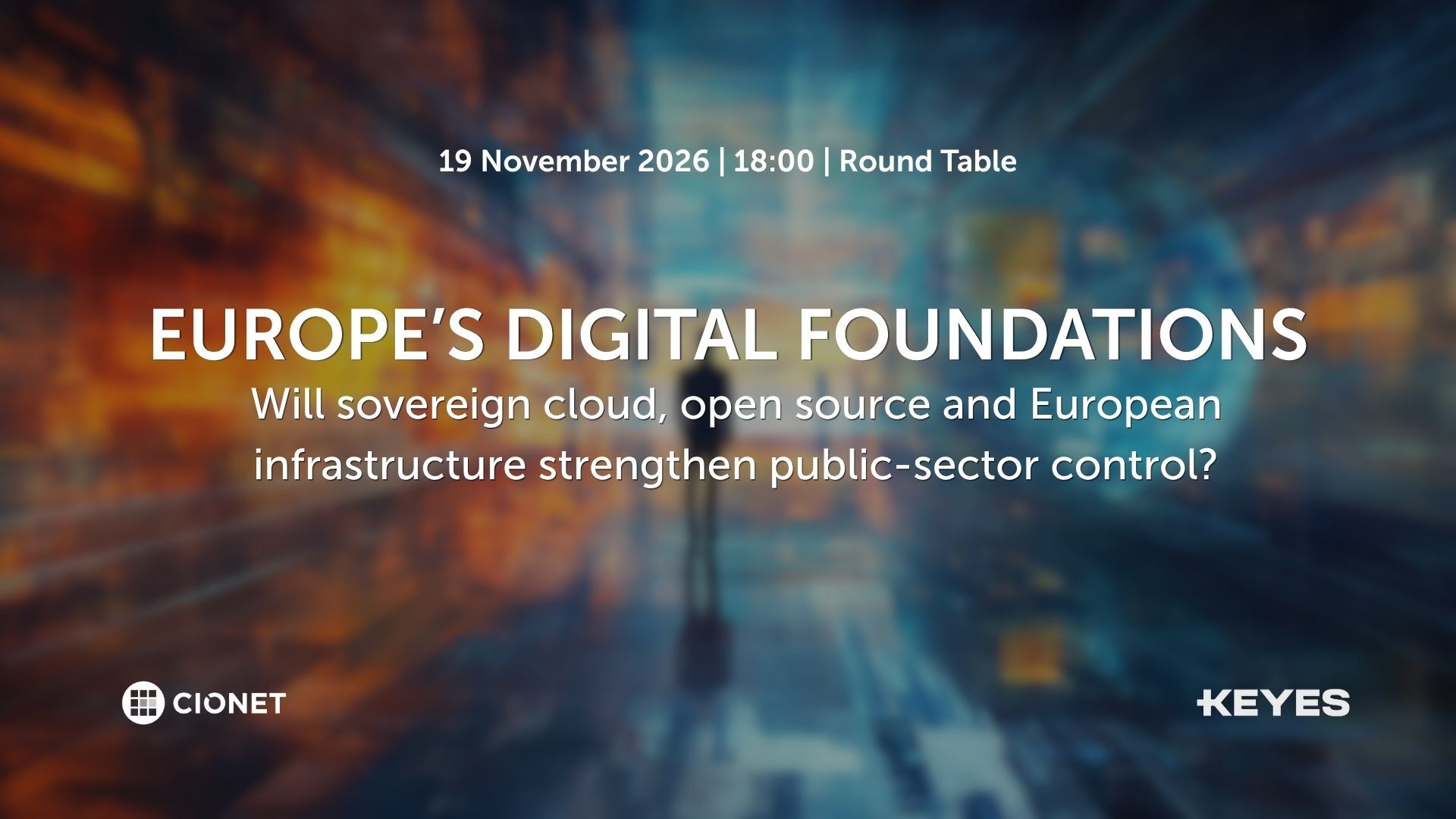
Belgium 19-11-2026 All Members Physical English
Public organisations are re-evaluating the digital foundations on which critical services depend. Cloud strategy is increasingly shaped by questions of operational control, legal exposure, supplier dependency, interoperability and long-term resilience. For public-sector leaders, the issue is not only where workloads are hosted, but how much strategic control remains over the technologies that support essential public services. This is where European cloud initiatives, sovereign infrastructure and open-source technologies become strategically important. Together, they can increase transparency, preserve portability and reduce dependency on individual providers. But they also raise practical questions around maturity, procurement, integration, support models and long-term sustainability. Open source brings a specific dimension to this discussion. It claims to better support transparency, interoperability and strategic autonomy, but it is also requiring clear governance, security controls and operational support. The opportunity is to understand where open technologies can strengthen the public-sector technology stack, where commercial platforms remain essential and how both can coexist within a coherent European digital strategy. Three questions shape the discussion: Which parts of the public-sector technology stack require stronger European control? What role should open-source technologies play in reducing dependency and strengthening transparency? Which governance and procurement decisions will determine whether a sovereign cloud strategy succeeds? Bringing these perspectives together can define where sovereign cloud and open technologies create strategic value, identify the decisions that deserve executive attention, and establish practical principles for strengthening Europe’s digital foundations while preserving flexibility and innovation. See you at the table?
Read More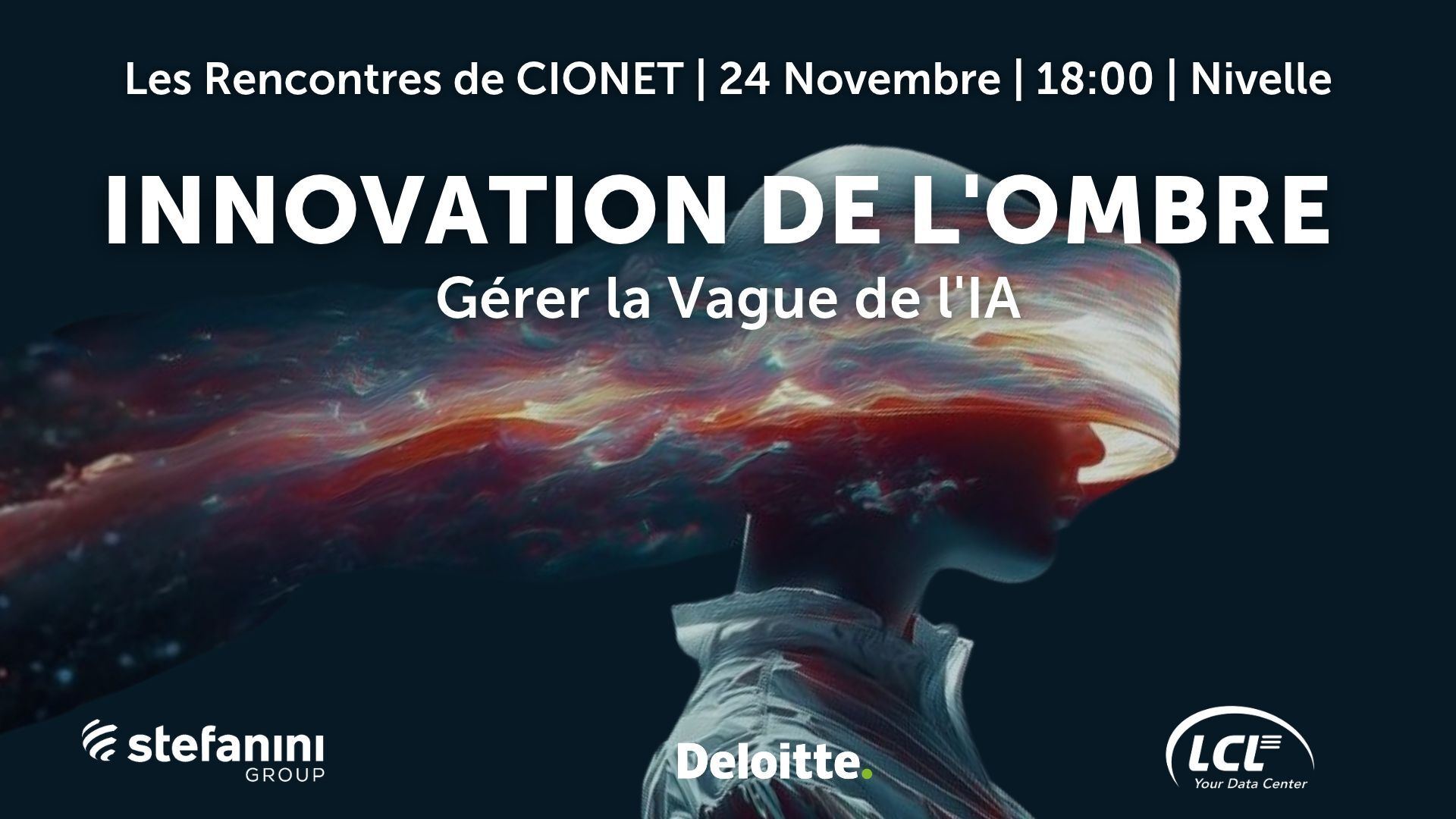
Belgium 24-11-2026 Country Members Physical French
Créativité vs. Chaos : Quelle est la gouvernance minimale ? Le défi principal est d'équilibrer le risque et le rythme du changement. Les équipes métier adoptent de nouveaux outils d'IA et low-code de leur propre chef, créant une véritable créativité mais aussi un risque massif et non géré. Cette discussion se concentre sur l'établissement de voies simples et sûres pour l'innovation, en débattant de la gouvernance minimale qui protège la réputation de l'entreprise tout en évitant l'erreur d'écraser les initiatives utiles dans l'ombre. Questions clés d'Échange entre pairs : Où l'innovation de l'ombre aide-t-elle plutôt que de nuire, et comment éviter de l'écraser ? Quelle est la gouvernance minimale qui protège la réputation tout en maintenant la vitesse, et à qui appartient-elle réellement ? Comment les pairs ont-ils réussi à transformer les efforts initiaux de l'ombre en services officiels soutenus sans perdre la confiance de l'entreprise ? Comment pouvons-nous rendre plus facile d'innover de manière responsable que de simplement agir en franc-tireur ?
Read More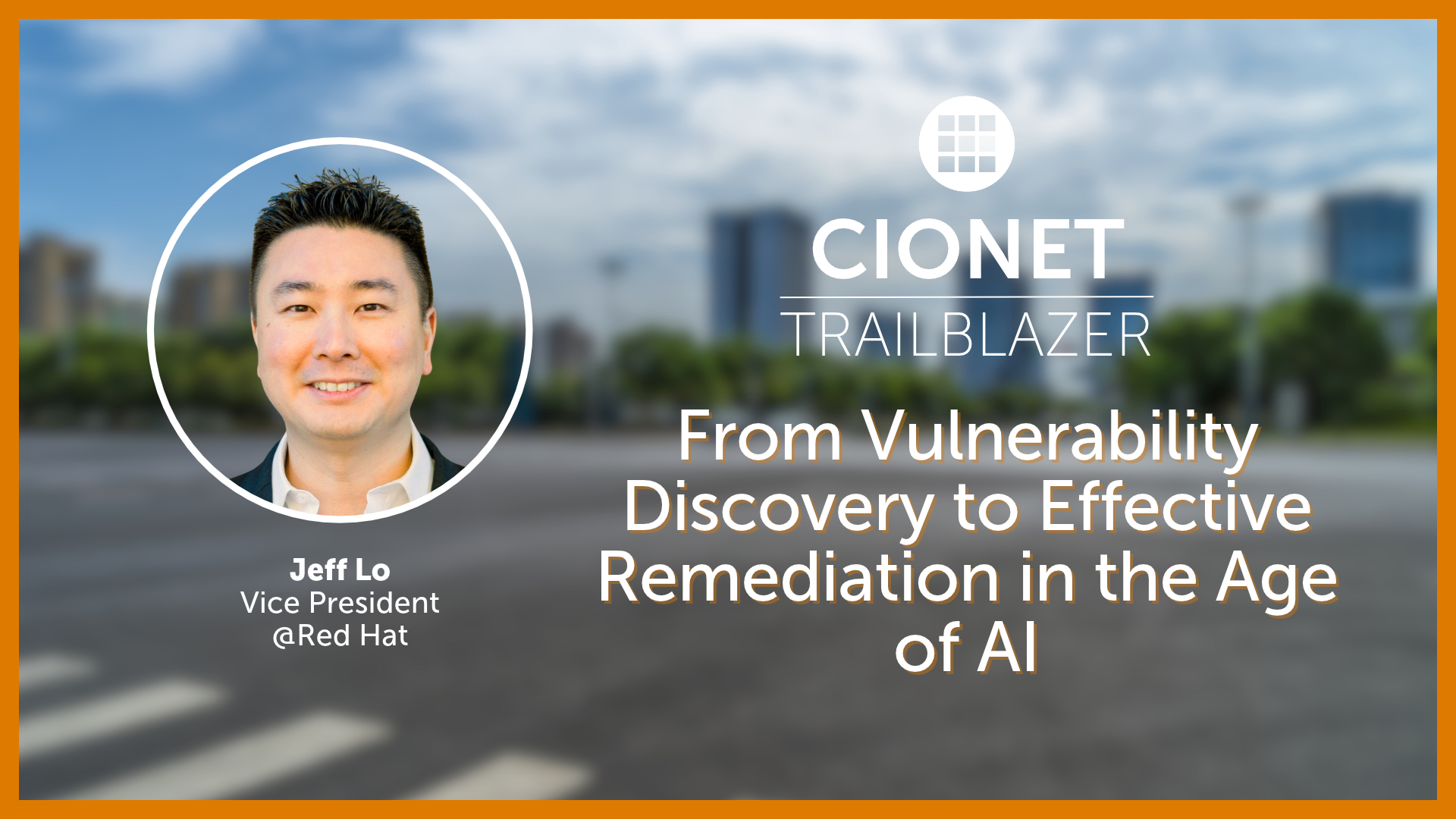
Published on: October 28, 2026 @ 1:09 PM
Published on: October 28, 2026 @ 12:28 PM
Published on: September 30, 2026 @ 1:17 PM
Published on: August 26, 2026 @ 9:13 AM
Published on: July 29, 2026 @ 10:08 AM

Published on: June 24, 2026 @ 5:00 PM

Published on: May 27, 2026 @ 9:21 AM
Published on: May 07, 2026 @ 4:02 PM

Published on: April 29, 2026 @ 9:11 AM
Published on: March 26, 2026 @ 3:37 PM

Published on: March 25, 2026 @ 9:58 AM
Published on: March 13, 2026 @ 3:43 PM

Published on: February 25, 2026 @ 11:01 AM

Published on: February 25, 2026 @ 9:00 AM

Published on: February 24, 2026 @ 5:00 PM
CIONET Trailblazer: CISO: The Shift from Prevention to Resilience: Turning Visibility into Execution
Published on: January 28, 2026 @ 9:48 AM
CIONET Trailblazer: AI Transformation: Bridging the Cultural Divide to Achieve Competitive Advantage
Published on: December 17, 2025 @ 9:16 AM
Published on: October 29, 2025 @ 11:31 AM
Published on: July 30, 2025 @ 9:19 AM

Published on: June 25, 2025 @ 9:14 AM

Published on: April 30, 2025 @ 9:04 AM

Published on: March 26, 2025 @ 9:59 AM

Published on: March 04, 2025 @ 5:07 PM
Published on: February 26, 2025 @ 10:51 AM
Published on: February 25, 2025 @ 4:14 PM

Published on: February 25, 2025 @ 10:33 AM
Published on: January 29, 2025 @ 9:58 AM
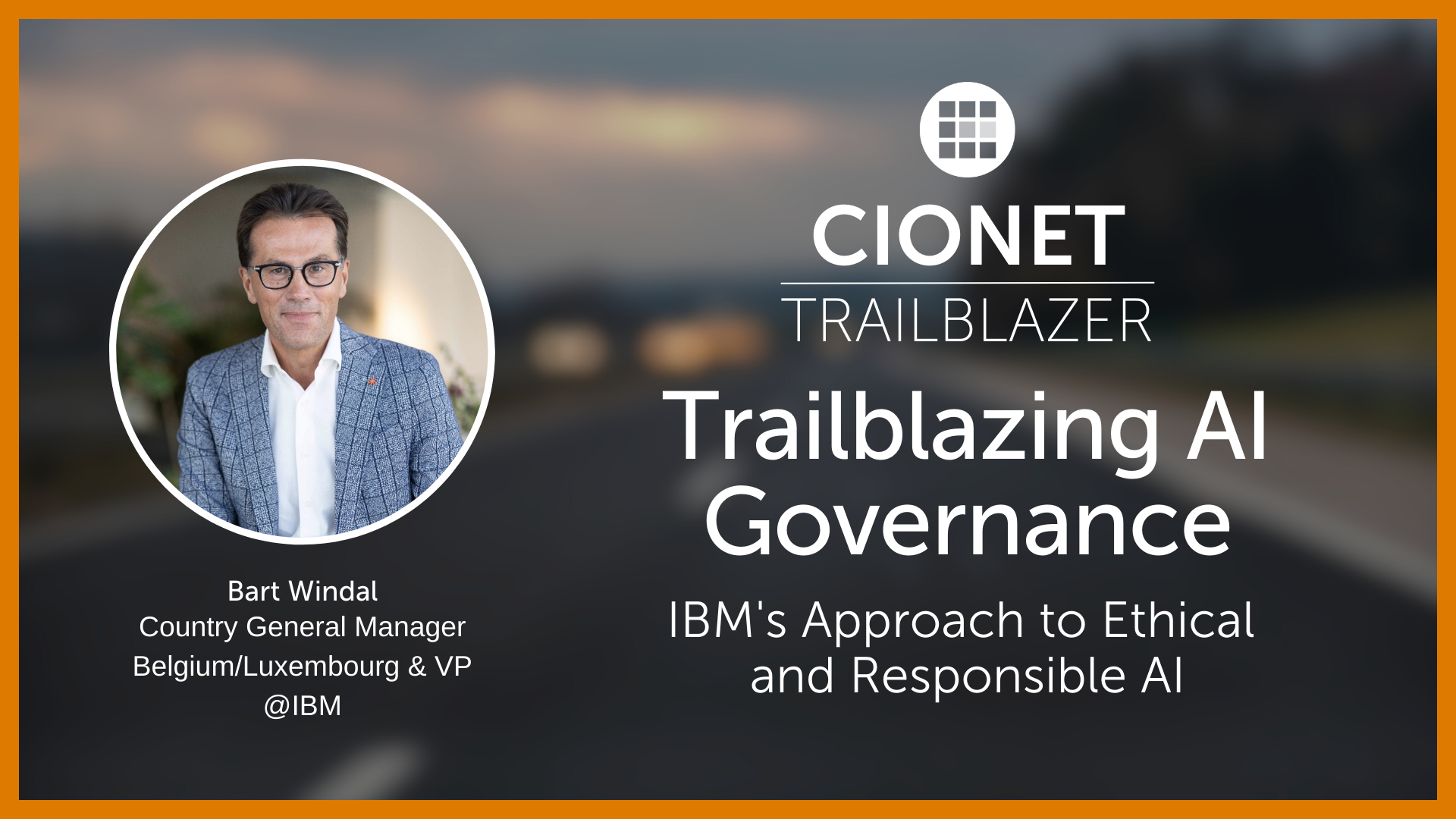
Published on: December 18, 2024 @ 9:07 AM
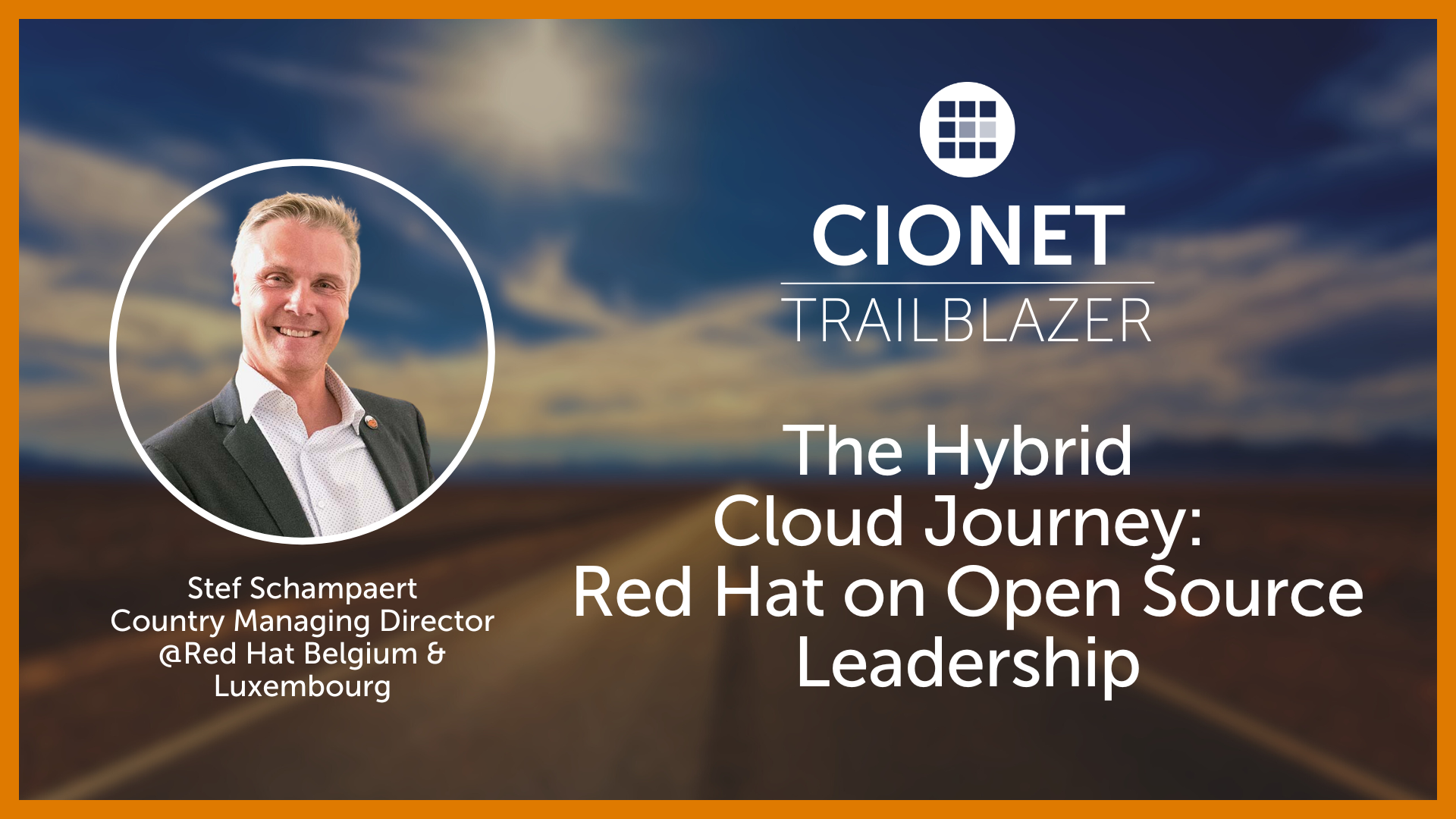
Published on: October 30, 2024 @ 9:34 AM

Published on: October 29, 2024 @ 11:37 AM

Published on: September 27, 2024 @ 10:41 AM

Published on: September 25, 2024 @ 8:59 AM
Published on: September 18, 2024 @ 3:44 PM

Facilitating more effective collaboration for the NATO Standardisation Office
PwC’s AI-based solution enables the NSO to address its community more broadly to bring together divergent national views more easily.
The NATO Standardization Office (NSO) supports a diverse subject matter expert workforce, about 20,000 of whom are registered users on its website, where it provides the collaboration services that enable them to work together on about 1,400 NATO standardization documents that are used by about seven million professionals in 32 nations across the entire NATO alliance to protect a population of one billion. Maintaining this documentation was very labour intensive, as much was done manually. The custodian position also isn’t a full-time role, but a volunteer assignment. To see where artificial intelligence (AI) may be able to help NSO issued a request for proposal (RFP).
Explains Rob Trabucchi, Deputy Director, NSO, “We were looking to provide that volunteer part-time workforce with tools to help them make the most of all the information available to them in today's information age. While they have much more information available to make those documents better, at the same time, they can be flooded by that information. So, we needed tools like natural language processing and text analytics to help them manage it all, make the most of it and really make their jobs much more satisfying.”
When looking for a provider, NSO had some specific attributes in mind, namely, "someone who really had experience with AI tools and delivering those to a customer like us, an intergovernmental organisation,” Rob Trabucchi recalls. And he adds, we also wanted someone with “experience working with NATO, which would really help to accelerate the product, and third, and perhaps the most important, we were looking for reliability.”
“We had real two-way interaction and outside-the-box thinking with multiple people so we could have a broad interaction.”
Rob TrabucchiDeputy Director, NSO.
In answer to the RFP, PwC suggested ways in which AI could help meet NSO’s needs and how the technology could best be implemented to be beneficial. We not only had the experience in working with NATO that the NSO was looking for, but could add in business insights based on our broad experience. Enthuses Rob Trabucchi, “There are three things that I really liked about the interactions that I had with the PwC team. The first was that we had very frequent meetings, which meant that we had short intense sprints. I understand that takes a lot more effort. The second thing that I liked about it was that we had real two-way interaction and outside-the-box thinking with multiple people from the team in each meeting, so we could have a good broad interaction. And finally, the team really invested a lot of effort, making sure that everything was in place throughout the deployment of the tool. That took some time to follow up and showed real dedication and reliability.”
The project involved a lot of technical building blocks, including building a prototype to show how a chatbot could help work on the standards in scope and indicate where standards, and related standards, could be found. According to Rob Trabucchi, “the value of this project goes well beyond the NSO to the 20,000 plus workforce. It allowed us, as their primary service provider, to demonstrate to that we’re leading them into the future and providing them with modern services that directly address their needs. It also allowed us to learn from the feedback of our users and pick some of our most dedicated people, who can also be the most demanding, and really deliver a tool that allows them to teach us how to build the next generation of tools.”
Rob Trabucchi notes that NSO learned a lot from the project. “First of all, reaching out to the community was extremely valuable to us and I think we learned that we want to do more of that. We’d like to spread that out to more as we go forward to more users of diverse types. We also learned that we really have to plan ahead because NATO, as an organisation, is all about bringing together a really diverse set of national views, and that makes our decision making a very deliberate process, a consultative process, which takes time. The third thing we learned is that that consultative, deliberate process has to be balanced or somehow integrated with dynamic innovation, and that takes some real deep thought and good advice.”
CIONET’s Cyber Circle: a new three-event programme exclusively focusing on the most urgent, complex, and high-impact challenges in cybersecurity today. Launched in 2026, this initiative brings together CISOs, CIOs, and senior IT executives with a strong interest in cybersecurity for three curated gatherings each year. As part of CIONET’s trusted executive community, the Cyber Circle provides a confidential, peer-driven environment to exchange insights, share real-world experiences, and address evolving cyber threats. Each session is designed to foster strategic dialogue, strengthen resilience, and elevate cybersecurity as a core driver of business value.
Read More
The Telenet Business Leadership Circle powered by CIONET, offers a platform where IT executives and thought leaders can meet to inspire each other and share best practices. We want to be a facilitator who helps you optimise the performance of your IT function and your business by embracing the endless opportunities that digital change brings.
Read More
Découvrez la dynamique du leadership numérique aux Rencontres de CIONET, le programme francophone exclusif de CIONET pour les leaders numériques en Belgique, rendu possible grâce au soutien et à l'engagement de nos partenaires de programme : Deloitte, Denodo et Red Hat. Rejoignez trois événements inspirants par an à Liège, Namur et en Brabant Wallon, où des CIOs et des experts numériques francophones de premier plan partagent leurs perspectives et expériences sur des thèmes d'affaires et de IT actuels. Laissez-vous inspirer et apprenez des meilleurs du secteur lors de sessions captivantes conçues spécialement pour soutenir et enrichir votre rôle en tant que CIO pair. Ne manquez pas cette opportunité de faire partie d'un réseau exceptionnel d'innovateurs numériques !
Read More
CIONET is committed to highlighting and celebrating female role models in IT, Tech & Digital, creating a leadership programme that empowers and elevates women within the tech industry. This initiative is dedicated to showcasing the achievements and successes of leading women, fostering an environment where female role models are recognised, and their contributions can ignite progress and inspire the next generation of women in IT. Our mission is to shine the spotlight a little brighter on female role models in IT, Tech & Digital, and to empower each other through this inner network community.
Read More