

Belgium 13-11-2026 Squad Only Physical English
Many IT capabilities are essential and difficult to fund through a simple project ROI. The challenge is showing why architecture, governance, resilience, cybersecurity maturity, data foundations, and AI readiness deserve investment before the gap becomes expensive. Three pressure points make the case harder. - Shared value means the benefit often sits across several teams, while the budget sits in one place. - Timing creates friction because the cost is immediate while the value appears over time. - Risk translation is needed so business and finance leaders understand the consequence of delaying the investment. The working question is simple: how do we turn foundational IT capabilities into credible investment cases that link cost, risk, business value, and future flexibility? If you are building these cases internally, let’s compare how others are positioning value, risk, and timing.
Read More
Belgium 19-11-2026 All Members Physical English
Public organisations are re-evaluating the digital foundations on which critical services depend. Cloud strategy is increasingly shaped by questions of operational control, legal exposure, supplier dependency, interoperability and long-term resilience. For public-sector leaders, the issue is not only where workloads are hosted, but how much strategic control remains over the technologies that support essential public services. This is where European cloud initiatives, sovereign infrastructure and open-source technologies become strategically important. Together, they can increase transparency, preserve portability and reduce dependency on individual providers. But they also raise practical questions around maturity, procurement, integration, support models and long-term sustainability. Open source brings a specific dimension to this discussion. It claims to better support transparency, interoperability and strategic autonomy, but it is also requiring clear governance, security controls and operational support. The opportunity is to understand where open technologies can strengthen the public-sector technology stack, where commercial platforms remain essential and how both can coexist within a coherent European digital strategy. Three questions shape the discussion: Which parts of the public-sector technology stack require stronger European control? What role should open-source technologies play in reducing dependency and strengthening transparency? Which governance and procurement decisions will determine whether a sovereign cloud strategy succeeds? Bringing these perspectives together can define where sovereign cloud and open technologies create strategic value, identify the decisions that deserve executive attention, and establish practical principles for strengthening Europe’s digital foundations while preserving flexibility and innovation. See you at the table?
Read More
Belgium 24-11-2026 Country Members Physical French
Créativité vs. Chaos : Quelle est la gouvernance minimale ? Le défi principal est d'équilibrer le risque et le rythme du changement. Les équipes métier adoptent de nouveaux outils d'IA et low-code de leur propre chef, créant une véritable créativité mais aussi un risque massif et non géré. Cette discussion se concentre sur l'établissement de voies simples et sûres pour l'innovation, en débattant de la gouvernance minimale qui protège la réputation de l'entreprise tout en évitant l'erreur d'écraser les initiatives utiles dans l'ombre. Questions clés d'Échange entre pairs : Où l'innovation de l'ombre aide-t-elle plutôt que de nuire, et comment éviter de l'écraser ? Quelle est la gouvernance minimale qui protège la réputation tout en maintenant la vitesse, et à qui appartient-elle réellement ? Comment les pairs ont-ils réussi à transformer les efforts initiaux de l'ombre en services officiels soutenus sans perdre la confiance de l'entreprise ? Comment pouvons-nous rendre plus facile d'innover de manière responsable que de simplement agir en franc-tireur ?
Read More
Published on: October 28, 2026 @ 1:09 PM

Published on: October 28, 2026 @ 12:28 PM
Published on: September 30, 2026 @ 1:17 PM
Published on: August 26, 2026 @ 9:13 AM
Published on: July 29, 2026 @ 10:08 AM

Published on: June 24, 2026 @ 5:00 PM

Published on: May 27, 2026 @ 9:21 AM
Published on: May 07, 2026 @ 4:02 PM

Published on: April 29, 2026 @ 9:11 AM
Published on: March 26, 2026 @ 3:37 PM

Published on: March 25, 2026 @ 9:58 AM

Published on: March 13, 2026 @ 3:43 PM

Published on: February 25, 2026 @ 11:01 AM

Published on: February 25, 2026 @ 9:00 AM

Published on: February 24, 2026 @ 5:00 PM
CIONET Trailblazer: CISO: The Shift from Prevention to Resilience: Turning Visibility into Execution
Published on: January 28, 2026 @ 9:48 AM
CIONET Trailblazer: AI Transformation: Bridging the Cultural Divide to Achieve Competitive Advantage
Published on: December 17, 2025 @ 9:16 AM
Published on: October 29, 2025 @ 11:31 AM
Published on: July 30, 2025 @ 9:19 AM

Published on: June 25, 2025 @ 9:14 AM

Published on: April 30, 2025 @ 9:04 AM

Published on: March 26, 2025 @ 9:59 AM

Published on: March 04, 2025 @ 5:07 PM
Published on: February 26, 2025 @ 10:51 AM
Published on: February 25, 2025 @ 4:14 PM

Published on: February 25, 2025 @ 10:33 AM
Published on: January 29, 2025 @ 9:58 AM
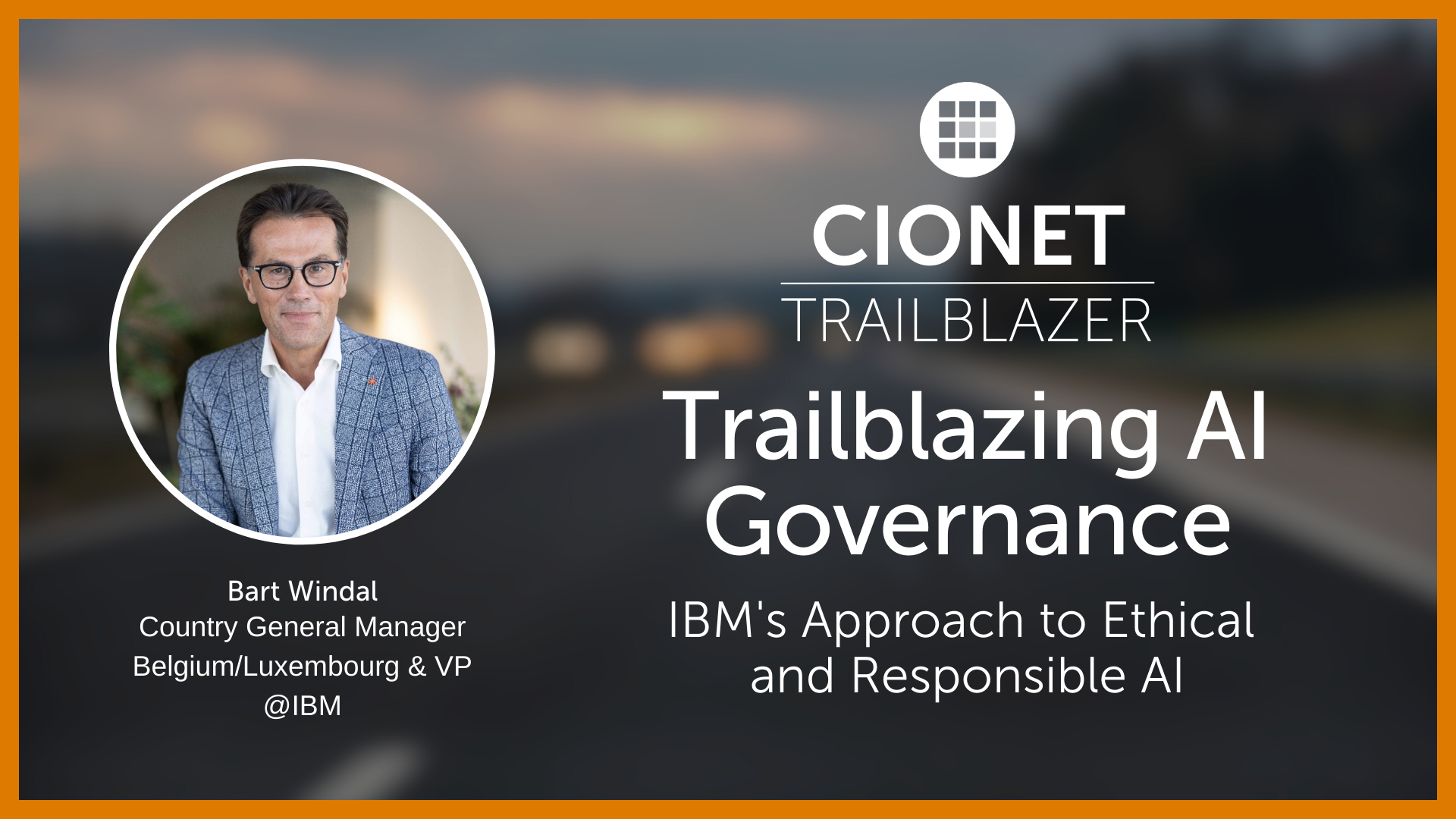
Published on: December 18, 2024 @ 9:07 AM
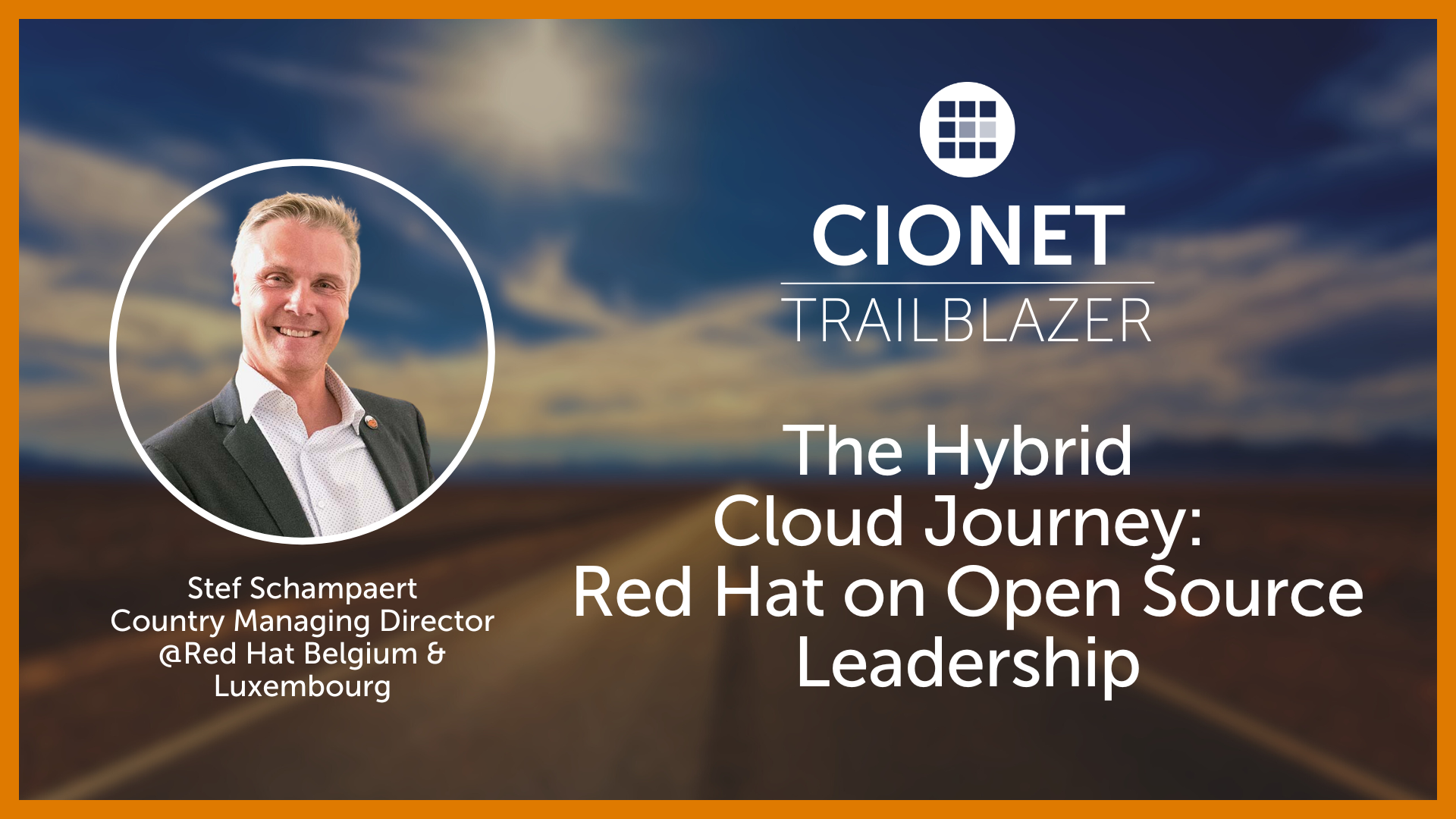
Published on: October 30, 2024 @ 9:34 AM

Published on: October 29, 2024 @ 11:37 AM

Published on: September 27, 2024 @ 10:41 AM

Published on: September 25, 2024 @ 8:59 AM

Published on: September 18, 2024 @ 3:44 PM

Improving Location Accuracy for Gas Emergencies Using Amazon Location Service with Cadent
Learn how Cadent in the energy industry simplified locating leaks reported to the National Gas Emergency Service using Amazon Location Service.
in average call time to report hard-to-locate gas leaks
during emergency gas leaks
when reporting leaks
Overview
If a person smells a gas leak, they need to be able to report it quickly and accurately. However, if the leak is in an outdoor area without a specific postal address, like a field, passing on the information to emergency responders over the phone can be tricky. If responders aren’t sent to the correct location quickly, the public safety risks are increased.
Cadent, a gas distribution network based in Britain that also runs the National Gas Emergency Service line for the United Kingdom, wanted to improve the system for people reporting smells of gas in locations that don’t have a specific postal address. By using Amazon Web Services (AWS) and working with Slalom, an AWS Partner, Cadent deployed an application for people who call to report gas emergencies to accurately and quickly pinpoint the location for responders.
Opportunity | Using AWS to Better Locate Outdoor Gas Emergencies for Cadent
In addition to supplying 11 million homes in England with natural gas, Cadent manages the National Gas Emergency Service, a service that members of the public can call 24/7 to report gas emergency situations. The National Gas Emergency Service receives 1.5 million reports per year, and around 900,000 of these incidents require job site visits.
While most incidents take place at a fixed address, about 10 percent of reported gas leaks take place outside in public areas, and about 10 percent of those outdoor locations are difficult for callers to explain. Someone smelling gas in a field or along a public path or road could have trouble describing the location precisely enough for the operators to send work crews to the right place. The previous methods that Cadent used to pinpoint locations relied on how accurately the caller could relay information back to the operator over the phone. “Getting a location wrong could result in serious safety risks for people,” says Dan Edwards, head of customer center operations for Cadent. “We wanted to find a better, user-friendly way to locate these emergency situations.”
Cadent reached out to several technology service providers, and AWS was the first to respond with a proof of concept in July 2023. Cadent then worked alongside AWS to find a partner to develop the solution, and in October, Cadent began a 4-week engagement with Slalom. The result—the LocateMe application—was delivered to Cadent in November 2023 and, after operator training, went live in early 2024.

The map in LocateMe, powered by Amazon Location Service, is intuitive. For the end user, it gives confidence that the correct location has been passed on to our agents.”
Dan Edwards
Head of Customer Center Operations, Cadent
Solution | Reducing Call Times by 50% Using Amazon Location Service
Now, when a person calls the National Gas Emergency Service and reports a smell of gas in a location without a postal address, the operator asks the person permission to send a text message to define the location of the emergency. If the caller agrees, they receive an SMS with a link to open the LocateMe app, which asks for their GPS location. The app then shows the caller’s current location on a map, and the caller can confirm if the problem is at that location or edit the location to pinpoint where the gas smell is. The app sends the location back to the operator, who can copy it directly into the system. This supplies the emergency team with precise GPS coordinates.
Using the LocateMe app, average call times to report gas emergencies at locations without postal addresses have been reduced from 12 minutes to 5–6 minutes. With shorter calls, operators can alert response teams to deal with each emergency more quickly. “Ultimately, whenever there’s a gas leak, our job is to get engineers to that specific site to investigate it, resolve it, and make the situation safe,” says Edwards. “Now, we can get engineers to the right location 5 or 6 minutes faster.”
To display map locations in LocateMe, the app uses Amazon Location Service, a location-based service that developers can use to add geospatial data and location functionality to applications. (See figure 1.)
“The map in LocateMe, powered by Amazon Location Service, is intuitive,” says Edwards. “For the end user, it gives confidence that the correct location has been passed on to our agents.”
Slalom built the application for Cadent using coding languages and tooling that Cadent was already familiar with. Thus, Cadent, which now owns and runs the application, can maintain and further develop it without making major changes to its systems or team. To build the application quickly using Cadent’s preferred technology, Slalom used AWS App Runner—a fully managed application service used to build, deploy, and run web applications and API services without prior infrastructure or container experience. “Slalom brought not only quick build time and quality from its architects and engineers but also worked with us as a stakeholder to really understand what the intention was for this app,” says Edwards. “Slalom actually delivered a far better product than what we’d asked for because its team really understood what we were aiming to achieve.”
The solution has been reviewed by various key stakeholders and regulatory authorities in the United Kingdom, including the Health and Safety Executive. “Every person that I’ve demonstrated this solution to is amazed by how much better it is than what we used before,” says Edwards. “The success of the solution has made it simple to use, demonstrating our commitment to continuous improvement and enhancing customer safety.”
Outcome | Improving Safety Outcomes for the Public
The capabilities of the LocateMe app are reducing the risks of locating the 9,000–11,000 hard-to-pinpoint gas leaks that get reported each year. Cadent plans to continue expanding the product to automate more of the reporting process.
“This project has not only solved the initial issue that we had, but it has also opened up the possibilities of what else we can do using AWS,” says Edwards. “The LocateMe app has proven that we can get customers to use technology in a way that is intuitive, simple, accurate, and not intrusive from a data collection point of view.”
Cadent is the UK’s largest gas distribution network, supplying gas to 11 million homes and businesses. Cadent also manages the National Gas Emergency Service on behalf of the gas industry in the United Kingdom.
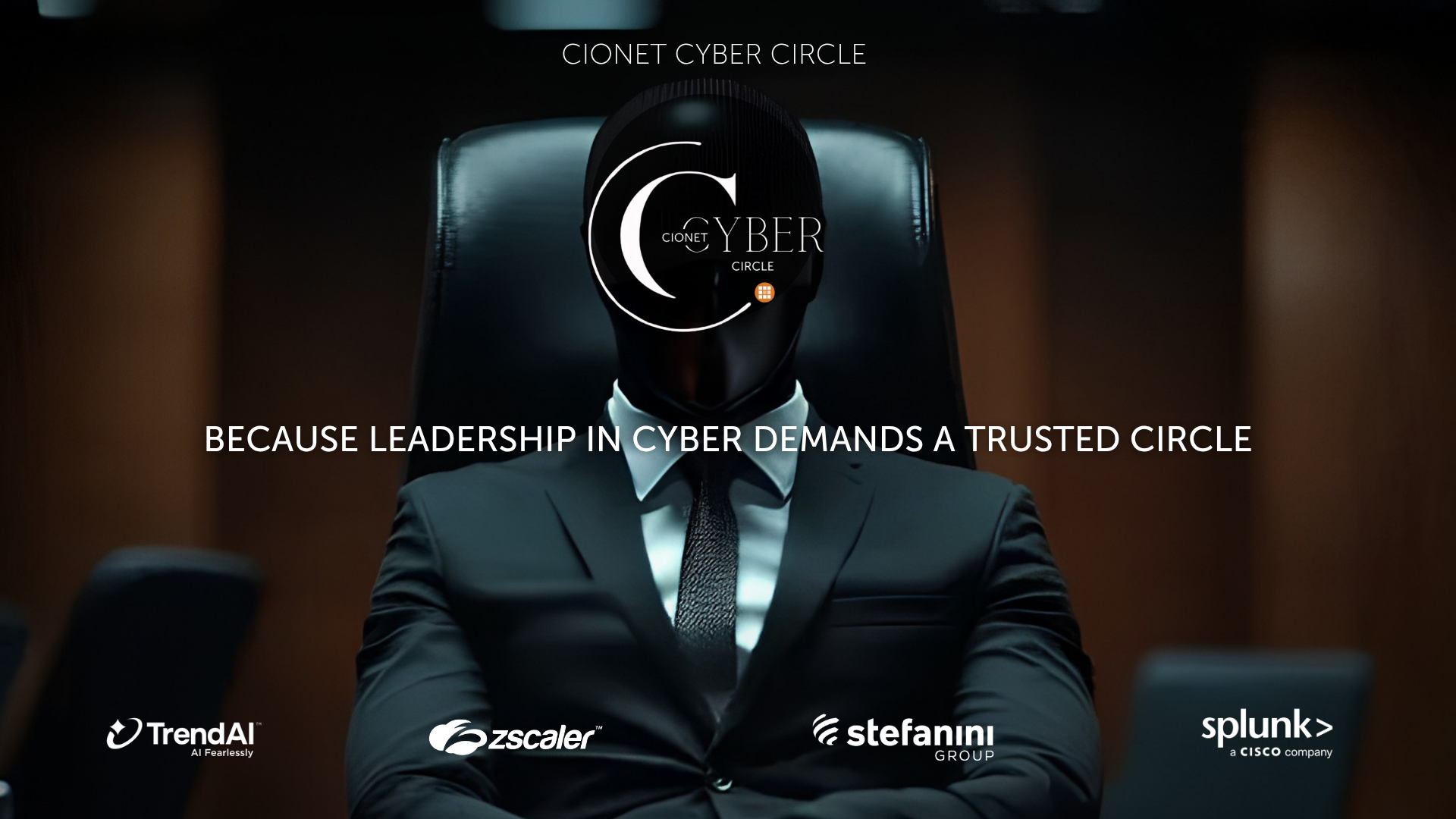
CIONET’s Cyber Circle: a new three-event programme exclusively focusing on the most urgent, complex, and high-impact challenges in cybersecurity today. Launched in 2026, this initiative brings together CISOs, CIOs, and senior IT executives with a strong interest in cybersecurity for three curated gatherings each year. As part of CIONET’s trusted executive community, the Cyber Circle provides a confidential, peer-driven environment to exchange insights, share real-world experiences, and address evolving cyber threats. Each session is designed to foster strategic dialogue, strengthen resilience, and elevate cybersecurity as a core driver of business value.
Read More
The Telenet Business Leadership Circle powered by CIONET, offers a platform where IT executives and thought leaders can meet to inspire each other and share best practices. We want to be a facilitator who helps you optimise the performance of your IT function and your business by embracing the endless opportunities that digital change brings.
Read More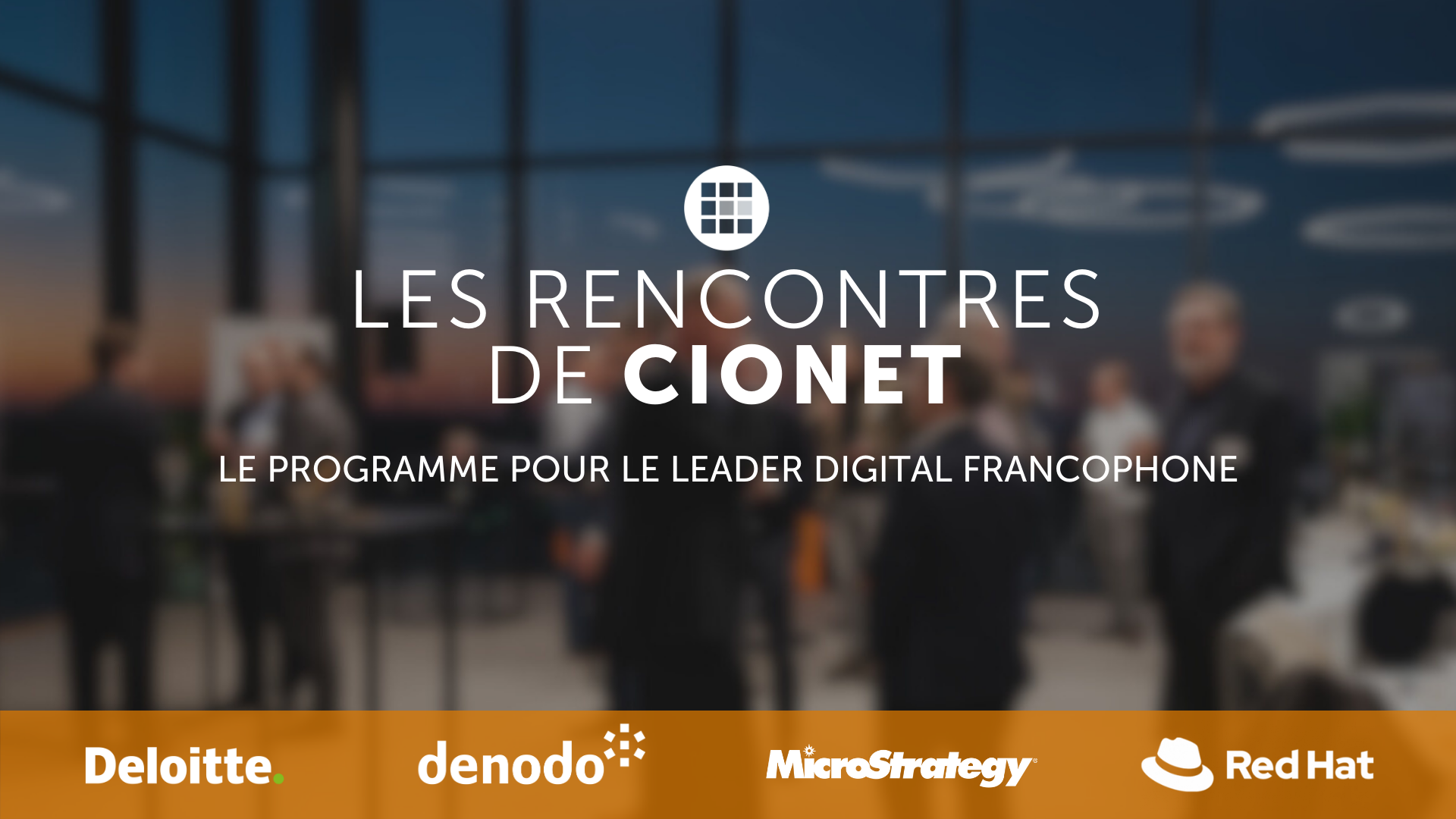
Découvrez la dynamique du leadership numérique aux Rencontres de CIONET, le programme francophone exclusif de CIONET pour les leaders numériques en Belgique, rendu possible grâce au soutien et à l'engagement de nos partenaires de programme : Deloitte, Denodo et Red Hat. Rejoignez trois événements inspirants par an à Liège, Namur et en Brabant Wallon, où des CIOs et des experts numériques francophones de premier plan partagent leurs perspectives et expériences sur des thèmes d'affaires et de IT actuels. Laissez-vous inspirer et apprenez des meilleurs du secteur lors de sessions captivantes conçues spécialement pour soutenir et enrichir votre rôle en tant que CIO pair. Ne manquez pas cette opportunité de faire partie d'un réseau exceptionnel d'innovateurs numériques !
Read More
CIONET is committed to highlighting and celebrating female role models in IT, Tech & Digital, creating a leadership programme that empowers and elevates women within the tech industry. This initiative is dedicated to showcasing the achievements and successes of leading women, fostering an environment where female role models are recognised, and their contributions can ignite progress and inspire the next generation of women in IT. Our mission is to shine the spotlight a little brighter on female role models in IT, Tech & Digital, and to empower each other through this inner network community.
Read More