

Belgium 13-11-2026 Squad Only Physical English
Many IT capabilities are essential and difficult to fund through a simple project ROI. The challenge is showing why architecture, governance, resilience, cybersecurity maturity, data foundations, and AI readiness deserve investment before the gap becomes expensive. Three pressure points make the case harder. - Shared value means the benefit often sits across several teams, while the budget sits in one place. - Timing creates friction because the cost is immediate while the value appears over time. - Risk translation is needed so business and finance leaders understand the consequence of delaying the investment. The working question is simple: how do we turn foundational IT capabilities into credible investment cases that link cost, risk, business value, and future flexibility? If you are building these cases internally, let’s compare how others are positioning value, risk, and timing.
Read More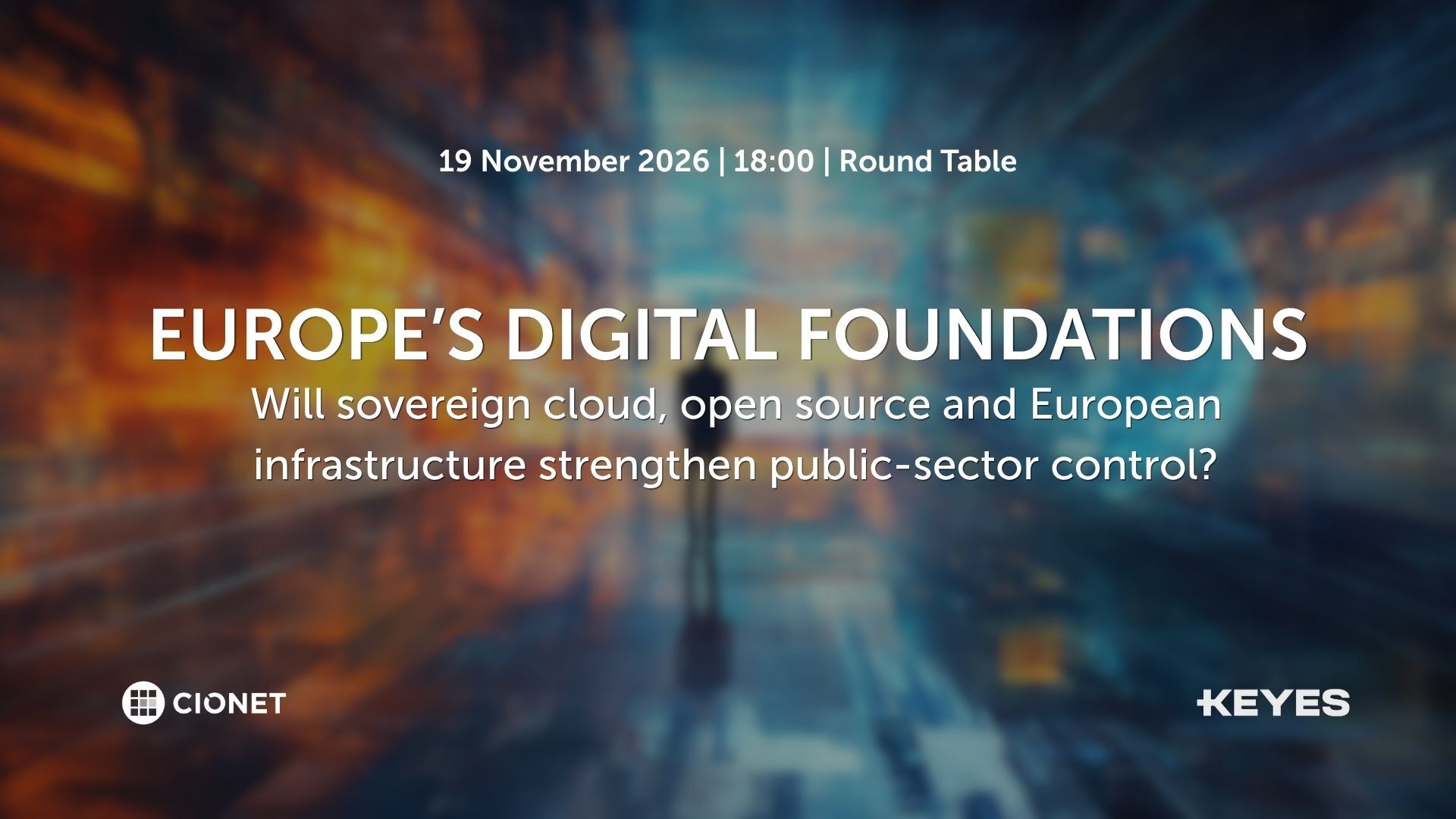
Belgium 19-11-2026 All Members Physical English
Public organisations are re-evaluating the digital foundations on which critical services depend. Cloud strategy is increasingly shaped by questions of operational control, legal exposure, supplier dependency, interoperability and long-term resilience. For public-sector leaders, the issue is not only where workloads are hosted, but how much strategic control remains over the technologies that support essential public services. This is where European cloud initiatives, sovereign infrastructure and open-source technologies become strategically important. Together, they can increase transparency, preserve portability and reduce dependency on individual providers. But they also raise practical questions around maturity, procurement, integration, support models and long-term sustainability. Open source brings a specific dimension to this discussion. It claims to better support transparency, interoperability and strategic autonomy, but it is also requiring clear governance, security controls and operational support. The opportunity is to understand where open technologies can strengthen the public-sector technology stack, where commercial platforms remain essential and how both can coexist within a coherent European digital strategy. Three questions shape the discussion: Which parts of the public-sector technology stack require stronger European control? What role should open-source technologies play in reducing dependency and strengthening transparency? Which governance and procurement decisions will determine whether a sovereign cloud strategy succeeds? Bringing these perspectives together can define where sovereign cloud and open technologies create strategic value, identify the decisions that deserve executive attention, and establish practical principles for strengthening Europe’s digital foundations while preserving flexibility and innovation. See you at the table?
Read More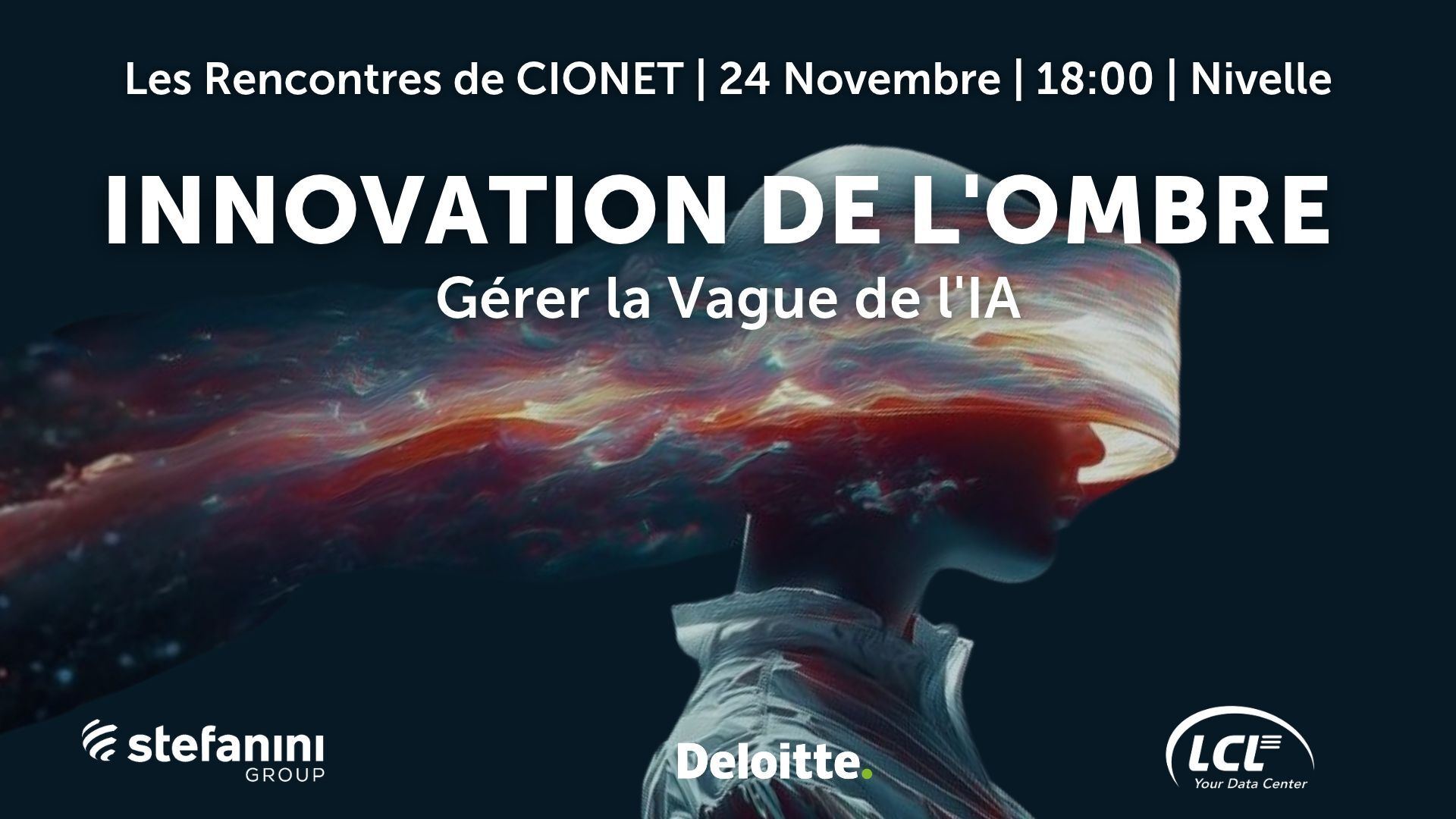
Belgium 24-11-2026 Country Members Physical French
Créativité vs. Chaos : Quelle est la gouvernance minimale ? Le défi principal est d'équilibrer le risque et le rythme du changement. Les équipes métier adoptent de nouveaux outils d'IA et low-code de leur propre chef, créant une véritable créativité mais aussi un risque massif et non géré. Cette discussion se concentre sur l'établissement de voies simples et sûres pour l'innovation, en débattant de la gouvernance minimale qui protège la réputation de l'entreprise tout en évitant l'erreur d'écraser les initiatives utiles dans l'ombre. Questions clés d'Échange entre pairs : Où l'innovation de l'ombre aide-t-elle plutôt que de nuire, et comment éviter de l'écraser ? Quelle est la gouvernance minimale qui protège la réputation tout en maintenant la vitesse, et à qui appartient-elle réellement ? Comment les pairs ont-ils réussi à transformer les efforts initiaux de l'ombre en services officiels soutenus sans perdre la confiance de l'entreprise ? Comment pouvons-nous rendre plus facile d'innover de manière responsable que de simplement agir en franc-tireur ?
Read More
Published on: October 28, 2026 @ 1:09 PM
Published on: October 28, 2026 @ 12:28 PM
Published on: September 30, 2026 @ 1:17 PM
Published on: August 26, 2026 @ 9:13 AM
Published on: July 29, 2026 @ 10:08 AM
Published on: June 24, 2026 @ 5:00 PM

Published on: May 27, 2026 @ 9:21 AM
Published on: May 07, 2026 @ 4:02 PM

Published on: April 29, 2026 @ 9:11 AM
Published on: March 26, 2026 @ 3:37 PM

Published on: March 25, 2026 @ 9:58 AM
Published on: March 13, 2026 @ 3:43 PM

Published on: February 25, 2026 @ 11:01 AM

Published on: February 25, 2026 @ 9:00 AM
Published on: February 24, 2026 @ 5:00 PM
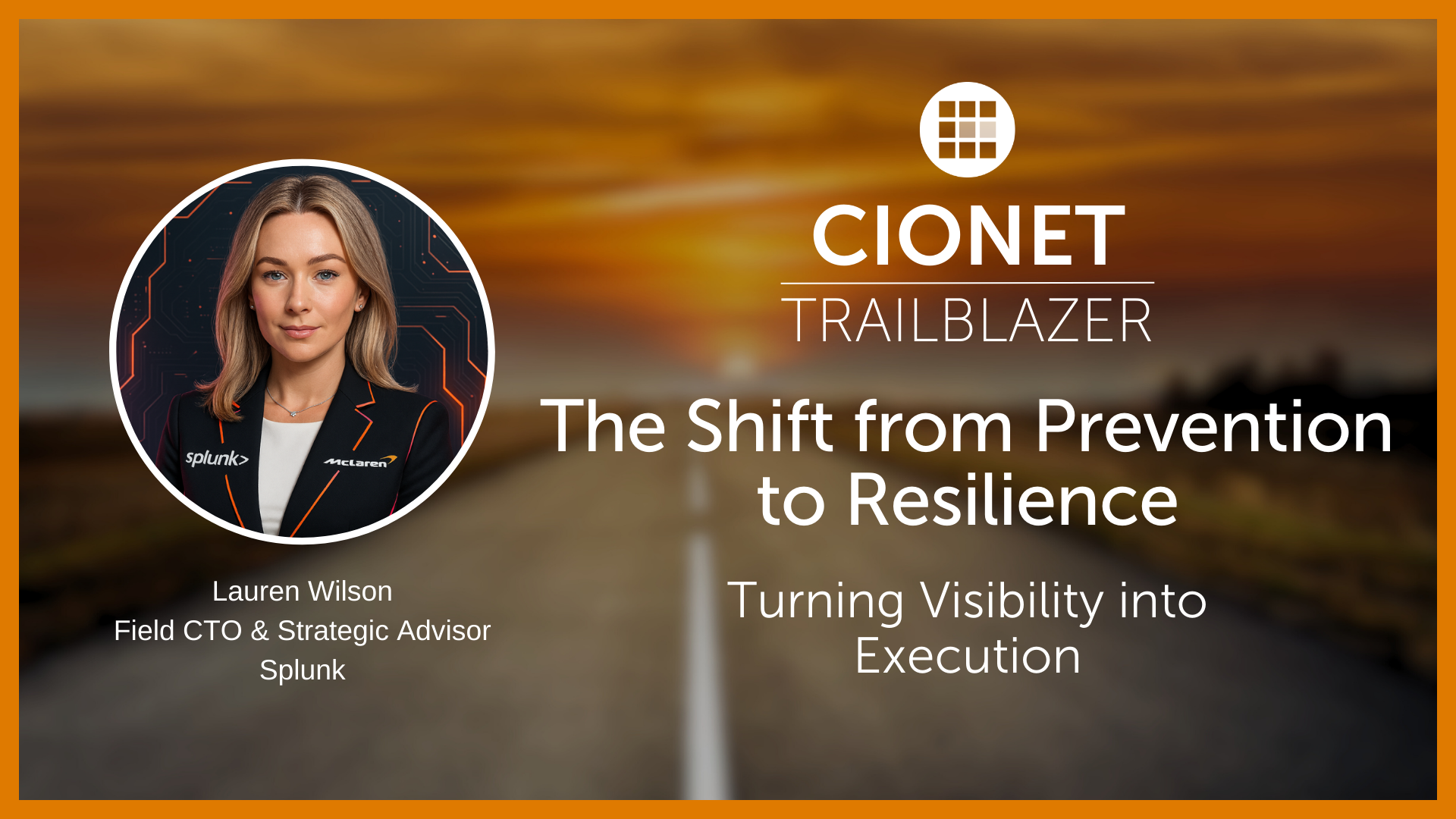
CIONET Trailblazer: CISO: The Shift from Prevention to Resilience: Turning Visibility into Execution
Published on: January 28, 2026 @ 9:48 AM
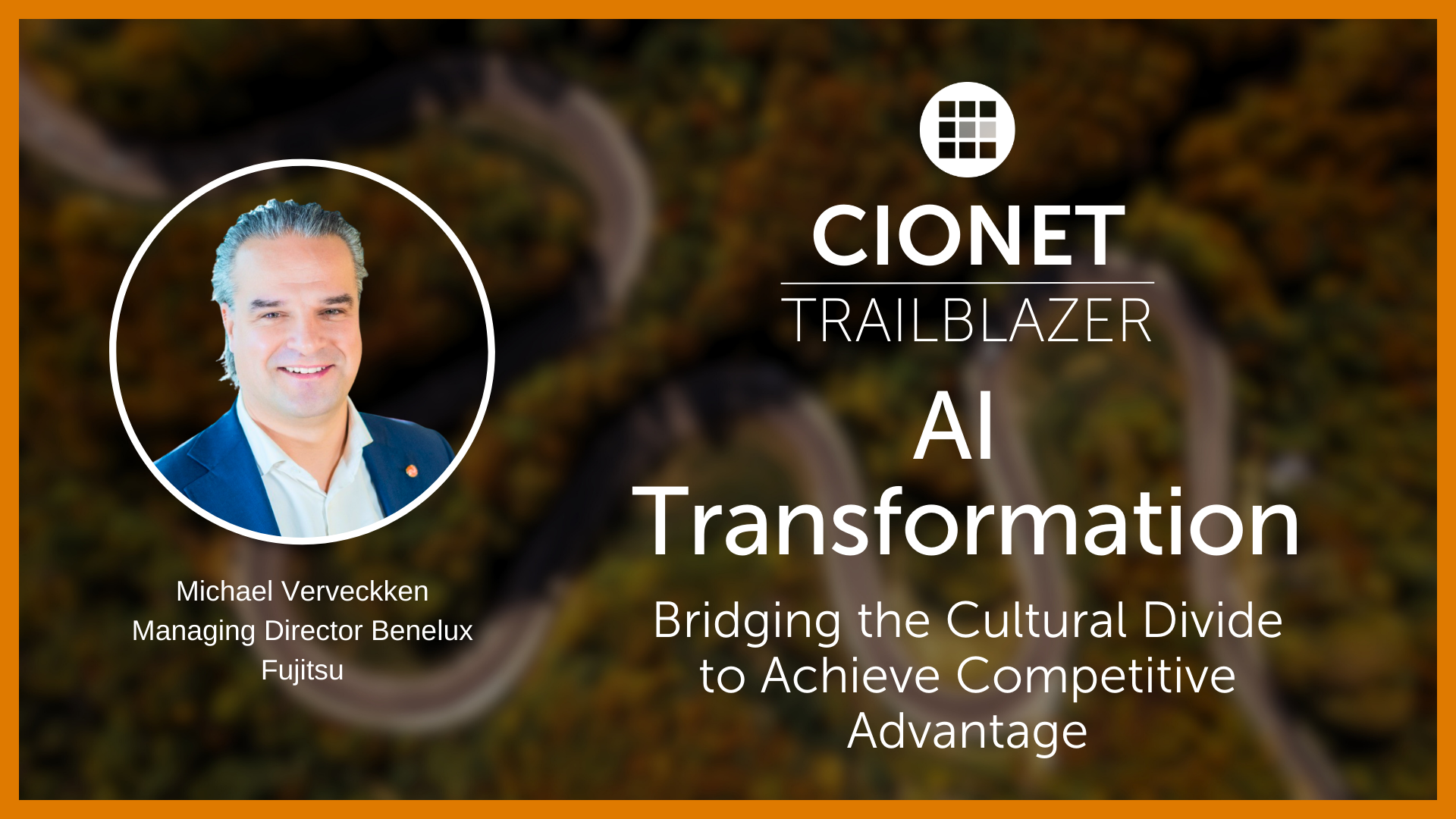
CIONET Trailblazer: AI Transformation: Bridging the Cultural Divide to Achieve Competitive Advantage
Published on: December 17, 2025 @ 9:16 AM
Published on: October 29, 2025 @ 11:31 AM
Published on: July 30, 2025 @ 9:19 AM
Published on: June 25, 2025 @ 9:14 AM

Published on: April 30, 2025 @ 9:04 AM

Published on: March 26, 2025 @ 9:59 AM

Published on: March 04, 2025 @ 5:07 PM
Published on: February 26, 2025 @ 10:51 AM
Published on: February 25, 2025 @ 4:14 PM

Published on: February 25, 2025 @ 10:33 AM
Published on: January 29, 2025 @ 9:58 AM
Published on: December 18, 2024 @ 9:07 AM
Published on: October 30, 2024 @ 9:34 AM

Published on: October 29, 2024 @ 11:37 AM

Published on: September 27, 2024 @ 10:41 AM
Published on: September 25, 2024 @ 8:59 AM
Published on: September 18, 2024 @ 3:44 PM

Paf’s engineering team creates 85 custom GPTs to surge developer productivity
Paf adopted ChatGPT Enterprise across its entire company, with engineers using custom GPTs on a daily basis to speed up routine development tasks. Paf also integrated ChatGPT Enterprise into the grit:lab coding academy. 70% of Paf employees actively use ChatGPT Enterprise, spanning business teams like finance, HR, marketing, and customer support.
Paf is an international gaming company founded in 1966 in the Åland Islands by the Red Cross, Save the Children, and Folkhälsan, and is an industry leader in responsible gaming. With around 315 employees from 29 countries, Paf has contributed over 447.5 million euros to benefit society since it was founded.
As an organization committed to staying ahead of the technology curve, Paf recognized the transformative potential of AI early on. When generative AI began gaining traction, the company swiftly adopted and evaluated various AI systems to understand how this technology could propel its employees and business operations forward.
In their search for the ideal generative AI solution, Paf experimented with LLAMA, Claude and GPT-4. When the team conducted head-to-head accuracy and cost comparisons, GPT-4 was 25% more accurate than competitors, without being more expensive. Paf decided to use GPT-4 as its AI solution.

Paf rolled out ChatGPT Enterprise to the entire team of 100 developers, and now finds ChatGPT Enterprise indispensable for their daily tasks. “I use ChatGPT 20 times a day for tasks like boilerplate code creation or learning a new programming language,” says frontend developer Krista Koivisto. In addition to using ChatGPT Enterprise for general coding assistance, the engineering team has created over 85 custom GPTs to support specific use cases.
One of the engineering team’s favorite applications of custom GPTs is a suite of specialized coding GPTs that help streamline the development process, from creating backend infrastructure to generating frontend components:
Swagger GPT converts Swagger JSON API definitions into TypeScript service endpoint definitions per Paf’s coding standards.
TypeScript GPT writes the backend service code using the endpoint definitions, reusing existing session validation functions.
GraphQL Nexus GPT generates GraphQL Nexus schemas, integrating existing helper functions to interact with the frontend.
Relay GPT creates the React Relay hooks using GraphQL Nexus schemas for communicating with our backends.
React GPT writes React components using Paf’s React and TypeScript style guidelines and core component library.
“Focused GPTs avoid overloading models and curb hallucinations,” says Koivisto. “We automatically generate functioning boilerplate implementations with far less effort.” By chaining tailored GPTs together instead of relying on the general model, Paf's developers can quickly generate accurate, standardized application flows and APIs nearly automatically.
Building on its success with the development team’s custom GPTs, Paf has integrated ChatGPT Enterprise into the grit:lab coding academy to accelerate training for 65 aspiring developers. Grit:lab students use ChatGPT for a variety of coding-related tasks, including:
Understanding new programming concepts
Debugging code errors efficiently
Learning syntax and structure across different languages
Generating test data quickly
This AI-augmented software development approach is creating a new breed of software developer, one who has more systems architect knowledge from the start. “Using ChatGPT, the junior developers think at a higher, systematic level,” says Kim Gripenberg, a DevOps engineer, noting that both grit:lab students and junior developers at Paf progress years faster with AI assistance. Instead of getting bogged down in syntax errors and coding basics, developers can focus on the overall application and system design.

In the next year, Paf plans to fully integrate ChatGPT Enterprise and the OpenAI API into all of its processes. “AI is here to stay. Either you are on the train,” says Fredrik Wiklund, Chief Technology Officer, “or you are back at the station, watching it leave.” The company envisions GPTs eventually handling more coding tasks like writing, testing, and deploying software, freeing up developers to focus on higher-level, systems-level work.
This AI-augmented approach will allow Paf to innovate with a velocity similar to that of a much larger company. By integrating generative AI into every part of its business, Paf is set to maximize its positive impact for employees, customers, and communities it serves.
“We estimate ChatGPT is doing the equivalent work of 12 full time employees,” commented Wiklund. “The impact to our business has exceeded our expectations, and this is only the start.”

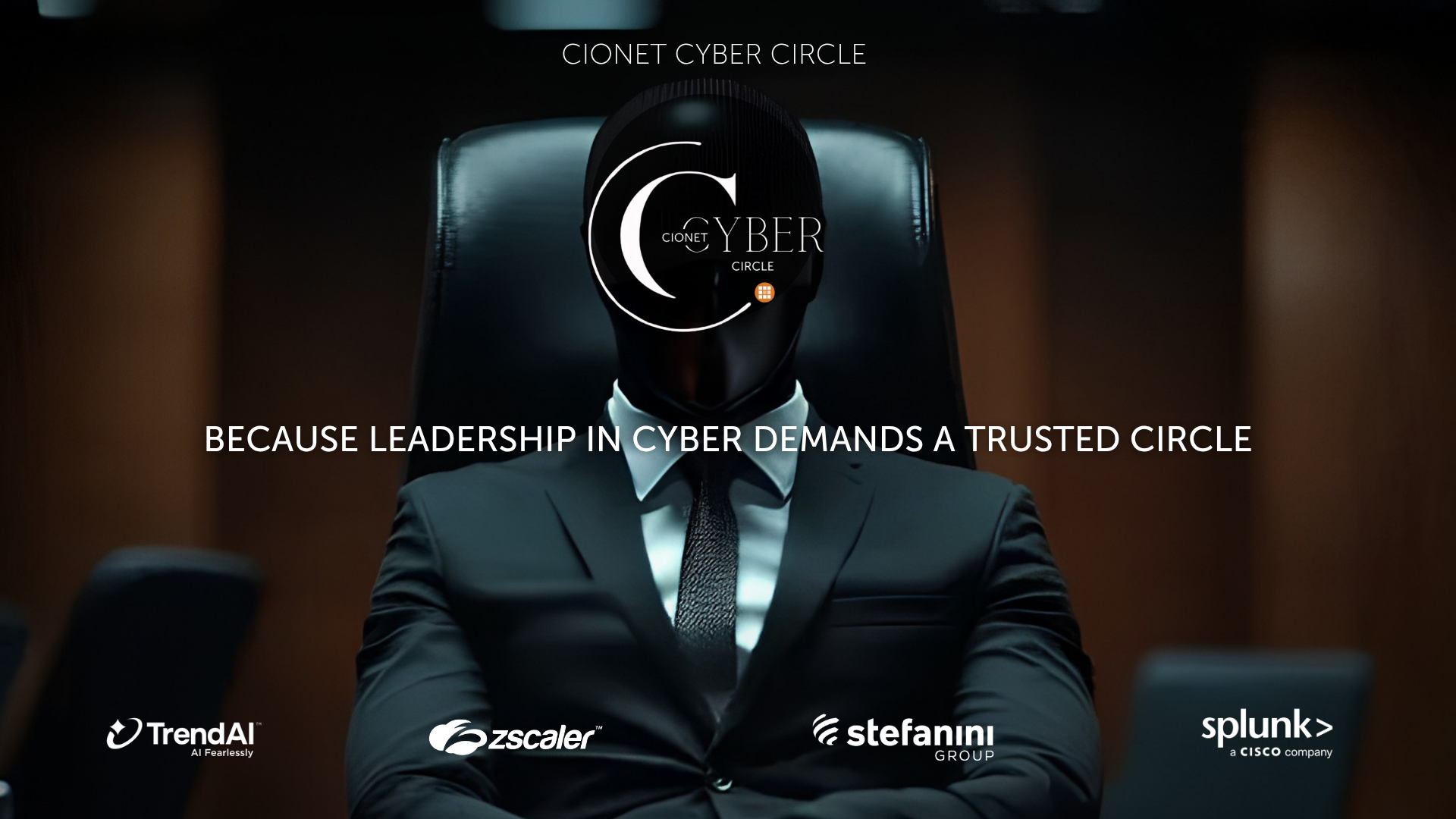
CIONET’s Cyber Circle: a new three-event programme exclusively focusing on the most urgent, complex, and high-impact challenges in cybersecurity today. Launched in 2026, this initiative brings together CISOs, CIOs, and senior IT executives with a strong interest in cybersecurity for three curated gatherings each year. As part of CIONET’s trusted executive community, the Cyber Circle provides a confidential, peer-driven environment to exchange insights, share real-world experiences, and address evolving cyber threats. Each session is designed to foster strategic dialogue, strengthen resilience, and elevate cybersecurity as a core driver of business value.
Read More
The Telenet Business Leadership Circle powered by CIONET, offers a platform where IT executives and thought leaders can meet to inspire each other and share best practices. We want to be a facilitator who helps you optimise the performance of your IT function and your business by embracing the endless opportunities that digital change brings.
Read More
Découvrez la dynamique du leadership numérique aux Rencontres de CIONET, le programme francophone exclusif de CIONET pour les leaders numériques en Belgique, rendu possible grâce au soutien et à l'engagement de nos partenaires de programme : Deloitte, Denodo et Red Hat. Rejoignez trois événements inspirants par an à Liège, Namur et en Brabant Wallon, où des CIOs et des experts numériques francophones de premier plan partagent leurs perspectives et expériences sur des thèmes d'affaires et de IT actuels. Laissez-vous inspirer et apprenez des meilleurs du secteur lors de sessions captivantes conçues spécialement pour soutenir et enrichir votre rôle en tant que CIO pair. Ne manquez pas cette opportunité de faire partie d'un réseau exceptionnel d'innovateurs numériques !
Read More
CIONET is committed to highlighting and celebrating female role models in IT, Tech & Digital, creating a leadership programme that empowers and elevates women within the tech industry. This initiative is dedicated to showcasing the achievements and successes of leading women, fostering an environment where female role models are recognised, and their contributions can ignite progress and inspire the next generation of women in IT. Our mission is to shine the spotlight a little brighter on female role models in IT, Tech & Digital, and to empower each other through this inner network community.
Read More