

Belgium 13-11-2026 Squad Only Physical English
Many IT capabilities are essential and difficult to fund through a simple project ROI. The challenge is showing why architecture, governance, resilience, cybersecurity maturity, data foundations, and AI readiness deserve investment before the gap becomes expensive. Three pressure points make the case harder. - Shared value means the benefit often sits across several teams, while the budget sits in one place. - Timing creates friction because the cost is immediate while the value appears over time. - Risk translation is needed so business and finance leaders understand the consequence of delaying the investment. The working question is simple: how do we turn foundational IT capabilities into credible investment cases that link cost, risk, business value, and future flexibility? If you are building these cases internally, let’s compare how others are positioning value, risk, and timing.
Read More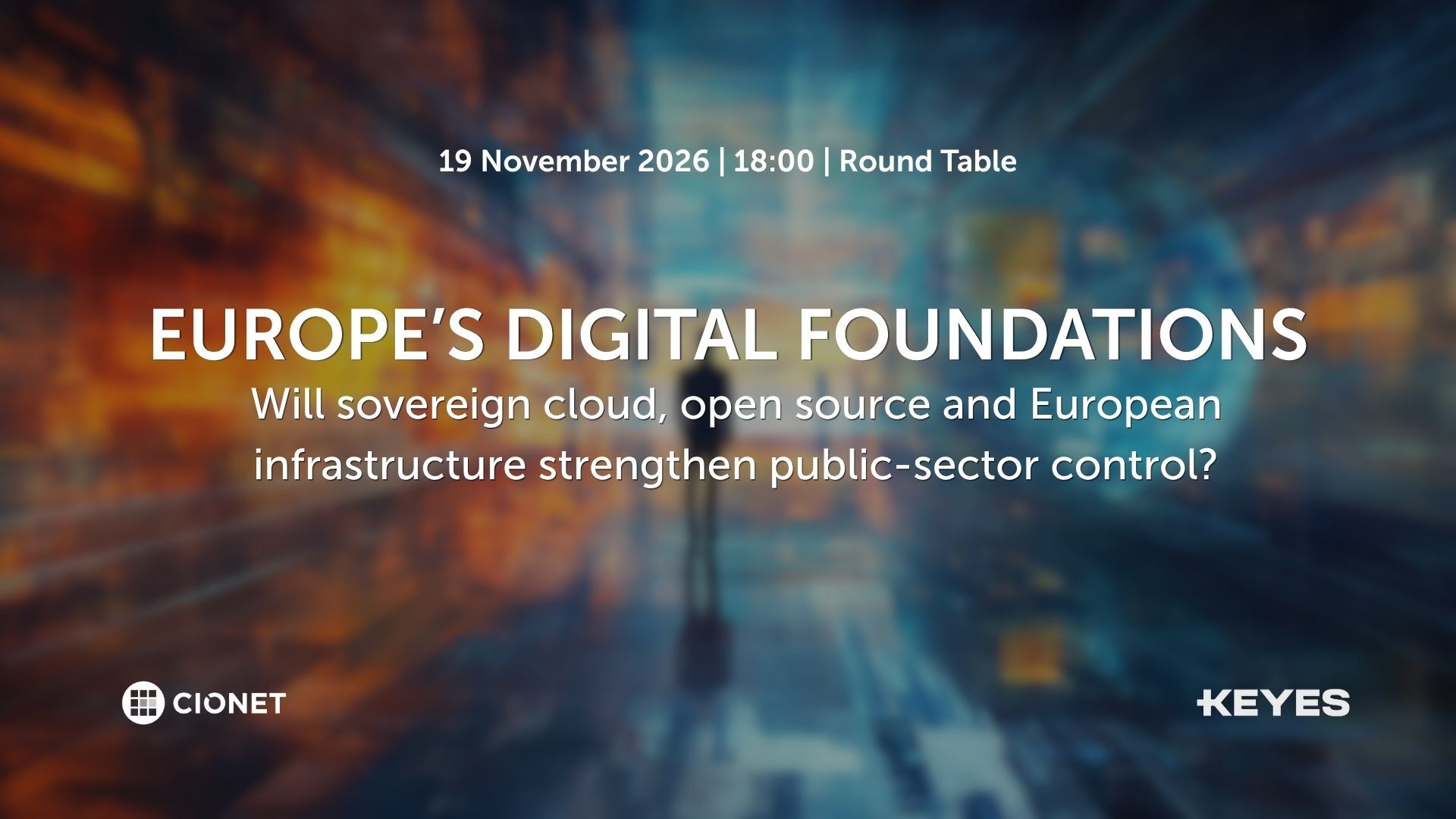
Belgium 19-11-2026 All Members Physical English
Public organisations are re-evaluating the digital foundations on which critical services depend. Cloud strategy is increasingly shaped by questions of operational control, legal exposure, supplier dependency, interoperability and long-term resilience. For public-sector leaders, the issue is not only where workloads are hosted, but how much strategic control remains over the technologies that support essential public services. This is where European cloud initiatives, sovereign infrastructure and open-source technologies become strategically important. Together, they can increase transparency, preserve portability and reduce dependency on individual providers. But they also raise practical questions around maturity, procurement, integration, support models and long-term sustainability. Open source brings a specific dimension to this discussion. It claims to better support transparency, interoperability and strategic autonomy, but it is also requiring clear governance, security controls and operational support. The opportunity is to understand where open technologies can strengthen the public-sector technology stack, where commercial platforms remain essential and how both can coexist within a coherent European digital strategy. Three questions shape the discussion: Which parts of the public-sector technology stack require stronger European control? What role should open-source technologies play in reducing dependency and strengthening transparency? Which governance and procurement decisions will determine whether a sovereign cloud strategy succeeds? Bringing these perspectives together can define where sovereign cloud and open technologies create strategic value, identify the decisions that deserve executive attention, and establish practical principles for strengthening Europe’s digital foundations while preserving flexibility and innovation. See you at the table?
Read More
Belgium 24-11-2026 Country Members Physical French
Créativité vs. Chaos : Quelle est la gouvernance minimale ? Le défi principal est d'équilibrer le risque et le rythme du changement. Les équipes métier adoptent de nouveaux outils d'IA et low-code de leur propre chef, créant une véritable créativité mais aussi un risque massif et non géré. Cette discussion se concentre sur l'établissement de voies simples et sûres pour l'innovation, en débattant de la gouvernance minimale qui protège la réputation de l'entreprise tout en évitant l'erreur d'écraser les initiatives utiles dans l'ombre. Questions clés d'Échange entre pairs : Où l'innovation de l'ombre aide-t-elle plutôt que de nuire, et comment éviter de l'écraser ? Quelle est la gouvernance minimale qui protège la réputation tout en maintenant la vitesse, et à qui appartient-elle réellement ? Comment les pairs ont-ils réussi à transformer les efforts initiaux de l'ombre en services officiels soutenus sans perdre la confiance de l'entreprise ? Comment pouvons-nous rendre plus facile d'innover de manière responsable que de simplement agir en franc-tireur ?
Read More
Published on: October 28, 2026 @ 1:09 PM

Published on: October 28, 2026 @ 12:28 PM
Published on: September 30, 2026 @ 1:17 PM

Published on: August 26, 2026 @ 9:13 AM

Published on: July 29, 2026 @ 10:08 AM

Published on: June 24, 2026 @ 5:00 PM

Published on: May 27, 2026 @ 9:21 AM
Published on: May 07, 2026 @ 4:02 PM

Published on: April 29, 2026 @ 9:11 AM

Published on: March 26, 2026 @ 3:37 PM

Published on: March 25, 2026 @ 9:58 AM

Published on: March 13, 2026 @ 3:43 PM

Published on: February 25, 2026 @ 11:01 AM

Published on: February 25, 2026 @ 9:00 AM

Published on: February 24, 2026 @ 5:00 PM
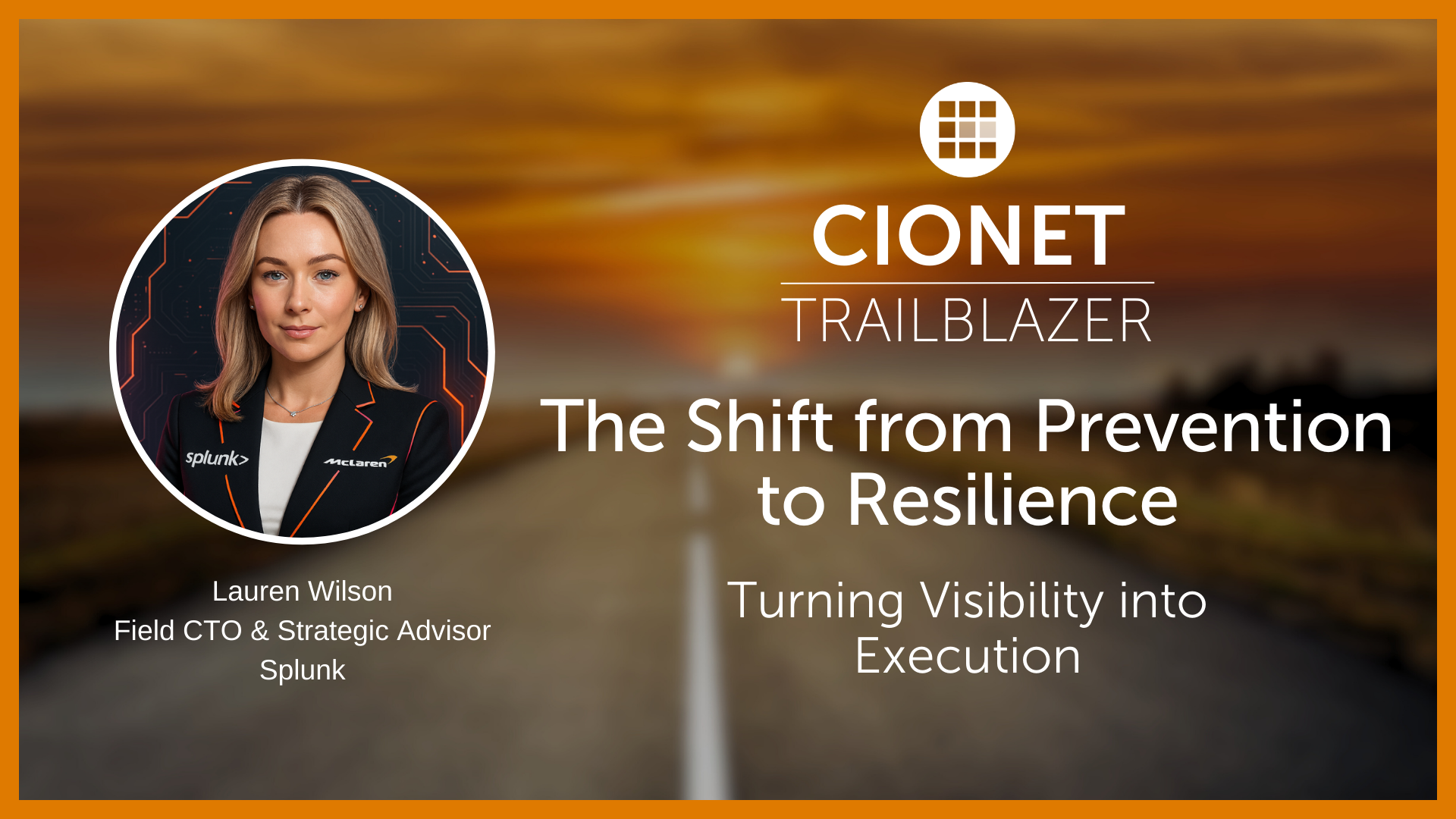
CIONET Trailblazer: CISO: The Shift from Prevention to Resilience: Turning Visibility into Execution
Published on: January 28, 2026 @ 9:48 AM
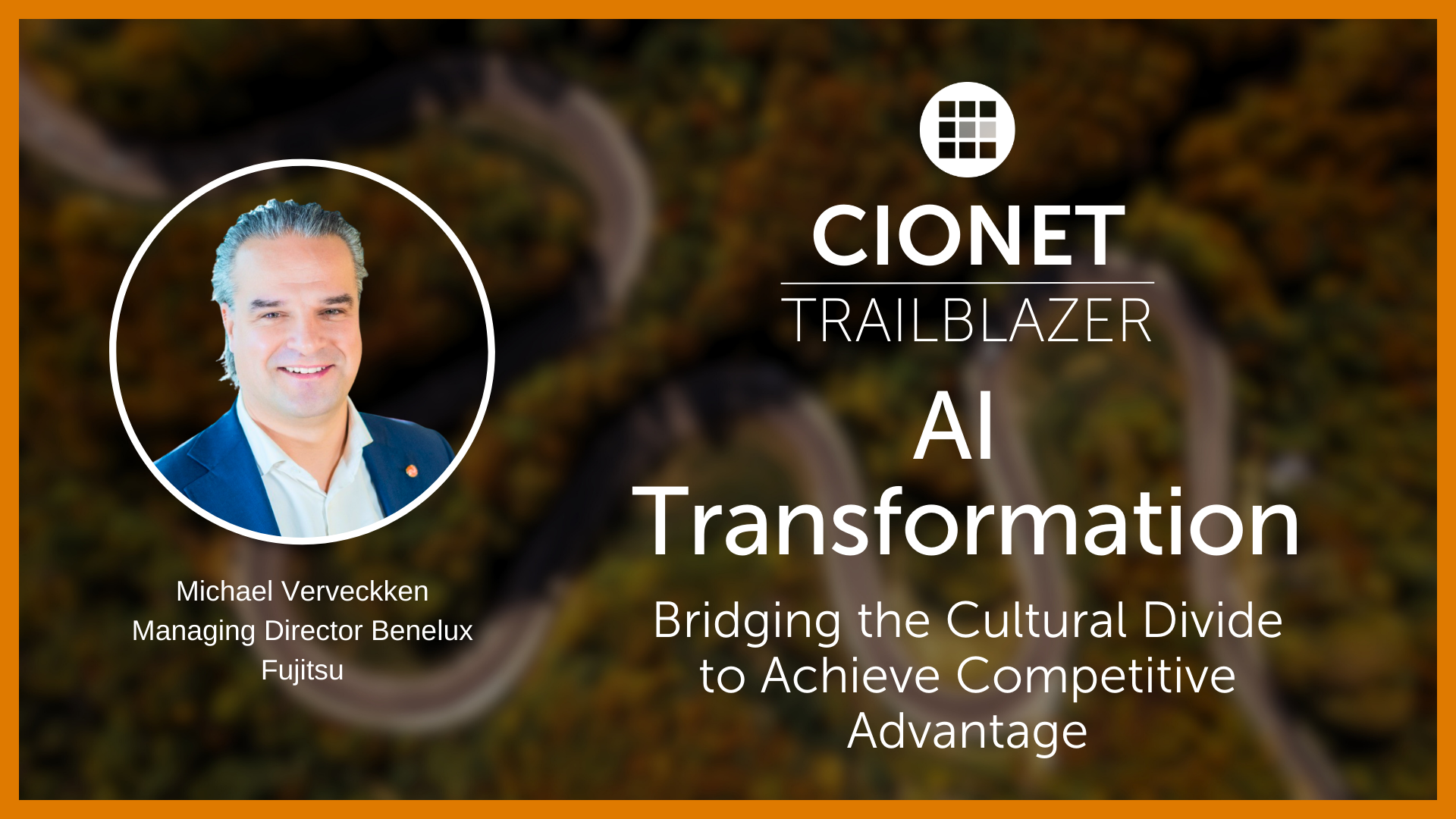
CIONET Trailblazer: AI Transformation: Bridging the Cultural Divide to Achieve Competitive Advantage
Published on: December 17, 2025 @ 9:16 AM

Published on: October 29, 2025 @ 11:31 AM
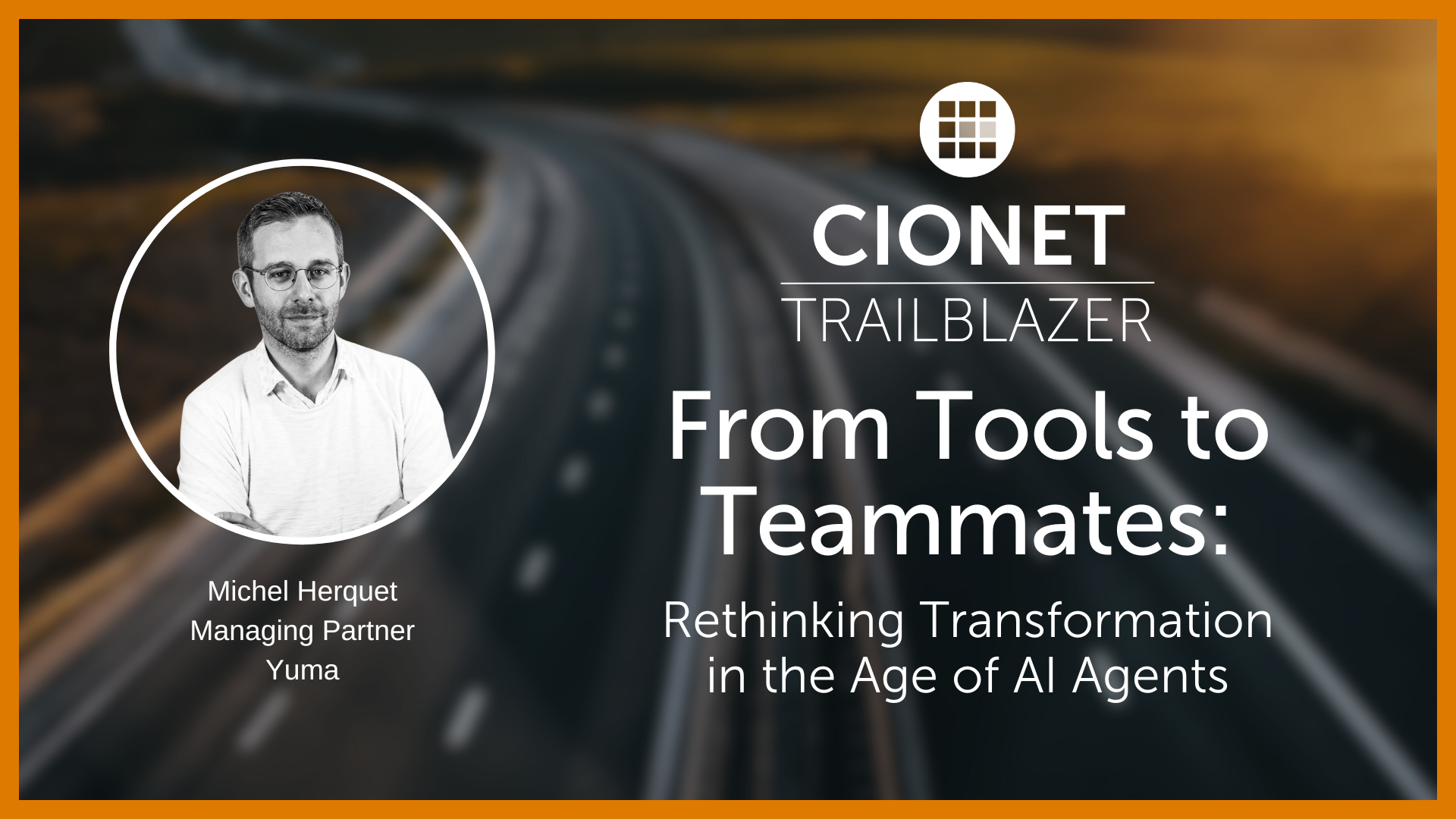
Published on: July 30, 2025 @ 9:19 AM

Published on: June 25, 2025 @ 9:14 AM

Published on: April 30, 2025 @ 9:04 AM

Published on: March 26, 2025 @ 9:59 AM

Published on: March 04, 2025 @ 5:07 PM

Published on: February 26, 2025 @ 10:51 AM
Published on: February 25, 2025 @ 4:14 PM

Published on: February 25, 2025 @ 10:33 AM
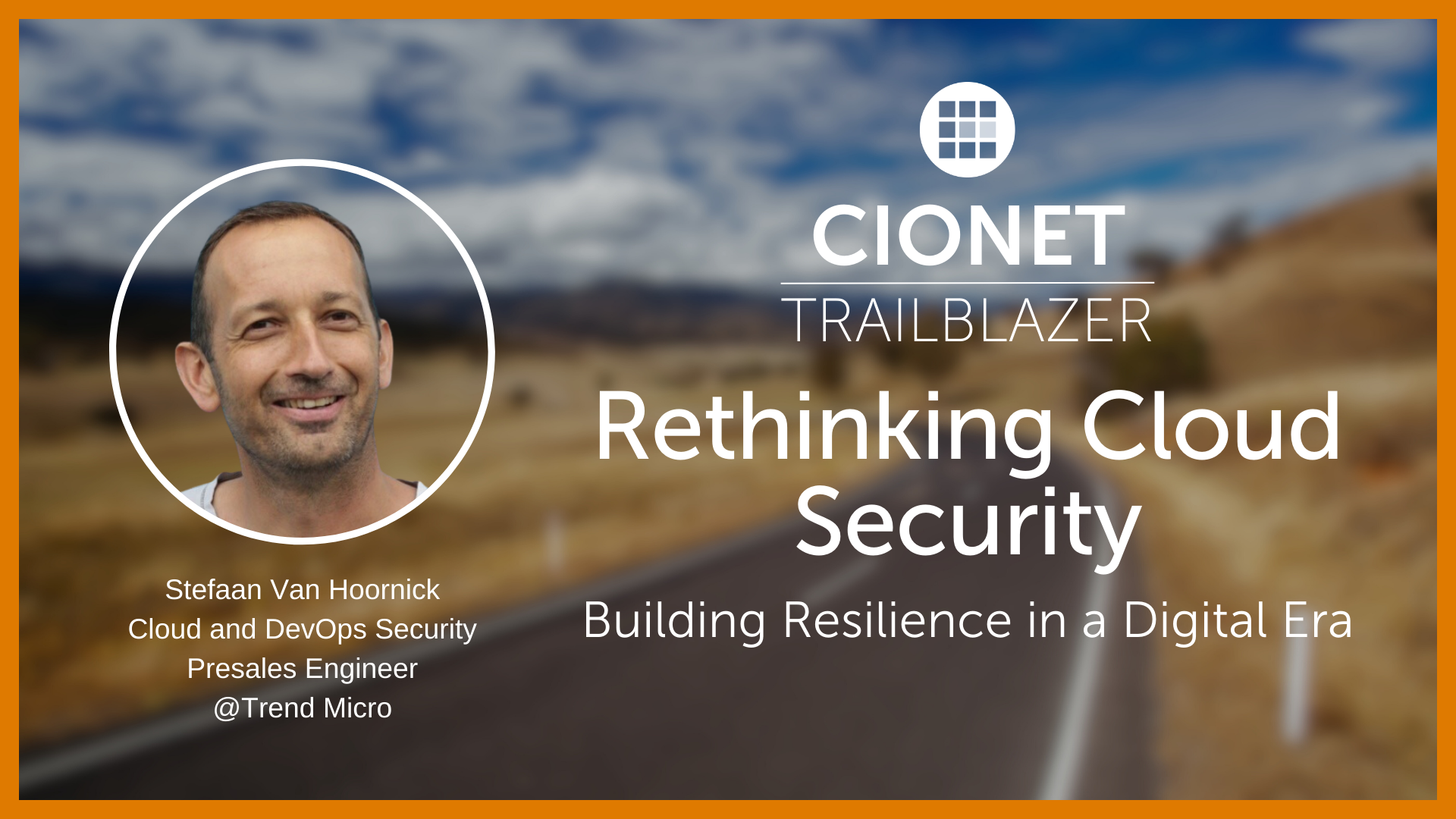
Published on: January 29, 2025 @ 9:58 AM
Published on: December 18, 2024 @ 9:07 AM
Published on: October 30, 2024 @ 9:34 AM

Published on: October 29, 2024 @ 11:37 AM

Published on: September 27, 2024 @ 10:41 AM

Published on: September 25, 2024 @ 8:59 AM

Published on: September 18, 2024 @ 3:44 PM

Isracard creates foundation for faster, innovative development
In response to rapid industry change, Israeli credit card company Isracard sought to speed and simplify its service development approach. By building a new container-based IT infrastructure with Red Hat® OpenShift®, Isracard has cut provisioning times from weeks to minutes and improved resource use.
In response to rapid industry change, Israeli credit card company Isracard sought to speed and
simplify its service development approach. By building a new container-based IT infrastructure
with Red Hat OpenShift Platform Plus, Isracard has cut provisioning times from weeks to minutes
and improved resource use. Now, its developers can focus on exploring new, innovative solutions
to customer demands, and its infrastructure team can take advantage of the latest security and
management capabilities
Reinventing complex IT systems and processes
Israel’s financial market has experienced massive shifts in recent years, such as rapid fintech growth
and significant regulatory changes that required banks to divest their credit card businesses.
Formerly part of Israel’s largest bank, Isracard now serves close to half of the country’s credit card
market. It provides payment, loan, and other services to business and consumers, including through
partnerships with Visa, Mastercard, and American Express.
As a smaller organization than its larger parent institution, Isracard sought to take advantage of
opportunities to embrace new technology as a market leader.
“While we lost some of our power to acquire and retain new customers as an independent organization,
we also gained the freedom to reinvent our business strategy and processes. For example, we have
the chance to be part of the industry-changing open banking revolution,” said Dvir Ben-Aaron, Chief
Technology Officer, Isracard. “To take advantage of this opportunity, we chose to evolve our legacy
technology environment to more efficient, container-based development and delivery.”
Creating new credit services with a supported, container-based foundation
After researching and testing potential solutions, Isracard selected Red Hat OpenShift as its new
IT foundation. This enterprise container platform supports innovative application development,
deployment, and management across hybrid cloud environments.
“We were looking for a technology platform that would serve our business for years to come. We
found that Red Hat OpenShift is more mature and provides stronger security capabilities than other
solutions in the market,” said Ben-Aaron. “Red Hat has a proven record of success with securitysensitive organizations and the availability of skilled local support. They were able to demonstrate
the value of their technology and services for our developer, infrastructure, and security teams.”
Isracard’s teams—many of whom were new to using Kubernetes—worked closely with Red Hat
Consulting during and after implementation to learn best practices and define, design, and create
workloads for the company’s new on-premise OpenShift environment. After a successful initial
implementation, Isracard recently upgraded to Red Hat OpenShift Platform Plus, a set of products
that add advanced management, security, and storage capabilities to Isracard’s existing OpenShift
foundation. For example, Red Hat Advanced Cluster Security for Kubernetes helps organizations
reduce operational risks and costs with built-in security across the entire application development
life cycle.
Isracard now uses on-premise Red Hat OpenShift to support a variety of projects, including
integration with Israel’s 20 major banks, accelerating time to market for new services, and
reconfiguring a critical back-end system.
“We want to keep our platform updated with comprehensive security and the latest container features,”
said Ben Aaron. “OpenShift Platform Plus gives us flexible, low-code features that will help us bring
even more speed and innovation to our infrastructure architecture and processes. For instance, new
hybrid cloud capabilities will help us distribute new services that we develop locally.”
Adopting more efficient back-end processes to focus on customer-facing innovation
- Reduced infrastructure setup time from weeks to minutes with automated provisioning processes
- Increased developer independence with self-service environment management, freeing time and
resources for innovative work
Improved resource use, reducing reliance on growing server footprint
- Established in-demand container technology foundation for partnerships with other banking and
fintech organizations
Continuing successful container adoption journey with new strategic projects
After its initial success with containers, Isracard can now focus on new, innovative projects for both
customers and its development teams. The company is adding several new Red Hat OpenShift
clusters to support several upcoming projects, including customer-facing credit approval and other
digital applications, unified management, and support for cloud-based workloads. Isracard plans
to continue working closely with Red Hat’s technology experts to take advantage of these new
opportunities and grow its reputation for innovative financial services. In the near future, the team
will expand its OpenShift environment with Red Hat Advanced Cluster Management for Kubenetes,
as well as Red Hat OpenShift Data Foundation.
“We see our relationship with Red Hat as strategic to our ongoing success in our transformation
journey,” said Ben Aaron. ”In addition to bringing open banking benefits to our customers, we’re
using Red Hat OpenShift to work toward our goal of becoming a credit services provider to other
businesses as well, from tools to processes and more. Our team is excited to see their ideas become
reality, keep learning, overcome our challenges, and continue to grow.”
About Isracard
Isracard is the leading and largest credit card group in Israel with over 45 years of experience. It
operates mainly in the areas of financing, issuance of debit cards and clearing payment services.
Isracard holds significantly higher market shares of the market vis-à-vis its competitors. The group
operates about 4.4 million active credit cards of the following brands: Isracard, MasterCard, Visa
and American Express (exclusively in Israel). The group provides clearing services to most of the
clearing businesses in Israel. Our company provides consumer and commercial credit to the extent
of approximately NIS 6.2 billion and also manages the largest and leading consumer clubs in Israel
with significant value propositions for customers and partners.
CIONET’s Cyber Circle: a new three-event programme exclusively focusing on the most urgent, complex, and high-impact challenges in cybersecurity today. Launched in 2026, this initiative brings together CISOs, CIOs, and senior IT executives with a strong interest in cybersecurity for three curated gatherings each year. As part of CIONET’s trusted executive community, the Cyber Circle provides a confidential, peer-driven environment to exchange insights, share real-world experiences, and address evolving cyber threats. Each session is designed to foster strategic dialogue, strengthen resilience, and elevate cybersecurity as a core driver of business value.
Read More
The Telenet Business Leadership Circle powered by CIONET, offers a platform where IT executives and thought leaders can meet to inspire each other and share best practices. We want to be a facilitator who helps you optimise the performance of your IT function and your business by embracing the endless opportunities that digital change brings.
Read More
Découvrez la dynamique du leadership numérique aux Rencontres de CIONET, le programme francophone exclusif de CIONET pour les leaders numériques en Belgique, rendu possible grâce au soutien et à l'engagement de nos partenaires de programme : Deloitte, Denodo et Red Hat. Rejoignez trois événements inspirants par an à Liège, Namur et en Brabant Wallon, où des CIOs et des experts numériques francophones de premier plan partagent leurs perspectives et expériences sur des thèmes d'affaires et de IT actuels. Laissez-vous inspirer et apprenez des meilleurs du secteur lors de sessions captivantes conçues spécialement pour soutenir et enrichir votre rôle en tant que CIO pair. Ne manquez pas cette opportunité de faire partie d'un réseau exceptionnel d'innovateurs numériques !
Read More
CIONET is committed to highlighting and celebrating female role models in IT, Tech & Digital, creating a leadership programme that empowers and elevates women within the tech industry. This initiative is dedicated to showcasing the achievements and successes of leading women, fostering an environment where female role models are recognised, and their contributions can ignite progress and inspire the next generation of women in IT. Our mission is to shine the spotlight a little brighter on female role models in IT, Tech & Digital, and to empower each other through this inner network community.
Read More